This Strange Minnesota Phenomenon Happens Every Fall By The Hundreds
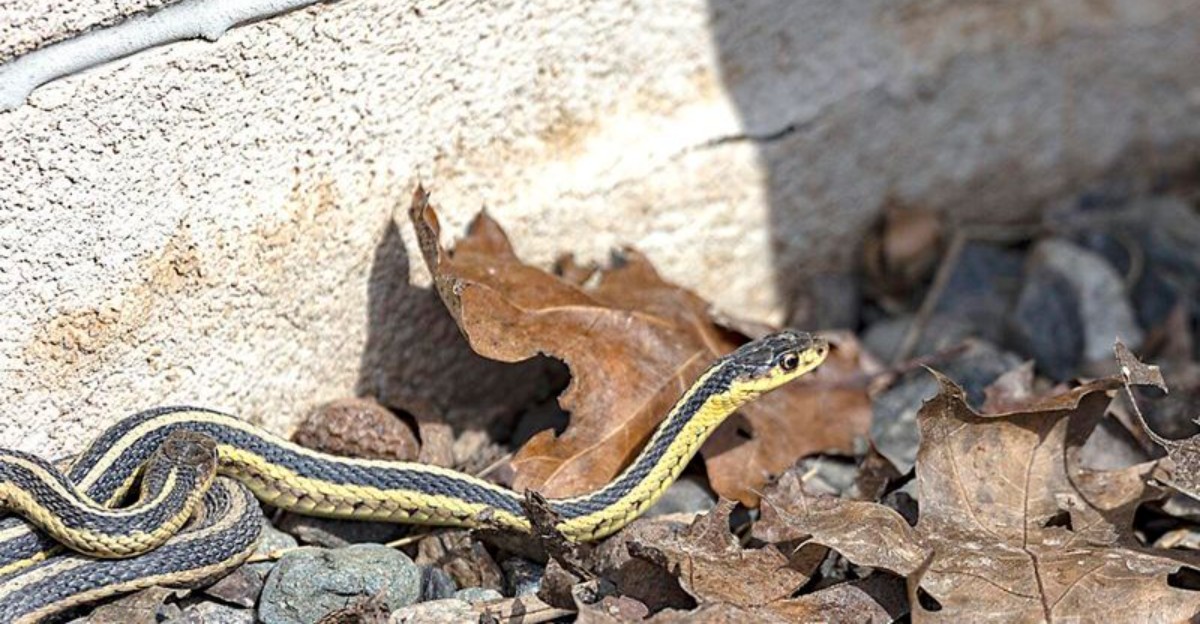
You freeze when the bluff itself seems to shiver in the sun. Ribbons of striped bodies suddenly pour across warm rock toward you. Minnesota hides a wildlife scene you will not forget quickly.
Something ancient stirs beneath your boots long before you notice it. Farmers near you sense it early, long before hikers stumble in. Southeastern Minnesota shows you a rare spectacle few visitors ever forget.
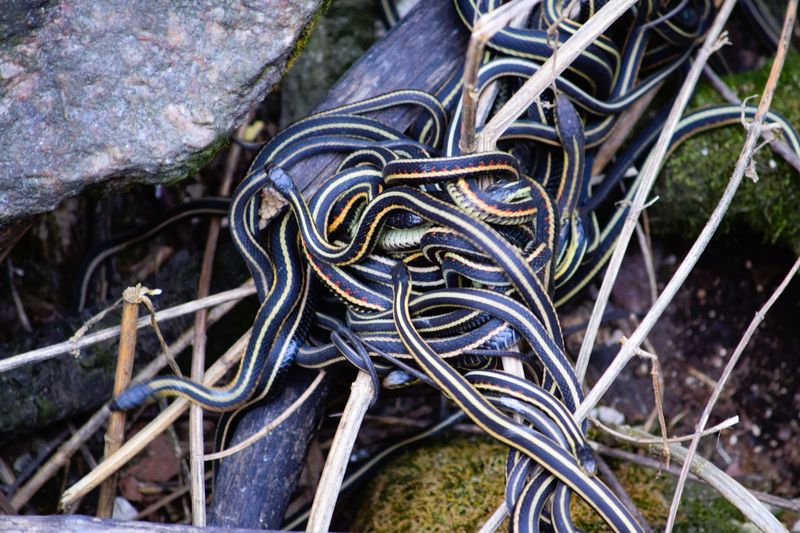
Cool nights push hidden creatures toward shared dens underground nearby. Warmth pulls them back into view, right where you might stand. Bodies twist together in dense clusters right before your eyes.
Silence cracks around you the instant movement fills the grass. Motion keeps building here once the gathering pulls you closer. Nobody needs special gear beside you, just patience and quiet.
Respectful distance keeps this rare spectacle alive for you and seasons ahead. Curiosity will pull you toward exactly what waits ahead.
The Autumn Migration And What Actually Happens
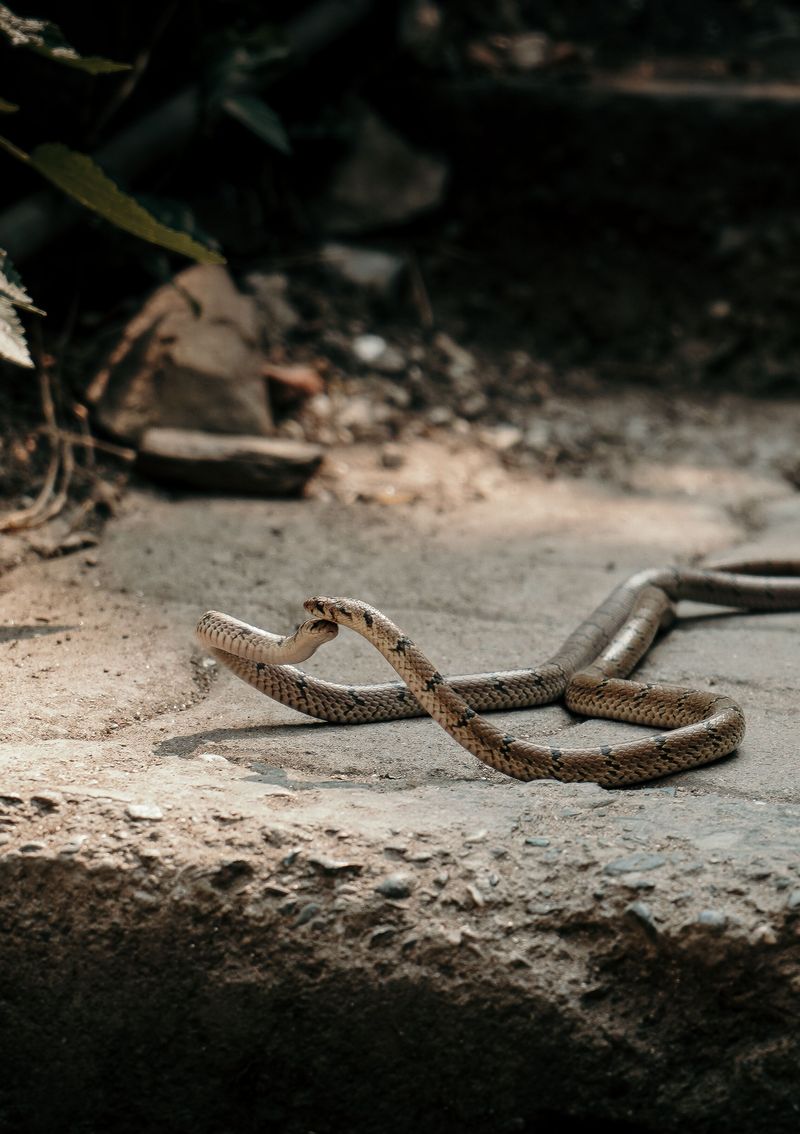
Picture a warm September afternoon on a limestone bluff in southeastern Minnesota. The grass twitches, and suddenly a dozen striped snakes glide past your boots, all pointed the same way.
Common garter snakes spend the warm months spread out across marshes, ditches, backyards, and prairie edges. When nights start cooling, they begin traveling toward shared winter shelters called hibernacula.
These shelters are usually deep rock crevices, old wells, ant mounds, or cracks in bluff faces that reach below the frost line. Because good crevices are limited, snakes from a wide area funnel toward the same handful of spots.
That funneling is what makes the show so surprising. Instead of one snake here and one snake there, you get hundreds sliding across a single sunny slope over a few short weeks.
Some southeastern Minnesota sites have hosted these gatherings for generations, and some sites are believed to host thousands of snakes moving through a single bluff system each season. The snakes travel by day, warming on rock, then tuck into cover overnight.
They are not aggressive, and they are not chasing anyone. A startled garter snake will flatten, wiggle away fast, or release a stinky musk if handled.
Timing shifts with weather, but early September through mid October is the sweet spot. A stretch of sunny days after a cool snap often produces the heaviest traffic.
Once you know it happens, you start noticing it. Ditch banks, driveways, and trail edges all become part of a quiet statewide commute.
Why Cool Nights Flip The Switch
Snakes borrow their body heat from the world around them. That single fact explains the whole autumn parade.
Through July and August, a garter snake can warm up almost anywhere, so it has little reason to travel far. Food is plentiful too, with earthworms, frogs, slugs, and small fish easy to find near water.
When September nights drop into the forties, the math changes. Shallow hiding places stop holding enough warmth to carry a snake through a Minnesota winter.
Shortening daylight and falling temperatures act like a signal. Scientists think snakes read both cues together, which is why the timing stays fairly steady from year to year even when weather bounces around.
Your Minnesota Garden Changes Every Week. Your Plan Should Too.
Gardening in Minnesota changes quickly throughout the season. Every Friday you’ll receive a simple weekly plan showing exactly what to plant, prune, fertilize, harvest, and protect so you never miss the right timing.
So the snakes head for shelters that sit below frost depth, often several feet down in fractured rock. Inside, temperatures hover just above freezing and stay stable, which lets the animals slow their bodies way down for months.
Grouping up may help too. Sharing a crevice reduces moisture loss and may keep the pocket of air slightly steadier.
Here is the part gardeners appreciate. A snake that survives winter comes back in spring hungry for slugs, cutworms, and grasshoppers, offering a natural pest control benefit for your vegetable beds.
If you want to help, leave a brush pile or rock stack in a sunny corner of the yard. It gives traveling snakes a safe rest stop during those chilly early autumn nights.
Bluff Country Hot Spots Worth Visiting
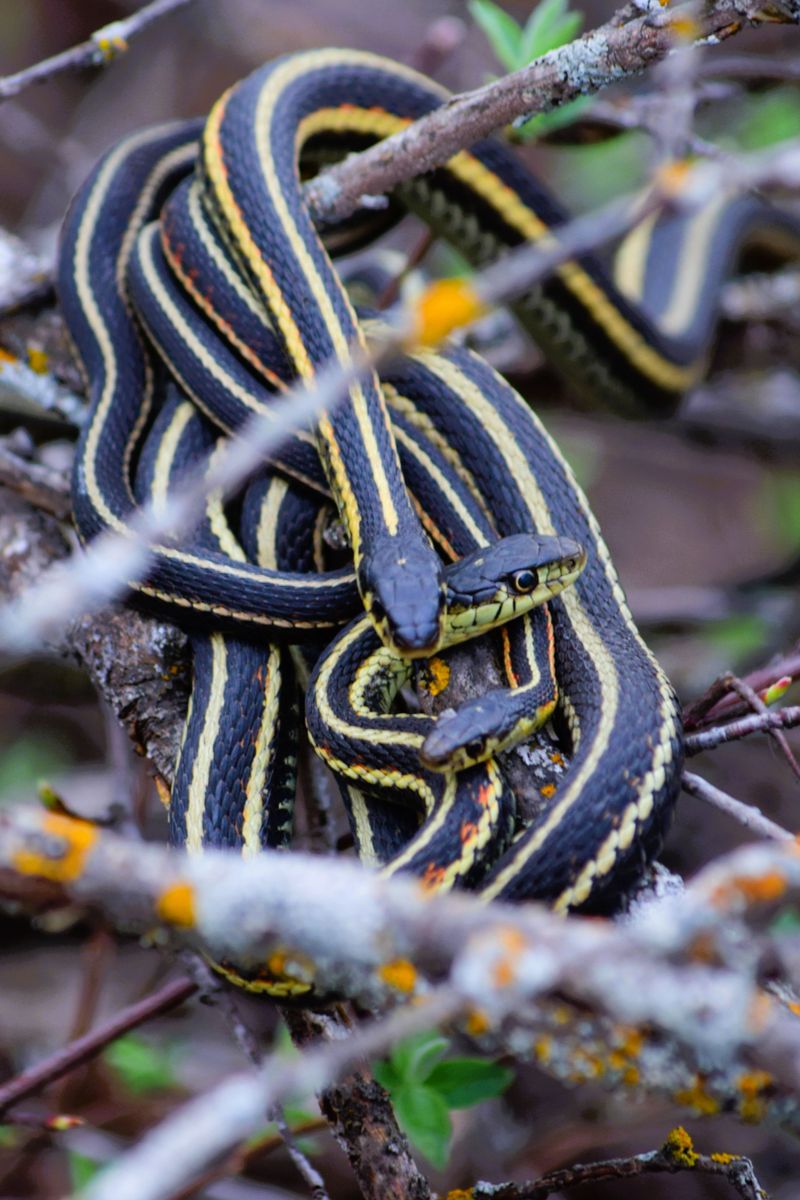
Southeastern Minnesota is snake central, and geology gets the credit. The Driftless Area escaped the last glaciers, leaving cracked limestone bluffs full of deep crevices.
Those crevices are ideal winter housing, so snakes from surrounding valleys converge there.
Whitewater State Park, Great River Bluffs, and the goat prairies along the Mississippi River are all known for autumn snake activity. One well known gathering spot lies near Kellogg, honestly named for the wildlife it hosts.
Locals say migrations have been visible along those slopes for decades, though readers should confirm the site’s exact name and access rules with the Minnesota DNR before visiting.
Farther north, rocky ridges in similar bluff terrain may host smaller gatherings as well, though these sites are less documented than the southeastern hot spots. Even Twin Cities parks with south facing rock piles can surprise you.
Plan your trip for a sunny afternoon following a cool night. Snakes stack up on warm stone then, making them easier to spot from a trail.
Bring binoculars and a zoom lens instead of your hands. Watching from a few feet away shows more natural behavior anyway, since a relaxed snake will bask, tongue flick, and cruise around.
Stay on marked paths. Goat prairies hold rare plants, and stepping off trail crushes both the flowers and the snake habitat you came to see.
Call the park office before driving out. Staff can sometimes point you toward areas with recent activity, which saves you some wandering.
Minnesota’s Garter Snake Species
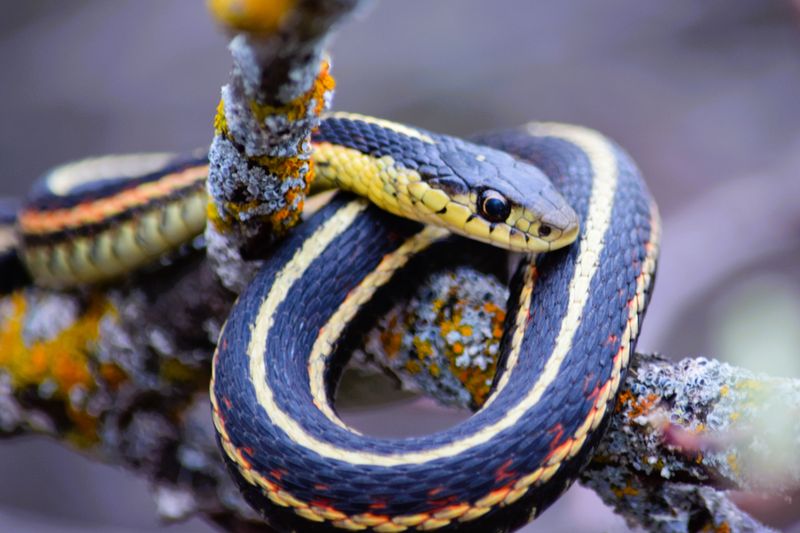
Not all the ribbons in that river of snakes look the same. Minnesota hosts a few garter snake types, and telling them apart is a fun puzzle.
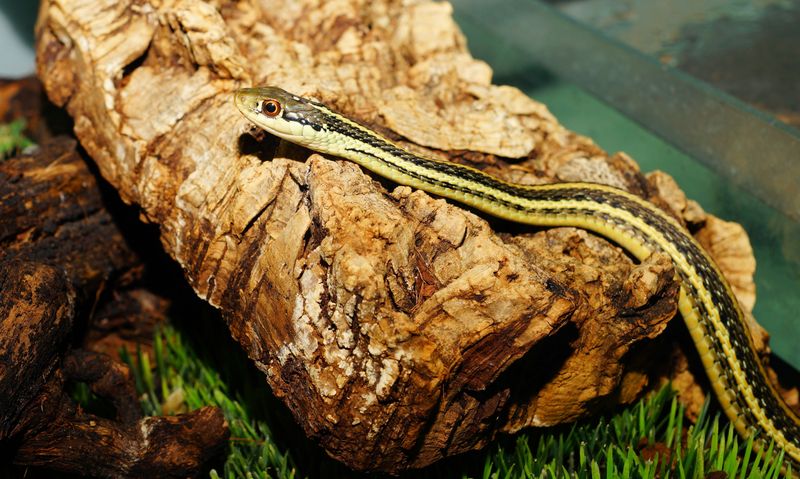
The common garter snake is the one folks meet most. Look for three pale stripes, one down the spine and one low on each side, over a dark brown or greenish body.
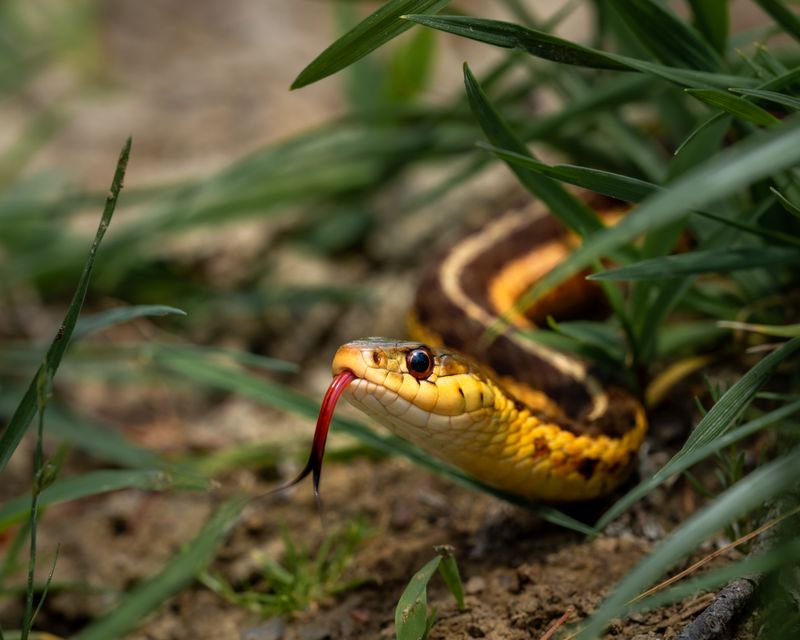
Plains garter snakes favor grasslands and wet meadows in the western and central parts of the state. Their spine stripe often glows bright orange or yellow, which makes them easy to pick out.
Redbelly snakes and brown snakes sometimes travel to the same winter shelters. They are smaller, often under a foot, with plain backs and, in the redbelly case, a salmon colored underside.
Adults usually measure between eighteen and thirty inches, though a well fed female can stretch longer. Males tend to be slimmer with proportionally longer tails.
Garter snakes give birth to live young rather than laying eggs, and litters of ten to thirty are typical in late summer. Those pencil sized babies join the autumn journey on their own, with no parental guidance at all.
None of these species is venomous. A bite from a scared garter snake amounts to a scratch, and washing it with soap handles the situation.
Learning two or three field marks turns a random snake sighting into real identification. Kids often catch on quickly, sometimes faster than adults.
Roads, Mowers, And Other Autumn Trouble
The biggest hazard during migration season has four wheels. Snakes crossing warm asphalt move slowly, and drivers rarely see them in time.
Some Minnesota bluff roads sit directly between summer wetlands and winter crevices. On busy migration days, a single stretch of pavement can see heavy snake traffic.
You can help without much effort. Slow down on rural roads in September and early October, especially on sunny afternoons near bluffs, marshes, and railroad grades.
If a snake is on the pavement and traffic allows, you can nudge it along with a stick from behind. Keep yourself safe first, and step aside for cars.
Yard work matters too. Mowing high, around four inches, and skipping the ditch bank until late October gives travelers a fighting chance.
Watch out for erosion netting and plastic mesh in landscaping projects. Snakes get tangled in fine plastic grids, so choose loose woven jute or coconut fiber instead.
Window wells, basement drains, and open crawl space gaps also collect confused snakes. Screen those openings in early September and you avoid a surprise houseguest.
If one does slip inside, stay calm. Guide it into a bucket with a broom, carry it outdoors, and set it near a rock pile or brushy edge.
Little habits add up. A few slower drives and one uncut ditch can carry a whole neighborhood of snakes safely into winter.
The Tangled Return Show
Autumn gets the crowds, but spring delivers the drama. When the ground warms in April, those same crevices empty out.
Males usually surface first and linger near the entrance, soaking up sun. Females emerge over the following days, and courtship starts almost immediately.
What happens next looks wild. Several males may wind around one female at once, forming a squirming knot that herpetologists call a mating ball.
Manitoba has the world famous version of this event with tens of thousands of snakes, and Minnesota sites run smaller but follow the same script. On a good April morning at a bluff hibernaculum, you might see clusters of a dozen or more.
After mating, the snakes scatter back out to summer territory. Females carry developing young for two to three months and give birth in July or August.
So the autumn crowd you see this September includes grandmothers, first year youngsters, and everything between. The whole cycle repeats on a loop tied to Minnesota’s seasons.
If watching appeals to you, mark your calendar for mid April and pick a warm, still day. Arrive mid morning, sit quietly on a rock at a respectful distance, and let the snakes ignore you.
Photographers love the low spring light on those glossy stripes. Bring a long lens, leave the snake handling to researchers, and you will walk away with a memorable story to share.