9 Wisconsin perennials you cut back now so next spring’s growth comes in clean
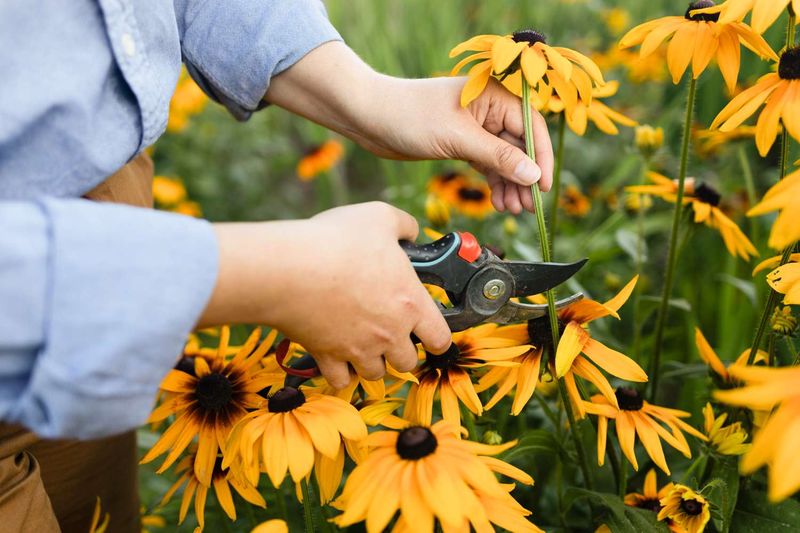
When the first hard frost hits Wisconsin, a lot of garden plants start to flop over and turn brown. Cutting some of them back now saves you a big headache next spring and helps stop diseases and pests from hiding in the dead leaves all winter.
The plants below reward a little fall effort with cleaner, healthier growth once the snow melts. Grab your pruners, and let’s tidy up before the ground freezes solid.
1. Hostas
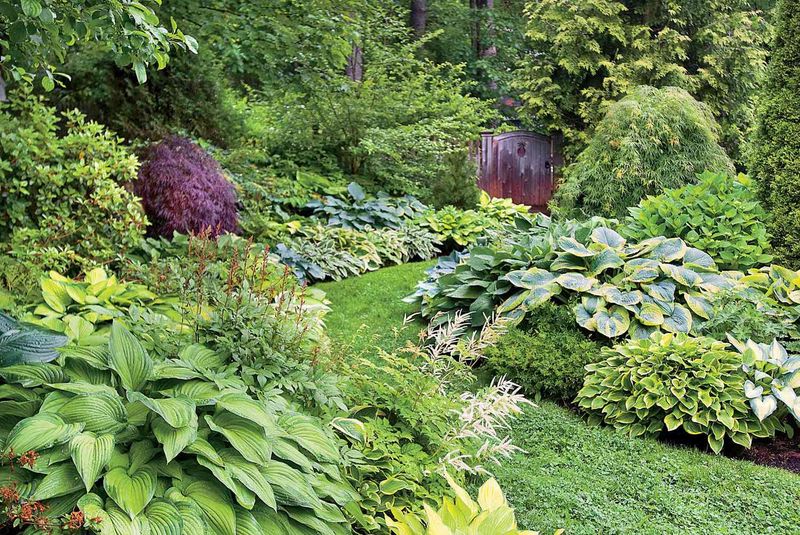
Slugs love hostas almost as much as we do, and they treat a pile of dead hosta leaves like a cozy winter cabin. Once the first hard frost turns those big leaves yellow and mushy, they collapse into a soggy heap right at the crown.
Clearing that debris away in a Wisconsin garden removes the exact spot where slugs and snails overwinter and lay their eggs. Fewer eggs now means far fewer chewed-up leaves come June.
Cut the foliage down close to the ground and toss it, don’t leave it sitting on the bed. Your spring hostas will push up fresh and hole-free.
2. Herbaceous Peonies
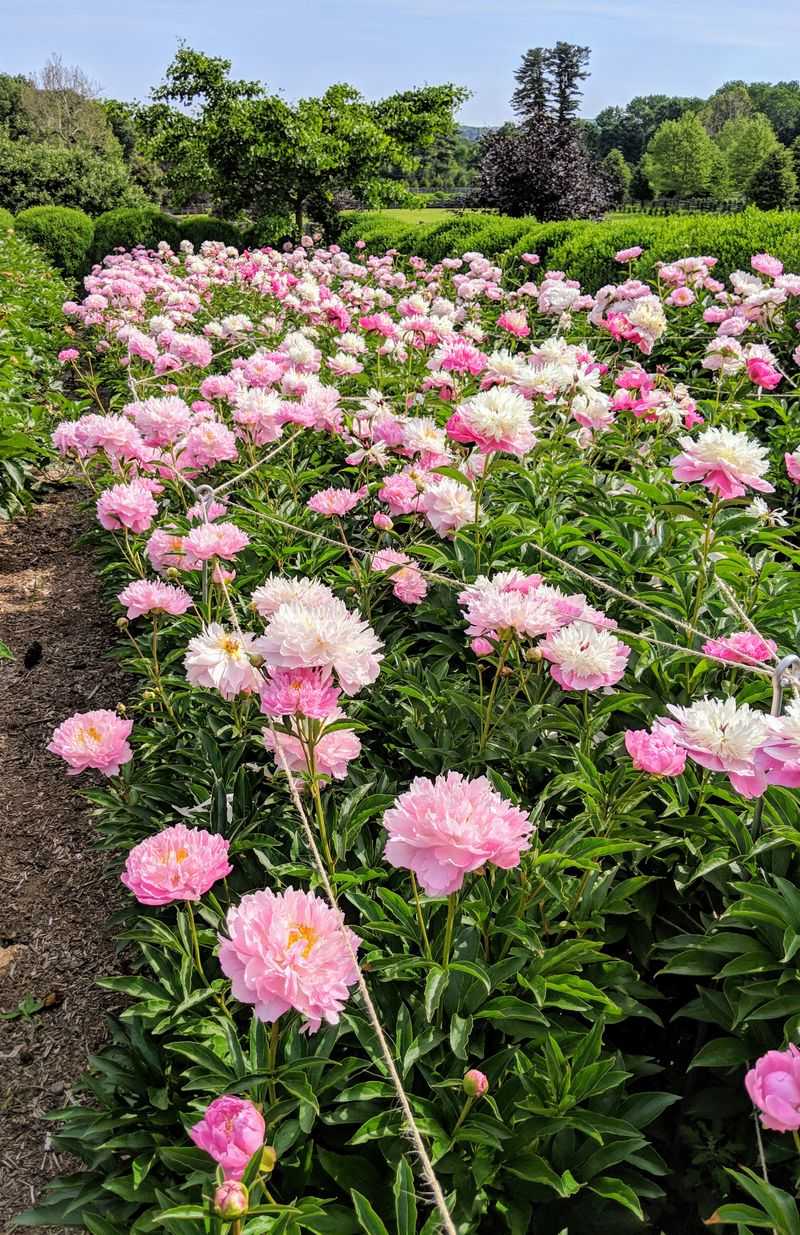
Peonies are the drama queens of the perennial world in June, then they quietly fall apart by October. Their real problem is fungus, powdery mildew and botrytis blight cling to those dying stems and wait patiently for spring.
In Wisconsin, leaving that infected foliage in place practically guarantees the disease comes roaring back to reinfect next year’s buds. Snipping the stems down to about 2 to 3 inches above the soil breaks that cycle.
Don’t compost the trimmings, since spores can survive and spread. Bag them and send them out with the trash so your peonies wake up clean.
3. Bee Balm (Monarda)
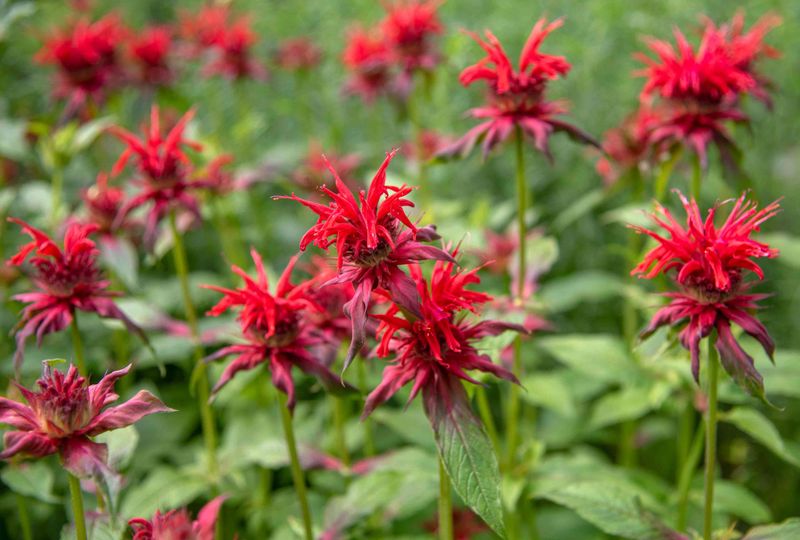
Pollinators adore bee balm all summer, but this plant has a well-earned reputation for catching powdery mildew. Wisconsin’s humid stretches make it even more prone to that dusty gray coating on the leaves.
Cutting the whole plant down to the soil in fall, after the blooms finish, strips away the foliage where mildew spores would otherwise overwinter. It’s one of the simplest ways to keep the disease from returning stronger each season.
Whatever you do, keep those clippings out of the compost pile. Bagging and discarding the affected leaves stops the fungal cycle cold and sets up healthier plants for spring.
4. Garden Phlox
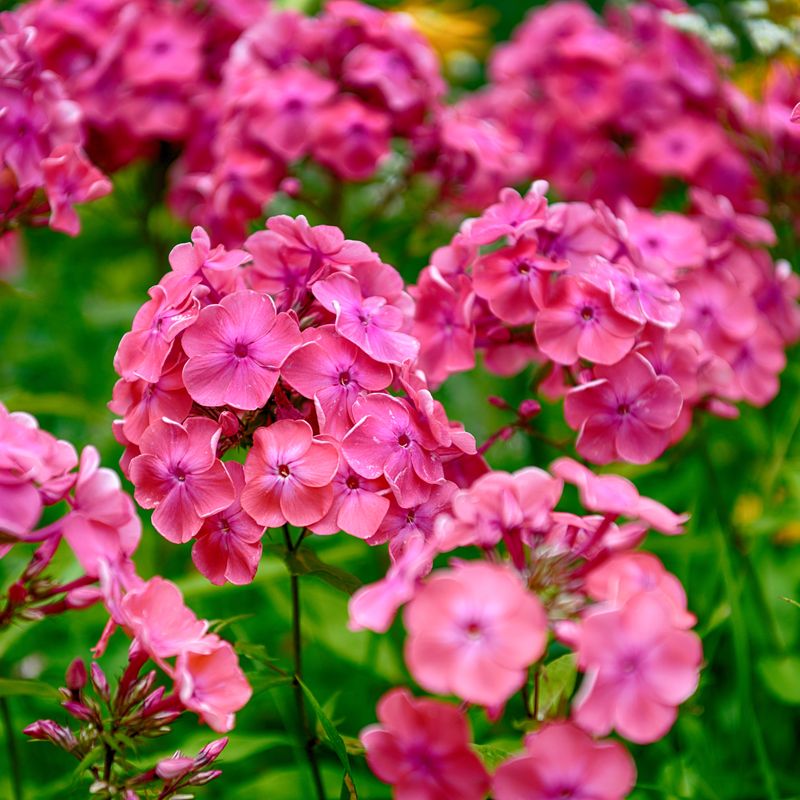
Tall garden phlox puts on a fragrant show in mid-summer, then often ends the season looking tired and mildew-speckled. Like bee balm, it’s a magnet for that powdery white fungus that thrives in Wisconsin’s damp late-summer air.
Once frost has blackened the leaves, cutting the stems all the way down to the ground removes the overwintering spores before they can settle in. Skipping this step usually means fighting the same mildew battle year after year.
A clean fall cut here pays off with sturdier, disease-free stalks next spring. Toss the trimmings rather than composting them to keep the spores from hitching a ride back into your beds.
Your Wisconsin Garden Changes Every Week. Your Plan Should Too.
Gardening in Wisconsin changes quickly throughout the season. Every Friday you’ll receive a simple weekly plan showing exactly what to plant, prune, fertilize, harvest, and protect so you never miss the right timing.
5. Daylilies
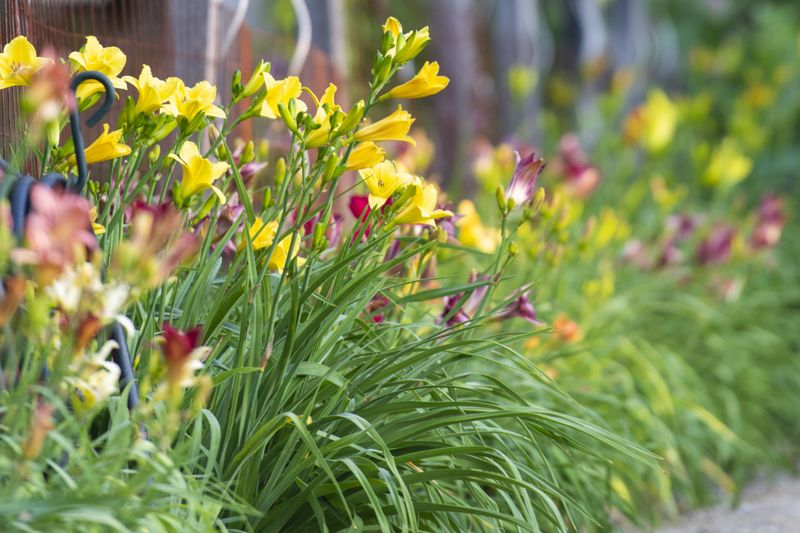
Daylilies are the easygoing workhorses of the garden, and honestly, you don’t have to cut them back at all. They’ll survive a Wisconsin winter just fine either way.
Still, once their strappy leaves flop and turn mushy after the first frost, trimming them to a few inches tall makes the whole bed look neat and cared for. It also takes away the damp, matted foliage that slugs and other pests would happily move into for the winter.
So this one is more about choice than necessity. If you like a clean slate in spring, a quick daylily haircut in mid-to-late autumn does the trick.
6. Astilbe
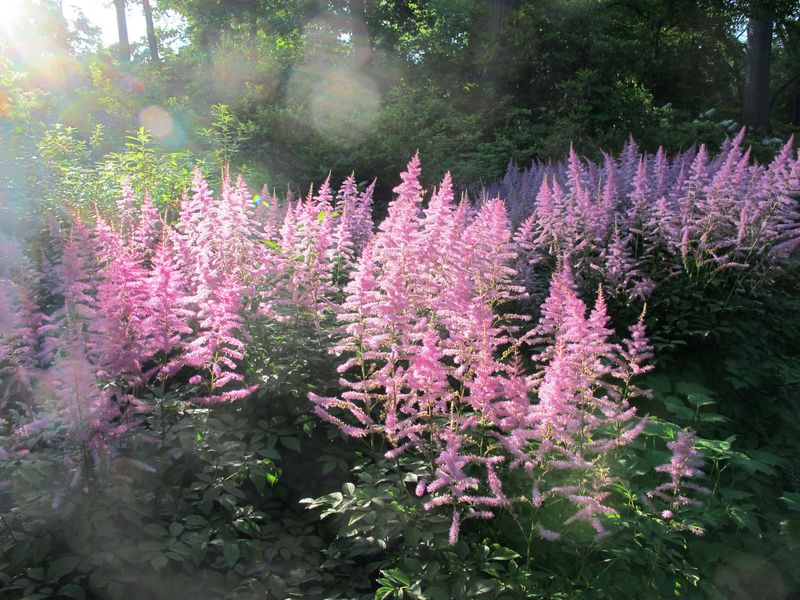
Those feathery astilbe plumes bring a soft, airy look to shady corners, but they fade to a crispy brown once cold weather sets in. Left standing, that spent foliage becomes a handy hideout for overwintering pests.
Trimming astilbe down to ground level in late fall or early winter, before the ground freezes hard in Wisconsin, tidies the garden and gives the plant a fresh start. It’s a quick job since the stems are slender and soft.
Come spring, you’ll appreciate seeing those bright new fronds emerge without last year’s brown mess crowding them out.
7. Bearded and Siberian Iris
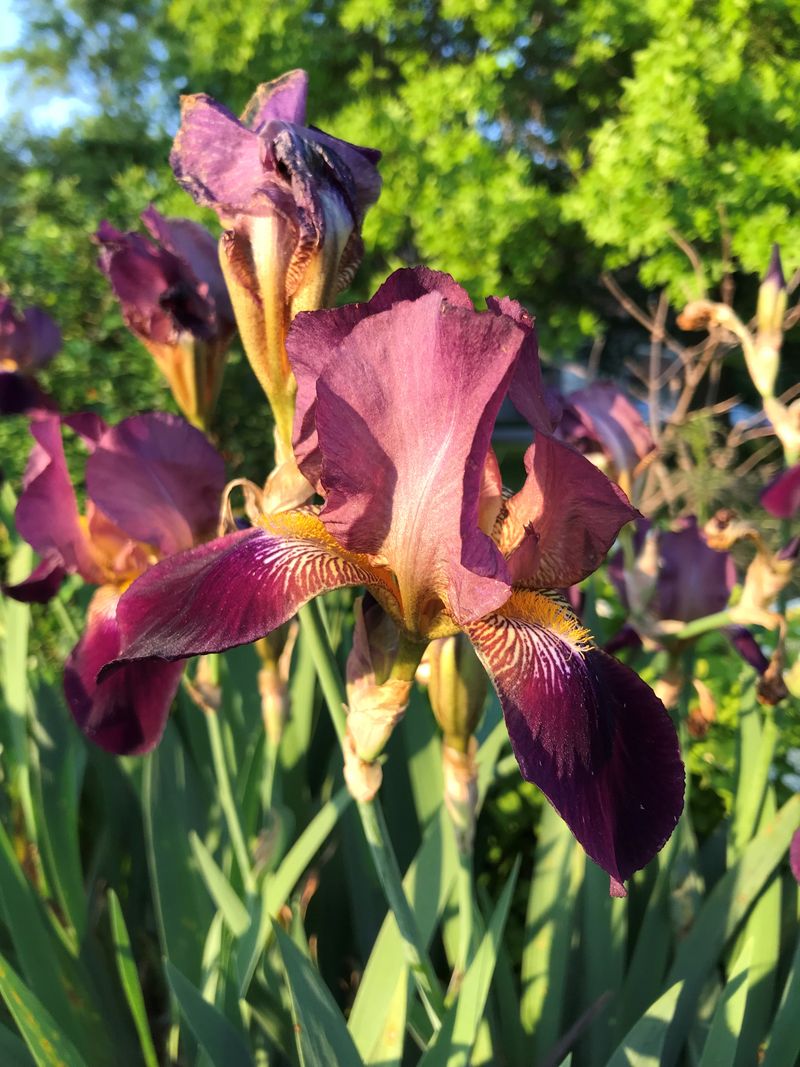
Iris borers are the sneaky villains here, and they’re the whole reason fall iris cleanup matters so much. These pests tuck their eggs into the sword-shaped leaves, ready to hatch and tunnel into the rhizomes next season.
Trimming bearded iris leaves back to about 6 to 8 inches in fall physically removes many of those eggs before they get the chance. In a Wisconsin garden where borers are a persistent problem, that simple cut can save an entire iris patch.
Clear away the trimmings and any mushy debris around the rhizomes too. Your irises will thank you with clean, vigorous fans of growth in spring.