Georgia Homeowners Are Finding Signs Of Feral Hogs In Their Yards
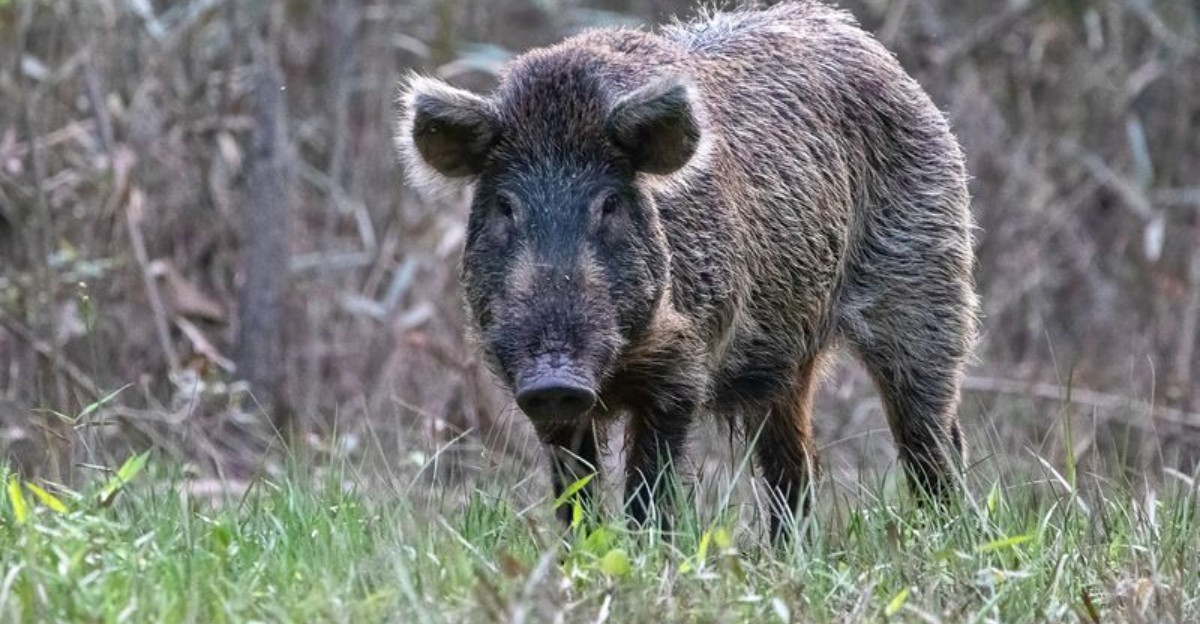
Something tore through the ground overnight, leaving patches of soil flipped and grass disturbed by morning. Damage like that can point toward a much larger visitor.
Feral hogs use their powerful snouts to root through soil while searching for food beneath the surface.
The result can look very different from the smaller holes left by familiar backyard wildlife. In parts of Georgia, recognizing those differences matters because hogs can cause extensive property damage.
Tracks, rooting patterns, and other clues can help you understand what visited without getting close.
If the signs match feral hog activity, avoid approaching any animals that return to the area. Your next steps should focus on keeping a safe distance.
Learn the evidence they leave behind, and mysterious overnight yard damage becomes much easier to identify.
1. Torn Ground Can Be The First Sign Something Visited Overnight
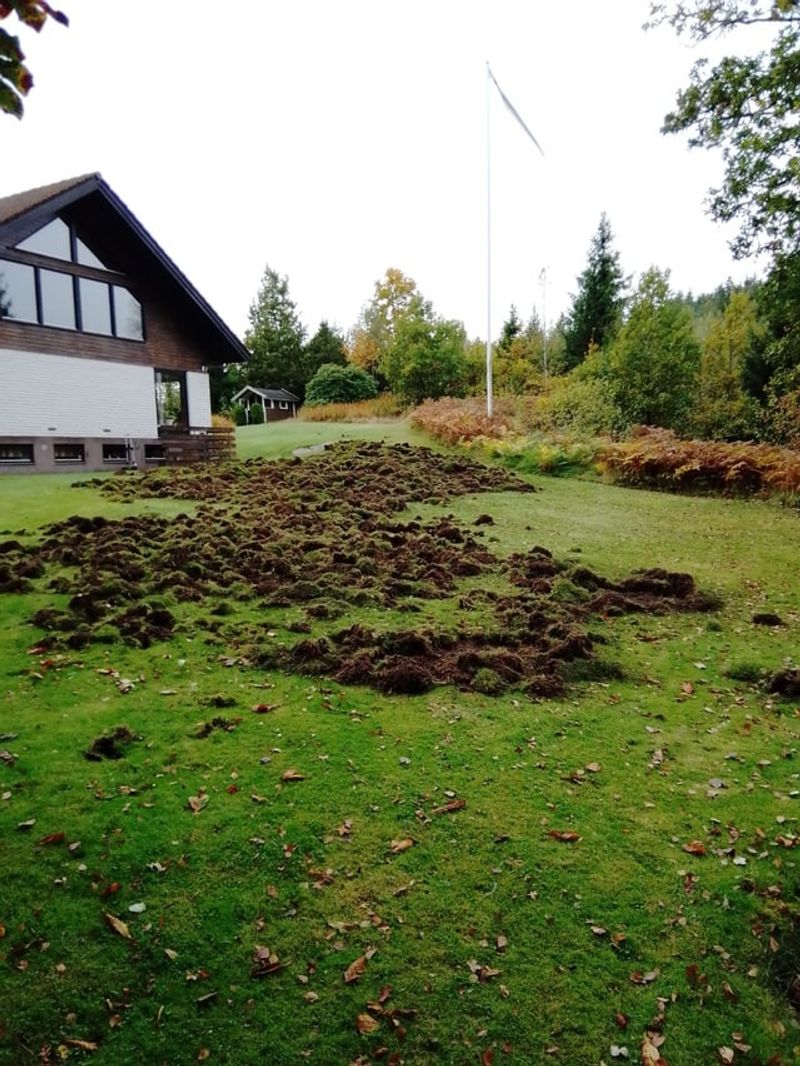
You go out for the newspaper and half the front lawn looks like someone dragged a rake through it sideways. That first look is usually the shock moment for homeowners.
Hog damage tends to show up as flipped chunks of sod rather than neat holes. Grass stays attached to the soil, just turned upside down.
Armadillos and raccoons also dig, but their work is smaller and shallower.
Size gives you a hint. A single hog can churn several square yards in one night, and a group can work over an entire bed before sunrise.
Softer ground gets hit first, which is why irrigated lawns in Georgia often take the worst of it during dry stretches. Hard clay slows them down but rarely stops them.
Take photos before you repair anything.
Documentation helps if you contact a wildlife control operator later, and it gives you a way to compare damage week to week. Dates on the images matter more than you might think.
Rake the sod back into place quickly if the roots are still intact. Grass often recovers when it is reset and watered within a day or two, though results depend on heat and how badly the roots were torn.
Keep in mind that fresh repairs sometimes attract another visit, since loosened soil is easier to work.
2. Feral Hogs Leave Distinctive Rooting Damage While Searching For Food
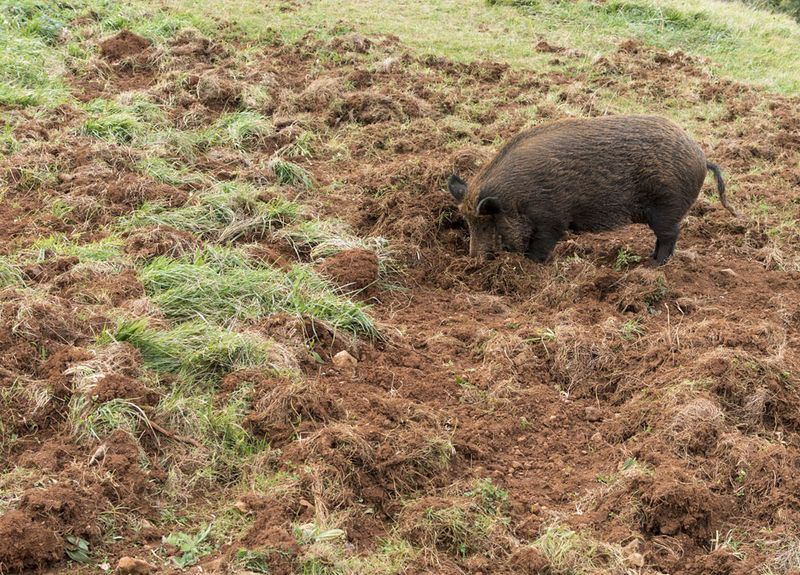
Rooting is the calling card. Hogs use their snouts like a shovel, pushing through soil to reach roots, grubs, worms, and fallen nuts.
The result looks less like digging and more like tilling. Long furrows appear, mulch gets flung, and shallow plant roots end up sitting on the surface.
Depth ranges from a couple of inches to well over a foot in loose ground.
Acorn season pulls hogs toward oaks, so yards with mature hardwoods tend to see heavier activity in fall and early winter. Compost piles and fruit trees create the same pull.
Vegetable beds are especially vulnerable because the soil stays loose and moist.
Sweet potatoes, peanuts, and corn draw attention in rural parts of the state, but suburban gardeners report losses too. Even a small raised bed can be pushed apart if the sides are low.
Your Georgia Garden Changes Every Week. Your Plan Should Too.
Gardening in Georgia changes quickly throughout the season. Every Friday you’ll receive a simple weekly plan showing exactly what to plant, prune, fertilize, harvest, and protect so you never miss the right timing.
Removing the food source helps more than patching damage.
Secure compost in closed bins, rake up fallen fruit, and hold off on spreading unfinished organic matter over open beds. Those steps reduce the reward without changing anything about your landscaping.
Fencing works in some situations, though it needs to be sturdy and anchored low. Hogs push under barriers rather than jumping them, so the bottom edge matters most.
3. Rounded Hoof Tracks Can Help Identify The Visitor
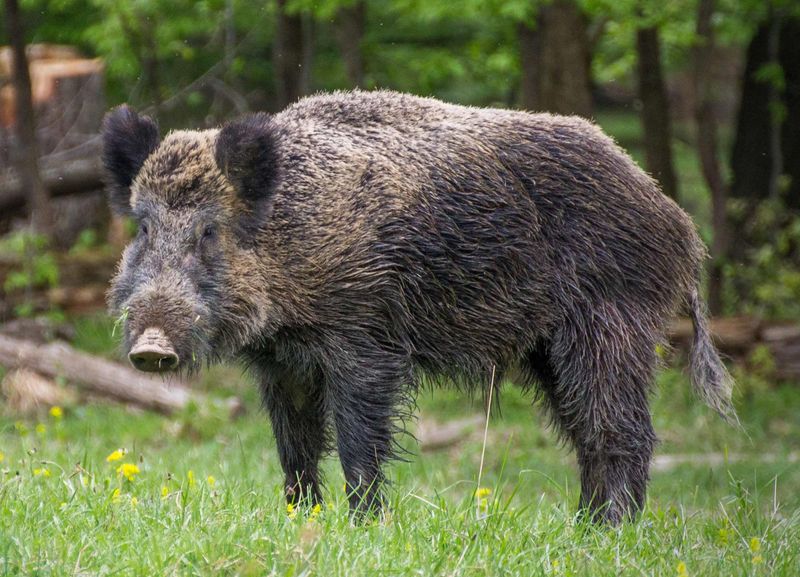
Tracks settle the argument fast. Deer and hogs both leave two-toed prints, but the shapes differ enough to tell apart with a little practice.
Hog toes look rounded and blunt at the tip. Deer tracks come to a sharper point and sit closer together.
Width also runs wider on a hog print of similar length.
Dewclaws give another clue. When a hog walks in soft mud, two small marks often show up behind and slightly outside the main toes, spread wider than a deer’s dewclaw impressions.
Check low spots after rain, since damp soil holds detail best.
Driveway edges, creek banks, and the muddy strip beside a downspout are good places to look around Georgia neighborhoods. Dry lawns rarely hold a clean print.
Size varies a lot within a group.
Adults can leave prints roughly two to three inches long, while piglets leave much smaller versions in the same area. Mixed sizes usually point to a sow with young, which often means repeat visits.
Photograph tracks with something for scale, like a phone or a coin.
A wildlife officer or licensed trapper can confirm the identification from a decent photo, and that saves you from setting up a response for the wrong animal.
4. Muddy Wallows Point To Another Kind Of Hog Activity
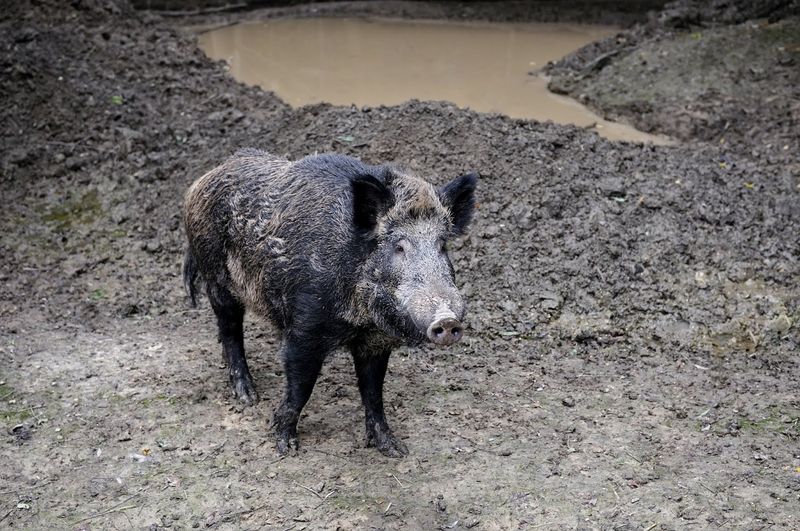
Hogs cannot sweat, so they cool off by rolling in mud. Those rolling spots turn into shallow, bowl-shaped pits called wallows.
Look near ditches, low corners of the yard, leaky spigots, and the shady side of a pond. Anywhere water collects is a candidate.
A used wallow usually holds slick mud with hair stuck along the edges.
Summer heat drives most of the activity, which explains why wallows show up more often between late spring and early fall across the southern half of the state. Winter use drops but does not disappear entirely.
Size varies from a few feet across to something closer to a small kiddie pool.
Standing water in a wallow can turn into a mosquito issue, and it also churns up sediment that runs into nearby drains. Filling and grading the spot helps once the animals stop using it.
Fixing drainage problems is worth the effort.
Repair dripping outdoor faucets, redirect downspouts, and level low areas that stay soggy after storms. Removing the mud removes the reason to stop there.
Do not expect a single fix to solve everything, since hogs will simply move to the next damp spot nearby. Consistency over a few weeks gives you a better read on whether they have moved on.
5. Rub Marks May Appear On Trees Near Active Areas
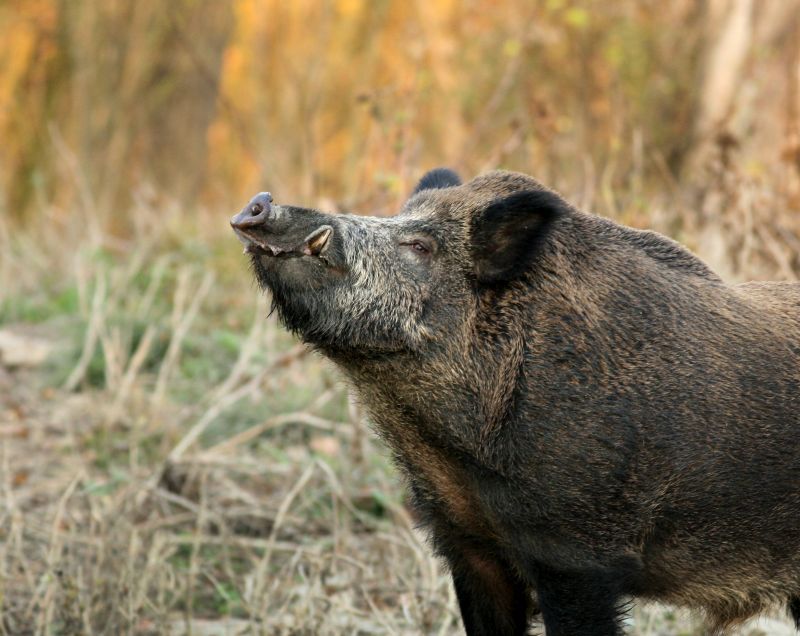
Check your tree trunks. After a good wallow, hogs scratch themselves against bark, fence posts, and utility poles, leaving behind smeared mud.
Height tells you something useful. Most rub marks sit between one and three feet off the ground, well below where a deer would rub antlers.
Coarse, bristly hair often gets caught in the bark.
Repeated rubbing wears the bark smooth and can strip it in patches. Young ornamental trees suffer the most, since their bark is thin and their trunks are narrow.
Pines and cedars tend to get chosen often, likely because of the resin.
A muddy ring around the base of a fence post is another common find on rural properties in the state, and it usually sits close to a trail. Following that trail can lead you toward the wallow.
Wrapping vulnerable trunks with hardware cloth offers some protection.
Leave a small gap between the wrap and the bark so moisture does not sit against the trunk. Check the wrap seasonally and loosen it as the tree grows.
Rub marks alone do not mean heavy pressure, but paired with rooting or tracks, they suggest a group is using your property regularly. That combination is worth reporting to local wildlife authorities.
6. Well Worn Trails Can Reveal Regular Travel Routes
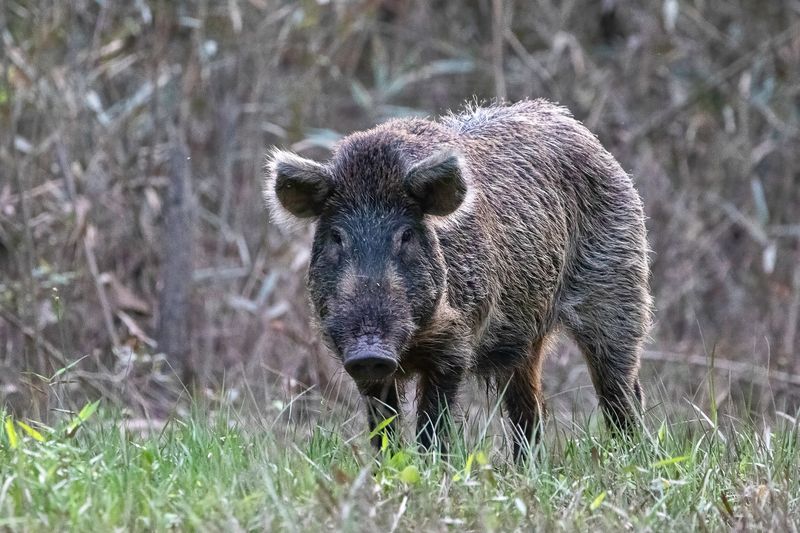
Follow the path and you learn a lot. Hogs use the same routes night after night, packing down narrow trails through brush and grass.
Their trails run low and tunnel-like, since hogs push under vegetation instead of stepping over it. Deer paths sit higher and feel more open.
Briar patches, creek bottoms, and thick privet hedges hide most of them.
Look where your yard meets woods or a drainage ditch. Fence lines with a dug-out gap underneath are another strong clue.
Trail width often runs eight to twelve inches on regularly used routes.
Georgia properties backing up to river bottoms or pine plantations tend to sit along these travel corridors, which explains why some neighbors get hit while others nearby do not. Location matters more than yard size.
Trail cameras aimed at these paths give you real answers.
Set one about knee height, angled slightly down, and check it after a few nights. Photos with timestamps show group size and arrival times, which trappers rely on when planning a response.
Clearing thick cover along property edges makes routes less appealing.
Thinning brush will not stop determined animals, but it removes the screened travel lanes they prefer and makes your yard easier to monitor.
7. Repeated Signs Can Mean Feral Hogs Are Returning To The Property
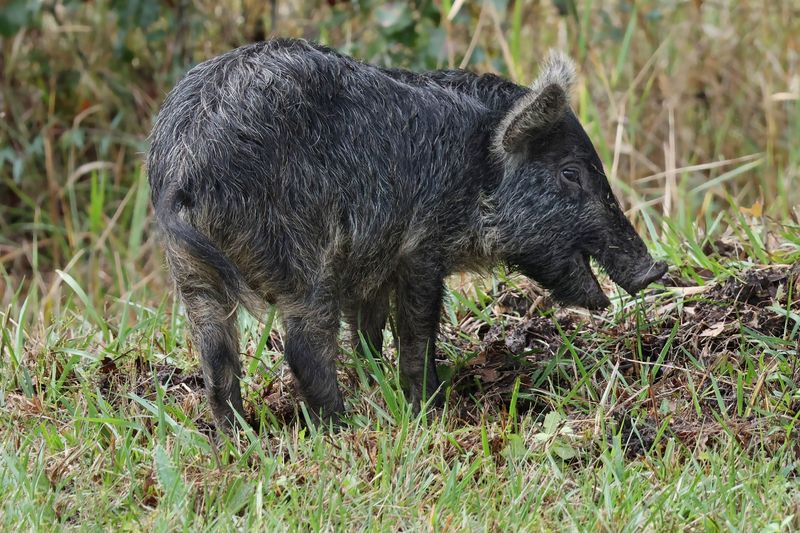
One bad night is annoying. Damage that returns every week is a pattern, and patterns mean the animals have added your yard to their route.
Sows travel with young and often loop through the same feeding areas. Litters can be large, so a small problem can grow over a season.
Waiting rarely improves the situation.
Mark repaired spots with flags or a quick sketch. New damage next to old repairs confirms the visits are ongoing rather than random.
Timing matters too, since most activity happens between dusk and dawn.
Feral hogs are classified as invasive in Georgia, and state wildlife rules allow landowners options that do not apply to native game animals. Regulations change, so check current guidance from the Department of Natural Resources before acting.
Licensed trappers handle the heavy lifting in most neighborhoods.
Whole-group trapping tends to work better than piecemeal efforts, because removing only a few animals can scatter the rest. Professionals plan around that.
Talk to your neighbors as well.
Hogs cross property lines without noticing them, and a coordinated response across several yards usually gets better results than one homeowner working alone.
Sharing camera footage speeds up the process and helps everyone understand how many animals are involved.