Why Fall Is When Georgia’s Yellow-Legged Hornet Nests Grow Largest
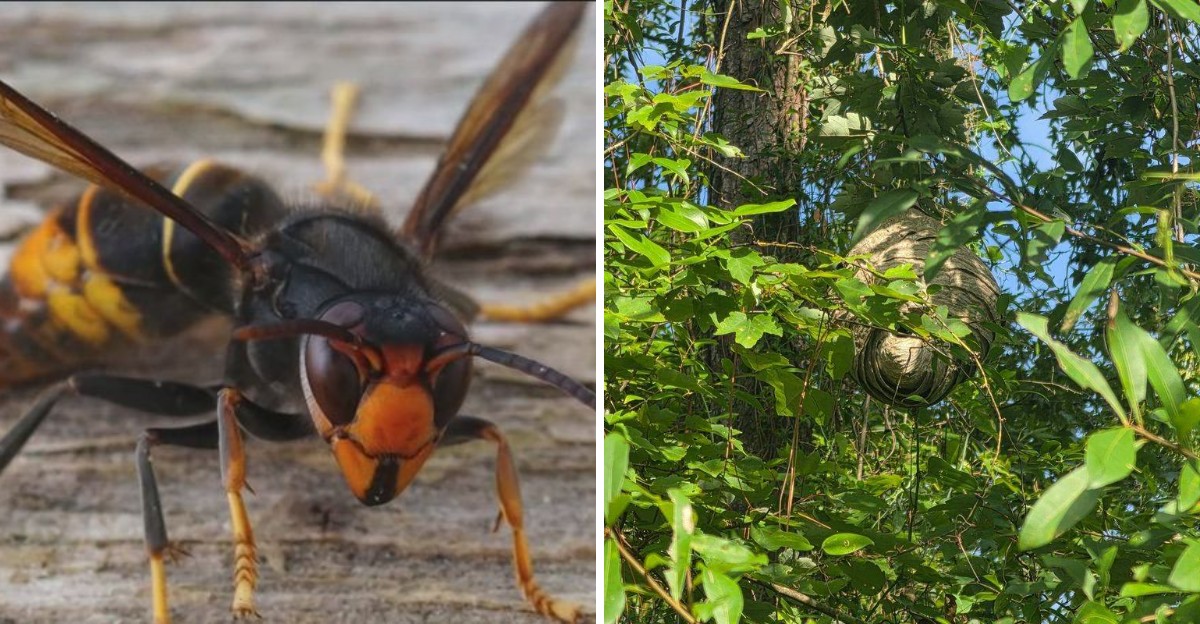
Fall can make hornet activity around a property seem suddenly more intense, even when the insects were present for months. The reason lies inside the nest itself.
Colonies build through the warmer season, adding workers as they gain strength and expand their hidden home.
By fall, that long period of growth can produce nests holding far more hornets than earlier in the year. Georgia’s yellow-legged hornet adds another concern because it is an invasive species being actively tracked.
Spotting unusual activity now deserves attention, but approaching a nest is never worth the risk.
Keep your distance and focus on recognizing what you see from a safe location. Correct identification matters before any response follows.
Understanding the colony’s seasonal cycle explains why these nests can seem especially impressive as fall arrives.
1. Fall Is When These Hornet Colonies Reach Their Peak
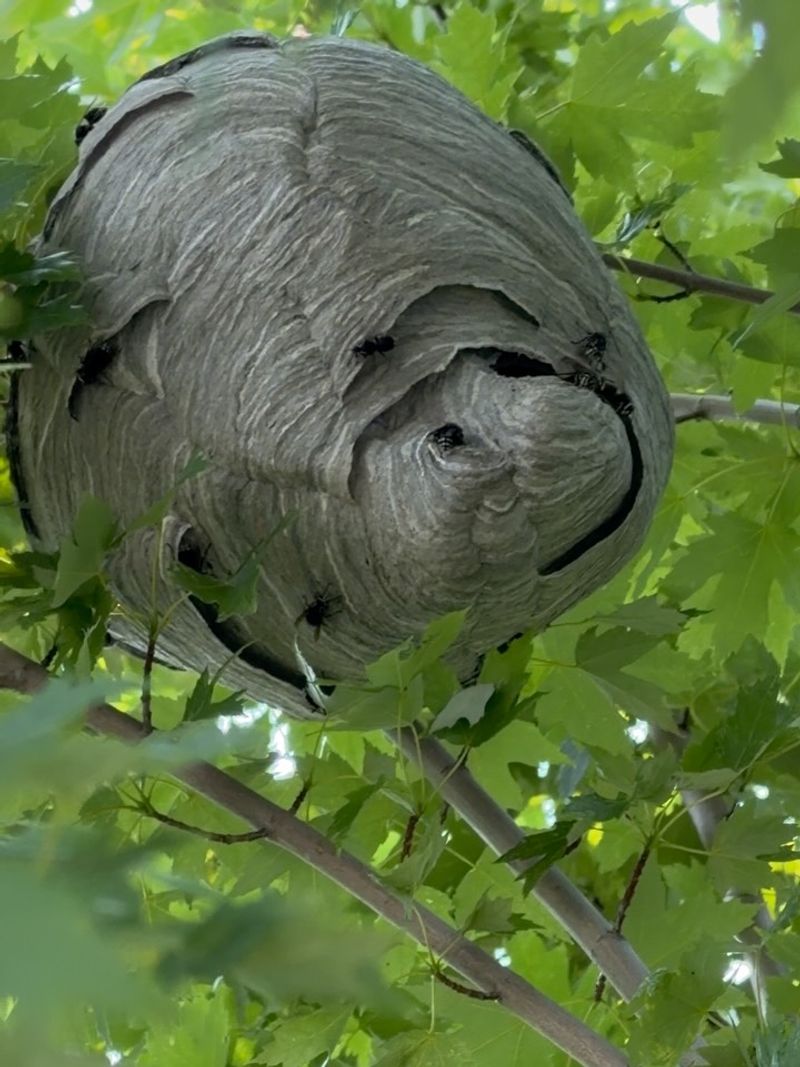
Nest size peaks late, which surprises folks who assume midsummer is the busiest stretch for stinging insects.
Colonies of the yellow-legged hornet start out modest. Worker numbers climb through summer, so autumn is when a nest usually looks its largest.
Savannah and the surrounding coastal counties are where this species was first confirmed in the United States back in 2023, and Georgia has been tracking it since.
Beekeepers often notice the shift first. Hornets hang near hive entrances and grab honey bees coming home with pollen.
Autumn also lines up with a colony’s push to raise new reproductives, and that effort demands more food and more comb space.
Cooler mornings do not shut activity down right away.
Foraging can keep going on mild afternoons into October, especially near water and blooming shrubs.
Spotting a nest gets easier as leaves thin out. A gray, football-shaped mass suddenly stands out on a bare limb.
Agriculture officials ask residents to report suspected nests rather than poke at them.
Reporting in fall carries extra weight, since mature nests may release future queens that widen the range.
Timing is the whole point here. Late-season nests hold the most insects, so late-season attention does the most good.
Keep pets and kids away from any suspected nest until trained crews arrive, even if traffic looks light.
2. Yellow-Legged Hornets Start With Much Smaller Nests In Spring
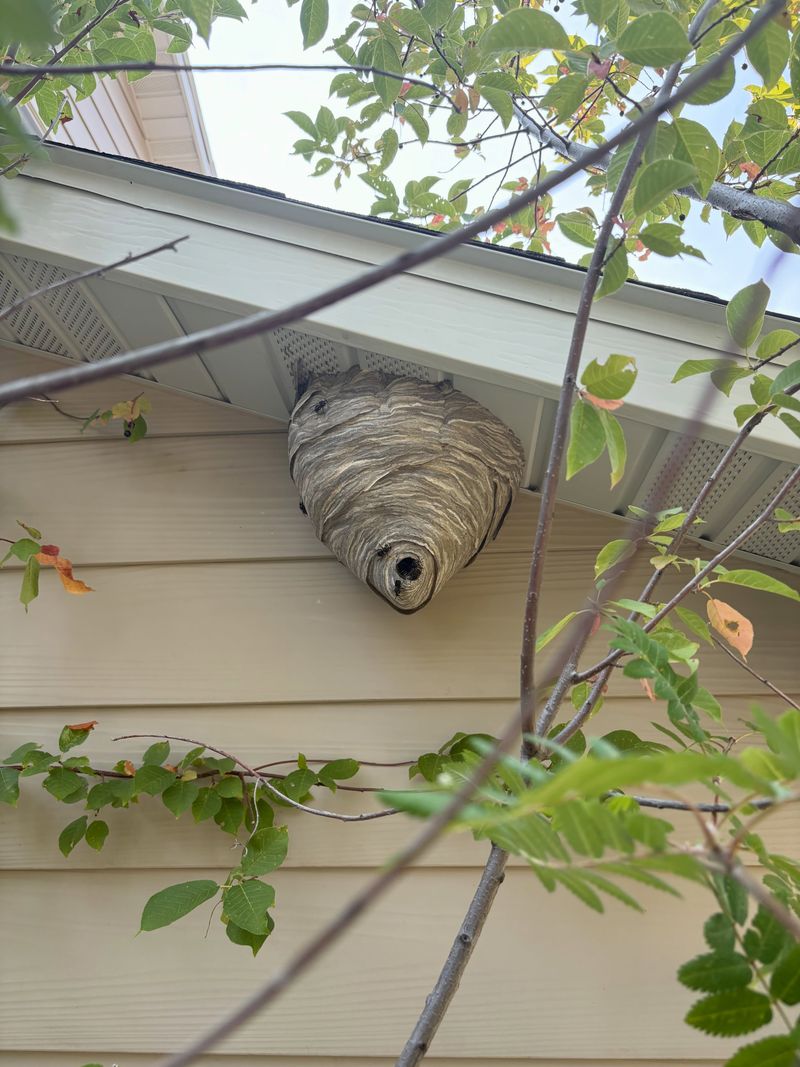
Spring nests can be smaller than a tennis ball, which is why almost nobody finds them.
A single overwintered queen does the early work alone. She chews wood fiber, builds a few cells, and feeds the first batch of larvae herself.
Sheltered spots get chosen often, like sheds, thick hedges, low brush, or the underside of eaves.
Early nests stay quiet because there is almost no traffic in and out.
Once the first workers mature, they take over foraging and the queen stays inside laying eggs. Growth speeds up from there.
Gardeners in south Georgia sometimes disturb one of these small nests while pruning in April or May.
Size alone is not proof of species. Paper wasps and bald-faced hornets also build small early-season nests that look similar at a glance.
Your Georgia Garden Changes Every Week. Your Plan Should Too.
Gardening in Georgia changes quickly throughout the season. Every Friday you’ll receive a simple weekly plan showing exactly what to plant, prune, fertilize, harvest, and protect so you never miss the right timing.
Yellow-legged hornets tend to show a dark body with yellow lower legs, and that leg color is the easiest field clue.
Careful checking before you start yard work pays off.
Walk hedges and shed corners slowly, watching for steady insect traffic at one spot.
Finding a nest in spring means dealing with a handful of insects instead of hundreds later. Photos from a safe distance help officials confirm what you have.
Small does not mean harmless, so skip the urge to knock one down yourself.
3. More Workers Allow The Colony To Keep Building
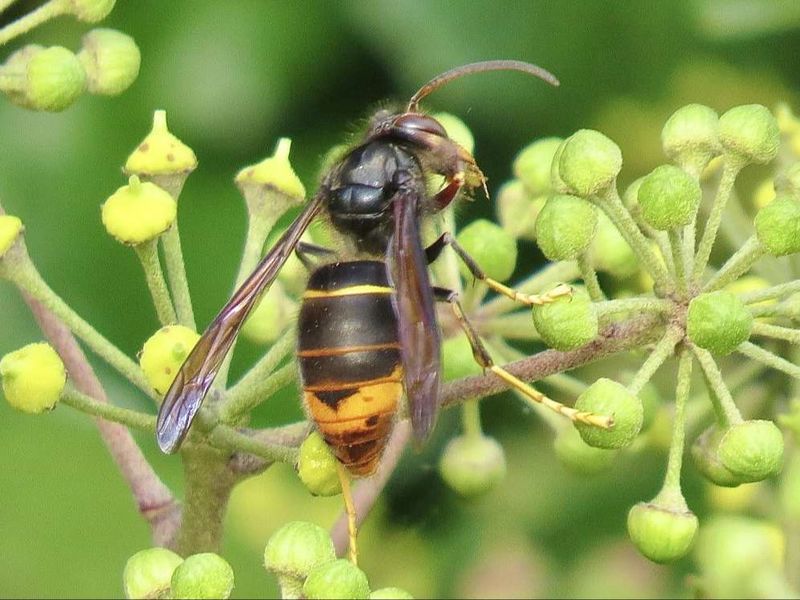
Growth feeds growth, and hornet colonies show that pattern clearly.
Every new worker means another forager bringing back protein and wood pulp. More food supports more eggs, and more eggs mean more workers.
Builders add fresh combs underneath older ones, then wrap everything in extra paper layers.
Expansion depends on food supply, so a wet, insect-rich summer along Georgia’s coast can push a colony along faster than a dry one.
Nothing about the timeline is fixed.
Weather, available prey, and predators all shift how fast a nest fills out.
Workers also handle chores that have nothing to do with building. Some guard the entrance, some fan their wings to cool the inside, others feed larvae around the clock.
Hunting pressure on honey bees usually rises alongside worker numbers.
Beekeepers report more hornets hovering in front of hives as colonies expand through August and September. Weaker hives tend to feel it worst.
Screening hive entrances and keeping colonies strong may reduce pressure, though results vary by yard.
Watching flight lines helps too.
Hornets carrying prey often head back in a fairly straight line, and following that direction can point toward a nest.
Keep notes on dates and locations. Patterns you record over a few weeks are useful to state inspectors trying to map spread.
4. Large Nests Are Often Built High In Trees
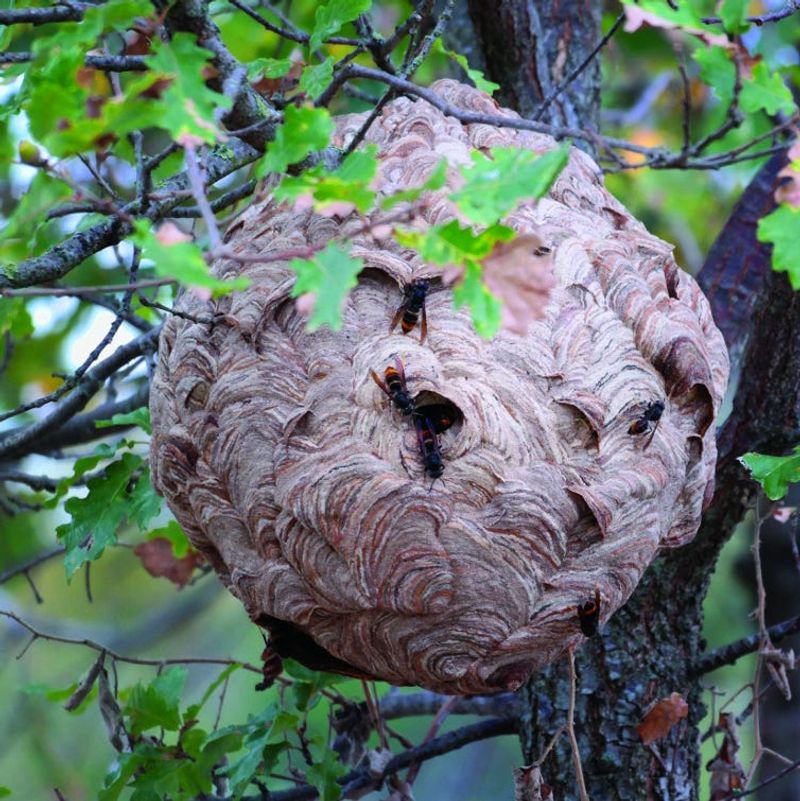
Look up. Most big secondary nests sit far overhead, tucked into tree canopies.
Heights of 30 feet or more are common, and dense foliage hides the shape all summer.
Pines, oaks, and sweetgums across Georgia’s coastal plain offer plenty of suitable limbs and branch crotches.
Elevation gives the colony some protection from ground disturbance.
Nests placed high stay out of reach of curious pets and yard equipment. Workers still range widely to hunt, so a hidden nest can affect hives some distance away.
Detection gets much easier after leaf drop.
Bare branches in November and December reveal shapes that were invisible in August. Neighbors often spot one while raking or hanging holiday lights.
Binoculars beat guessing.
Scan tall trees along fence lines, creek edges, and wood margins, then check the same trees a week later to confirm insect traffic.
Climbing is a poor idea, no matter how confident you feel on a ladder.
Height work near a defensive colony calls for training, gear, and sometimes a bucket truck.
Photograph the tree from the ground and note the address or a GPS point. Clear location details help inspectors, since one bare limb looks much like another from the road.
Old nests are not reused the next season, so an empty shell in winter is mostly a clue about local activity.
5. Secondary Nests Become Much Larger As The Season Goes On
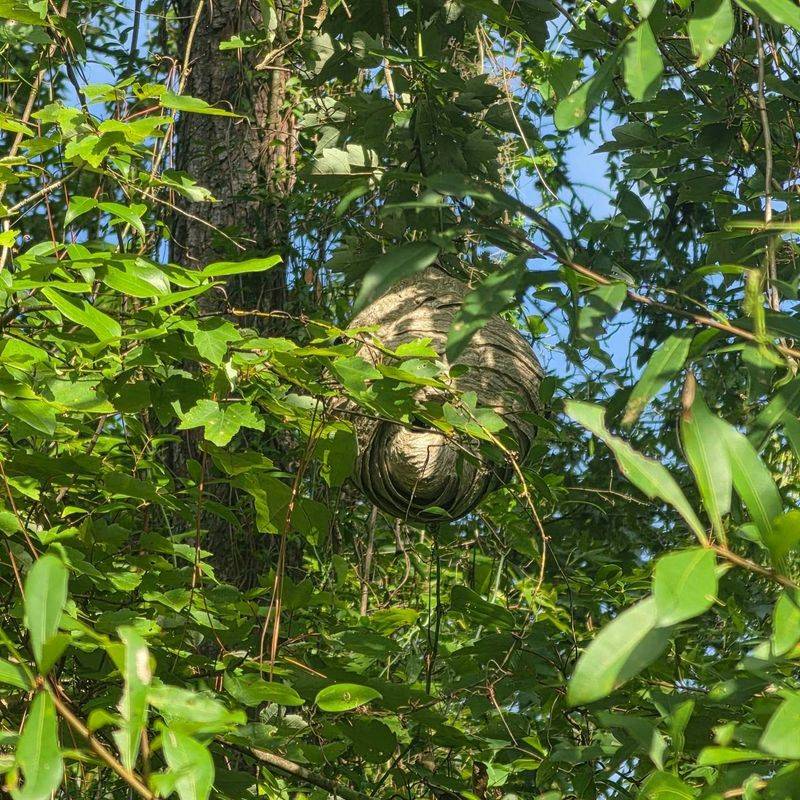
Moving day changes everything for a yellow-legged hornet colony.
Once the crowd outgrows its first cramped space, workers relocate and start a bigger nest elsewhere. Secondary nests have room to expand in every direction.
Growth after the move can be dramatic.
Large secondary nests may stretch well past a foot in height, with several stacked combs inside a thick paper shell.
Shape reminds people of an upside-down teardrop or a rough football.
Color runs gray to tan, since the paper comes from chewed wood and plant fiber. Older nests often show streaky bands from different wood sources.
Not every colony relocates on the same schedule, and some primary nests simply stay in use.
Reports from Georgia have included nests in trees, shrubs, and around structures, which tells you site choice varies.
Late summer into fall is when these bigger nests fill out.
A nest that looked like nothing in July can be surprisingly heavy by October. Rain-soaked paper adds weight and sometimes causes sagging.
Distance is your friend with a mature nest.
Trimming a branch nearby, running a mower underneath, or hitting it with a pressure washer can provoke a defensive response from hundreds of insects.
Call it in instead. Trained crews use protective gear and proper equipment, and removal after dark is often safer because most workers are inside.
6. New Queens And Males Appear As Fall Arrives
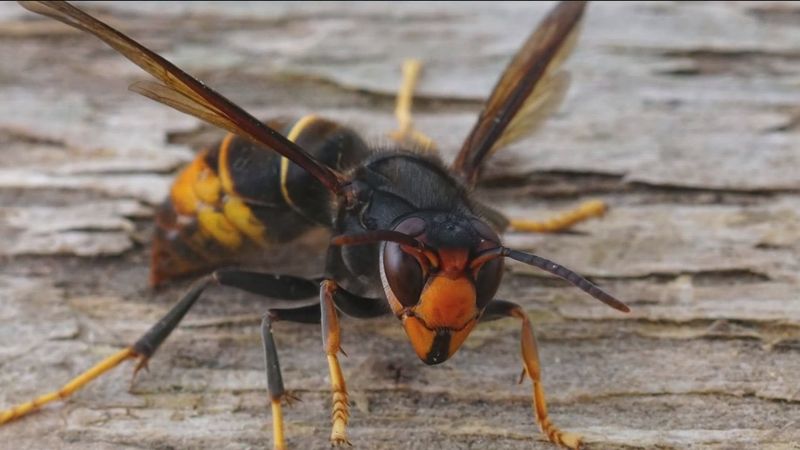
Autumn brings a new job for the colony: raising future queens.
Reproductive brood shows up late in the season, and males appear around the same stretch. Both leave the nest to mate rather than stay home.
Mated queens then look for a sheltered place to spend winter.
Loose bark, leaf litter, soil cavities, and quiet sheds can all serve as hideouts.
Only a fraction make it through to spring, and weather plays a big role.
Still, a single mature nest can send out many potential queens, which is how the population creeps into new counties.
Georgia officials have emphasized fall detection for exactly that reason.
Removing a nest before reproductives disperse cuts down next year’s starts. Waiting until winter means those queens have already scattered.
Timing is not perfectly predictable, though.
Mild seasons can stretch activity later, and cool snaps can shorten it, so schedules shift year to year.
Homeowners can help without taking risks.
Report sightings with a photo, a date, and a location, then keep an eye on hives and fruit trees where hornets gather. Fallen fruit and sugary sap pull them in during fall.
Sealing gaps around sheds and outbuildings in late fall may reduce sheltered spots for overwintering queens, though it will not remove every option.
Small habits add up over a season.
7. Colony Activity Starts To Drop As Colder Weather Sets In
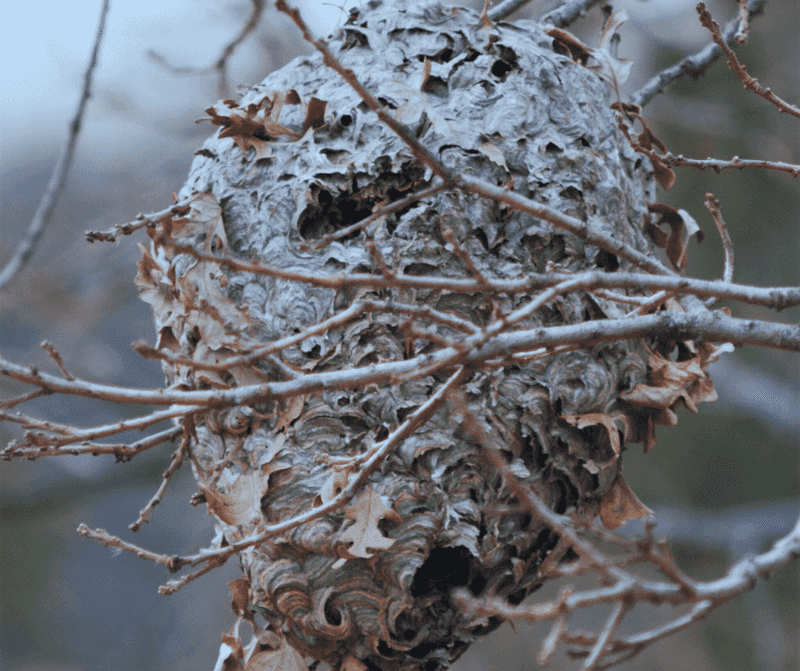
Cold changes the pace quickly.
Foraging slows as temperatures drop, and traffic around a nest thins out through late November. Colonies wind down once reproductives have left.
Workers do not carry the colony into spring.
Nests sit empty by winter, and the paper shell breaks apart with rain and wind.
Warm spells complicate the picture.
A sunny 65-degree afternoon in December can bring a few late stragglers out along the Georgia coast, especially around sugary fallen fruit.
Treat any nest as active until a professional says otherwise.
Winter is a good time to note nest locations for the record. Empty nests still tell inspectors where colonies got established last season.
Next spring’s risk comes from overwintered queens, not old shells.
Checking sheds, stacked lumber, and hedges in March may turn up a small starter nest worth reporting early.
Beekeepers get a breather during the cold stretch.
Use the slower months to repair equipment, strengthen weak hives, and set up entrance guards before hornet pressure returns. Preparation beats scrambling in September.
Records help more than memory.
Jot down where you saw hornets, how many, and which dates, then compare notes next year.
Patterns build over time, and local tracking has proven useful in coastal counties since the first confirmed find in 2023.
Steady attention through the year keeps surprises to a minimum.