The Native Virginia Grasses That Look Even Better Left Standing Through Winter
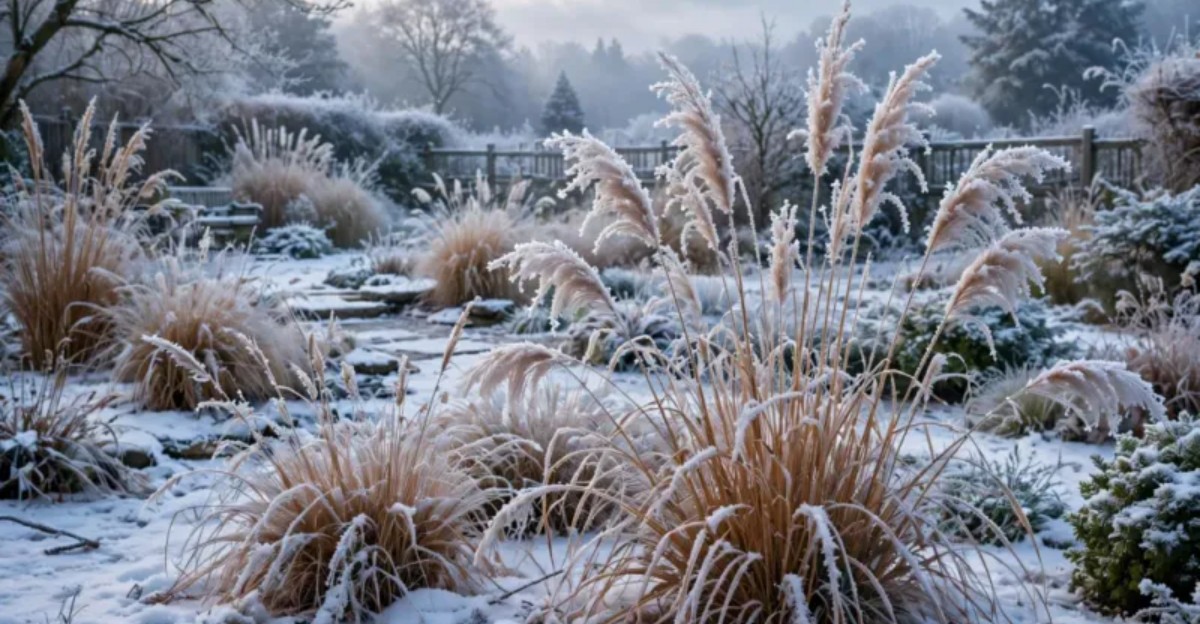
Most gardeners reach for the shears when fall color fades, but native grasses are only beginning to shine. Frost can turn copper stems golden, while pale seed heads sway through winter breeze.
Leave them standing, and your yard keeps its texture and movement long after summer fades. Their stems shelter small creatures, provide food for birds, and help protect soil through winter.
The trick is knowing which grasses to leave and when to cut them back, while matching each one to the right site. Some thrive in full sun, while others fit beautifully beneath mature trees.
With a little patience now, spring cleanup can be quick and simple. Discover the native grasses that can keep your Virginia yard looking beautiful through winter.
1. Little Bluestem Keeps Its Copper Color Through Winter
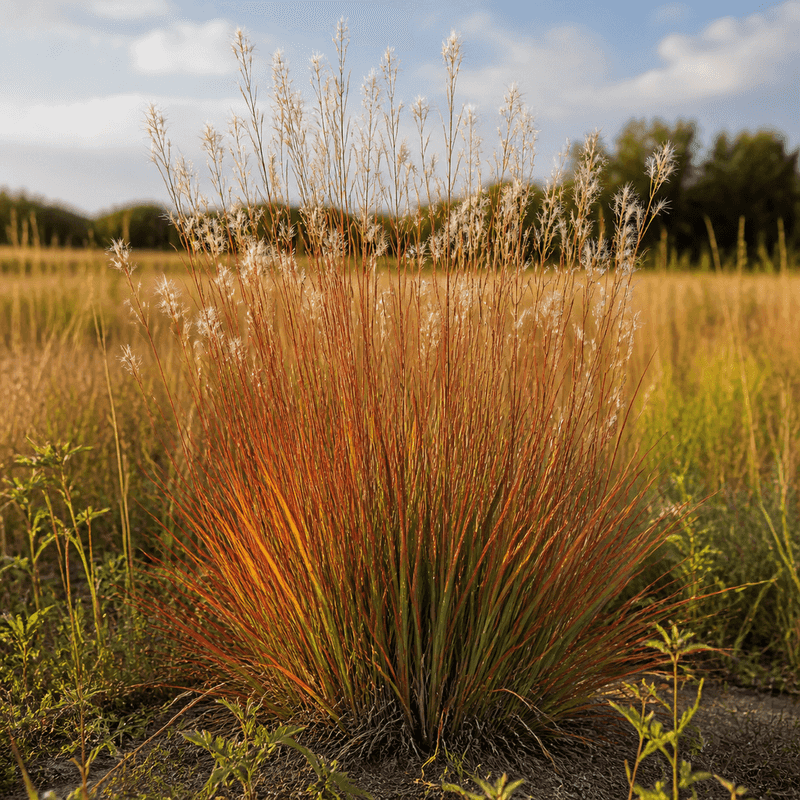
Imagine a grass that looks like a campfire frozen in place. Little bluestem gives you that warm glow from November until spring arrives.
Known to botanists as Schizachyrium scoparium, it grows naturally across the state. Summer leaves start blue-green, then shift into red, tan, and rusty brown by fall.
Once cold weather settles in, the color deepens to a rich copper orange. Tiny fluffy seedheads sparkle silver and white when morning sun touches them.
Most clumps reach 2 to 4 feet tall, so they fit well in small yards. You can tuck them along a sidewalk, a mailbox, or the front of a border.
Plant little bluestem in full sun for the best color and sturdiest stems. Too much shade or rich soil can make the clumps flop over by midwinter.
Dry, lean ground suits it nicely, including rocky slopes and sandy spots. Skip the fertilizer, because extra food mostly leads to weak and floppy growth.
Here is a fun bit of trivia for your next garden chat. Little bluestem once covered huge stretches of American prairie, feeding bison and elk for centuries.
Songbirds such as juncos and sparrows still pick at the seeds today. Leaving the clumps standing gives them a handy snack bar during lean winter weeks.
Try pairing little bluestem with evergreen shrubs like inkberry holly. Dark green leaves make the copper tones pop even brighter against gray skies.
Wait until late February or early March before trimming. Cut stems back to about 4 inches, and fresh blue shoots will appear soon after.
2. Switchgrass Holds Its Upright Form After Frost
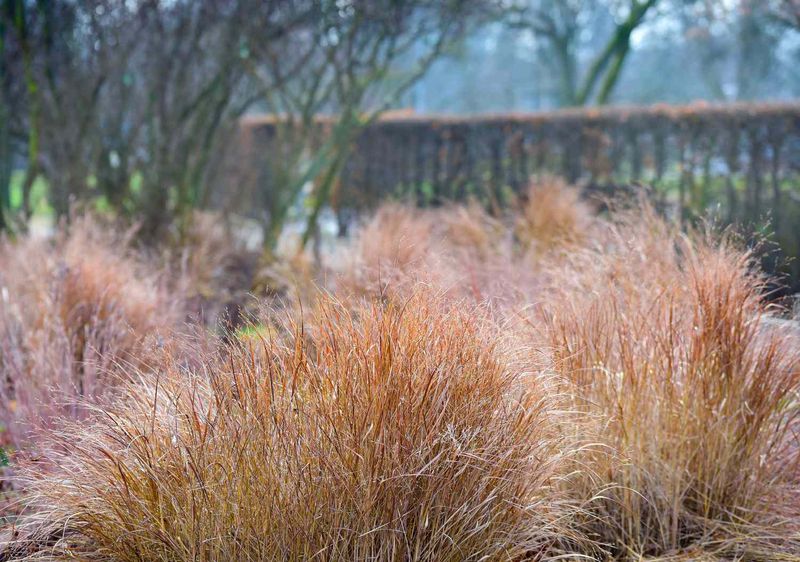
Snow falls, wind howls, and switchgrass just stands there like a loyal guard. Few native grasses hold their posture quite so well through rough weather.
Panicum virgatum grows wild in many parts of Virginia and across North America. Gardeners love it for tough stems that stay upright long after the first hard frost.
Fall brings shades of yellow, orange, and sometimes red to the leaves. By midwinter, most plants settle into a soft yellow-beige that blends with winter scenery.
Want more drama in your yard? Look for the cultivar called Shenandoah, which turns a deep wine red in autumn.
Its winter color fades to a lovely coppery shade rather than plain tan. The name even honors the famous valley, so it feels right at home here.
Your Virginia Garden Changes Every Week. Your Plan Should Too.
Gardening in Virginia changes quickly throughout the season. Every Friday you’ll receive a simple weekly plan showing exactly what to plant, prune, fertilize, harvest, and protect so you never miss the right timing.
Airy seed heads float above the foliage like a light cloud of smoke. They wave gently in breezes and hold frost crystals on chilly mornings.
Switchgrass handles a range of soils, from moist clay to drier sandy sites. It also performs well in rain gardens and other areas that stay moist after storms.
Give each clump plenty of elbow room, since many types reach 4 to 6 feet. Spacing them about 3 feet apart helps air move and keeps stems strong.
Use switchgrass as a living privacy screen along a patio or property line. Standing stems block wind and views even when the leaves turn dry and papery.
Small birds hide deep inside the clumps during cold snaps. Cut plants back in early spring, just before new green growth begins pushing up.
3. Muhly Grass Adds Soft Plumes To The Winter Garden
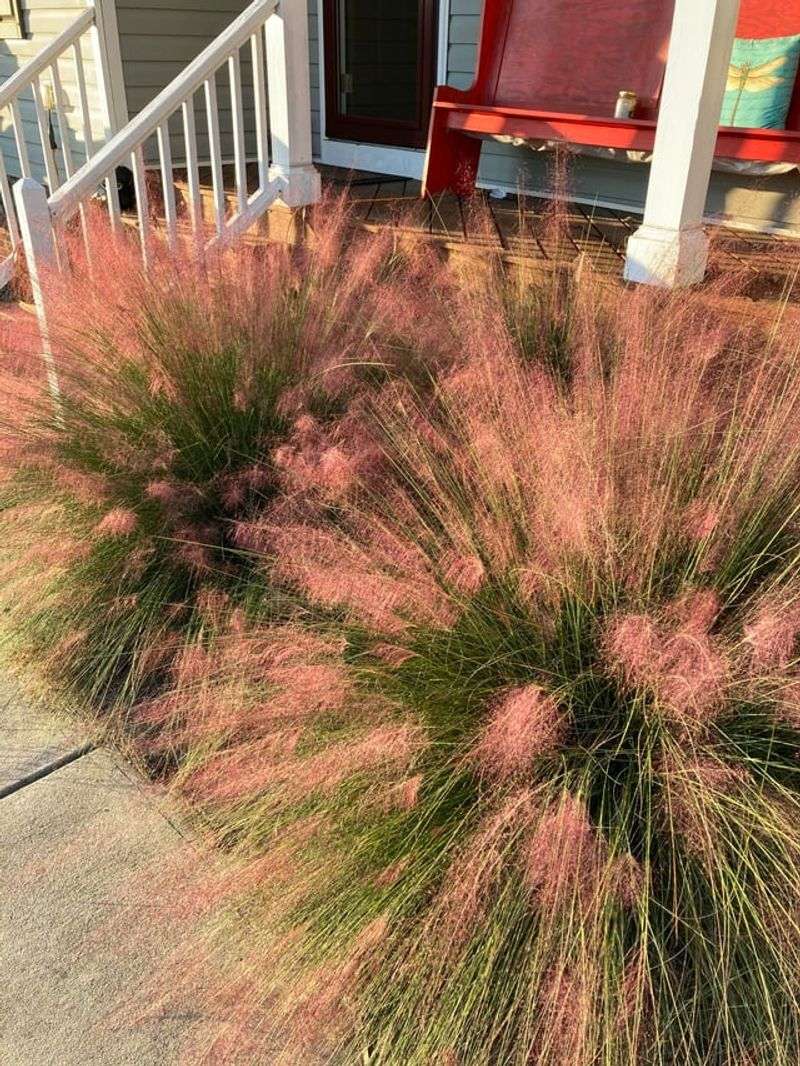
Cotton candy in the garden sounds like a dream, right? Muhly grass makes that dream real every autumn with clouds of pink plumes.
Muhlenbergia capillaris is native to Virginia, especially warmer spots near the coast. Its fuzzy blooms appear in early fall and keep going for weeks.
Visitors often stop in their tracks when sunlight shines through the pink haze. Take photos in late afternoon, when backlighting makes the plumes look like they glow.
As winter arrives, the pink softens into a pale tan. Dry seed heads still add a fine, misty texture that looks lovely beside bolder plants.
Leaves also join the show by turning coppery in fall. Later, they relax into golden brown, keeping each clump warm-toned through January.
Muhly grass likes full sun and soil that drains quickly. Heavy clay that stays wet can rot the roots, so raised beds or slopes help a lot.
Once settled, it handles dry conditions well. Homes near the Chesapeake Bay or Virginia Beach can grow it successfully when the site has well-drained soil and adequate sun.
Plant it in groups of three or five for the best effect. A single clump looks sweet, but a whole drift creates that dreamy pink cloud.
Mature plants usually stay about 2 to 3 feet tall and wide. Place them near walkways where people can brush past and enjoy the soft texture.
Trim old growth down in late winter to make room for fresh leaves. A quick cut to about 6 inches does the job nicely.
4. Native Sedges Keep Their Structure In Cooler Months
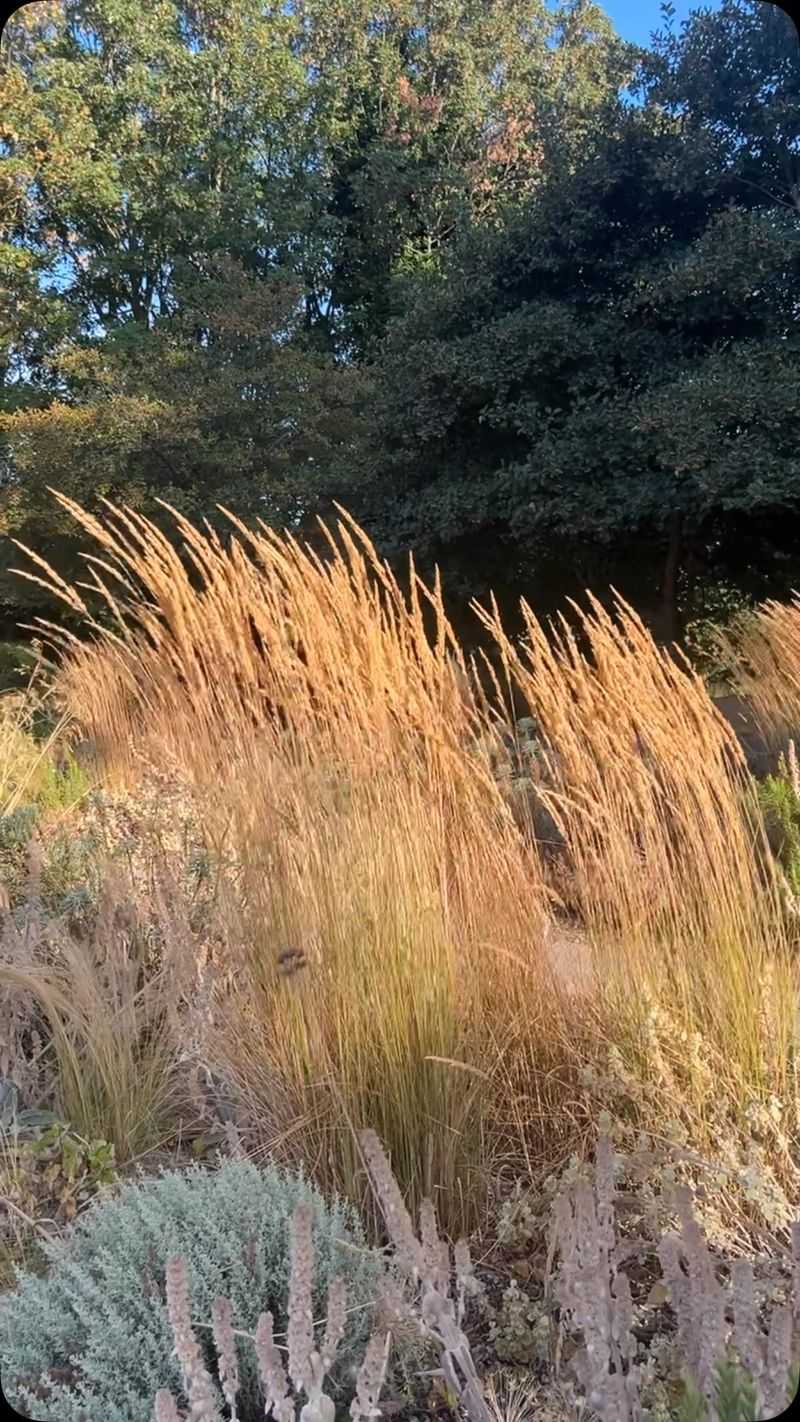
Sedges have edges, as the old botany saying goes. Roll a sedge stem between your fingers, and you will feel its triangle shape.
Though they look a lot like grasses, sedges belong to a different plant family. They still offer the same winter charm, often with fewer growing demands.
Many native sedges hold soft brown, golden, or reddish tones as temperatures drop. Their arching leaves form neat mounds that keep shape through frost and light snow.
Tussock sedge, or Carex stricta, stands out as a wonderful choice. It grows naturally in southeast Virginia, where wet ground and marshy edges are common.
Over time, it forms dense, rounded tussocks that look like shaggy little hats. Frogs, insects, and small critters use those mounds as cozy shelter.
Soggy spots in your yard might be perfect for this sedge. Try it along a pond, a drainage ditch, or a rain garden that floods after storms.
Drier and shadier yards have options, too. Pennsylvania sedge spreads into a soft, low carpet under trees where lawn grass struggles to grow.
Sedges usually need less trimming than taller grasses. Simply comb out old leaves with your fingers or a rake in late winter.
Leaving them untouched until then protects the crown from harsh cold. Old foliage works like a blanket, shielding new buds tucked near the soil.
Mix a few sedges with ferns and spring bulbs for year-round appeal. Their tidy form carries the garden quietly until flowers return.
5. Big Bluestem Adds Height And Winter Structure
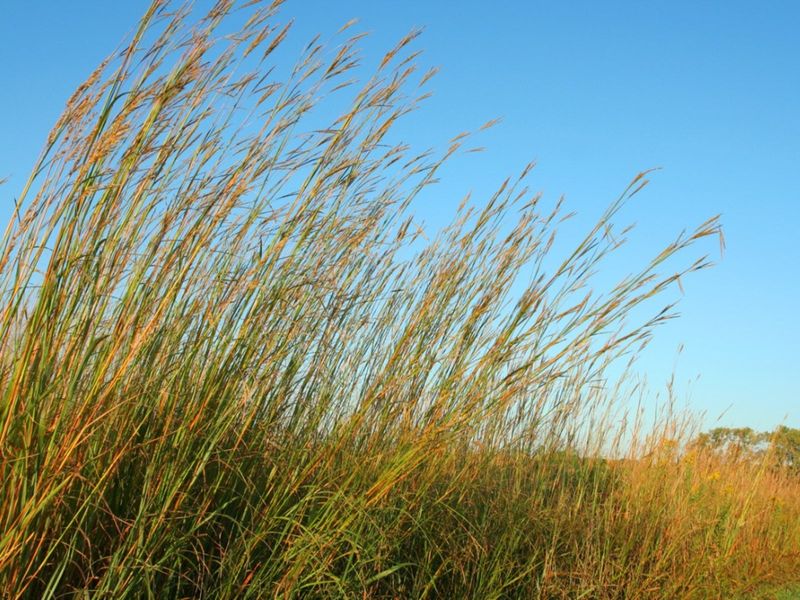
Some grasses whisper, but big bluestem makes a bold statement. It can shoot up 4 to 8 feet, towering over most garden plants.
Andropogon gerardii grows naturally across the state, from mountain meadows to open fields. Early settlers reportedly rode through prairies where it reached their horses’ shoulders.
Peek closely at the seed heads, and you might spot a funny shape. Each one splits into three parts, so many people call it turkey foot.
Summer leaves wear a cool blue-green shade. Autumn changes them into deep red-bronze, and that rich color hangs on well into winter.
Strong stems keep the plant standing tall through wind and cold. Big bluestem handles snow cover nearly as well as switchgrass, which is saying a lot.
Hungry birds appreciate those sturdy seed heads during the leanest months. You may spot sparrows clinging to stems while picking out tasty seeds.
Give big bluestem a sunny spot with plenty of space around it. Back borders, fence lines, and meadow plantings suit its size best.
Poor or average soil actually helps it stay upright. Rich soil and extra watering can lead to leaning stems by late fall.
Need a natural backdrop for shorter flowers? Plant coneflowers and asters in front, then let big bluestem rise behind them.
Deep roots can stretch many feet underground, helping hold soil on slopes. Cut stems back in early spring, before new blue shoots appear.
6. Indiangrass Keeps Its Golden Texture Into Winter
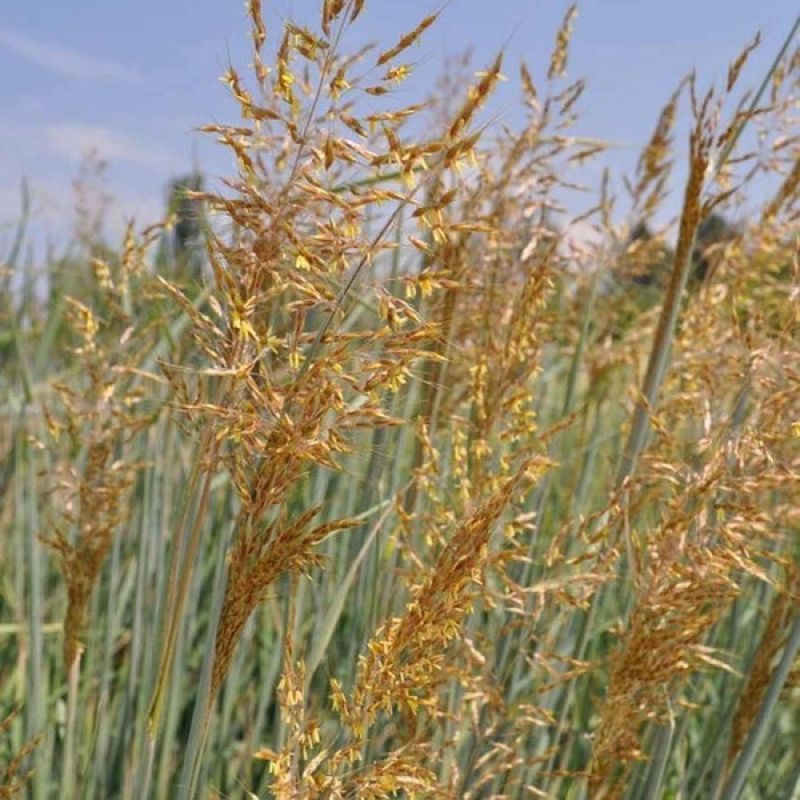
Sunlight loves Indiangrass, and the feeling seems mutual. On a clear winter afternoon, its seed heads shine like polished brass.
Sorghastrum nutans is a warm-season bunchgrass native to Virginia fields and roadsides. Arching green leaves fill out in summer, then fade to soft pastel tones in fall.
Tall flower stalks show up in midsummer and stick around all winter. Each stalk rises well above the leaves, adding graceful vertical lines to your view.
Feathery plumes turn a golden-bronze color that almost glows. Amber highlights appear on both leaves and seed heads as the weather cools.
By deep winter, the whole plant settles into a light straw shade. Stems stay upright, so the clump keeps a neat and lively look.
Planting it near a window gives you a daily winter show. Plumes sway in every breeze, catching light at sunrise and sunset.
Indiangrass enjoys full sun and handles dry spells once roots are established. Most plants reach about 3 to 6 feet, depending on soil and moisture.
Fun fact for curious readers: Indiangrass is the official state grass of Oklahoma and South Carolina. Gardeners can still claim it proudly as a local native.
Mix it with goldenrod and little bluestem for a mini meadow. Together they create layers of gold, copper, and tan all season.
Hold off on trimming until late winter. Seeds feed birds, and standing stems give shelter to beneficial insects waiting for spring.
7. River Oats Brings Movement To Shady Winter Gardens
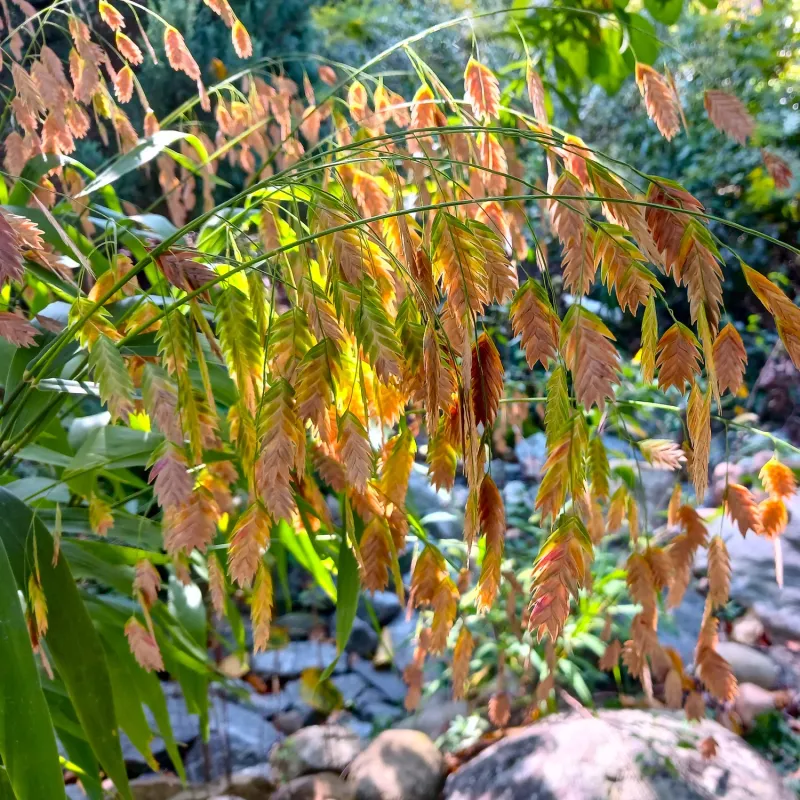
Shady yards often get left out of the ornamental grass party. River oats changes that story with charm and plenty of motion.
Chasmanthium latifolium, also called northern sea oats, grows wild in woodlands and stream banks. It handles shade far better than most sun-loving grasses.
Flat seed heads dangle from thin stems like tiny fish on a line. Kids often love touching them, and adults secretly enjoy it too.
Those seed heads change color over the seasons. Green turns to purplish-bronze, then coppery tan, and they hang on right through winter.
Papery seeds catch frost, sunlight, and the slightest breeze. Listen closely on windy days, and you will hear a soft rustling sound.
Leaves turn coppery after the first frost and later fade to brown. The whole plant keeps a pleasing shape beneath bare trees.
Plant river oats under tall trees, beside a shed, or along a shady path. Moist soil works best, though it tolerates drier spots once established.
Watch out for one quirk before planting. River oats drops lots of seed, so new seedlings may pop up nearby each spring.
Pull extras while they are small, or share them with gardening friends. Cutting a few seed heads for indoor arrangements also reduces spreading.
Dried stems look lovely in vases and holiday wreaths. As you enjoy these natives, leave most stems standing until early spring cleanup.