September Is The Month To Start Planning Where Your Garlic Will Go In Ohio
The air shifts in September, and in Ohio you can smell it before you can name it. Something turns cooler and sweeter over the tomato vines, and the light goes gold a little earlier each evening.
Most gardeners read that shift as an ending. The beds look tired, the zucchini has given up, and the watering can gets put away with a certain amount of relief.
But there is one crop that treats autumn as a starting gun rather than a finish line. It wants a home picked out weeks before it ever touches soil, and the choice you make now quietly decides how big and sweet the harvest tastes next July.
So walk the garden slowly and look at your beds with next summer in mind. One afternoon now saves you a dozen scrambled ones later.
The Case For Choosing A Bed In Early Autumn
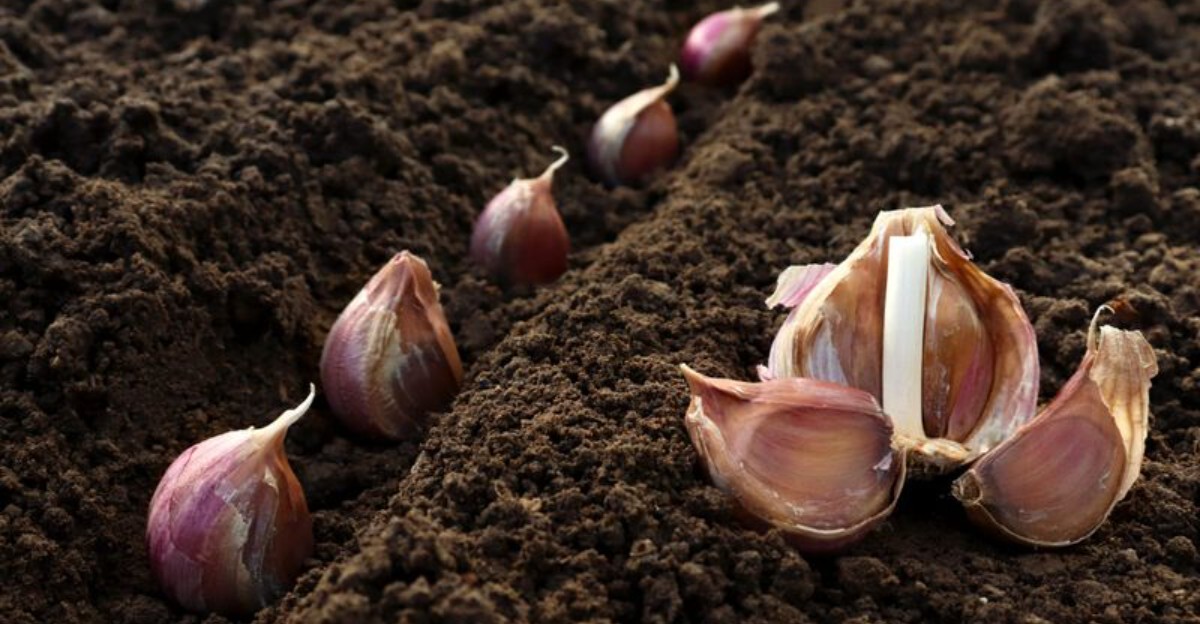
Garlic is a slow thinker. For Ohio gardeners, cloves go into the ground in October or November, sleep through winter, and spend nine months slowly building the bulb you will braid next summer.
Because that stay is so long, the spot you choose matters more than it does for a radish or a bush bean. A patch that works for a six-week crop can quietly work against something that lives through frost, thaw, mud, and heat.
September gives you the one thing planting week does not: room to think. Your summer beds are still full, so you can see exactly which corners baked, which stayed soggy, and where the shade crept in by August.
Walk out with a notebook and mark the beds that drained well after heavy rain. Note where the tomatoes and peppers grew, since those spots often need a break before another hungry crop moves in.
Choosing early also gives soil time to settle. If you add compost in September, worms and microbes have six or eight weeks to work it in before cloves arrive, which beats dumping amendments in the day you plant.
There is a practical bonus too. Good seed garlic sells out fast, and knowing your square footage in September means you order the right amount instead of guessing and ending up with leftover cloves and no bed.
Pick the spot now, and planting day becomes a pleasant hour rather than a scramble.
Sunlight And Drainage, The Two Deal Breakers
Ask any grower what ruins a garlic crop and you will hear the same two words over and over: wet feet. Cloves sitting in cold, soggy soil through February rot instead of rooting, and no amount of spring fussing fixes it.
Drainage beats almost every other factor in Ohio’s often heavy clay soil. Squeeze a handful of soil from your chosen bed after a rain, and if water drips out and the lump stays glued together like clay, look elsewhere or build the bed up higher.
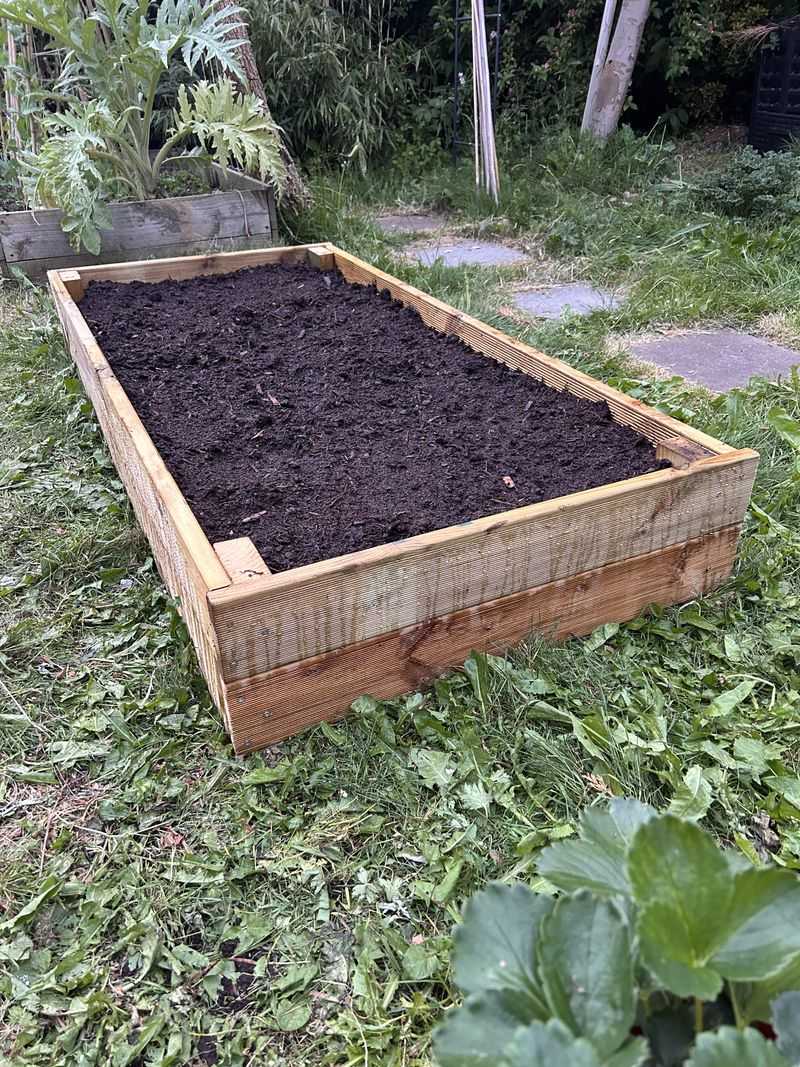
Raised beds solve most of this. Even six or eight inches of extra height lifts cloves above the winter waterline and warms faster in spring, which gives the plants a head start.
Sun is the second half of the equation. Garlic wants six to eight hours of direct light, and here is the tricky part – the sun sits in a different place in May than it does in September.
Watch the shadows now, then imagine them shifting. A bed that looks bright today may sit behind a leafed-out maple by the time bulbs are sizing up in late spring.
South-facing spots are usually your safest bet in Ohio gardens. Avoid the north side of fences, sheds, and hedges, where snow lingers and soil stays chilly well into April.
Get light and drainage right, and honestly, garlic forgives a lot of other mistakes. Get them wrong, and the best seed stock in the catalog gives you marbles.
Crop Rotation And The Onion Family Trap
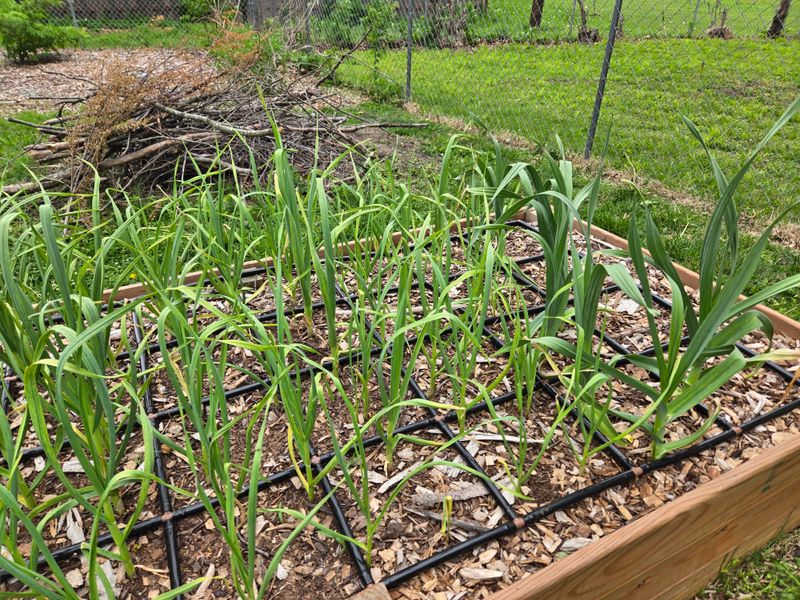
Here is a mistake that catches even careful Ohio gardeners. You had a beautiful onion harvest this year, the bed drained well, the sun was perfect, so you plant garlic right back into the same soil.
Trouble is, garlic, onions, leeks, shallots, and chives all share the same family and the same list of soil troubles. White rot, nematodes, and fungal spores linger in the ground for years, quietly waiting for the next allium to show up.
Three years is the rotation most growers aim for. Four is better if you have the space, and even a single season of separation helps more than planting back-to-back.
So what makes a good previous tenant? Beans and peas leave nitrogen behind and belong to a totally different family, which makes them excellent lead-ins.
Cucumbers, squash, and lettuce work nicely too. A bed that grew a summer cover crop of buckwheat is close to ideal, since the roots loosen soil and the top growth feeds the compost pile.
Keep a simple garden map. A scrap of paper with squares labeled by year takes five minutes and saves you from a rotation guessing game every autumn.
Small gardens make this harder, and that is where containers and grow bags earn their keep. Fresh potting mix in a deep tub gives garlic a clean start with zero rotation history.
September is exactly when last summer is still fresh in your memory, so write it down while you remember.
Soil Nutrients Before The Cloves Arrive
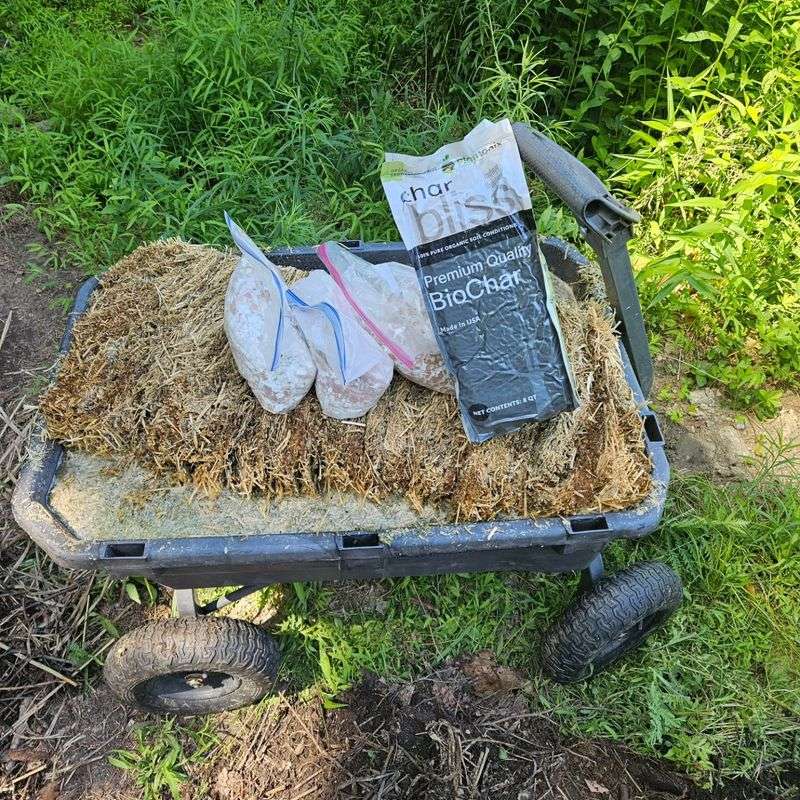
Garlic eats like a teenager. Over nine months it pulls a steady stream of nitrogen, phosphorus, and potassium out of the ground, and thin soil shows up as small bulbs come July.
The trick is timing. Compost and aged manure worked in during September have weeks to mellow and blend, so nutrients are available in a gentle, steady form rather than a harsh dose right against tender cloves.
Two to three inches of finished compost spread over the bed and forked into the top six inches does most of the heavy lifting. Add a scoop of bone meal or a balanced organic fertilizer if your soil is on the poor side.
A soil test is genuinely worth the small fee for Ohio gardens. Garlic prefers a pH somewhere between 6.0 and 7.0, and lime takes time to shift acidic soil, which is another reason autumn beats a last-minute scramble.
Loosening matters as much as feeding. Bulbs expand outward, and compacted ground squeezes them into flat, awkward shapes, so break up any hardpan while the weather is still pleasant to work in.
Skip fresh manure. It burns roots, invites weed seeds, and can carry pathogens you would rather keep out of a bed that stays put all winter.
Once the bed is fed and fluffed, rake it smooth and let the rain settle it. Come planting day, you push cloves into soft, welcoming ground instead of wrestling with a shovel in cold drizzle.
The Right Bed Size And Seed Amount
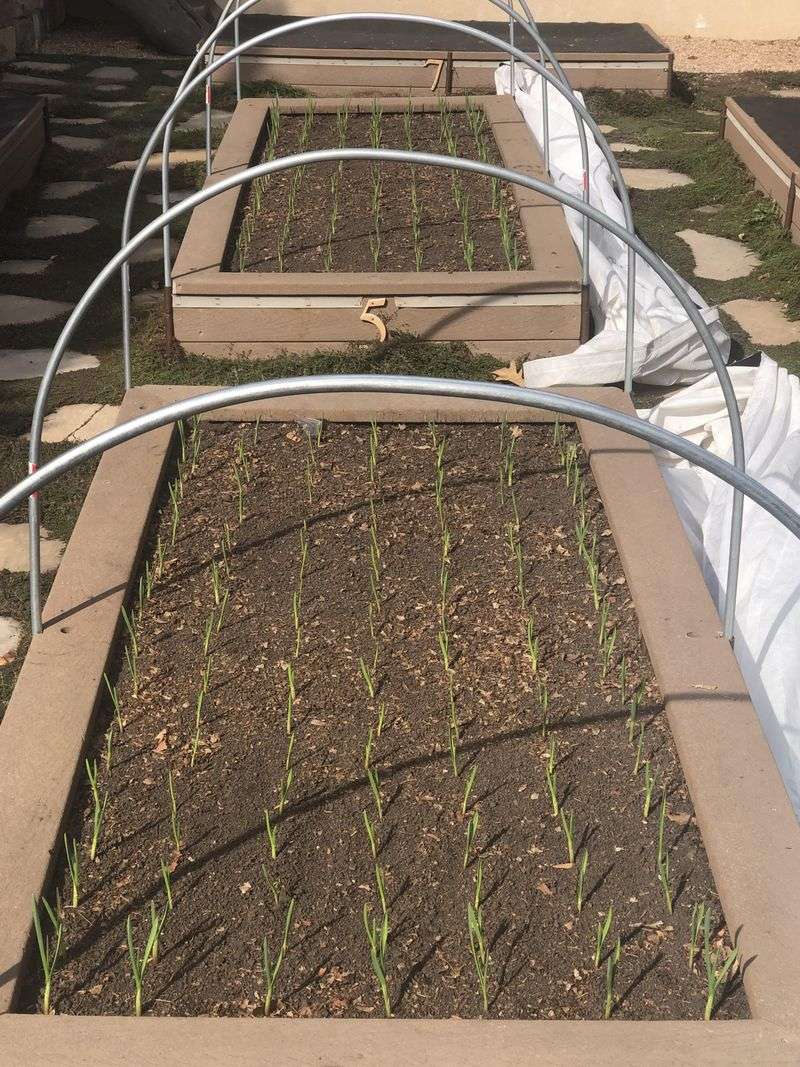
Math is not the fun part of gardening, but this bit pays off. Each clove needs roughly six inches of elbow room, with rows about eight to twelve inches apart, and those numbers turn your bed into a number you can actually shop with.
A four-by-eight raised bed fits somewhere around ninety to one hundred cloves depending on your spacing. Since a typical hardneck bulb splits into five to seven cloves, that is roughly thirteen to twenty bulbs of seed garlic.
Knowing the figure in September changes everything about ordering. Seed suppliers sell out of popular varieties like Music, German Extra Hardy, and Chesnok Red by early October, and latecomers get whatever is left.
Crowding is the most common regret. Squeeze cloves closer to fit more in, and you get a bed full of undersized bulbs plus poor airflow that encourages fungal problems come spring.
Think about access while you plan. Leave yourself a path, because you will be weeding, mulching, and eventually snapping scapes off hardneck plants in June.
Consider splitting your bed between hardneck and softneck types since many Ohio gardens can grow both. Hardnecks handle cold better and give you scapes, while softnecks store longer and braid beautifully.
Sketch the layout on paper now, marking rows and variety names. Come planting day you follow a plan instead of eyeballing rows and discovering you ran out of space with a fistful of cloves left over.
Setting Up Mulch For A Safe Winter
Picture next July for a second. You pull a bulb the size of a tennis ball, shake off the dirt, and the whole garden smells like a kitchen about to get interesting.
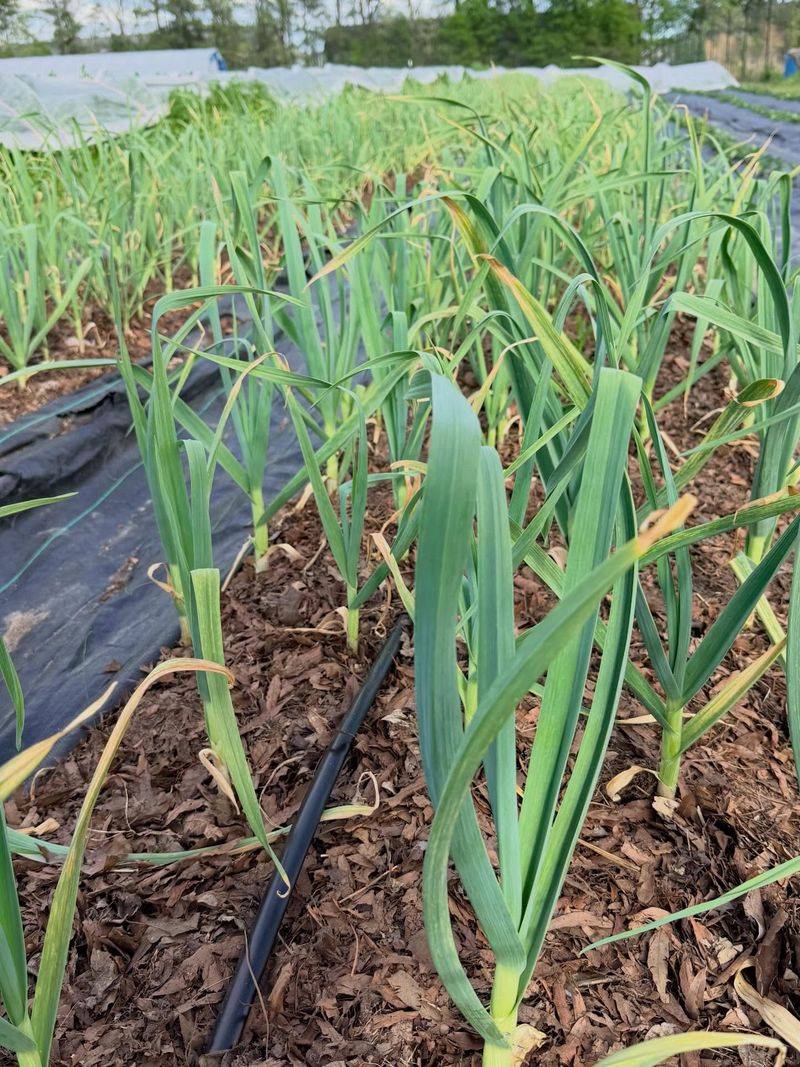
That moment starts with mulch decisions you make this month. Four to six inches of straw, shredded leaves, or pine needles over the bed insulates cloves against the freeze-and-thaw cycle Ohio winters trigger often.
Sourcing the mulch in September is smart. Straw bales get scarce and pricey once everyone wants them for decorating, and free leaves are still hanging on the trees waiting for you.
Watch out for hay, which is loaded with seed and turns your bed into a weed nursery. Straw is the clean cousin you want.
Mulch does double duty. It blocks out early spring weeds, and garlic hates competition since those shallow roots lose out fast to chickweed and grass.
Think about water access too. Garlic wants steady moisture from April through June, so a bed within reach of a hose or soaker line saves you hauling buckets during a dry stretch.
One last September task worth doing is labeling. Stick a weatherproof marker in each row so you know which variety performed best, because next autumn you will want to plant more of the winner.
Plan the spot now, and future you gets a harvest that hangs in the shed all winter long.