These Are The Ohio Trees Spotted Lanternflies Swarm First
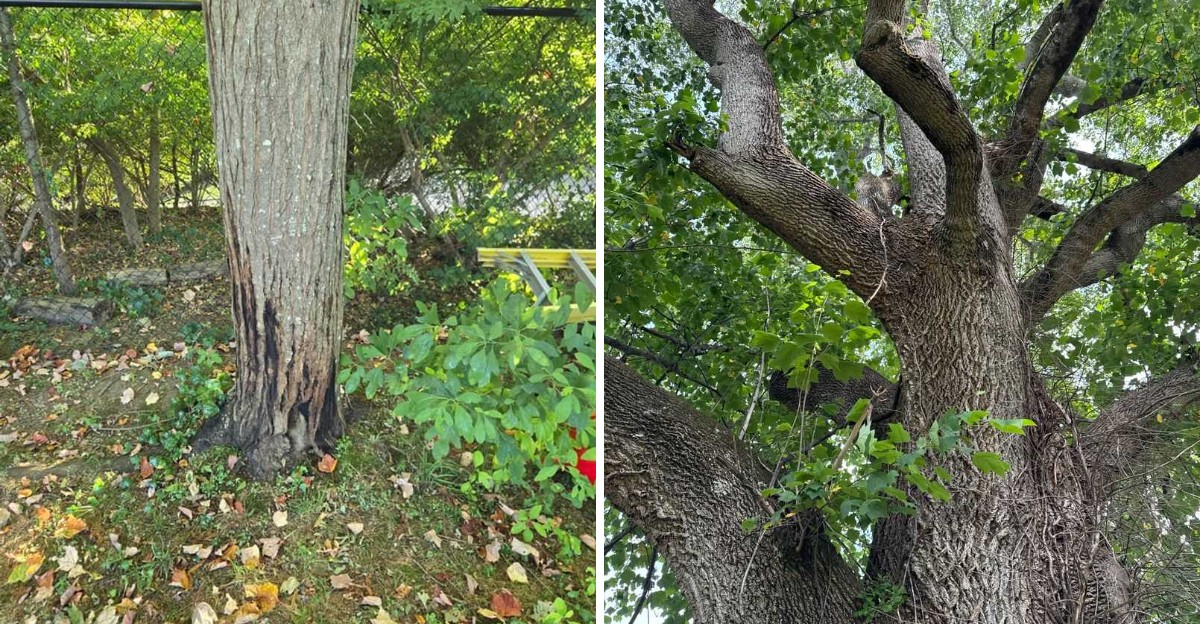
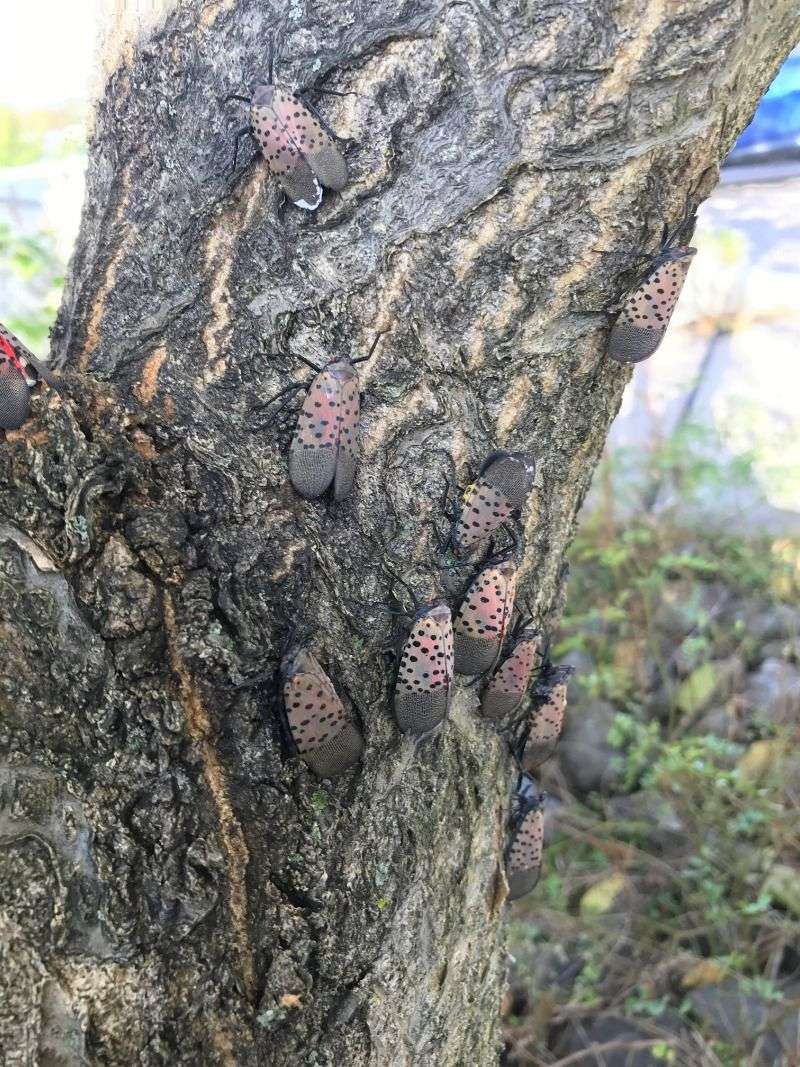
In one Ohio yard, a single tree can suddenly look alive with spotted lanternflies, crawling and clustering along the bark in numbers that seem to appear overnight, while the trees standing right beside it have almost none crawling on them at all.
That strange pattern is not random, and it is not bad luck either.
In Ohio, these insects strongly favor certain trees over others, gravitating toward specific bark textures, sap chemistry, and growing conditions that happen to overlap with plenty of common yard trees across the state.
Knowing which trees draw them in first gives homeowners a real head start, letting them spot trouble long before a full infestation spreads across the whole property and starts affecting decks, cars, and outdoor furniture.
One tree in particular sits at the center of nearly every serious Ohio infestation, with several others playing a real supporting role once populations start to build nearby.
Here are eight Ohio trees spotted lanternflies swarm first, and exactly what to watch for on each one.
1. Tree Of Heaven
One Ohio yard can make this pattern obvious fast, sometimes within a single walk around the property on a warm afternoon.
Spotted lanternflies strongly prefer tree of heaven, an invasive tree also called Ailanthus altissima, according to Ohio agencies and OSU Extension.
When it is present, swarms often build there first before spreading outward to nearby trees and shrubs.
Learn to spot its smooth gray bark, big compound leaves, and a distinctive peanut-butter-like smell when a leaf or stem gets crushed between the fingers, since that smell is one of the more reliable ways to confirm identification.
Because this tree helps fuel infestations more than any other host, Extension guidance often supports removal, or professional trap-tree treatment, handled by trained arborists rather than a DIY weekend project taken on without much planning.
Tree of heaven tends to show up in disturbed soil, along fence lines, vacant lots, and roadsides, often overlooked as just another scrubby weed tree until lanternflies reveal exactly how significant it actually is to the surrounding area.
Do not cut large trees casually, since vigorous root sprouts and real safety problems can follow a rushed removal.
Learn the species first, then contact local Extension, an arborist, or the Ohio Department of Agriculture. Report infestations through state channels so crews can track spread across the region.
2. Black Walnut
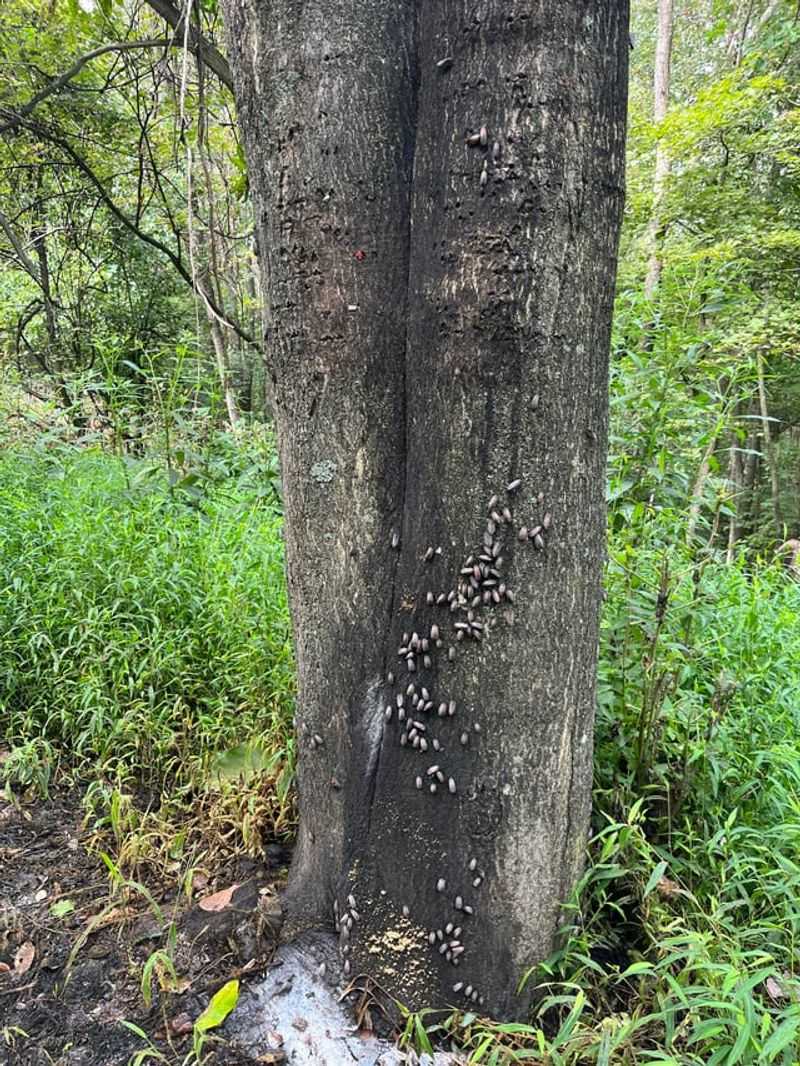
Walk past a black walnut in late summer, and lanternflies packed along the trunk may be the first thing that catches your eye before anything else about the tree does.
Ohio guidance treats black walnut as a secondary host, yet feeding can still run heavy wherever populations are already well established in the surrounding neighborhood or nearby wooded area.
Watch for dense clusters on the bark, sticky honeydew dripping from the branches above, and black sooty mold growing afterward wherever that honeydew lands and sits for more than a day or two.
A healthy, mature tree may survive an infestation overall, but repeated feeding creates real stress over time and leaves a genuinely sticky mess on everything sitting below the canopy, from patio furniture to parked cars.
Your Ohio Garden Changes Every Week. Your Plan Should Too.
Gardening in Ohio changes quickly throughout the season. Every Friday you’ll receive a simple weekly plan showing exactly what to plant, prune, fertilize, harvest, and protect so you never miss the right timing.
Scrape any egg masses found on the bark, destroy nymphs when spotted, and report sightings promptly through the proper state channels rather than assuming someone else in the area already has.
Black walnut trees growing near a known tree of heaven often see the heaviest lanternfly activity of any secondary host in Ohio, making nearby walnuts worth checking regularly once one is confirmed on the property or close by.
The nuts themselves are not affected by feeding, but the surrounding mess and tree stress make this a tree worth monitoring closely.
3. Maple
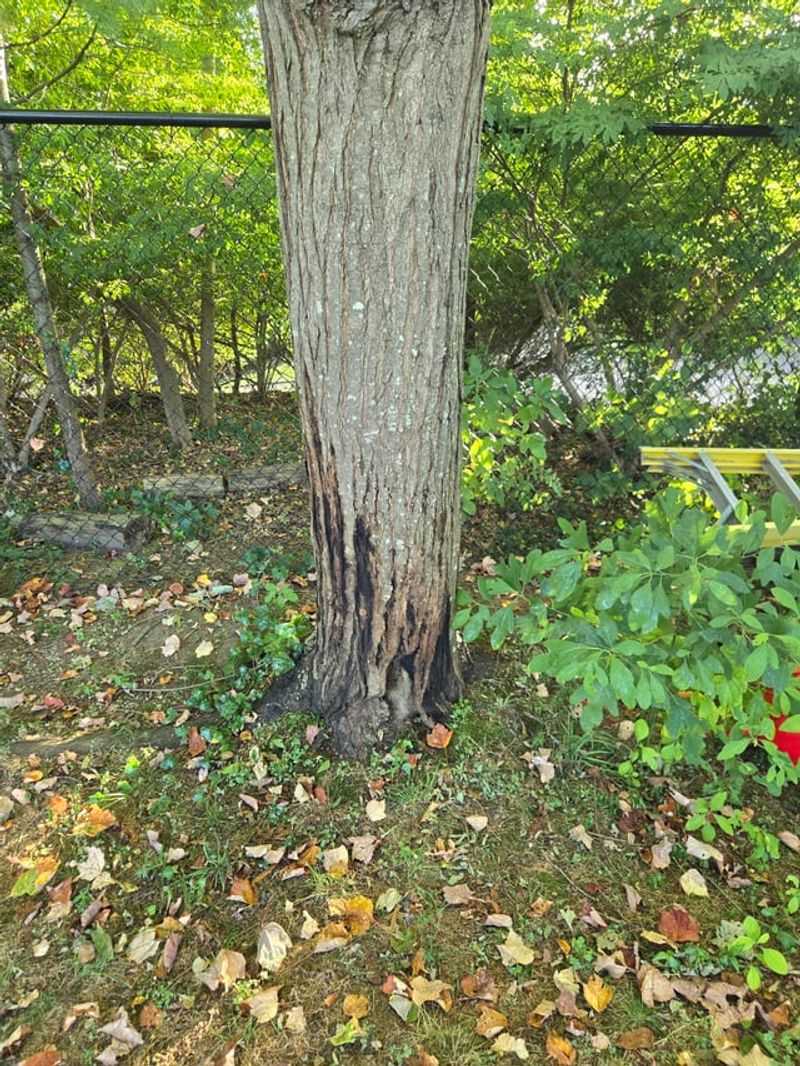
Sometimes the first real clue on a maple is not the insect itself, but the drip below it landing on a driveway, deck, or parked car.
As spotted lanternflies feed, they pierce plant tissue and leave behind honeydew, which can make bark look wet and lead directly to dark sooty mold spreading across the trunk and surrounding leaves within a matter of weeks.
Maples are considered secondary hosts in Ohio, not the insect’s favorite by any means. Still, families notice patio furniture, decks, and parked cars turning sticky underneath infested branches within just a week or two of heavy feeding beginning.
Check trunks and limbs regularly, especially if a tree of heaven happens to be growing somewhere nearby on the same property or just next door in a neighbor’s yard.
The sooty mold itself rarely does lasting harm to a healthy maple outright, but it does create a genuinely unpleasant mess that spreads onto anything sitting beneath the canopy for weeks at a time, sometimes lingering well after the insects move on.
Maples growing close to outdoor living spaces deserve extra attention for this reason alone, since the honeydew problem affects daily life more than it affects the tree’s actual long-term health over the course of a season.
Washing off affected surfaces regularly helps manage the mess while addressing the underlying insect population separately.
4. Willow
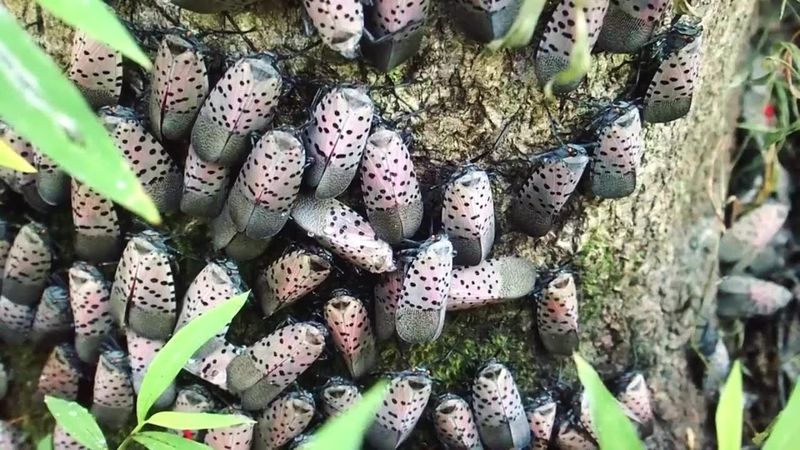
Near creeks, parks, and older established yards, willow trees can quietly become busy feeding stops for spotted lanternflies throughout the warmer months of summer and early fall.
Ohio and Extension materials list willow among the secondary hosts, meaning it can attract plenty of lanternflies even though tree of heaven remains the single strongest draw in any given area of the state.
Long, drooping branches also make infestations noticeably easier to miss until honeydew starts falling steadily and drawing attention from below, often before anyone notices the insects themselves up in the canopy.
Look underneath the canopy for shiny, sticky spots on the ground, wasps drawn in by the sugary residue, and mold building up on leaves or nearby benches and furniture sitting close to the trunk.
Quick, regular checks help catch a developing problem before numbers explode outward toward other trees and plants growing nearby in the same yard or along the same waterway.
Willows near water tend to see repeat visits year after year once an area becomes established, making them worth adding to a regular seasonal inspection routine alongside any tree of heaven already being watched on the property.
Streamside willows in particular can act as a quiet reservoir for populations that later spread toward yards further from the water.
5. River Birch
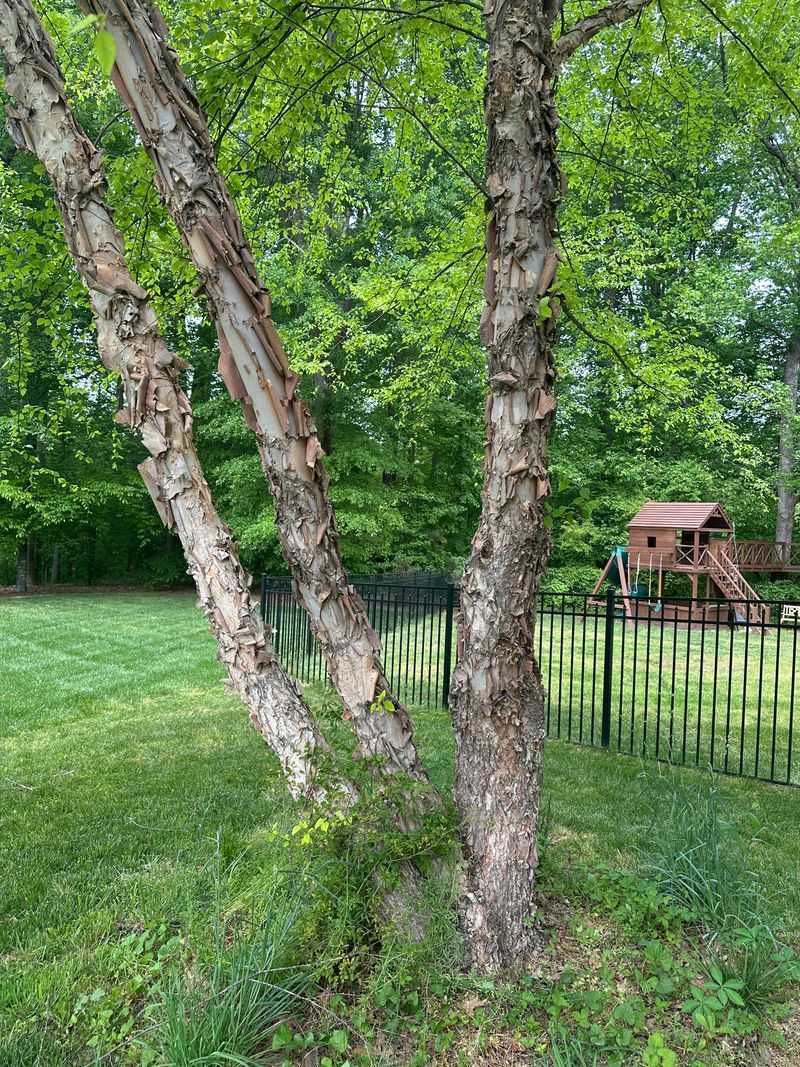
River birch shows up constantly in Ohio landscaping, planted for its peeling, curling bark and quick growth along low, damp areas of a yard or drainage swale.
That same damp, streamside preference overlaps with where spotted lanternflies often settle in heavily, particularly in yards where a tree of heaven or black walnut already sits nearby feeding a growing population of insects.
Peeling bark gives the insects plenty of crevices to rest in during the day, and egg masses can tuck into those loose curls just as easily as they do on smoother bark found elsewhere on the property.
Watch for the same honeydew and sooty mold pattern seen on maple and willow, since river birch reacts to heavy feeding in much the same visible way as those other host trees.
Multi-trunk river birch, a popular choice in newer subdivisions and landscaped lots, offers even more surface area for insects to gather across, making inspection slightly more involved than with a single-trunk tree of similar size.
Check the base of the trunk and any low branches first, since lanternflies often start lower on this particular tree before working upward as numbers increase through the season and populations grow more confident.
Regular inspection of the peeling bark sections in particular can catch egg masses that might otherwise go unnoticed until spring hatch begins.
6. Tulip Poplar
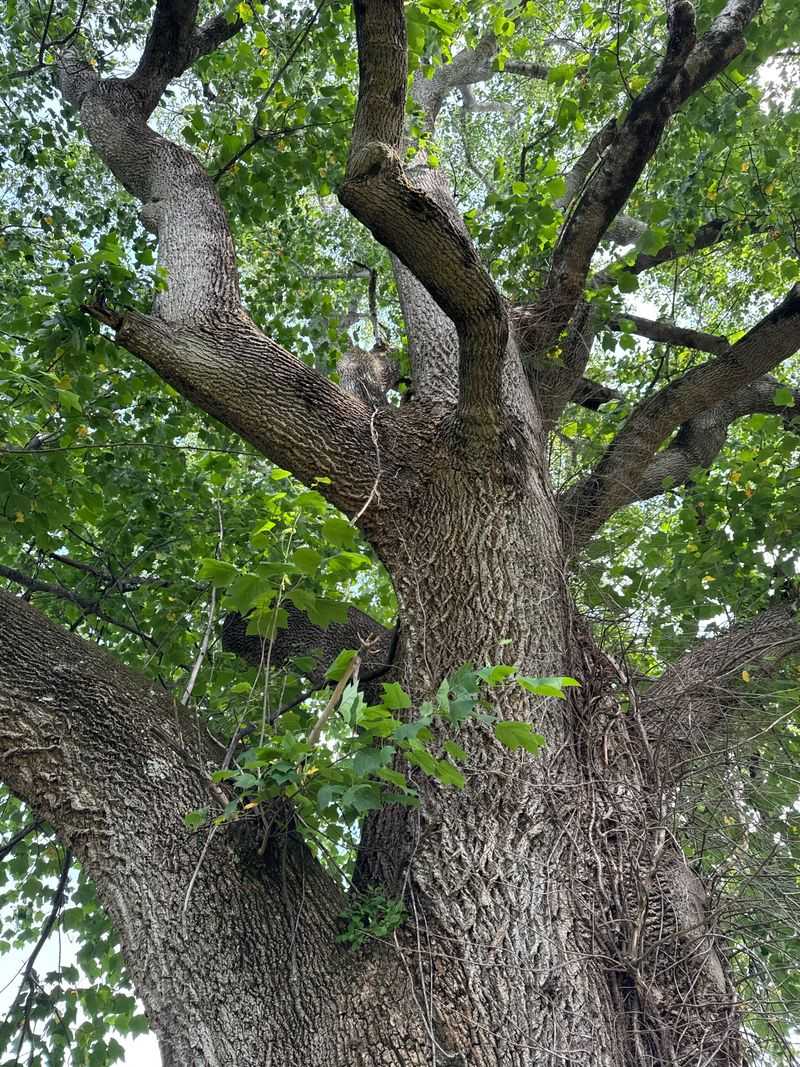
Tulip poplar, sometimes called tulip tree or yellow poplar, ranks among Ohio’s tallest native hardwoods and shows up in both wooded lots and mature suburban yards across much of the state.
Its smooth, gray-brown bark and towering height make spotting an infestation trickier than on a shorter, more compact tree, since much of the activity happens high in the canopy and stays out of easy view from ground level.
Ground-level clues become especially important here as a result. Sticky honeydew coating fallen leaves, sooty mold on lower branches, and a buildup of insects near the base of the trunk all signal trouble happening somewhere above.
Tulip poplar tends to show up as a secondary host in areas where tree of heaven already supports a larger population nearby, rather than driving infestations entirely on its own from a standing start.
Because of its height, professional help matters more here than with smaller trees, since inspecting or treating the upper canopy safely usually requires proper climbing equipment and specific training most homeowners do not have.
Homeowners with a mature tulip poplar should focus checks on lower limbs and the trunk base, then call in a certified arborist if signs point to heavier activity happening higher up in the tree’s canopy.
Given its size, a single infested tulip poplar can end up supporting a surprisingly large population over just one season.
7. Black Cherry
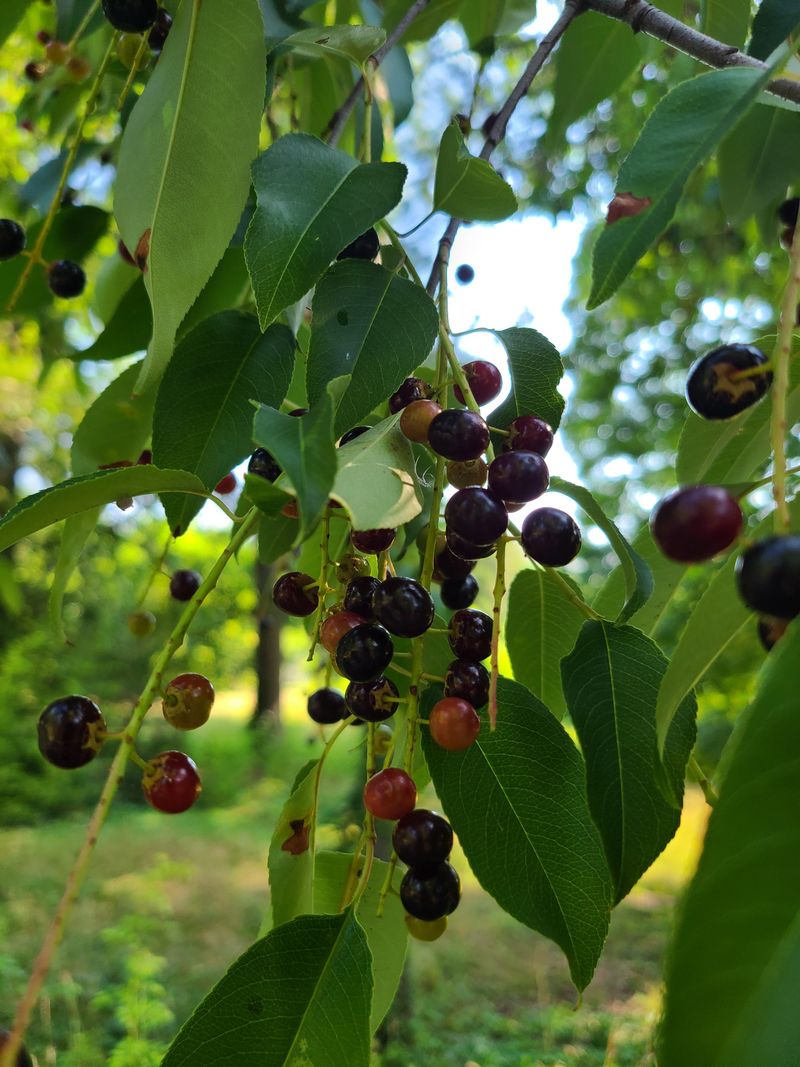
Black cherry grows commonly along Ohio fence lines, woodland edges, and older residential lots, often overlooked entirely until something else finally draws attention to it directly.
Spotted lanternflies use black cherry as another secondary host, feeding on the trunk and branches in patterns fairly similar to what shows up on black walnut and maple growing nearby on the same property.
Dark, scaly bark on mature trees offers plenty of texture for egg masses to blend into, making a careful, close inspection more important than a quick glance from a distance across the yard or driveway.
Watch for the same telltale combination of honeydew, sooty mold, and clustering insects that shows up on other secondary hosts throughout an infested property or neighborhood block.
Black cherry near a known tree of heaven or black walnut deserves a spot on the regular seasonal checklist, since these trees tend to feed populations back and forth once lanternflies establish themselves nearby in meaningful numbers.
Removing egg masses by scraping them into a bag of soapy water before spring hatch remains one of the simplest, most effective ways to reduce numbers on this tree without needing any professional intervention at all.
Wild black cherry along wooded property edges often gets overlooked during inspections, making it worth a specific, deliberate check each season.
8. Sycamore

Sycamore trees, easy to spot thanks to their mottled, peeling bark and broad, spreading canopy, show up frequently along Ohio streets, parks, and larger residential lots throughout most of the state.
That peeling, patchy bark creates natural hiding spots for spotted lanternflies during the day, similar to river birch, and can make early detection genuinely harder without a close, deliberate look at the trunk itself.
Feeding damage tends to concentrate on larger limbs and the main trunk, with honeydew dripping down onto sidewalks, driveways, and parked cars below the canopy during peak activity in late summer.
Because sycamores often grow quite large and are frequently planted near streets or shared community spaces, an infestation here can affect more than just one household’s yard or backyard alone.
Municipal and community reporting matters more with this tree than with a typical backyard specimen, since a heavily infested street sycamore can seed lanternflies across an entire block or neighborhood over a single season.
Homeowners near a mature sycamore should check the trunk base and lower limbs regularly, and report significant sightings to local officials so the problem gets tracked beyond just one individual property.
Given how often sycamores line public streets, a coordinated neighborhood response often proves more effective than any single household acting alone.