What A Super El Niño Wet Fall Means For Your California Garden
Rain clouds are stacking up over California this fall, and something is different this time. Gardeners keep checking their phones, watching the same word pop up again and again.
Super El Niño. That phrase alone can turn a calm weekend into a scramble.
But here is the twist nobody mentions first. More rain does not automatically mean an easier season. Some plants will thrive. Others will quietly struggle underground where nobody is looking.
So what happens when the sky opens up more than usual? Which plants win, and which ones start sending distress signals through soggy roots?
Stick around, because the answer changes depending on your soil, your drainage, and honestly your habits.
A wetter fall rewards some gardeners and punishes others, and the difference often comes down to a few small choices made right now, before the first big storm even rolls in.
1. Heavier Rain Is Coming, But Not Everywhere Equally
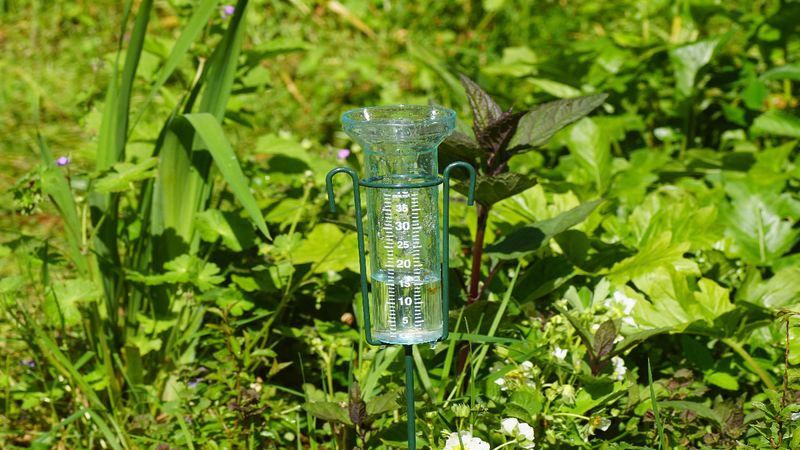
California gardeners love a good weather rumor, and this fall’s rumor happens to be true. A super El Niño can tilt the odds toward wetter conditions across parts of the state. That said, nobody gets a guaranteed forecast here.
Storm tracks shift. Valleys catch different totals than coastal towns. Your neighbor three miles away might get soaked while your yard barely gets damp. That unevenness is the whole plot twist of El Niño seasons.
So what should you actually do with that uncertainty? Skip the panic mode and lean into prep mode instead.
Clean out gutters near planting beds before the first real storm arrives. Clogged gutters dumping water straight into a flower bed is a classic, avoidable mess.
Mulch any bare soil you can find. It slows erosion and buys your roots some protection from pounding rain.
Keep an eye on local forecasts week to week rather than trusting one big seasonal outlook. Watering schedules, planting timing, and erosion control all shift depending on what is actually happening outside your window, not what a chart predicted months ago.
Think of this stretch as active management, not a set-it-and-forget-it season. The gardeners who check in regularly tend to come out ahead when the rain finally shows up in full force.
2. Poor Drainage Turns Into Root Rot Territory Fast
Soggy soil rarely announces itself with a warning label. It just sits there, quiet and heavy, while roots underneath slowly lose access to oxygen.
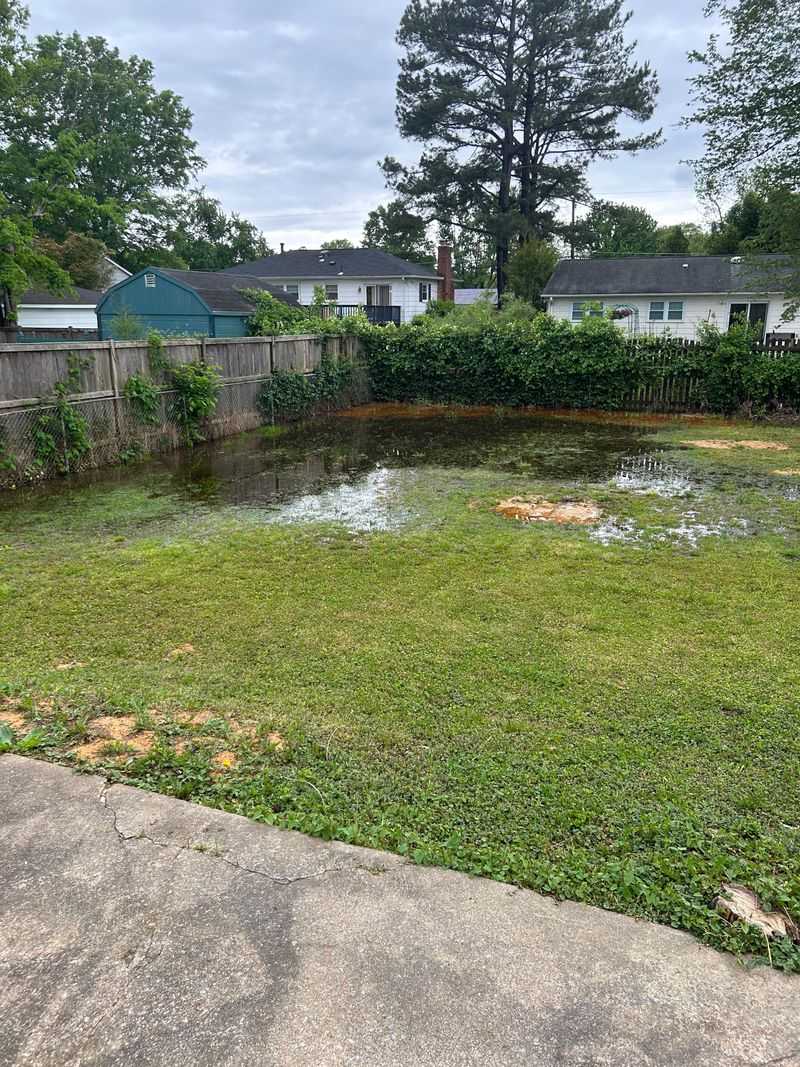
That is where root rot gets its opening. Clay-heavy soil and low spots in the yard hold water far longer than sandy or well-drained areas. Once roots sit in that trapped moisture, disease has an easy way in.
Here is the part most people skip. Checking drainage takes two minutes and saves entire plants. After a storm, walk your yard and look for puddles. If water is still sitting there after a day or two, that spot has a drainage problem worth solving now.
Containers deserve a second look too. Drainage holes clog with soil, roots, or debris more often than gardeners realize, and a blocked pot becomes a swamp overnight.
Your California Garden Changes Every Week. Your Plan Should Too.
Gardening in California changes quickly throughout the season. Every Friday you’ll receive a simple weekly plan showing exactly what to plant, prune, fertilize, harvest, and protect so you never miss the right timing.
Raised beds and lawn edges are common trouble zones as well, especially where soil has compacted over the years.
If you spot standing water, do not just shrug and hope it dries. Move sensitive plants to higher ground if possible. Pause any extra irrigation, because adding more water to an already flooded root zone only makes things worse.
Mounding soil around winter vegetables and young shrubs gives roots a slight lift above the wettest layer. It is a small trick, but it works.
Nobody wants to lose a plant to something as preventable as bad drainage. A little detective work after each storm keeps root rot from turning into a habit this season.
3. Weeds Wake Up Fast When The Rain Starts
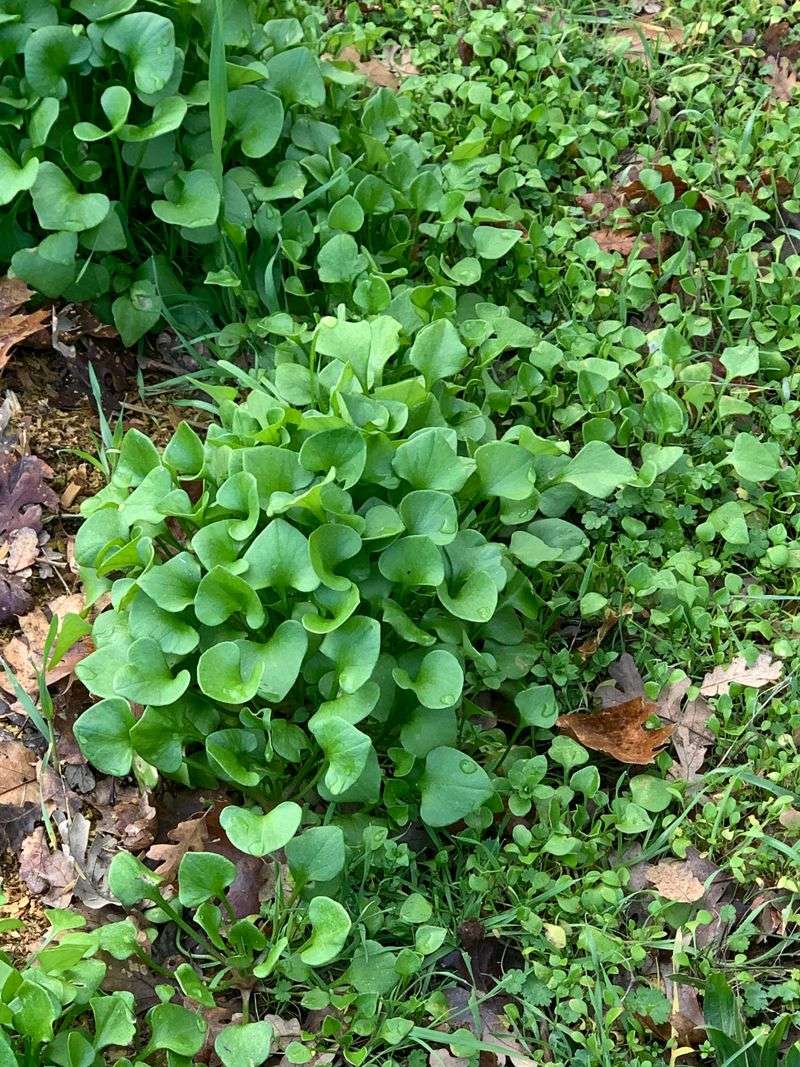
Give weed seeds one good soaking, and they treat it like an alarm clock going off. Suddenly your paths, empty beds, and drip lines are covered in tiny green invaders that were not there last week.
Wet falls speed this process up dramatically. Extra moisture pushes fast germination, especially in spots where last year’s weeds already dropped seed into the soil. That seed bank has been waiting patiently, and rain is exactly what it needed.
Here is the good news buried in that annoying fact. Young weeds are easy weeds. While the ground stays soft after rain, roots pull out with barely any resistance.
Wait a few weeks, and those same weeds develop a grip that turns a five-minute job into an afternoon workout.
So grab them early. Walk your beds after each storm and pull anything suspicious before it gets comfortable.
Mulch is your other weapon here. Covering open soil blocks light that weed seeds need to germinate in the first place, cutting down on the whole problem before it even starts.
Edge your beds cleanly too. A crisp border keeps weeds from creeping in from paths and lawns where they multiply unnoticed.
One more tip worth repeating. Do not let winter weeds flower. Once they set seed, you are basically funding next year’s weed population without meaning to.
A wet fall can turn a small Saturday cleanup into months of pulling if you let it slide. Stay ahead of it, and your beds stay yours instead of theirs.
4. Fungal Disease Finds More Opportunities
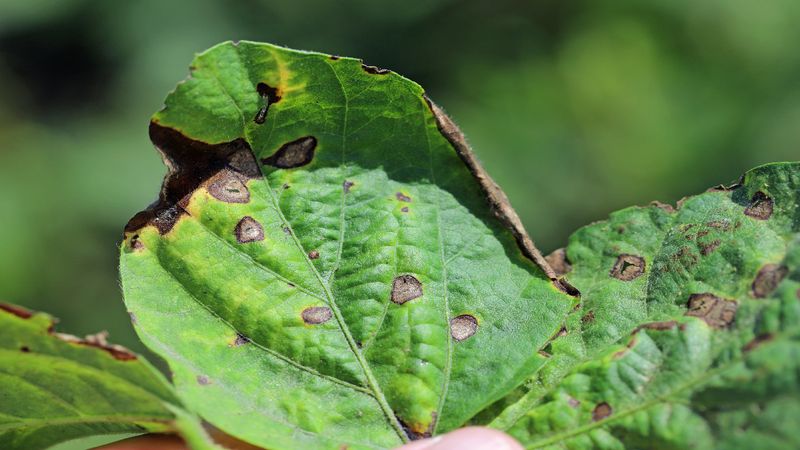
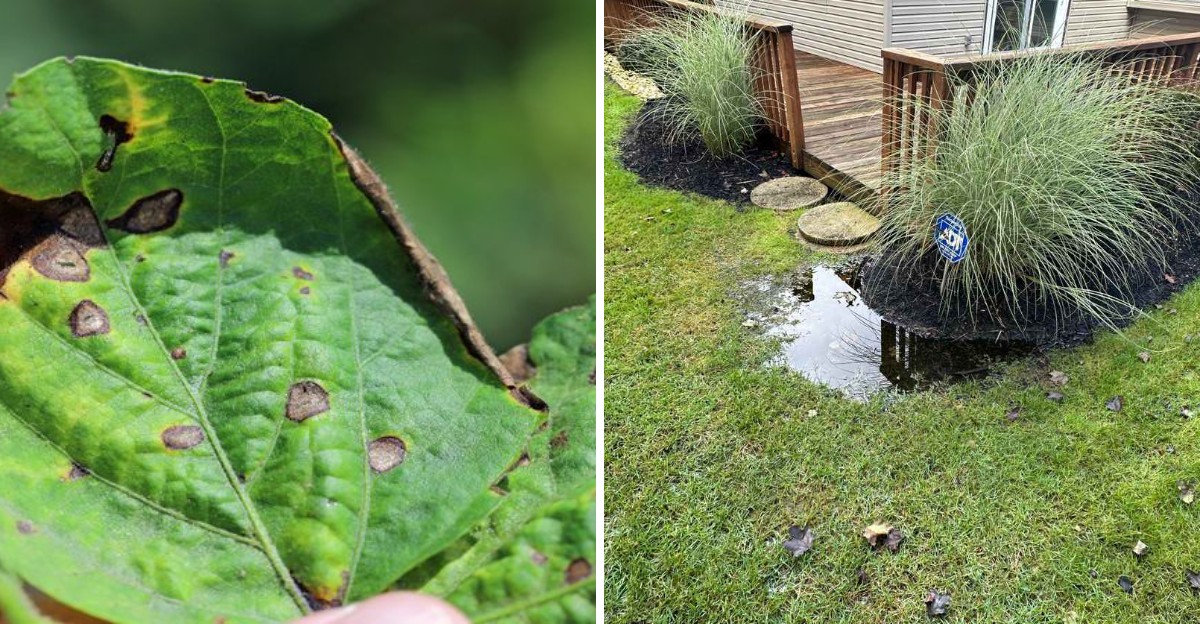
Leaves that stay wet too long start sending out invitations that no gardener wants delivered. Fungal problems like mildew, blight, and leaf spot show up right when moisture lingers and airflow disappears.
The exact disease varies by plant, but the setup is often the same. Wet leaves, crowded growth, and long stretches without sunlight create the perfect breeding ground.
Here is where a little foresight pays off big. Before storms start stacking up back to back, give your shrubs and vegetables room to breathe.
Crowded plants trap humidity right against their own leaves, which is basically rolling out a welcome mat for fungus.
Light pruning now improves airflow later. You are not going for a dramatic haircut, just enough thinning to let air move through the plant instead of sitting stagnant.
Watch for fallen leaves that look infected, spotted, curled, or discolored. Removing those quickly keeps spores from spreading to healthy growth nearby.
Watering matters here too. Water at the base of plants rather than overhead when you can, since wet foliage sitting overnight is exactly what fungal problems are hoping for.
None of this requires fancy chemicals or complicated schedules. It mostly comes down to airflow, tidiness, and paying attention when cloudy days start piling up.
Give your plants a little breathing room this fall, and fungal disease has a much harder time finding its opening.
5. Some Plants Forget To Go To Sleep
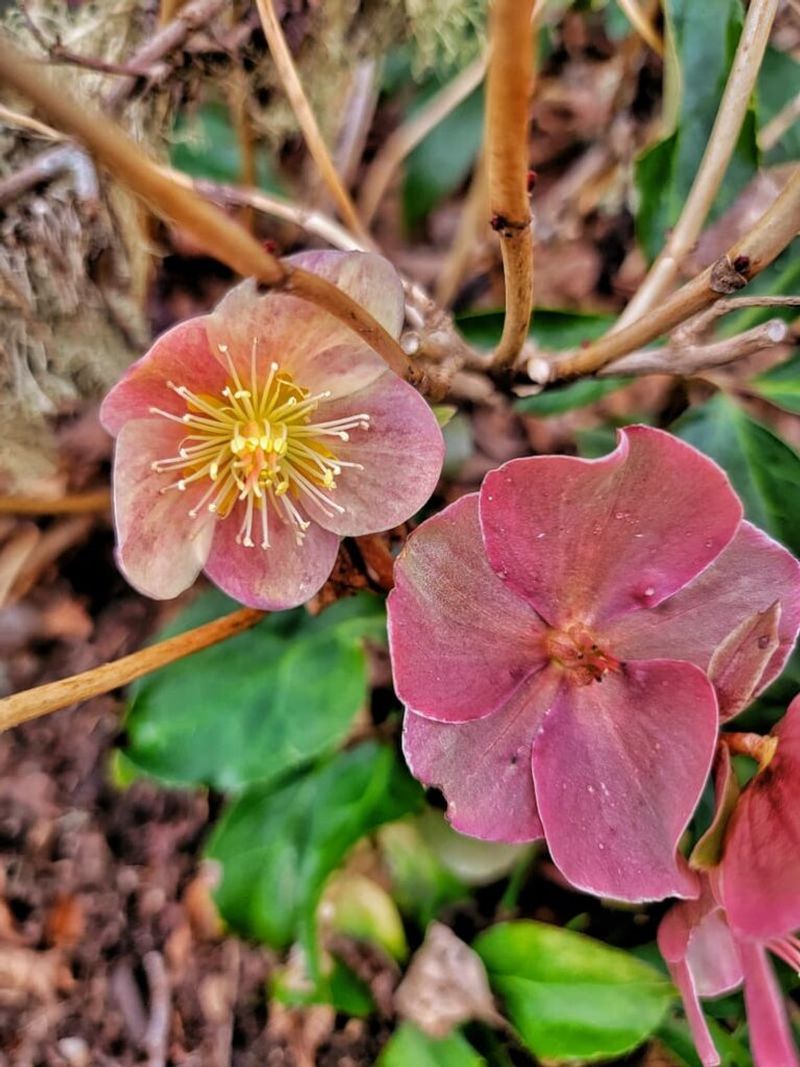
Fall usually sends a clear signal. Cooler nights, shorter days, time to slow down. But a warm, wet season can blur that message completely, leaving certain plants confused about what season it actually is.
Instead of settling into dormancy, some plants push out soft new growth at exactly the wrong moment. That tender growth looks charming for about five minutes, right up until a cold snap arrives and exposes how vulnerable it really is.
Citrus, frost-sensitive ornamentals, and certain perennials are the usual suspects here. They need time to harden off before winter weather shows up, and a confusing warm, wet stretch can throw that timeline completely off.
So what can you actually do about a season that will not send clear signals? Hold back on high-nitrogen fertilizer for now. That kind of feeding encourages exactly the soft, leafy growth you are trying to avoid this time of year.
Skip heavy pruning too. Cutting now can trigger a fresh round of tender shoots right before conditions turn cold.
Choose planting dates carefully as well. If a plant needs hardening time before frost, planting it too late in a confusing warm stretch sets it up for a rough start.
Basically, treat this season with a bit of suspicion. Just because it feels mild does not mean winter forgot to show up. Give sensitive plants extra caution, and they will thank you later with better resilience.
6. Improve Drainage Before The Rain Peaks
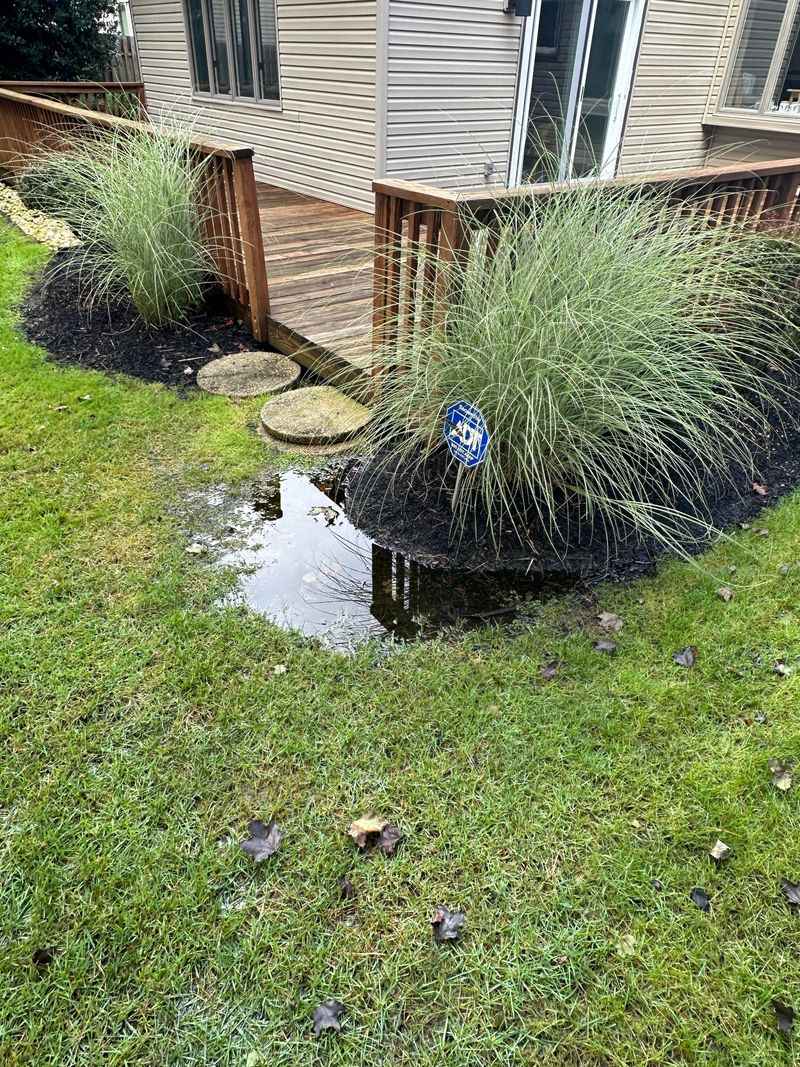
Digging drainage solutions in the middle of a downpour sounds heroic, but it usually backfires. Wet soil compacts easily, structure gets damaged, and any plants nearby take the hit right along with your muddy boots.
The smarter move happens now, before the rainiest stretch actually arrives.
Start by shaping beds so water naturally moves away from plant crowns instead of pooling around them. Crowns sitting in standing water are a fast track to rot, so a little slope goes a long way.
Clear out swales and drainage paths too. Debris, fallen leaves, and forgotten mulch pile-ups can block water from moving where it is supposed to go, turning a working drainage system into a clogged mess overnight.
Adding organic matter to your soil helps as well, especially in spots where water tends to sit rather than soak in. Better soil structure means better absorption, which means fewer puddles hanging around after each storm.
For the trickiest low spots in your yard, consider raised beds, berms, or defined paths. These simple structures keep roots elevated above standing water and keep your own feet dry while you work.
This is one of those tasks where a small effort now beats a big scramble later. A weekend spent shaping soil and clearing debris can save you from soggy, rotting roots once the real rain shows up in full force.
7. Native Plants Handle The Swing Better
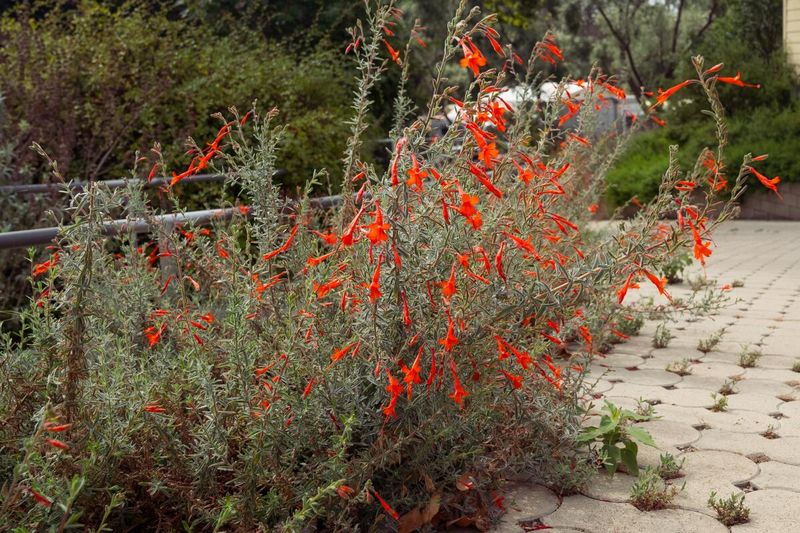
Some plants panic at the first sign of weather chaos. Others just shrug and carry on like nothing happened.
California native plants fall firmly into that second category.
They evolved alongside long dry stretches, unpredictable winter rain, and the particular quirks of local soil, so a wetter-than-usual year does not throw them into crisis mode the way it might for plants imported from milder, more predictable climates.
That does not mean every native plant loves soggy roots without complaint. Drainage still matters, even for the toughest natives out there.
But as a group, they generally need far fewer emergency rescues than ornamentals bred for gentler, more consistent weather patterns.
So if this wet season has you replanting a few struggling spots, native plants deserve a serious look. They tend to handle swings in rainfall with more resilience built right into their biology.
Look for species suited specifically to your region, your sun exposure, and your existing drainage situation. Not every native fits every yard, but there is usually a strong match available if you take the time to look.
Group your new natives where irrigation can stay minimal once storms pass through. Less supplemental watering means less maintenance for you and fewer chances of overdoing it on plants that already know how to handle dry stretches on their own.
A wild rain year does not have to mean a wild garden. Lean into natives, and your yard gets a little more resilience built in for free.
8. Time Your Fertilizer Around The Rain, Not The Calendar
Fertilizer schedules love a fixed date, but a super El Niño season does not really care what the calendar says.
Feed at the wrong moment, and heavy rain can wash nutrients straight past the roots before plants get much use out of them.
That is the sneaky part of a wet fall. Nitrogen especially tends to move with water, sliding down past the root zone during a big storm instead of staying put where plants can reach it.
So timing becomes more important than usual this year. Fertilizing right before a predicted storm often means feeding the ground instead of the plant.
Watch the forecast for a few days, and try to feed when a dry stretch is coming up next, not right before the sky opens. That gives roots a real chance to take in nutrients before the next soaking arrives.
Splitting fertilizer into smaller, lighter applications also helps. A big single dose sitting in saturated soil is more likely to leach away than several smaller feedings spread out over calmer weather windows.
Slow-release options can be useful too, since they trickle nutrients out gradually instead of dumping everything at once for a storm to wash away.
Keep an eye on containers and raised beds especially. Their smaller soil volume drains and leaches faster than open ground, so timing matters there even more.
A little patience with the fertilizer bag this season saves both your wallet and your plants from feeding a storm drain instead of a garden.