Never Compost These Diseased Plants From Your North Carolina Garden This Fall
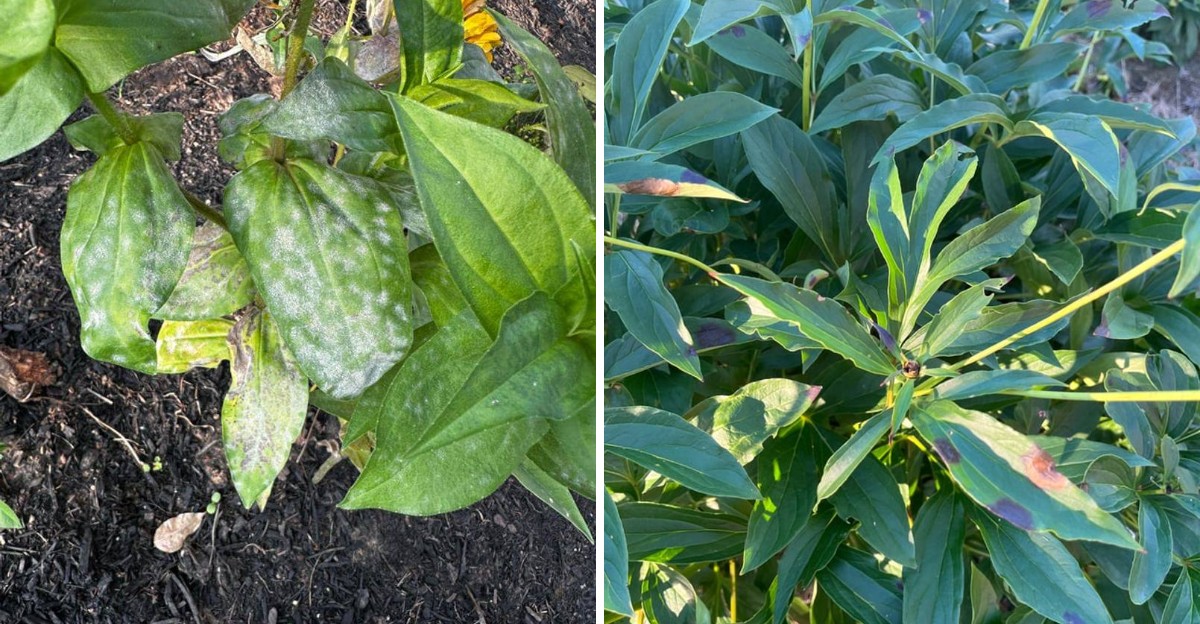
A gardener stands by the compost pile with an armful of sad, spotted vines, ready to toss them in out of pure habit. That single toss might be setting up next year’s whole mess.
Compost piles feel like magic. Toss anything green in, and it turns into rich, crumbly soil eventually. Except that magic has limits nobody talks about enough.
Some plants carry more than old leaves and broken stems into that bin. They carry passengers. Quiet ones. The kind that survive winter just fine and show up again right when your garden starts looking good.
So which plants deserve a one-way trip to the trash instead of the pile this fall? The answer might surprise you, and skipping it could mean fighting the exact same problem twice.
Stick around, because a few backyard staples are hiding something your compost bin was never built to handle.
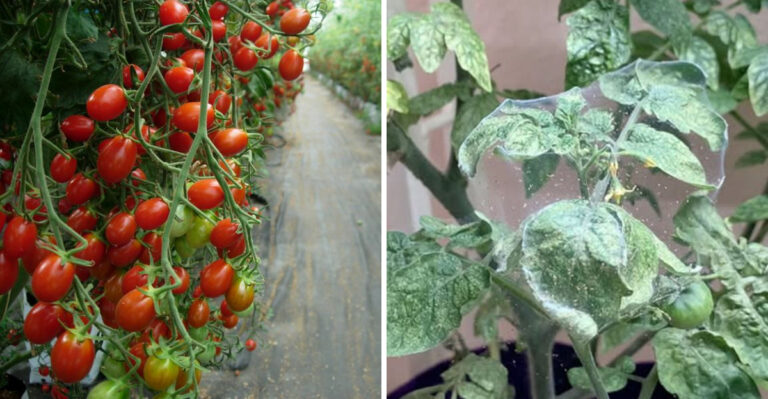
1. Tomato Vines With Blight
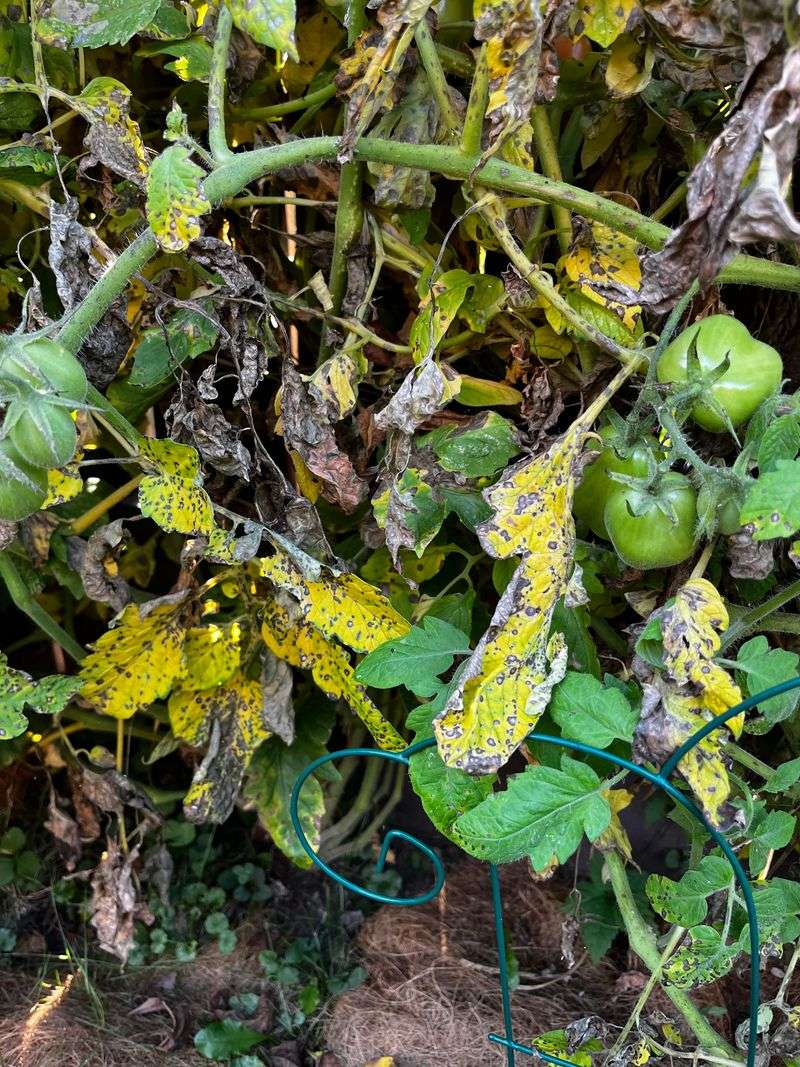
Tomato season ends the same way most years. A tangle of spotted, tired vines, ready for the compost pile out of pure habit.
Here is the catch nobody warns you about. Home compost piles rarely heat evenly enough to fully break down blight and leaf spot organisms hiding on that debris. Commercial systems reach higher, steadier heat. Backyard bins mostly do not.
So those blight spores can just wait things out. They sit through winter, patient as ever, ready to splash right back onto next year’s tomato plants the moment spring rain arrives.
That is a frustrating way to start a new growing season, especially after finally getting last year’s plants in the ground on time.
The fix costs nothing but a little discipline. Bag up vines showing early blight or Septoria leaf spot and send them to the trash instead of the pile. Skip the guilt too. Tomatoes are forgiving plants, and next year’s crop deserves a clean start.
Fallen leaves count here as well. Rake those up along with the vines rather than letting them linger under the plants over winter.
Think about it this way. Composting healthy trimmings builds your garden up. Composting blighted vines just loans your problem out for a year, then hands it right back with interest.
Give your tomato patch a real reset this fall, and next season starts with far less drama.
2. Squash And Pumpkin Vines With Vine Rot
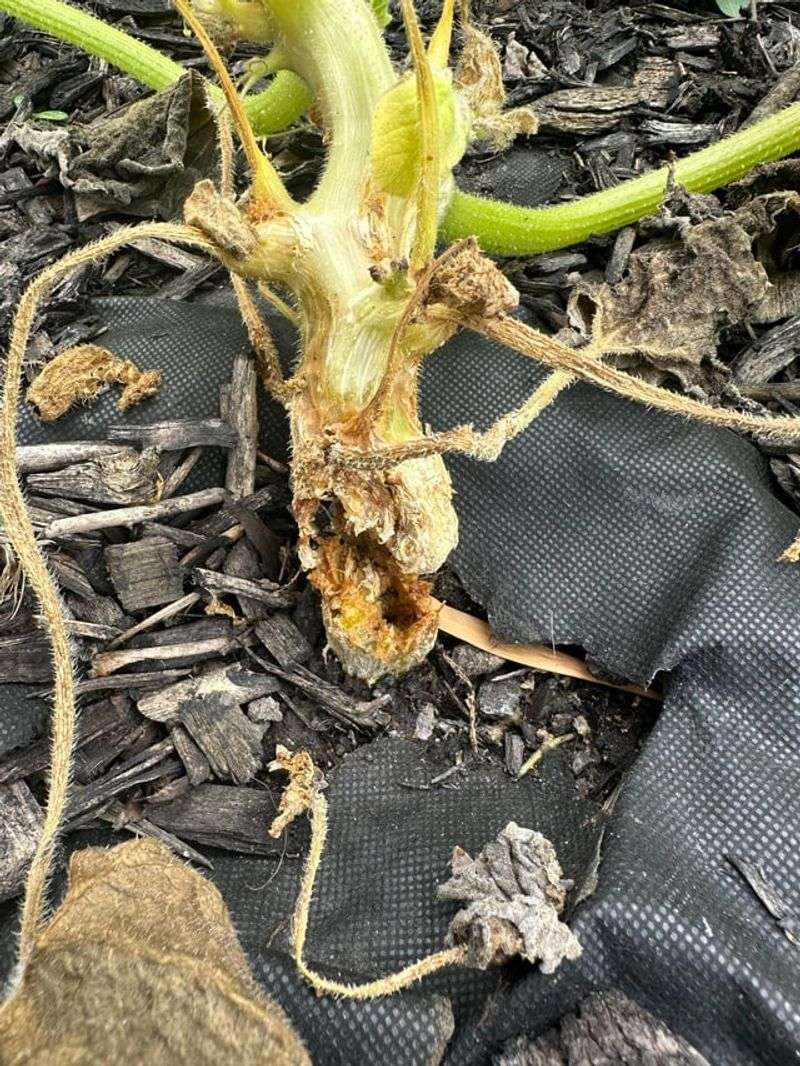
Squash vines have a habit of looking fine one week and collapsing into a mushy tangle the next. Fall seems to bring that transformation faster than any other season.
That soft, rotted mess deserves more caution than a quick toss toward the compost pile. When rot or other cucurbit diseases have taken hold, that tissue can still carry active spores your bin will not reliably break down.
Home piles just do not run hot enough for long enough to handle that job properly. So instead of disappearing, those spores can sit tight until next spring shows up.
Pull affected squash, pumpkin, and cucumber plants completely once they start showing serious decline. Bag the whole mess rather than leaving it to break down slowly near the garden.
Your North Carolina Garden Changes Every Week. Your Plan Should Too.
Gardening in North Carolina changes quickly throughout the season. Every Friday you’ll receive a simple weekly plan showing exactly what to plant, prune, fertilize, harvest, and protect so you never miss the right timing.
Here is a small bonus while you are at it. Clearing collapsed cucurbit vines early also removes hiding spots for overwintering pests looking for a cozy spot to wait out the cold.
Skipping this step feels harmless in October. It rarely feels harmless by June, when new squash plants start showing the same tired symptoms all over again.
A little extra effort now protects next year’s cucurbit patch from an early, discouraging start. Nobody wants to watch history repeat itself in the vegetable bed, especially when squash already asks for so little most of the season.
3. Cucumbers And Zinnias With Powdery Mildew
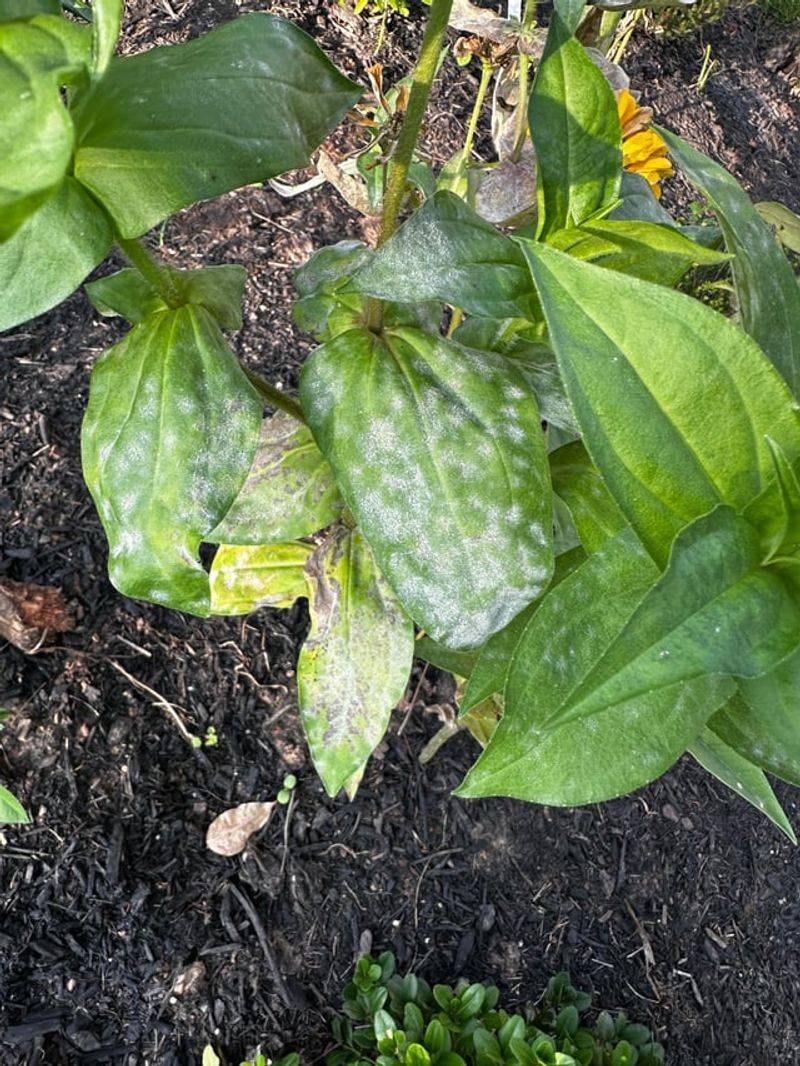
Those white, dusty patches on cucumber and zinnia leaves look almost decorative from a distance. Up close, they tell a different story entirely.
Powdery mildew is a stubborn guest in the compost pile. Fungal growth on infected leaves can survive in the cooler pockets that show up in nearly every backyard bin, since home compost rarely heats evenly all the way through.
So that dusty coating does not just disappear once it hits the pile. It can wait things out and return with the same host plants next season, right on schedule.
Squash and other mildew-prone plants fall into this same category too, so keep an eye on the whole cucurbit and flower bed lineup as fall cleanup gets underway.
Bag affected foliage instead of piling it up loose near the compost bin. Loose debris sitting nearby can still spread spores around with a little wind and rain, even if it never technically makes it into the pile itself.
Here is a nice side effect of staying on top of this chore. Removing mildewed leaves improves airflow around whatever is still growing nearby, which helps slow down new infections before they even start.
A little bagging discipline now saves your zinnias and cucumbers from repeating the same dusty struggle next year. Consider it one small trade for a much cleaner start next season.
4. Rose Leaves With Black Spot
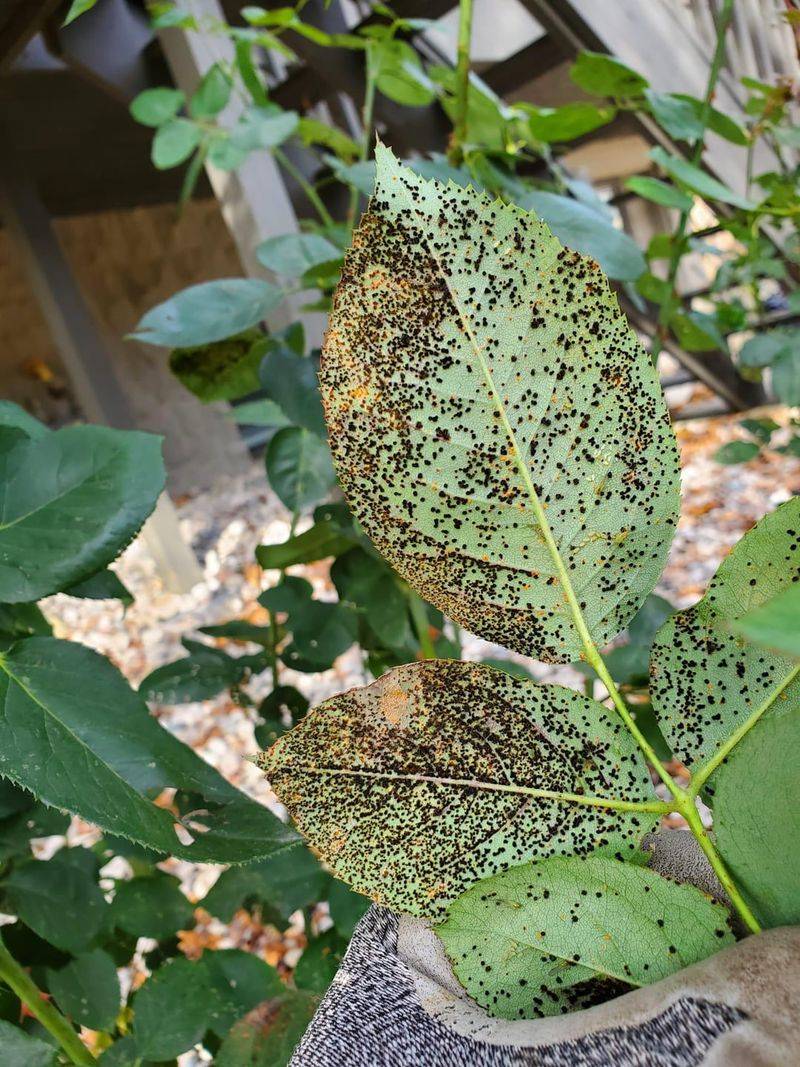
Rose cleanup always feels satisfying. Rake up the fallen leaves, tidy the bed, call it done for the season. Black spot changes that simple routine just a little.
The fungus behind black spot can linger on fallen infected leaves without much trouble. Once warm, moist weather returns, it wakes right back up, ready to spread across fresh new growth all over again.
That timing is exactly why fall cleanup matters so much for roses specifically. Skip it, and next spring’s flush of new leaves might be dealing with the same spots before summer even arrives.
Rake up affected foliage carefully rather than leaving it scattered under the bushes. If any canes look badly affected, removing them can help too, especially on plants that struggle with black spot every single year.
Skip the compost pile for all of it. Toss the debris in the trash instead, since home compost heat is not reliable enough to handle this particular fungus.
Here is the reward for that bit of fall effort. Bare, clean soil under your roses through winter tends to mean less disease pressure once growth resumes, and often less spraying needed throughout the following season.
Roses already ask for plenty of attention throughout the year. Give them one clean, spot-free start this way, and next spring’s blooms have a much better shot at staying that way longer.
5. Peony Foliage With Botrytis Blight
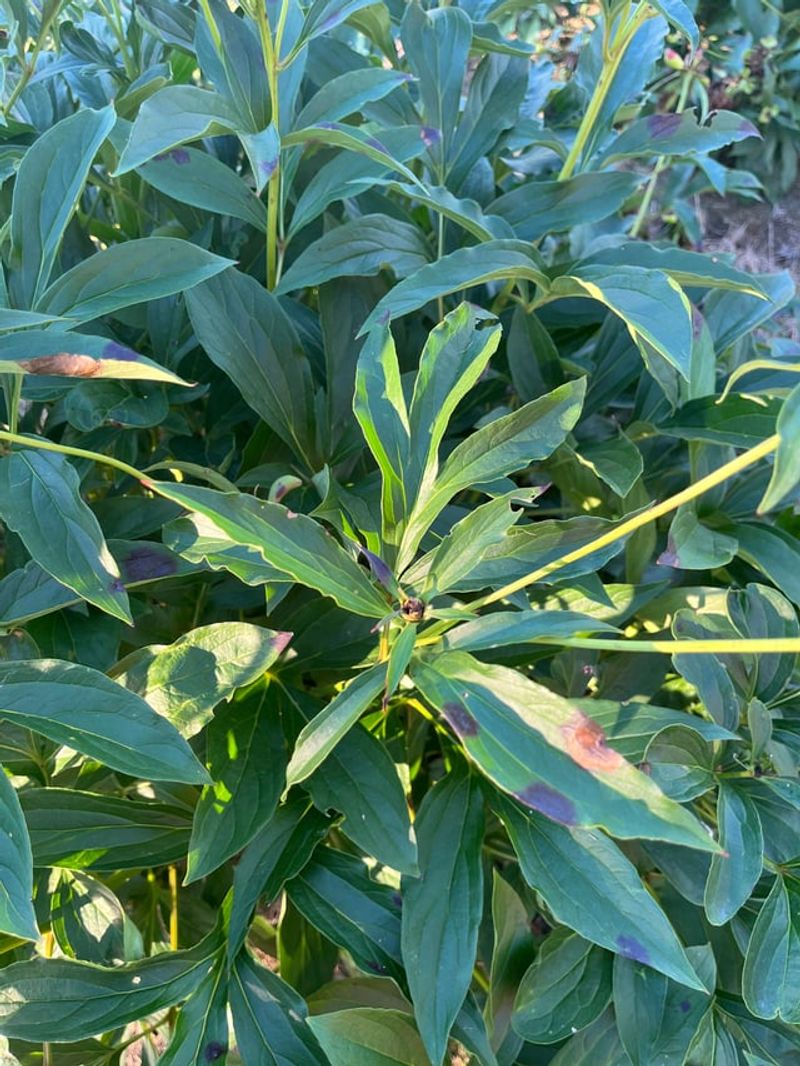
Peonies put on a beautiful show in spring, then quietly go through a rougher patch by fall, especially in years with heavy rain or humidity.
Botrytis blight likes to show up on peony foliage as browning, mushy patches near the base of the stems. It can look almost like the plant is simply finishing up for the season, which makes it easy to miss.
That fungus does not politely disappear once cooler weather arrives. It can survive on old stems and fallen debris right through winter, ready to reappear on fresh growth once spring warmth returns.
Cut back peony foliage completely once it starts showing blight symptoms, rather than leaving stems standing through winter the way some gardeners prefer for other perennials. This particular plant benefits from a cleaner cut back.
Bag those stems and leaves for the trash instead of the compost pile. Home compost heat is not consistent enough to reliably handle this fungus, so it is better off leaving the yard completely.
Clearing debris from around the base of the plant matters just as much as cutting back the top growth. Fungal spores can sit quietly in that leftover litter, waiting for damp spring weather to get going again.
A little extra care with peonies this fall pays off nicely come spring. Nobody wants their favorite early bloomer struggling before it even gets a chance to open up.
6. Basil Leaves With Downy Mildew
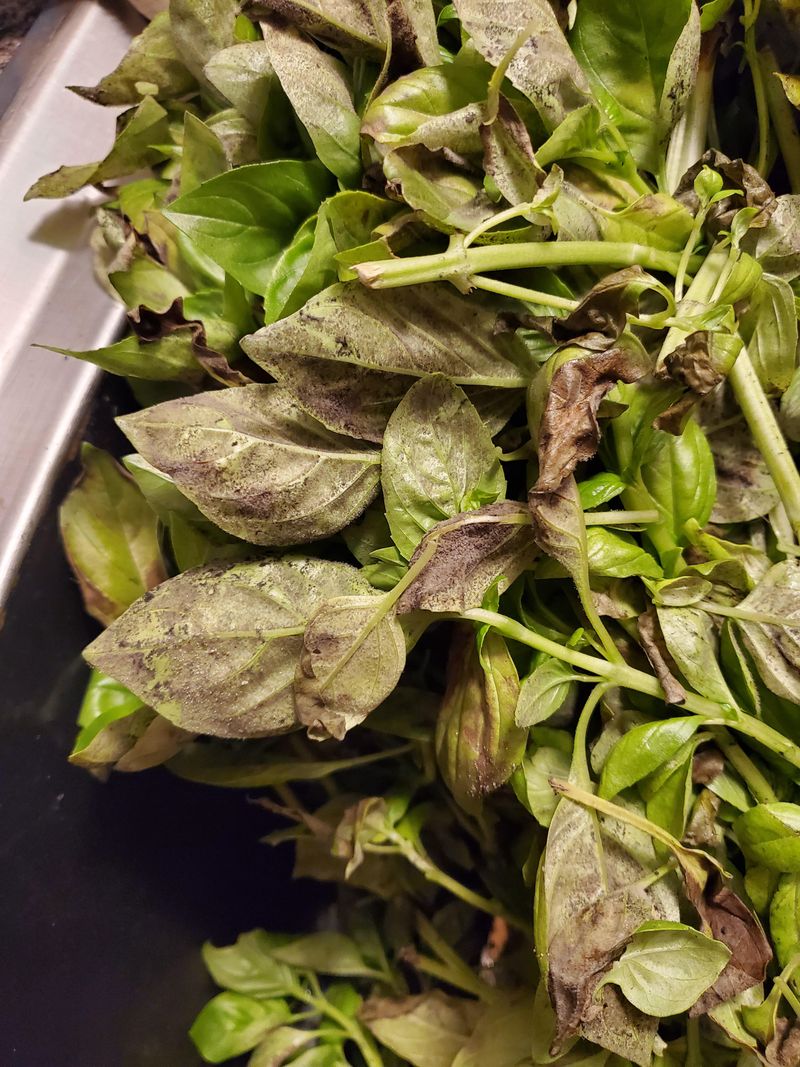
Basil usually keeps producing right up until frost finally slows it down. Downy mildew has a way of ending that run a little earlier and a lot messier.
Yellowing leaves with a fuzzy gray coating on the underside are the telltale sign here. Once that shows up, basil quality drops fast, and the disease itself does not politely stay contained to just that one plant.
Downy mildew spores can spread through the air fairly easily, and infected leaves tossed onto a home compost pile do not always break down fast enough to stop that spread before it starts again.
Pull affected basil plants completely rather than trying to save a few unaffected leaves here and there. This disease tends to move through a planting quickly once it gets going.
Bag the whole plant for the trash. Skip the compost pile entirely for this one, since backyard bins are not a reliable match for downy mildew spores looking for their next opportunity.
Here is a small planning tip while you are at it. Rotating basil to a different spot next year, away from where infected plants grew, can help reduce the odds of a repeat performance.
Losing basil early always feels like a letdown, especially mid pesto season. A clean fall cleanup at least gives next year’s crop a fighting chance at a longer run.
7. Bag And Discard Instead Of Composting
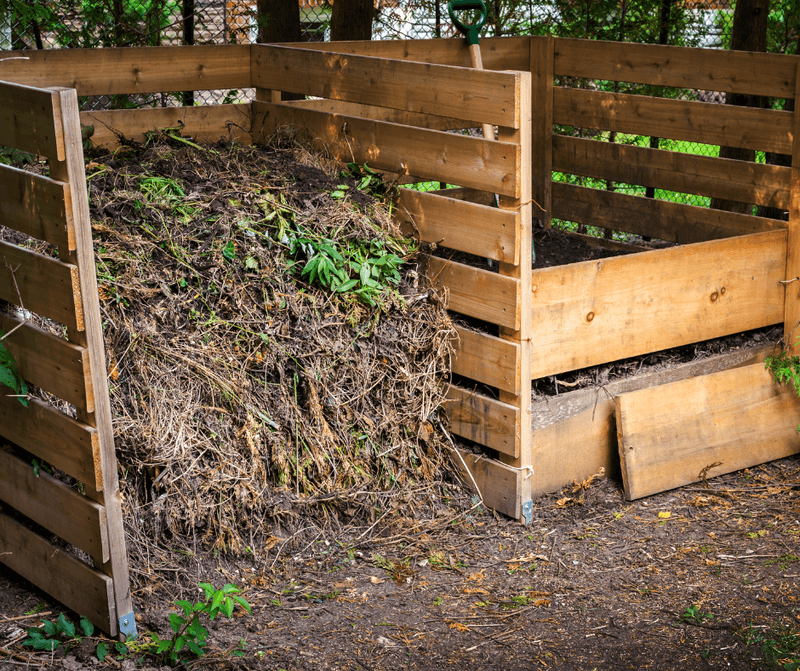
Once a plant clearly shows disease, the smartest move is quick and a little boring. Bag it, seal it, and send it to the trash rather than hoping the compost pile handles the rest.
Sturdy trash bags matter more than people assume here. Loose piles of infected leaves and stems sitting near the yard can still spread spores around with a bit of wind or rain, even without ever touching the actual compost bin.
Skip the leaf mold idea too, tempting as it sounds. Saving diseased material for a slower breakdown process just gives problem organisms more time to stick around comfortably.
Clean your tools while you are at it. Pruners, cages, and gloves can carry spores from one plant to the next without much effort, especially if they go straight from a sick plant to a healthy one nearby.
None of this requires fancy products or complicated steps. It mostly comes down to bagging promptly, tossing thoroughly, and cleaning up afterward instead of letting debris sit around waiting to become a bigger headache.
Boring habits tend to win in gardening more often than exciting ones. Good disposal now quietly prevents a long list of frustrating repeat problems once spring rolls back around.
A few extra minutes bagging and hauling debris away saves entire seasons of frustration later. That trade is worth making every single fall without exception.
8. Healthy Yard Waste Is Still Fine To Compost
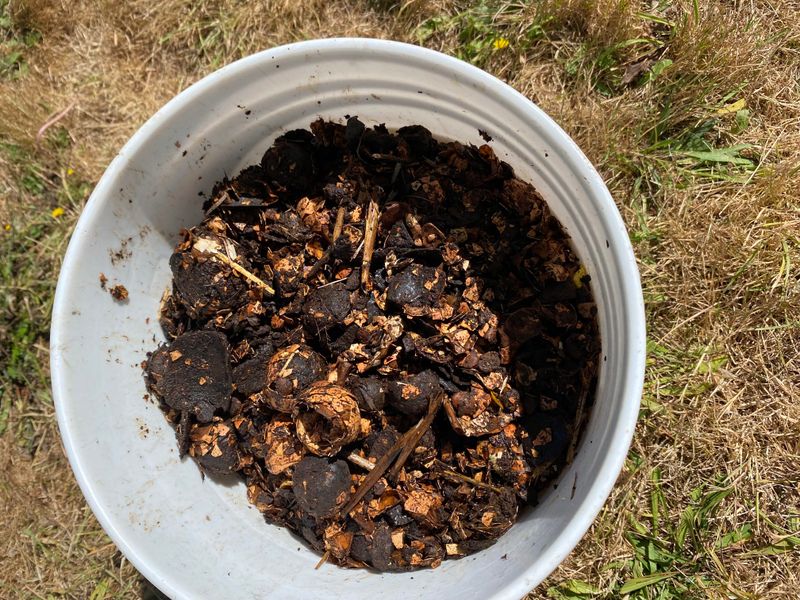
None of this should scare anyone away from composting altogether. Most of what comes out of a fall garden cleanup is still perfectly good material for the pile.
Healthy leaves, weed-free trimmings, chopped stems, and general clean garden waste all break down just fine in a typical backyard bin.
The caution here applies specifically to debris carrying fungi or other pathogens that survive uneven heating, not to garden waste in general.
So keep raking those healthy leaves into the pile without a second thought. Chop up spent, disease-free plants from the vegetable bed too, since that material adds real value once it breaks down.
Here is a simple way to sort things quickly while cleaning up this fall. Spotted, blighted, or fuzzy-looking plant parts go to the trash. Clean, green, ordinary yard waste goes to the pile.
That small habit keeps your compost genuinely useful instead of accidentally working against you. A pile full of healthy material builds better soil every single season, no complicated system required.
Keep sick plants out, keep healthy scraps coming in, and your compost stays exactly what it is supposed to be. A useful tool, not a quiet source of next year’s garden problems.