These Popular Florida Patio Plants Need Different Care Once September Arrives
Those pots lining the patio have been on autopilot all summer, same watering, same feeding, same spot getting blasted with sun every afternoon. That routine worked fine through July and August.
September quietly changes the rules on a handful of the most common plants sitting in those pots right now. Cooler nights and shorter days shift what these plants actually need, even while the daytime heat still feels like summer.
Some want less water than they did a month ago. Others need a different spot entirely, out of sun that’s suddenly harsher on them than it was in June.
Keep running the summer routine on autopilot, and several popular patio plants start showing stress that has nothing to do with anything obvious going on outside.
Florida’s shift into fall happens more in the details than in the weather itself, and patio plants tend to notice long before people do.
1. Move Tropical Hibiscus Into A Fall Feeding Routine
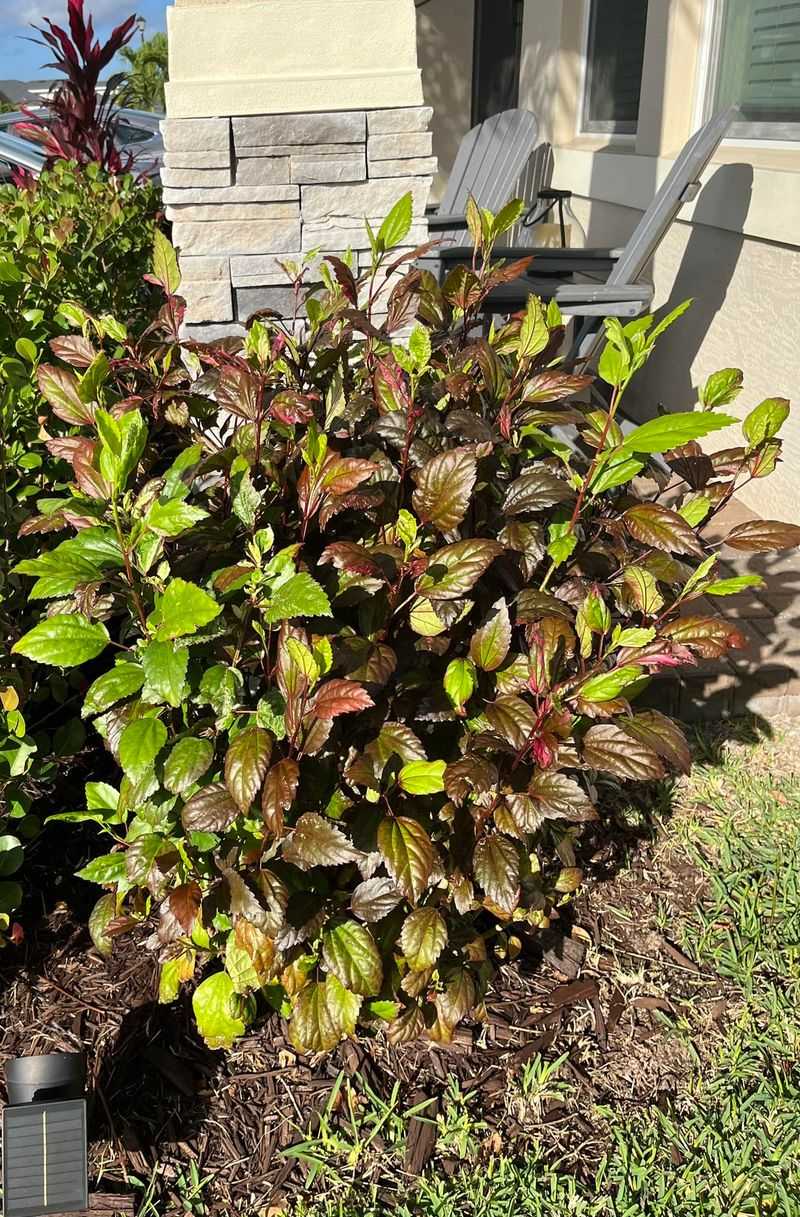
Few patio plants eat like a tropical hibiscus. These shrubs push blooms almost nonstop, and that flower factory runs on steady nutrition.
September is still prime growing time in Florida, so keep feeding. A balanced fertilizer with extra potassium supports both buds and glossy leaves.
Many Florida growers feed every few weeks while growth stays active.
The calendar matters here. Most local advice points to wrapping up the last real fertilizer application by around October 1, since cooling weather slows the plant down.
Pushing food after that can encourage tender new shoots at an awkward time.
If you use a water-soluble product, taper instead of stopping cold. Shifting to once every four weeks through fall and winter works well, and you can pause entirely if the plant looks sleepy and is not putting out new leaves.
Watch the container too. Potted hibiscus dry out fast in September sun, and stressed roots cannot use fertilizer properly, so water first and feed second.
Quick tip worth remembering: yellowing lower leaves often mean drought stress or a nutrient gap, not disease. Check moisture before you reach for any spray.
A little attention now keeps those saucer-sized flowers coming while neighbors wonder how you manage it.
2. Adjust Bougainvillea Care As Growth Begins To Slow
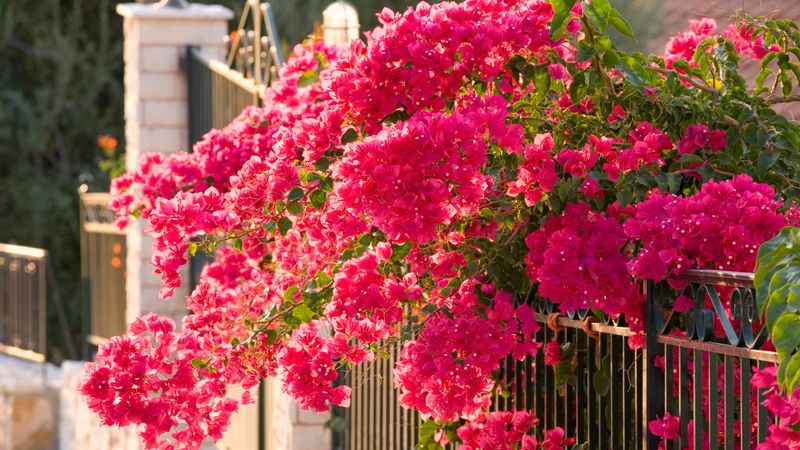
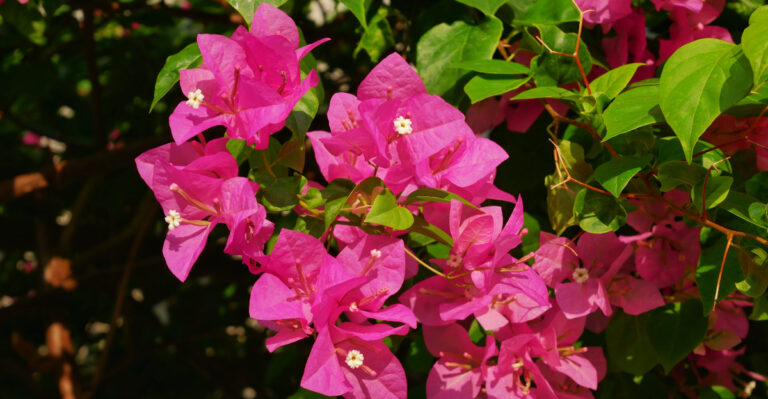
Here is the fun twist with bougainvillea: its best show often happens as the rest of the garden winds down. Fall and winter in Florida bring cooler nights and drier air, and that combination coaxes out those famous papery bracts.
Sun is the first requirement. Keep containers in the brightest spot you have, since shade trades color for leafy growth.
Water is where many gardeners go wrong. Bougainvillea likes soil that dries out a bit between drinks, and constant moisture can mute blooming while inviting pest trouble.
As September rain tapers off, resist the urge to compensate with daily watering. Let the top inch or two dry, then water deeply.
Pruning deserves restraint right now. Heavy cuts in late summer or early fall remove the wood that carries winter color, so save the big shaping for after a bloom cycle finishes.
Your Florida Garden Changes Every Week. Your Plan Should Too.
Gardening in Florida changes quickly throughout the season. Every Friday you’ll receive a simple weekly plan showing exactly what to plant, prune, fertilize, harvest, and protect so you never miss the right timing.
A light trim to tidy stray canes is fine. Follow any trim with fertilizer to nudge fresh growth and flowers.
One more thing: those thorns are no joke, so long sleeves and thick gloves make the job far more pleasant.
Treat it a little tough, and this vine rewards you with a color display that lasts for months.
3. Protect Mandevilla Before Cooler Nights Arrive
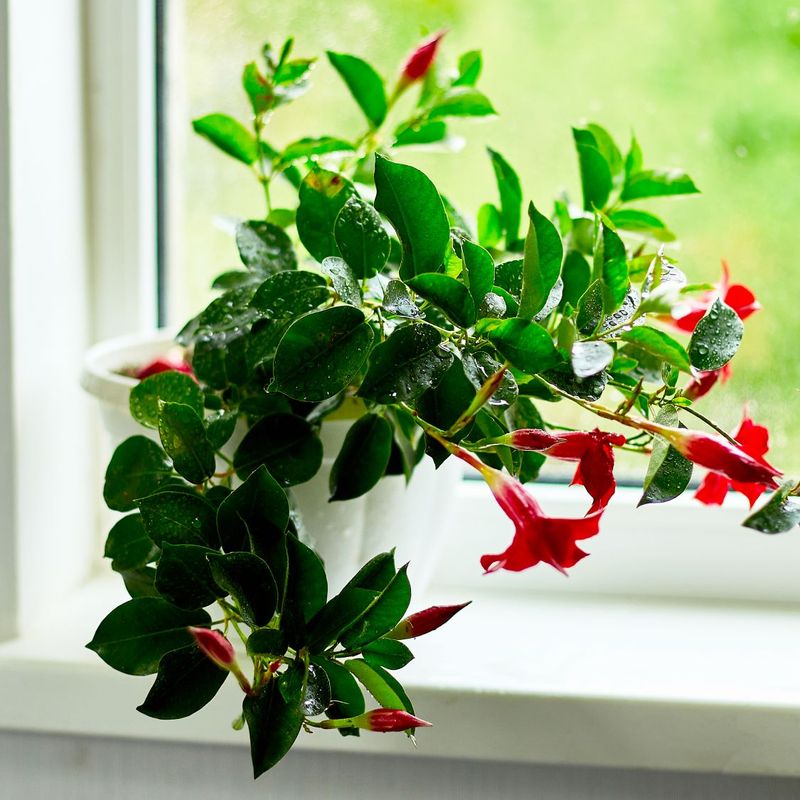
Mandevilla loves warmth the way beachgoers love sunshine. That devotion becomes a planning issue once fall nights start dipping.
Plan your move before the thermometer surprises you. When nighttime temperatures settle below 40 degrees, potted mandevilla does much better indoors than outside.
Indoors, give the vine a sunny window or set up a grow light. Bright conditions keep the leaves healthy and may even hold a few blooms through winter.
Prefer a rest period instead? Move the pot to a cool, sheltered space such as a garage, ideally hovering around 50 degrees.
Prune back as needed to fit the storage space, while avoiding unnecessary heavy cuts. It looks drastic, yet the plant bounces back in spring with vigorous new growth.
Watering during dormancy stays minimal. Offer a small drink only often enough that the soil does not go bone dry.
September is also a smart time to inspect for hitchhikers. Check leaf undersides and stem joints for tiny insects before the pot comes inside, since problems multiply quickly in closed rooms.
Handle those pruned stems with care, because the sap can irritate skin. Gloves and a quick hand wash keep the chore simple and comfortable.
4. Reduce Watering For Potted Plumeria In September
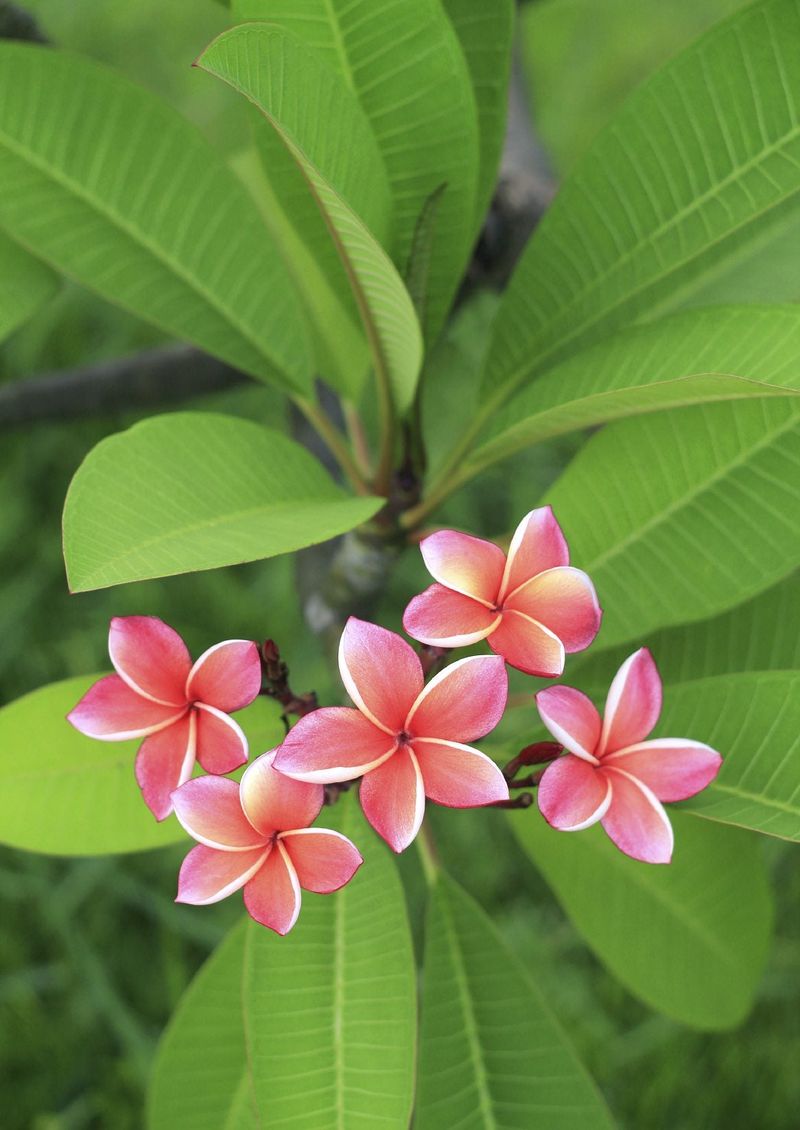
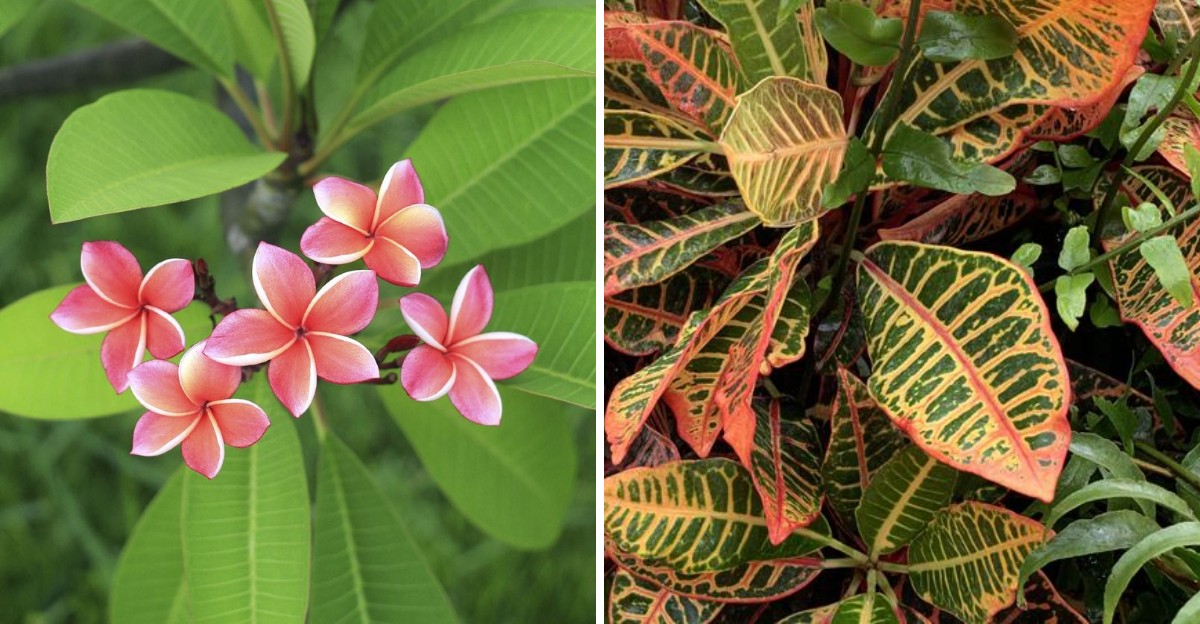
Plumeria spends summer acting like a tropical celebrity, all fragrance and sculptural branches. Come fall, it starts packing for a long nap.
Growth slows noticeably in September, and leaves will gradually drop as winter approaches. That leaf loss is normal and not a sign something went wrong.
Your watering can should respond to that slowdown. Ease off gradually through fall rather than sticking with the summer schedule, since soggy soil around resting roots invites rot.
Fertilizer follows the same logic. Stopping by mid-fall, roughly a month before dormancy sets in, lets the plant settle into its rest without being pushed.
Once a plant stands leafless and dormant, watering can stop altogether. Stored in a cool spot around 45 to 55 degrees, it needs no light either, which makes a garage corner or shed perfectly acceptable.
Some gardeners keep plumeria semi-active near a bright indoor window. In that case, water very sparingly, and only when the stems look slightly shriveled or soft rather than firm.
Fun bit of trivia: those blossoms used in Hawaiian leis actually trace back to Central America and the Caribbean.
Give this one a quiet winter, and spring brings that unmistakable perfume right back to your porch.
5. Give Orchids More Light As Seasons Change
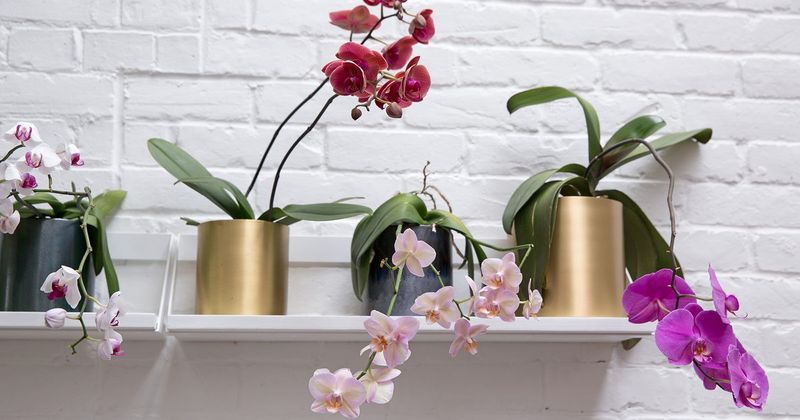
Orchids pay close attention to the sky. As days shorten and the sun tracks lower, the light hitting your porch changes character even if nothing moved.
Autumn brings shorter days and softer light intensity across Florida. That shift can leave orchids in spots that were perfect in July but dim by October.
Walk your patio and watch where shadows fall at midday. Scooting pots a foot or two, or shifting an indoor plant closer to a bright window, often restores the bright indirect light orchids prefer.
Cooler nights do something helpful too. For several orchid types, a modest nighttime temperature drop in fall helps trigger flower spikes, which is why blooms so often appear after the first cool snap.
Care routines should ease back as growth slows. Both watering and fertilizing can be reduced through the cooler months, since roots use less of everything when the plant is not actively pushing new leaves.
Feel the potting media before watering instead of following a fixed day. Bark mixes dry unevenly, and sticking a finger in tells you more than any schedule.
Leaf color is your report card. Grassy green means happy, dark green hints at too little light, and reddish tones suggest a bit much.
6. Refresh Container Ferns Before Florida’s Dry Season
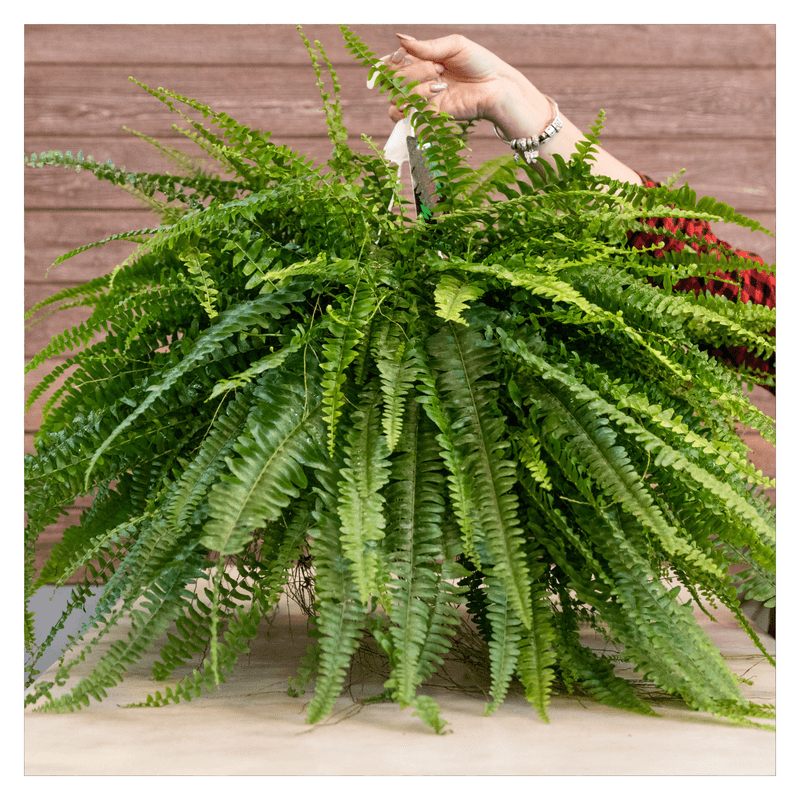
Ferns had it easy all summer. Daily downpours and thick humidity did most of the watering work for them.
That free service ends soon. Florida’s dry season generally runs from October through May, and the air loses much of the moisture ferns count on.
A layer of mulch on top of container soil makes a real difference. It slows evaporation and helps steady soil temperature as conditions get drier.
Change how you water rather than just how often. Deep soakings that run through the pot encourage strong roots, while quick daily sprinkles keep moisture near the surface where it disappears fast.
September is also a good moment for a refresh. Pull out any summer plantings that limped through the heat and swap in cool-season choices for fresh color and texture beside your ferns.
Trim off brown or crispy fronds at the base to tidy the plant and improve air movement. New growth fills the gaps quickly once the plant is not supporting tired foliage.
Grouping pots together helps as well, since clustered plants create a small pocket of shared humidity.
Do these few things now and your ferns stay full and feathery instead of turning into a shedding mess by November.
7. Prepare Crotons For Cooler Temperatures And Less Growth
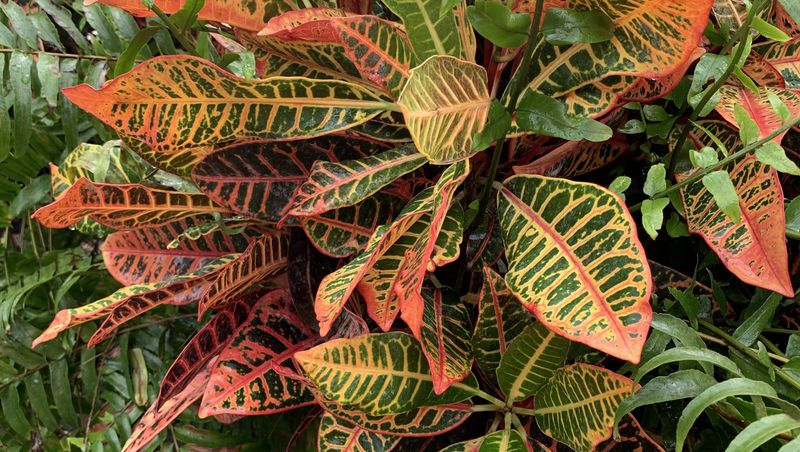
Crotons are the show-offs of the container world, with leaves splashed in red, yellow, orange, and green like spilled paint. They also have opinions about cold.
Growth naturally slows as fall settles in, even though crotons do not go fully dormant. Expect fewer new leaves and a generally calmer plant.
Temperature is the main watch item. When readings drop below about 45 degrees, crotons can shed leaves, leaving bare stems behind.
Container growing gives you an advantage here. Have a plan to slide pots into a garage, a screened lanai, or against a warm house wall when a chilly night is forecast.
Feeding should wind down by mid-October. Cutting back fertilizer keeps the plant from producing tender growth right when conditions turn less friendly.
Skip pruning during the cool stretch too. Fresh cuts and new shoots are the most cold-sensitive parts, so let the plant rest and save shaping for spring.
Keep the soil on the drier side of moist. Cool weather plus wet roots is a combination crotons dislike.
Bright light keeps those colors vivid, so maintain a sunny position. Faded, mostly green leaves usually mean the pot has drifted into too much shade.
8. Check Container Citrus Before Fall Stress Appears
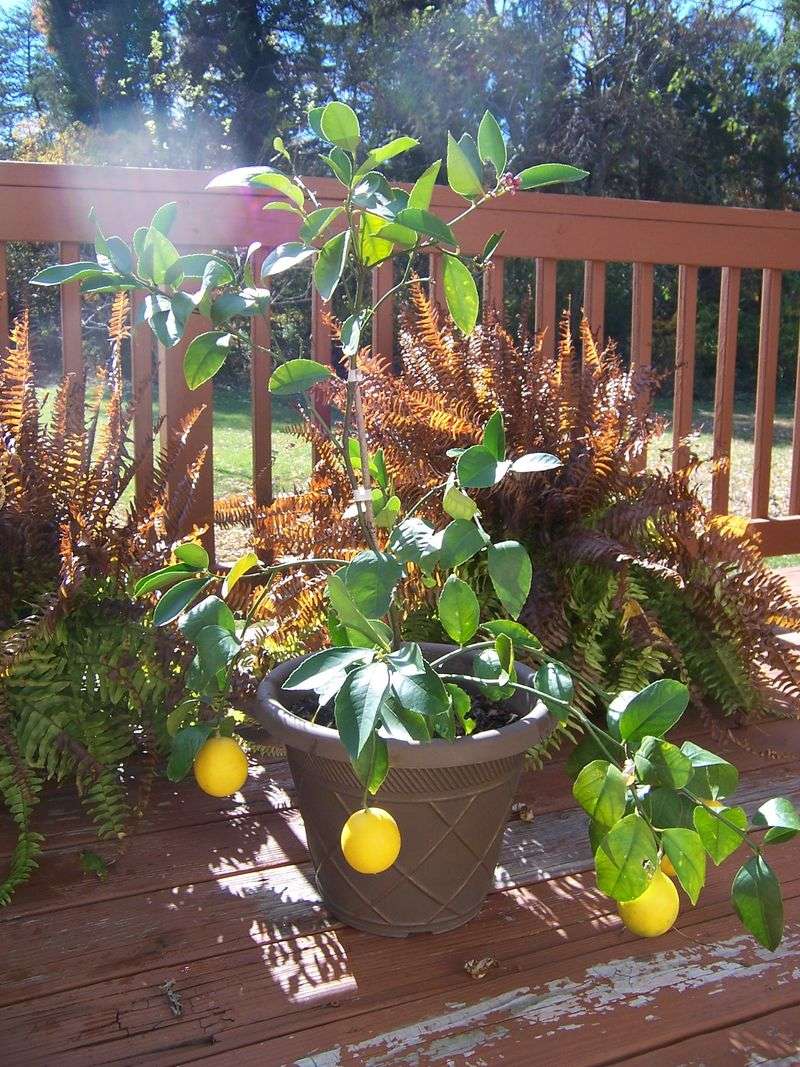
A potted lemon or key lime tree on the patio feels like a small victory every time you spot fruit. September is when that fruit needs you paying attention.
In Florida, this month is the right window for the year’s final citrus fertilizer application. That last feeding helps the developing fruit finish well.
Watering consistency matters just as much through fall. Fruit sizes up and sweetens during these weeks, and swinging between soaked and parched soil can lead to dropped or split fruit.
Drainage remains non-negotiable for containers. A well-draining mix plus unblocked drain holes protects roots, and overwatering causes more trouble than an occasional dry spell.
Take a few minutes for a pest patrol as the season changes. Look under leaves and along new growth for scale, aphids, or leaf miners, and address anything you find early while numbers are small.
Curling or cupped leaves often signal water stress rather than insects, so squeeze the soil before you diagnose.
Rotate the pot every few weeks too. As the sun angle lowers, turning the container keeps all sides of the canopy getting light.
A little fall attention now means fruit you actually get to pick, zest, and squeeze into something cold.
9. Help Patio Palms Transition Into Cooler Months
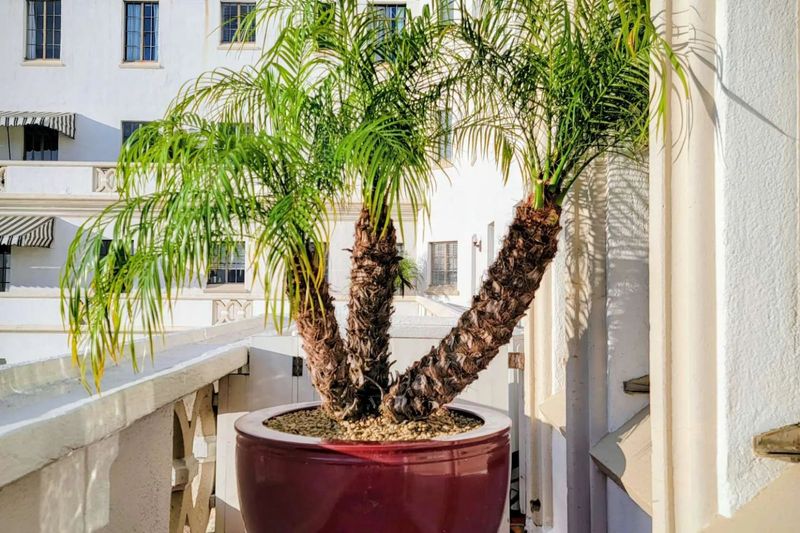
Patio palms look effortless, which is exactly why they get neglected. A few seasonal adjustments keep them looking resort-ready through the cool months.
Feeding should follow the growing season, which in Florida spans spring, summer, and fall. Fertilizing during genuinely cold stretches can stress the plant rather than help it.
Watering changes once the dry season arrives. For established palms two years or older, a deep soaking every five to seven days from November through April is a solid baseline, with extra during long rainless spells.
Depth beats frequency here. Watering thoroughly but less often trains roots to grow down, which builds a sturdier plant over time.
Pruning is where good intentions cause harm. Remove only the brown fronds, because green ones still feed the palm and cutting them takes away energy the plant needs.
Resist the urge to give a tidy haircut. Palms cannot regrow from a trimmed crown the way shrubs do, so patience pays.
Containers heat and cool faster than ground soil, so check moisture with your finger a few inches down rather than guessing.
Wipe dust from the fronds occasionally as well. Clean leaves catch more of that lower autumn sunlight and simply look better on the patio.