What California Gardeners Should Do With Young Trees Before Santa Ana Winds Arrive
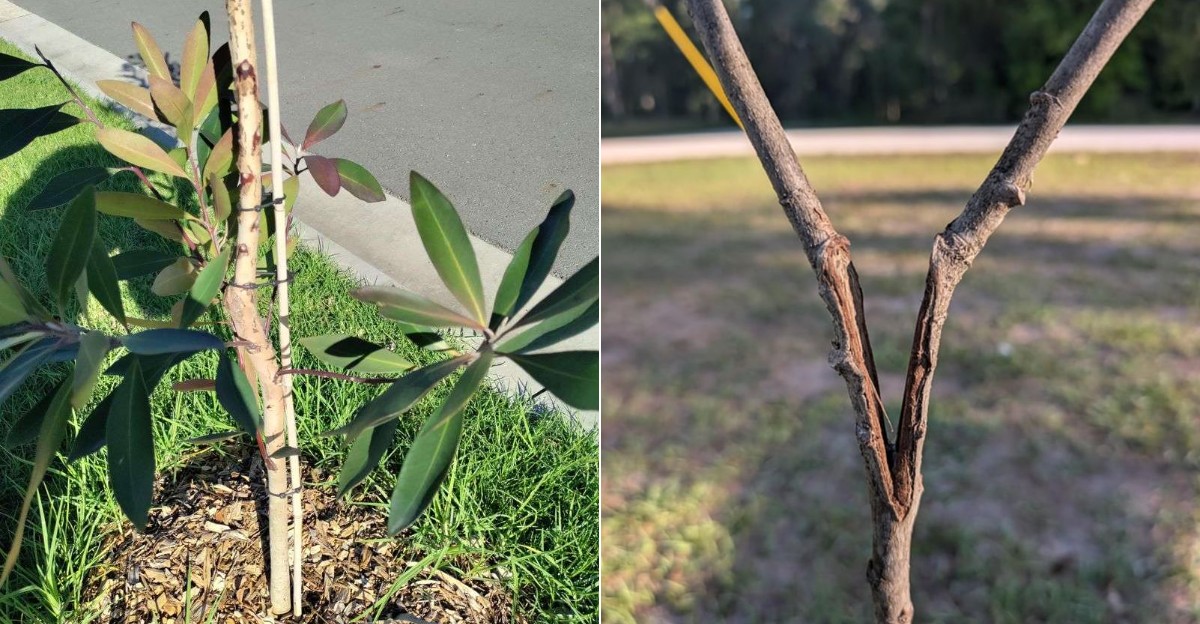
A young tree can look strong one day and struggle the next when powerful Santa Ana winds sweep through California.
Newly planted trees often have shallow roots and flexible trunks, making them more vulnerable to bending, drying out, or suffering damage during intense wind events.
Before the gusts arrive, a little preparation can help your trees handle the stress. Checking support stakes, protecting the soil around the roots, and making sure the tree is properly watered can all make a difference.
You do not need to overdo it with heavy restraints or last-minute fixes, since the goal is to provide support while allowing healthy growth.
Taking a few minutes to prepare your young trees now can help them stay upright, recover faster, and continue building the strong root system they need for the seasons ahead.
1. Check Stakes Before Strong Winds Arrive
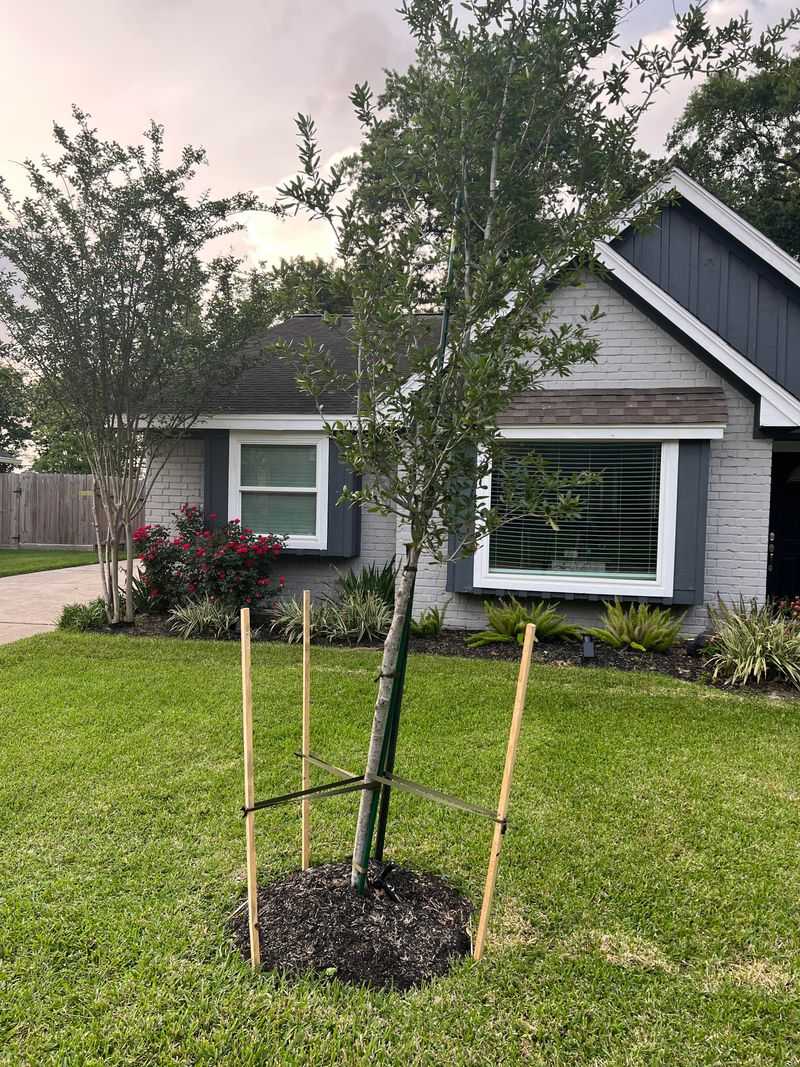
A wobbly stake is almost as risky as no stake at all when powerful gusts start pushing your tree around. Before the season heats up, walk out and give each stake a firm wiggle to test how solid it feels.
Stakes that lean or slide out of the ground easily need to be driven back down or replaced. Rot near the base is common, especially with wooden stakes that have sat through wet winters. Tap them lightly and listen for a hollow or soft sound.
Position matters too. Two stakes placed on opposite sides of the trunk usually work better than one, since they share the load and keep the tree centered. Line them up so they face into the strongest expected wind direction for extra support.
Make sure the top of each stake sits below the lowest branches. Tall stakes can rub against limbs and cause scrapes during windy nights.
Metal or thick bamboo stakes tend to hold up longer than thin ones. If your stakes bend when you push on them, upgrade before the weather turns.
Taking ten minutes to check now beats scrambling in the middle of a California storm. A sturdy base gives your young tree a fighting chance against whatever the season sends its way.
2. Remove Loose Ties That Can Damage Bark
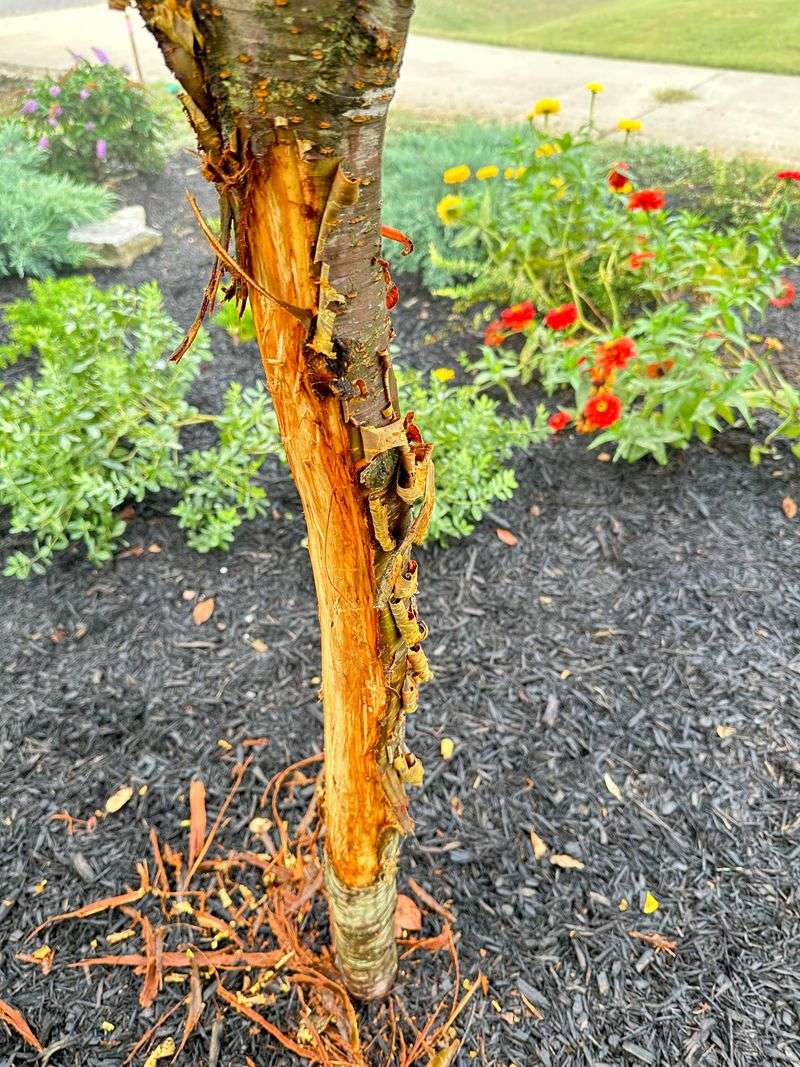
Ties are supposed to help your tree, but a loose or worn one can do the opposite. When ties flap in the wind, they saw against the bark and leave open wounds that invite pests and disease.
Take a close look at every tie holding your tree. If the material has cracked, frayed, or hardened over time, swap it out for something soft and flexible right away.
Old wire, twine, and thin plastic strips are the usual troublemakers. They cut into growing bark and can leave permanent scars around the trunk. Wide cloth strips or rubber tree ties spread pressure and are much gentler.
Check the spot where each tie touches the trunk. Any sign of rubbing, shininess, or a groove in the bark means the tie needs adjusting or removing.
Sometimes trees outgrow their ties without anyone noticing. A tie that fit fine last spring might now be squeezing the trunk. Loosen anything that looks tight.
Your California Garden Changes Every Week. Your Plan Should Too.
Gardening in California changes quickly throughout the season. Every Friday you’ll receive a simple weekly plan showing exactly what to plant, prune, fertilize, harvest, and protect so you never miss the right timing.
You do not want ties so snug that the tree cannot sway at all, but you also do not want them flopping around freely. Aim for a loose figure-eight loop that holds without pinching.
Fresh, soft ties keep the bark smooth and healthy so your tree can face the winds without hidden injuries slowing it down.
3. Secure Young Trees Without Restricting Movement
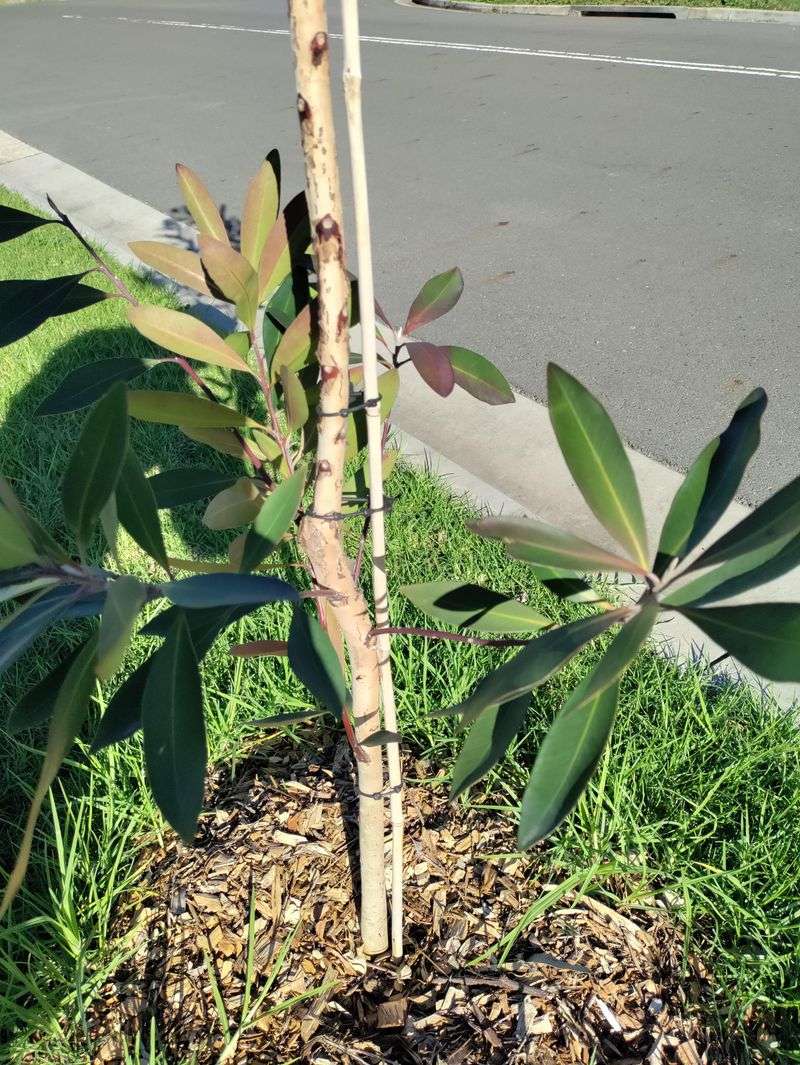
Here is something that surprises a lot of California gardeners: a tree needs to move a little to grow strong. When a trunk sways gently, it builds thicker, tougher wood that resists breaking.
Tying a tree too tightly stops that natural motion. The trunk stays skinny and weak because it never learns to hold itself up. Your goal is support, not a stiff cast.
Attach ties low on the trunk, usually around the lower third, rather than high up near the top. This lets the upper part flex freely while the base stays anchored.
Leave a bit of slack in each tie so the tree can rock a few inches in the breeze. If the trunk cannot budge at all, loosen things until it can wiggle slightly.
During Santa Ana events, this small amount of give actually helps. A tree that bends with the gusts absorbs the force better than one held rigid, which is more likely to snap.
Keep an eye on how the tree responds. If it whips around wildly, add a touch more support. If it barely moves, ease off a little.
Finding that balance takes a moment of watching, but it pays off. A tree free to sway becomes sturdier every windy day, ready to stand tall on its own soon.
4. Water Deeply Before A Wind Event
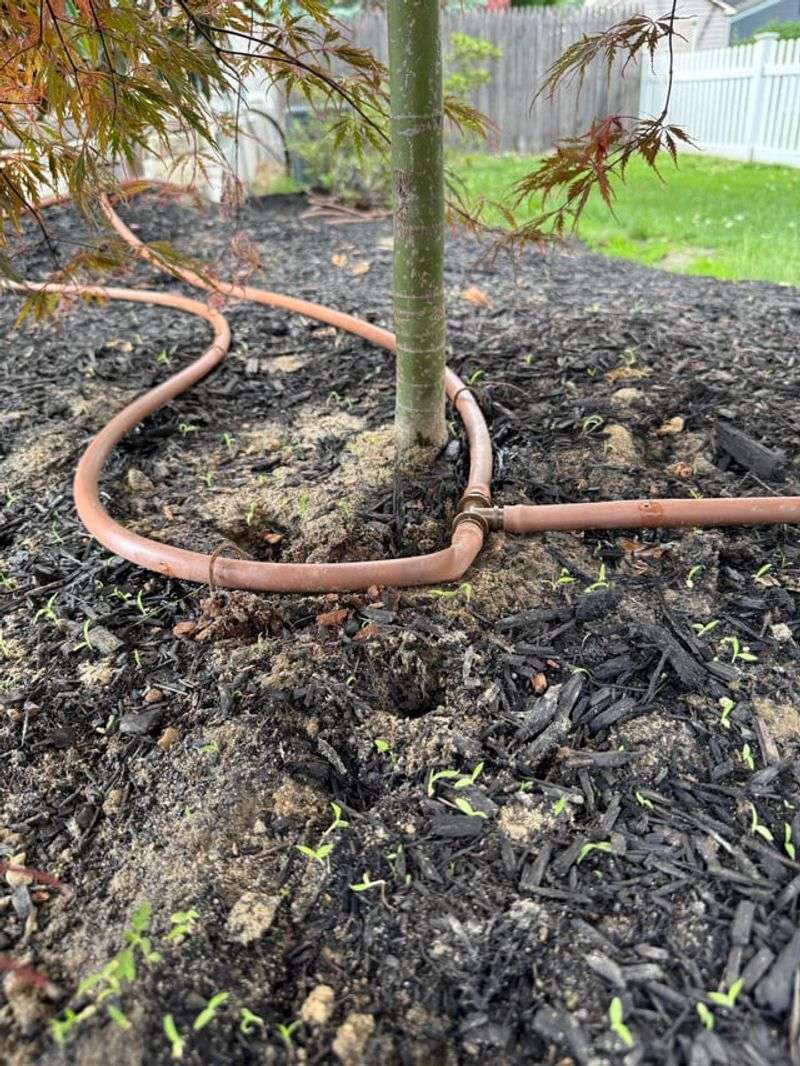
Dry Santa Ana winds pull moisture out of everything they touch, including your tree’s leaves and soil. Giving your tree a deep drink beforehand helps it handle that harsh, thirsty air.
Water slowly and deeply a day or two before the winds are expected. You want the moisture to soak far down where the main roots live, not just wet the surface.
A slow trickle from a hose for twenty or thirty minutes usually does the trick. Let the water sink in gradually so it reaches the deeper soil instead of running off the top.
Well-hydrated roots grip the ground better and keep the tree steady. Dry, crumbly soil lets roots loosen, which makes toppling far more likely in strong gusts.
Moist leaves also lose less water during the wind. A tree that goes into a Santa Ana event already stressed and dry will struggle much more than one that drank its fill.
Push your finger into the soil to check before you water. If it feels dry a few inches down, it is time to soak.
Avoid flooding the base into a soggy mess, though. You want deep moisture, not standing puddles that suffocate the roots. A good, thorough watering is your tree’s best defense against the drying power of these desert winds.
5. Protect Moist Soil From Drying Too Quickly
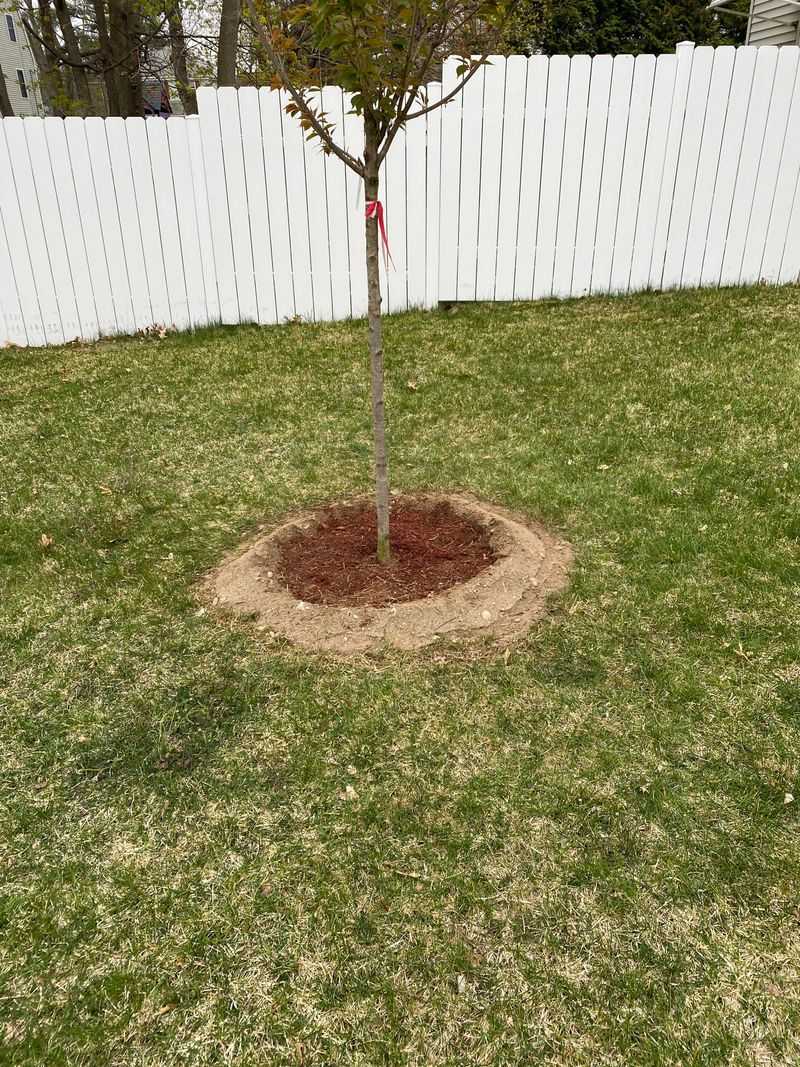
Watering deeply only helps if that moisture sticks around. Hot Santa Ana winds can bake the top of the soil dry within hours, undoing all your good watering work.
A layer of mulch is the simplest way to lock moisture in. Spread wood chips, bark, or straw a few inches thick over the soil around your tree.
Keep the mulch pulled back a couple of inches from the trunk itself. Piling it right against the bark traps dampness and can cause rot where you least want it.
Spread the mulch out in a wide ring, roughly matching the reach of the branches above. This covers the area where most of the feeding roots live.
Besides holding water, mulch keeps California soil cooler during heat spikes. Roots stay comfortable instead of cooking in overheated ground.
It also blocks weeds that would otherwise steal moisture your tree needs. Fewer weeds means more water stays available for the roots.
Refresh the mulch if it has thinned out or broken down over time. A tired, flat layer does not hold much moisture anymore.
Think of mulch as a cozy blanket for the soil. With that protective cover in place, your careful watering lasts far longer, giving your young tree steady moisture even as the dry winds try to steal it away.
6. Check For Weak Branch Connections
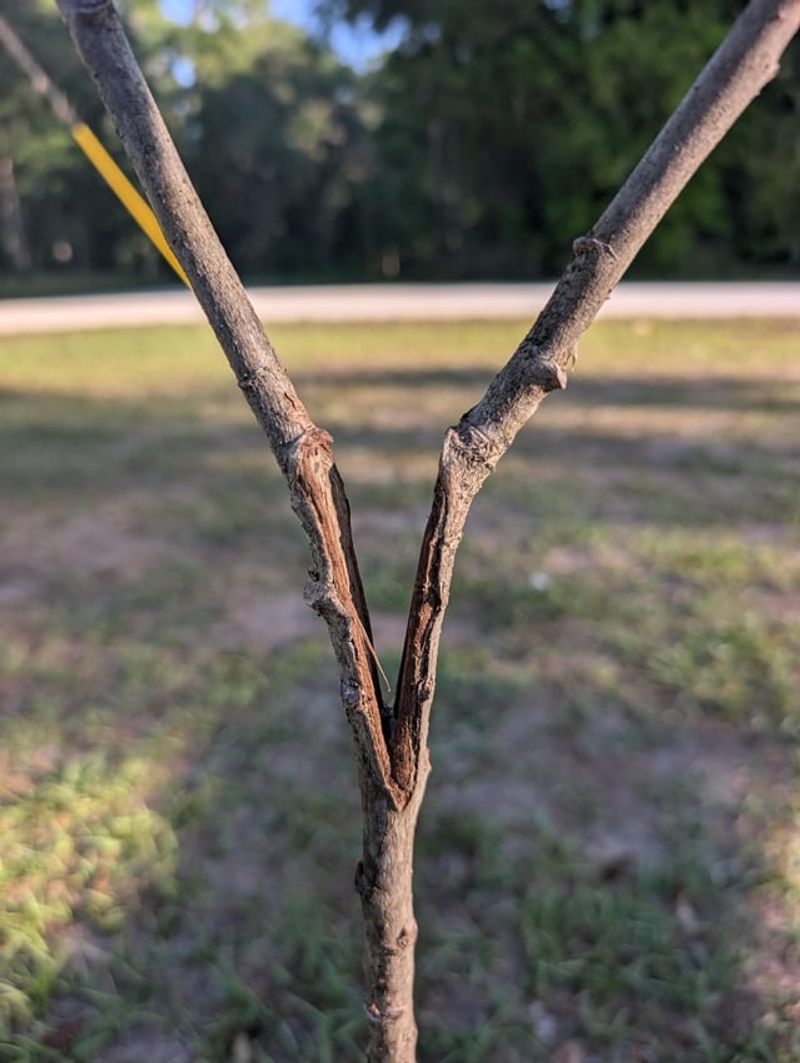
Not every branch is attached as firmly as it looks. Some join the trunk at a narrow, tight angle that hides weakness, and those are the ones most likely to tear off in strong winds.
Look for branch connections shaped like a sharp V rather than a wide U. The V-shaped ones often trap bark inside the joint, which weakens the whole union.
Give questionable branches a gentle test by moving them slightly. If a branch feels loose, cracks a little, or shows a split at the base, it needs attention.
Two branches of nearly equal size competing at the top can also spell trouble. One may pull away from the other when gusts push them in different directions.
Catch these problems early and you can often correct them while the tree is still young and flexible. Small fixes now prevent big tears later.
Check the trunk too for any vertical cracks or peeling bark near a joint. These are warning signs that the connection is under strain.
You do not need to remove every V-shaped branch, but mark the worst ones for pruning. Knowing which limbs are weak helps you plan before the winds test them.
A quick inspection like this turns surprises into something you can manage. Spotting a fragile connection today keeps a broken branch from crashing down tomorrow.
7. Prune Only Problem Growth Before Winds
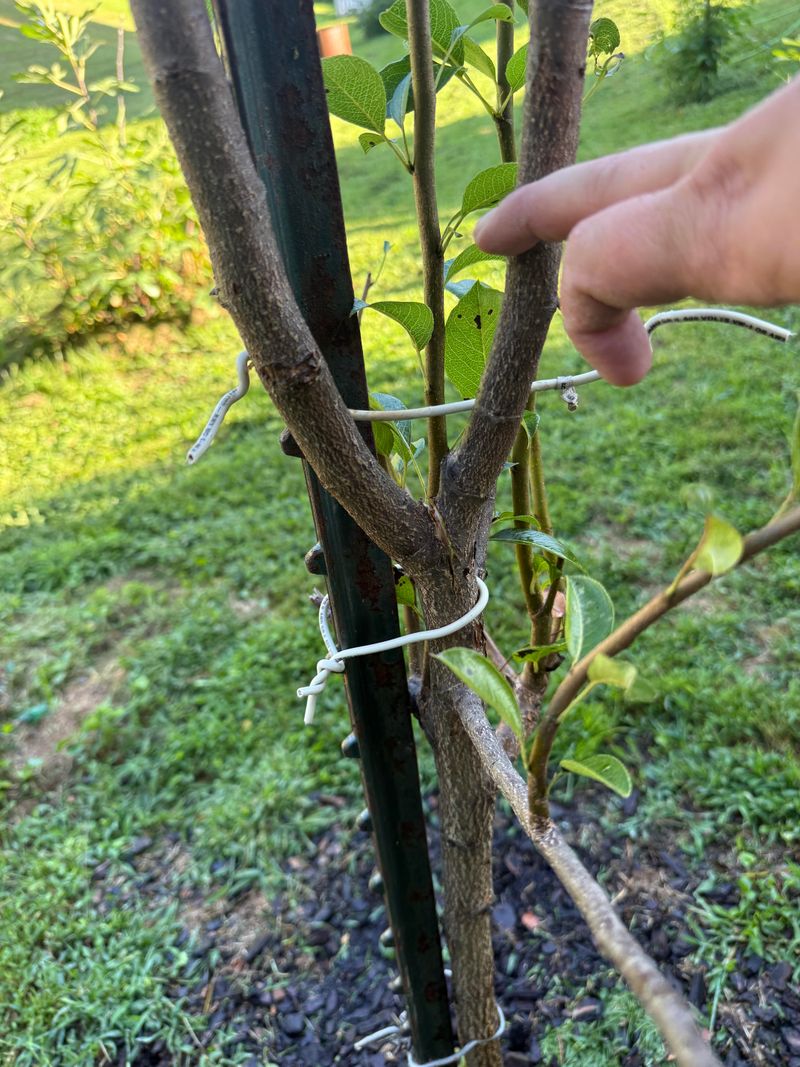
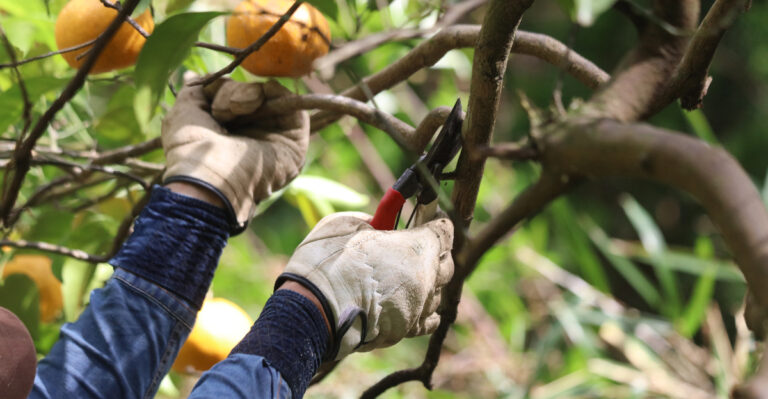
It might seem smart to trim your tree heavily before a storm, but going overboard can backfire. Cutting too much stresses a young tree and leaves fresh wounds open right when it needs strength.
Focus only on the branches that clearly cause problems. Remove growth that is broken, cracked, rubbing against another limb, or already hanging loose.
Withered or dry branches should also come off, since they snap easily and can fly around in strong gusts. Clearing them lowers the risk of damage.
Use clean, sharp tools and make neat cuts close to the branch collar, that slightly swollen area where the branch meets the trunk. Ragged cuts heal slowly.
Resist the urge to thin out healthy branches just to reduce wind resistance. A young tree needs its leaves to make food and keep growing strong.
Light, targeted pruning is the goal here. Take out the troublemakers and leave the rest alone so the tree keeps its shape and energy.
Timing matters too. Prune a few days before the winds arrive so cuts have a little time to seal, but avoid major work during the hottest stretch.
By removing only what truly needs to go, you help your tree face the season without weakening it. Smart, gentle trimming beats aggressive cutting every single time.
8. Avoid Heavy Fertilizing Before Stormy Weather
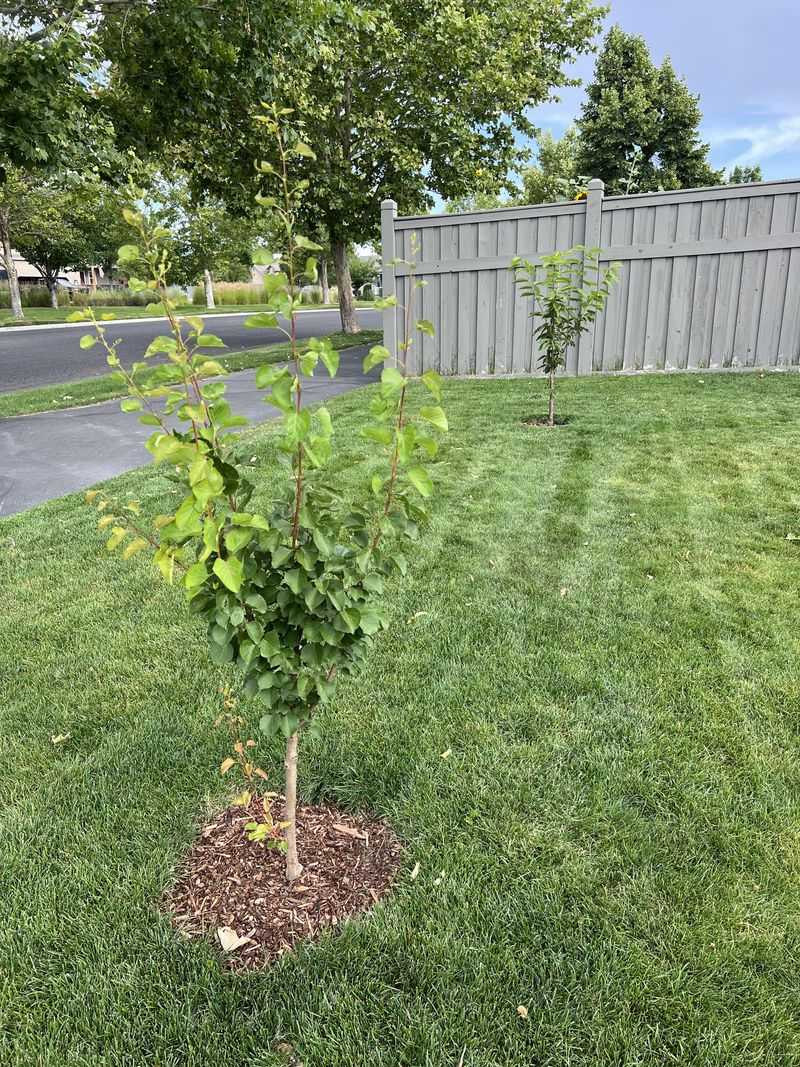
Feeding your tree sounds like a caring thing to do, but timing it wrong can create trouble. Heavy fertilizer pushes out a burst of tender new growth, and that soft growth breaks easily in the wind.
Fresh shoots and leaves are weak and floppy at first. When Santa Ana gusts hit them, they tear, bruise, or snap far more readily than mature growth.
Fertilizer also draws water away from the roots in dry conditions. During a hot, windy stretch, that can leave your tree more stressed instead of stronger.
Hold off on any big feedings until the winds pass and the weather settles down. Your tree will still be there, ready to grow when conditions improve.
If your tree truly needs nutrients, wait for a calm, cooler period and use a light, slow-release option. Gentle feeding avoids the sudden growth spurt that causes problems.
Well-established mulch already adds some nutrients as it breaks down, so your tree is not going hungry in the meantime.
Patience is the real trick here. Skipping the fertilizer before a storm in California keeps your tree tough and focused on staying anchored rather than sprouting fragile new tips.
Once the season quiets down, you can return to your normal feeding routine. For now, letting the tree rest is the smartest move you can make.