This Popular Alabama Grass Is Declining Because Homeowners Are Over-Fertilizing It
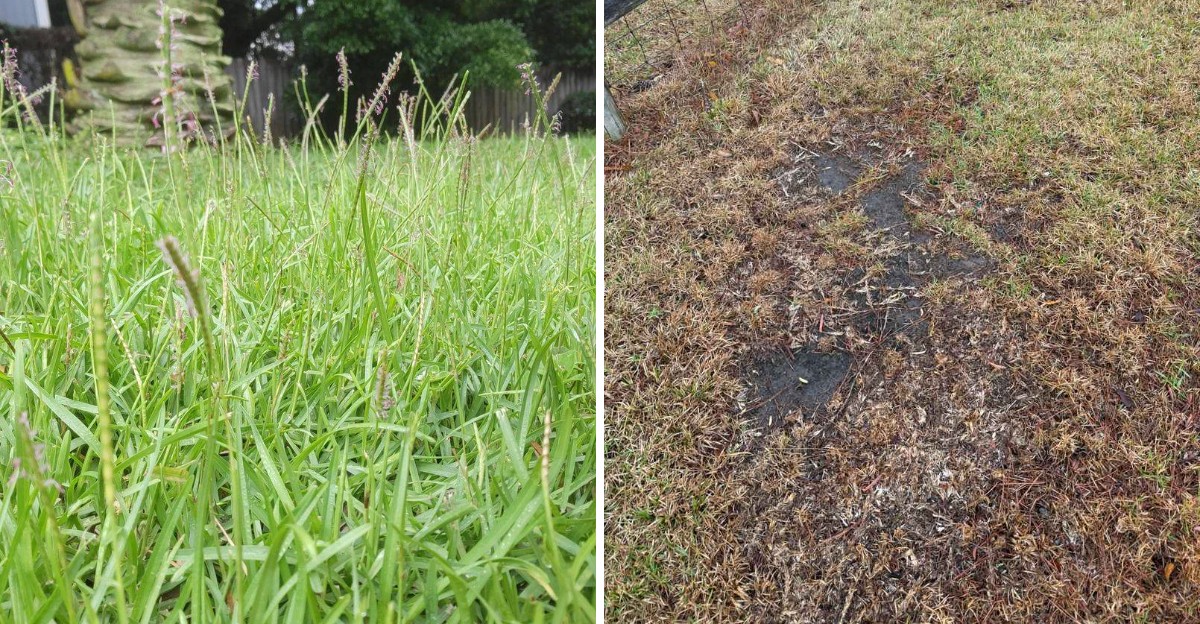
Your lawn is quietly sending you a warning few homeowners notice in time. Alabama yards are shifting beneath the surface this September morning. Barefoot walks reveal a spongy give right near the driveway edge.
Pale patches from early July still refuse to fill in. Something well intentioned is gradually weakening that grass. Watering too often, too generously, pushed this grass toward real difficulty fast.
Roots weakened while you believed you were helping them grow strong. Across Alabama, homeowners are training their lawns to falter this way. Grubs and drought often take the fault, yet neither caused this issue.
Fixing this costs far less money than you might expect. Cutting back, not adding more, solves the actual root problem. Certain truths explain exactly what happened underneath your entire yard.
Understanding them fully changes how you treat that lawn going forward. Ignoring them guarantees this pattern returns again next season.
Alabama’s Easygoing Turf Is Losing Ground
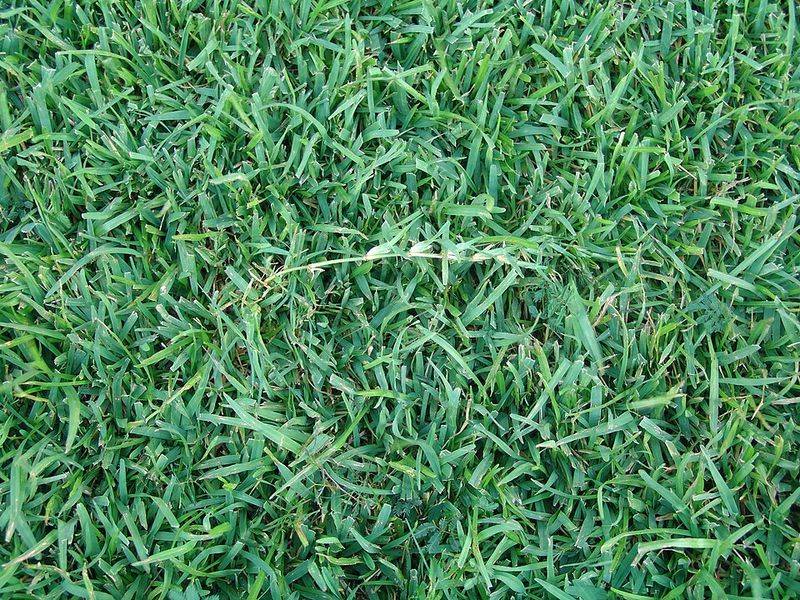
Drive down a shady street in Dothan or Prattville and you will notice lawns with a soft apple-green color that looks almost hand-painted. That shade belongs to centipedegrass, the turf so many Alabama homeowners chose because it asked so little of them.
Slow growth, light feeding, and comfort in sandy acid soil made it a Southern staple. The trouble starts when this laid-back grass gets treated like a hungry northern lawn. Big-box four-step programs and weed-and-feed bags promise a deep emerald carpet by June.
Centipedegrass reads that promise differently and answers with thinning, yellow blotches, and weeds moving into the gaps.
Extension agents around the state often hear a familiar story each fall, and this is a frequent concern raised with local offices. Why this matters comes down to acreage and money.
Centipedegrass covers a large share of home lawns from Birmingham south to the Gulf Coast. Resodding a thinned yard typically costs significantly more than adjusting a feeding calendar. Sod, delivery, and soil prep add up quickly once damage becomes extensive.
The repair usually involves doing less, which is a tough sell for folks who enjoy weekend yard projects. September gives you a quiet window to walk the lawn, study the thin spots, and rethink the routine. What you decide now shapes how the turf wakes up next April.
Too Much Nitrogen Turns A Thrifty Grass Fussy
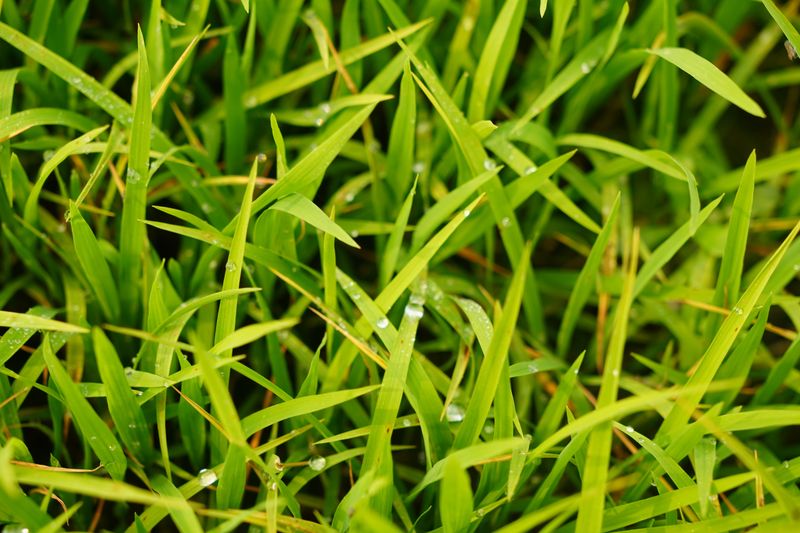
Here is the number that surprises people: one pound of nitrogen per thousand square feet per year is plenty for centipedegrass.
Many Alabama lawns receive three or four times that amount because the fertilizer bag suggests a spring, summer, and fall feeding. Those instructions were written for hungrier grasses like bermuda and fescue.
Centipedegrass came from southern China, where it grew on poor acid soils and stored energy slowly. Push it with heavy nitrogen and it spends that stored energy making leaf blades instead of roots.
The lawn looks gorgeous for about six weeks, then runs short on reserves when heat and drought arrive.
Extra nitrogen also raises the risk of large patch disease, a fungus that loves lush fall growth and warm damp soil. Thatch thickens, nematode populations climb, and cold tolerance slips heading into winter.
Your Alabama Garden Changes Every Week. Your Plan Should Too.
Gardening in Alabama changes quickly throughout the season. Every Friday you’ll receive a simple weekly plan showing exactly what to plant, prune, fertilize, harvest, and protect so you never miss the right timing.
If you want a deeper green without the growth spurt, chelated iron or an iron sulfate spray gives color for a few weeks. It is cheap, easy to apply, and does not force the plant into overdrive.
Slow-release nitrogen sources spread the feeding over weeks and soften the flush of top growth. Read the label for the words sulfur coated or polymer coated before you buy.
A simple habit helps: split that single pound into two half-pound applications, one in late May and one in July. Skip the bag with the big 4 in front of it unless a soil test asks for it. Your wallet and your mower will both notice the difference.
Centipedegrass Decline, Explained Without The Jargon
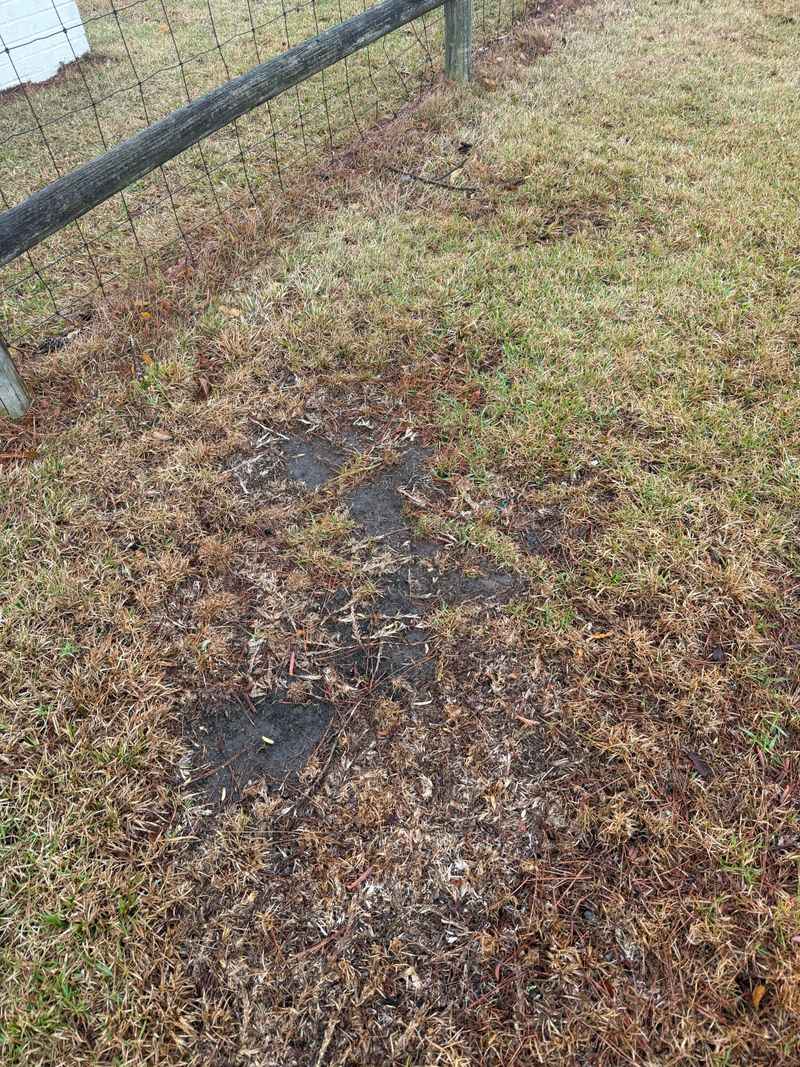
Turf scientists gave a name to the pattern homeowners describe each summer: centipedegrass decline.
The lawn greens up beautifully in March and April, then large areas turn yellow and thin out in May and June. Runners sit on top of the soil without rooting, and the roots that do exist are short and stubby.
The condition is not one single problem. It is a pileup of stresses: too much nitrogen, soil pH that drifted above 6.5, thick thatch, low potassium, and mowing too short. Each one alone is manageable, but stacked together they wear the grass down.
A quick way to check: tug gently on a runner in a yellow area. Healthy centipedegrass resists a little because roots anchor it, while declining turf lifts up like a loose shoelace.
Pull back a section and look for a brown spongy layer between the green blades and the soil.
Recovery leans on patience rather than products. Lower the nitrogen, raise the mower a notch, water deeply and less often, and let the plant rebuild roots over a season. Lawns often look average for a year before they bounce back with a stronger base.
One more clue worth knowing: the yellowing often shows first where the spreader doubled up, like the overlap strip at the end of each pass. Those stripes tell the story better than any lab report.
Mapping spreader passes can help reduce that striping the following season. A little chalk or a flag at each turn keeps coverage even.
Thatch Buildup And The Spongy Lawn Bounce
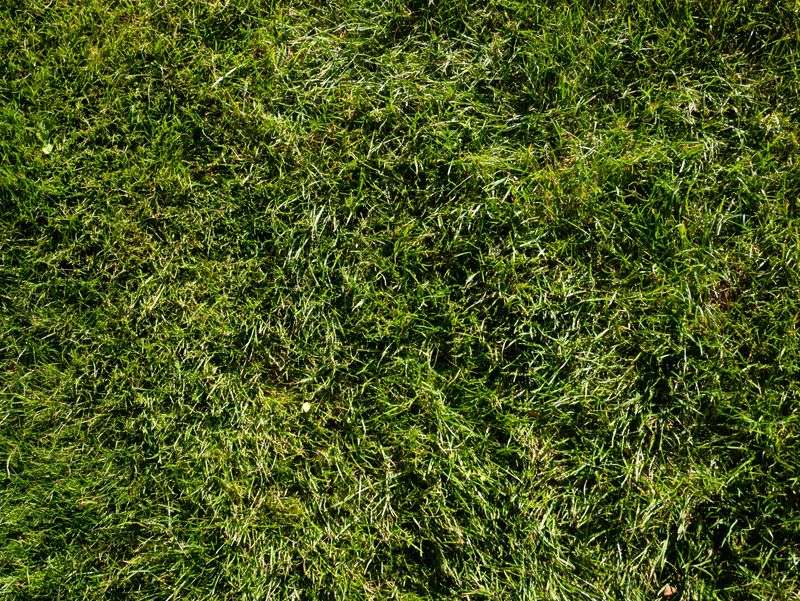
Step onto an over-fed centipede lawn and your shoe sinks a bit, like walking across a thin mattress. That bounce comes from thatch, a tangled layer of stems and runners that builds faster than soil microbes can break it down.
Heavy nitrogen speeds up that buildup, since the grass keeps producing stems it cannot recycle quickly.
Half an inch of thatch is fine and even helpful, cushioning traffic and holding moisture. Beyond an inch, roots start growing in the thatch instead of the soil. Those shallow roots dry out fast in July and struggle during a cold snap in January.
Checking takes two minutes and a garden knife. Cut a wedge three inches deep, lift it out, and measure the brown spongy band between the green canopy and the dirt. Anything thicker than your thumb is worth addressing.
Timing matters for the fix. Verticutting or core aeration works best in late spring and early summer when the grass is growing strongly and can heal. Tearing up a lawn in September leaves open soil for winter weeds and slower recovery.
Topdressing with a thin quarter inch of sand or screened soil helps microbes chew through thatch gradually. Mowing weekly at one to one and a half inches, with sharp blades, keeps stems from stacking up in the first place.
Bagging clippings is rarely needed on a lightly fed lawn, since thin clippings break down within days. Thatch comes from stems and runners, not from the clippings people usually blame.
Soil Tests Beat Guessing In The Fertilizer Aisle
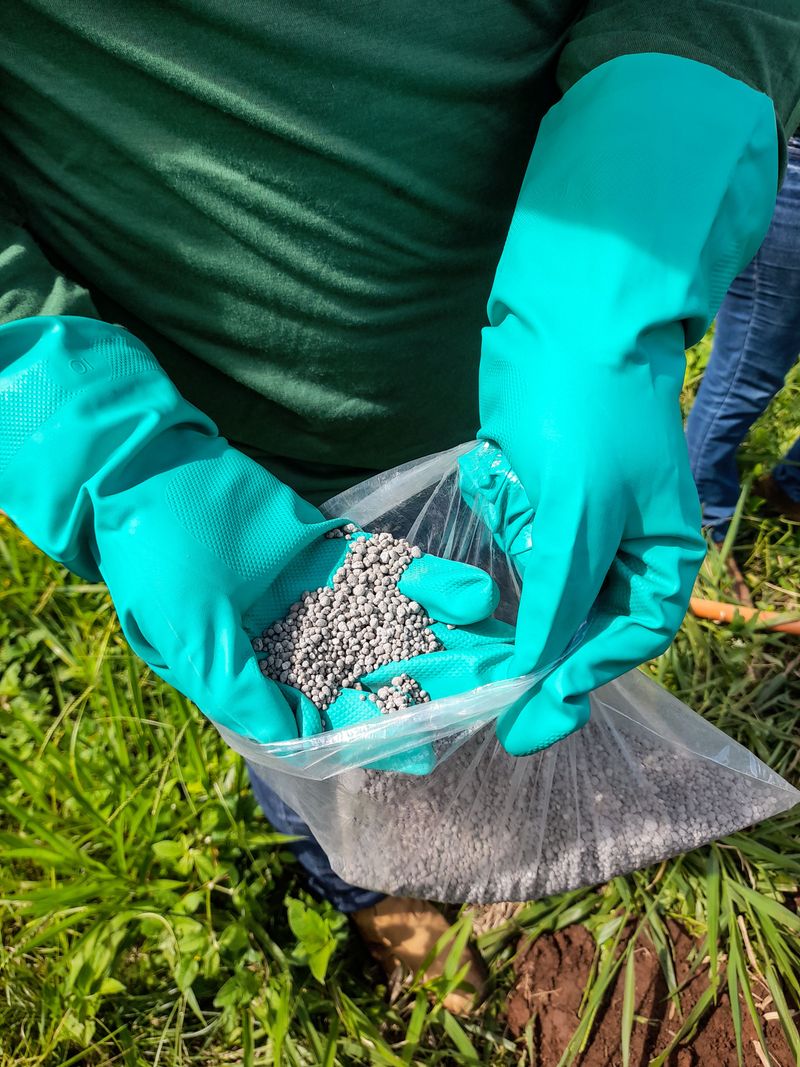
The Auburn University Soil Testing Laboratory offers an affordable way to find out what your lawn is missing. Check their current fee schedule, as routine tests are typically inexpensive.
Your county Extension office hands out the boxes and forms, and results are typically delivered by email, though turnaround time can vary by season.
Centipedegrass prefers acidic soil, roughly pH 5.0 to 6.0. Once pH climbs past 6.5, iron becomes hard for roots to absorb, and blades turn a washed-out yellow between the veins.
Homeowners often read that yellow as hunger and apply nitrogen, which makes the imbalance worse.
Lime is another common misstep in Alabama yards. Vegetable gardens and fescue lawns benefit from it, while centipedegrass usually prefers the soil left alone.
Spread lime without a test and you may push pH into the range that causes the yellowing you were fighting.
Potassium is the quiet hero on the report. Sandy Coastal Plain soils leach it quickly, and centipedegrass uses potassium to build cold hardiness and shrug off disease. A test tells you whether to add potash and how much.
September is a smart month to sample, since you get results before spring planning begins. Collect small plugs from ten spots around the yard, mix them in a clean bucket, and send in about a cup of the blend.
Keep the report in a folder and test again in two or three years. Watching pH and potassium trend over time turns lawn care into something closer to a recipe than a guess.
Gentle Recovery Steps For September And Beyond
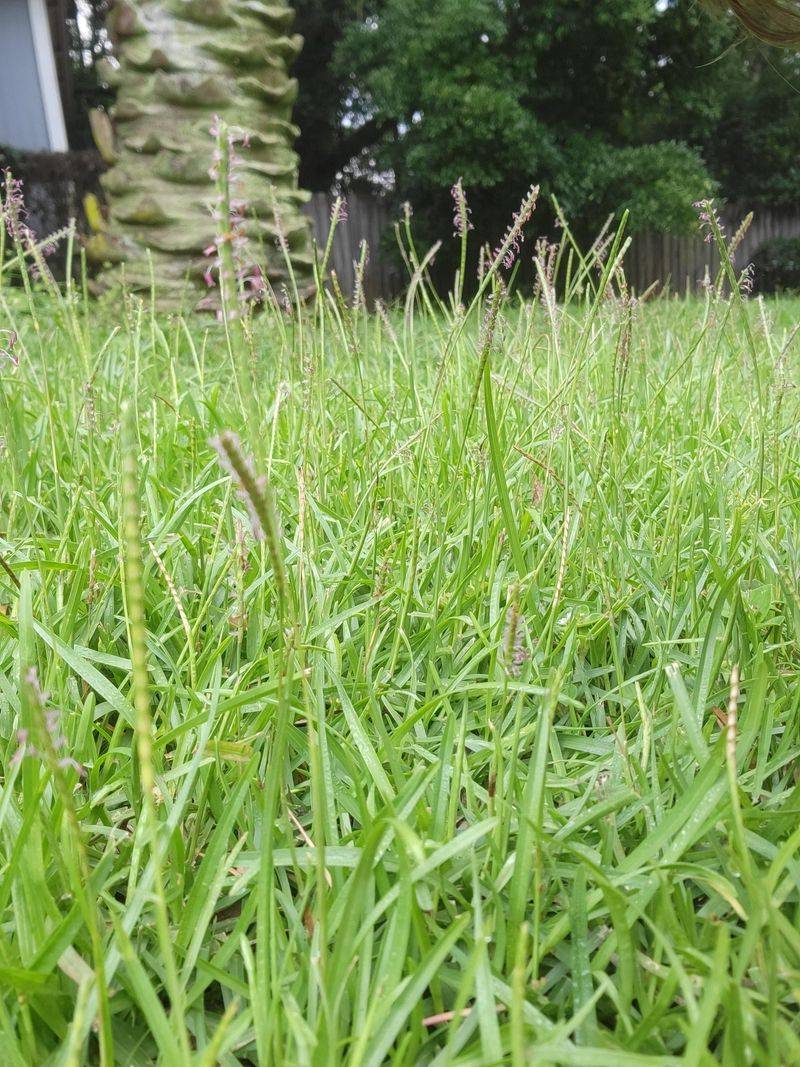
Ease off the nitrogen now. Late-season feeding pushes tender growth right when cool nights arrive, raising the odds of winter injury and large patch showing up in October. In central and south Alabama, the last nitrogen application belongs in July or early August.
Potassium, on the other hand, can still help. A fall application of potash, guided by your soil test, supports root strength and cold tolerance through the winter months. Look for a product with a low first number and a higher third number.
Raise the mower to one and a half inches and keep cutting until growth slows in late October. Taller blades shade out winter weeds like annual bluegrass and chickweed. Scalping a stressed lawn in fall sets it back further.
Water deeply about once a week if rain skips your area, roughly three quarters of an inch. Shallow daily sprinkling encourages lazy roots that struggle come July. A rain gauge or a tuna can under the sprinkler takes the guesswork out of measuring.
Skip weed-and-feed products this season. They deliver nitrogen at the wrong time and often contain herbicides that centipedegrass tolerates poorly.
A pre-emergent labeled for centipede, applied in late September, handles winter weeds without the extra feeding.
Plan repairs for next May, when plugs or small sod pieces root quickly in warm soil. Give the lawn a full season of lighter care and the color usually returns on its own. Patience pays better than another trip to the garden center.