Common Mistakes North Carolina Gardeners Make When Sowing Fall Lettuce
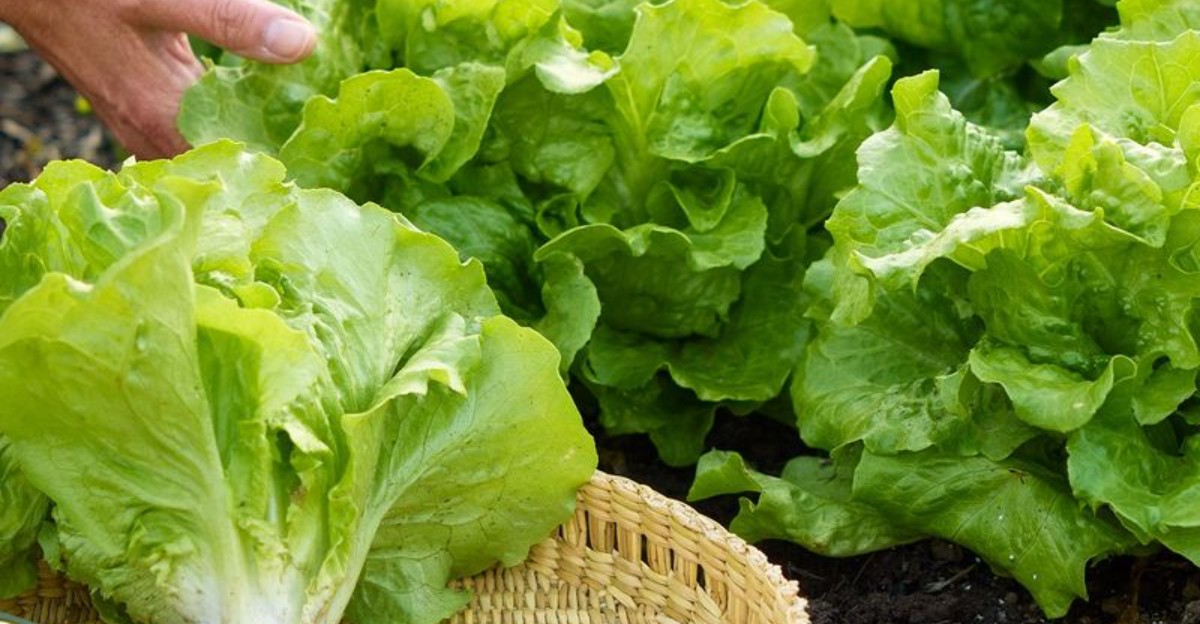
Lettuce has a reputation for being an easy, forgiving crop, which is exactly why so many North Carolina gardeners rush through sowing it in fall without giving it much thought.
Seeds planted too deep, spaced too tightly, or tucked into soil that’s still holding onto summer heat rarely germinate the way gardeners expect them to.
Because lettuce seeds are so small and sensitive right after they go into the ground, tiny mistakes made at this stage tend to snowball into weak, leggy growth just a few weeks later.
A few small adjustments to timing, depth, and spacing now can be the difference between a sparse, disappointing patch and a full bed of crisp, tender leaves come harvest time.
1. Sowing Lettuce During Peak Heat
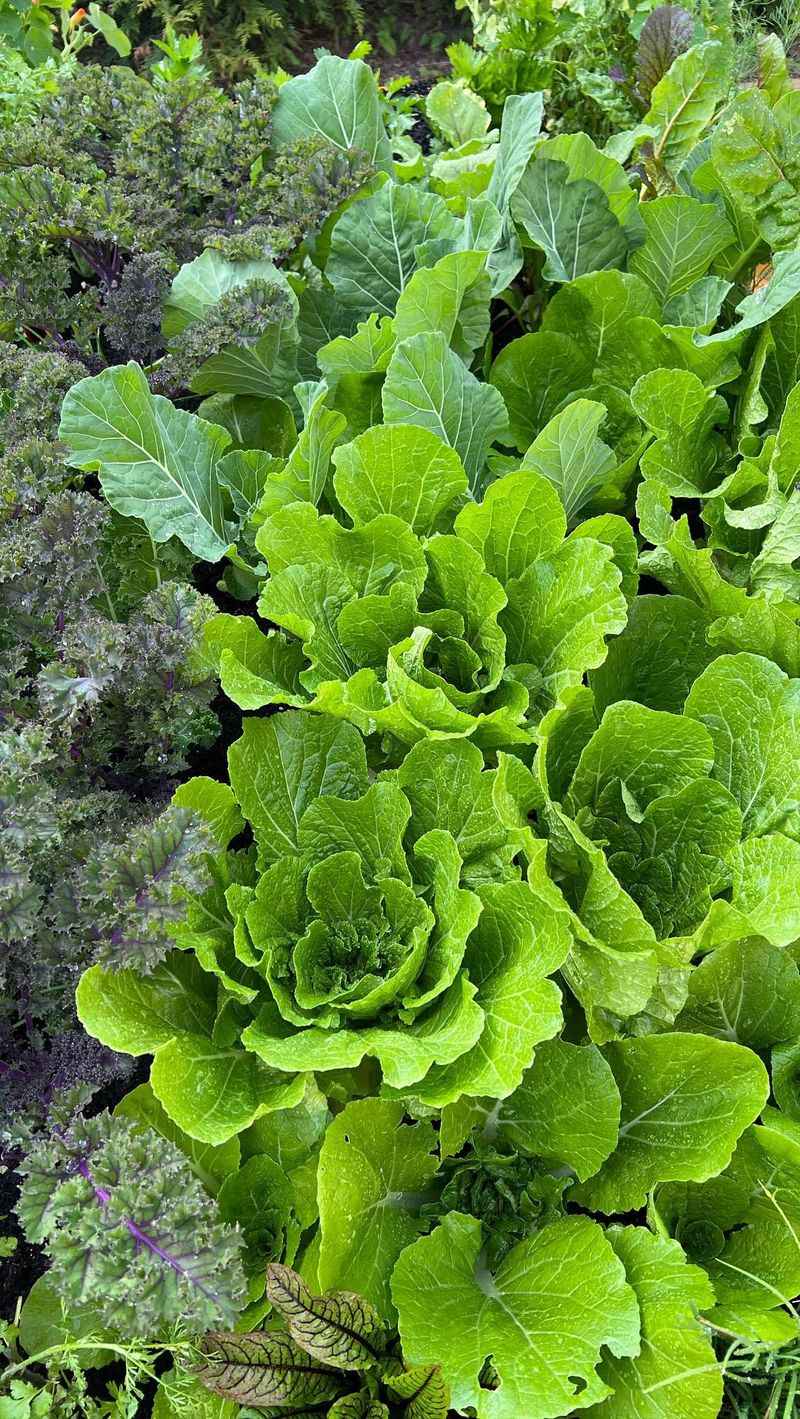
Late summer in North Carolina can stay toasty well into September, and that heat causes real trouble for lettuce seeds. When soil climbs above 80 degrees, many seeds simply refuse to sprout.
This little green trick is called thermal dormancy, and it happens because lettuce evolved to grow in cooler seasons.
Warm soil confuses the seeds into thinking the timing is wrong. Instead of a nice, even row of sprouts, you might see only a scattered few break through.
The rest sit quietly, waiting for cooler days that may come too late for a strong harvest.
Timing makes all the difference here. Many gardeners rush to plant while summer crops are winding down, but patience pays off.
Waiting until soil temperatures drop into the 60s and low 70s gives your seeds the signal they need to wake up quickly.
You can check soil warmth with a simple soil thermometer pushed a couple inches down. Early mornings usually give the most accurate reading. If the numbers stay high, hold off a week or two and let nature cool things down.
Another handy trick is starting seeds indoors where you control the temperature, then moving seedlings out once things cool. This skips the germination struggle entirely.
By respecting what lettuce wants, you set yourself up for thick, healthy rows instead of frustrating gaps. A little planning around the heat turns a shaky start into a reliable fall crop that keeps your salad bowl full for weeks.
2. Letting The Seedbed Dry Out
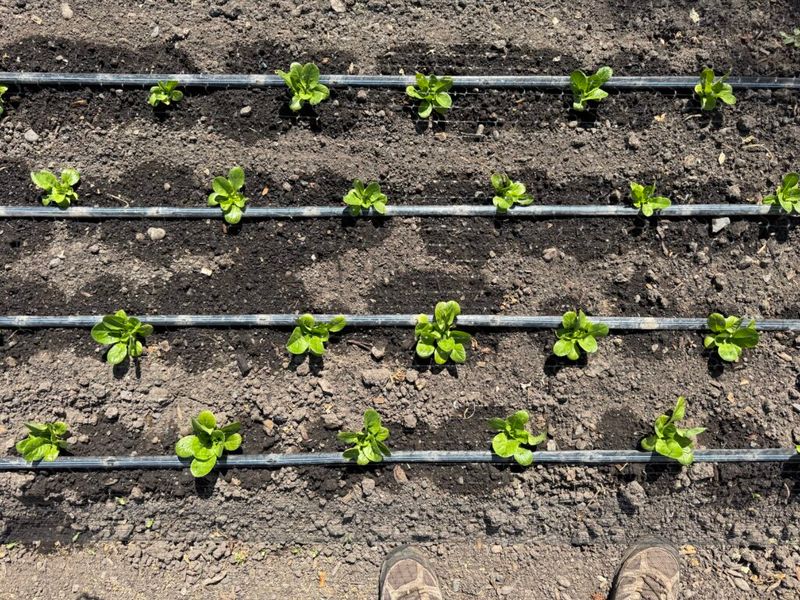
Moisture is the quiet hero of lettuce germination, and skipping regular watering ruins many fall crops. Because lettuce seeds sit so close to the surface, the top layer of soil is the first spot to lose water.
On a breezy, warm afternoon, that thin layer can turn dry in just an hour or two. Seeds need steady dampness to swell and crack open. If the soil dries out during this delicate stage, sprouting stalls and some seeds never recover.
You end up watering more later while wondering why the rows look so thin. The fix is gentle and frequent watering rather than one heavy soak. A soft mist keeps seeds in place and stops them from washing away or burying too deep.
Checking the bed once or twice a day during the first week keeps everything on track.
Your North Carolina Garden Changes Every Week. Your Plan Should Too.
Gardening in North Carolina changes quickly throughout the season. Every Friday you’ll receive a simple weekly plan showing exactly what to plant, prune, fertilize, harvest, and protect so you never miss the right timing.
Covering the row with a light layer of straw or a floating row cover slows evaporation and holds warmth away. Just remove heavy coverings once green shoots appear so they get plenty of light.
Morning watering works best since it gives plants time to drink before the sun heats up. Think of those first days as a promise you make to your seeds. Keep that promise with steady moisture, and they reward you with even, healthy sprouts.
Once the seedlings develop real roots, they handle dry spells much better, so your early effort truly pays off with a fuller, more dependable fall harvest.
3. Planting Seeds Too Deep
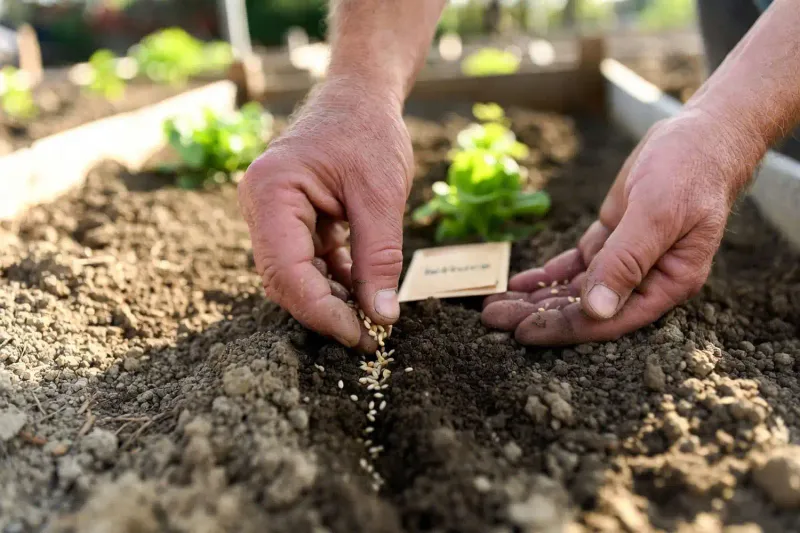
Here is a surprise that catches many new gardeners off guard: lettuce seeds actually need light to sprout. Bury them too deep, and they stay stuck underground, never seeing the sunlight that tells them to grow.
That is why planting depth matters so much with this crop. A good rule is to barely cover the seeds, no more than a quarter inch of soil on top. Some gardeners simply press the seeds into the surface and sprinkle a whisper of fine soil over them.
This keeps light close while still holding a bit of moisture around each seed. When seeds go down an inch or more, they run out of stored energy before reaching the surface. The result is a patchy row with big empty gaps.
You might blame bad seeds when the real issue was simply digging too far down. Loose, fine soil helps here too. Chunky clumps can accidentally bury seeds deeper than you planned.
Raking the bed smooth before sowing gives every seed a fair shot at the light it craves. If you sow in shallow furrows, keep them gentle and barely scratched into the surface. After scattering seeds, a light pat with your hand is plenty.
Then water softly so nothing sinks too low. Getting the depth right feels almost too easy, yet it makes a huge difference.
Shallow sowing lines up perfectly with what lettuce naturally wants, leading to quick, even sprouting and rows packed with tender young greens.
4. Skipping Shade During Hot Weather
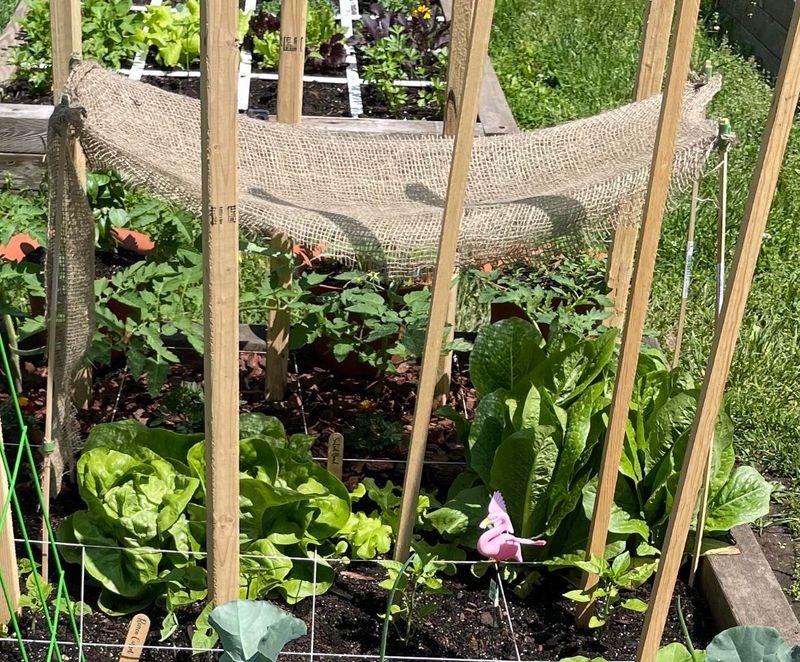
September in North Carolina loves to tease gardeners with a few extra hot days, and young lettuce feels every degree. A little temporary shade during those warm spells can be the boost your seedlings need to settle in.
Reducing heat stress early keeps plants calm and growing steadily. Full afternoon sun during a heat wave can wilt tender seedlings fast. Their small roots cannot pull up enough water to keep up with the sun’s demands.
Shade gives them a break so they can focus energy on growing instead of just surviving. Setting up shade is simple and cheap.
A length of shade cloth stretched over hoops works wonderfully, and it lets soft light through while blocking the harshest rays. Even an old bedsheet or a strategically placed taller crop can cast helpful shadows.
Aim to shade during the hottest part of the day, roughly late morning through mid afternoon. Mornings and evenings stay cooler, so plants enjoy gentle light then.
Once temperatures cool for good, you can pull the covering away entirely. Shade also slows moisture loss, which pairs nicely with keeping the seedbed damp. Cooler soil holds water longer, so you water less and stress less.
Think of shade as a comfy umbrella for your baby greens during their toughest stretch. With that gentle protection, seedlings grow stronger roots and lusher leaves.
By the time real fall weather arrives, your lettuce is already ahead of the game and ready to thrive.
5. Crowding Young Lettuce Plants
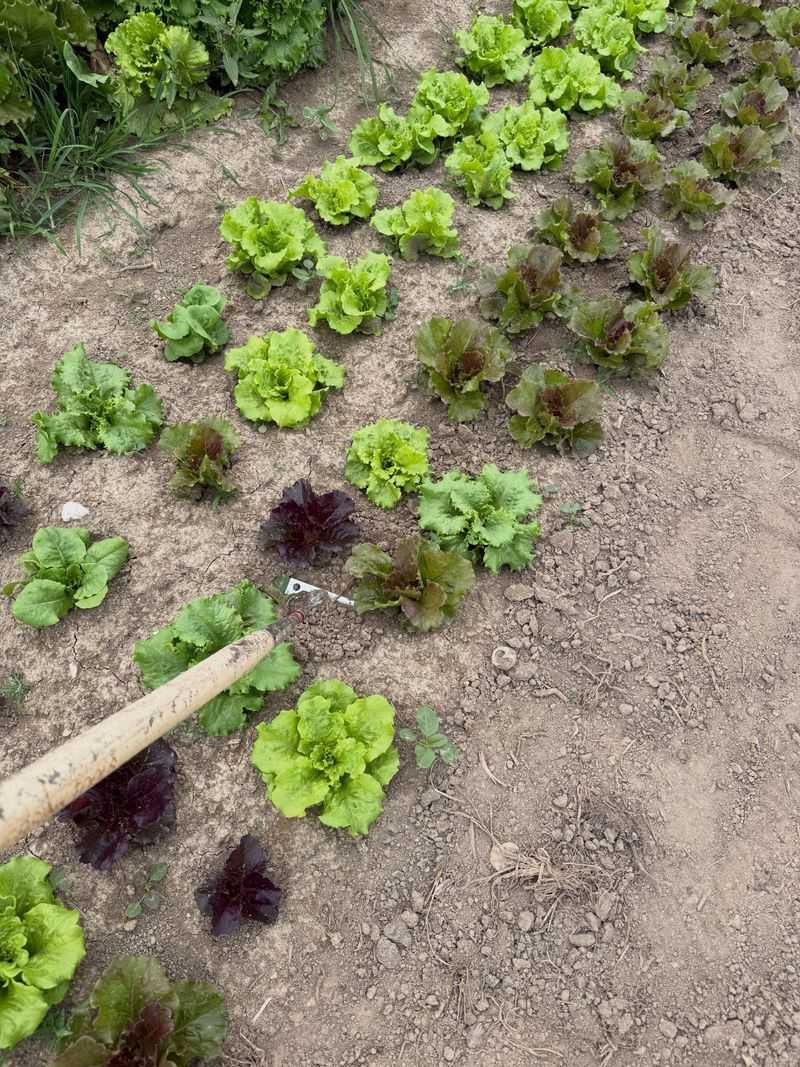
Sprinkling seeds a little too generously feels harmless, but crowded lettuce quickly turns into a tangled mess. When seedlings grow shoulder to shoulder, they battle each other for water, food, and elbow room.
Nobody wins that fight, and the whole row suffers. Packed plants also trap moist air between their leaves. That damp, still space invites mildew and rot, which spread fast through crowded greens.
Good spacing keeps air moving so leaves stay dry and healthy.
Thinning is the answer, even though pulling up perfectly good sprouts can feel a bit sad. Once seedlings show two or three true leaves, remove the weaker ones so the strongest have space to stretch.
For leaf lettuce, a few inches apart works great, while head types enjoy even more room.
Those thinned sprouts are not wasted either. Baby lettuce leaves make a tasty addition to sandwiches and salads, so your extra seedlings become a snack. It turns a small chore into a tiny reward.
Proper spacing gives each plant room to form full, leafy heads instead of skinny, stretched stems. Roots spread out and grab nutrients without stepping on each other.
The difference in size between crowded and thinned rows is honestly striking. A little planning at seeding time helps too. Sowing seeds farther apart from the start means less thinning later.
Either way, giving your lettuce breathing room leads to bigger, crisper heads and a harvest you will feel proud to pick.
6. Ignoring Soil Preparation
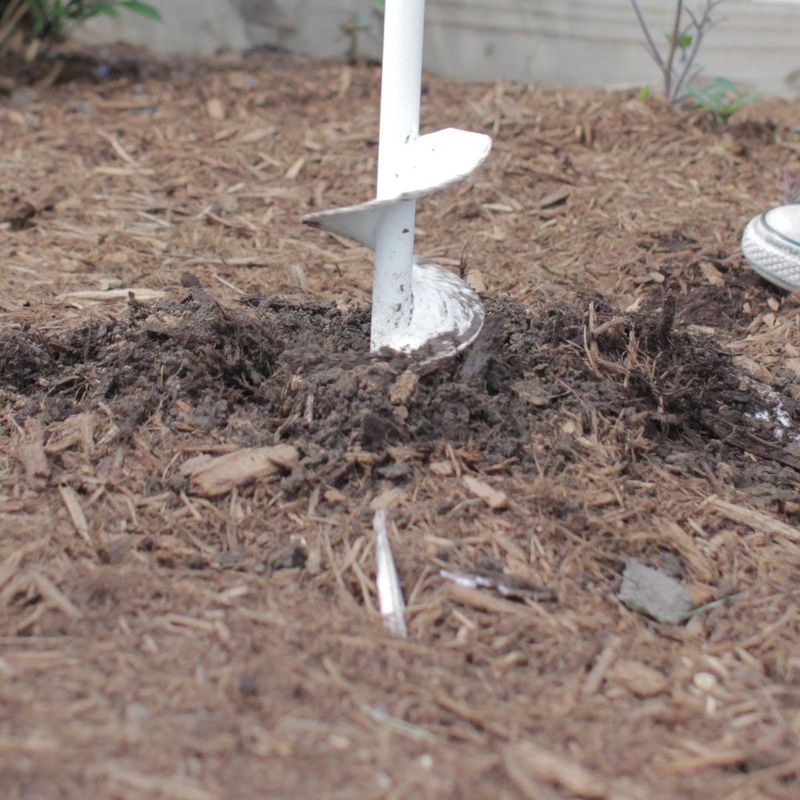
Great lettuce starts long before the seeds go in, and the secret hides right in the soil. Loose, fertile ground with good drainage gives roots the freedom to spread and drink easily.
Skip this step, and even the best seeds struggle to reach their full size. Compacted soil acts like a locked door for tiny roots. They cannot push through hard clumps, so plants stay small and pale.
North Carolina’s clay-heavy soils can pack down tight, making preparation extra important around here.
Loosening the bed a few inches deep before planting works wonders. Mixing in compost adds nutrients and helps the soil hold just the right amount of water without turning soggy. That crumbly texture lets roots explore and grab everything they need.
Drainage deserves attention too. Lettuce enjoys steady moisture but hates sitting in puddles.
Raised beds or gently mounded rows help extra water drain away so roots stay happy instead of waterlogged.
Feeding the soil also keeps leaves lush and green. A balanced organic fertilizer or a scoop of aged compost supplies the gentle nutrition lettuce loves.
Depleted beds that grew heavy crops all summer often need this refill before fall planting. Taking twenty minutes to prep your bed pays off for weeks. Well-fed, fluffy soil grows faster, fuller plants with tender leaves.
When you treat the ground like the foundation it truly is, your fall lettuce responds with vigorous growth that makes all the effort feel worthwhile.
7. Forgetting Fall Pests
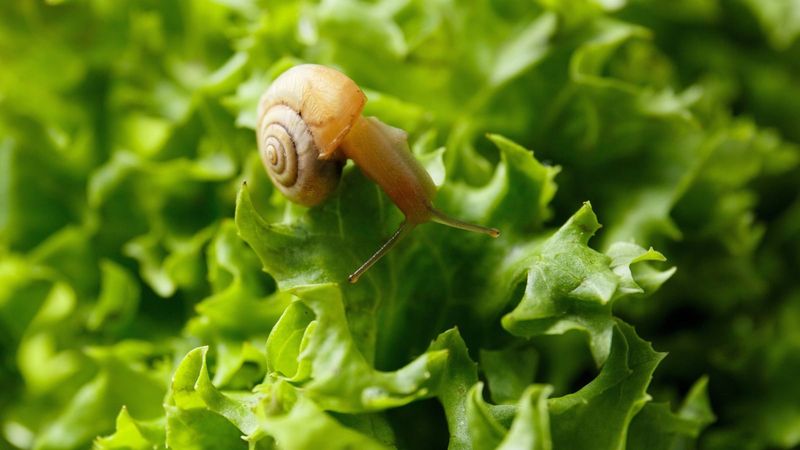
Cooler weather might feel like a truce with garden bugs, but fall lettuce still attracts plenty of hungry visitors. Aphids, caterpillars, and slugs all enjoy tender young leaves just as much as you do.
Ignoring them lets small problems grow into big ones. Aphids gather in clusters on the undersides of leaves, sipping sap and leaving plants weak. Caterpillars chew ragged holes overnight, and slugs leave slimy trails while munching after dark.
Each one can turn a lovely row into a chewed-up mess if left alone. Regular checkups are your best defense. Flipping a few leaves during your daily stroll helps you spot trouble early.
Catching a handful of aphids beats battling a whole colony later. Simple fixes handle most invaders. A strong spray of water knocks aphids loose, while picking caterpillars off by hand keeps their numbers low.
For slugs, a shallow dish of beer or a scattering of crushed eggshells around plants works surprisingly well.
Row covers offer great protection too. A lightweight fabric draped over your lettuce blocks many pests while still letting in light and rain.
It acts like a gentle shield during the vulnerable early weeks. Keeping the garden tidy also helps. Clearing weeds and old plant scraps removes hiding spots where bugs like to gather.
A clean bed gives pests fewer reasons to stick around. Stay watchful, and your greens grow up clean and crisp. A few minutes of scouting each day keeps your harvest whole and truly delicious.
8. Waiting Too Long To Harvest
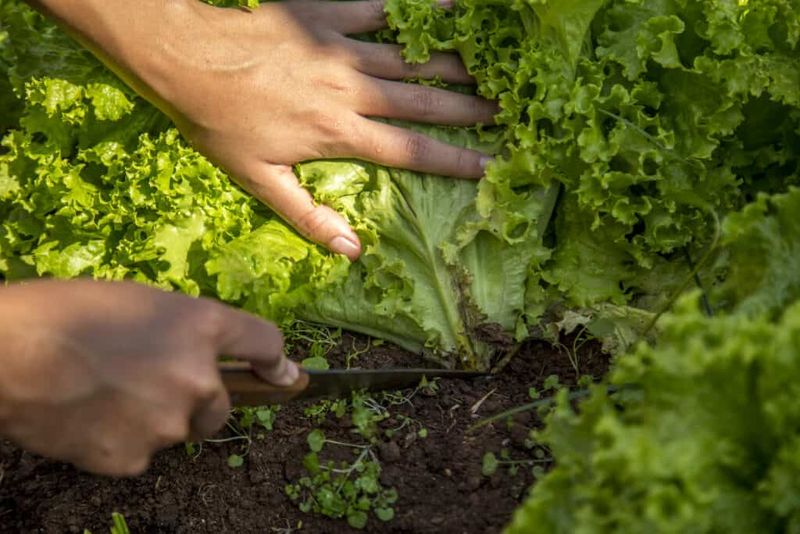
Patience helps with planting, but waiting too long to pick lettuce backfires. Leaves taste their sweetest when harvested young and tender.
Let them sit too long, and that lovely flavor slips into bitterness you cannot undo.
Lettuce that lingers past its prime often turns tough and starts stretching upward. This stretching, called bolting, happens when plants feel stressed by heat or age. Once a plant shoots up a tall stem, the leaves grow harsh and unpleasant.
Timing your harvest keeps everything crisp and mild. Leaf lettuce is ready as soon as the outer leaves reach a usable size.
You can snip a few outer leaves at a time and let the center keep producing for weeks. Head lettuce gives clearer signals. When the head feels firm and full, it is time to cut.
Waiting for it to grow even bigger usually just invites toughness and bitter bites. Morning is the perfect moment to pick. Leaves are cool, plump with water, and at their most flavorful before the sun warms them.
A quick rinse and they head straight to your kitchen full of crunch. Harvesting often actually encourages more growth in cut-and-come-again types. The plant keeps sending up fresh leaves as you take the older ones.
This steady picking rhythm stretches your harvest across the whole season. Stay tuned to your plants, and they reward you generously. Pick at the right stage, and every bite stays tender, sweet, and satisfying from the first leaf to the last.