Why Georgia Gardeners Should Avoid Pruning Hydrangeas This Fall
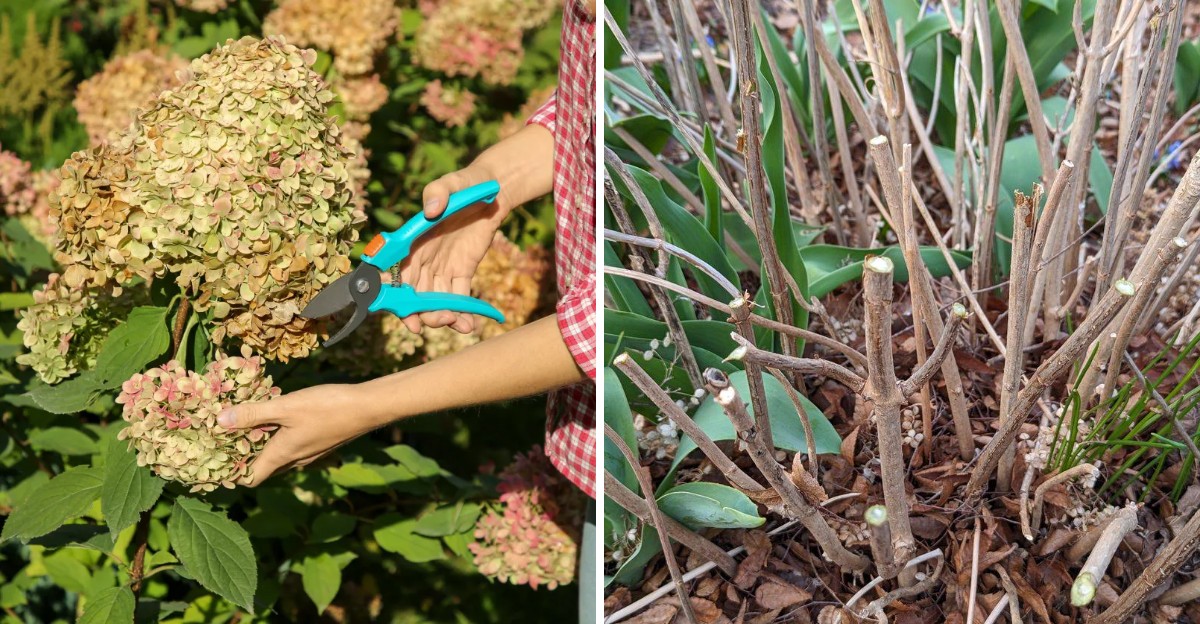
Fall cleanup can make overgrown hydrangeas look ready for attention, especially after their flowers begin fading. Pruning now, however, can quietly change next season’s entire display.
The reason depends on which type of hydrangea is growing in your yard.
Several popular varieties form future flower buds on older stems, so an autumn trim can remove growth meant to bloom later. That important distinction matters throughout Georgia.
Before reaching for the pruners, identify your hydrangea and understand where it produces its flowers.
Not every variety follows the same schedule, which is exactly why one pruning rule cannot fit them all. Waiting until you know the exact type protects your options.
Leave uncertain stems alone this fall, then choose the right pruning time once you understand how your particular hydrangea naturally grows.
1. Fall Is Better For Watching Your Hydrangeas Than Cutting Them
Put the pruners down and just look at the shrub for a few weeks. Fall is when hydrangeas tell you the most about themselves.
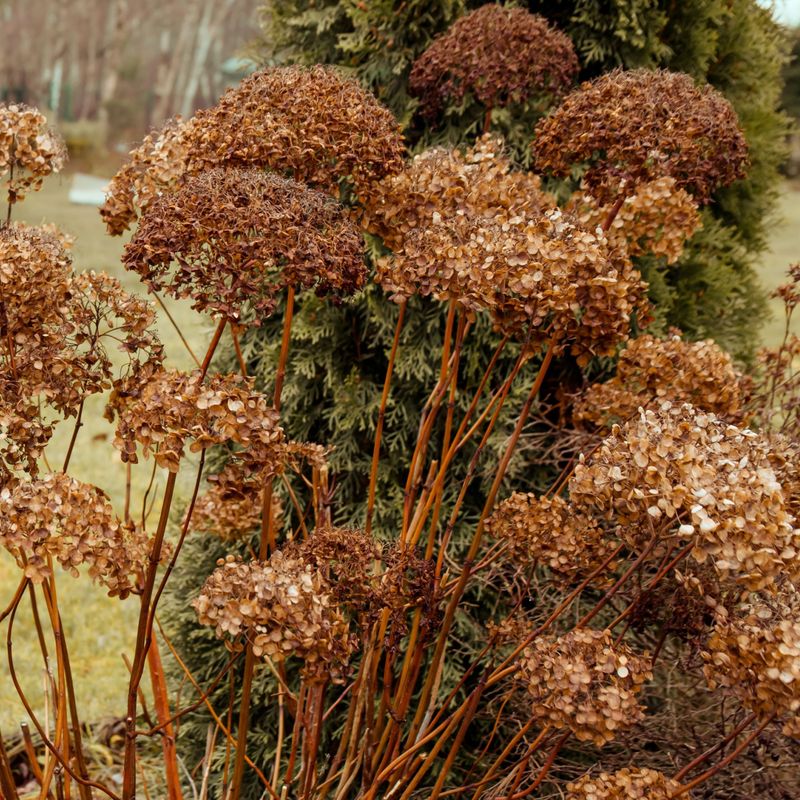
Stem color shifts, leaves drop at different rates, and old flower heads dry into shades of tan, rust, and dusty pink. Those changes give you clues about the plant’s health going into winter.
Gardeners across Georgia often rush cleanup because the beds look untidy by Halloween.
Waiting costs you nothing. A hydrangea left alone through fall does not suffer from the extra stems, and the dried blooms add texture when everything else has gone bare.
Watching also helps you spot real problems. Broken limbs, unusual leaf spotting, or stems that stayed bare all summer are easier to notice once the foliage thins out.
Take a picture with your phone while the plant still has leaves.
Come February, that photo will remind you where the healthy growth was and where the plant struggled. Memory fades faster than you think once winter drags on.
Old flower heads also catch frost in a way that looks pretty on cold mornings.
Birds pick through the stems, and the dried structure gives some protection to the buds tucked underneath. None of that happens if the shrub gets sheared in October.
Observation now leads to smarter cuts later.
2. Faded Flowers Do Not Mean The Stems Need To Go
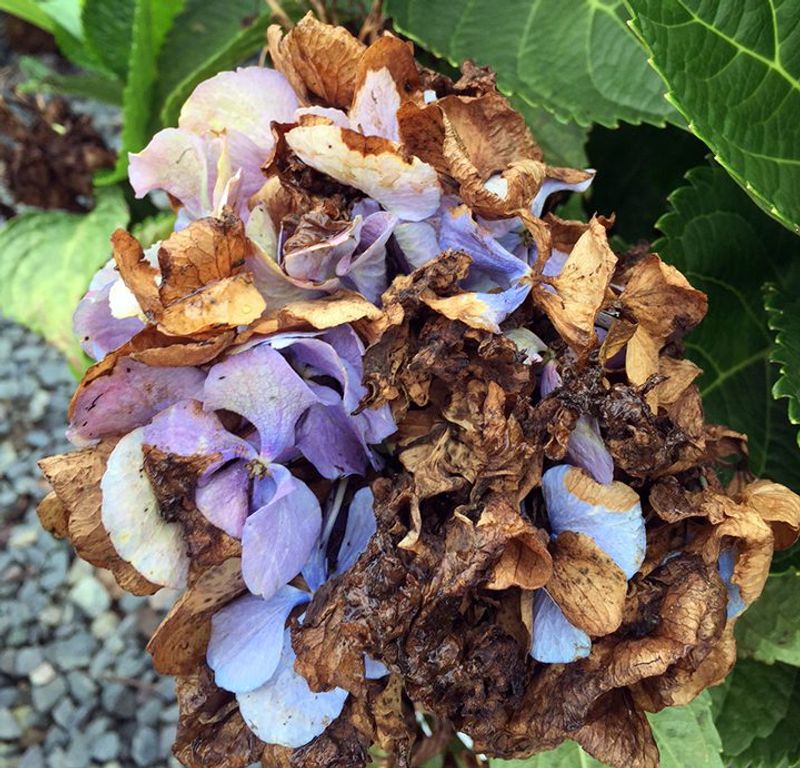
Brown blooms fool almost everybody. A spent flower head is not a sign that the whole stem has finished its job.
Hydrangea flowers naturally fade from bright color into papery tan by September. Underneath that faded cluster, the stem is often perfectly healthy and busy storing energy.
Cutting the stem back because the bloom looks tired removes far more than the flower.
Think of the old bloom as a hat, not the head. You can snip just the dried cluster if the look bothers you, but leave the woody stem alone.
Deadheading that shallow is usually harmless on established plants.
Trouble starts when the cut travels six or eight inches down the stem. That is where next season’s buds tend to sit on certain hydrangea types.
Plenty of Georgia yards have shrubs that grow beautiful leaves every year and almost no flowers. Repeated fall cleanup is one common reason behind that pattern.
Dried heads also serve a purpose through winter.
They shelter the tender buds below from wind and sudden cold snaps, which matters during our unpredictable January swings. Snow is rare here, but hard freezes are not.
Let the faded flowers hang on until spring growth appears.
Once you see green buds pushing out, you will know exactly which stems earned their place.
3. Healthy Stems May Already Hold Next Year’s Flower Buds
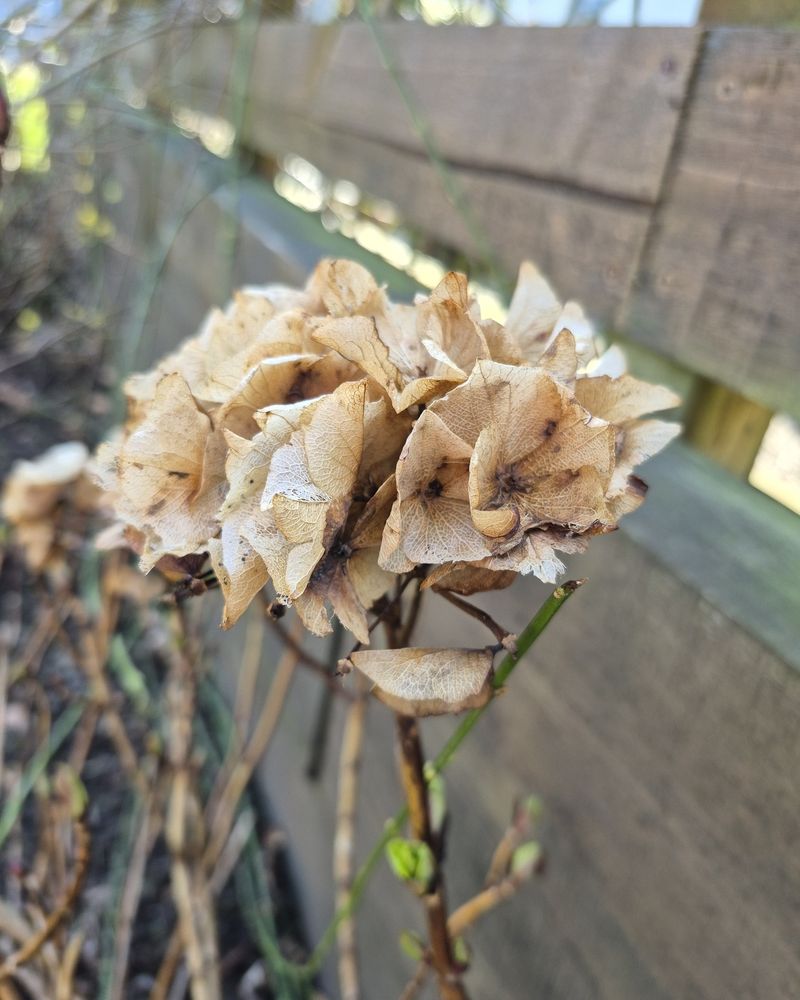
Buds form earlier than most people expect. Bigleaf and oakleaf hydrangeas set their flower buds in late summer, months before anyone thinks about spring.
Those buds ride out the winter on old wood, tucked at the tips and upper nodes of last year’s stems. They are small, tight, and easy to overlook.
Removing that wood in October removes the flowers along with it.
Look closely at a stem tip after the leaves drop. You will often see a slightly swollen node, firm to the touch, sitting where a bloom will eventually open.
Green tissue under the bark is another sign the stem is still active.
Scratch a small spot with your thumbnail. Green means keep it, brown and dry usually means that section did not make it through the season.
Gardeners in the Georgia mountains sometimes lose buds to a late frost anyway, which makes protecting the ones they have even more important. Lower elevations tend to have gentler winters and better bud survival.
Weather still plays a big role, so results vary from yard to yard.
A stem that looks bare and boring in November can carry half a dozen blooms by June. That is a lot to give up for a tidier bed.
Leave the old wood standing and let spring sort it out.
4. Pruning Too Late Can Reduce Next Year’s Flower Show
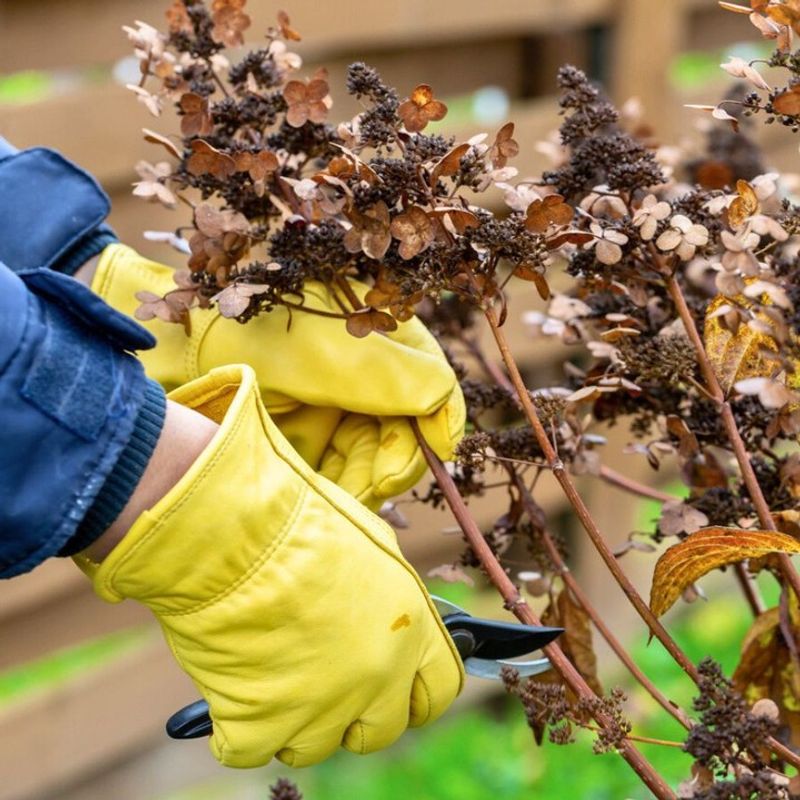
Timing matters more than technique with hydrangeas. Late cuts are the single most common reason a healthy shrub refuses to bloom.
Once September arrives, the plant has already finished setting buds for the following year. Anything you trim after that point is coming out of next summer’s display.
Fall pruning also nudges some shrubs into pushing soft new growth.
That tender growth rarely hardens off before the first hard freeze. In much of Georgia, cold weather arrives in fits and starts, and soft shoots take the hit.
Damaged tips lead to more cleanup in spring, not less.
If a shrub has outgrown its spot, the fix is a summer cut right after flowering ends, usually by mid to late July. Waiting past that window pushes you into bud territory.
Panicle and smooth hydrangeas are more forgiving, but they still do better with late winter attention than autumn shearing.
Skipping fall pruning does not mean skipping care.
Mulch, water during dry spells, and pull weeds around the base instead. Those tasks help the plant far more than a haircut does this time of year.
Plenty of gardeners have pruned every fall and wondered why blooms never came back.
Skip one autumn and compare. The difference in flower count is often obvious by the following June.
5. Damaged Branches Are Different From Routine Pruning
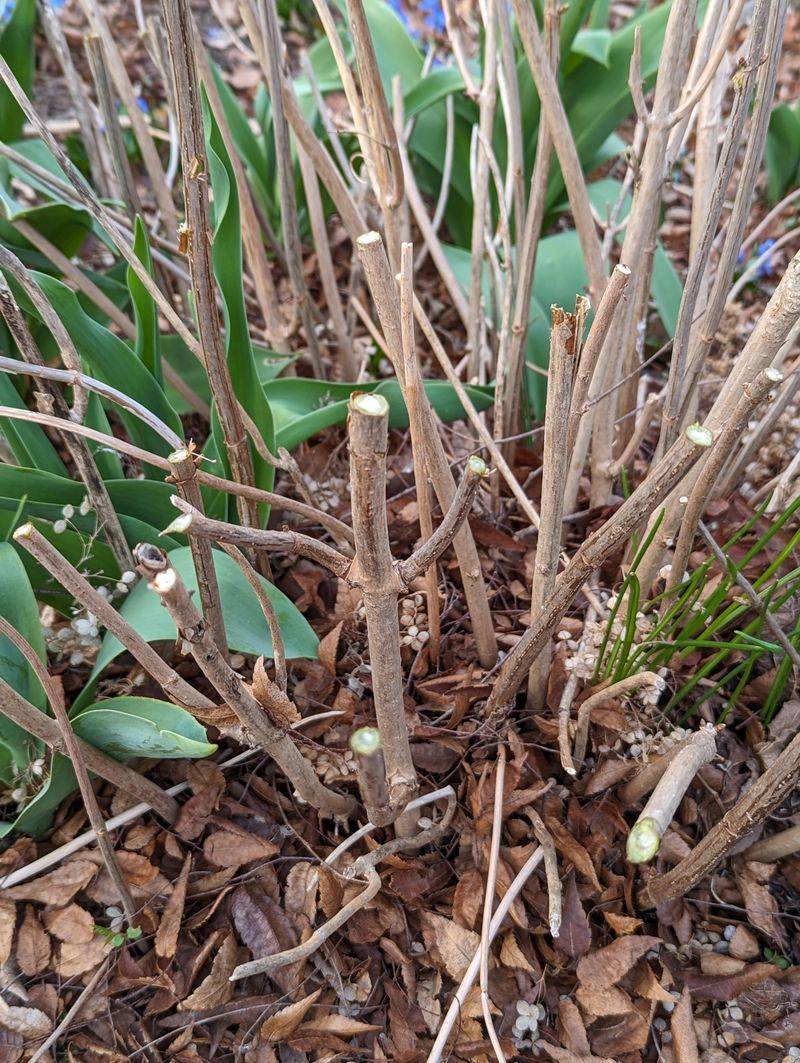
Safety cuts are fair game. Removing a snapped or split branch is not the same thing as shaping a shrub.
Summer storms in Georgia can leave hydrangeas with cracked limbs, especially after heavy rain weighs down the flower heads. A branch hanging by a strip of bark will not recover.
Cut it back to a healthy point and move on.
Rubbing branches deserve attention too. Where two stems cross and grind against each other, the bark wears thin and opens a spot for problems.
One clean cut fixes it.
Stems that show no green under the bark can also come out, though many gardeners prefer to wait until spring for that call. Cold weather sometimes makes a stem look worse than it actually is.
Keep the cuts limited and purposeful.
Trimming three broken limbs is maintenance, while walking around the shrub evening out the whole thing is pruning. Once you start balancing the shape, buds start disappearing.
Use clean, sharp bypass pruners for anything you remove.
Ragged cuts heal slowly and give pests an easy entry point. Wiping the blades between shrubs is a good habit, especially if one plant looked unhealthy.
Handle the real damage, then step away from the plant.
6. Some Hydrangeas Follow A Completely Different Pruning Schedule
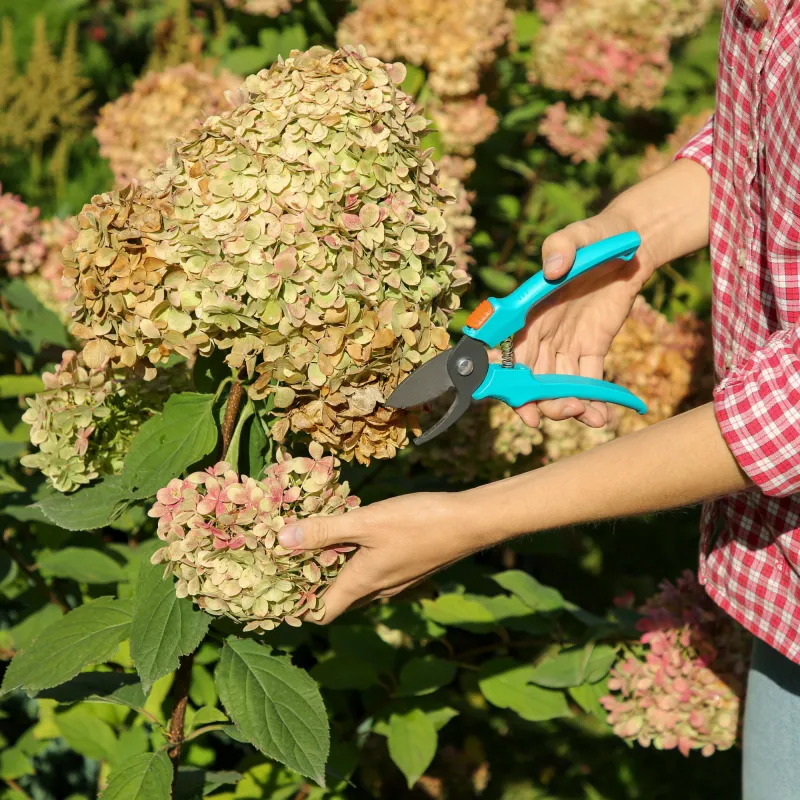
Not every hydrangea plays by the same rules. Panicle and smooth types bloom on new wood, which changes everything about timing.
Smooth hydrangeas, including the familiar white mophead varieties, grow fresh stems each spring and flower on that new growth. Cutting them back in late winter usually produces stronger stems and bigger blooms.
Panicle hydrangeas work in a similar way with their cone-shaped flowers.
Even so, fall is still not the best moment for those cuts. Open wounds heading into winter can suffer during a hard freeze, and the stems offer a little insulation to the crown.
February or early March tends to be the sweet spot across most of Georgia.
Bigleaf, oakleaf, and mountain hydrangeas sit in the other camp. Their buds are already set, so late winter cuts remove flowers just as surely as fall ones do.
Reblooming varieties blur the line a bit, since they flower on both old and new wood. Light shaping after the first flush is usually all they need.
Climbing hydrangeas are slow growers and rarely need much at all.
Knowing which group your shrub belongs to saves years of guesswork. It also explains why your neighbor’s pruning advice may not match your results at all.
7. Knowing Your Variety Helps You Choose The Right Time
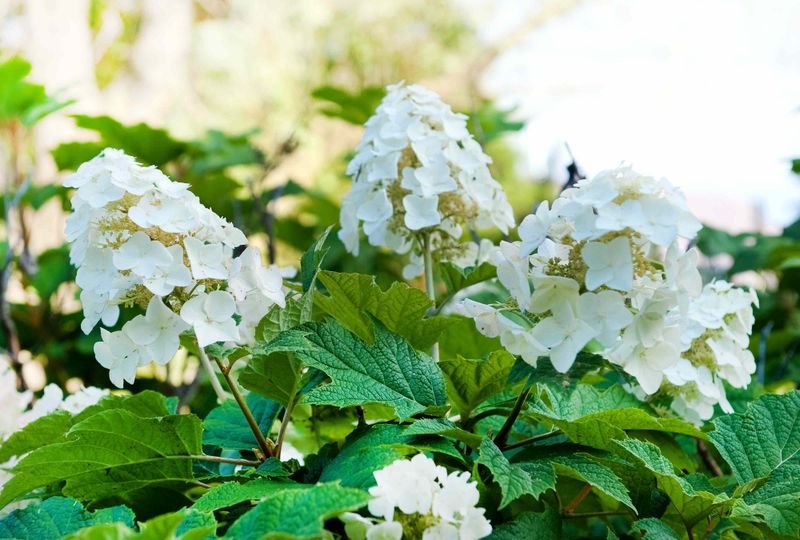
Identification solves most hydrangea problems. Once you know the type, the pruning calendar sorts itself out.
Leaf shape is the easiest starting point. Oakleaf hydrangeas have large lobed leaves that look like oak foliage and turn deep burgundy in fall.
Bigleaf types show broad, glossy leaves with a slightly toothed edge.
Flower shape helps too. Rounded mopheads and flat lacecaps usually point to bigleaf or mountain hydrangeas, while cone-shaped clusters signal panicle varieties.
Bloom color offers another hint, since blue and pink flowers that shift with soil pH almost always belong to the bigleaf group.
Save the plant tag when you buy something new.
Tuck it in a drawer or snap a photo, because that little label answers questions years down the road. Guessing from memory rarely works after three or four seasons.
County extension offices throughout Georgia can help identify a mystery shrub if you bring in a stem with leaves. Local garden centers are often willing to look too.
Timing then becomes simple: old wood bloomers get pruned right after flowering, new wood bloomers in late winter.
Neither group benefits from an autumn trim.
Once you match the plant to its schedule, the blooms usually follow. Fall turns into a season for watching rather than cutting, which is easier on both you and the shrub.