This Underused Native Tree Deserves a Spot in More Arizona Yards
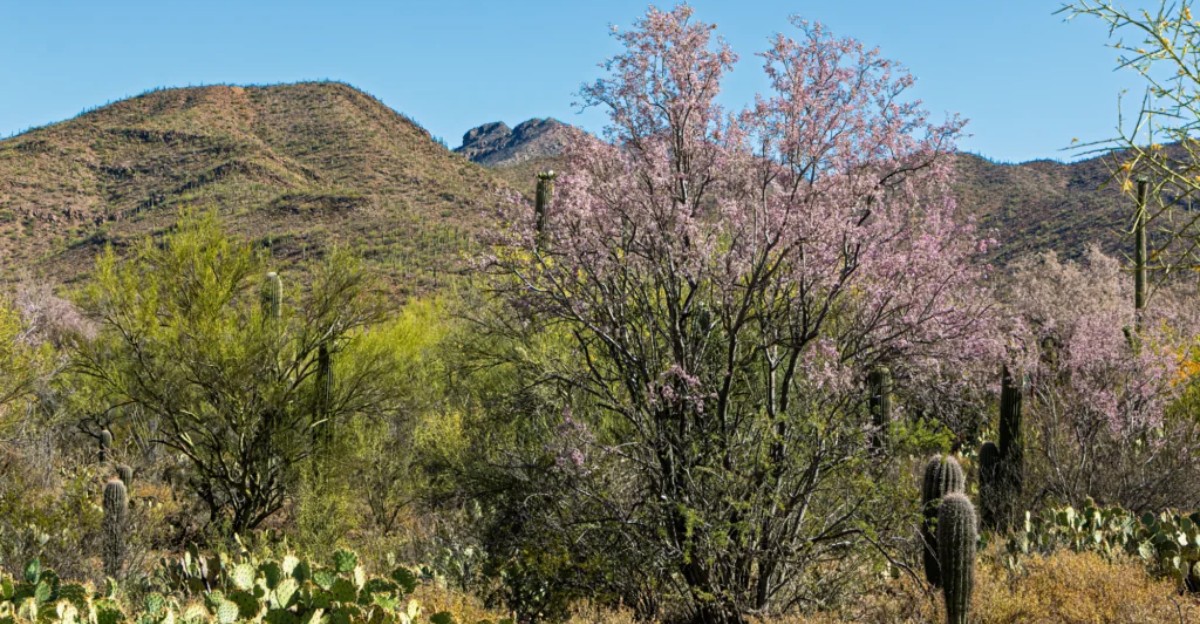
Desert ironwood is a Sonoran Desert native tree that can give your yard shade and real habitat for wildlife. It grows slowly and uses very little water once it is established.
It also has thorny stems and a wide canopy, so it needs the right spot. Here is how to tell whether it fits your Arizona yard, and how to give it a good start.
What Desert Ironwood Offers
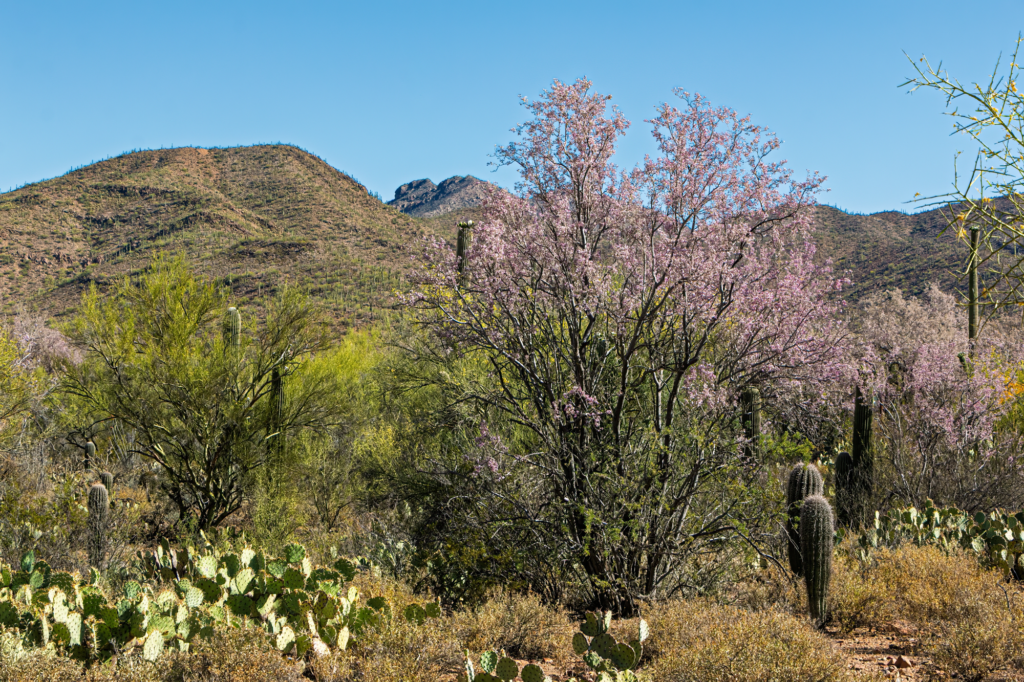
Desert ironwood, Olneya tesota, is a Sonoran Desert native that earns its place by doing a lot with very little. Arizona’s forestry department lists it as a slow-growing, very-low-water-use tree that reaches roughly 25 feet tall and wide and offers food and shelter for birds and other wildlife.
That combination is rare. Plenty of shade trees want regular water and grow fast, while this one takes its time and sips.
Once it is established, it can cast real shade over a patio corner or a sunny side yard.
I will be upfront about the tradeoffs, because they matter. Ironwood is slow, it spreads wide, and its stems are thorny.
It also needs some watering help in its first years, so low water use does not mean no water at all.
Think of it as a long-term partner rather than an instant fix. If you have the space and the patience, the payoff is a tough native tree with genuine habitat value.
The next sections help you decide whether your site makes sense.
Check Your Local Climate First
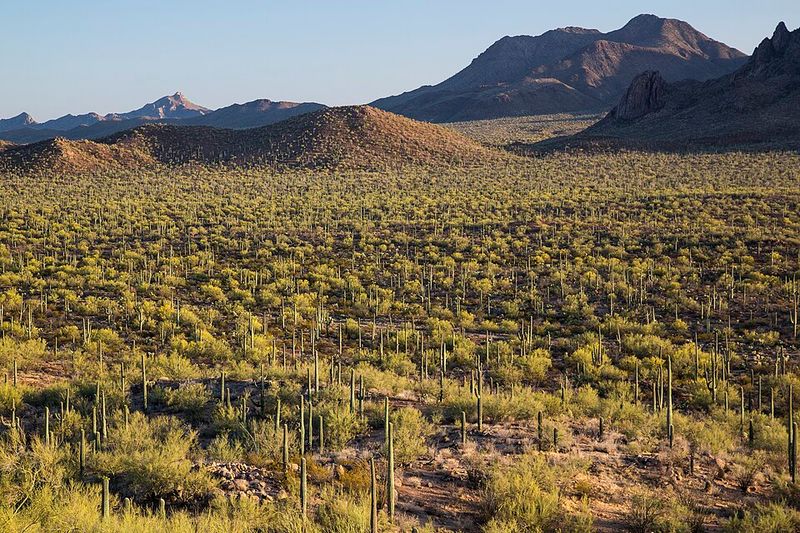
Before you fall for the tree, check your own weather. Ironwood belongs to warm, low-elevation Sonoran Desert country, and Arizona’s wildlife strategy notes that larger ironwoods are largely found in washes and drainages in some lower Sonoran habitats.
That tells you the kind of place it likes.
Arizona is a big, varied state, so this is not a tree for every region or every yard. Higher, colder, or windswept sites call for extra caution.
The same goes for low spots where cold air settles on winter nights.
Young plants in particular can be sensitive to severe freezes, according to the Arizona-Sonora Desert Museum. Sources give different temperature numbers, so do not trust any single figure as a guarantee.
A practical test is to look around your neighborhood. Notice whether frost-tender desert plants come through winter well in your yard, and ask a local nursery about cold exposure on your lot.
Your own microclimate is the best guide.
Plan for a Broad, Slow-Growing Tree
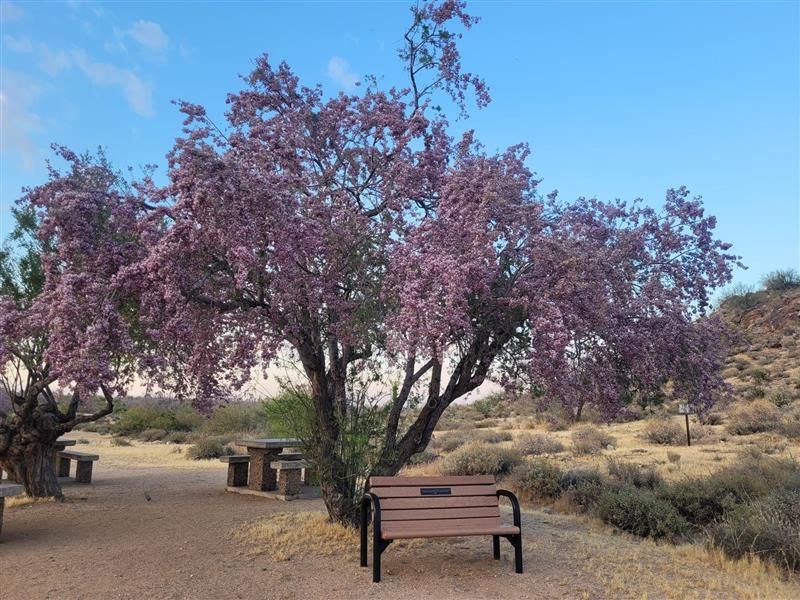
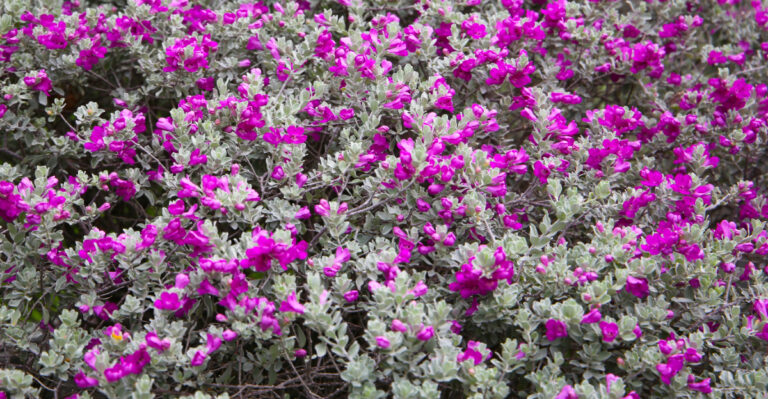
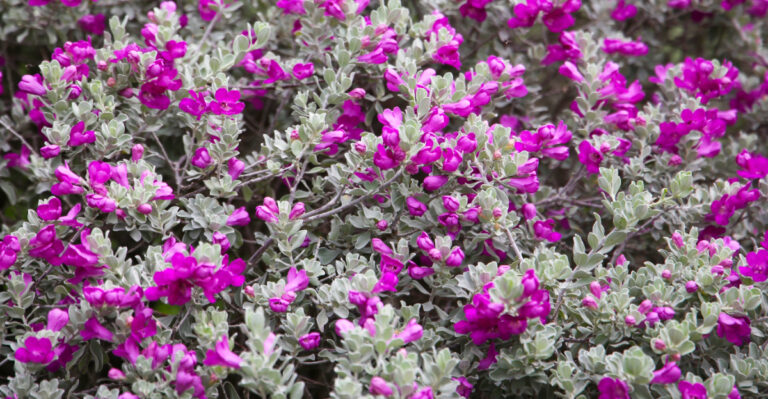
Ironwood has a quiet kind of beauty. Its gray-green foliage and spreading canopy give it a soft look, and in late spring it can produce pale lavender-to-pink, pea-like flowers.
Those blooms do not happen on a fixed schedule, and the University of Arizona Desert Legume Program notes that flowering does not occur every year.
For planning, use the state guide’s landscape size of about 25 feet by 25 feet. Treat that as a rough guide, not a promise.
Soil, water, and local conditions all change how big a tree gets, and landscape trees in some descriptions reach 15 feet or more over time.
Foliage varies too. Leaves may drop or be replaced seasonally, so do not count on year-round, dense evergreen cover.
Expect a tree that looks a little different from one season to the next.
Give it elbow room from walls, power lines, and other trees. Slow growth is a gift here, because you will have years to watch it fill out.
How Ironwood Supports Desert Life
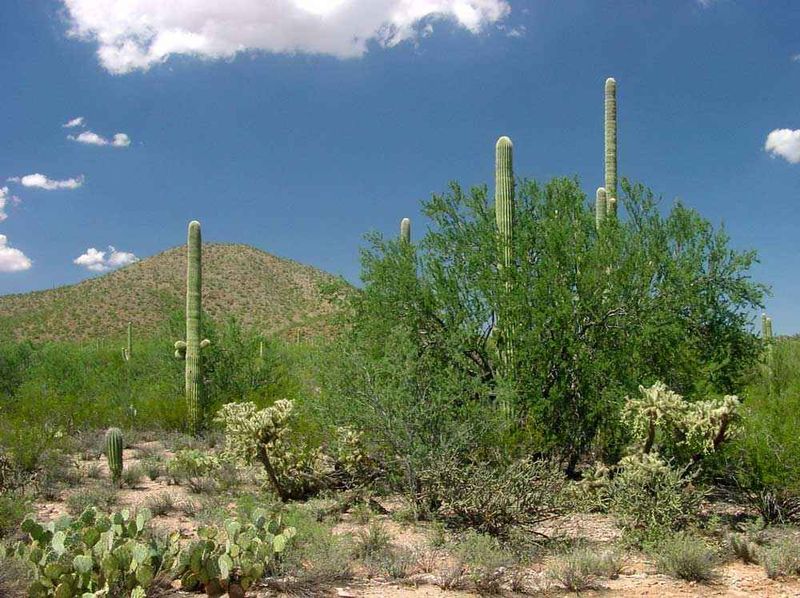
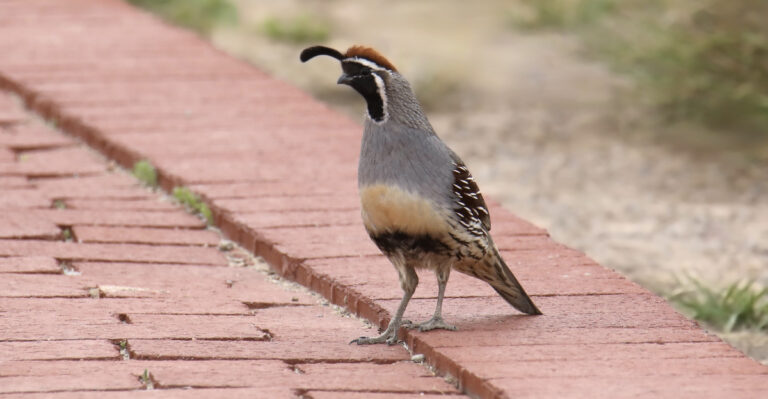
In the wild, ironwood is a habitat builder. Arizona sources describe it as providing food and shelter for wildlife, and the state plant guide lists those benefits for birds and other animals.
It also acts as a nurse plant, meaning young plants can start life in the shade and shelter beneath its canopy. Research on Sonoran Desert sites found stronger positive effects under nurse plants in dry settings, with different results in wetter ones.
That context matters for your yard. These are ecological roles that depend on habitat conditions, so one tree will not guarantee particular birds or measurable results.
What it can do is add structure, shade, and a native plant to the mix.
You can help by planting it alongside other native plants and leaving some natural ground cover. The Desert Museum also calls ironwood a keystone of its native ecosystem, which is why the tree gets so much respect.
Choose a Sunny Site with Good Drainage
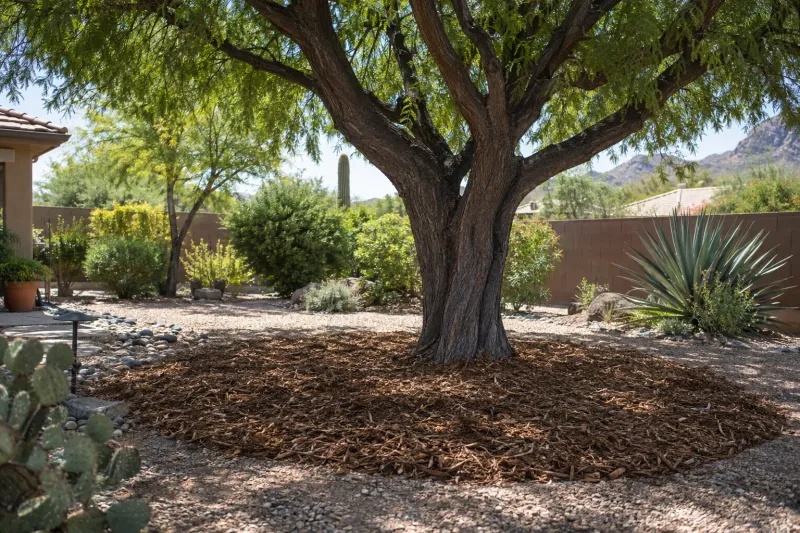
Ironwood wants full sun and well-drained soil, according to the Desert Museum’s care guidance. Skip spots where water pools after a storm.
Start by picking a place that can hold a canopy up to roughly 25 feet across.
When you plant, follow University of Arizona xeriscape planting guidance. Set the root ball level with or slightly above the surrounding soil, then water well after planting.
Keep mulch a few inches away from the trunk.
Late fall is generally a favorable time to plant in the desert, because roots can settle in during cooler weather. Local frost exposure still matters, so a cold-prone yard may want a different plan.
Mark where the mature canopy will reach before you dig. A small tree looks lost in a big space, and that is exactly why people crowd it.
Water It While It Gets Established
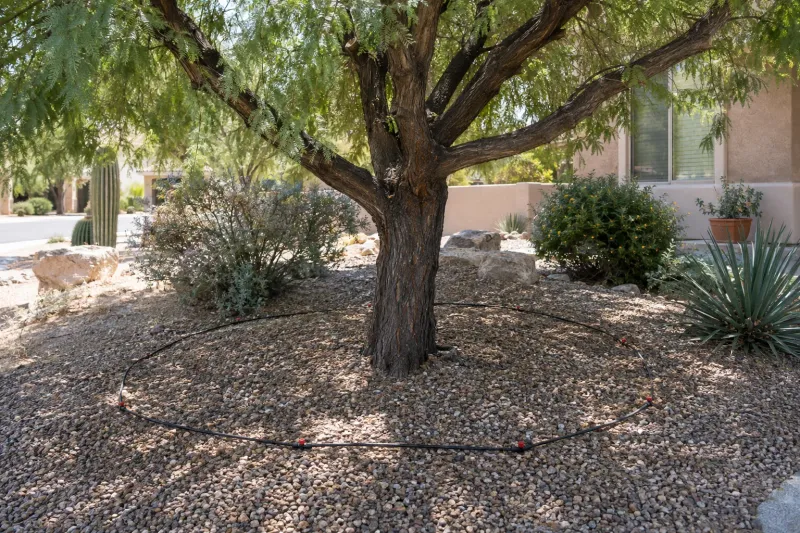
Drought tolerance is a goal you grow into. Young ironwoods need establishment watering, and the Desert Museum notes that growing-season water can improve performance and that the shift to rainfall alone may take years.
Once established, trees within their natural range can survive on rainfall, with greatly reduced growth, says the Desert Legume Program. That means very low water use, not zero.
For later watering, aim for deep, infrequent soakings instead of frequent sprinkles. University of Arizona Extension has guidance on watering trees and shrubs that helps you understand how deep roots get wet.
Skip the fixed calendar. Adjust for your soil, the weather, and how the tree looks.
Thin, stressed growth in a long dry spell is a clue to give it a deeper drink.
Keep Thorny Branches Away from Busy Areas
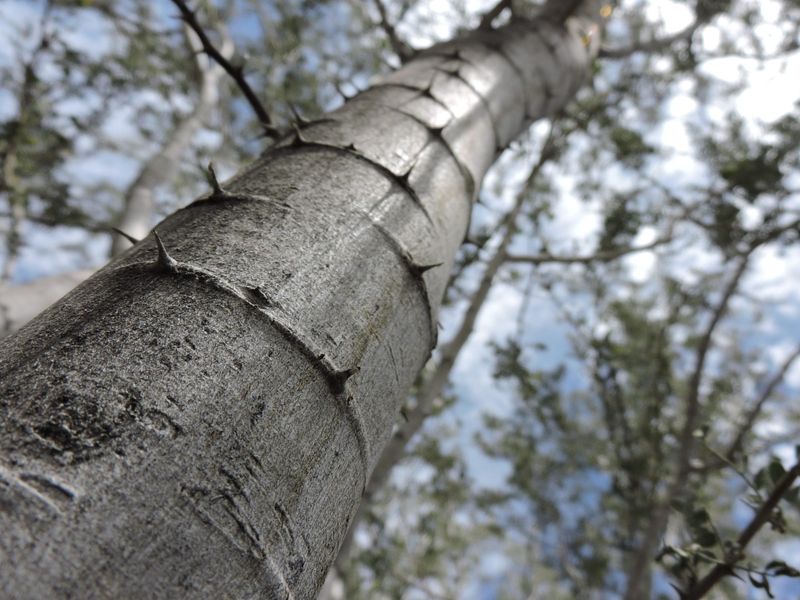
Those pretty gray-green branches carry spines. The Desert Legume Program describes spiny stems and advises placing ironwood away from high-traffic areas.
The state plant guide also flags thorns.
In practice, that means keeping it off tight walkways, play areas, and narrow access routes. There is no formal setback distance to memorize.
Picture where people brush past, then give the canopy more space than you think it needs.
Litter is the other everyday tradeoff. The tree sheds small leaves, flowers, and fruit, and the state guide notes seasonal litter, while university sources call it modest.
So expect a little raking now and then, but not a mess. Wear thick gloves and long sleeves when you prune, and put the tree where its thorns stay a conversation piece instead of a hazard.
Buy Nursery Stock and Check Arizona Rules
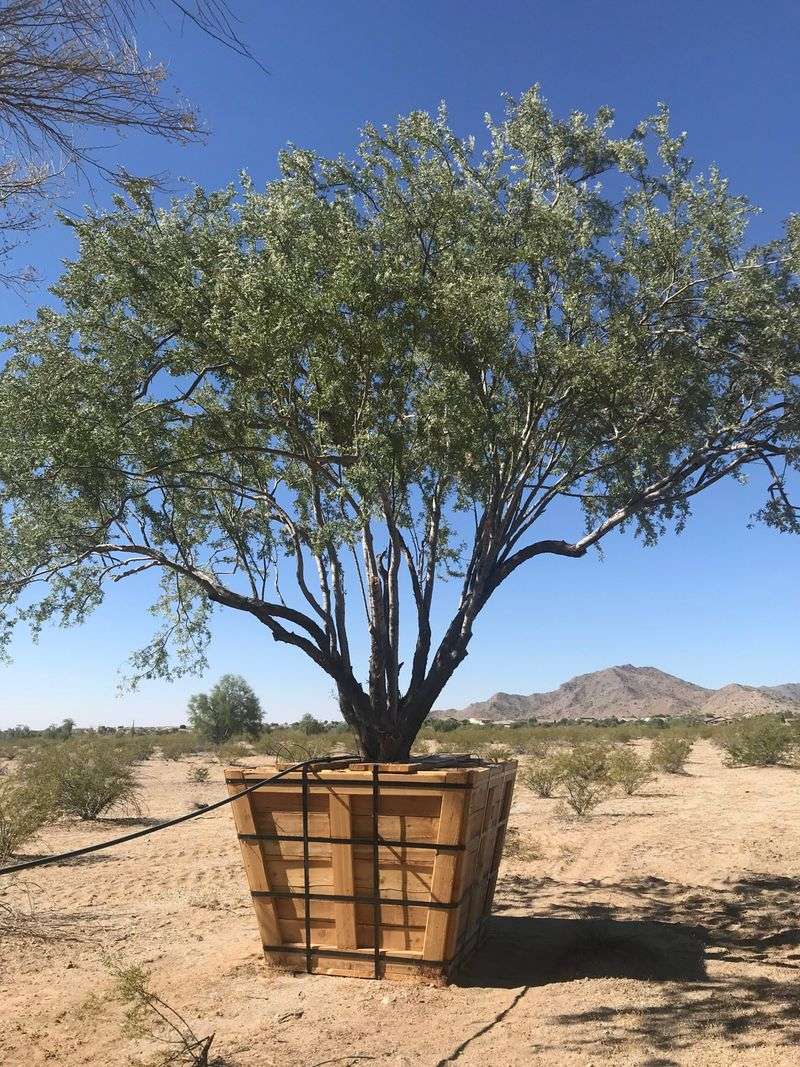
Resist the urge to dig one up from the desert. Nursery-grown ironwood is the safer, more responsible way to bring this tree home, and it is usually easier on the tree too.
Arizona lists ironwood in protected native-plant categories, including Salvage Assessed and Harvest Restricted, according to University of Arizona Cooperative Extension. Those labels affect how wild plants can be handled.
Before you harvest, relocate, or transport a wild tree or its wood, check with the Arizona Department of Agriculture. Rules depend on the specific situation, so do not assume private land is automatically exempt.
A good local nursery can help you choose healthy stock and tell you what has done well in your area. Ask questions, and keep any receipts or tags handy.
Decide Whether Your Yard Can Accommodate It
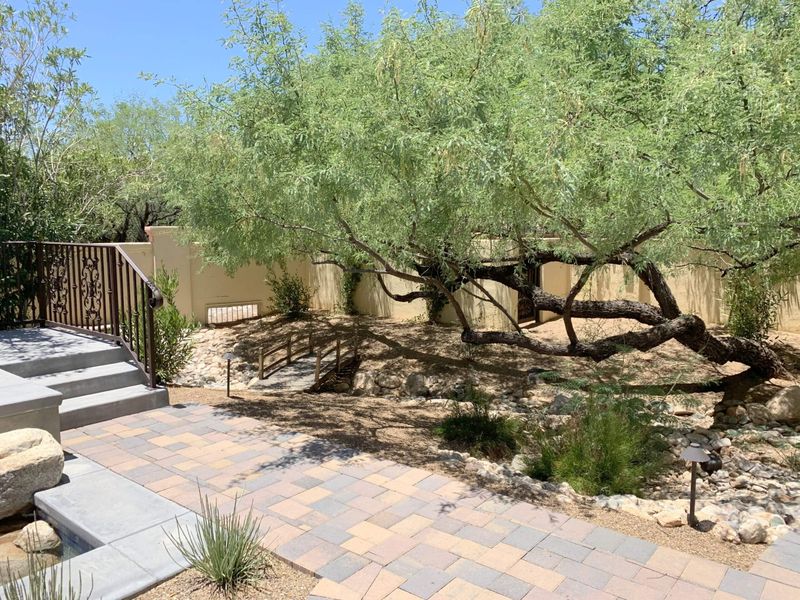
Ironwood is a strong fit when a few things line up. You need a warm, low-desert site, room for a tree that can spread to roughly 25 feet, and patience for slow growth.
You also need a spot where thorny stems stay clear of everyday traffic.
If that sounds like your yard, the rewards are real. The state plant guide highlights its shade and its food and shelter value for wildlife.
What visits will depend on your surroundings, so enjoy whatever shows up.
If your yard is small, cold-prone, or busy with kids and paths, another native may suit you better. There is no shame in that, and the right plant in the right place always wins.
Plant an ironwood and you are betting on the long game. A slow tree rewards the people who stick around.