The Fall Yard Habits That Can Attract Rodents To Georgia Homes
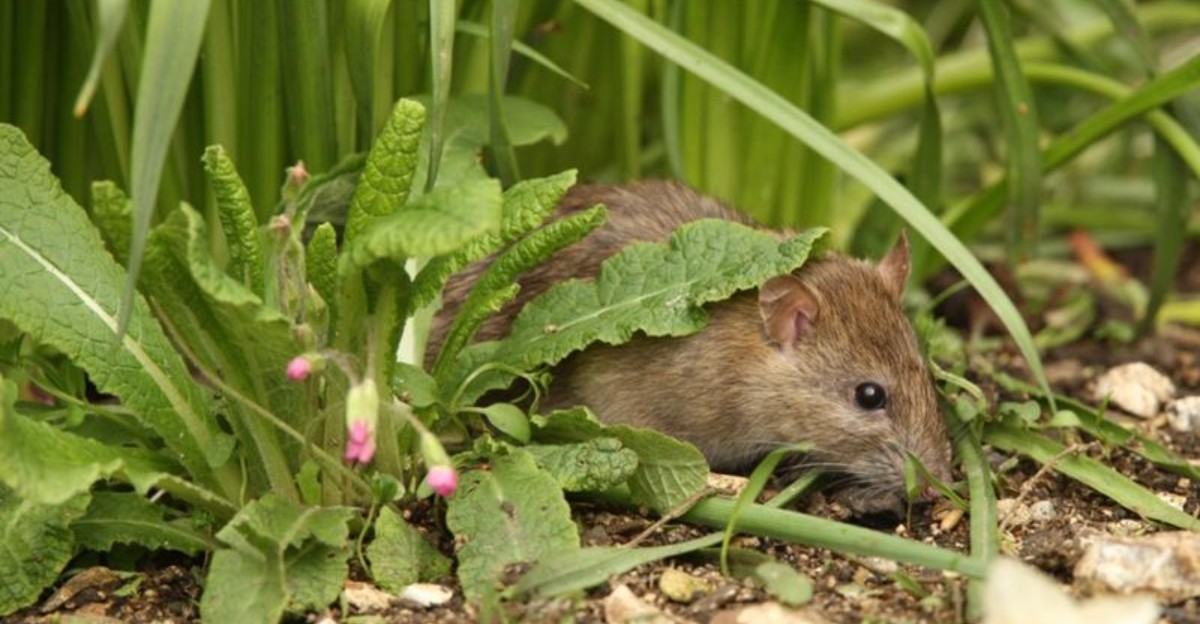
Cooler fall weather can change what happens around your yard, especially when small animals begin searching for food and shelter. Some everyday habits can make that search easier.
The problem is that these routines seem harmless while you are doing them.
Something left outside for convenience can become an easy resource once nights grow cooler. Around Georgia homes, those small opportunities can encourage rodents to spend more time close to buildings.
That is when an outdoor issue has a better chance of moving closer to your living space.
Take another look at the routines you normally follow during fall cleanup and yard care. A few simple practical changes can make your property less inviting.
Knowing which habits matter most helps you focus your effort where it actually makes a difference.
1. Leaving Birdseed On The Ground Gives Rodents An Easy Meal
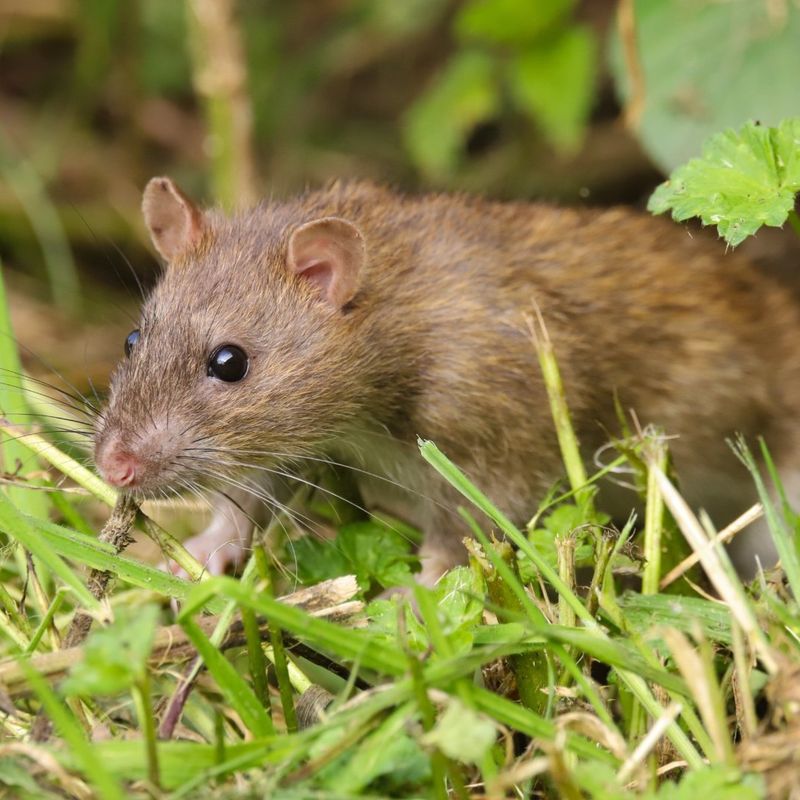
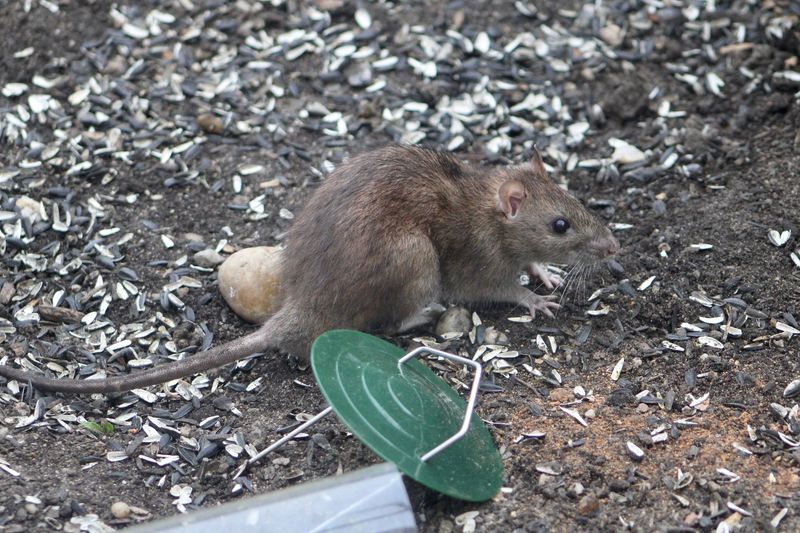
Spilled seed under a feeder is one of the most reliable rodent buffets in a fall yard. Mice do not need much, and a handful of sunflower hearts scattered in the grass is plenty.
Songbirds are messy eaters by nature. They flick seed aside while hunting for favorites, and the leftovers sit on the ground until something else finds them.
Rodents tend to feed after dark, so homeowners rarely see the visitors.
Georgia yards often keep feeders busy well into November, which stretches the food supply right through the season when mice are searching for winter quarters. That timing matters more than the amount of seed.
Moving a feeder farther from the house helps. Twenty or thirty feet of open lawn between the feeder and your foundation gives rodents less reason to explore your walls.
Trays and seed catchers reduce spillage, though they do not eliminate it.
Raking underneath the feeder once a week is the simplest fix, and it takes about two minutes. Sweeping up hulls also cuts down on mold that can build up in damp weather.
Storing extra seed in a metal or thick plastic bin with a locking lid keeps the bulk supply out of reach.
Some folks pause feeding for a few weeks in late fall while they deal with a rodent problem. It is not permanent, and it removes the draw quickly.
2. Storing Pet Food Outside Can Bring Unwanted Nighttime Visitors
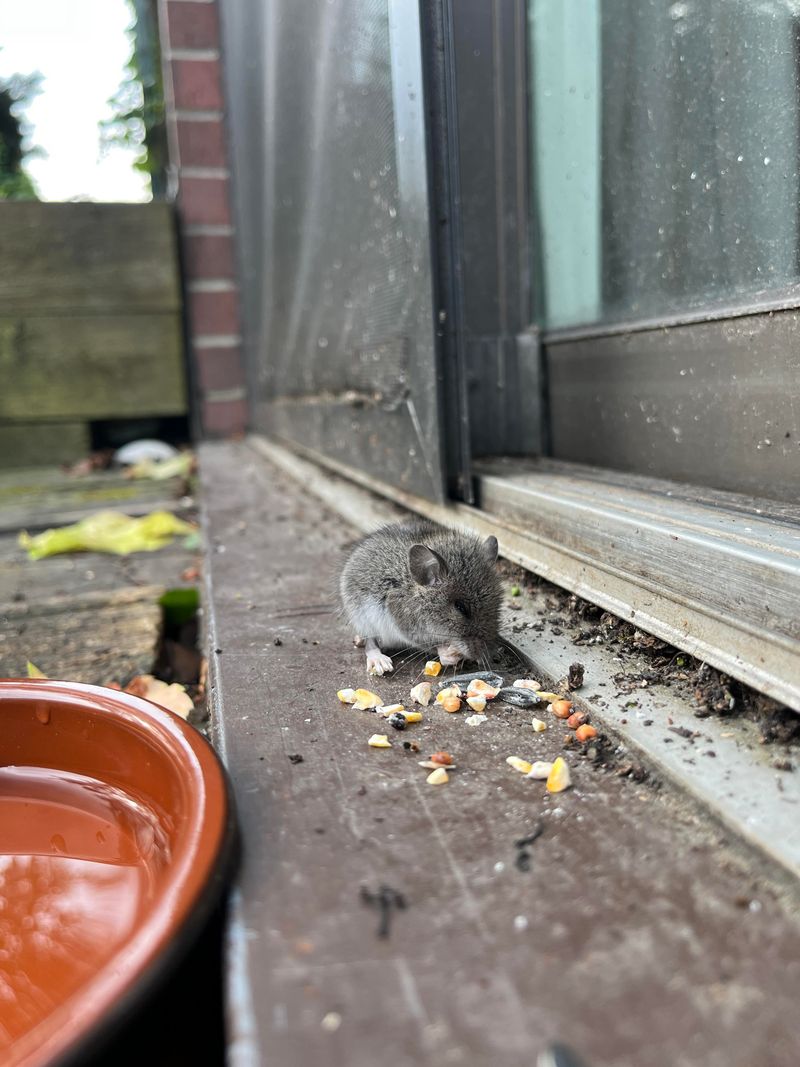
A bag of kibble on the back porch smells like dinner to more than your dog. Rats especially will travel a surprising distance for a steady, high-calorie food source.
Outdoor feeding stations are the usual culprit. Bowls left out overnight collect crumbs, and the scent lingers even after the food is gone.
Cat food draws attention just as quickly, sometimes more.
Paper and thin plastic bags offer almost no protection. Rodents chew through them easily, and once they find a reliable supply they tend to return night after night.
Metal cans with tight lids solve most of this. Galvanized trash cans work fine, and food-grade bins with clamping lids do the job too.
Feeding pets indoors is the cleanest option when it is realistic.
Your Georgia Garden Changes Every Week. Your Plan Should Too.
Gardening in Georgia changes quickly throughout the season. Every Friday you’ll receive a simple weekly plan showing exactly what to plant, prune, fertilize, harvest, and protect so you never miss the right timing.
Across much of Georgia, mild autumn evenings keep rodents active later into the season than folks expect, so leftover food does not sit unnoticed for long. Picking up bowls before dark makes a real difference.
Barn cats and outdoor dogs complicate things, but timed feeding still helps. Put food down, let them eat, then take the bowl up.
Rinsing bowls occasionally removes greasy residue that carries odor.
Birdseed, chicken feed, and pet food all belong in the same category. If it feeds an animal, it can feed a rodent.
Keeping every food source sealed and removing leftovers promptly gives rodents fewer reasons to linger around the property.
3. Overfilled Trash Cans Provide Another Reliable Food Source
Trash lids that will not close are basically open doors. Rats climb well, and a propped lid gives them a straight shot at food scraps.
Kitchen waste is rich stuff. Meat trimmings, bread, fruit peels, and grease-soaked paper all rank high on a rodent’s list.
Odor travels, especially on damp fall days.
Cracked bins matter too. Chewed corners and split bottoms create entry points that rodents widen over time, and a small hole rarely stays small.
Replacing a damaged can costs less than treating an infestation. Bins with latching or locking lids are worth the upgrade if you have had repeat visits.
Keeping cans away from fences and walls removes climbing routes.
Bagging food waste separately and double-bagging strong-smelling scraps cuts the scent that pulls animals in. Rinsing bins every few weeks handles the residue that builds up inside.
Trash night habits count as well, since setting cans out the morning of pickup rather than the night before gives rodents less time to work.
Neighborhoods across Georgia deal with roof rats in particular, and they are strong climbers that reach elevated bins without trouble.
Storing cans on a hard surface rather than in grass makes activity easier to spot. Droppings and gnaw marks show up quickly on concrete.
Small changes here often show results within a couple weeks.
Once the easy access and lingering odors are gone, trash areas become far less appealing as regular feeding spots.
4. Fallen Fruit Becomes Easy Food When It Sits Too Long
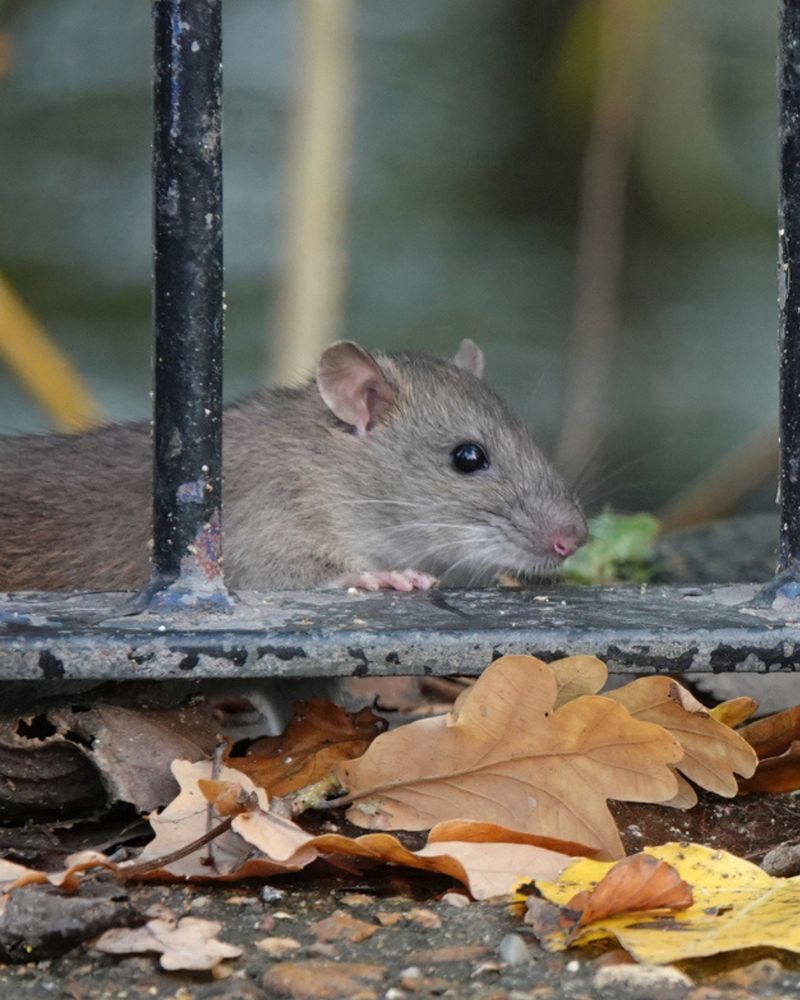
Windfall fruit rots fast and feeds everything. Persimmons, figs, apples, and pears all pile up under trees in autumn, and rodents show up within days.
Sugar is the draw. Soft, fermenting fruit is easy to eat and packed with calories, which is exactly what a mouse wants heading into cooler weather.
Insects arrive first, then the rodents follow.
Backyard orchards and single ornamental trees both create the same issue. Even a crabapple that nobody harvests can drop enough fruit to sustain a small population.
Picking up drops twice a week keeps the ground reasonably clear. It is tedious, but it works better than any repellent.
Compost piles need attention too, since loose fruit tossed on an open heap is just relocating the problem.
Enclosed tumbler composters handle fruit scraps much better than open bins. Burying scraps under browns also reduces odor.
Muscadine vines, common across much of Georgia, drop plenty of fruit in September and October that goes unnoticed under the leaves.
Pruning low branches makes cleanup easier and improves airflow. Mulch rings should stay thin near the trunk, since deep mulch gives rodents cover while they feed.
Harvesting a little early beats losing fruit to the ground.
Once the tree finishes dropping, one thorough cleanup usually settles things for the season.
Removing the last hidden pieces of fruit leaves rodents with far less reason to keep returning to the area.
5. Woodpiles Near The House Give Rodents Places To Hide
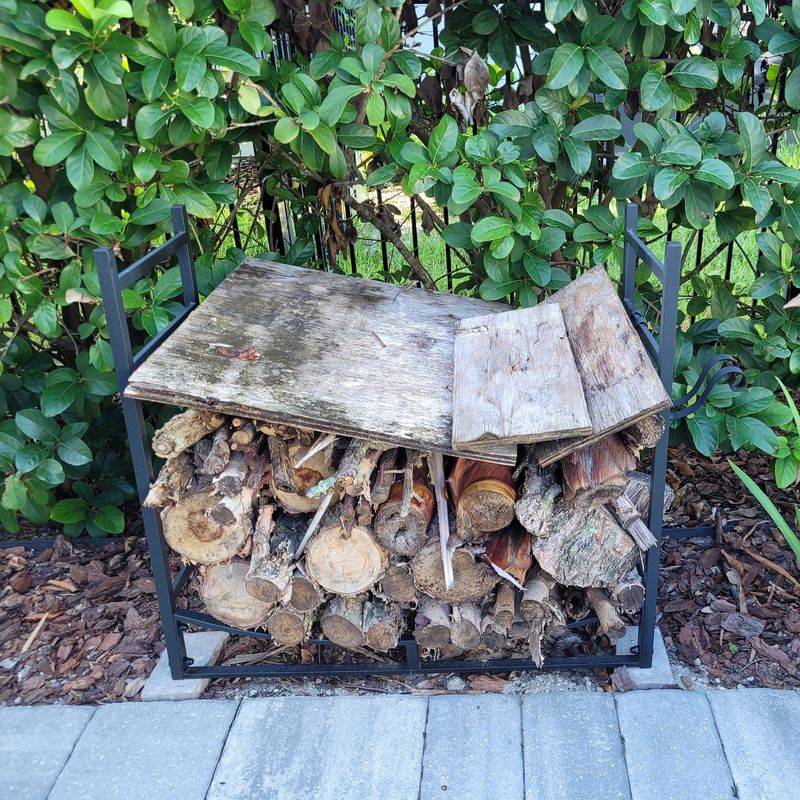
Firewood stacked against the siding is one of the oldest rodent shortcuts around. Gaps between logs create tunnels, and those tunnels lead straight to your foundation.
Mice nest inside woodpiles readily. Bark, sawdust, and shredded leaves give them nesting material without ever leaving the stack.
Snakes and spiders often turn up in the same spots.
Distance is the main fix. Keeping wood at least twenty feet from the house reduces the chance that a nesting rodent finds its way to a crawl space vent.
Height helps as well, so stacking on a rack that lifts logs six to twelve inches off the ground limits moisture and makes the pile less appealing.
Ground contact keeps wood damp, and damp wood attracts insects that rodents also eat.
Rotating stock matters more than people think. Burning older wood first prevents the bottom layers from sitting untouched for years.
Bringing in only what you need for a day or two keeps hitchhikers from settling indoors.
Winters in Georgia are short but cold enough that plenty of households keep firewood on hand from November through February, which is exactly the window rodents are looking for shelter.
Covering the top of the pile while leaving the sides open allows airflow. A tarp wrapped fully around the stack traps humidity and creates a warm, hidden pocket.
6. Thick Vegetation Against Walls Creates Useful Cover
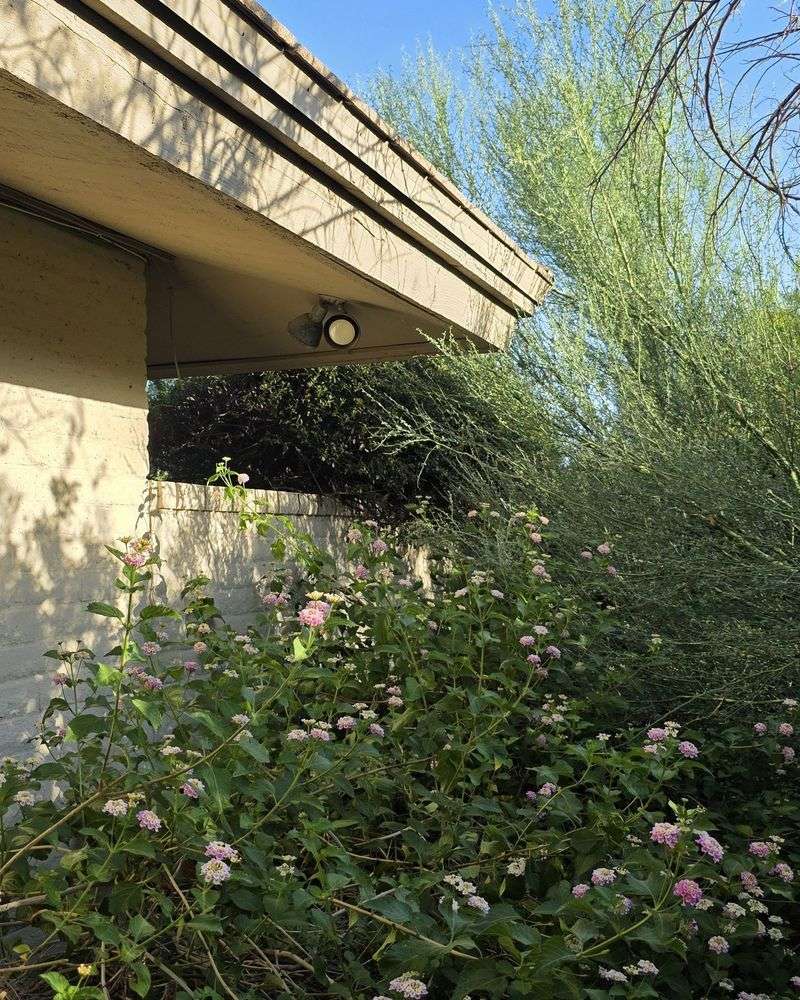
Shrubs pressed flat against a wall give rodents a covered highway. Mice avoid open ground when they can, and dense foundation plantings let them move without exposure.
Ivy is the biggest offender. English ivy climbing brick creates a ladder to soffits, vents, and roof edges where gaps often exist.
Roof rats use those routes regularly.
Trimming shrubs back twelve to eighteen inches from the wall opens a visible gap. That small strip makes rodent travel riskier and makes damage easier to spot during inspections.
Limbing up the bottom of larger shrubs also removes ground-level hiding space.
Tree branches touching the roof deserve the same treatment, since a limb resting on shingles is a direct bridge indoors.
Mulch depth plays a role too. Piling mulch six inches deep against the foundation creates warm, loose material that rodents burrow through easily.
Two to three inches is plenty, and pulling it back from the wall itself is better still.
Landscapes throughout Georgia lean heavily on evergreen foundation plants like holly and boxwood, which hold cover all winter long rather than thinning out.
Late fall is a reasonable time for light shaping on most evergreens, though heavy pruning is usually better saved for late winter. Weather and plant type both affect timing, so adjust to what you are growing.
7. Brush And Yard Debris Give Mice More Places To Hide
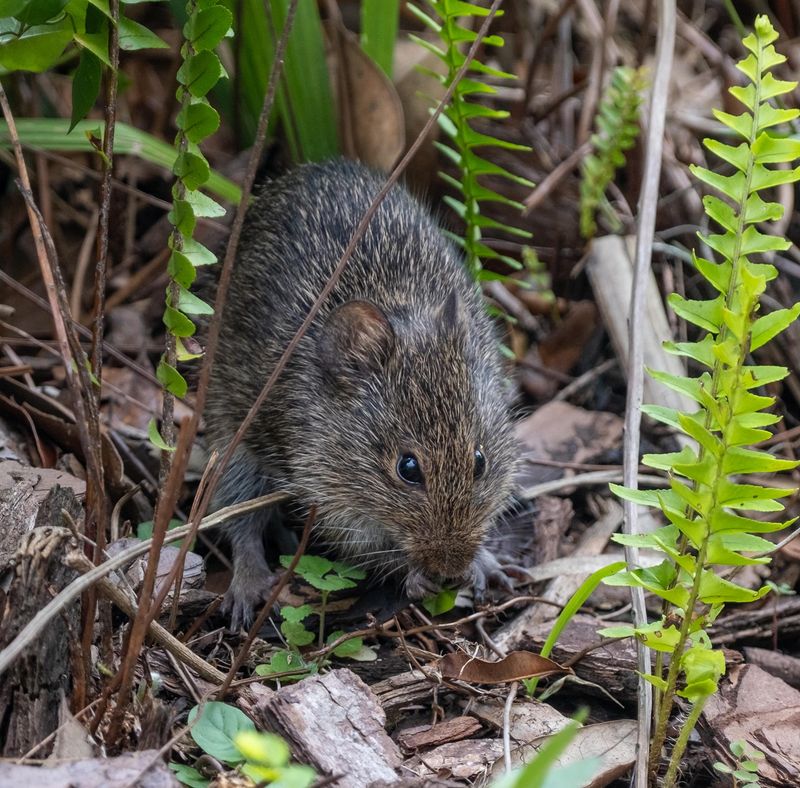
Every brush pile is a rodent apartment complex waiting for tenants. Branches, leaves, and clippings trap heat and block wind, which is exactly what a mouse wants in November.
Fall cleanup creates most of these piles. Someone prunes, rakes, and stacks everything in a back corner with plans to haul it off later.
Later often turns into spring.
Leaf piles are just as attractive. Damp leaves hold warmth and hide movement, and they sit undisturbed for months if nobody touches them.
Hauling debris out within a week or two prevents nesting from getting established. Curbside pickup schedules vary by county, so plan around them.
Chipping branches into mulch works well when the equipment is available.
If you want habitat for beneficial wildlife, place the pile far from the house rather than eliminating it entirely. Fifty feet or more gives you separation without giving up the ecological benefit.
Old lumber, cardboard, and unused pots create similar shelter, and those items tend to sit against sheds where nobody looks.
Many Georgia yards collect a heavy leaf drop from oaks and sweetgums in late October, which is enough material to bury a corner of the yard quickly.
Composting leaves in a contained bin keeps them useful and controlled. Turning the pile occasionally also discourages anything from settling in.
8. Tall Weedy Grass Can Make The Yard More Inviting
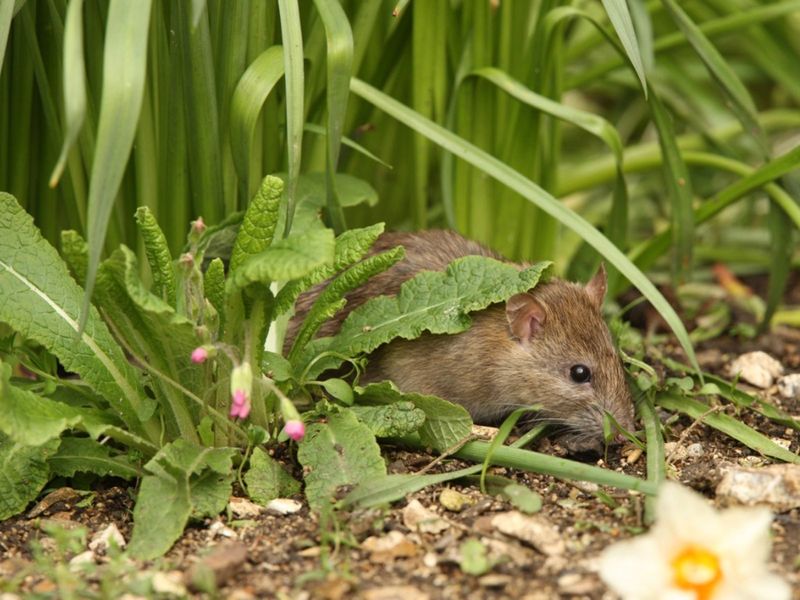
Grass left to grow tall in fall does more than look unkempt. Overgrown turf hides rodent runways, and seed heads add a food source on top of the shelter.
Fence lines are usually the worst spots. Mowers cannot reach them, so weeds grow thick and stay untouched for months.
Voles are especially fond of that cover.
Runways show up as narrow, flattened paths through the grass. Spotting them early tells you where activity is concentrated.
Keeping the lawn mowed into late fall removes that cover. Warm-season lawns go dormant, but weeds and cool-season grasses keep growing through mild spells.
String trimming along fences, sheds, and retaining walls closes the gaps a mower misses.
Groundcovers like liriope and monkey grass need dividing or cutting back when they get dense. A late winter trim is standard, though thinning heavy clumps in fall helps too.
Autumn in Georgia often stays warm enough that grass keeps growing into November, which surprises people who put the mower away in early October.
Ornamental grasses can stay standing for winter interest if you accept a little extra cover. Placing them away from the foundation is the compromise.
Bare strips of gravel along walls and fences make travel uncomfortable for rodents. It is a simple change that holds up year after year.
Regular trimming keeps those hidden travel routes from becoming established as the season moves toward winter.