The One Thing North Carolina Muscadine Vines Need Before September Ends
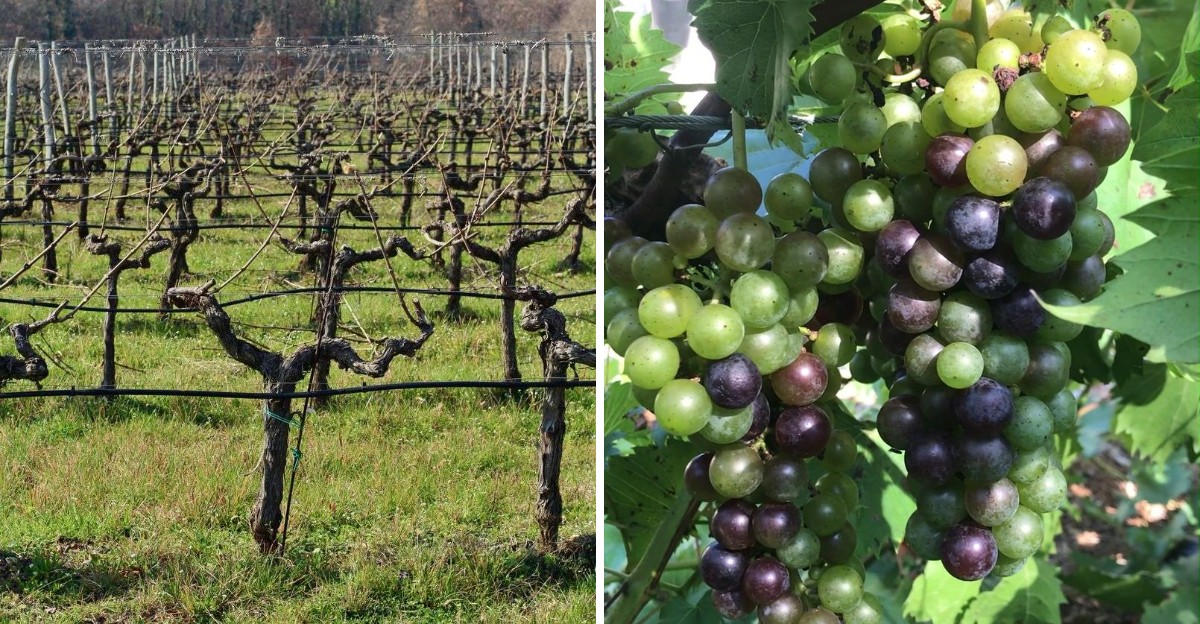
Muscadine vines are a Southern staple, and North Carolina growers know that what happens to them this September has a direct effect on next year’s harvest.
As the vines wind down active growth for the season, their care needs shift in ways that are easy to overlook if the summer routine simply continues without adjustment.
Skipping this seasonal shift can leave vines more vulnerable heading into winter dormancy, even if they produced a strong crop just weeks earlier.
Because muscadines are slow to recover from stress or damage, getting this step right before the month ends matters more than it might seem in the moment.
A little attention now sets the stage for a fuller, healthier vine when next season’s fruit begins to form.
1. Remove Leftover Fruit After Harvest
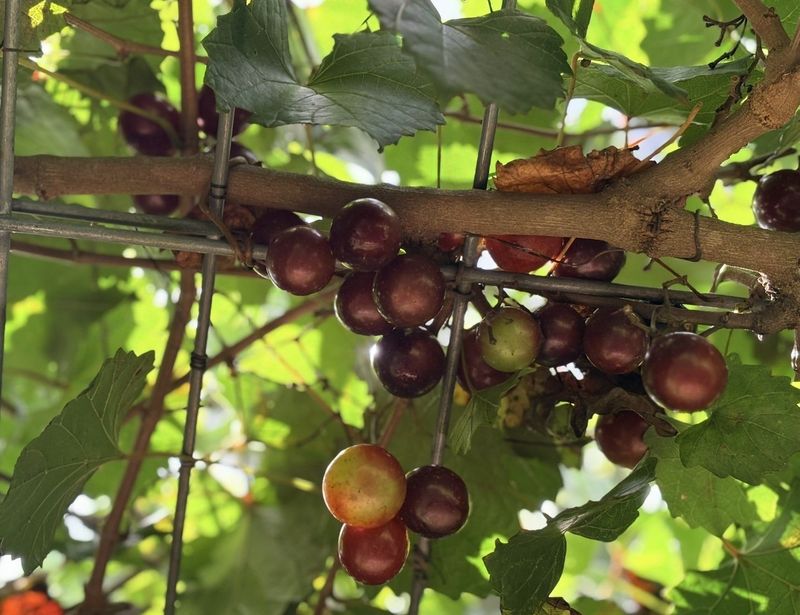
Once the grapes are picked, a few stragglers almost always stay behind. Those overripe, soft, or damaged muscadines might seem harmless, but they can cause trouble if you leave them hanging or lying on the ground.
Rotting fruit turns into a cozy spot for insects and fungal spores. When these organisms settle in, they can stick around and bother your vine later.
Clearing away leftover grapes removes that comfy home before problems have a chance to spread.
Take a slow walk around your vine and gently pull off any grapes that look mushy, moldy, or shriveled. Check the clusters carefully, since some hide behind leaves where you might miss them.
Scoop up fallen fruit from the soil too, because that is where many pests like to gather.
Toss the collected fruit into a compost pile far from your vines, or bag it and remove it from the garden completely. Keeping it close can undo all your hard work, so distance matters here.
This small cleanup also makes your growing area look neat and tidy. A clean space is easier to inspect, water, and enjoy throughout the fall months.
Muscadines are tough plants, but even tough plants appreciate a little help staying healthy. By clearing old fruit before September ends, you lower the chances of trouble and give your vine a fresh, clean start heading into cooler weather.
It is one of the simplest ways to protect your harvest for next year.
2. Improve Airflow Around The Canopy
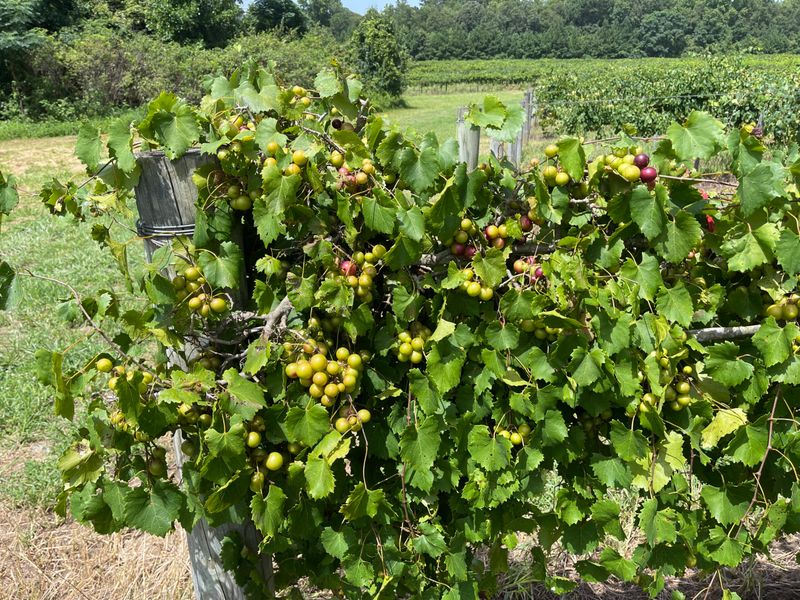
North Carolina air can feel thick and sticky, especially in late summer. All that humidity and rain settles on muscadine leaves and keeps them damp for hours, which fungi absolutely love.
When foliage grows too crowded, leaves stay wet longer because sunlight and breezes cannot reach them. Opening up the canopy fixes this by letting moisture dry faster. Drier leaves mean fewer chances for fungal spots to take hold.
You do not need to cut everything back. Just gently thin out spots where leaves overlap in thick clumps or where growth blocks airflow along the trellis. Removing a handful of crowded shoots can make a noticeable difference.
Look for areas deep inside the vine where sunlight never seems to reach. These shady, humid pockets are exactly where trouble likes to begin. A few careful snips help fresh air move through the whole plant.
Your North Carolina Garden Changes Every Week. Your Plan Should Too.
Gardening in North Carolina changes quickly throughout the season. Every Friday you’ll receive a simple weekly plan showing exactly what to plant, prune, fertilize, harvest, and protect so you never miss the right timing.
Good airflow also helps your fruiting wood stay firm and healthy. When leaves dry quickly after a rainstorm, the entire vine feels the benefit and stays stronger through the season.
Think of it like opening a window in a stuffy room. The vine breathes easier, the leaves stay fresher, and disease pressure drops without you needing sprays or chemicals.
A little thinning in September goes a long way toward keeping your muscadines vigorous. By giving your vine room to breathe now, you protect its leaves and set up smoother growth once warm weather returns.
It is a quiet task with big rewards for patient gardeners.
3. Do Not Heavy-Prune In September
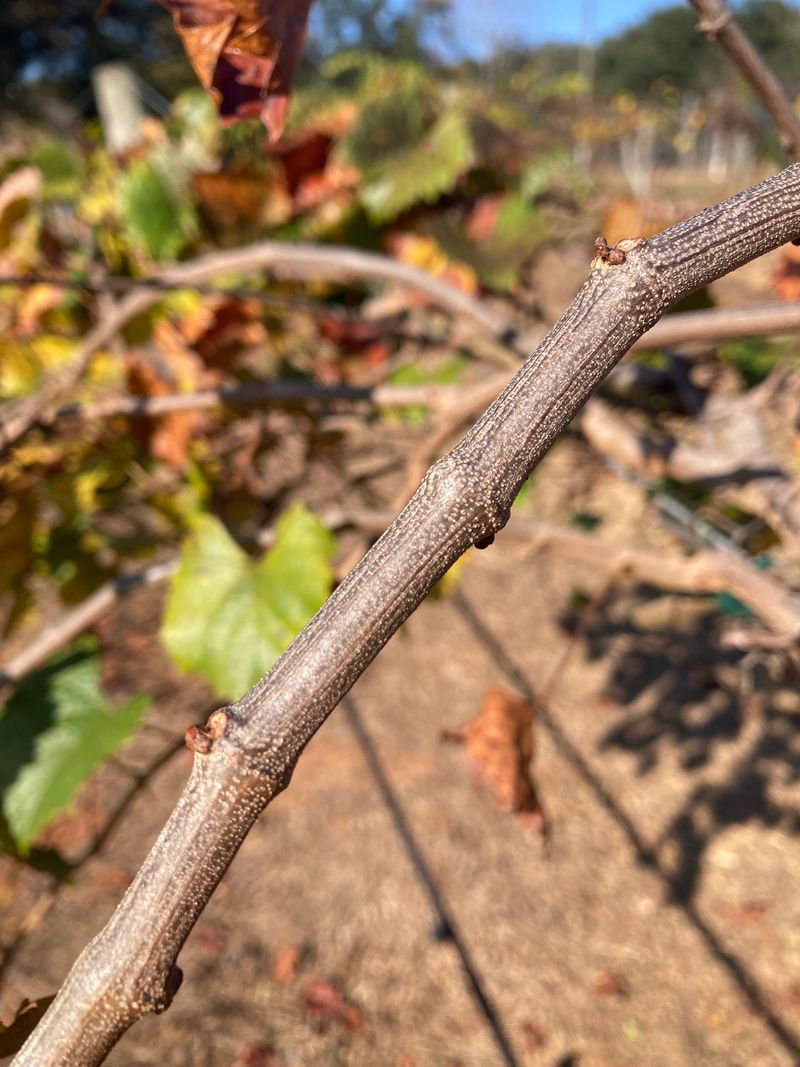
It might feel tempting to grab your shears and give the vine a big trim once harvest wraps up. Resist that urge, because September is the wrong time for major pruning.
Muscadines store energy in their canes and roots as the season winds down. Cutting away large amounts of growth now removes that stored fuel, which the vine needs to stay strong through the cooler months ahead.
Heavy pruning can also trick the plant into pushing out fresh, tender shoots. That soft new growth has no time to toughen up before cold weather arrives, and it can easily be damaged when temperatures drop.
The best window for serious pruning is winter, while the vine rests in dormancy. During that quiet season, you can shape the plant, remove old wood, and control size without harming its energy reserves.
For now, keep your cuts light and simple. Snipping a few crowded shoots for airflow is fine, but leave the big work for the cold months when the vine is fully resting.
Think of September as a time to observe rather than reshape. Watch how your vine looks, note where it grew wild, and jot down ideas for your winter pruning plan. By holding back now, you protect the fruiting wood that will carry next year’s grapes.
Patience truly pays off with muscadines, and waiting for the right season keeps your vine healthy, balanced, and ready to produce a generous crop when warmth returns once again.
4. Check Vines For Disease Problems
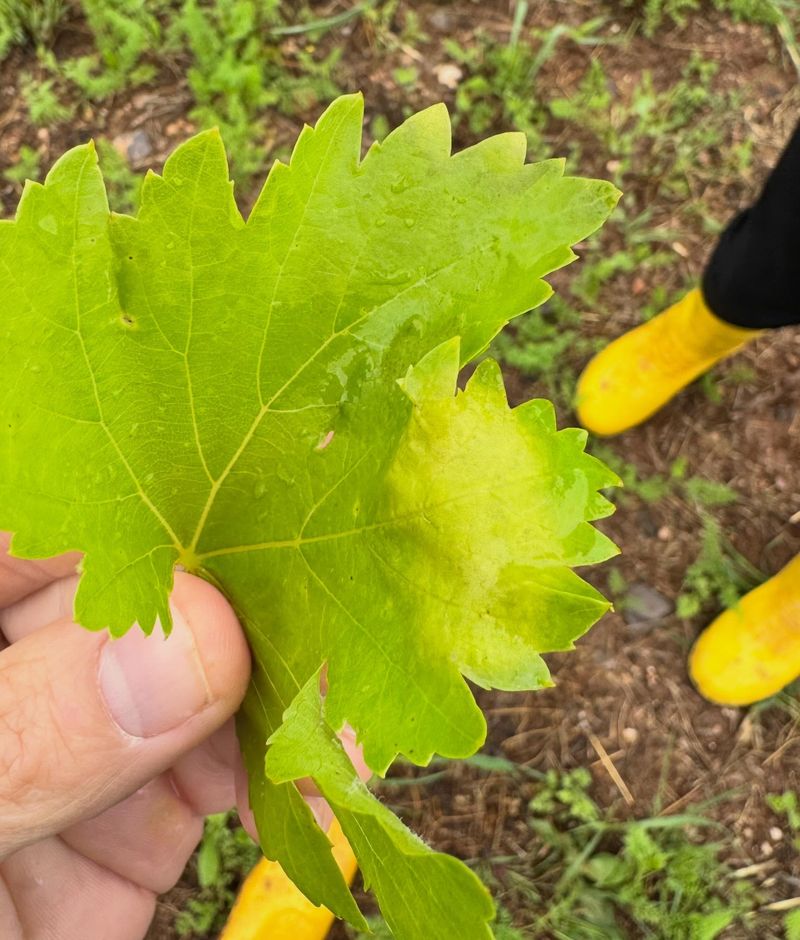
Before your vine settles into its winter rest, September offers a perfect chance to play detective. A careful inspection now can catch small issues before they grow into bigger headaches.
Walk along your vine and study the leaves closely. Look for spots, yellowing patches, powdery coatings, or unusual discoloration. These signs often point to fungal troubles that thrive in humid Carolina weather.
Do not forget the fruit and stems either. Check for rot, mushy areas, or strange growths that seem out of place. Spotting these clues early helps you decide what care your vine might need.
If you find affected leaves or fruit, remove them and take them away from the garden. Getting rid of infected material lowers the chance that spores linger and cause more trouble next season.
Keeping a simple garden journal makes this even easier. Write down what you notice each year, and over time you will spot patterns that help you stay ahead of problems.
Healthy vines usually shrug off minor issues, but knowing what is happening gives you peace of mind. An inspection takes only a few minutes and teaches you a lot about your plant.
Catching trouble early also means you can plan better treatments for the following year, whether that involves airflow, spacing, or gentle care. Muscadines reward attentive gardeners with sweeter harvests.
By checking your vine before dormancy, you protect its long-term health and enter the next season feeling confident and prepared for whatever weather comes your way.
5. Keep The Root Zone Moist But Not Waterlogged
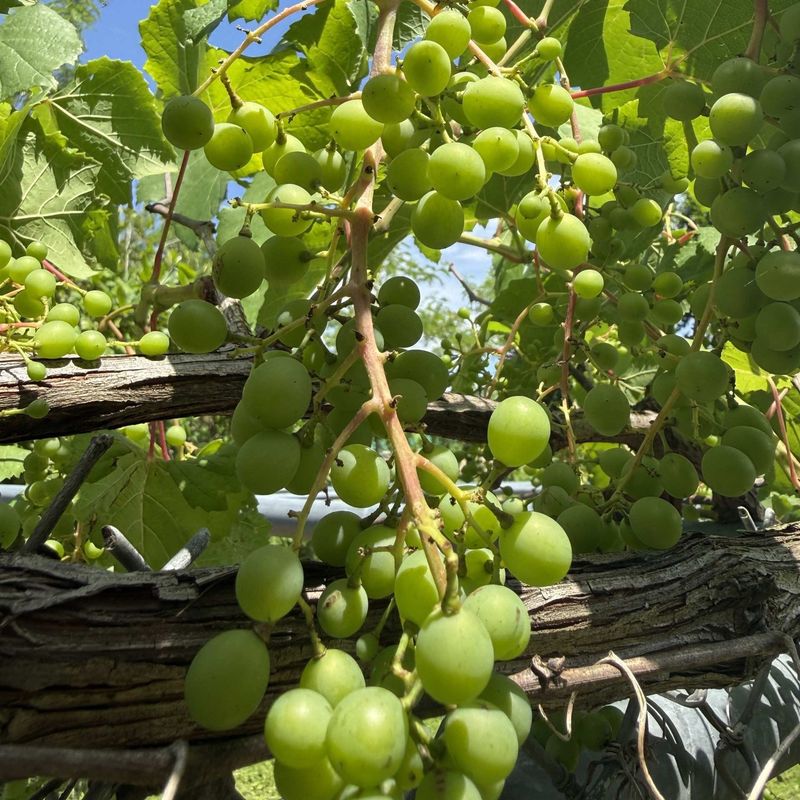
Muscadines have a reputation for toughness, handling heat and dry spells better than many other grapes. Even so, they still appreciate steady moisture during fruiting and after harvest.
When the vine finishes producing grapes, it uses water to recover and store energy. Giving the roots a reliable drink helps that recovery go smoothly and keeps the plant vigorous heading into fall.
The trick is balance. You want the soil to feel moist, not soggy. Constantly wet ground can suffocate roots and invite rot, which is the opposite of what you want.
Check the soil by pushing a finger a few inches down. If it feels dry, water deeply so moisture reaches the roots. If it still feels damp, wait a day or two before watering again.
Deep, occasional watering beats frequent light sprinkles. It encourages roots to grow downward and stay strong, which helps the vine handle future dry spells with ease.
Adding a layer of mulch around the base can help too. Mulch holds moisture in the soil, keeps roots cool, and reduces how often you need to water.
Pay attention to rainfall as well. After a heavy Carolina storm, your vine may not need any extra water for a while, so let nature do the work.
By keeping the root zone comfortably moist through September, you support healthy recovery without drowning the plant. This gentle balance keeps your muscadine strong and ready to thrive once the growing season begins fresh next spring.
6. Clean Up Fallen Leaves And Fruit Debris
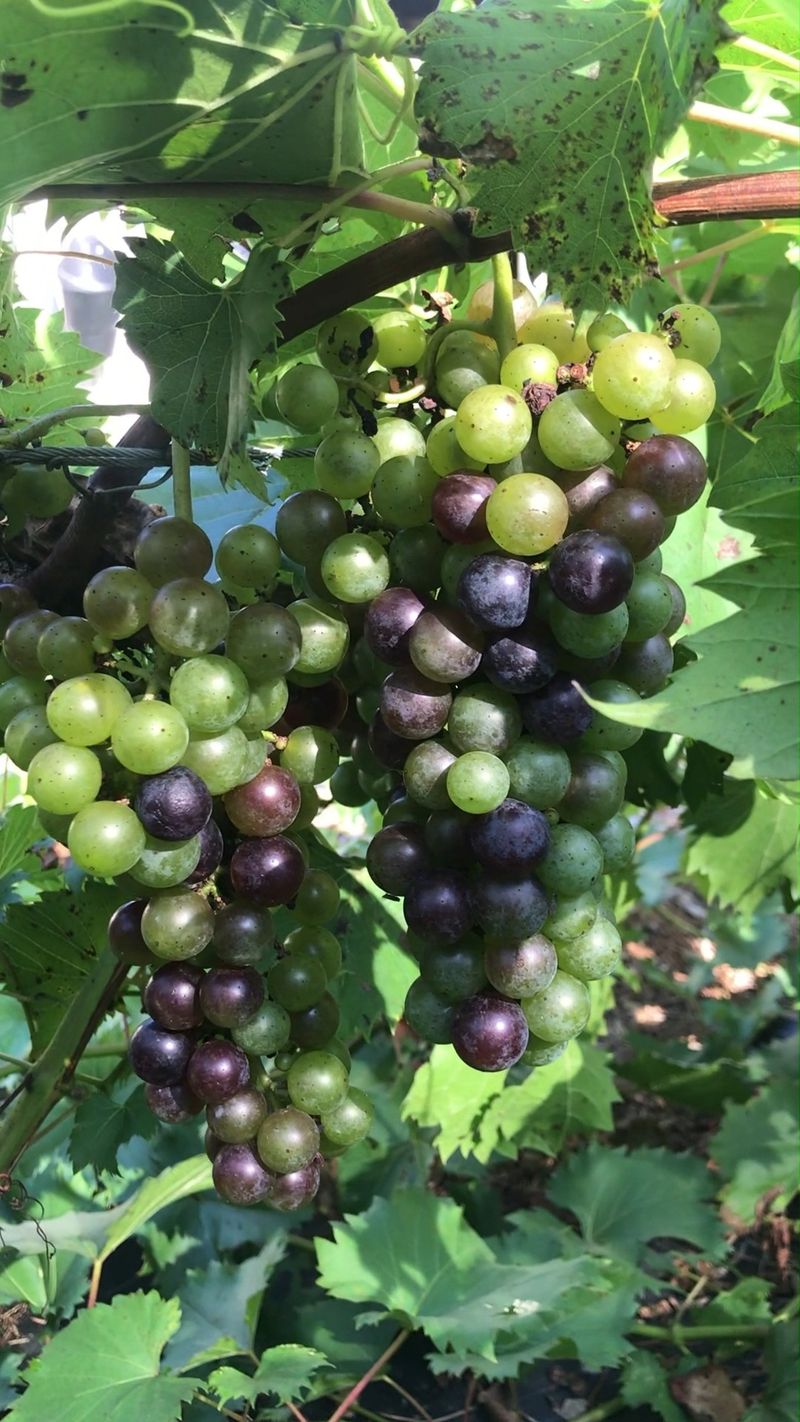
The ground beneath your vine can quietly collect a mess of dropped leaves, old grapes, and bits of plant material. That pile might look harmless, but it can hide unwelcome guests.
Fallen debris gives certain pests and fungal spores a cozy place to spend the winter. When spring arrives, they wake up and head straight back to your vine, ready to cause fresh problems.
Clearing this material away breaks that cycle. Rake up leaves, scoop out fallen fruit, and toss out any twigs or clutter around the base of the plant.
Move the debris far from your vine or bag it up entirely. Leaving it in a nearby pile can invite the same troubles right back, so distance really helps.
Good garden sanitation is one of the easiest ways to protect plants without any sprays. A tidy area simply gives pests fewer places to hide and multiply.
This cleanup also makes future watering and inspections much simpler. When the ground is clear, you can spot problems faster and care for your vine with less guesswork.
Try to make debris removal a regular fall habit rather than a one-time chore. A quick sweep every week or two keeps things neat and manageable.
Your muscadine will thank you with healthier growth and fewer surprises. By keeping the area clean before September ends, you reduce overwintering hideouts and set the stage for a fresher, stronger vine.
Small efforts like this add up to big rewards over many seasons.
7. Protect The Vine’s Long-Term Structure
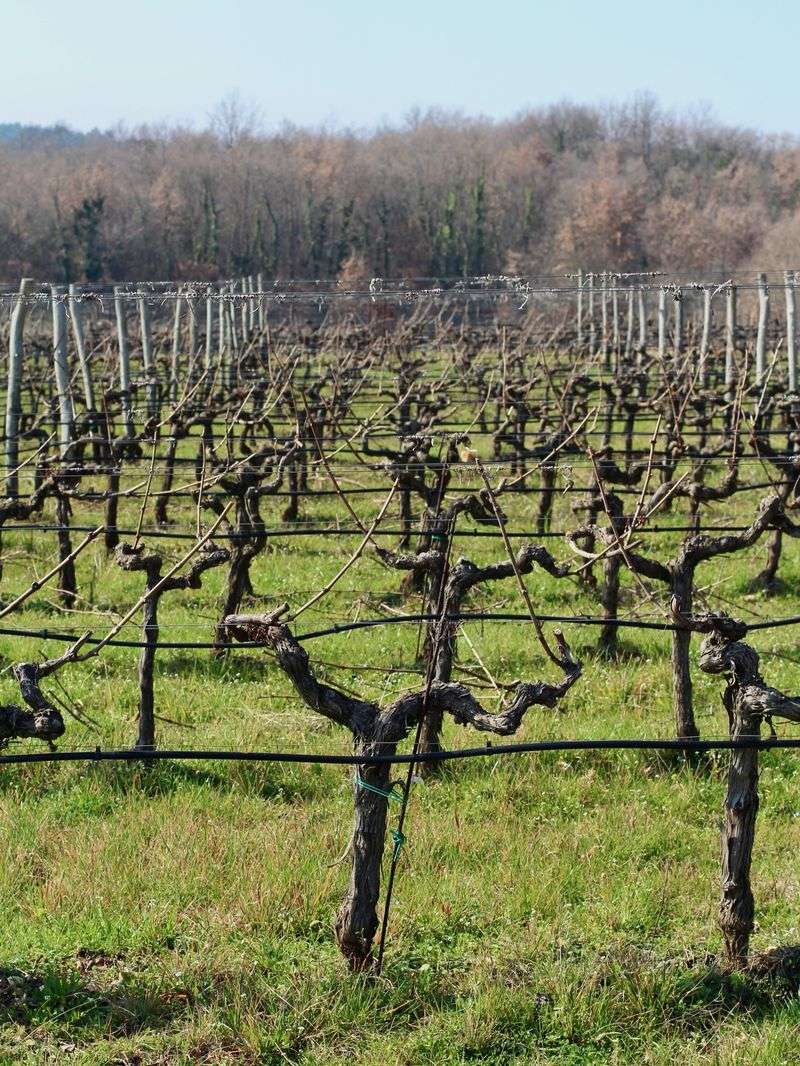
Every muscadine vine has a framework of trunk, arms, and fruiting wood that carries its future harvests. September care should focus on keeping that structure strong rather than pushing brand-new growth.
Fresh shoots this late in the season have little time to mature before cooler weather. Instead of chasing new growth, aim to support the healthy parts already in place.
Keep the leaves in good shape, since they feed the plant and help it store energy. Healthy foliage now means a well-fueled vine that rests strong through the colder months.
Pay attention to the roots too. Steady moisture and clean soil help the underground system stay vigorous, which supports everything above ground.
Take a moment to check your trellis and supports. Make sure the arms are secure and the vine is held firmly, so nothing sags or breaks under weight or weather.
Avoid heavy feeding this late in the season. Too much fertilizer can spark tender growth that struggles when temperatures fall, so hold off until the proper time.
Think of your role right now as a caretaker protecting what already works. You are guarding the vine’s foundation so it can bounce back beautifully next year.
By focusing on strong leaves, solid roots, and sturdy fruiting wood, you set the stage for a productive future. This steady, patient approach keeps your muscadine balanced and reliable.
A well-protected structure today becomes a generous, grape-filled vine when the warm season rolls around again.
8. Prepare For Winter Without Rushing
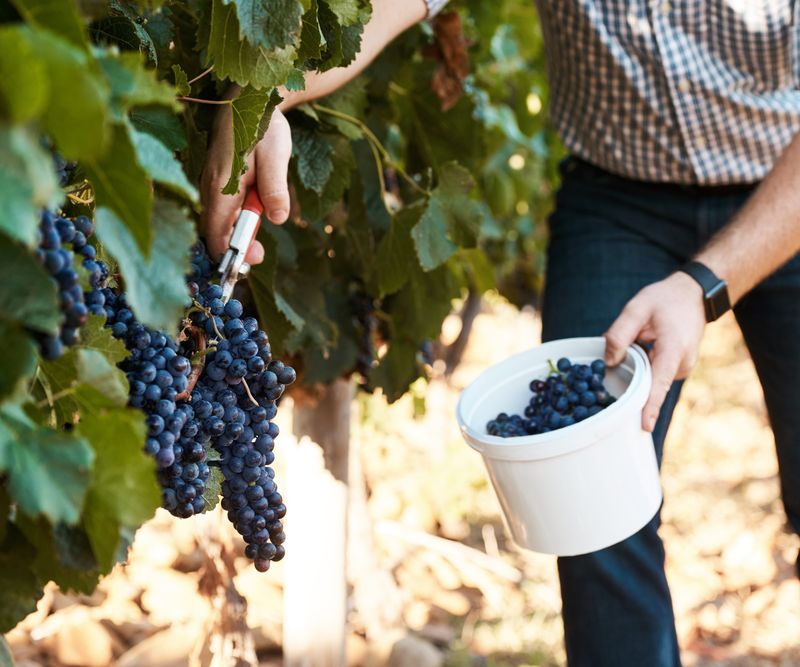
As September winds down, the urge to do everything at once can be strong. Slow and steady wins here, because muscadines respond best to gentle, well-timed care.
Start by keeping your soil healthy. A little mulch, steady moisture, and clean ground give the vine everything it needs to settle comfortably into fall.
Weeds are worth watching too. Pulling them now keeps them from stealing water and nutrients your vine still needs during its recovery period.
Hold off on major pruning and training, no matter how tidy you want things to look. The right moment for that big work comes later, during winter dormancy.
Rushing to reshape the vine now can remove stored energy and encourage tender shoots. Waiting for the proper season protects your plant and makes the job easier when it counts.
Use these fall weeks to observe and plan instead. Notice where the vine grew wild, sketch out ideas, and get your tools ready for winter.
Think of this stretch as a calm handoff between seasons. Your muscadine is slowing down naturally, and your gentle support helps it rest well.
Good soil, tidy surroundings, and patience form the perfect recipe for a smooth transition. There is no need to hurry any single step.
By caring for your vine thoughtfully before September ends, you honor its natural rhythm and set it up for success. When the warm days return, your well-rested muscadine will reward your patience with lush leaves and sweet, plentiful grapes once more.