What Happens When A Warm November In North Carolina Fools Your Plants Into Blooming
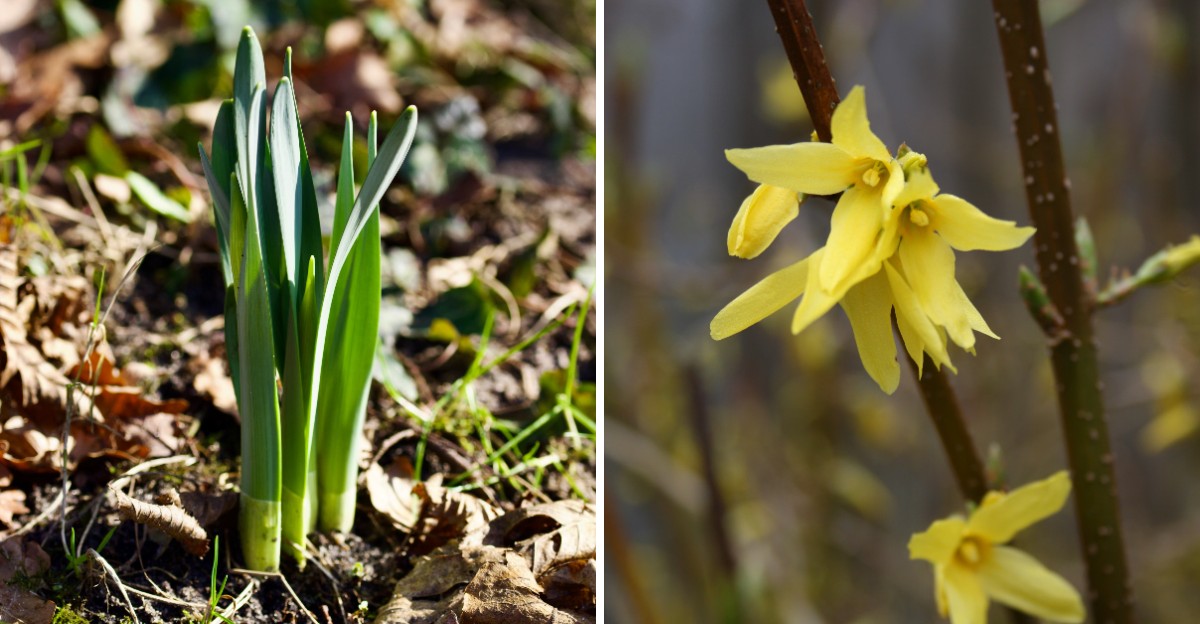
A warm week in November feels like a gift, but plants read it as a signal. Azaleas open a few flowers, and forsythia sends out yellow blooms in the wrong month. Bulbs poke up early, and a few trees swell their buds.
It all looks lovely, and many North Carolina gardeners just enjoy it. The trouble comes next. When cold returns, which it always does, those early arrivals face the weather unprepared.
What happens afterward depends on the plant, and on what it was preparing for next spring. Some come through fine. Others lose the flowers they were saving.
A few simple steps protect the plants that matter most, and knowing which ones need help makes a warm spell less worrying.
1. Some Spring Bloomers May Open A Few Flowers
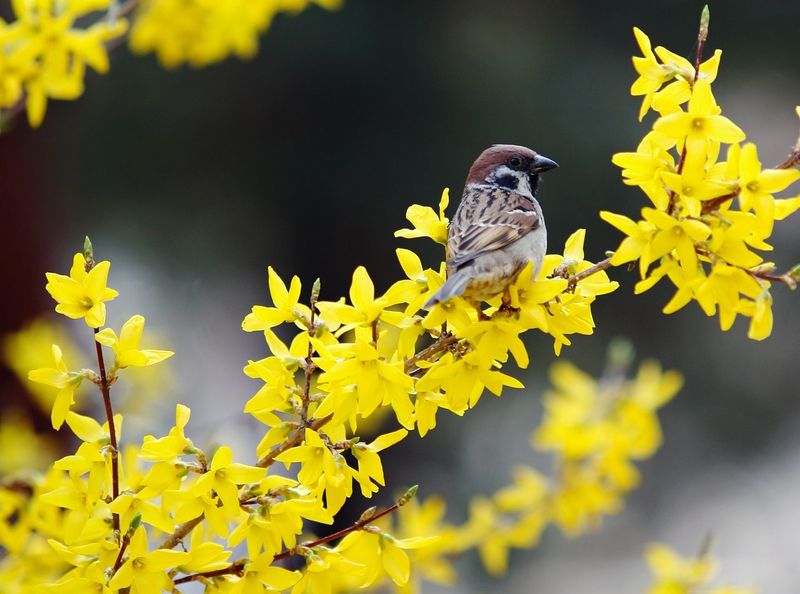
Forsythia blooming in November can stop you in your tracks. One sunny afternoon you see a few golden flowers on a bush that should be resting, and it feels like the calendar flipped backward. Your plant is not confused in a harmful way, though.
It is simply responding to the weather. Shrubs like forsythia, flowering quince, azaleas, and some fruit trees build next year’s flower buds during summer and fall.
Those buds sit on the branches all winter, waiting for the right signal to open. Normally, they need a long stretch of cold first, followed by warming days in spring.
A run of unusually warm days can fool a few of those buds. Stress makes it even more likely. When a plant goes through a dry summer and then gets a burst of rain and warmth, some buds may break early, almost as if the plant thinks a new season has started.
The good news is that most shrubs only open a scattered handful of flowers. You might see five or ten blooms on a forsythia, or a single cluster of pink on a quince. The large majority of buds stay tightly closed and dormant, saving their energy for spring.
North Carolina gardeners see this more often than people in many other places. Our Novembers bounce around a lot, with chilly mornings one week and days in the 70s the next.
Those warm gaps between cold fronts are exactly what triggers these surprise flowers. So when you spot a few blooms, take a photo and enjoy them. Keep an eye on the forecast, since cold air usually returns soon, and the flowers may brown quickly once it does.
2. Know Which Fall Blooms Are Normal
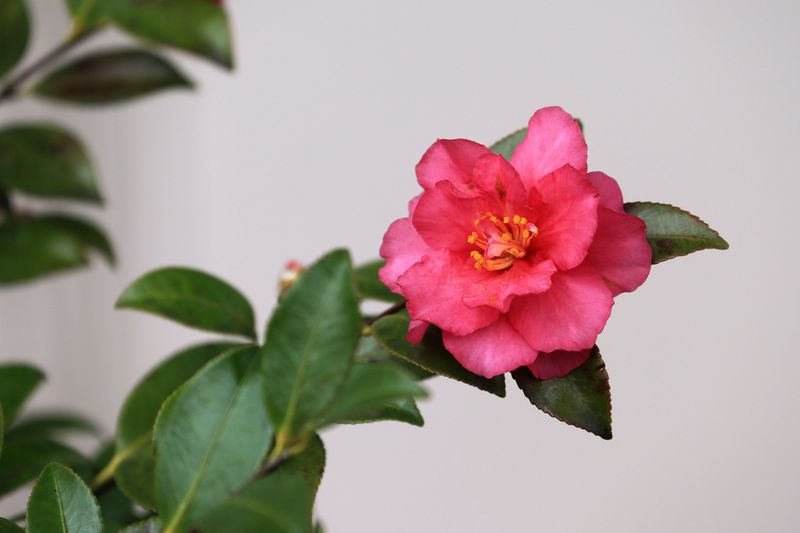
Not every flower in November is a surprise. Some plants have been waiting all year for this exact moment, and their blooms are right on schedule. Before you start worrying, it helps to know who belongs in the fall flower club.
Sasanqua camellias are a perfect example. These glossy evergreen shrubs fill Southern yards with pink, white, and red flowers from fall into early winter.
Their cousins, the Japanese camellias, often follow later in winter, so a camellia in bloom is usually doing exactly what it should.
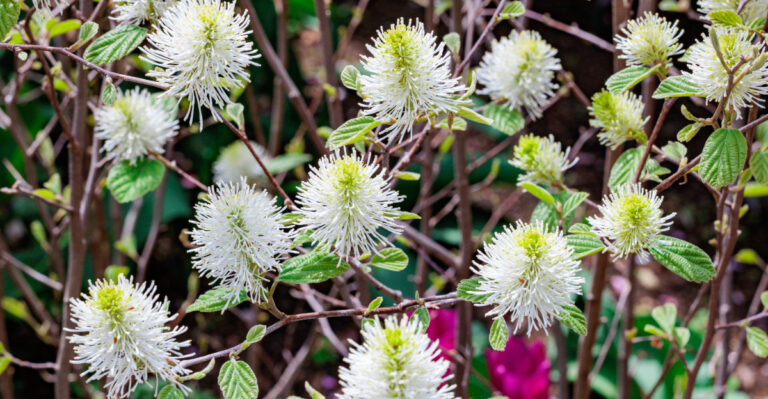
Witch hazel is another normal fall bloomer. Our native witch hazel opens spidery yellow flowers in fall, sometimes after its leaves have dropped. Fall-blooming crocus can also pop up in lavender shades, surprising people who only know the spring kind.
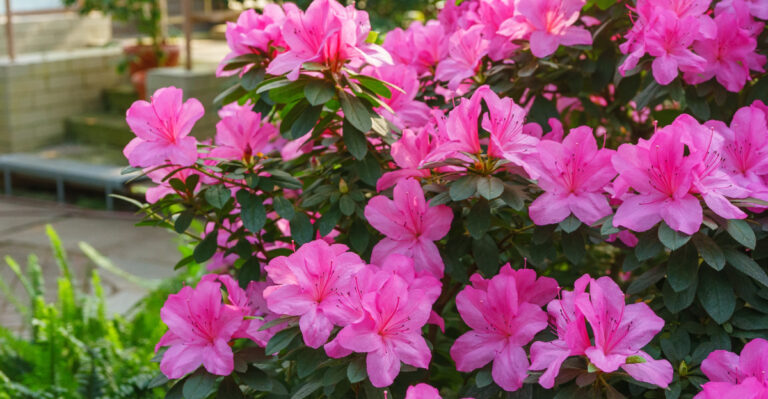
Reblooming azaleas belong on this list too. Encore azaleas and similar types are bred to flower in spring and again in late summer and fall. Seeing flowers on them in November is part of their charm, not a warning sign.
A quick check can save you a lot of worry. Look at your plant tag, search the plant name online, or ask at a local garden center or your county Extension office. If the plant is a known fall bloomer, you can relax and simply enjoy the color.
North Carolina landscapes are packed with these cool-season stars. Camellias, witch hazels, and reblooming azaleas are popular across the Piedmont and coast because they brighten the quieter months.
Learning their habits helps you spot the real surprises, like that forsythia or quince, and appreciate the plants that bring planned color when most of the garden is taking a break.
3. Early Blooms May Mean Slightly Fewer Spring Flowers
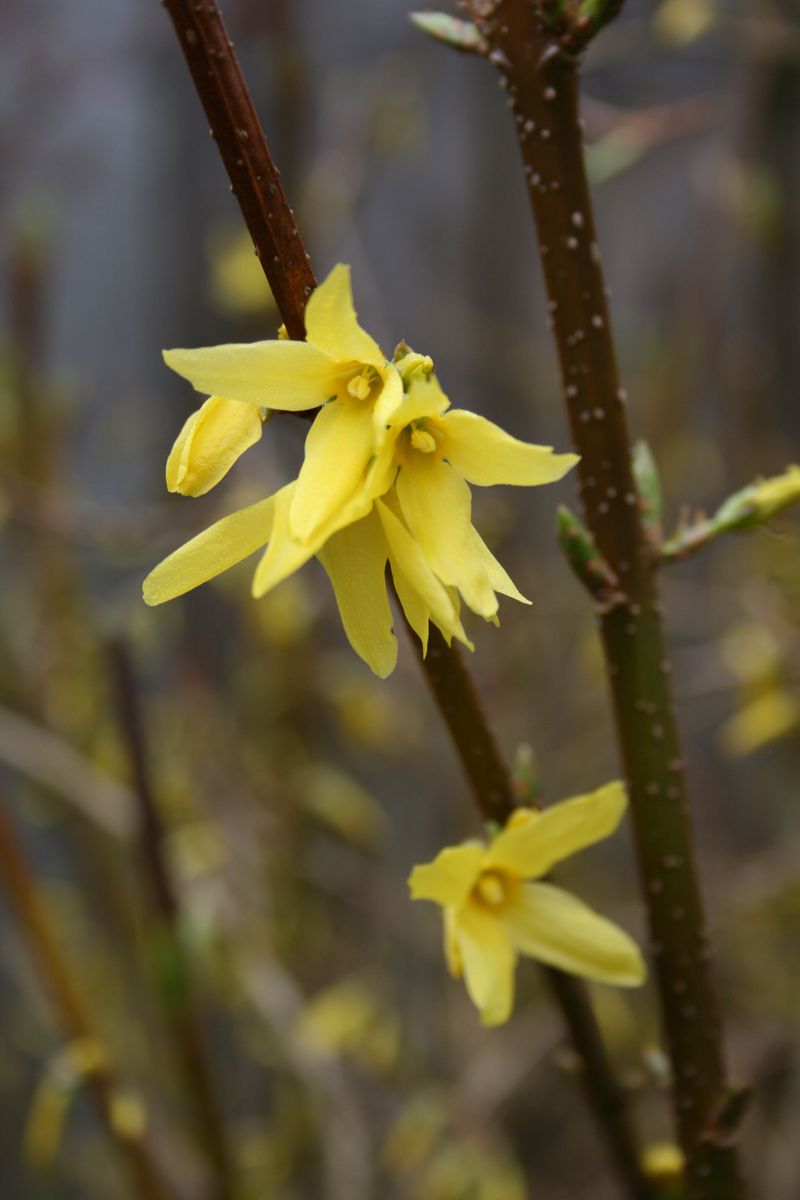
Think of each flower bud as a ticket to the spring show. Once a bud opens in November, that ticket is used up. It will not open again when April rolls around.
That simple fact explains why early blooms can trim next year’s display a little. A forsythia that pushes out a handful of flowers during a warm spell has used a tiny share of its buds.
In most cases, you will never notice the difference in spring, because the shrub still has hundreds or even thousands of buds waiting.
Things change only when a plant opens a large share of its buds. If an azalea or quince looks almost fully dressed in flowers during fall, the spring show may be thinner than usual. Even then, the plant itself stays healthy and will set fresh buds again next year.
So what should you do? Mostly, enjoy the moment. A few surprise flowers are a sweet bonus on a gray day, and you cannot push them back into their buds anyway.
Cutting a few stems for indoors is a fun way to get more from them. Snip short pieces of flowering quince or forsythia, place them in a vase of water, and set them on a bright windowsill.
Unopened buds on those stems may even open inside, giving you a small preview of spring. North Carolina gardeners count on azaleas and forsythia to announce spring each year, so it is natural to feel protective.
Take heart, though. A scattered fall bloom is a small trade, and your shrubs will still put on a cheerful show when warm weather returns for good.
4. Tender New Growth Is At Risk When Cold Returns
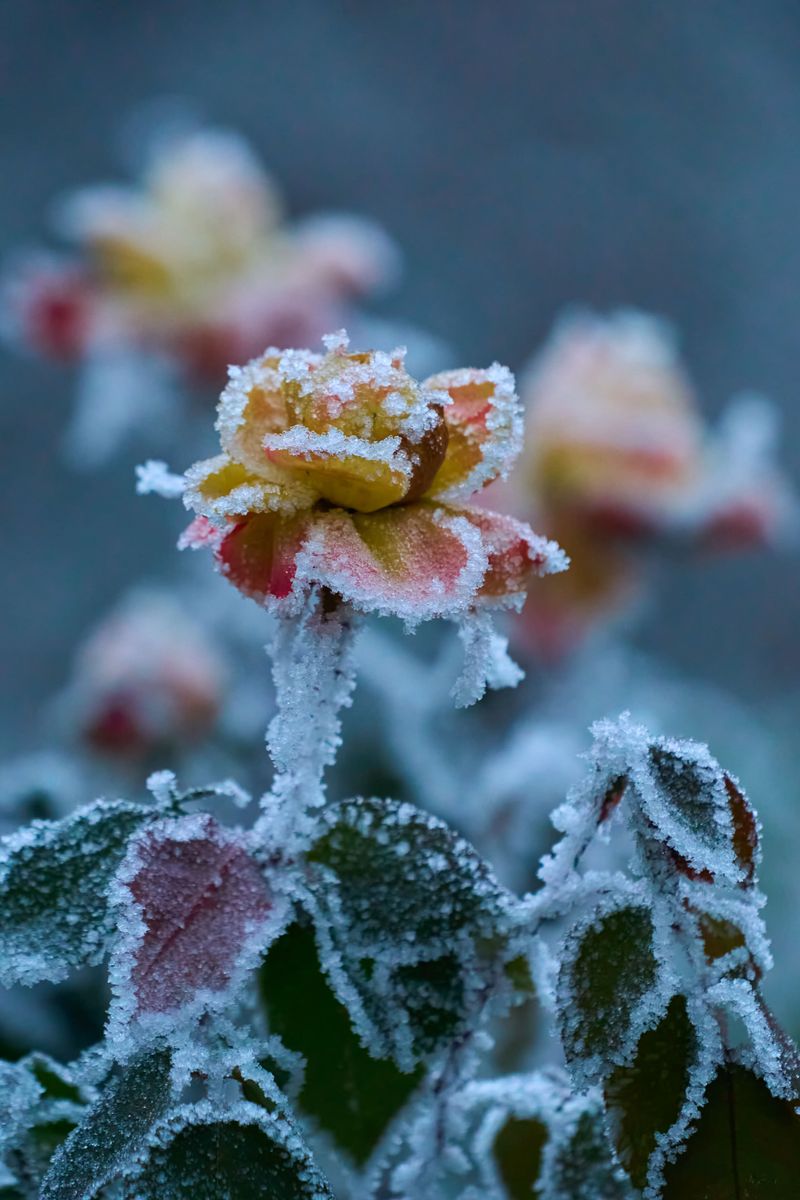
Flowers are not the only thing a warm spell can wake up. Some plants also send out soft new leaves or fresh green shoots, especially roses, hydrangeas, and certain evergreens. That growth looks lovely, but it is tender and full of water.
Trouble shows up when freezing air returns. Tender shoots have not had time to harden, so ice crystals can damage their cells. The next morning, those leaves may look limp, and a few days later they often turn brown or black at the tips.
Here is the comforting part. Browned new growth usually does not harm the plant as a whole. The older stems and roots are much tougher, and the shrub will grow fresh leaves in spring.
You can still lend a hand on nights with a hard freeze in the forecast. Drape frost cloth, old bedsheets, or lightweight blankets over small shrubs in the late afternoon. Let the cover reach the ground so it traps warmth rising from the soil.
Skip plastic if you can, because it touches the leaves and can make cold damage worse. Use bricks or rocks to hold your covers in place on windy nights.
Then remove them in the morning once temperatures climb above freezing, so plants get sunlight and air. North Carolina weather loves a quick turnaround.
A sunny 72 degree Tuesday can easily give way to a 25 degree Friday night when a cold front sweeps through.
Keeping a stack of old sheets by the back door makes it easy to act fast, and a little browned growth afterward is just part of gardening in our changeable climate.
5. Hold Off On Pruning And Fertilizing
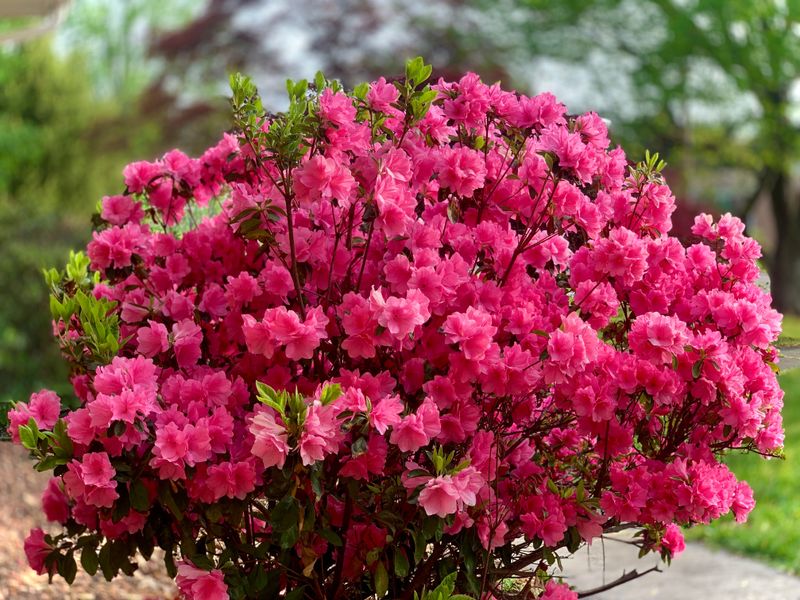
Your hands might itch to tidy up the garden on a warm November weekend. Sunshine, mild air, and a few untidy shrubs make it tempting to grab the pruners and a bag of fertilizer. Hold that thought for a few months.
Pruning and fertilizing both tell a plant to grow. Cutting branches wakes up buds below the cut, and fertilizer gives roots a boost of food. When warm weather is already nudging plants into action, those chores add even more push at the wrong time.
New shoots that pop up now will not have time to toughen before winter. As a result, they become easy targets for the next hard freeze. Your plant then spends energy replacing damaged growth instead of resting.
A simple plan keeps things on track. Skip fertilizer for shrubs and perennials until spring, when plants can use it well. Lawns and cool-season vegetables follow their own schedules, so check those separately.
Spring-flowering shrubs like azaleas, forsythia, and quince need special care with pruning. Their flower buds are already on the branches, so cutting now removes next spring’s blooms. Wait until right after they finish flowering, then shape them as needed.
Fall pruning can still be useful in small doses. Go ahead and remove broken, diseased, or lifeless branches, since those cuts help the plant stay healthy. Leave the bigger shaping jobs for later.
North Carolina’s mild falls can keep plants growing much longer than gardeners expect. Some years, shrubs barely slow down until December. Being patient with pruners and fertilizer gives your plants a calmer, safer path into winter.
6. Early Bulb Leaves Are Usually Nothing To Worry About
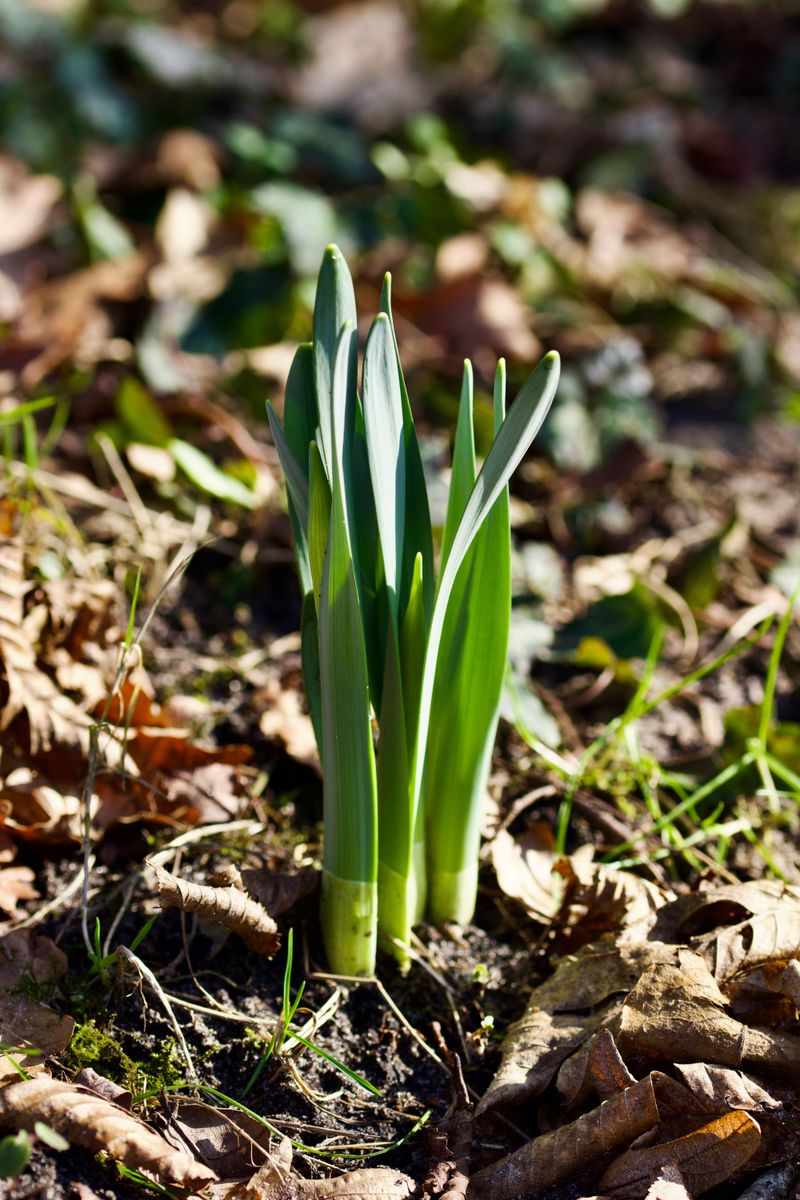
Green spikes in a bulb bed during November can make any gardener nervous. Did the daffodils get mixed up? Will they still flower in spring? Relax, because bulbs are much tougher than they look.
Daffodils, grape hyacinths, and a few other spring bulbs sometimes push leaves above ground during warm spells.
Their leaves are built for cold weather, so frost and even light snow rarely bother them much. At worst, you may see a little yellowing or browning on the leaf tips.
Meanwhile, the flower buds usually stay safely underground. They wait in the soil until days lengthen and temperatures rise in late winter. That means early leaves almost never cost you spring flowers.
Grape hyacinths are especially well known for this habit. They normally send up leaves in fall, so seeing their grassy foliage now is completely expected. Daffodil foliage also tends to appear early during mild winters across North Carolina.
Your best move is simple: leave the leaves alone. Resist the urge to trim them, even if a few tips look ragged. Bulb leaves gather sunlight and make food, which the bulb stores for future flowers.
A light layer of mulch can help if you like. Spread shredded leaves or pine straw around the bulbs to keep soil temperatures more even. Avoid piling it thickly on top of the foliage itself.
Early green shoots can actually be a nice sight on a chilly day. They remind you that spring is already in the works below ground. By the time March rolls in, those patient bulbs will likely be ready to brighten your yard right on schedule.
7. Help Plants Stay Steady Through Temperature Swings

Roots are the quiet heroes of every garden. While flowers and leaves get the attention, roots keep plants steady when the weather jumps from warm to freezing and back again. Giving them a little support goes a long way.
Mulch acts like a cozy blanket for the soil. It slows down sudden temperature changes, holds in moisture, and keeps roots from getting shocked by cold snaps.
Aim for 2 to 3 inches around shrubs and perennials, using pine straw, shredded bark, or chopped leaves.
Keep the mulch a few inches away from trunks and stems, though. Mulch piled against bark can hold too much moisture and invite pests. A flat, even layer works best.
Water matters just as much. Moist soil holds heat better than dry soil, so well-watered plants handle freezes with less stress. During dry spells, water deeply once a week when the ground is not frozen, soaking the root zone instead of sprinkling the surface.
Watch the forecast for hard freezes. If the soil is dry and a cold night is coming, give plants a good drink a day or two before. Watering earlier in the day lets the moisture soak in before temperatures drop.
Be sure to follow any local watering rules, since some towns limit outdoor watering during drought. A soaker hose or watering can makes it easier to use water wisely.
Many North Carolina gardens faced dry conditions this year, and plenty of shrubs are already tired. Steady moisture and a good layer of mulch help them bounce back, ride out wild temperature swings, and greet spring strong.