The Ohio Plants Worth Cutting Down Now (And The Ones Worth Leaving Until Spring)
That garden looks done for the year. Brown stems, collapsed leaves, everything past its prime.
The instinct is to cut it all back at once and call the season closed. Resist that instinct on some of it.
A handful of plants actually want cutting down now, cleared away before they turn into a mess or invite problems over winter.
Others do better left standing exactly as they are, offering shelter for beneficial insects or protection for the plant’s own roots through the cold months ahead.
Treating the whole garden the same way misses that it doesn’t have one set of needs. Ohio’s growing season is winding down fast, and what gets left standing versus cleared away now shapes how the yard looks once spring shows up again.
1. Cut Peonies After Foliage Starts Fading
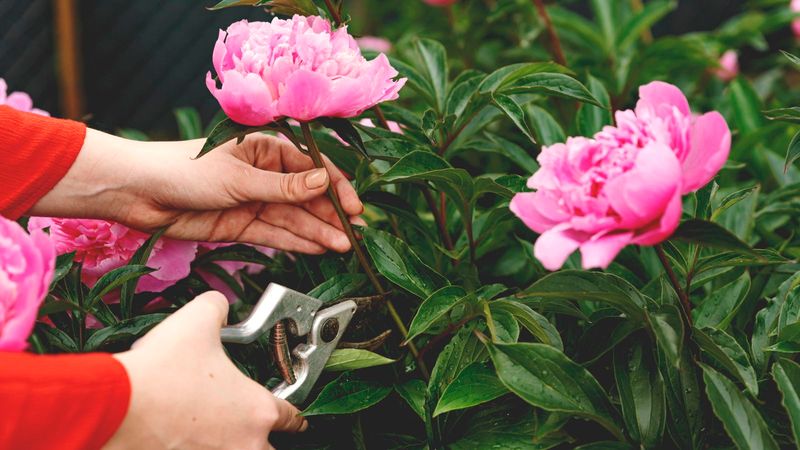
Peonies put on a spectacular May show, then spend the rest of the year quietly working. Those big green leaves are basically solar panels, gathering energy that gets stored in the roots for next spring.
Right after the flowers fade, you can snip spent blooms back to the first strong leaf. That keeps things tidy and stops the plant from pouring energy into seed making.
The full cutback waits until late fall, after a hard frost turns the foliage yellow or brown. At that point, trim the whole herbaceous plant down to about one or two inches above the soil line.
Cutting too early is where gardeners get into trouble. Removing healthy green leaves in August interrupts photosynthesis and can leave you with fewer blooms the following year.
Rake up every scrap of old peony debris while you are at it. Fungal spores love to hide in leftover leaves and wait patiently for spring rains.
One important exception: tree peonies are woody shrubs, not perennials. Leave their stems standing and only shape them lightly in early spring, removing spent flowers or damaged wood.
Sharp, clean tools make the job faster and gentler on the crown. Your future self, standing in front of fat pink blooms next May, will thank you.
2. Remove Diseased Bee Balm Before Winter
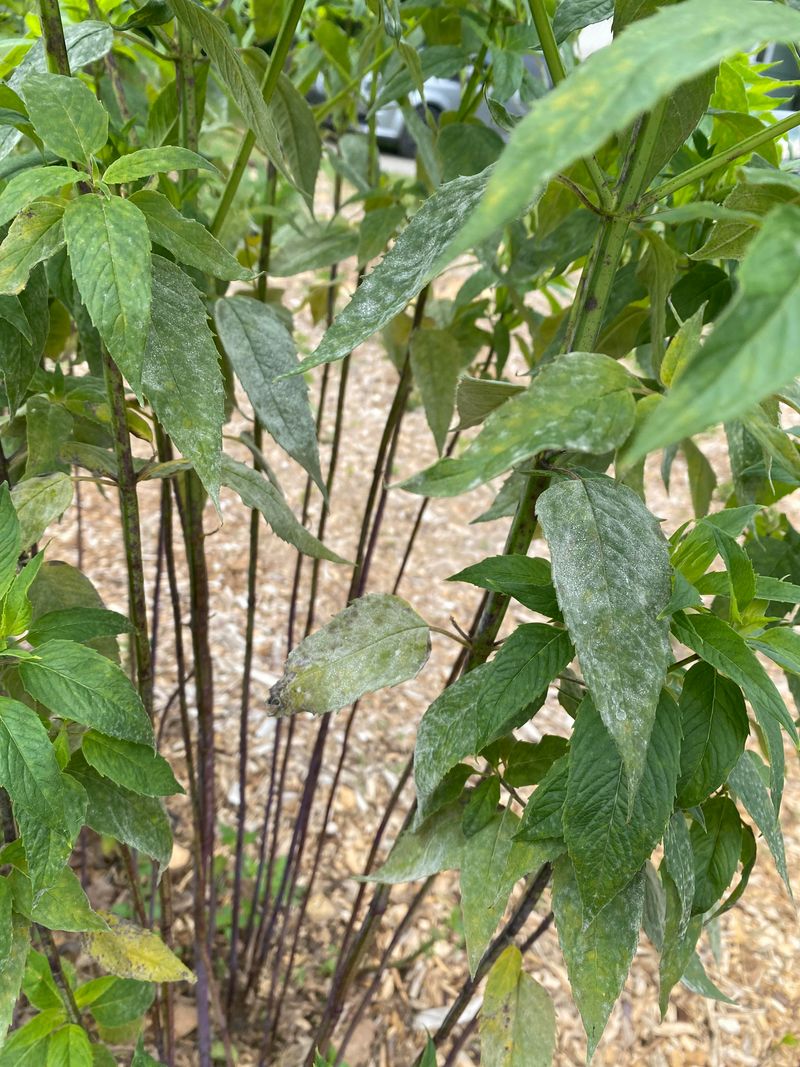
Bee balm is a hummingbird magnet with a bit of a skin problem. Powdery mildew loves its leaves, especially during muggy Ohio summers when the air feels like soup.
If your patch turned dusty white or gray this season, fall cleanup is the smart move. Cutting those affected stems back keeps the fungus from overwintering in the plant debris and jumping onto fresh growth next year.
Where that material goes matters just as much as removing it. Toss diseased stems in the trash or yard waste bin instead of the compost pile, since home compost rarely heats up enough to handle the spores.
While you are working, thin out crowded clumps a bit. Better airflow between plants means leaves dry faster after rain, and fungal problems have a harder time getting started.
Healthy, mildew-free bee balm is a different story. Those seed heads feed finches and sparrows, and the hollow stems shelter small insects through the cold stretch.
Your Ohio Garden Changes Every Week. Your Plan Should Too.
Gardening in Ohio changes quickly throughout the season. Every Friday you’ll receive a simple weekly plan showing exactly what to plant, prune, fertilize, harvest, and protect so you never miss the right timing.
So make the call based on what you actually see in your beds. A clean patch can stay standing for winter interest and wildlife value.
Come spring, divide older clumps every few years to keep the centers from getting woody. Fresh divisions tend to fight off mildew far better.
3. Trim Daylilies After Their Leaves Decline
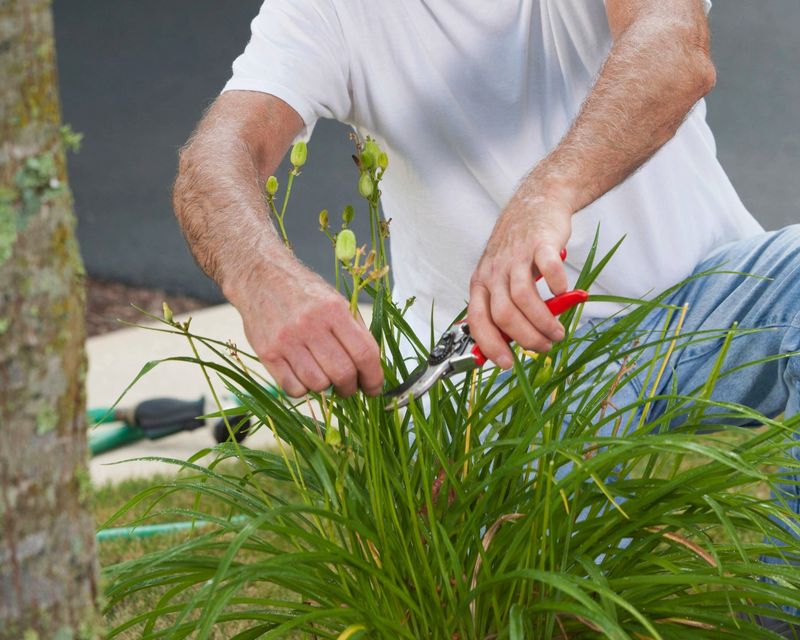
Daylilies are the workhorses of Ohio roadsides and front yards, and honestly, they ask for very little. Trimming them in fall is more about your comfort than their survival.
The main reason to tidy them up is to clear away soggy, collapsing foliage. Matted leaves make a nice hiding spot for slugs and other pests looking for a winter apartment.
Timing is simple enough. Wait until after the first hard frost, when the leaves have browned and flopped, then cut the clump back to roughly three or four inches above the ground.
Give the crown some space when you cut. That is where next spring’s shoots come from, and a careless snip there sets the plant back.
During the growing season, just pinch off spent blooms as they shrivel. Trimming keeps the display looking fresh without any real effort.
Noticed brown streaks running down the center of the leaves? That is leaf streak fungus, and those plants should be cut right to the soil surface with all debris hauled away.
If your daylilies look perfectly healthy, feel free to skip the chore entirely. Let the foliage stand, then rake it off in early spring before the new green spears push up.
4. Leave Coneflowers For Hungry Winter Birds
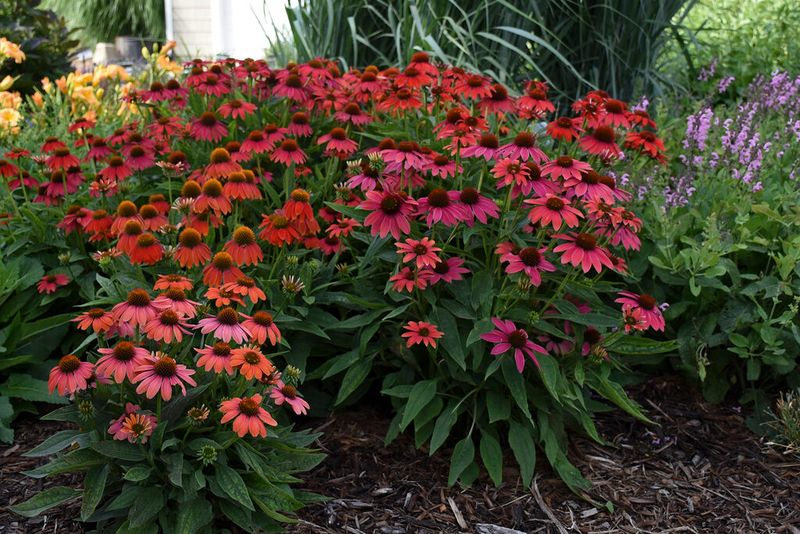
Picture a goldfinch balancing on a frosted coneflower cone, tugging out seeds while snow drifts past. That little scene is the whole argument for leaving these plants alone.
Purple coneflower seed heads hold food that sparrows, chickadees, and finches depend on when the ground is frozen. Natural pickings get thin in January, and your garden becomes a genuine pit stop.
The stiff brown stalks earn their keep visually, too. Dusted with frost or capped with snow, they give a winter bed structure instead of flat, empty mulch.
Hollow stems also serve as winter lodging for native bees and other helpful insects. Clear everything in October and you evict tenants you actually want in your yard.
You can still have a tidy-ish look. Trim the earliest blooms during summer to stretch the flowering season, then let the late flowers mature into seed heads for wildlife.
When spring rolls around, hold off a little longer than feels natural. Many gardeners wait until daytime temperatures stay above fifty degrees before cutting stalks down, giving insects time to emerge.
Coneflowers also self-sow generously if you leave the heads standing. Free seedlings in odd corners are a fair trade for skipping one fall chore.
5. Keep Ornamental Grasses Standing Through Snow
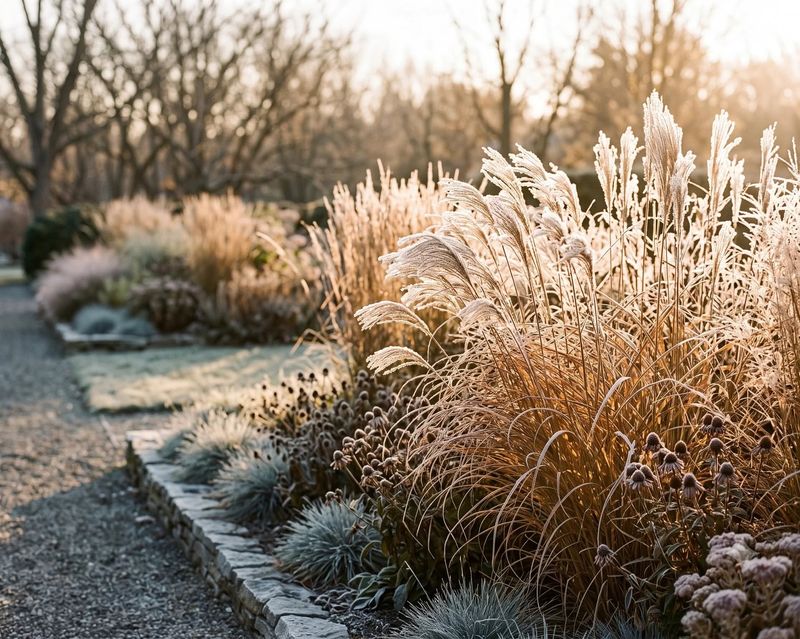
Few things look better in a February landscape than a clump of tan grass plumes catching low sunlight and swaying in the wind. Cutting them in October robs you of months of that.
Beyond looks, standing grass foliage does real work. The dense crown traps air and acts like a blanket, shielding roots from hard freezes and Ohio’s wild temperature swings.
Those leaves also shed rain and melting snow away from the center of the plant. A crown that stays drier is far less likely to rot during a soggy winter.
Wildlife notices, too. Juncos and sparrows duck into grass clumps during storms, and beneficial insects tuck into the dried blades.
Mark late winter on your calendar instead. February or March, right before new shoots appear, is the sweet spot for cutting warm-season grasses back to a few inches tall.
Cool-season types like feather reed grass follow the same late-winter schedule. Use hedge shears or even a serrated knife for thick, established clumps.
A few situations justify fall cutting. Heavy wet snow that flattens the clump, visible foliar disease, or wildfire-prone ground are all reasonable reasons to trim early.
Try tying the clump with twine before cutting. It keeps the debris bundled and saves a long cleanup.
6. Skip Fall Hydrangea Pruning Mistakes
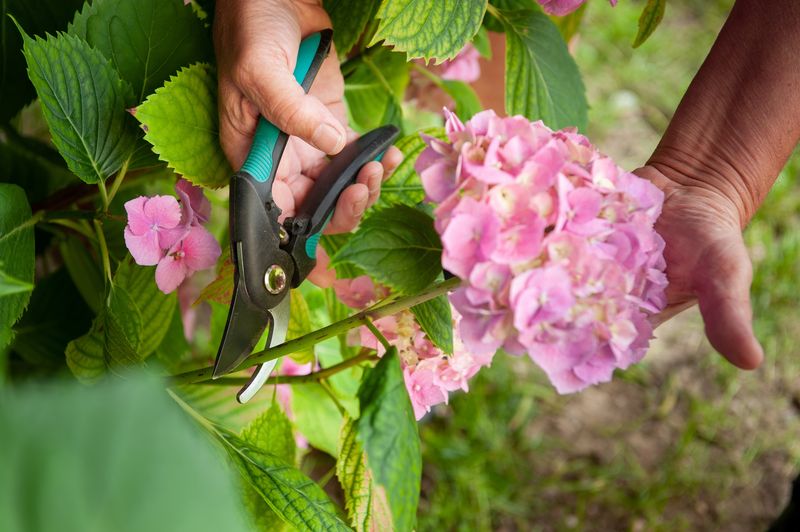
Here is the single most common reason Ohio gardeners end up with a leafy hydrangea and zero flowers: autumn pruning on the wrong type.
Bigleaf and oakleaf hydrangeas often form their flower buds on old wood before winter. Those buds are already sitting on the stems by the time you reach for the shears.
Snip those canes in October and you are cutting off next June’s blooms. The plant will leaf out beautifully and then just sit there, stubbornly green.
For old-wood types, prune right after flowers fade in late spring or early summer, ideally finishing by early July. That gives the shrub time to grow fresh wood and form buds.
Smooth hydrangeas like Annabelle and panicle types such as Limelight play by different rules. They bloom on new wood, so late winter or early spring pruning works well.
Fall trimming will not ruin these new-wood bloomers, though it may lead to thinner stems that flop under heavy flower heads.
Not sure what you have? Stick to removing spent blooms and any weak or damaged stems, and leave the rest alone.
Dried hydrangea heads also catch snow in a way that looks genuinely lovely from a kitchen window.
7. Protect Black Eyed Susans For Wildlife
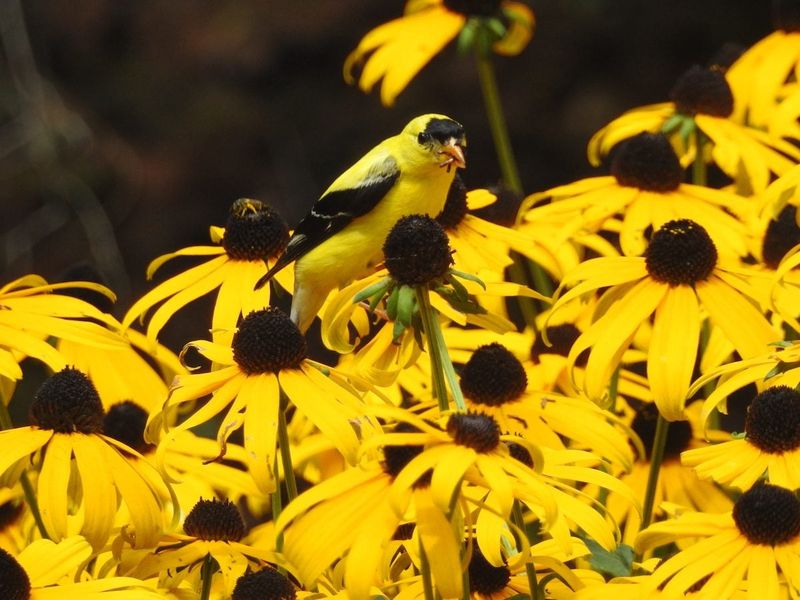
Those dark chocolate button centers left behind after the yellow petals drop are packed with seeds. Sparrows and finches treat them like a drive-through.
Black-eyed Susans are Ohio natives, which means local birds and insects already know exactly what to do with them. That relationship has been running for a very long time.
Hollow stalks and clustered foliage give small pollinators a place to hunker down when temperatures drop. Clearing the bed in fall removes that shelter right when it is needed.
Visually, the stiff stems and dark seed heads make great contrast against snow. A bed full of them reads as sculpted rather than neglected.
If tidiness nags at you, compromise. Leave a section near the back of the border standing and clean up the front edge along the walkway.
These plants reseed enthusiastically, so expect volunteers popping up in spring. Pull the ones you do not want or move them where you do.
Hold off on cutting until the weather warms consistently in spring. Insects tucked inside the stems need time to wake up and move out.
Then chop the old stalks and let the fresh rosettes take over. The cycle starts again without much help from you.
8. Let Native Seed Heads Feed Birds
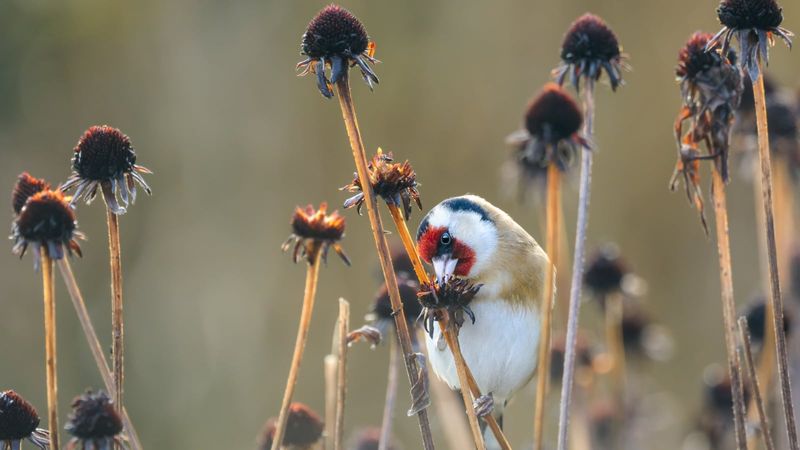
Think of your fall garden less as a mess to erase and more as a pantry to stock. Every seed head left standing is a meal waiting for a cold morning.
Asters, goldenrods, native grasses, coneflowers, and black-eyed Susans all hold seeds well into winter. Chickadees, juncos, and finches work through them steadily as other food sources disappear.
Hollow and pithy stems double as insect housing. Native bees, small wasps, and butterfly pupae overwinter in that material, then emerge to pollinate your garden in spring.
Shrubs contribute as well. Winterberry holly hangs onto bright red fruit long after leaves drop, and robins and cedar waxwings strip those branches during hard freezes.
A layer of leaf litter under the stems adds another habitat level. Plenty of moths and beneficial beetles spend winter tucked in there.
The visual payoff is real, too. Frost outlines every seed head, and low winter sun turns a dormant bed into something worth photographing.
Save the big cleanup for spring once warm days settle in. Waiting gives overwintering insects a fair chance to finish their cycle.
Fewer hours raking in November, more birds at the window in January. That trade works out nicely.
9. Wait On Spring Blooming Plants Until Later
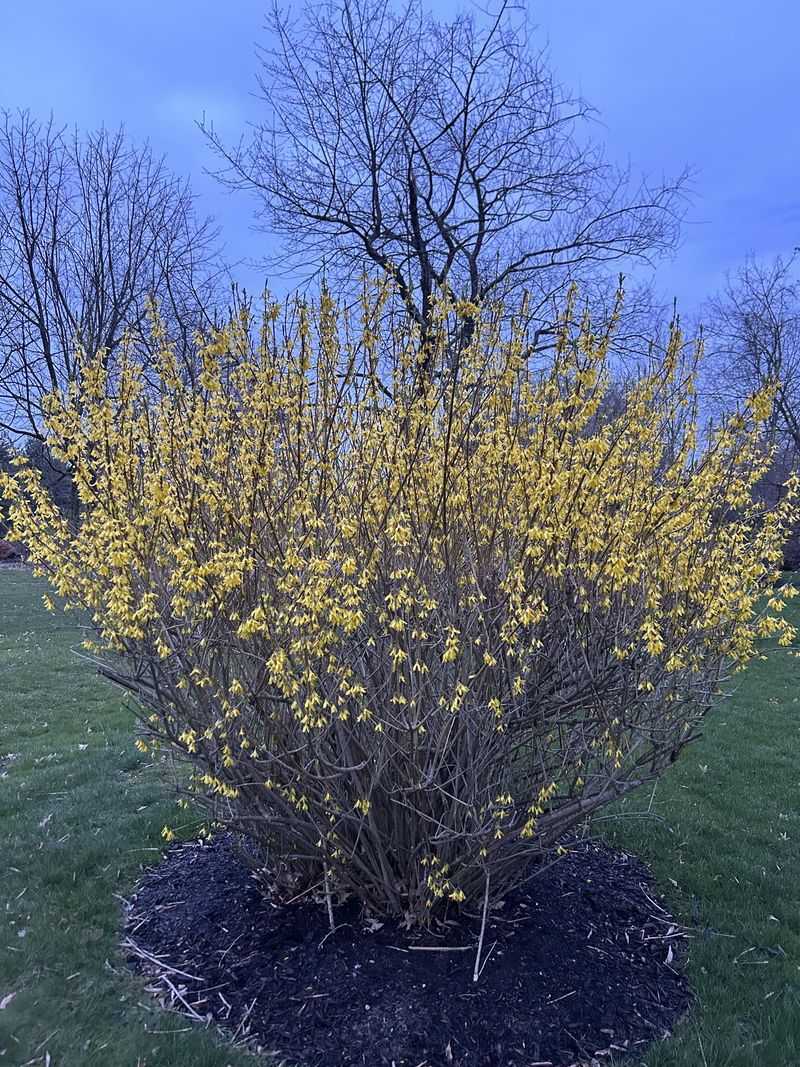
Lilacs, forsythia, azaleas, rhododendrons, and flowering quince share one trait that trips up well-meaning gardeners every autumn. Their flower buds for spring are already formed.
Those buds sit on last season’s growth, the old wood. Shearing these shrubs in fall, late summer, or even early spring means you are hauling next year’s flowers to the compost pile.
The window you want is right after the blooms fade in late spring or early summer. Prune then and the shrub has all season to grow new wood and set fresh buds.
A good rule of thumb: finish this kind of pruning by early July. After that, you start cutting into buds that have already begun forming.
Late-season pruning brings another risk. It can push tender new growth that has not hardened off before an Ohio cold snap arrives, leaving the shrub vulnerable.
If a branch is broken, rubbing, or clearly unhealthy, remove it whenever you spot it. Safety and plant health beat perfect timing every time.
Otherwise, put the loppers back in the shed and go enjoy the fall color. Those forsythia branches will pay you back in April with a wall of yellow.
Patience, in this case, is a legitimate gardening technique.