Why Some Michigan Yards Have Much Worse Yellowjacket Problems Than Others This Year
Not every Michigan yard deals with the same level of yellowjacket activity, and the difference often comes down to a handful of overlooked factors.
Yards with exposed food sources, like uncovered trash cans, fallen fruit, or open compost piles, tend to attract far more foraging yellowjackets than tidier spaces nearby.
Certain landscaping features, such as thick ground cover, loose soil, or old rodent burrows, also create ideal conditions for underground nests to form undisturbed.
Weather plays a role too, since a mild winter followed by a long, warm season can allow colonies to grow far larger than usual before things finally cool down.
Understanding these contributing factors helps explain why one yard might be swarming with yellowjackets while the house next door barely notices them.
1. Some Yards Provide More Food Sources
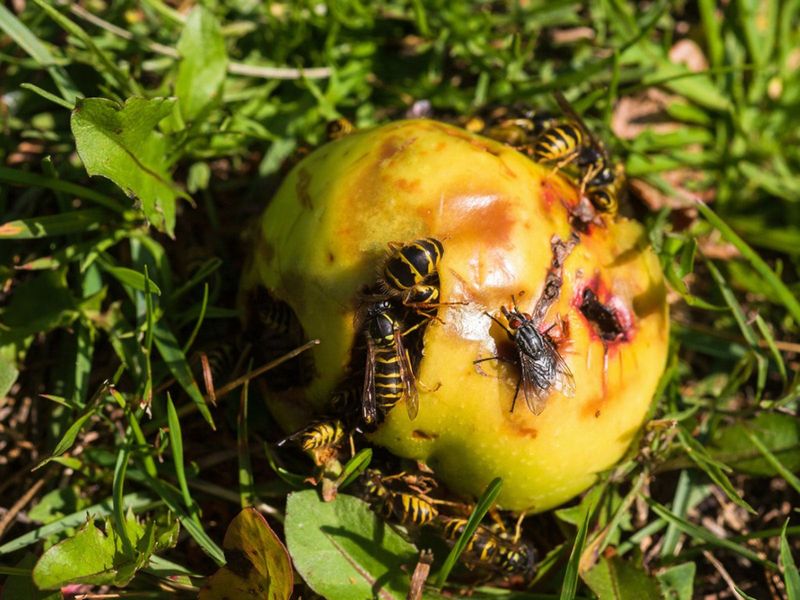
Food makes all the difference when it comes to yellowjacket traffic. Yards packed with easy snacks turn into popular gathering spots, while cleaner spaces barely get a second look.
Late summer and fall bring a buffet these insects cannot resist. Fallen apples soften on the ground, berries burst open, and overripe fruit sends out a sweet smell that carries for a surprising distance. Yellowjackets follow their noses straight to it.
Sugary spills from soda cans, juice boxes, and dropped popsicles work like tiny signals. A single sticky patch on a patio table can pull in dozens of workers over an afternoon.
Pet food left outside adds protein to the menu, which is exactly what growing colonies crave during this season.
Garbage plays a big role too. An open trash can or a bag with food scraps inside becomes a reliable feeding station. Once the insects learn where the food is, they keep coming back and bring friends along.
Michigan homeowners who leave these attractants out tend to notice far more activity than neighbors who tidy up. The good news is that small habits shift things fast. Wipe down tables, rinse recyclables, and feed pets indoors when you can.
By cutting off the free meals, you make your yard far less interesting to passing scouts. Fewer scouts means fewer return trips, and that steadily lowers the buzz around your home as the weeks go on.
2. Large Colonies Peak In September
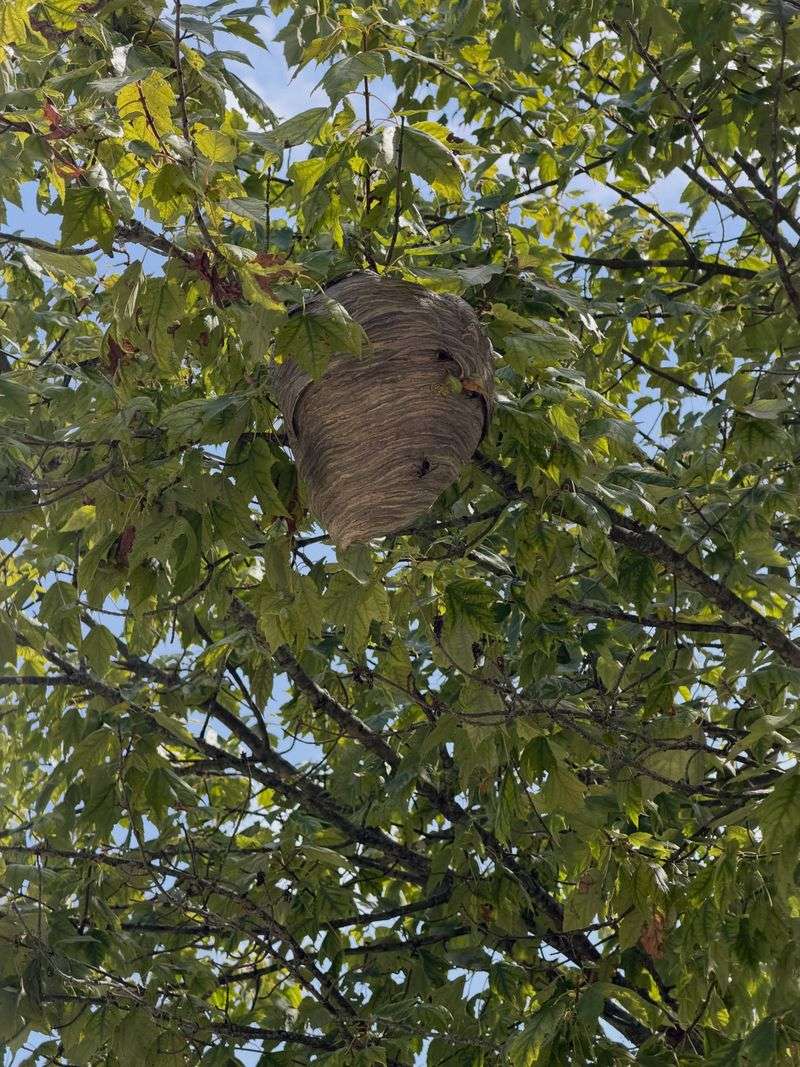
Timing explains a lot about why some yards suddenly feel overrun. A colony that started small in spring becomes a crowd by early fall, and September is often the loudest month of all.
Back in April and May, a single queen builds a tiny nest and raises the first workers. Through the warm months, that group grows week after week.
By late summer, a healthy colony can hold thousands of busy workers, all searching for food to keep the nest running.
September brings a shift in what they want. Earlier in the year, workers hunt insects to feed young grubs. As the season winds down, the colony needs sugars instead, so the workers spread out looking for anything sweet.
That is why your yard might feel calm in July and packed in September. The population simply reaches its highest point, and more workers means more insects bumping into you at cookouts and near flowers.
Your Michigan Garden Changes Every Week. Your Plan Should Too.
Gardening in Michigan changes quickly throughout the season. Every Friday you’ll receive a simple weekly plan showing exactly what to plant, prune, fertilize, harvest, and protect so you never miss the right timing.
Understanding this pattern helps you plan ahead. If you know the peak is coming, you can tighten up food storage and cleanup routines before the crowd arrives. Outdoor gatherings during this stretch may need a little extra care.
Cooler nights eventually slow the colony down, and activity fades as fall settles in. Until then, the September rush is normal across Michigan.
Staying patient and reducing attractants gets you through the busiest weeks without turning your backyard into a no-go zone.
3. Fallen Fruit Creates A Yellowjacket Magnet
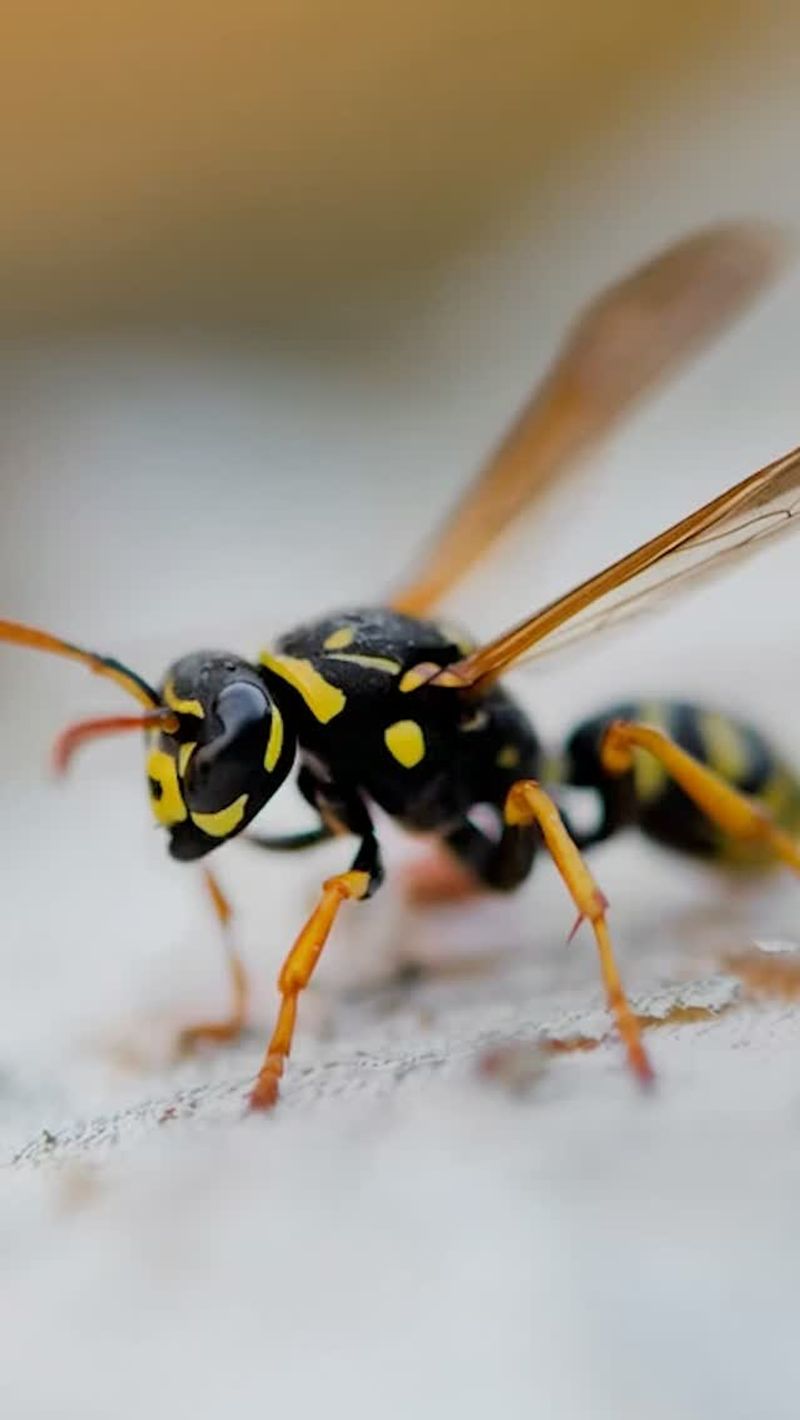
Nothing pulls yellowjackets in quite like fruit dropping from trees and shrubs. A yard with an old apple tree or a berry bush can quickly become the busiest spot on the block.
Fresh fruit on the branch is not the main problem. Trouble starts when it falls and begins to soften. As the sugars break down and the fruit starts to ferment, the smell grows stronger and travels farther, acting like an open invitation.
Michigan yards often have apple, pear, cherry, or crabapple trees that drop plenty of fruit in late summer. Grapes and berries add to the pile. Once that fruit sits on the ground for a day or two, the feeding frenzy begins.
Yellowjackets love the mushy, sweet mess because it takes no effort to reach. They land, feed, and return, and soon your lawn near the tree turns into their favorite dining area. Walking barefoot in that zone becomes risky.
Regular cleanup makes a huge difference here. Picking up fallen fruit every day or two removes the buffet before it starts to draw a crowd. Toss it into a sealed bin rather than leaving it in an open pile.
Some gardeners lay a tarp to catch drops or harvest fruit a bit early to stay ahead of the mess.
Whatever method you choose, staying on top of the cleanup keeps activity low. A clean lawn under your trees is one of the simplest ways to reclaim that part of your yard.
4. Underground Nests Can Go Unnoticed
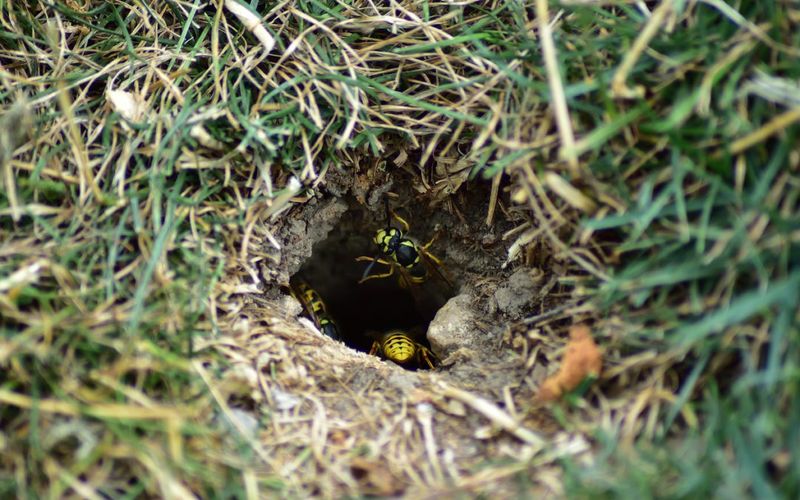
Not every yellowjacket nest hangs in plain sight. Many of the worst surprises come from colonies hidden below ground, quietly growing while nobody notices.
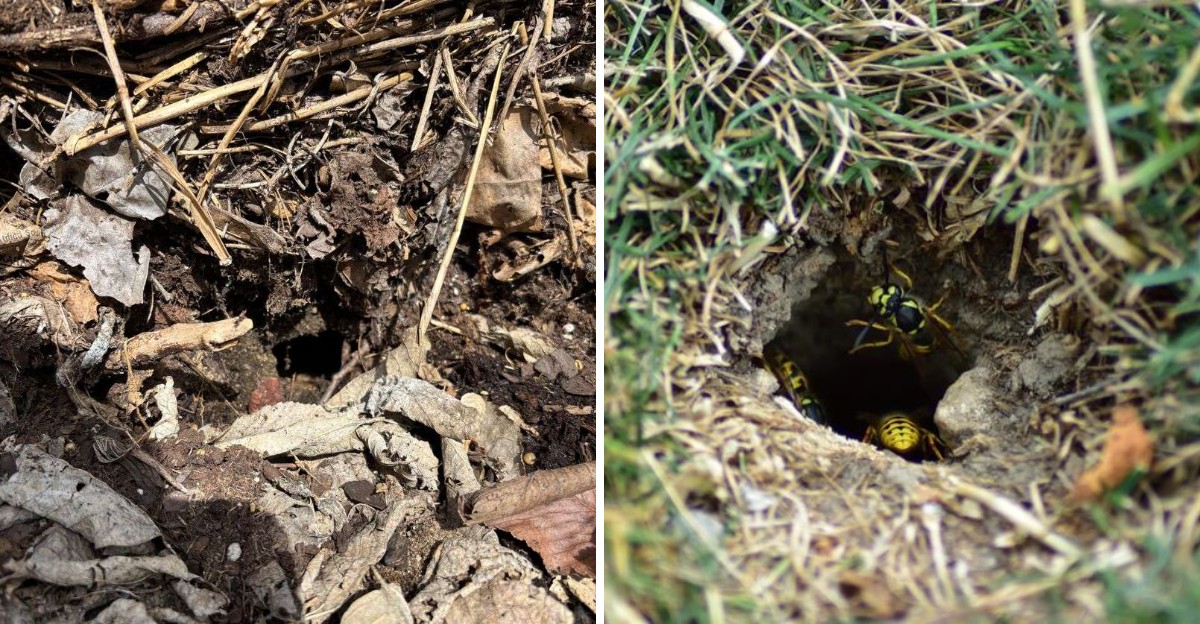
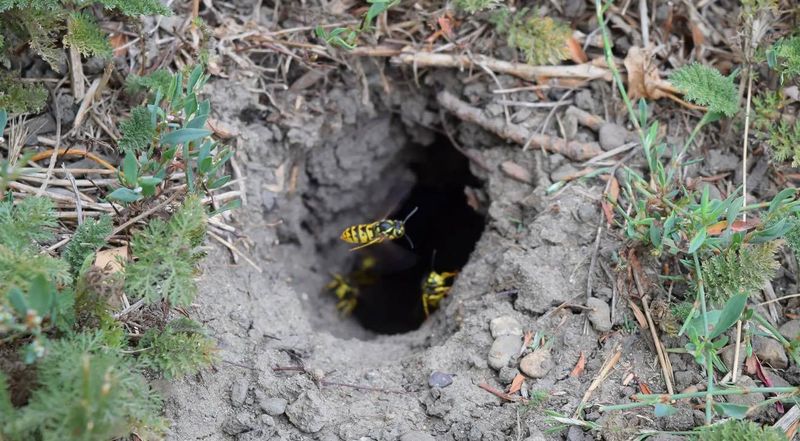
Plenty of Michigan yellowjackets choose underground cavities for their homes. They often move into old rodent burrows, which give them a ready-made shelter with room to expand. A tiny hole in the lawn might be the only clue.
Other colonies tuck themselves into wall voids, spaces under sheds, or protected pockets near foundations. Because the entrance is small and easy to miss, homeowners can walk past a busy nest dozens of times without realizing it.
The nest stays out of sight until the population grows large enough that the insects start streaming in and out. Suddenly, a spot that seemed empty is alive with steady traffic, and mowing near it feels like a real gamble.
That hidden growth is exactly why some yards feel fine one week and troublesome the next. The colony was there all along, just tucked away where you could not see it.
Watching for steady insect traffic to one spot on the ground helps you find these nests early. If you notice workers flying the same path to a single hole, keep your distance and mark the area.
Handling underground nests can be tricky, so many people call a professional for safe removal. Spotting the signs early gives you the best chance to deal with the problem before the colony reaches its busiest, most crowded stage.
5. Some Landscapes Offer Better Nesting Sites
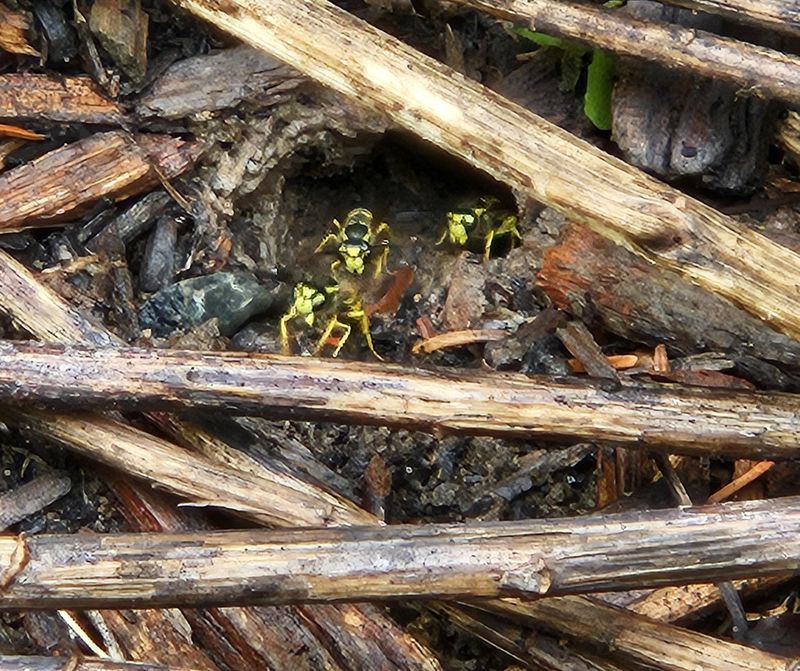
The way a yard is set up can decide whether yellowjackets want to move in. Some landscapes give them plenty of cozy corners, while others leave few good options.
Brush piles rank high on the list of favorite spots. A heap of branches and yard waste offers dark, protected space where a colony can build without being disturbed. The more clutter, the more inviting it becomes.
Thick mulch and dense groundcover create similar hideouts. These insects like shelter that stays undisturbed, and heavy plantings give them exactly that. Rock walls add gaps and crevices that make perfect entrances to a hidden nest.
Sheds bring their own risks. The space beneath a shed floor or inside its walls stays dry and quiet, which is just what a queen looks for in spring. Once she settles in, the colony grows there all season.
Undisturbed garden areas round out the picture. Corners that rarely get touched let a nest develop unnoticed until the population becomes large. A neat, active yard tends to have fewer of these quiet zones.
You can lower the odds by cleaning up brush piles and keeping mulch at a reasonable depth. Check around sheds and rock walls early in the season for any signs of activity.
Trimming back dense growth and visiting those forgotten corners now and then makes your yard less appealing. When there are fewer safe places to build, fewer colonies choose your property, and that keeps the whole season more peaceful.
6. Compost And Trash Can Draw Them In
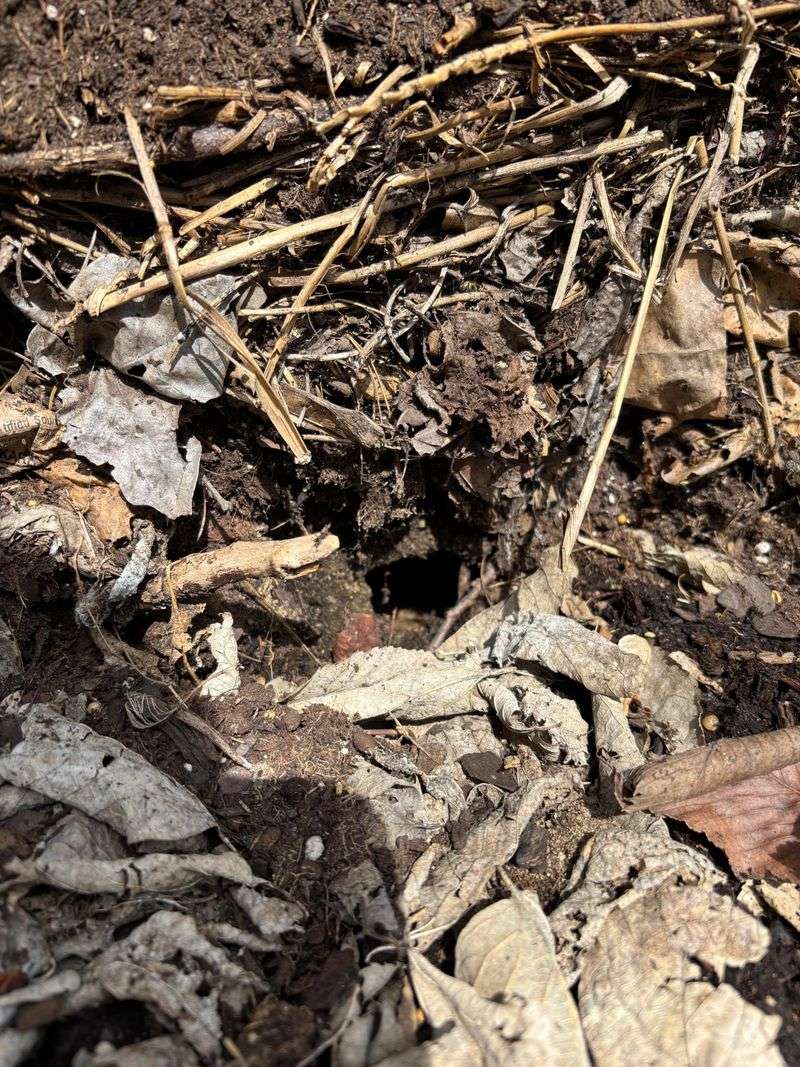
Your compost pile and trash cans might be feeding the neighborhood yellowjackets without you knowing it. These spots offer easy meals that keep workers coming back day after day.
Exposed compost materials are a big draw, especially when they include fruit peels, melon rinds, and other sweet scraps. As those scraps break down, they release smells that guide insects right to the pile.
Garbage residue works the same way. Even a rinsed can with a little sticky juice at the bottom can attract attention. Bags of kitchen waste sitting in an open bin become a reliable feeding station.
Uncovered trash containers are perhaps the biggest offender. When the lid stays off or does not seal tight, the food inside is fair game. Yellowjackets crawl in, feed, and leave a scent trail that brings more workers.
Once these insects find a steady source of scraps, they treat your yard like a regular stop. That is how a small amount of activity turns into a crowd over just a week or two.
Simple fixes cut this off fast. Bury food scraps in the center of your compost pile and cover them with leaves or soil so the smell stays trapped. Keep a lid on the bin whenever possible.
Make sure garbage cans close tightly and rinse out sweet or sticky containers before tossing them. These small steps remove the easy meals and quickly make your yard far less popular with hungry workers looking for food.
7. Warm Fall Weather Keeps Them Active Longer
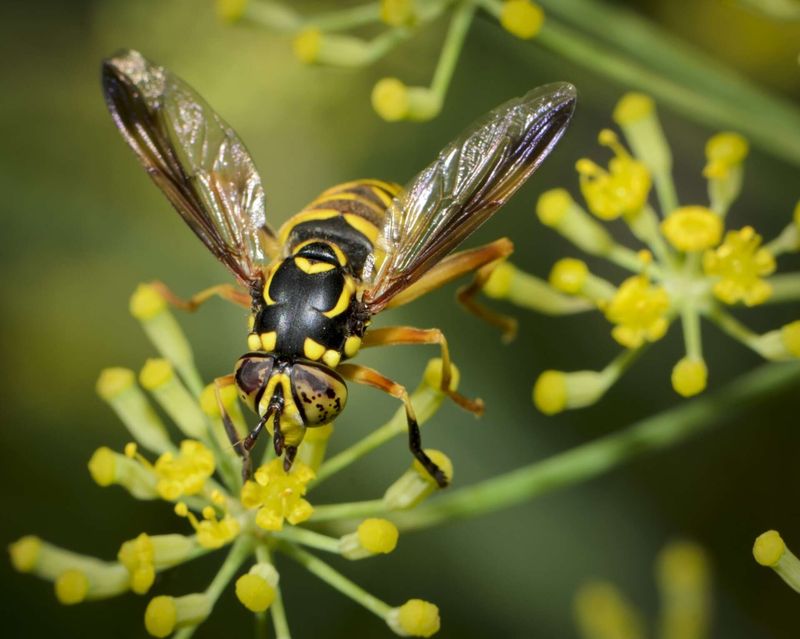
Weather has a huge say in how long the yellowjacket season lasts. A mild fall can stretch their activity well past the usual quiet-down time, and that catches many people off guard.
Cool temperatures normally slow these insects down. When nights turn cold and frost arrives, colonies wind down and traffic drops off. That is the pattern most Michigan yards expect by mid-fall.
Warm years break that pattern. When September and early October stay mild, the workers keep flying, feeding, and searching for sugars long after they would usually settle down. The extra warm days give the colony more time to stay busy.
That is a big reason some years feel much worse than others. A stretch of unusually warm weather can add weeks to the active season, so the buzzing you hoped would end keeps going.
Sunny afternoons make the difference even clearer. On a warm day, workers pour out to hunt for food, while a cold snap keeps them tucked away. The swings in temperature create swings in activity you can actually notice.
You cannot change the weather, but you can prepare for warm spells. During mild fall stretches, keep up your cleanup habits a little longer than you might expect to.
Stay alert on those bright, comfortable days when activity spikes. Once real cold finally settles in, the colonies fade and the problem eases on its own.
Knowing that warm fall weather extends the season helps you stay patient and ready through those late, sunny weeks.
8. Reduce Attractants Around Your Yard
Putting everything together, the real secret to a calmer yard is removing the things that draw yellowjackets in. A few steady habits can shrink the crowd more than any single trick.
Start with fallen fruit, since it is one of the strongest magnets around. Rake up drops under your trees every day or two and seal them in a covered bin so the sweet smell does not spread.
Garbage deserves the same attention. Make sure every trash can has a lid that closes tightly, and rinse out sticky containers before they go in. A sealed bin gives passing scouts nothing to work with.
Compost needs a little care too. Bury food scraps deep in the pile and cover them with leaves or soil, keeping fruit peels and sweet waste out of easy reach.
Outdoor food spills matter more than people think. Wipe down patio tables, clean up dropped snacks, and rinse away soda splashes after a cookout. Those small sticky spots add up fast.
Managing possible nesting areas rounds out the plan. Clear brush piles, check around sheds and rock walls, and keep an eye on quiet garden corners where a colony might settle.
None of these steps take much time, and together they make a real difference. When the food and shelter disappear, the insects lose their reasons to gather near your home.
Stick with these habits through late summer and fall, and your yard stays far more comfortable. A little effort now keeps the buzzing down and lets you enjoy your space again.