The September Task That Decides If Your Michigan Rose Of Sharon Blooms Next Summer
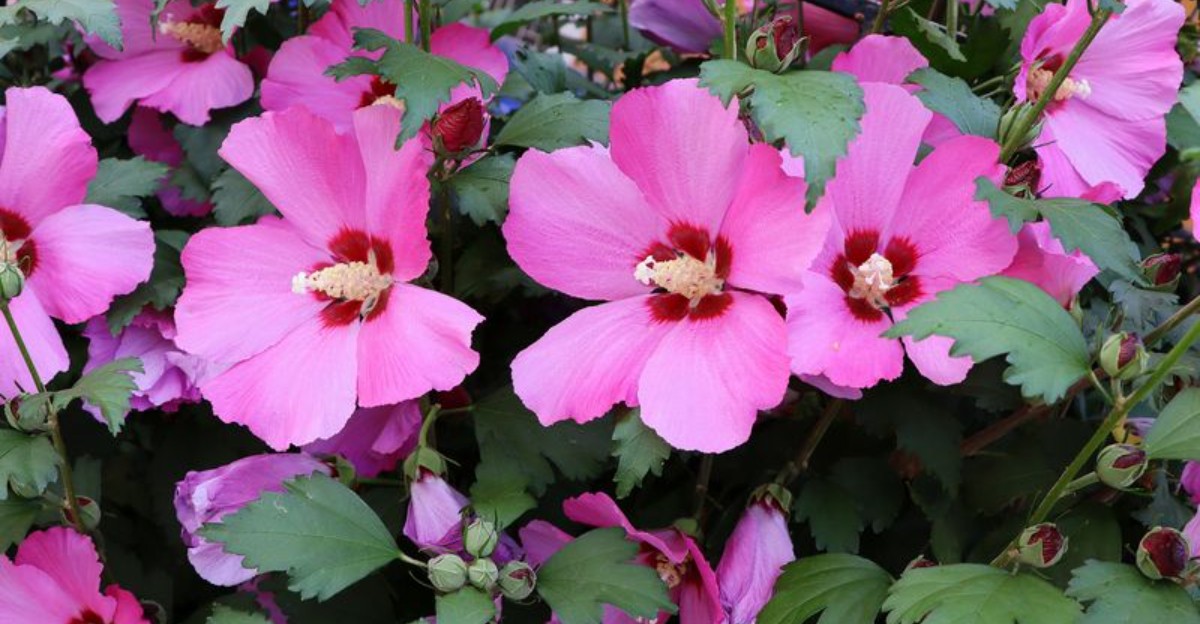
Rose of Sharon is a late-summer favorite in Michigan yards, and how the shrub is treated this September plays a real role in shaping next year’s flower show.
Since this shrub sets many of its buds on new growth that develops the following spring, care taken now still influences overall plant health and vigor heading into that critical growth period.
A stressed, neglected, or improperly pruned shrub this fall can end up with fewer, smaller blooms even after a strong summer display.
Because rose of Sharon takes time to recover from setbacks, getting this task right before the season fully turns matters more than it might seem. A little attention now sets the stage for a fuller, more colorful bloom when next summer rolls around.
1. Avoid Heavy Fall Pruning

Grabbing your shears in September feels natural, especially when you spot long stems reaching every direction. Hold off, though. Cutting your Rose of Sharon hard in fall can leave it weak going into a Michigan winter.
When you make big cuts now, the shrub tries to heal those wounds instead of settling in for cold weather. Fresh cuts also open the door for moisture loss and cold damage on the tender edges. Late winter or early spring is a much smarter time to shape it.
By waiting until the coldest days pass, you let the plant stay dormant and protected. Then, once the worst chill fades, you can trim with confidence and guide its shape for the season ahead. The shrub will respond with strong, healthy stems.
Spring pruning also lets you see which branches made it through winter and which ones look tired. That way, you never waste energy shaping wood that will not perform. You keep the best and remove the rest at just the right moment.
Think of September as a time to observe, not to snip. Watch how your Rose of Sharon grows and note where it feels crowded. Jot down a quick plan for spring so you are ready when the timing lines up.
Patience pays off here in a big way. A shrub left alone in fall stores its energy safely underground. When spring arrives, that saved strength turns into fuller growth and a wave of summer flowers you will love.
2. Understand Rose Of Sharon Blooms On New Wood
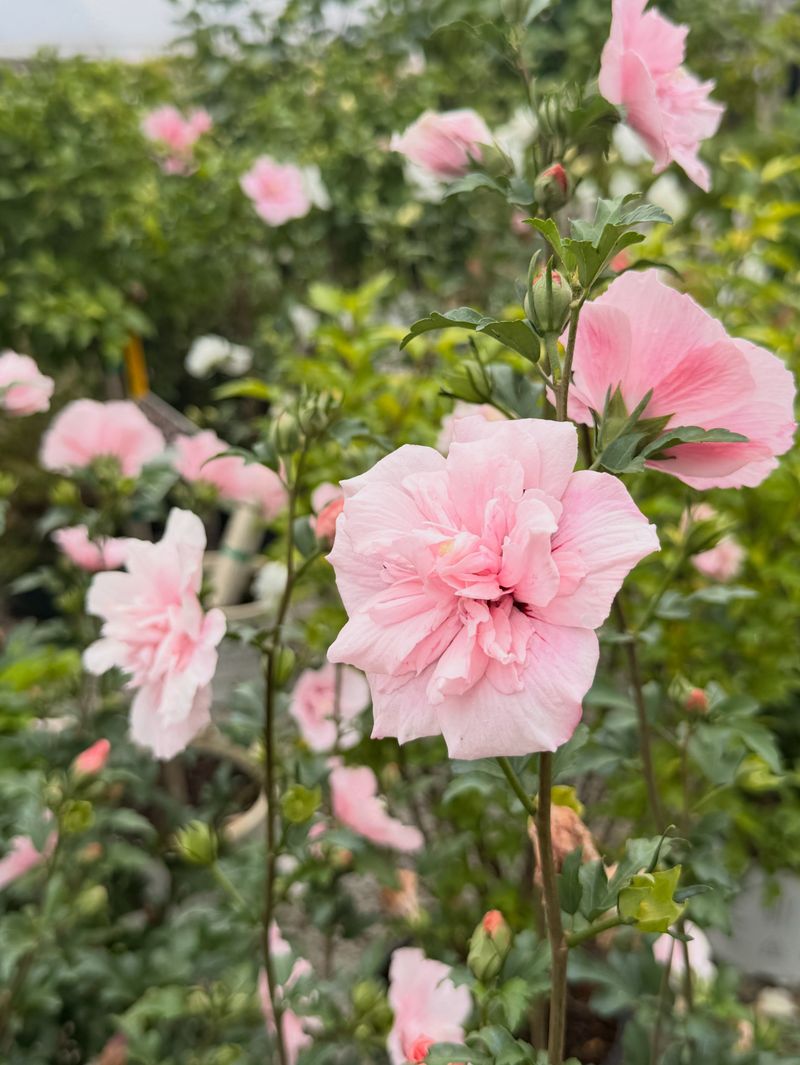
Here is a fun secret about your Rose of Sharon: it flowers on new wood, meaning the growth that appears in spring and early summer. Those fresh stems carry the buds that open into bright blooms. Knowing this changes how you treat the plant.
Because flowers form on new growth, timing your pruning correctly matters a lot. If you cut at the right moment in late winter or early spring, you encourage the shrub to push out plenty of new stems. More new stems means more places for flowers to appear.
Older wood does not carry the same flowering power. That is why gardeners can trim Rose of Sharon fairly firmly in spring without losing summer color. The plant simply builds fresh growth and rewards you with blossoms.
Your Michigan Garden Changes Every Week. Your Plan Should Too.
Gardening in Michigan changes quickly throughout the season. Every Friday you’ll receive a simple weekly plan showing exactly what to plant, prune, fertilize, harvest, and protect so you never miss the right timing.
September fits into this picture in a gentle way. This month, you are not shaping for blooms yet. Instead, you are helping the shrub store energy so it can produce vigorous new wood once warm weather returns.
Feeding the roots and keeping the plant healthy now sets up that burst of spring growth. A strong root system fuels the new stems that carry your flowers. So the work you skip on the branches, you make up for by caring for the base.
Once you understand this rhythm, everything clicks. You stop worrying about fall shaping and start focusing on next season. When summer arrives, all those new stems will be dotted with the colorful blooms that make Rose of Sharon so beloved.
3. Keep The Root Zone Moist Before Winter
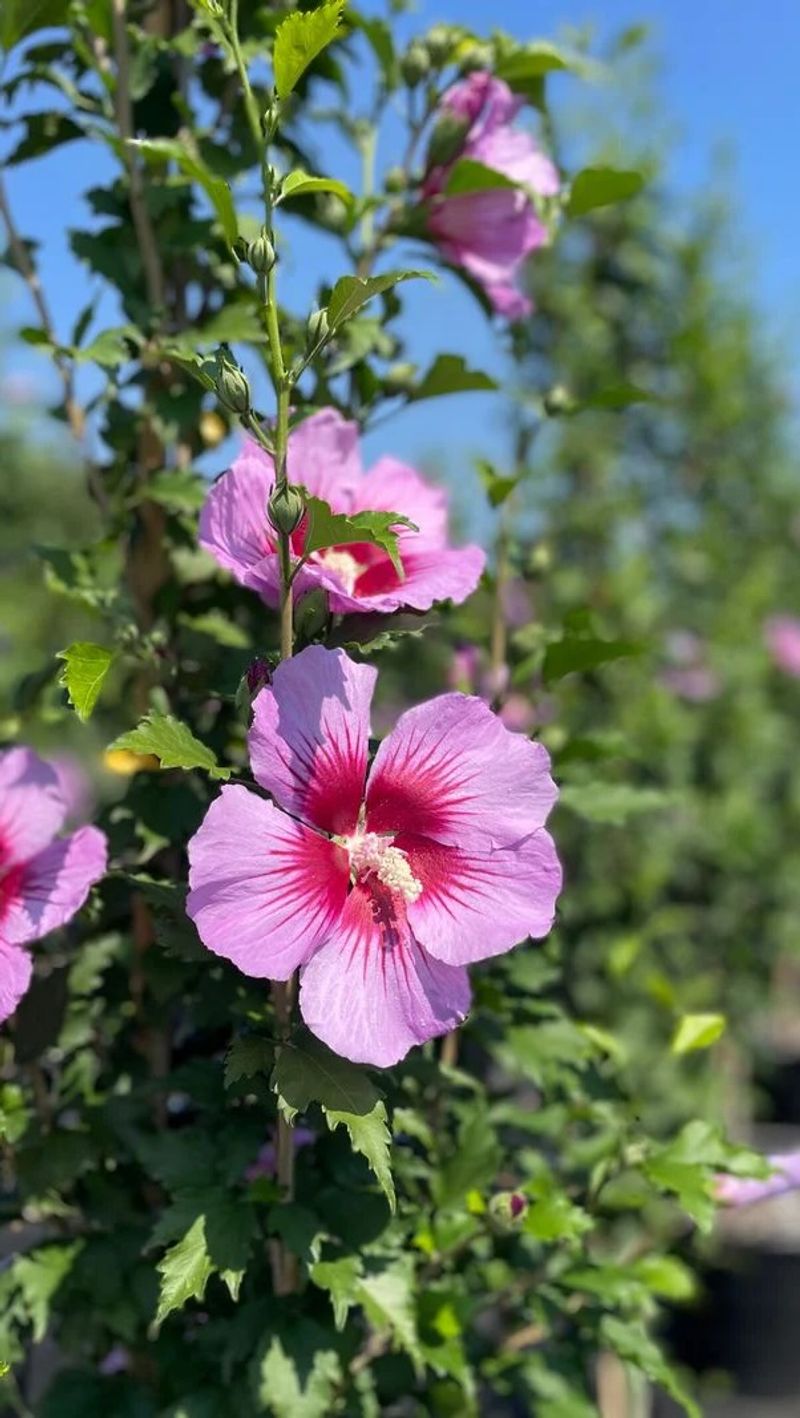
Michigan falls can surprise you with long stretches of dry weather, and your Rose of Sharon feels every bit of it. When the soil dries out too much, the shrub heads into winter already stressed and weakened. That is not the start you want.
Water is the simple fix here. Giving your plant a deep drink during dry September spells helps it store moisture in the roots. A well-hydrated shrub handles cold much better than a thirsty one.
Aim for slow, deep watering rather than a quick splash. Let the water soak down where the roots live, several inches into the soil. This encourages strong roots that anchor the plant and support next year’s growth.
Check the soil with your finger before you water. If the top few inches feel dry and crumbly, it is time to add moisture. If it still feels damp, you can wait a day or two and check again.
Keep an eye on the weather too. Michigan often gets steady autumn rains, and you do not want to overwater on top of that. Balance is the goal, giving enough without turning the ground soggy.
As the season cools, taper off gradually so the plant can begin resting. A final deep soak before the ground freezes helps carry it through the cold months. That stored water becomes fuel for spring.
Healthy roots now mean vigorous growth later. Treat your shrub to steady moisture this fall, and it will thank you with a stronger, more colorful comeback next summer.
4. Add Mulch Around The Root Area
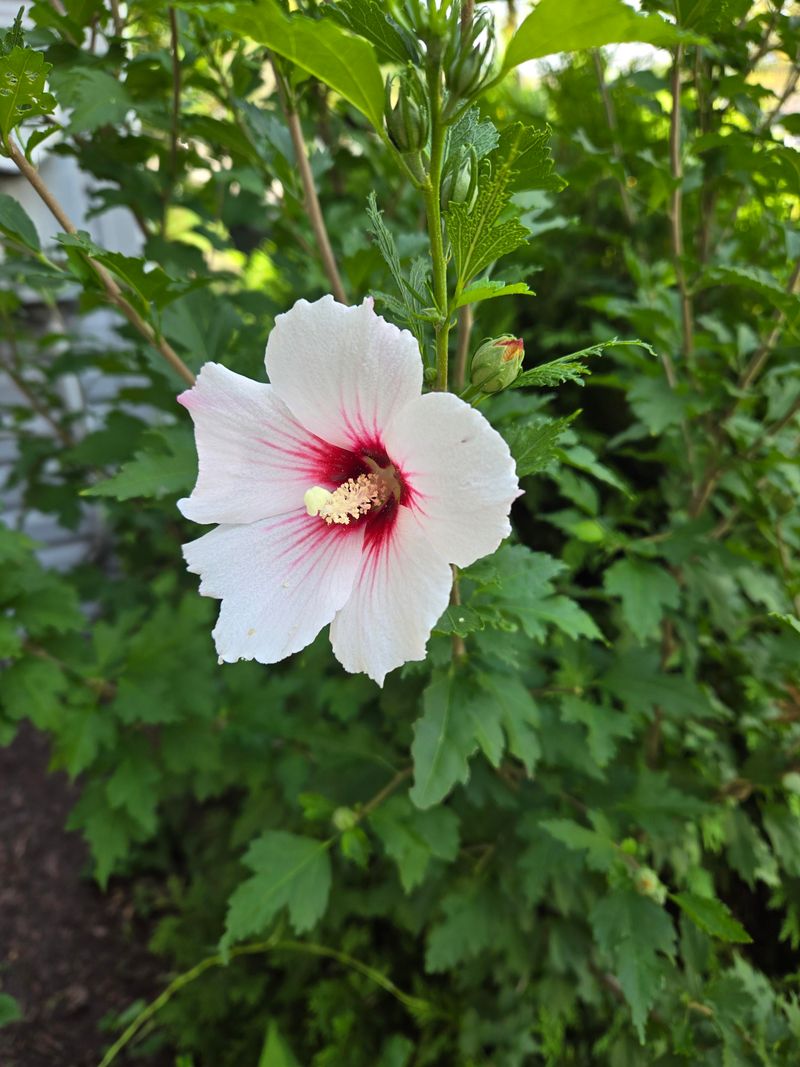
A cozy blanket of mulch might be the kindest thing you do for your Rose of Sharon this fall. A layer of organic mulch around the base holds moisture in the soil and steadies the temperature underground.
Roots stay comfortable through Michigan’s ups and downs. When temperatures swing from mild to freezing and back again, the soil can heave and shift.
Mulch softens those changes, keeping the ground more even. That steady environment protects the tender roots you worked hard to strengthen.
Choose materials like shredded bark, wood chips, or chopped leaves. Spread a layer about two to three inches thick in a wide ring around the shrub. This covers the root zone where protection matters most.
One important rule: keep the mulch a few inches away from the trunk itself. Piling it against the base can trap moisture and invite rot or pests. Leave a little breathing space so the trunk stays dry and healthy.
Mulch also slows down weeds that would otherwise steal water and nutrients. Fewer weeds mean your Rose of Sharon keeps more of what it needs. That is a nice bonus for very little effort.
As the mulch breaks down over time, it feeds the soil with organic matter. Your shrub gets a slow, natural boost that supports strong roots. Healthy soil leads to healthy plants.
Take a few minutes this September to refresh the mulch, and you set your shrub up for a smooth winter. Come summer, those protected roots will power a flush of beautiful blooms.
5. Avoid Late Fertilizer Pushes
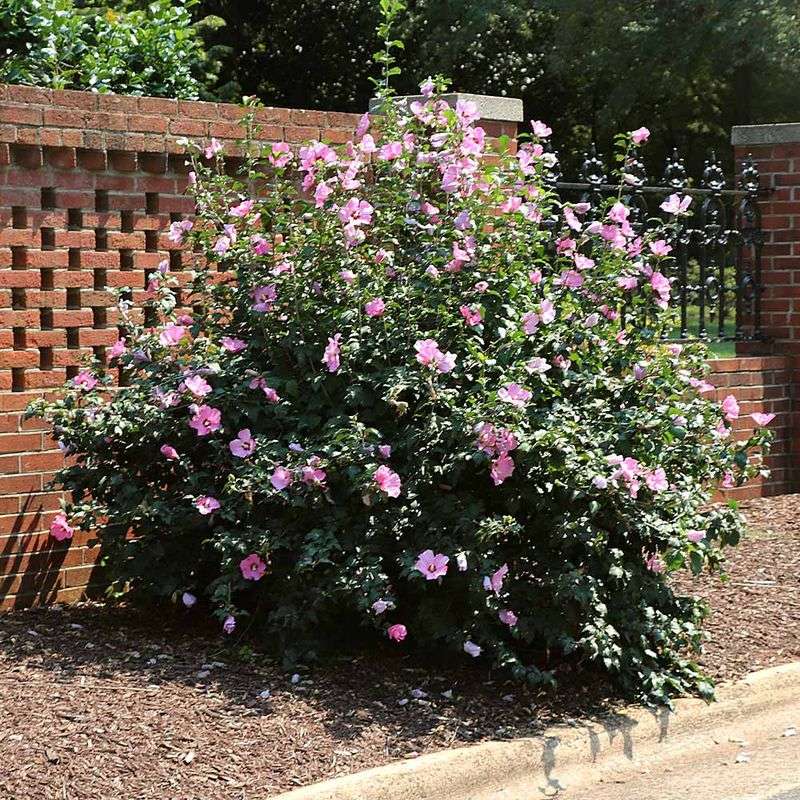
It can be tempting to give your Rose of Sharon one last feeding before winter, but fall fertilizer often backfires. Heavy nitrogen this late in the season pushes out soft, tender new growth. That fresh growth has no time to toughen up before the cold hits.
Tender shoots are fragile and easily harmed by frost. Instead of helping, a late feeding can leave your shrub with damaged tips and wasted energy. The plant would rather be settling down for rest.
What your Rose of Sharon really wants now is strong roots, not new leaves. Roots store the energy that fuels next year’s growth and flowers. Feeding the wrong part at the wrong time throws off that balance.
If you want to fertilize, spring is the better window. Once the shrub wakes up and starts growing, it can actually use those nutrients. That timing supports the new wood where your summer blooms will form.
For fall, focus on the basics instead. Steady moisture, a layer of mulch, and a peaceful rest do far more good than a nitrogen boost. Simple care wins here.
If your soil is truly poor, a light top dressing of compost is gentler than chemical fertilizer. Compost feeds slowly and improves the soil without forcing tender growth. It works with the season rather than against it.
Skip the late feeding and let your shrub slow down naturally. By storing energy in its roots now, your Rose of Sharon builds the strength it needs to explode with color when summer finally arrives.
6. Remove Problem Growth Only If Needed
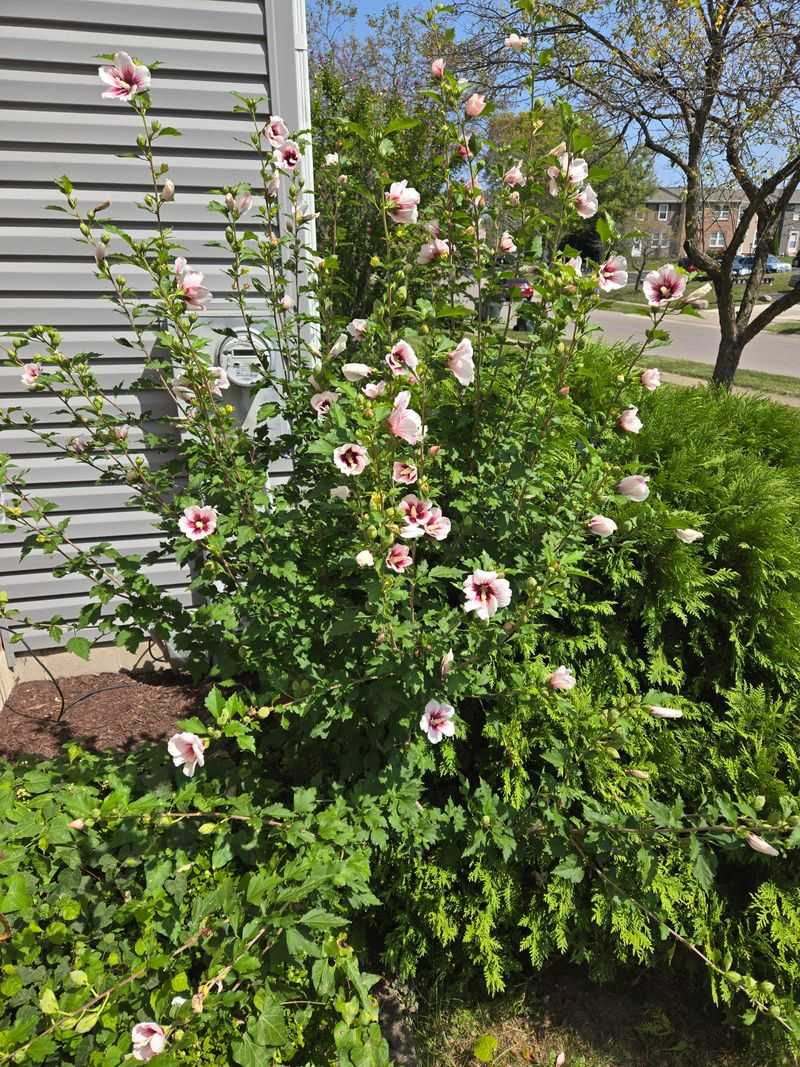
There is a big difference between routine shaping and clearing out trouble. While you should skip full pruning in fall, removing branches that are damaged, broken, or diseased is a different story. Those problem spots can cause harm if left alone.
A cracked branch from a storm or a limb showing signs of disease can spread issues to healthy wood. Taking out just those pieces protects the rest of the shrub. You are helping, not reshaping.
Keep your cuts targeted and small. Only remove what clearly looks unhealthy or broken, and leave the good wood alone. This is careful cleanup, not a major trim.
Use clean, sharp tools to make smooth cuts. Wipe the blades with rubbing alcohol between branches if you are cutting away diseased growth. That simple step keeps you from spreading problems around.
Cutting too much in fall, even with good intentions, can stress the plant when it should be resting. Every unnecessary wound gives cold and moisture a way in. So resist the urge to tidy up more than needed.
Step back and look closely before you snip. Ask yourself whether a branch is truly a problem or just a bit out of place. If it is only crossing or crowded, save that work for spring.
By focusing only on real issues now, you keep your Rose of Sharon healthy without draining its energy. A quick, careful cleanup this September removes hazards and lets the shrub rest easy. Come summer, it rewards your restraint with strong, blooming stems.
7. Clean Up Fallen Leaves And Debris
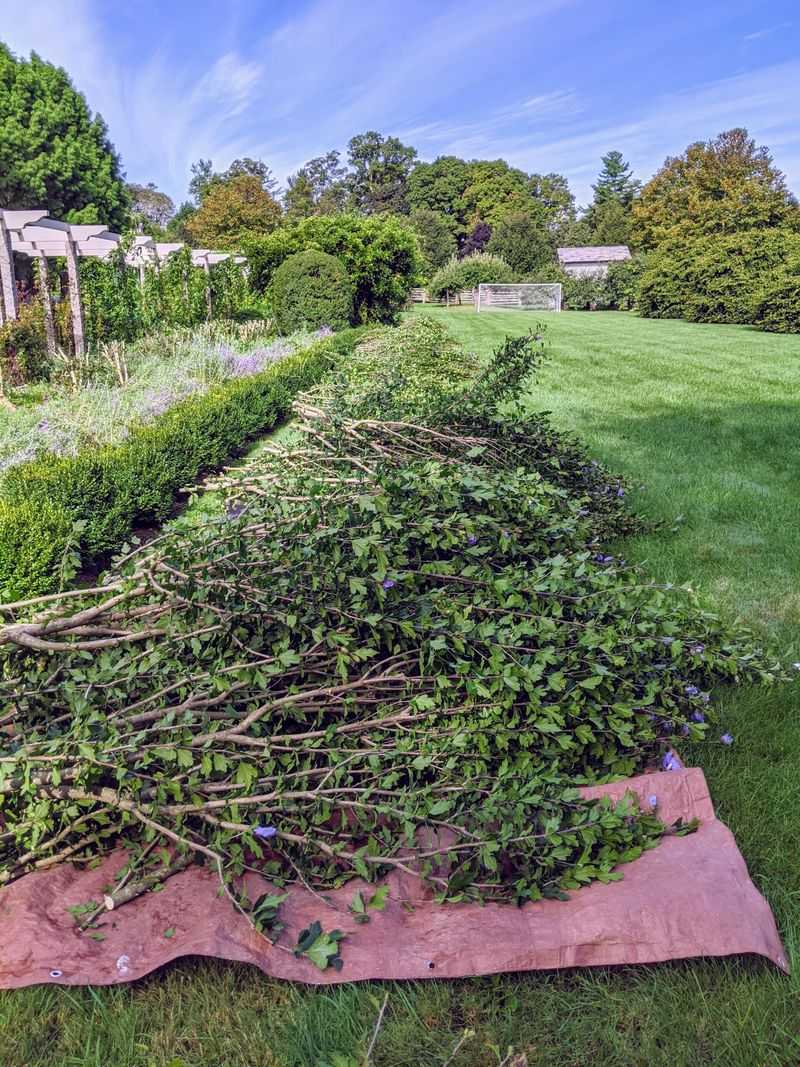
A tidy garden bed does more than look nice, it actually keeps your Rose of Sharon healthier. Fallen leaves, spent flowers, and old plant bits can pile up around the base as fall rolls in. Clearing that mess away makes a real difference.
Leftover debris gives pests and disease organisms a cozy place to hide over winter. When you rake it up, you remove those hiding spots. That means fewer problems waking up with the shrub in spring.
Damp, matted leaves can also trap too much moisture against the roots and trunk. That soggy layer invites rot and fungus. Cleaning it out lets air move freely and keeps things dry.
Grab a rake or your gloved hands and gather the debris in a wide circle around the plant. Toss diseased material in the trash rather than the compost pile. That keeps any lingering trouble from spreading later.
Healthy leaves can go into your compost bin to break down into rich material. Just be sure they show no signs of spots or disease first. Good compost feeds future gardens.
While you clean, take a moment to inspect the shrub. Look for signs of pests or unusual spots on the bark. Catching small issues now saves you bigger headaches next season.
A little raking this September pays off in a big way. By keeping the area around your Rose of Sharon neat and open, you cut down on winter pests and disease. The result is a cleaner start and healthier blooms next summer.
8. Prepare The Shrub For Winter Survival
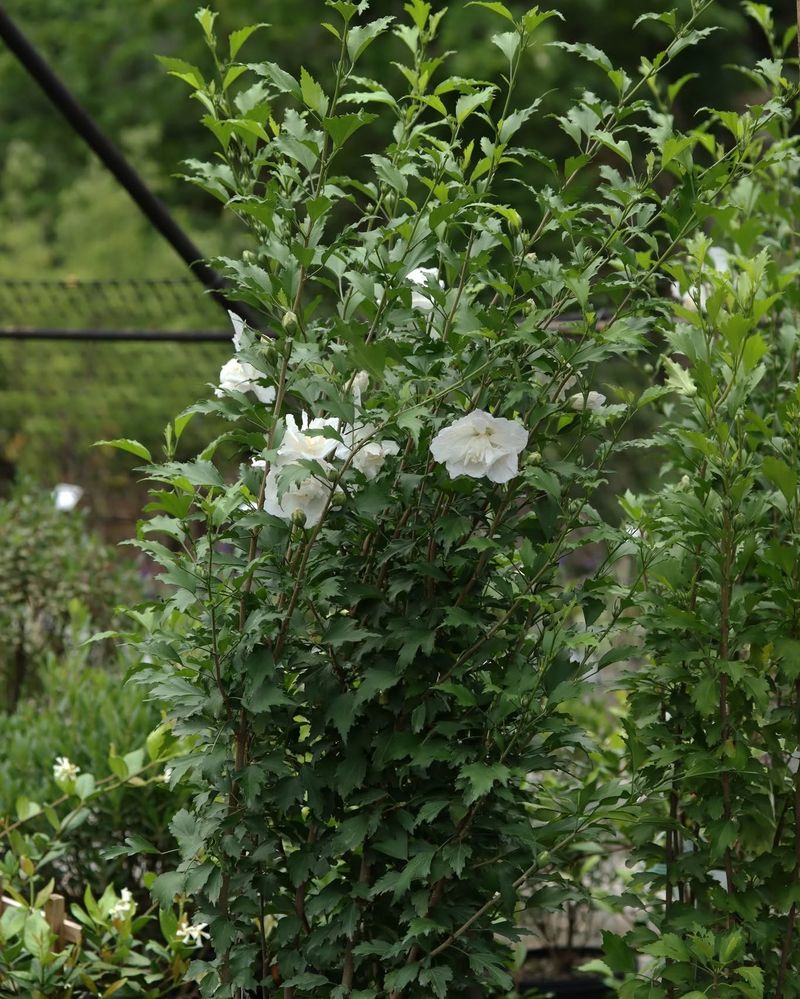
Everything you do this month builds toward one goal: helping your Rose of Sharon come through winter strong. When you combine steady moisture, smart mulch, and gentle care, you give the shrub its best shot at a colorful summer. It all works together.
Start with the roots, since they are the heart of the plant. Deep watering before the ground freezes stores moisture where it counts. Strong roots carry the shrub through the coldest stretches.
Next, that ring of mulch acts like a warm coat. It holds moisture, steadies the soil temperature, and shields the roots from harsh swings. Just remember to keep it off the trunk.
Skipping heavy pruning matters here too. By leaving the branches alone until spring, you avoid fresh wounds that cold weather could harm. The shrub stays whole and protected.
Holding off on late fertilizer keeps the plant from pushing tender growth at the worst time. Instead, all that energy stays tucked in the roots. Stored strength is exactly what powers spring’s new wood.
A quick cleanup of leaves and debris rounds out the plan. Fewer hiding spots for pests means a healthier start when the shrub wakes up. Small steps add up to big protection.
Put these habits together and your Rose of Sharon rests safely through the Michigan cold. When warm days return, it pushes out fresh stems loaded with buds. Those buds open into the bright, cheerful flowers that make all your fall effort worthwhile.