The One Thing Michigan Gardeners Should Do To Lilacs After Bloom To Protect Next Year’s Flowers
Lilacs are one of those plants that Michigan gardeners tend to leave alone once the bloom is finished, assuming the work is done until next spring. That assumption costs more than most people realize.
There is a brief window right after flowering ends when one specific action determines whether next year’s bloom is full and spectacular or sparse and disappointing.
Miss that window and no amount of fertilizing or careful watering through the rest of the season recovers what was lost.
The task itself takes very little time. What makes it matter is understanding exactly why the timing is so tight and what the plant is doing internally during the weeks immediately following bloom.
1. Prune Right After The Flowers Fade
Timing really is everything when it comes to lilacs. The single most important thing Michigan gardeners can do after their lilacs bloom is to pick up their pruning shears and get to work right away, while the flowers are just finishing up.
Most gardeners do not realize how quickly lilacs move on to their next growing task after blooming ends.
Lilacs are a bit different from many other flowering shrubs. They form their flower buds for next spring on the same wood that grew during the current season.
That means the shrub needs time after pruning to push out new growth and then set those precious buds before the season ends. Every week you wait after bloom is a week of growing time the plant loses.
In Michigan, spring moves quickly into summer, and summer into fall. The growing window for lilacs to recover from pruning and still build strong buds for next year is shorter than most people expect.
Pruning within two to three weeks after the last flowers fade gives the shrub the best possible chance to prepare a full, gorgeous bloom for the following spring.
Think of it as a gift you give your lilac right at the start of the season. A quick, well-timed trim now means you get to enjoy those fragrant clusters again next May.
Miss the window, and you might be standing in your garden next spring wondering why the blooms look sparse or uneven. The timing is simple, but it makes a huge difference.
2. Do Not Wait Until Late Summer
Plenty of gardeners put pruning on the summer to-do list, figuring they will get around to it when things slow down. With lilacs, that approach quietly works against you.
By the time late summer arrives, your lilac has already started the quiet, invisible work of building next year’s flower buds deep inside the stems.
Lilac buds begin forming surprisingly early. In Michigan, this process typically begins in midsummer, often by July or August.
If you wait until late summer or fall to prune, you are very likely cutting off the buds you worked all year to protect. The shrub looks the same from the outside, but those future flowers are already there, hidden and waiting.
Fall pruning is an especially common mistake. Gardeners see overgrown branches and feel the urge to tidy things up before winter.
Your Michigan Garden Changes Every Week. Your Plan Should Too.
Gardening in Michigan changes quickly throughout the season. Every Friday you’ll receive a simple weekly plan showing exactly what to plant, prune, fertilize, harvest, and protect so you never miss the right timing.
But trimming lilac stems in September or October almost guarantees a disappointing bloom the following spring.
The plant cannot replace lost buds once the season ends, so whatever you remove in fall stays gone until the year after next at the earliest.
Sticking to a simple rule makes this easy to remember: if the lilacs have already finished blooming and you missed the two-to-three week window, skip pruning entirely that year. One season without trimming will not hurt the shrub.
Waiting until right after next year’s bloom to catch up is always the smarter choice. Protecting future flowers starts with knowing when to put the pruning shears away.
3. Remove Faded Flower Clusters Carefully
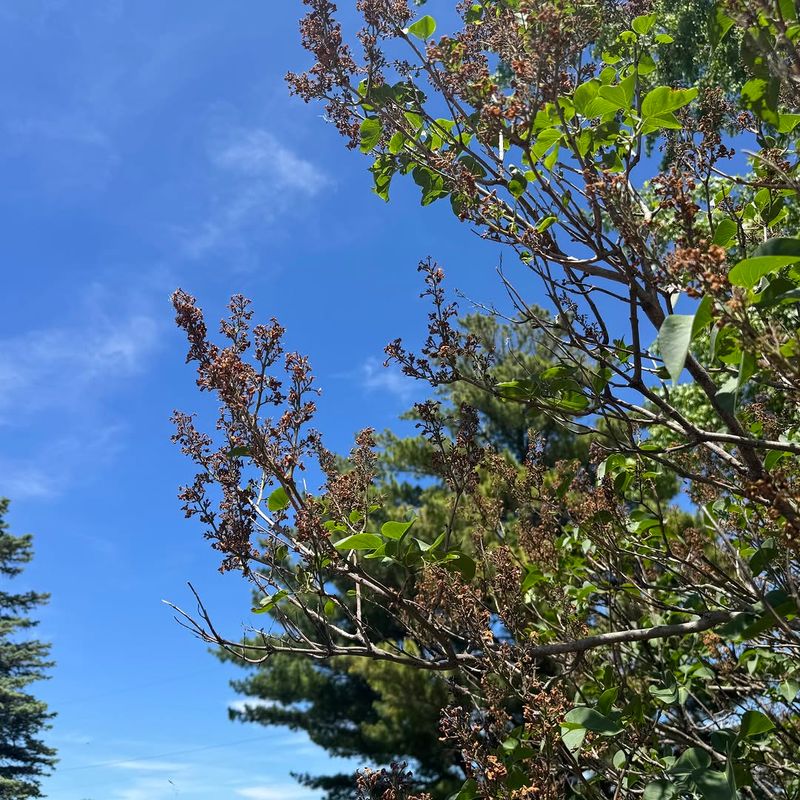
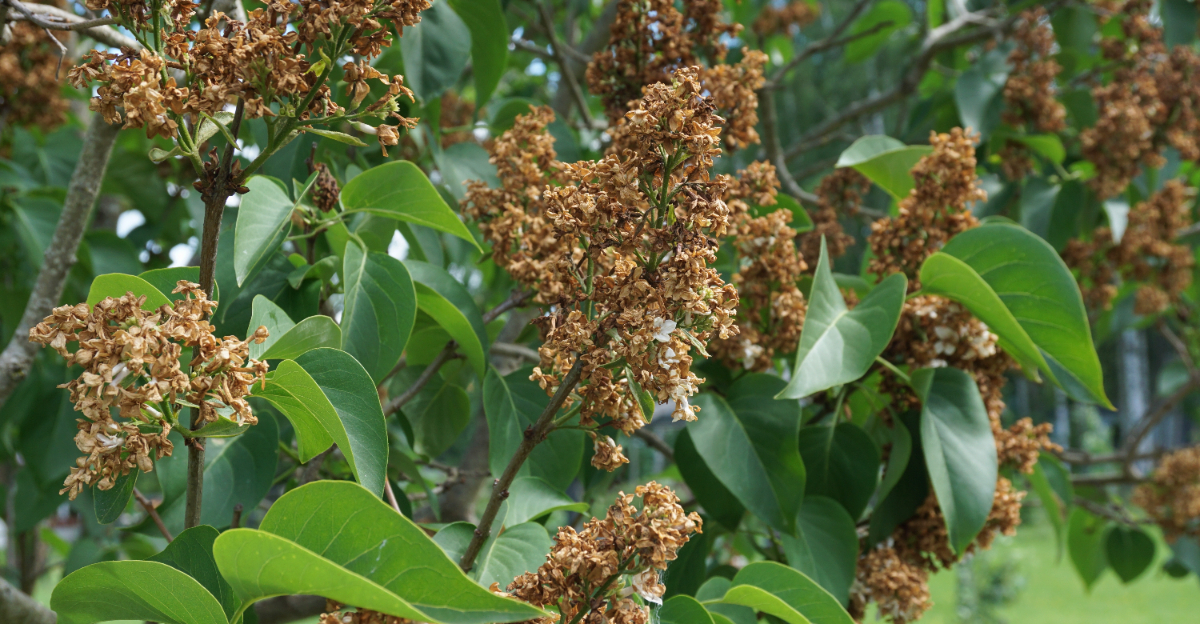
Once the blooms are done, those spent flower clusters can look a little rough. Brown, drooping, and past their prime, they are easy to spot against the fresh green leaves.
Removing them is a satisfying task, but the way you make each cut matters more than most people think.
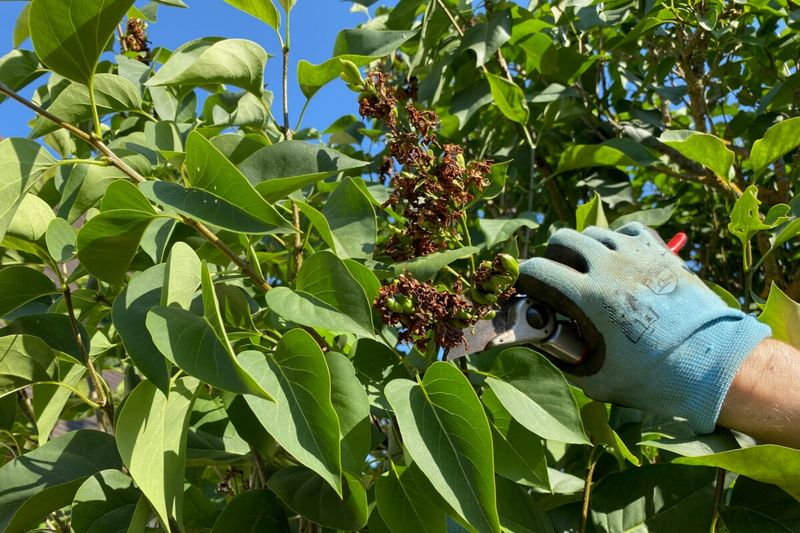
The goal is to snip each faded cluster cleanly, cutting just above the first set of healthy leaves directly below the old flower. That small detail is important.
The new buds for next year will form in the growth that pushes out right below that cut, so you want to leave enough healthy stem for the shrub to work with. Cutting too close to the main branch removes the very spot where new growth needs to start.
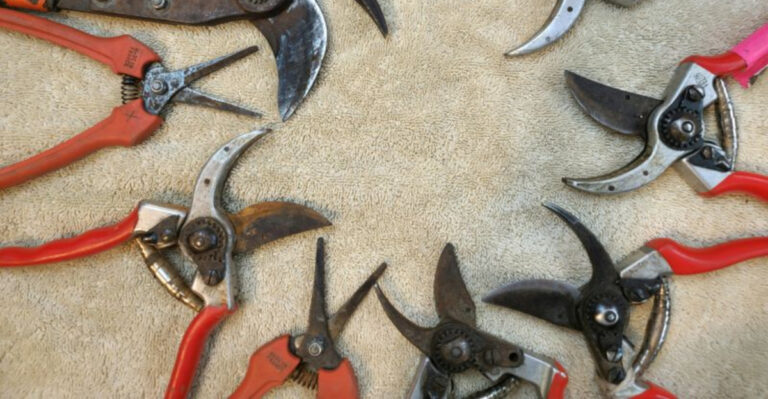
Sharp, clean pruning shears make this job much easier and safer for the plant. Dull blades can crush or tear the stem instead of cutting cleanly, which leaves a rough wound that takes longer to heal and can invite problems.
Wiping blades with a clean cloth between cuts is a simple habit that keeps things tidy and reduces any risk of spreading issues from one branch to another.
There is no need to strip every single spent flower off the shrub in one frantic afternoon.
Working slowly and carefully through the clusters gives you a chance to look at each branch up close, notice how the plant is growing, and make smarter decisions about what else might need attention.
Patience here pays off in a healthier, happier lilac all season long.
4. Shape The Shrub While The Timing Is Safe
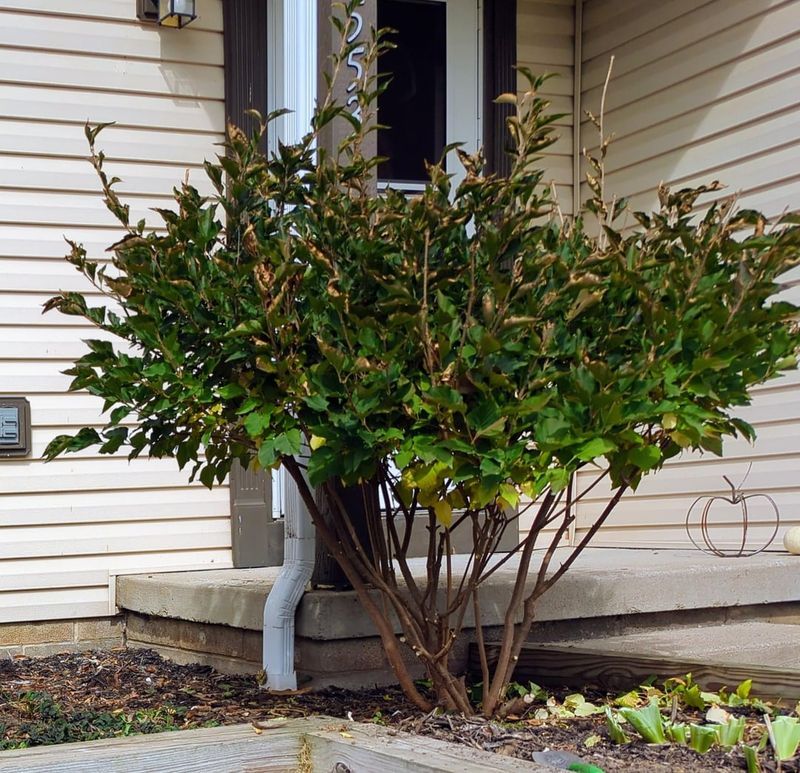
Right after bloom is not just the safest time to deadhead spent flowers. It is also the ideal window to do any light shaping your lilac might need.
Michigan gardeners who want a tidier, more balanced shrub should take advantage of this short stretch of time before the plant moves on to bud development.
Lilacs can get a little wild if left completely alone for several seasons. Branches cross over each other, some grow at odd angles, and the overall shape can start looking uneven or lopsided.
A light shaping session right after bloom helps the shrub look intentional in the garden rather than like something that just happened on its own.
The key word here is light. The goal during shaping is to improve the silhouette of the shrub without removing large amounts of healthy green wood.
Trimming back a branch that is sticking out farther than the rest, or gently rounding the top of the shrub, is perfectly fine.
Cutting deep into the interior or removing thick, well-established branches is a different story and should be approached much more carefully.
A good rule of thumb is to step back and look at the shrub from several feet away before making any cut.
Ask yourself whether the branch you are about to remove is really bothering the overall shape or if you are just trimming for the sake of trimming.
Thoughtful shaping improves the garden without costing next year’s bloom. When in doubt, less is almost always the better choice with lilacs.
5. Take Out Only What The Lilac Needs
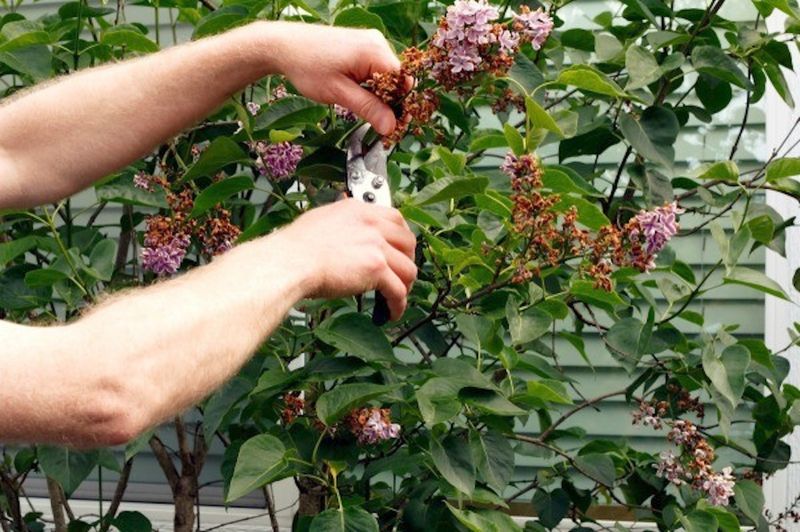
More is not better when it comes to pruning lilacs. One of the most common mistakes gardeners make is going too far, cutting back far more than the shrub actually needs.
Lilacs are naturally vigorous, long-lived plants, and they do not require heavy trimming every single year to stay healthy and productive.
The real purpose of post-bloom pruning is to keep the shrub open and well-organized, not to dramatically reshape or reduce it.
An open structure lets sunlight reach the interior branches, which encourages stronger flowering wood throughout the plant rather than just at the tips.
Good air circulation through the shrub also helps it stay healthy across the full growing season.
Overpruning can actually push a lilac into producing lots of leafy green shoots called suckers or water sprouts, especially from the base of the plant. These shoots grow fast and look lush, but they divert energy away from the established flowering branches.
Too many of them can gradually crowd out the wood that actually blooms, leaving you with a big, bushy shrub that barely flowers.
Before making any cut, ask whether it truly serves the plant. If a branch is crossing another one and creating a rubbing point, removing it makes sense.
If a stem looks weak or unproductive, taking it out opens space for better growth. But if a branch looks healthy and is contributing to the overall shape of the shrub, leaving it alone is often the wisest move.
Restraint is one of the most underrated gardening skills.
6. Renew Older Lilacs Slowly
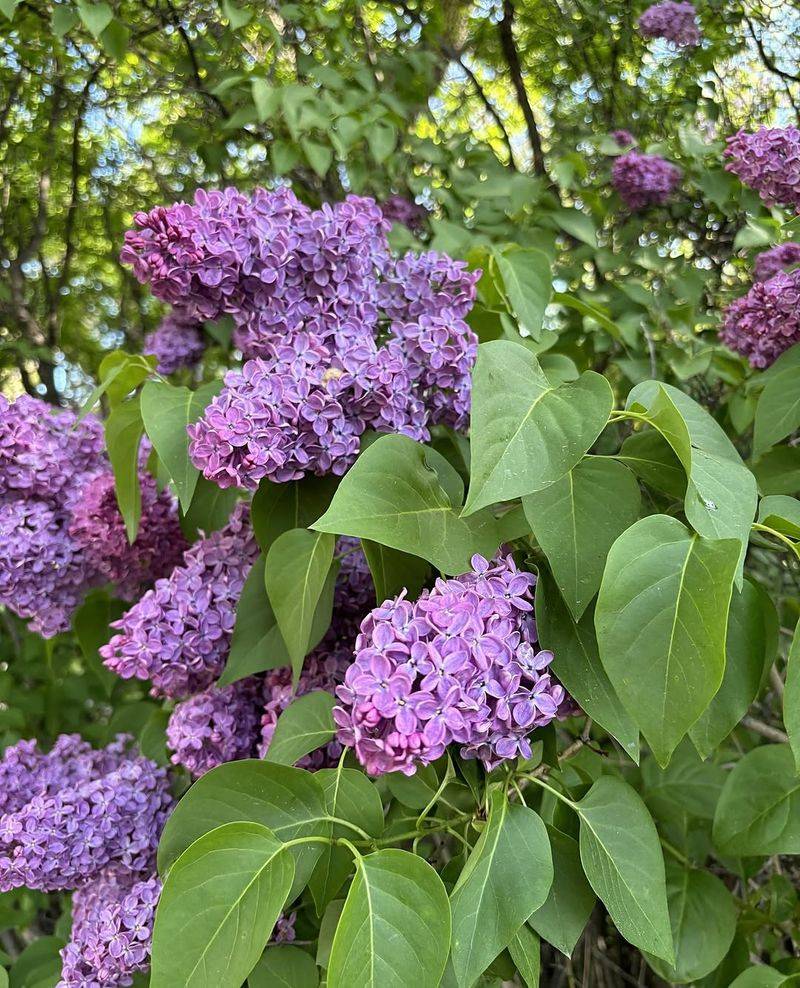
Old lilacs have a charm all their own. Some Michigan gardens are home to lilac shrubs that have been growing for decades, planted by grandparents or even earlier generations.
But over time, older lilacs can become dense, twiggy, and less productive, with most of their flowers clustered high up where you can barely enjoy them.
Gradual renewal is the gentlest and most effective way to bring an aging lilac back to its best. The idea is simple: each year, right after bloom, remove just a few of the oldest, thickest stems at the base of the shrub.
This encourages younger, more vigorous shoots to grow up and eventually take over as the main flowering wood.
The important thing is to go slowly. Removing more than about one-third of the shrub’s total stems in a single season puts a lot of stress on the plant and can seriously reduce blooming for the next year or two.
Spreading the renewal process over three to five years gives the shrub time to replace what was removed and keeps it looking full and attractive the whole time.
Young stems that grow up from the base after renewal pruning will typically begin blooming within a few years, bringing fresh energy and more flowers to a shrub that may have been coasting on old wood for a long time.
Watching an old lilac gradually return to its full glory is one of the most rewarding experiences a patient Michigan gardener can have. Good things really do come to those who wait.
7. Leave Next Year’s Buds Alone
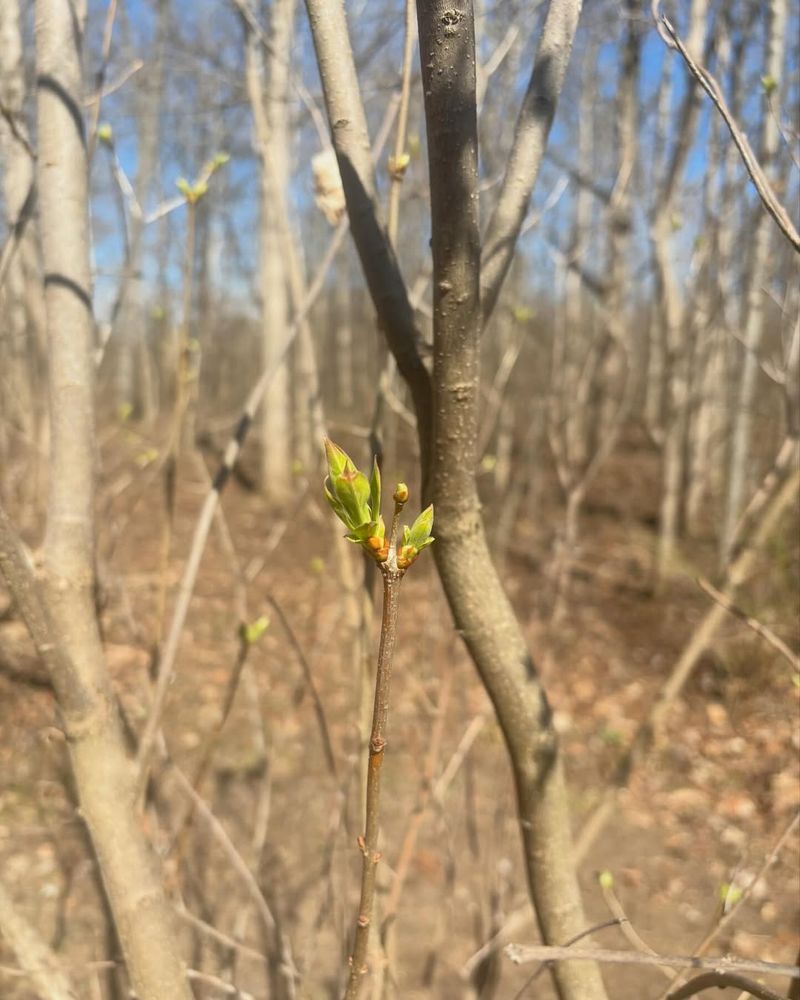
Here is a perspective shift that changes everything about how you approach lilac pruning: think of every cut you make after bloom as a decision about next year’s flowers, not just this year’s tidiness.
That mindset alone can prevent the most common and costly pruning mistakes gardeners make with these shrubs.
Lilacs begin setting up their next bloom season surprisingly soon after flowering ends. The new growth that pushes out after the spent flowers are removed is the same growth that will carry next year’s buds.
Protecting that fresh new wood is the whole point of pruning at the right time and stopping before you go too far into the season.
Every stem you remove after the safe pruning window closes is a stem that was likely already building buds for the following spring. You cannot see those buds from the outside, but they are there, quietly developing through the summer.
Cutting them off means waiting an extra full year before that particular stem can flower again.
Keeping this in mind makes it much easier to resist the urge to tidy up the shrub in late summer or fall. The lilac is not being lazy or unruly during those months.
It is working hard on your behalf, storing energy and building the flower clusters that will fill your garden with fragrance next May. Your job during that time is simply to stay out of the way and let the plant do what it does best.
A little patience now creates a spectacular spring reward.