The September Task That Decides If Your North Carolina Viburnum Flowers Well Next Spring
September in North Carolina smells like warm mulch, cut grass, and one last round of loud thunderstorms. Out in the yard, something quiet and important is happening that most gardeners walk right past.
Your shrubs look finished for the season, all leaves and no drama, coasting toward the cooler weeks. Underneath that calm, they are quietly deciding how big a show they will put on later.
Skip one small chore right now, and April can arrive with plenty of green and nothing else. Handle it well, and the neighbors will slow their cars down when they roll past your driveway.
The timing matters far more than the effort here, and the effort is honestly pretty small. Miss it, and the only spring perfume on your street will be drifting over from next door.
The Deep September Soak Behind Next Spring’s Flowers
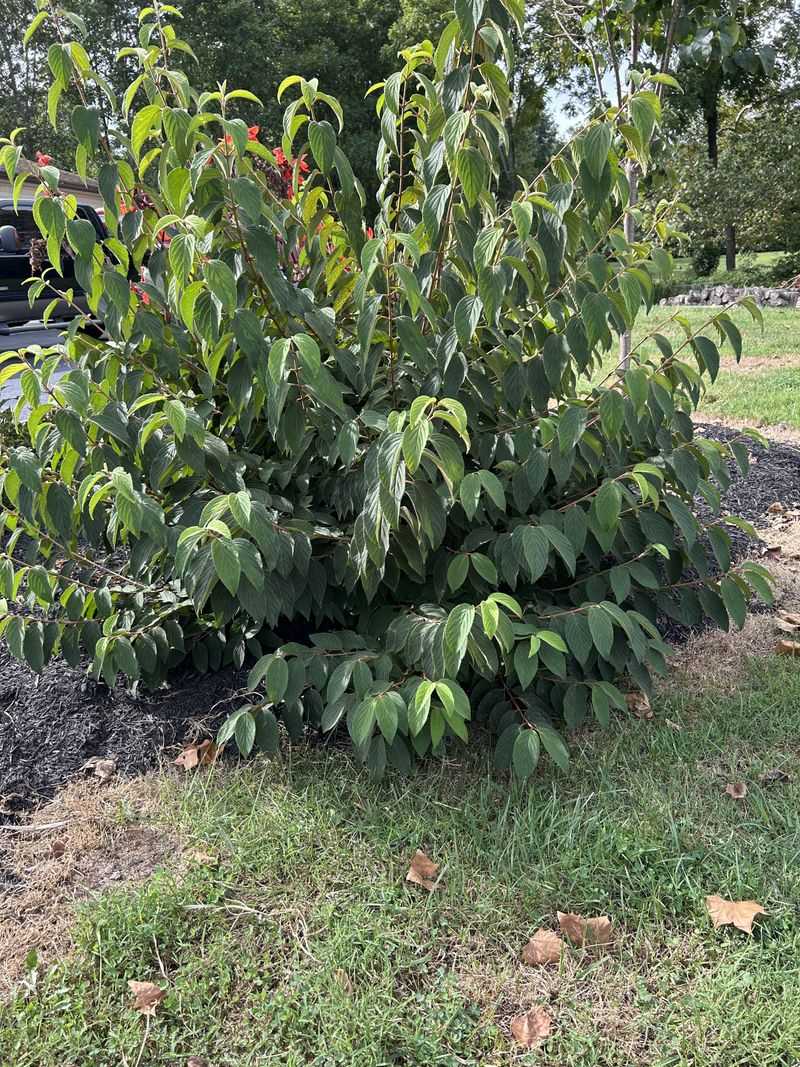
Here is the short answer that gardeners in Raleigh and Charlotte rarely hear out loud. Late summer water decides how many flower buds your shrub carries into next spring.
Viburnum sets its bloom buds during the tail end of summer and the first cool weeks. Those tiny buds form only when roots find steady moisture in the soil below.
A thirsty plant protects itself first, dropping bud production before it drops a single leaf. Flowers are a luxury, and stressed shrubs cut luxuries from the budget quickly.
September in North Carolina often turns dry and stubborn after a wet, stormy August. Gardeners stop watering because the calendar says fall, while the soil says otherwise.
One slow, deep soak each week does more than five quick sprinkles with a hose. Aim for roughly an inch of water reaching six to eight inches down.
Set a hose at the base and let it trickle for forty minutes or so. Move it around the drip line, where the feeding roots actually live and drink.
Sandy coastal plain soil drains fast, so those beds may want two soaks weekly. Heavy Piedmont clay holds water longer, so check with a screwdriver before adding more.
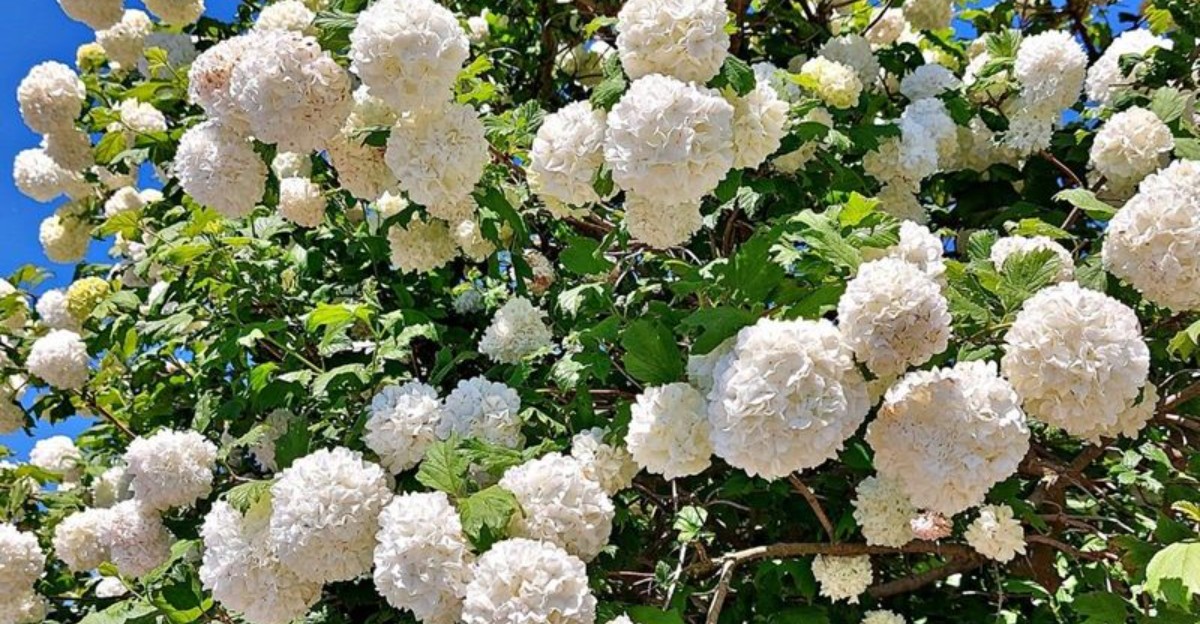
Keep this up until the first hard frost settles over your county. Come April, the snowball clusters will tell everyone exactly what you did back in September.
Doubters can run a test with two shrubs and a single hose. The watered one blooms heavier, and the argument ends right there in the yard.
Bud Set And Piedmont Heat In Early Fall
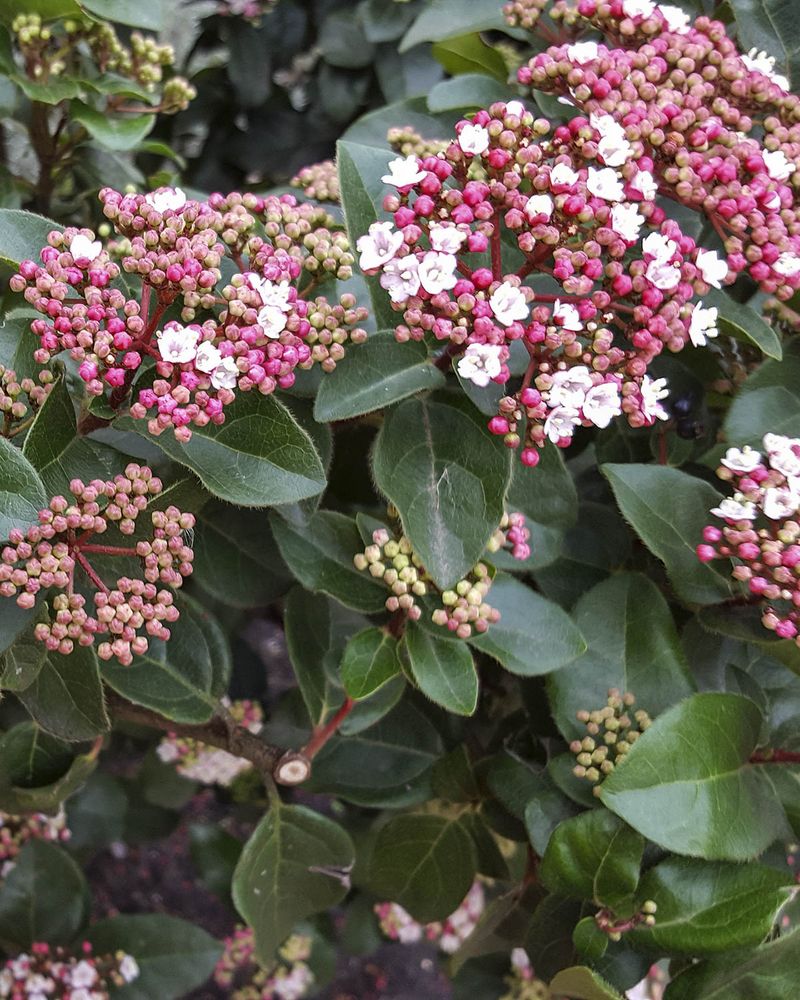
Something is quietly building next year’s flowers while nobody watches. That is exactly what your viburnum does through late August and all of September.
Most viburnum species bloom on old wood, meaning stems that grew during this season. The buds sitting on those stems in October are the flowers you see in April.
Heat pushes the process along, but heat without water grinds the whole thing down. North Carolina afternoons near ninety degrees pull moisture from leaves faster than roots replace it.
When that gap widens, the shrub closes its leaf pores and pauses food production. No food means no energy for building buds, so the factory runs a shorter shift.
Your North Carolina Garden Changes Every Week. Your Plan Should Too.
Gardening in North Carolina changes quickly throughout the season. Every Friday you’ll receive a simple weekly plan showing exactly what to plant, prune, fertilize, harvest, and protect so you never miss the right timing.
You will not notice the loss, because nothing looks wrong in September at all. Leaves stay green, stems stay firm, and the damage hides until spring arrives.
Korean spice, arrowwood, and doublefile types all follow the same quiet schedule. Even tough natives like blackhaw appreciate a drink while their buds are forming.
Soil temperature also matters more than most folks realize during these weeks. Warm roots keep growing well into November here, long after the tops look sleepy.
Feeding those active roots with moisture now pays for itself in bloom count. Think of September as the deposit and April as the withdrawal.
Old timers in the Sandhills called this the setting season for good reason. They watered shrubs in September and let everyone else wonder about their spring luck.
The Right Weeks And The Best Hours For Watering
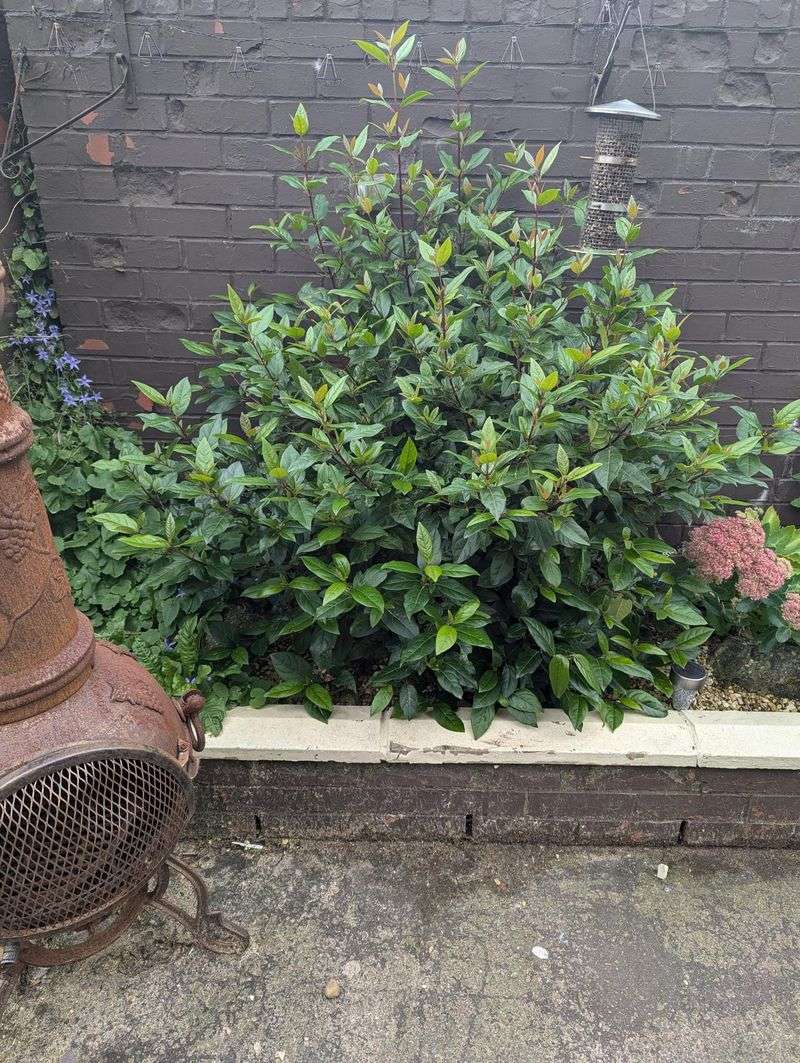
Timing beats effort in this job, and the window is narrower than people assume. Start the first week of September and continue through the middle of October.
Early morning, between six and nine, is the sweet spot for soaking shrubs. Roots absorb water before the heat climbs, and leaves dry before evening arrives.
Evening watering leaves foliage damp overnight, which invites leaf spot and powdery mildew. Viburnum already struggles with those fungal problems in our humid Southern air.
Once weekly works for most established plants growing in average Piedmont clay. Shrubs planted within the last two years usually want that soak twice a week.
Track rainfall with a cheap gauge instead of guessing after a loud afternoon storm. Many of those storms drop a quarter inch and run straight off dry ground.
If the week brings an honest inch of rain, skip your turn and save water. If it brings noise and lightning only, go ahead and run the hose anyway.
Hurricane season in North Carolina sometimes solves the problem for you with several soggy days. After that kind of rain, wait until the top three inches feel dry again.
Taper off once nighttime temperatures settle into the forties consistently. One final deep soak before the ground freezes carries the shrub through winter.
Mark watering days on your phone, because September weekends disappear fast around here. Football, fairs, and family visits have wrecked more bloom seasons than any insect.
Consistency matters more than perfection with this simple chore. A decent soak on Tuesday beats a perfect one you keep postponing.
Sprinkler Habits And Shear Mistakes To Avoid
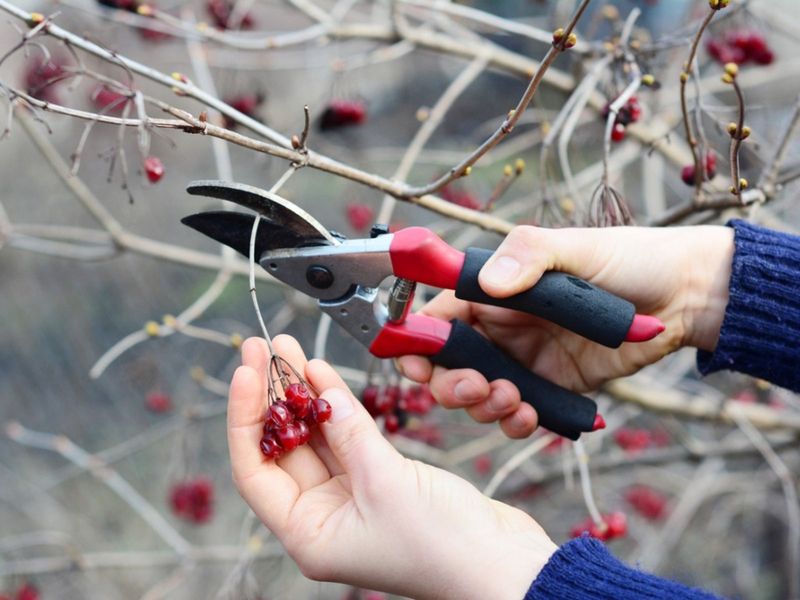
The most common blunder happens with good intentions and a pair of sharp pruners. Trimming viburnum in September removes the very buds you are trying to protect.
Those buds already sit on the stem tips, waiting patiently for spring. Shearing the shrub into a neat ball cuts them off by the hundreds.
Prune North Carolina viburnum right after flowering in late spring instead, and the plant rebuilds all summer. Anything later than early July starts eating into next season’s display.
Sprinklers cause the second problem, mostly because they look like they are working. Ten minutes of spray wets the mulch and rarely reaches the deeper roots.
Shallow watering trains roots upward, where they bake during the next dry stretch. A soaker hose or slow trickle builds the deep system you actually want.
Fertilizer is another trap this month, especially the high nitrogen bags at the store. Feeding now pushes soft new growth that frost will damage in November.
Skip the fertilizer and let the shrub spend its energy on buds and roots. Compost spread on top in October does the job without forcing tender shoots.
Piling mulch against the trunk rots bark and keeps water from soaking in properly. Leave a few inches of breathing room around the base like a doughnut.
Watering the leaves instead of the soil wastes both time and money. Point the hose where the roots are, out near the branch tips.
One careless September afternoon with the hedge trimmer can cost you next spring’s blooms. Hang the shears on a hook and walk away until June.
Rescue Moves For A Wilted, Stressed Shrub
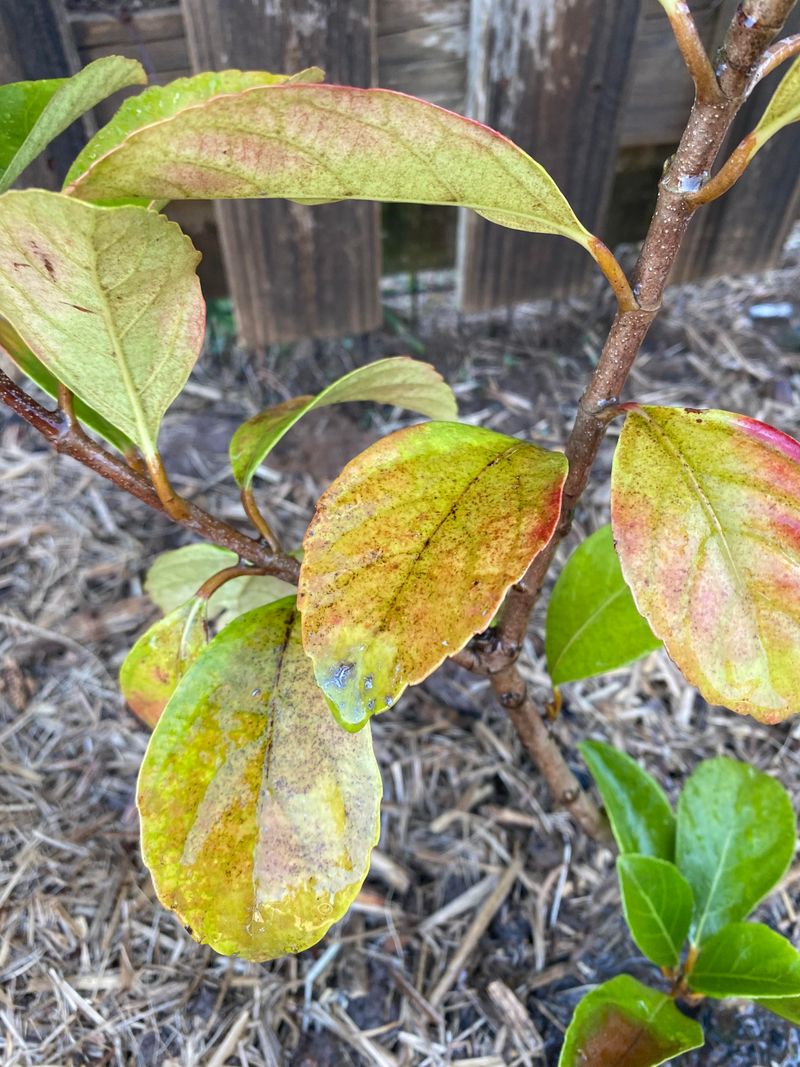
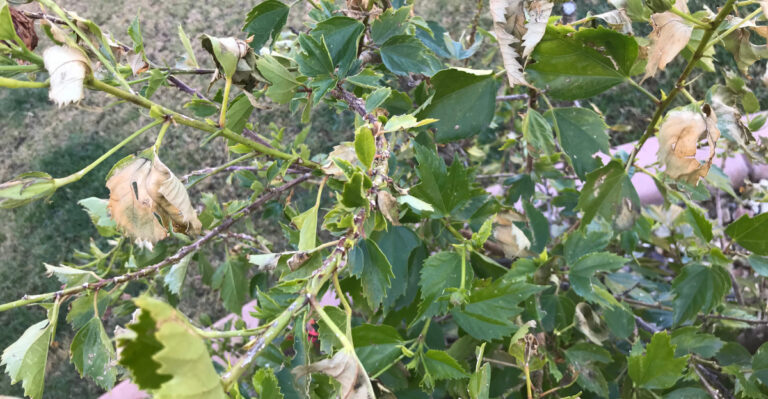
Maybe you already missed a few weeks, and the leaves look dull and droopy. Even so, viburnum forgives late help better than most shrubs in the yard.
Start by checking the soil with a trowel about six inches down. Dry and crumbly at that depth means the plant has been thirsty for a while.
Give a long, gentle soak rather than blasting the bed with full pressure. Dry clay repels fast water, so a slow trickle lets it absorb properly.
Repeat that soak two days later to rehydrate the entire root zone evenly. One session rarely reaches every root on a shrub that has been struggling.
Crispy brown leaf edges signal scorch, which will not heal on existing foliage. New growth next spring looks normal, so resist the urge to trim everything back.
Add two inches of shredded hardwood mulch once the soil is thoroughly wet. Mulch traps that moisture and keeps roots cooler during the last warm spells.
Hold off on any fertilizer until the plant has recovered and rain returns. Feeding a stressed shrub is like handing a tired runner a heavy backpack.
Bloom count may dip slightly next spring, and that outcome is perfectly survivable. Steady care through October still saves a surprising number of buds.
Container grown viburnum near a hot patio needs checking every couple of days. Pots dry out quickly in September sun, even when the beds stay damp.
Patience wins here, and the shrub usually shows its thanks by April. Keep the hose handy.
Mulch, Soil Prep, And Steady Bud Protection
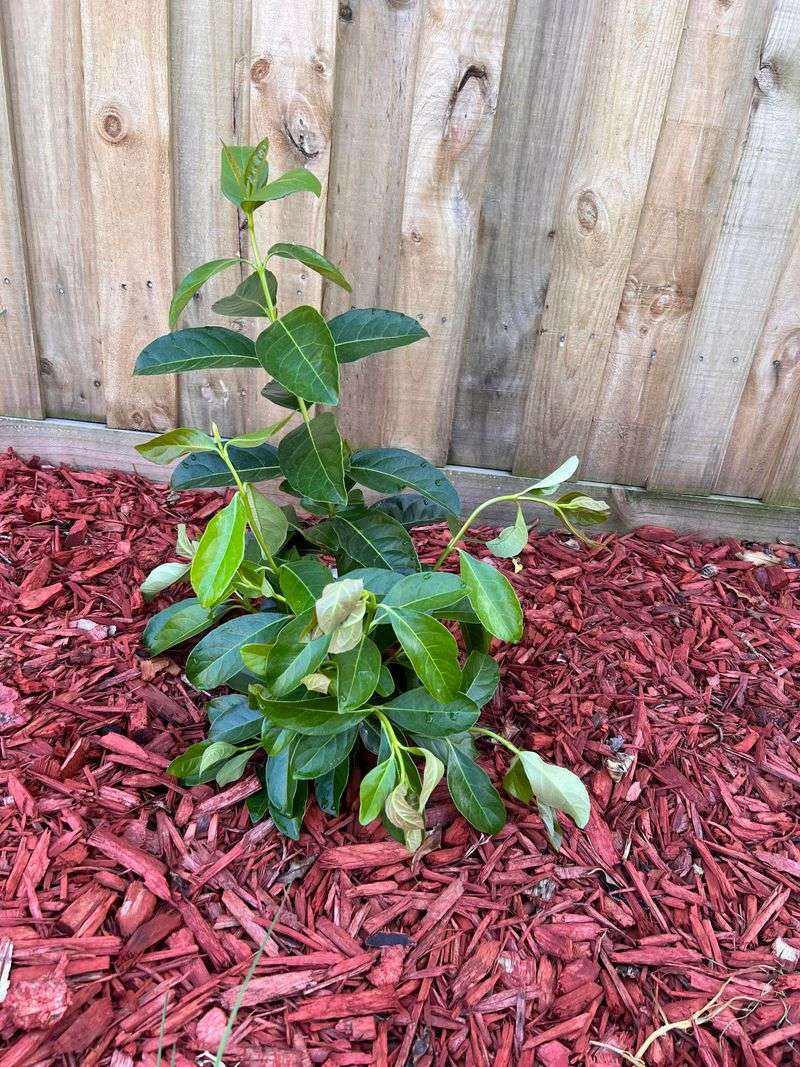
Long term, the goal is a shrub that barely notices a dry September. Soil does most of that work, quietly, year after year.
Compost worked into the planting hole and spread on top improves how clay holds water. Rich soil acts like a sponge instead of a brick.
Mulch is the cheapest insurance available at any garden center in North Carolina. Three inches of pine bark cuts evaporation dramatically through late summer heat.
Renew that layer each spring and pull it back from the stems. Old mulch breaks down into food for earthworms and roots alike.
Placement matters too, since viburnum planted in blazing afternoon sun dries out fastest. Morning sun with a little afternoon shade suits most types grown here.
Group shrubs with similar water needs so one soaking session serves them all. Mixing thirsty plants with drought lovers guarantees somebody stays unhappy.
A drip line on a simple timer removes human forgetfulness from the equation. Twenty dollars of tubing can protect a decade of spring blooms.
Keep notes on a calendar about rainfall, watering dates, and bloom counts. Patterns show up fast, and next September becomes much easier to manage.
Established plants with deep roots handle drought far better than new ones. Three seasons of consistent care builds that toughness for good.
Native options like arrowwood and blackhaw tolerate our swings better than fussy imports. Choosing them from the start reduces the watering chore considerably.
Do the small things and September stops being a gamble. Spring flowers become a habit rather than a happy accident.