The Tasks Oregon Gardeners Should Finish Before This Weekend’s Rain Returns
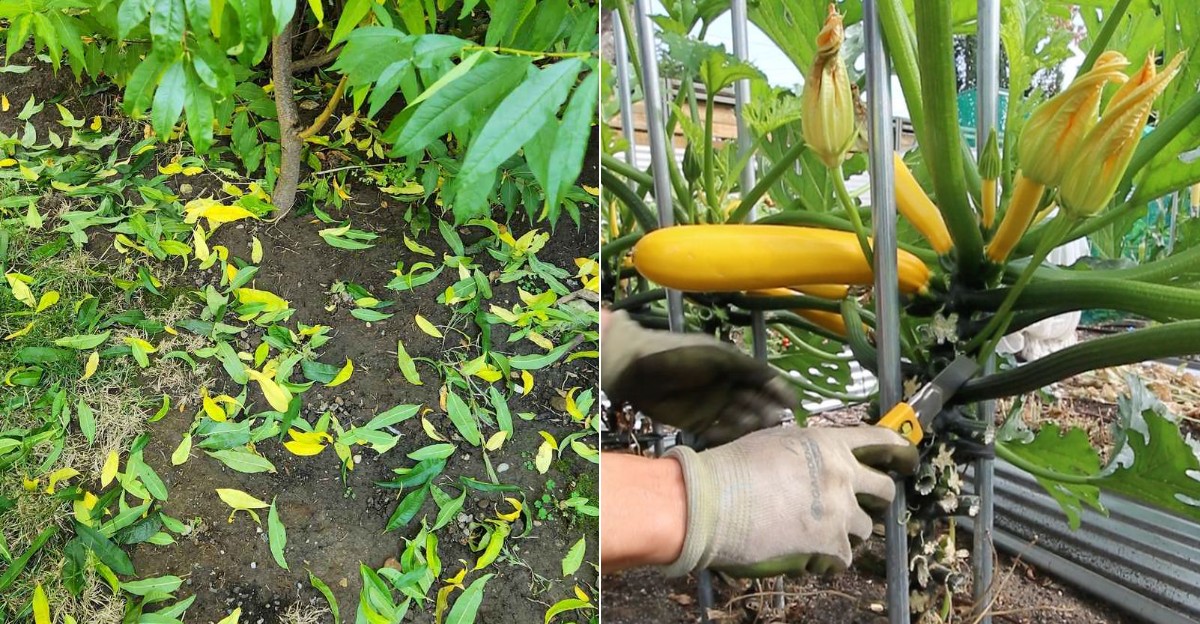
A few dry days can make Oregon garden chores feel much easier, but that window will not last forever once the next round of rain moves in.
If you have been putting off one important task, now may be the time to tackle it before wet soil makes the job messier and harder to manage.
Rain can change how easily you can work the soil, move plants, clear debris, or prepare garden beds.
Some jobs are also better completed before moisture settles in and creates conditions that encourage rot, disease, or other problems. You do not need to tackle the entire yard this week.
Focus on the one task that will be most difficult or less effective after the rain arrives, and you can head into the wetter stretch with one important chore already off your plate.
1. Clear Diseased Leaves Before Rain Arrives
Rain in Oregon acts like a delivery truck for plant sickness. When drops hit sick leaves, they splash tiny spores onto healthy ones nearby. Clearing those leaves first stops the spread cold.
Look for leaves with brown spots, yellow patches, or a fuzzy gray coating. These are warning signs that a fungus or bacteria has moved in. Pick them off gently so you do not fling spores everywhere.
Timing matters more than most folks think. Doing this job while leaves are still dry keeps spores from sticking to your hands and clothes. A dry morning is your best window.
Work slowly and check the undersides too. Many diseases hide on the back of a leaf where you cannot see them at first glance. A quick flip reveals a lot.
Wear gloves and keep a bag close by. Drop each sick leaf straight into the bag instead of tossing it on the ground. That small habit saves you extra cleanup later.
Once the rain starts, wet leaves become slippery and spores travel with every splash. Beating the storm gives your plants a real head start on staying well.
Give your whole Oregon garden a walk-through before you finish. A few minutes of careful looking now means fewer sick plants when the sun returns. Your future self will thank you.
2. Remove Infected Plant Parts From Garden Beds
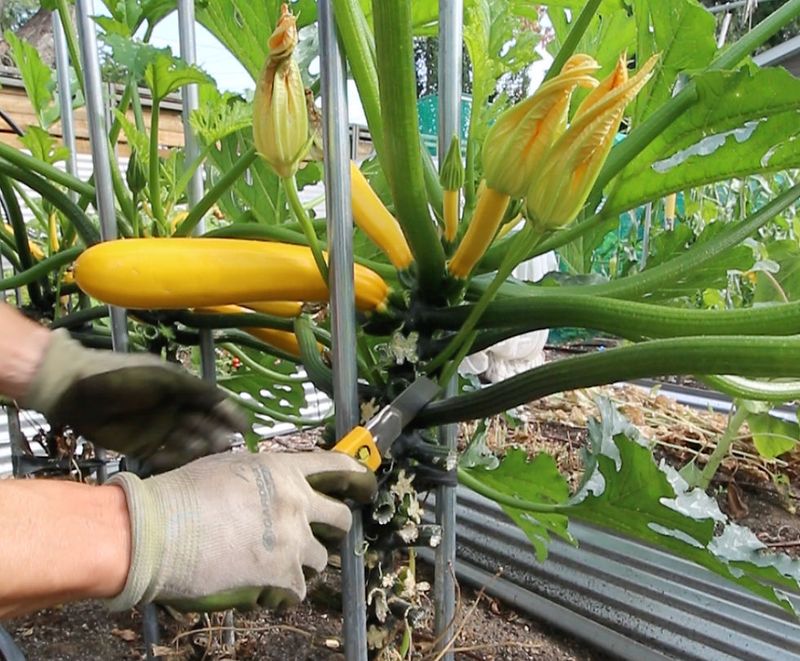
Leaves are not the only troublemakers. Stems, flowers, and even fruit can carry disease that spreads once the weather turns wet. Getting rid of all infected parts keeps the whole plant safer.
Grab a clean pair of pruners and snip away any stem that looks dark, mushy, or streaked. Cut a little below the sick spot to make sure you remove the whole problem.
Do not forget fallen bits sitting in the bed. Old blooms and rotting fruit make cozy homes for spores that wait for rain to spread around.
A rake helps you gather loose debris fast. Run it lightly over the soil surface to pull up hidden scraps you might miss by hand.
Clearing beds also lets air move freely between your plants. Good airflow dries out moisture quickly, which fungus really dislikes.
Your Oregon Garden Changes Every Week. Your Plan Should Too.
Gardening in Oregon changes quickly throughout the season. Every Friday you’ll receive a simple weekly plan showing exactly what to plant, prune, fertilize, harvest, and protect so you never miss the right timing.
Try to finish this before the first drops fall. Wet plant parts are harder to handle and release spores the moment you touch them.
Keep your cleared beds tidy for the next few days. A clean bed gives rain a fair chance to help your plants instead of harming them.
Take one last look around when you are done. Spotting a single missed stem now can stop a whole patch of trouble later. Careful eyes make a big difference.
3. Do Not Add Diseased Material To Compost
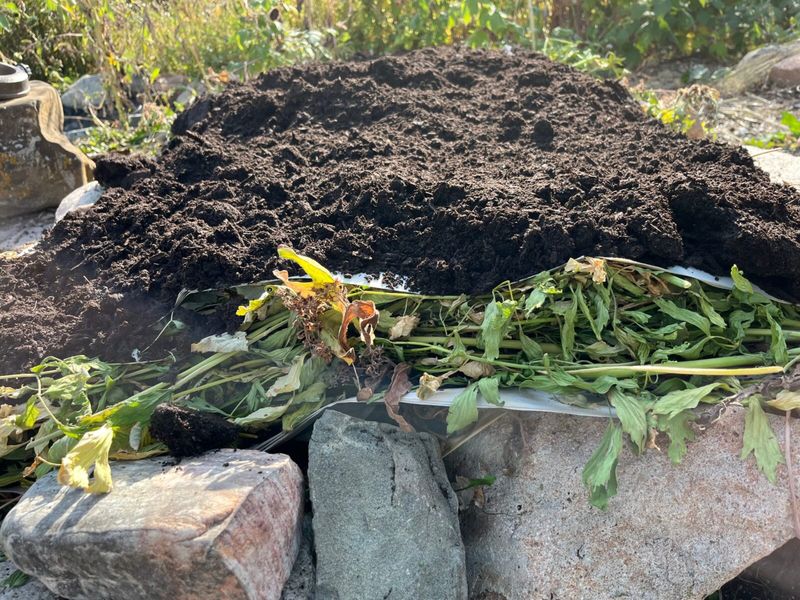
Compost feels like the natural home for garden scraps, but sick plants are a big exception. Most backyard compost piles in Oregon never get hot enough to wipe out disease spores.
Those spores can survive for months in a cool pile. When you spread that compost later, you accidentally plant the sickness right back into your garden.
Think of it as keeping the bad stuff out of the recycling bin. Healthy scraps like grass and veggie peels are welcome, but infected leaves need a different path.
Only very hot commercial compost systems reach temperatures high enough to break down disease. A home pile rarely gets that toasty.
Keep a separate bag or bin just for sick plant parts. Labeling it clearly helps everyone in the house avoid mixing things up.
Rain makes this rule even more important. Moisture wakes up dormant spores, and a wet compost pile becomes a spore factory over time.
Some gardeners feel bad tossing plant material, but protecting your soil is worth it. One infected batch can undo months of hard work.
When in doubt, leave it out of the compost. Sticking to this simple rule keeps your garden’s foundation clean and your future harvests strong. Your plants depend on healthy soil, so guard it well.
4. Pick Up Leaves Around Fruit Trees
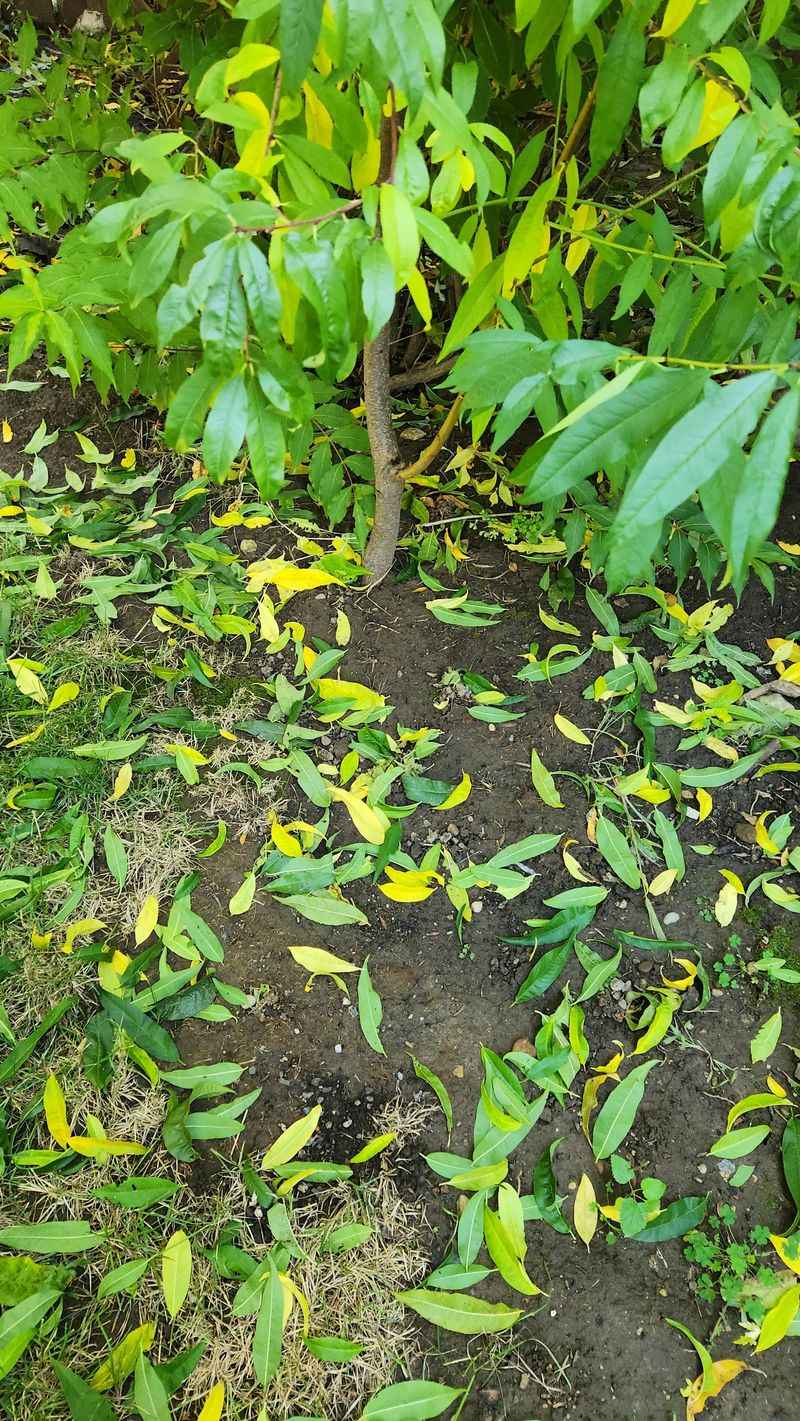
Fallen leaves under fruit trees look harmless, but they often hide disease from the past season. Apple scab and brown rot both love to overwinter in that leaf litter.
When rain returns, water splashes those old spores up onto branches and buds. Clearing the ground first breaks that cycle before it starts.
Rake the area all the way out to the drip line, which is the edge where the outer branches reach. Spores can travel farther than you think.
Pay extra attention to any mummified fruit still hanging or lying nearby. Shriveled old fruit is packed with disease waiting for a wet day.
A tarp makes cleanup faster. Rake leaves onto it, then fold it up and carry everything away in one easy trip.
Getting this done before the storm gives your trees a clean slate. Rain washes over bare soil instead of a blanket of infected leaves.
Try to work when the ground is still dry if you can. Wet leaves clump together and cling stubbornly to the rake.
Healthy trees start with clean ground beneath them. A little raking now can mean sweeter, spot-free fruit when harvest season rolls around again. Your orchard will reward the effort with a better crop next year.
5. Clear Diseased Tomato Foliage From The Soil
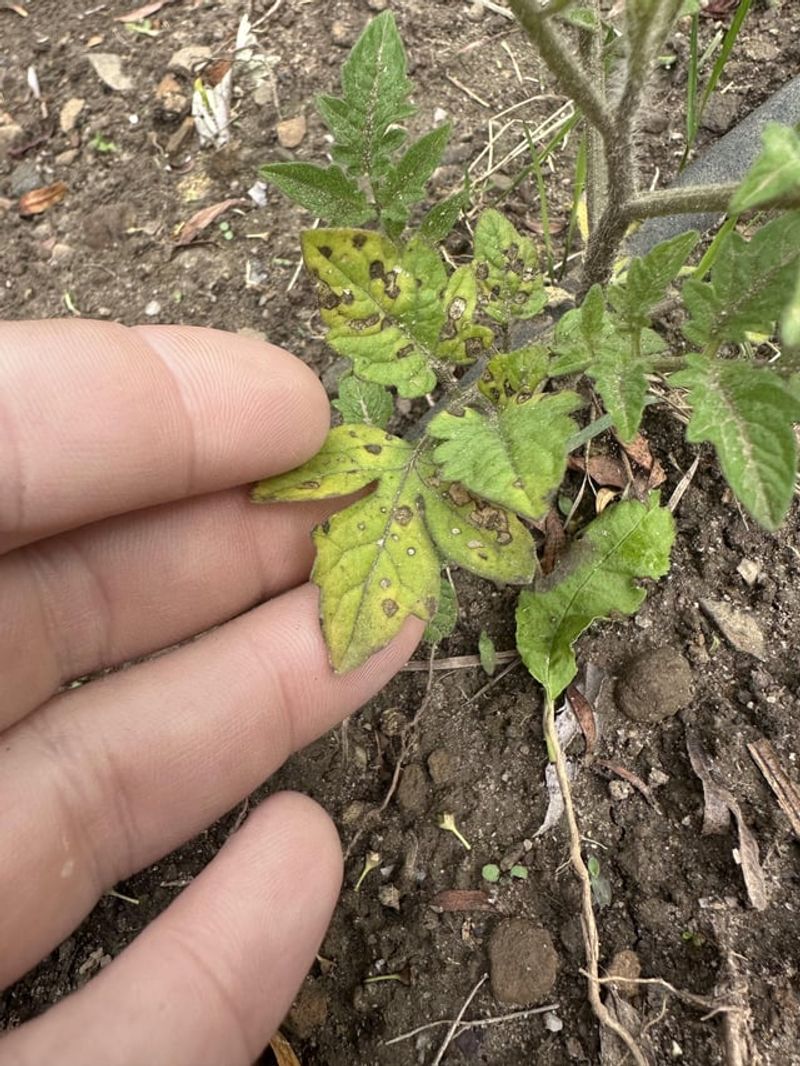
Tomatoes are famous for catching leaf spot and blight, especially when the weather gets damp. Sick foliage lying on the soil is one of the biggest culprits.
Rain splashes soil onto lower leaves, carrying spores upward with every drop. Clearing that fallen foliage stops the splash cycle in its tracks.
Start by removing any leaves touching the ground, even the healthy-looking ones. Lower leaves catch the most spray and spread trouble fast.
Look for yellow leaves with dark rings or brown blotches. These classic blight signs mean it is time to snip and toss.
Clearing the soil around each plant also helps roots breathe. Bare, tidy ground dries quicker and slows fungus growth.
A layer of mulch after cleanup adds extra protection. It keeps soil from splashing up when the rain finally comes down hard.
Try to finish before the storm hits so wet leaves do not spread spores as you work. Dry handling is always cleaner and safer.
Stake or cage your plants tall to keep leaves off the dirt going forward. Good support means less contact with contaminated soil.
A few minutes of tomato tidying now protects your whole harvest. Clean plants give you more juicy fruit and far fewer sad, spotted vines to worry about later.
6. Remove Affected Squash Leaves And Vines
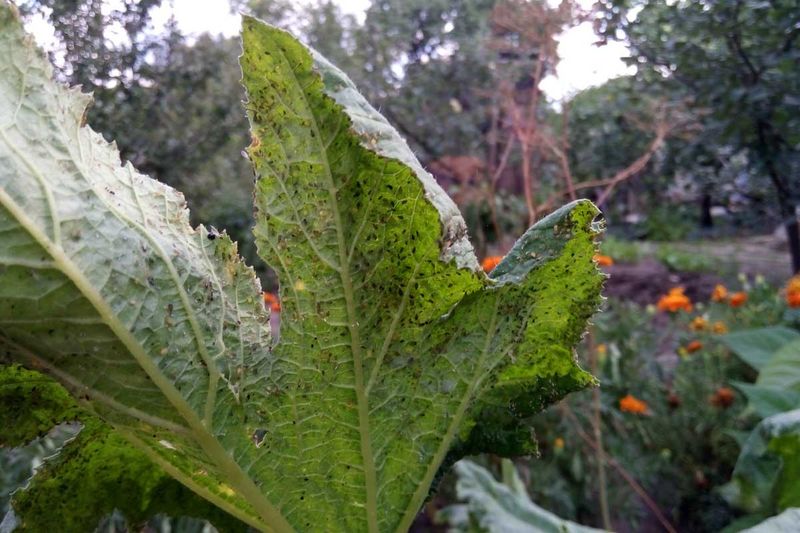
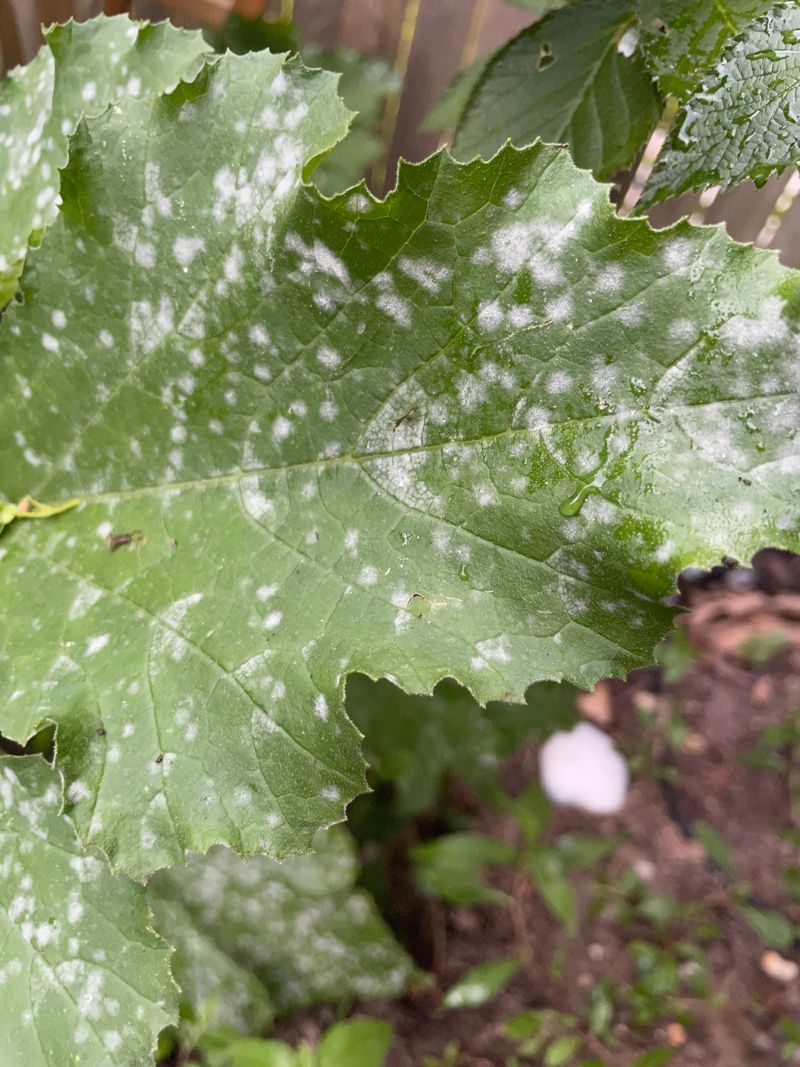
Squash plants throw out huge leaves that catch powdery mildew like magnets. That white, dusty coating spreads even faster once rain adds humidity to the air.
Snipping off the worst leaves clears the way for better airflow. Fresh air dries the plant and slows the mildew from taking over.
Start with leaves that are more than half covered in white or brown. These are past saving and only feed the problem.
Follow the vines too, since disease can creep along the stems. Remove any section that feels mushy or looks streaked with dark color.
Do not strip the whole plant bare, though. Leave enough healthy foliage so the squash can still soak up sunlight and grow.
Toss every cut piece straight into a bag, not onto the ground. Fallen mildew leaves keep spreading spores even after they are removed.
Space is your friend with squash. Thinning crowded leaves gives each plant room to breathe when the wet weather arrives.
Water at the base rather than overhead from now on. Dry leaves resist mildew far better than soggy ones ever could.
Cleaning up your squash before the rain keeps those big leaves productive. A little trimming today means more zucchini and pumpkins filling your baskets down the road.
7. Bag Problem Plant Material For Disposal
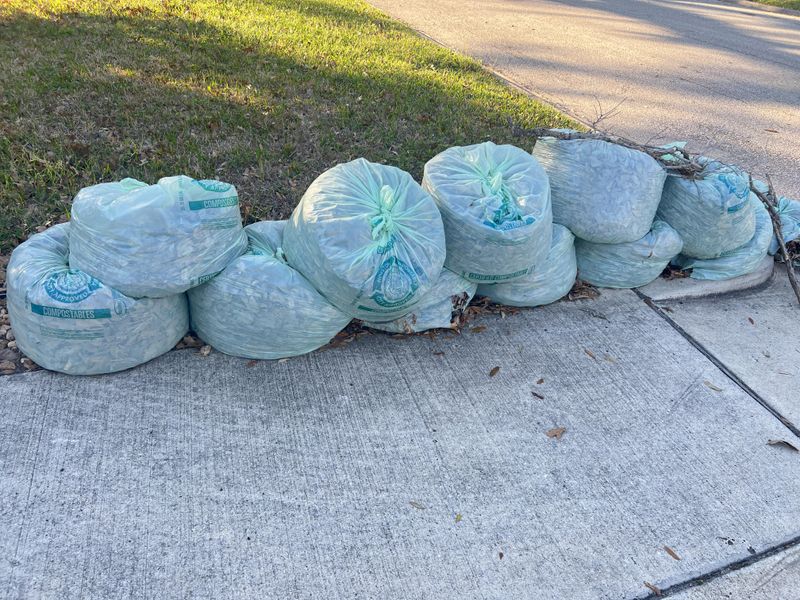
Gathering sick plant parts is only half the job. Where they end up matters just as much as pulling them out of the beds.
Loose piles of infected debris still spread spores, especially once rain gets them wet. Sealing everything in a bag locks the trouble away for good.
Use a sturdy bag that will not rip when you drag it. Torn bags spill spores right back into your yard.
Tie the top tightly before moving it. A closed bag keeps wind and rain from scattering the contents everywhere.
Check your local rules for yard waste disposal. Some Oregon areas let you set diseased material in green bins, while others prefer trash pickup.
Never leave the bag sitting open in the garden overnight. Curious animals and gusty winds can undo all your hard work.
Keep the bag away from your compost and healthy plants until pickup day. Distance adds an extra layer of safety.
Wearing gloves during bagging protects your hands and stops spores from hitching a ride indoors. Wash up well when you finish.
Proper disposal is the finish line for your cleanup. Sending sick material far from your garden means the rain washes over clean beds instead of spreading yesterday’s problems. That final step really seals the deal.
8. Clean Pruners After Cutting Infected Plants
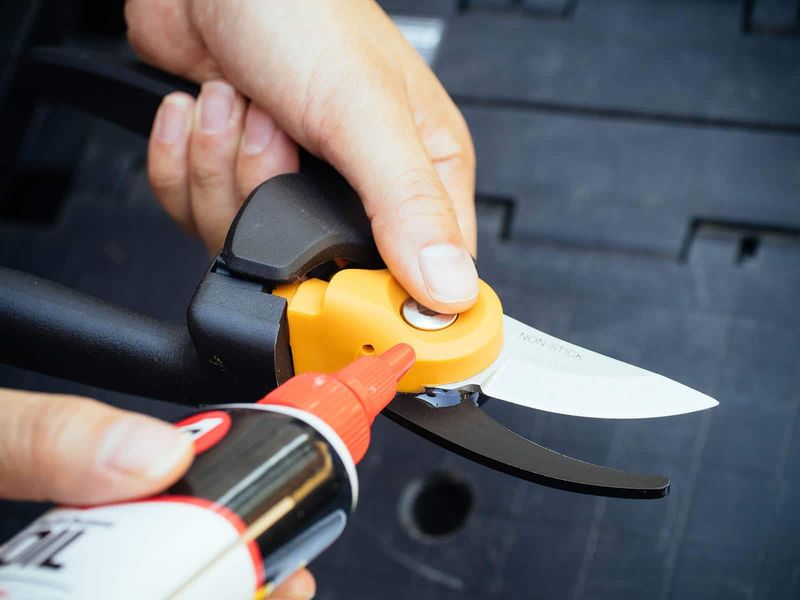
Your pruners can carry disease from one plant to the next without you even noticing. A dirty blade turns a helpful tool into a spreader of trouble.
Wiping the blades after each infected cut stops spores from traveling. It only takes a few seconds but saves you huge headaches.
Keep a rag and some rubbing alcohol nearby while you work. A quick swipe between cuts keeps every snip clean.
For a deeper clean, dip the blades in a mix of water and a little bleach. Let them soak for a minute, then rinse and dry.
Drying is important because rust can build up on wet metal. A dry, oiled blade cuts smoothly and lasts much longer.
Do this cleaning before the rain returns so your tools are ready for next time. Damp storage invites both rust and lingering spores.
Sharp, clean blades make cleaner cuts too. Ragged wounds on plants heal slowly and invite even more disease.
Store your pruners somewhere dry, like a shed or garage shelf. Leaving them outside overnight lets moisture and germs settle in.
A well-cleaned tool is the quiet hero of garden health. Taking care of your pruners means every future cut helps your plants instead of harming them. Good tools make good gardens.