8 Reasons Michigan Hydrangeas Grow Leaves But Never Bloom
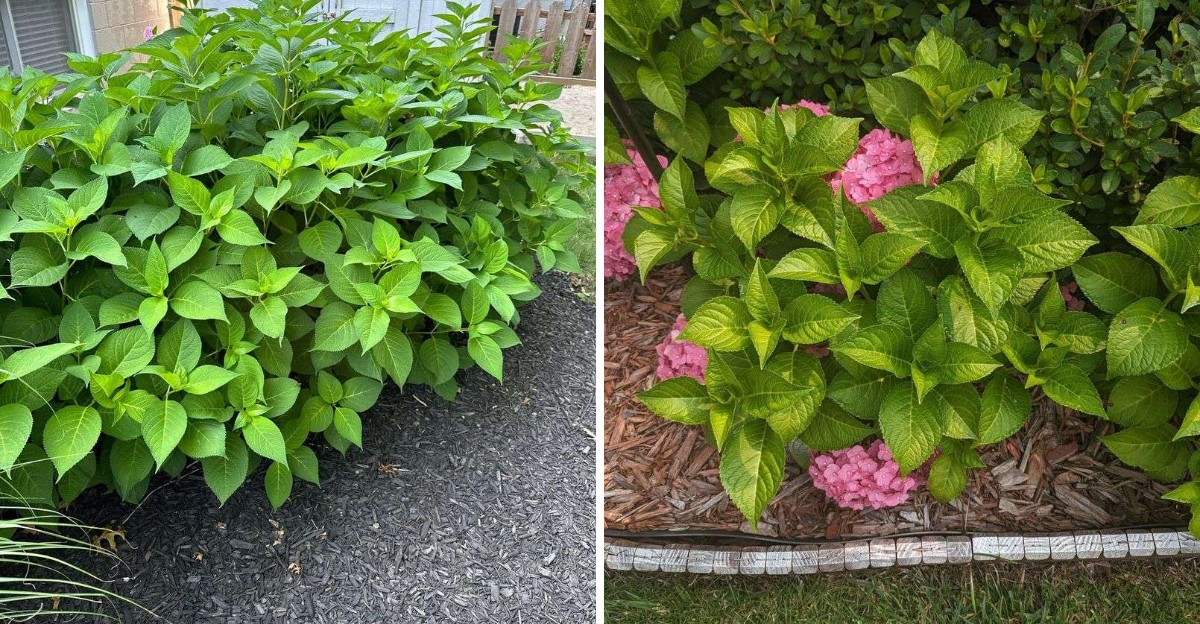
Few things are more frustrating for a Michigan gardener than a healthy-looking hydrangea that produces plenty of green leaves but never actually flowers.
This disconnect usually comes down to a handful of underlying issues, from pruning at the wrong time and removing next year’s flower buds to insufficient sunlight, harsh winter damage, or simply growing a variety that isn’t well suited to Michigan’s climate.
Because hydrangeas vary widely in how and when they set their blooms, a mistake that barely affects one variety can completely prevent flowering in another.
Identifying the actual cause behind a non-blooming hydrangea is the key step before any fix can actually work. Understanding these common reasons helps Michigan gardeners finally get the full, colorful blooms their hydrangea is supposed to produce.
1. Winter Destroyed The Flower Buds
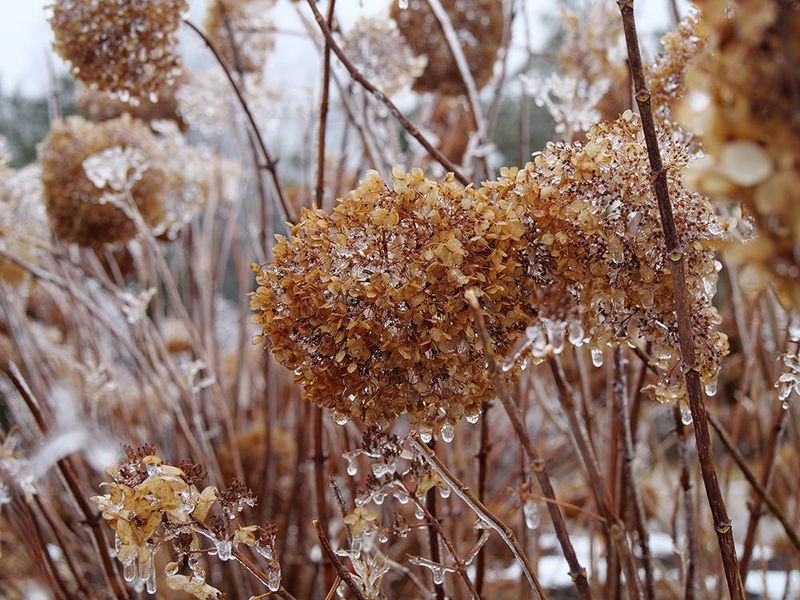
Michigan winters can be brutal, and bigleaf hydrangeas often pay the price. These popular plants form their flower buds during the previous summer, tucking them away on last year’s stems, also called old wood.
When temperatures drop far below freezing, those tiny buds sitting on the branches get harmed by the cold.
The stems themselves may survive, but the delicate flower buds inside cannot handle the deep freeze. So when spring arrives, the plant still has enough energy stored in its roots to push out fresh green leaves.
That is why you end up with a bush that looks full and healthy but never produces a single flower. The leaves grow from tougher parts of the plant, while the flowers were lost during the frozen months.
To protect your hydrangeas, wrap them in burlap during late fall or pile mulch and leaves around the base for insulation. Some gardeners build simple cages filled with straw to shield the stems.
Choosing a sheltered spot near a wall or fence also helps block harsh winter winds. If your yard gets very cold, planting on the east side of your home can offer extra protection.
Another smart move is picking varieties bred to handle Michigan’s climate. Newer types often bloom on both old and new wood, giving you a backup if winter takes the older buds.
With a little cold-weather care, you can help those buds make it through and enjoy a colorful show next summer.
2. Pruning Happened At The Wrong Time
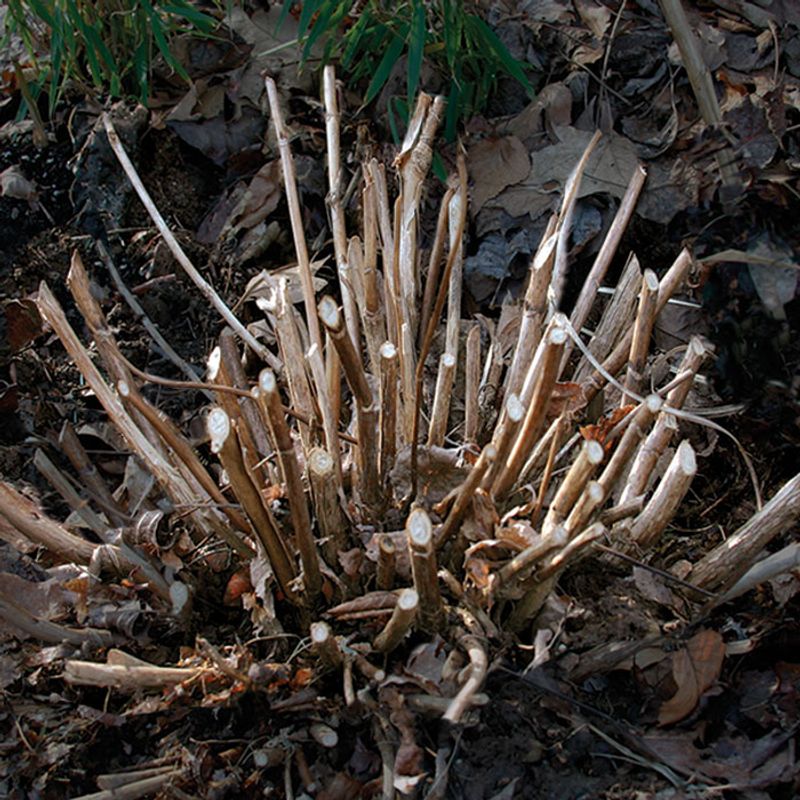
Snip at the wrong moment, and you might accidentally cut away next year’s entire flower show. Timing your pruning is one of the biggest secrets to hydrangea success.
Many hydrangeas, especially the classic bigleaf types, set their flower buds in late summer for the following year. If you cut them back in fall, winter, or early spring, you remove those buds before they ever get a chance to open.
The plant then grows plenty of leaves, since leaf buds form easily, but the flowers you were hoping for are already gone. It looks like the shrub is thriving, yet the blooms simply are not there.
Before you grab your shears, figure out which type of hydrangea you have. Old-wood bloomers should only be trimmed right after they finish flowering in summer, giving them time to build new buds.
Your Michigan Garden Changes Every Week. Your Plan Should Too.
Gardening in Michigan changes quickly throughout the season. Every Friday you’ll receive a simple weekly plan showing exactly what to plant, prune, fertilize, harvest, and protect so you never miss the right timing.
New-wood bloomers, like panicle and smooth hydrangeas, are more forgiving. You can prune those in late winter or early spring because they form buds on fresh growth each year.
When you do prune, focus on removing weak, crossing, or damaged stems rather than shaping the whole plant. Light trimming keeps the shrub healthy without sacrificing flowers.
If you are unsure of your hydrangea’s identity, wait and watch it through a full season. Note when it blooms and where the flowers appear on the stems.
Getting the timing right takes a little patience, but it rewards you with a bush covered in blossoms year after year.
3. Late Spring Frost Damaged New Buds
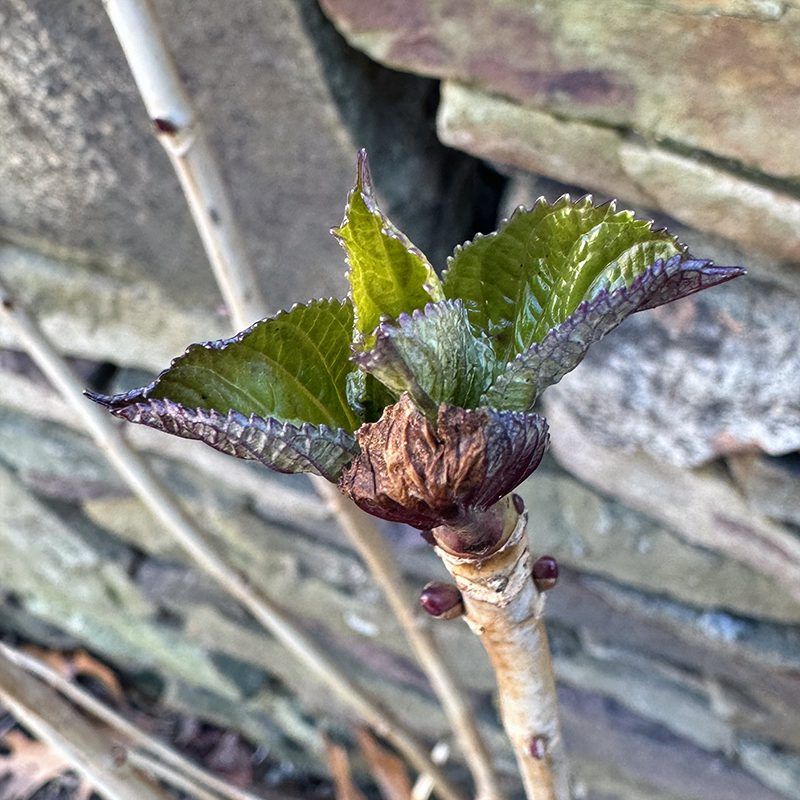
Just when you think winter is over, Michigan loves to throw one last cold snap your way. Those surprise late spring frosts can undo weeks of promising growth in a single chilly night.
As the weather warms, hydrangeas wake up and start pushing out tender new buds. These fresh buds are soft and full of moisture, which makes them very sensitive to sudden freezing temperatures.
When a frost sweeps in during April or May, it harms those developing flower buds. The leaves and stems might bounce back, but the future blossoms often cannot recover from the shock.
You may notice brown or mushy tips on new growth after a cold night. Later, the plant fills out with leaves while producing few flowers, or none at all, that season.
Keeping an eye on the weather forecast helps you stay ready. When frost is predicted, cover your hydrangeas with old sheets, blankets, or frost cloth in the evening.
Drape the covering all the way to the ground so it traps warmth rising from the soil. Remember to remove it in the morning once temperatures climb above freezing.
Planting hydrangeas in spots that warm up slowly, away from early morning sun, can also reduce frost damage. Slower waking means buds stay tucked in until the danger passes.
A few minutes of protection on cold nights can save an entire summer of color. With this simple habit, your buds stand a much better chance of blooming beautifully.
4. Too Much Shade Reduces Blooms
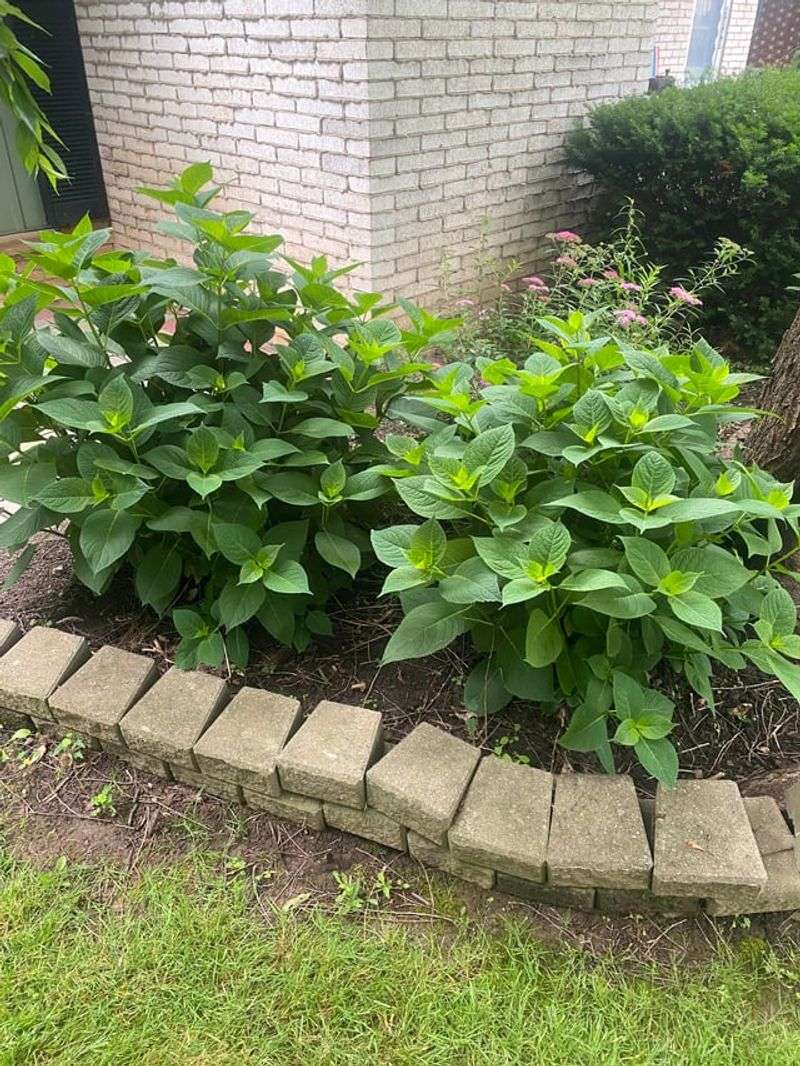
Hydrangeas have a reputation as shade lovers, but too much darkness leaves them all leaves and no flowers. Sunlight is the fuel that powers those gorgeous blooms.
While these plants appreciate some afternoon shade, especially in hot spots, they still need a good dose of morning sun to flower well. Without enough light, the shrub focuses its energy on growing leaves instead of petals.
In a deeply shaded corner under thick trees, your hydrangea may look green and full while producing hardly any blossoms. The plant is surviving, but it lacks the energy to make flowers.
Most hydrangeas do best with roughly four to six hours of sunlight each day. Morning sun paired with light afternoon shade is often the sweet spot in Michigan gardens.
If your shrub sits in heavy shade, consider trimming back nearby tree branches to let more light filter through. Even a little extra sunshine can make a big difference.
Another option is moving the plant to a brighter location. Transplant in early spring or fall when the weather is cool, and water it well while it settles in.
Watch how the sun travels across your yard throughout the day before choosing a new spot. You want a place that gets bright morning rays without scorching midday heat.
Give your hydrangea the light it craves, and you will likely see those green leaves finally joined by clusters of cheerful, colorful flowers all summer long.
5. Excess Nitrogen Creates Leaves Instead Of Flowers
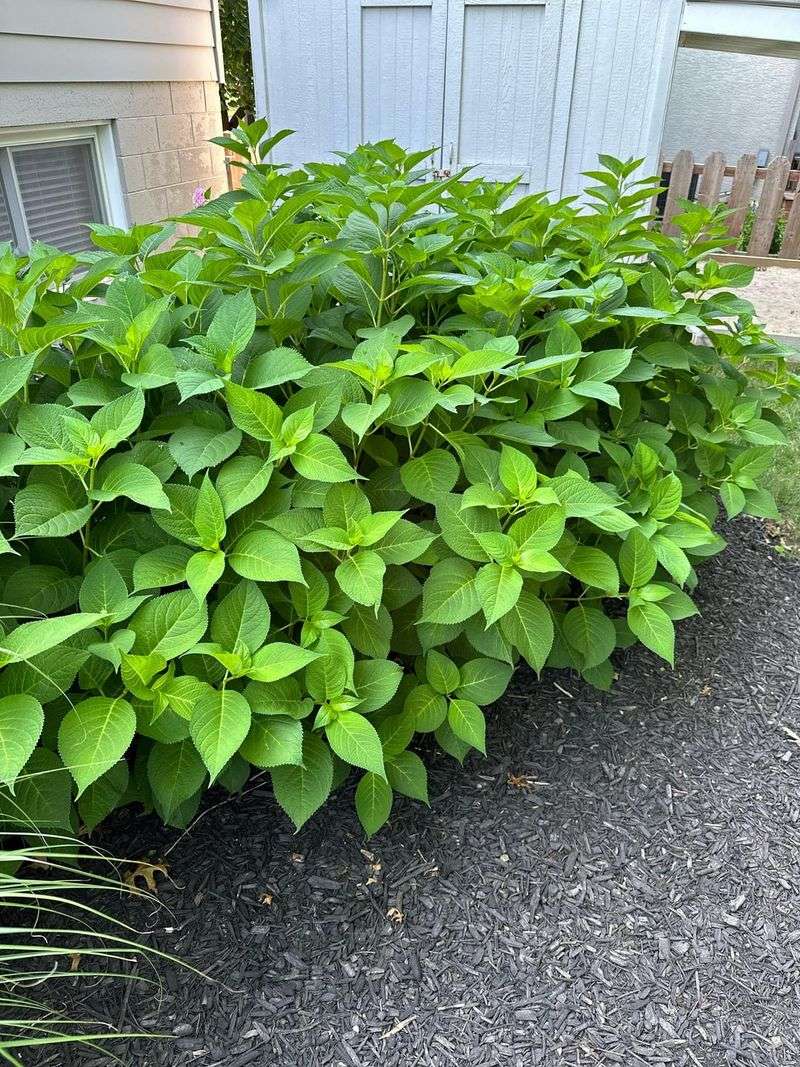
Sometimes the problem is not neglect but too much of a good thing. Feeding your hydrangea too much nitrogen can flood it with leaves while starving it of flowers.
Nitrogen is the nutrient that encourages leafy, green growth. When a plant gets loads of it, all that energy goes into making foliage instead of forming buds and blossoms.
This often happens near lawns, where fertilizer meant for grass drifts or washes into the flower beds. Your hydrangea soaks up the extra nitrogen and responds by growing big and bushy but stubbornly refusing to bloom.
You might notice the shrub looking extra lush and dark green, almost too healthy. That is a telltale sign the balance of nutrients is off.
Balanced nutrition supports healthy growth and flowering, but extra phosphorus only helps if the soil is actually deficient. Avoid excess nitrogen, and use fertilizer based on your soil conditions rather than simply choosing a high-phosphorus product.
Look for numbers on the bag like 10-30-10, where the middle number is highest. This helps steer your plant’s energy back toward blooming.
Also be mindful of where lawn fertilizer lands. Create a small buffer zone or edge between your grass and your hydrangeas to keep runoff away.
Avoid overfeeding in general, since hydrangeas do not need heavy fertilizing to thrive. A light spring feeding is usually plenty.
Balance the diet you give your plant, and it will reward you by trading some of that leafy excess for a stunning display of flowers.
6. Drought Stress Interrupts Flowering
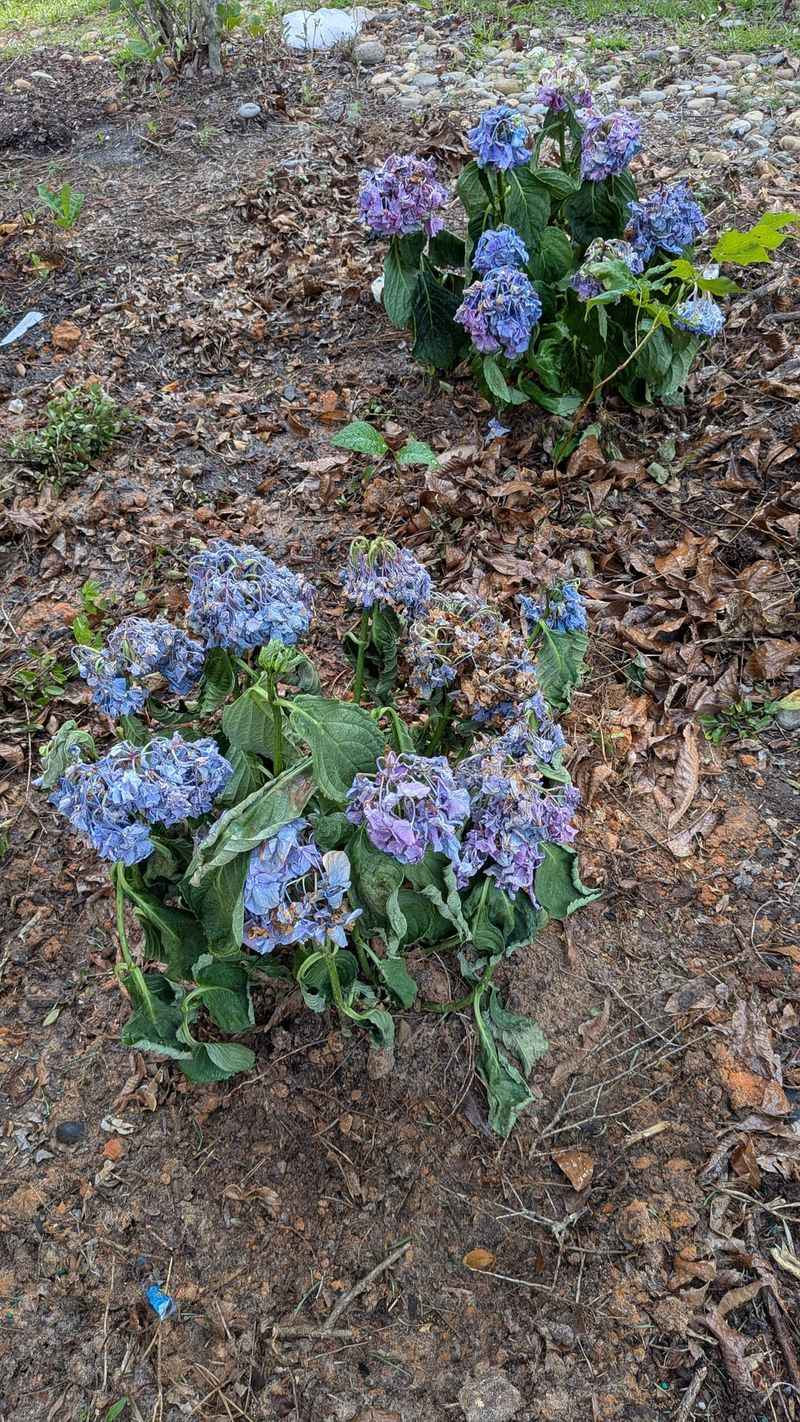
The name says it all: hydrangea comes from a word meaning water. These thirsty plants simply cannot perform their best when the soil dries out.
During hot Michigan summers, a lack of steady moisture puts serious stress on your shrub. When water runs short, the plant switches into survival mode and drops its flowering plans.
Bud formation takes energy and hydration, so a dry spell at the wrong time can wipe out the flowers before they ever appear. The leaves may still look okay, especially after a good rain, but the blooms never come.
Wilting during the heat of the day is one clue your hydrangea is struggling. If the leaves stay droopy even in the evening, the plant is truly thirsty.
Give your hydrangea a deep drink about once or twice a week, more often during heat waves. Deep watering encourages strong roots that handle dry spells better.
Spreading a two to three inch layer of mulch around the base helps the soil hold moisture longer. Mulch also keeps the roots cooler on scorching days.
Water early in the morning so the plant can drink before the sun gets intense. Avoid wetting the leaves heavily at night, which can invite disease.
Try to keep the moisture level steady rather than swinging between soggy and bone dry. Consistency is what these plants love most.
Keep your hydrangea happily hydrated, and it will have the energy it needs to burst into bloom.
7. The Plant Is Still Too Young
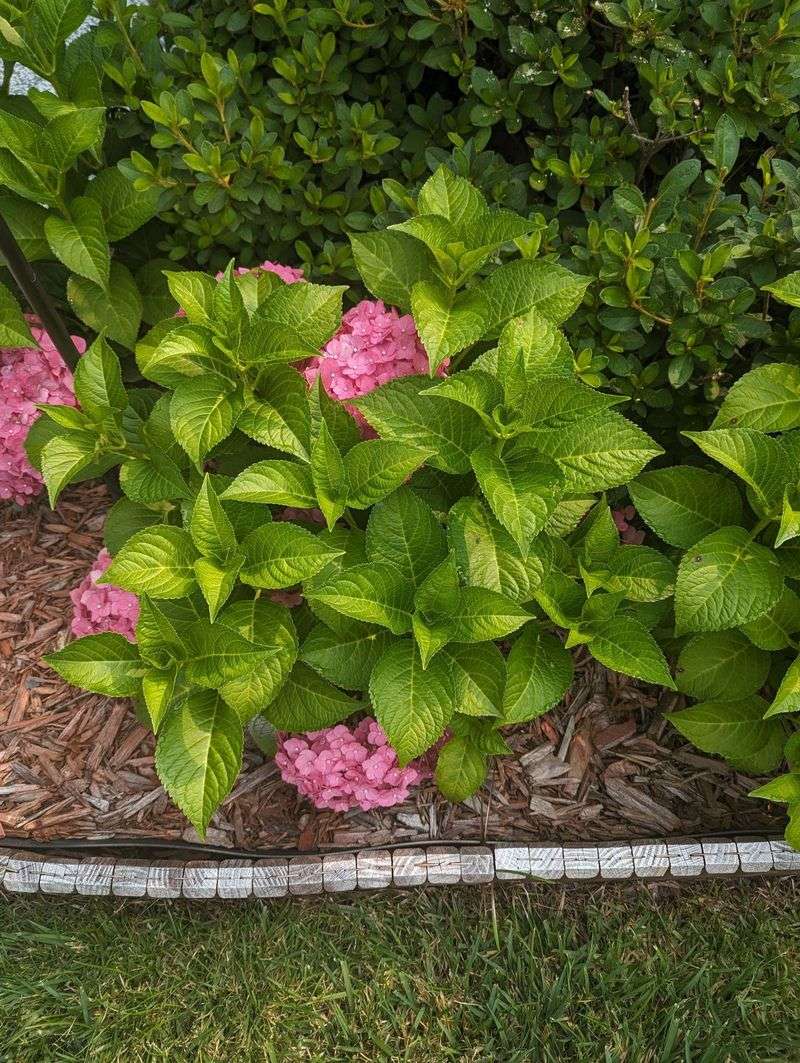
Patience is a gardener’s best friend, especially with a brand new hydrangea. Young plants often spend their early years getting settled before they put on a flower show.
When a hydrangea is first planted, its main job is building a strong root system. All of that underground work takes energy, leaving little to spare for blooming.
During these first seasons, the shrub focuses on growing sturdy stems, healthy leaves, and a solid foundation. Flowers simply are not the priority yet.
So if your newly planted hydrangea grows nicely but skips the blossoms, it may just need more time. This is completely normal and not a sign of anything wrong.
Most hydrangeas take about two to three years to reach their full flowering potential. Once the roots are established, the plant can finally shift its energy toward making blooms.
In the meantime, treat your young shrub with good care. Water it regularly, add a little mulch, and avoid heavy fertilizing that pushes too much leafy growth.
Resist the urge to overprune during these early years, since you want the plant to build strength. Let it grow freely and develop its natural shape.
Keep the soil evenly moist and give it a sheltered, sunny spot to thrive. Good habits now set the stage for years of flowers later.
Trust the process and give your hydrangea room to mature. Before long, that leafy young plant will surprise you with its very first beautiful blooms.
8. The Hydrangea Variety Matters
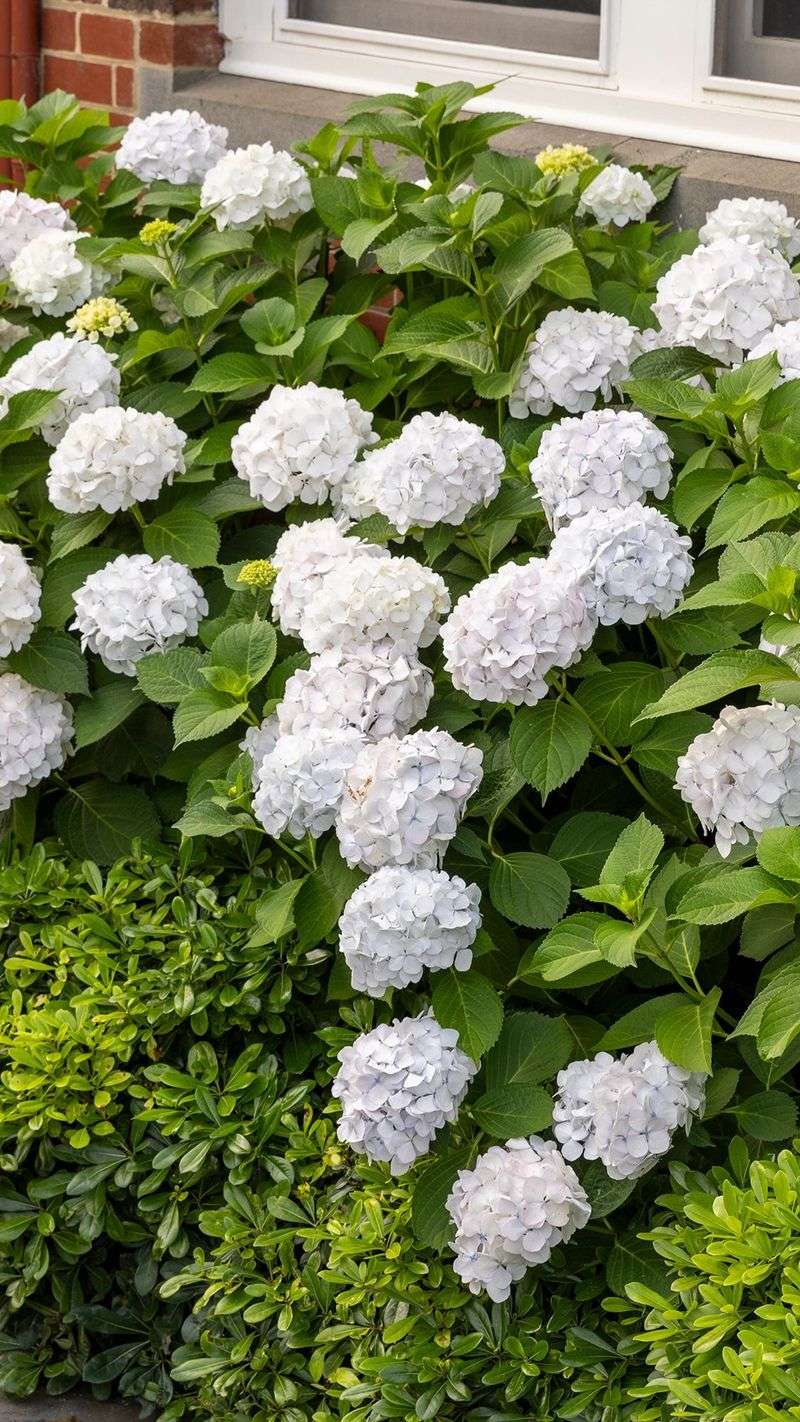
Not all hydrangeas play by the same rules, and knowing your variety changes everything. The type you grow decides how reliably it flowers in Michigan’s climate.
Some hydrangeas bloom on old wood, meaning they form buds on last year’s stems. Many bigleaf and oakleaf types fall into this group, and they often struggle when harsh winters harm those buds.
Others bloom on new wood, producing flowers on fresh growth each spring. Panicle and smooth hydrangeas belong here, and they tend to be far more dependable in cold regions.
Since new-wood bloomers make their buds after winter passes, freezing temperatures cannot rob them of flowers. That makes them a smart pick for Michigan gardeners tired of leafy, flowerless shrubs.
Panicle hydrangeas, with their cone-shaped white blooms, handle cold weather like champs. Smooth hydrangeas, including the popular Annabelle type, also flower faithfully year after year.
If you keep battling a bigleaf hydrangea that never blooms, the variety itself might be the issue. Sometimes the easiest fix is choosing a tougher type.
Newer bigleaf varieties have been bred to bloom on both old and new wood, offering more reliability. Look for reblooming labels when shopping at the garden center.
Before buying, ask which hydrangeas are proven to thrive in your zone. A little research saves years of disappointment.
Match the right plant to Michigan’s weather, and you set yourself up for success. The correct variety can turn a frustrating shrub into a blooming showpiece.