Don’t Pull Healthy Pepper Plants Just Because Summer Is Ending In Florida
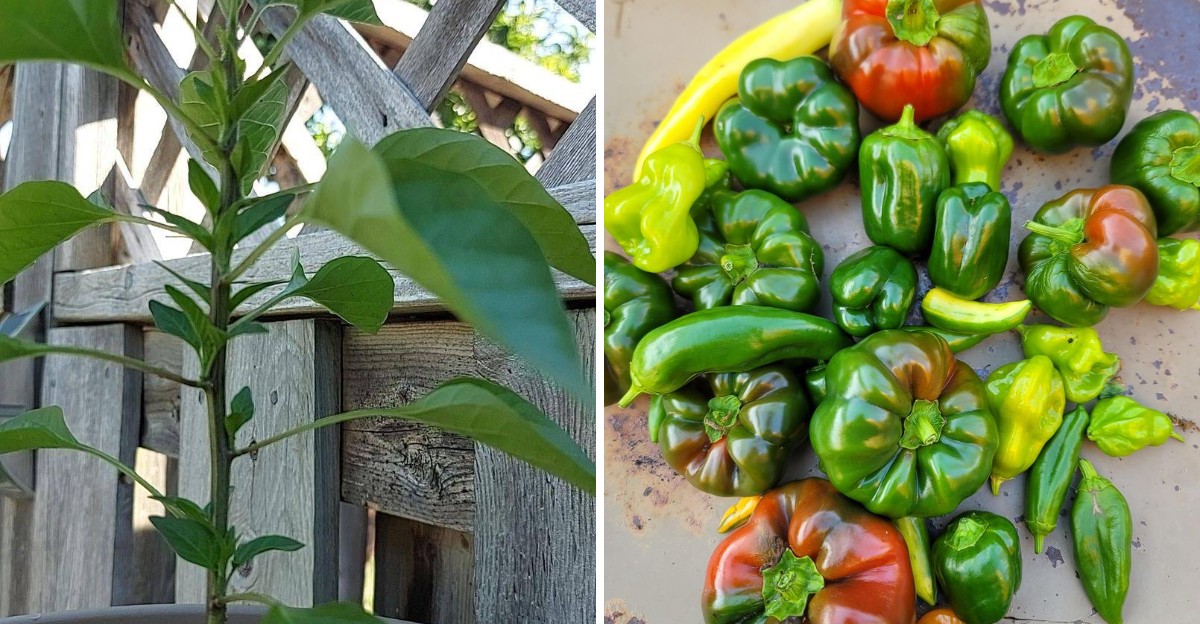
A gardener stands over a bell pepper plant with gloves on and a trash bag ready, tugging at the stem out of pure habit.
The calendar says summer is finished. The plant clearly did not get that memo.
Six green fruits hang from the branches. Fresh white blossoms are opening at the tips right now.
Pulling that plant would throw away weeks, maybe months, of free food from roots that already did the hard work.
Florida is not Ohio though. Most gardening advice assumes a script that simply does not apply down here.
So what actually tells you when a pepper plant is done? The calendar has almost nothing to do with it.
Check a few real signs instead, and that plant you almost tossed might just be getting started on its best stretch of the whole year.
Peppers Often Behave Like Perennials Here
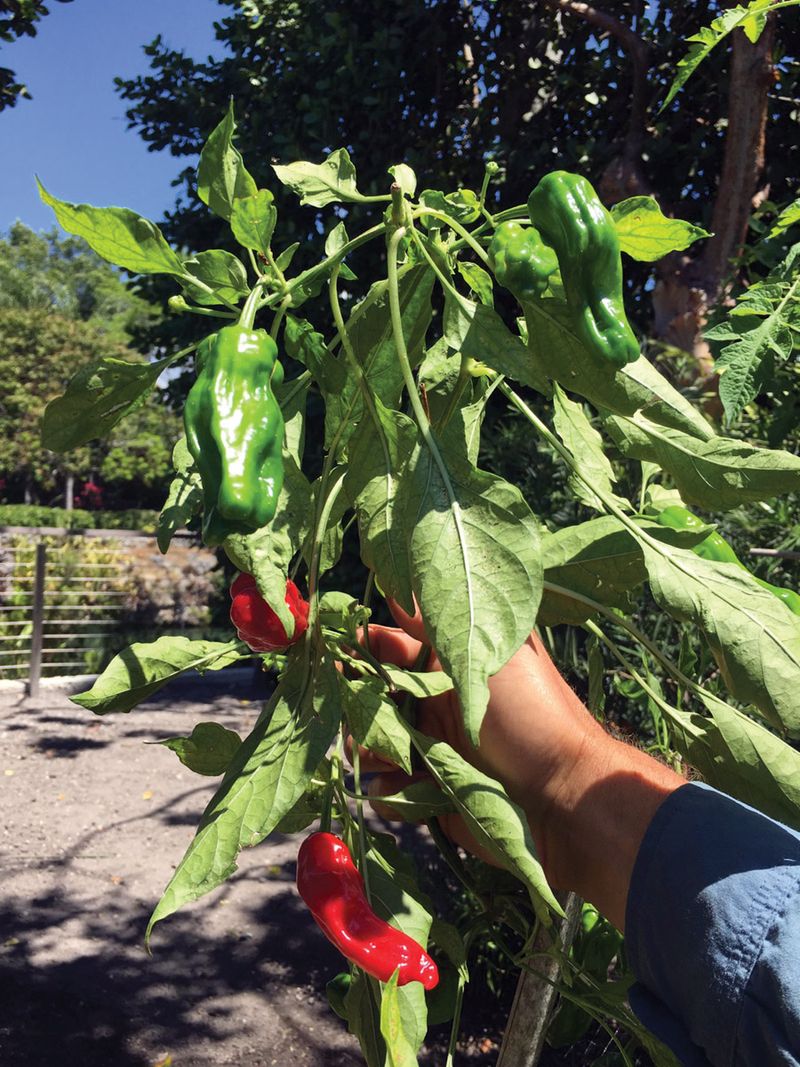
Botanically speaking, peppers are not annuals at all.
Every variety in the Capsicum family traces back to warm regions of Central and South America, where plants live for several years and slowly build woody trunks like small shrubs.
Gardeners in colder states treat them as one-season crops for a simple reason: freezing weather takes them out. Remove the freeze, and the plant keeps right on living.
University of Florida IFAS Extension describes peppers as tender perennials that can be carried past a single season in much of the state, particularly in Central and South Florida where hard freezes are rare or brief.
Down in Zones 10 and 11, a well-tended pepper can soldier on for two or three years.
Look closely at an older plant and the evidence is right there.
The base thickens, the bark turns tan and papery, and side branches grow out like a miniature tree rather than a soft summer vegetable.
Northern Florida gardeners face tougher odds because freezes do arrive, but even there the plant is not dying from the calendar flipping over.
It struggles from cold, and cold has not shown up yet in September or October.
Knowing the difference changes how you garden.
Instead of clearing beds on schedule, you judge each plant by what it is actually doing, which in Florida is usually still growing.
Cooler Nights Can Boost Flavor And Set
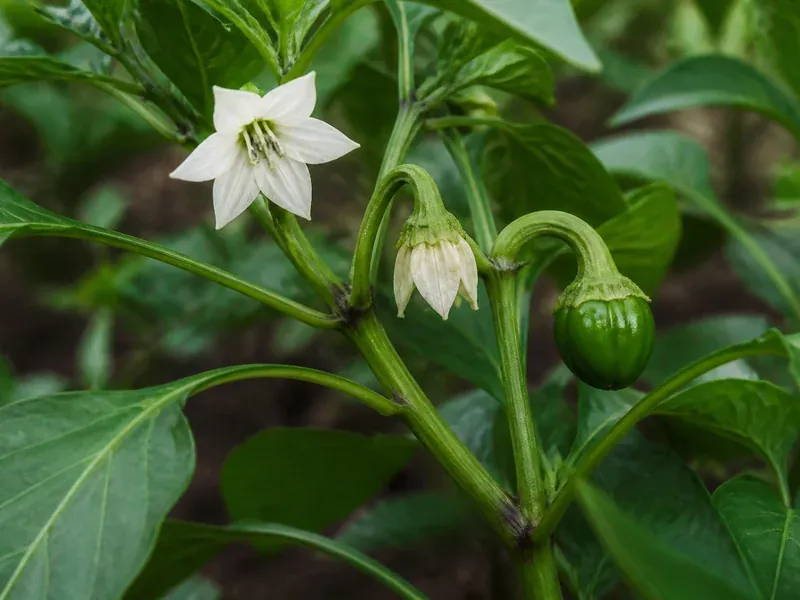
Anyone who grew peppers through a Florida July knows the frustration. Flowers open, look promising, then drop right off the stem without ever forming fruit.
Heat is the culprit.
Pepper pollen struggles when nighttime temperatures stay above roughly 75 degrees, and daytime highs in the mid 90s make things worse, so the plant simply aborts blooms it cannot support.
Then October arrives. Nights slide down into the 60s, the humidity eases, and suddenly those same flowers hold.
Fruit set picks up noticeably, and many Florida growers report their heaviest pepper harvest of the year happening in fall rather than midsummer.
Flavor tends to improve too.
Cooler weather slows growth slightly, which gives fruit more time to develop sugars and pigment, so bells often color up deeper red or orange and taste sweeter than the rushed summer crop. Hot varieties frequently show more complex heat as well.
Your Florida Garden Changes Every Week. Your Plan Should Too.
Gardening in Florida changes quickly throughout the season. Every Friday you’ll receive a simple weekly plan showing exactly what to plant, prune, fertilize, harvest, and protect so you never miss the right timing.
Pulling a plant right at the moment its growing conditions turn favorable is a bit like leaving a movie theater during the best scene. The struggle you watched all summer was temporary, and relief is arriving.
Keep feeding lightly with a balanced fertilizer through fall and maintain steady moisture.
A plant that finally has comfortable weather will reward that small effort with a genuinely impressive second act.
A Light Prune Refreshes Tired Growth
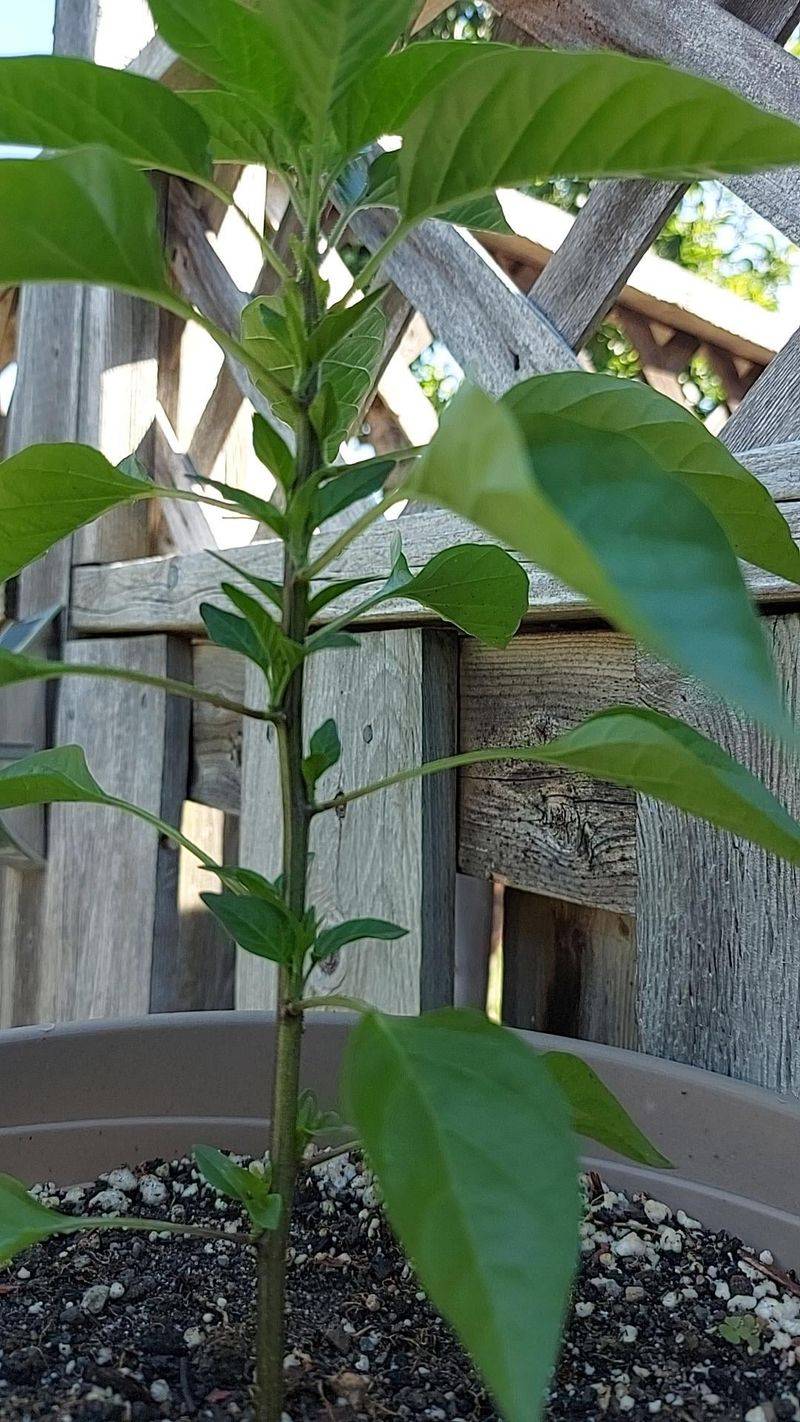
Think of it as a haircut, not surgery.
After months of heat, sun, and pest pressure, a pepper plant often looks scraggly with bare inner branches, yellowing lower leaves, and long floppy stems carrying almost nothing.
A modest trim wakes it up.
Snip off dry, brittle twigs, remove leaves that are spotted or chewed, and shorten a few of the longest leggy branches by roughly a third to encourage branching closer to the center.
Resist going overboard.
Cutting the plant back hard in early fall removes leaves it needs for photosynthesis and can stall production instead of jumpstarting it, so aim to take maybe a quarter of the total growth at most.
Clean pruners matter more than people expect.
Wipe blades with rubbing alcohol between plants to avoid spreading disease, especially if you have dealt with bacterial spot during the wet season.
Right after trimming, give the plant a drink and a light dose of fertilizer. New shoots appear within a couple of weeks, and those fresh stems are where your fall flowers will form.
One extra benefit worth mentioning is airflow.
Opening up a crowded plant lets breezes move through the middle, which cuts down on fungal problems that thrive in Florida’s damp, still mornings.
Established Roots Outperform New Transplants
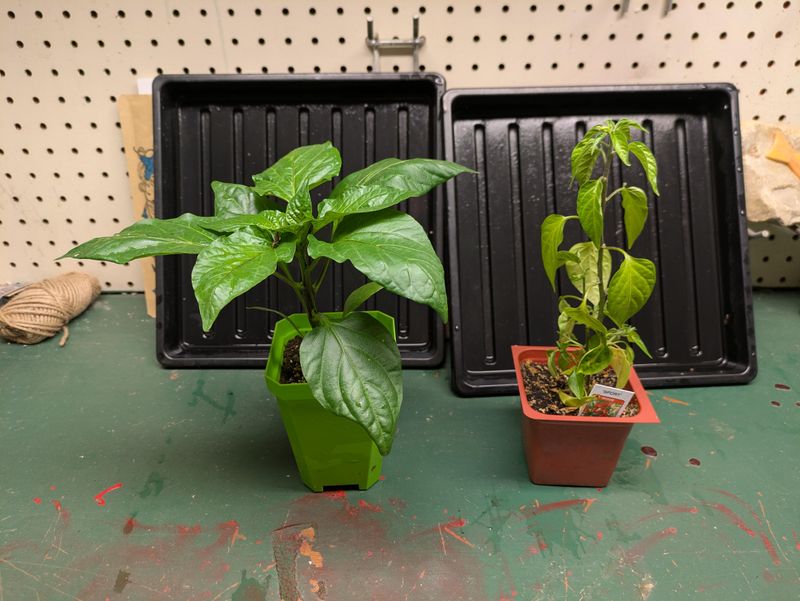
Picture two plants side by side in October. One is a small nursery seedling with a root ball the size of a coffee cup, and the other is your summer survivor with roots spreading a foot or more in every direction.
Guess which one starts producing first. The established plant does, and it is not close.
Roots take time to build, and Florida’s sandy soil drains so quickly that a wide root system is genuinely valuable for finding water and nutrients between rains.
A seedling spends its first month or two just getting settled, while the veteran plant can pour energy straight into flowers and fruit.
There is also the matter of toughness.
A plant that already survived summer thunderstorms, aphids, and blazing sun has proven it can handle your specific yard, which is information no seed packet can give you.
Cost adds up too. Skipping a flat of transplants saves money, and skipping the transplant shock saves weeks of waiting.
None of this means you should never plant new peppers.
Fall is a solid planting window across much of Florida, so starting fresh seedlings alongside your established plants gives you overlapping harvests rather than a gap.
Keeping the old plant simply means you get peppers while the newcomers grow up.
Protect Plants If A Cold Snap Threatens
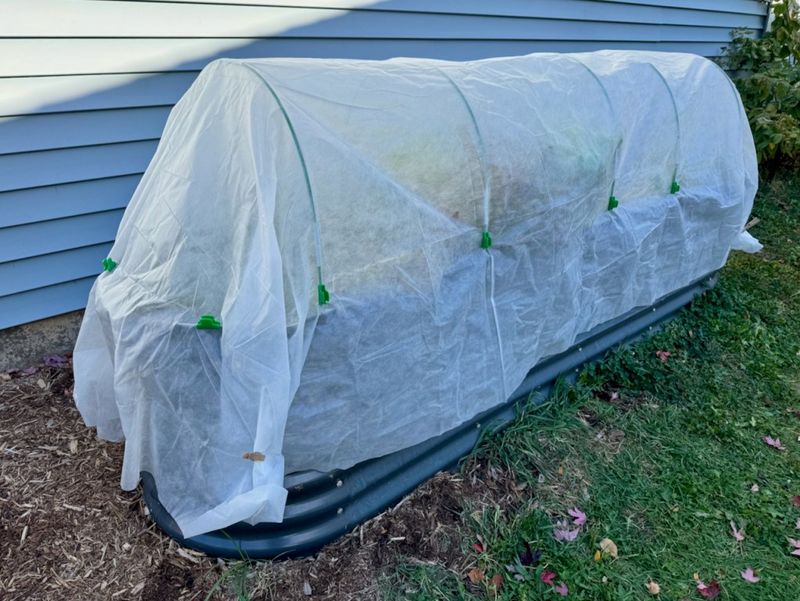
Florida cold snaps have a reputation for showing up suddenly, dropping temperatures for one or two nights, then vanishing like nothing happened. That short window is exactly what you need to guard against.
Peppers get damaged somewhere around 32 degrees and usually do not survive a hard freeze, though chilling injury can show up in the upper 30s as leaf drop or stalled growth.
The fix is refreshingly low tech.
Drape frost cloth, an old bedsheet, or a lightweight blanket over the plant before sunset, letting the edges reach the ground so trapped earth warmth stays underneath.
Avoid laying plastic directly on foliage.
Where plastic touches leaves, it conducts cold straight through and causes burn, so use stakes, tomato cages, or buckets to hold material off the plant.
Watering the soil well the afternoon before helps because moist ground holds and releases heat better than dry sand. Mulch around the base adds another layer of insulation for the roots.
Container growers have the easiest job of all.
Roll or carry pots into a garage, shed, or against a south-facing wall for the night, then bring them back out once temperatures climb.
North Florida gardeners will need these tricks more often than South Florida gardeners, but the supplies cost very little and one covered night can preserve months of harvest.
Fresh Fruit Can Continue Into Winter
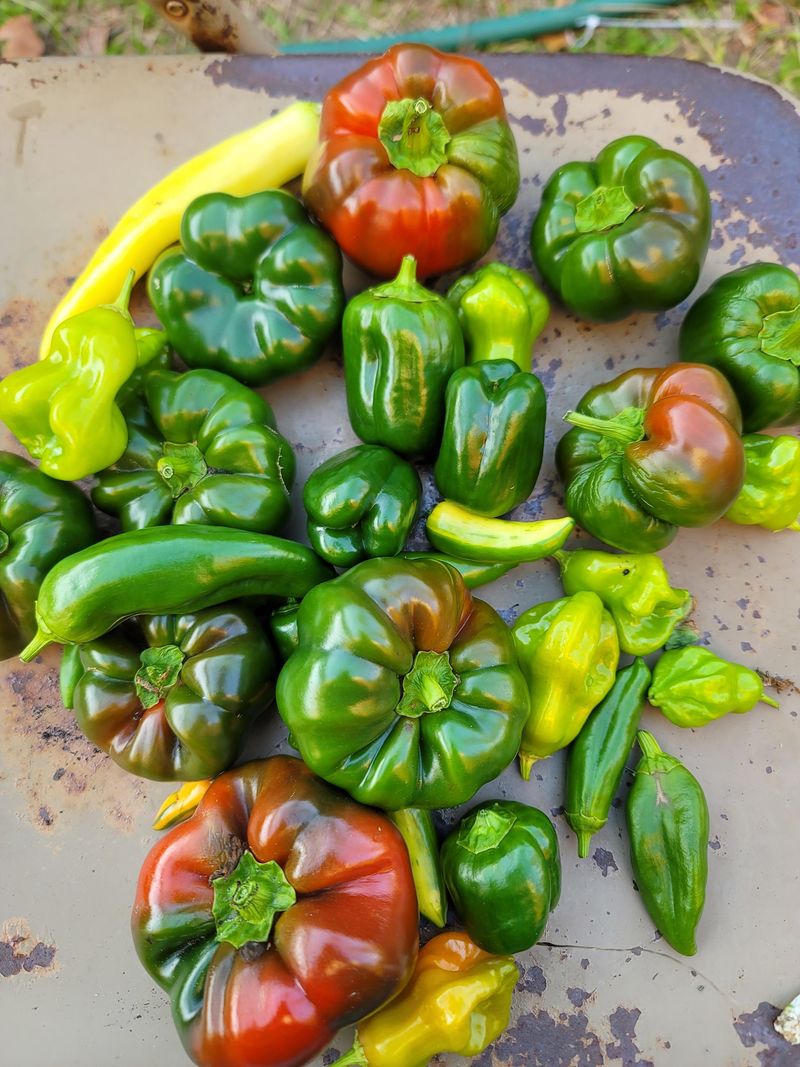
Imagine picking sweet red bells for Thanksgiving dinner from a plant you almost yanked out in September. In much of Florida, that is an ordinary outcome rather than a lucky break.
South Florida gardeners frequently harvest peppers straight through December, January, and February with no protection at all, since frost rarely visits. The plants keep flowering whenever temperatures sit in a comfortable range.
Central Florida sits in a middle zone.
Harvests often run well into December, with occasional cold nights requiring a cover, and plants that make it through winter can surge again in early spring.
Farther north around Gainesville, Jacksonville, and the Panhandle, expectations should stay modest.
A protected plant might produce into November or December, and overwintering is possible but takes more effort and a bit of luck with the weather.
Production naturally slows as daylight shortens. Fruit takes longer to ripen and the plant sets fewer flowers, so the pace becomes a steady trickle instead of a summer flood.
A trickle still beats nothing.
Picking a handful of peppers each week through the cool months means fresh produce when garden output is otherwise thin, and homegrown flavor in winter meals is hard to beat.
Watch your plants rather than the calendar, and let their actual condition decide when the season truly ends.
Patience Now Extends Your Harvest
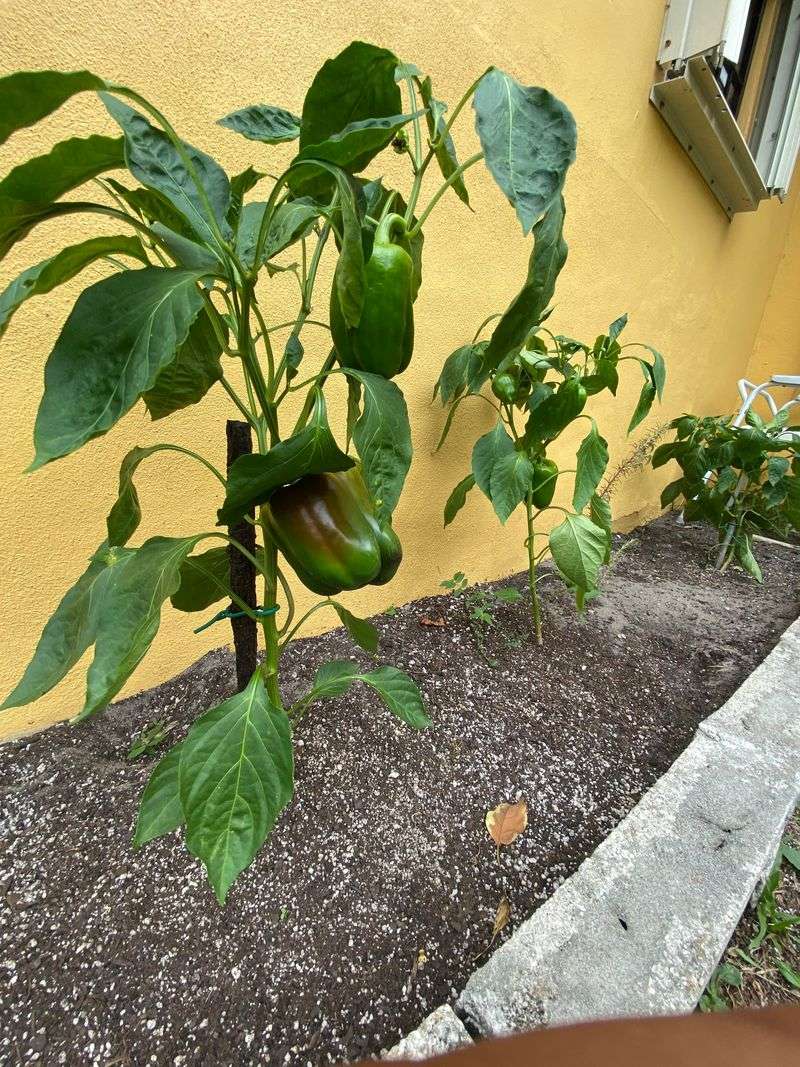
Habit is a powerful thing in the garden. Many of us learned to clear beds in fall because that is what a parent or a gardening book from a northern state told us to do.
Florida rewrites those rules.
Yanking a green, flowering, fruit-loaded pepper plant here is throwing away an asset that took five months to build.
Try a simple test before reaching for the shovel.
Check whether the stems are firm and green, whether new leaves are forming at the tips, and whether any flowers or small fruits are present.
If the answer is yes to those, leave it alone. Give it a light trim, a scoop of fertilizer, steady water, and a blanket on cold nights.
Plants that genuinely deserve removal look different.
Severe disease, heavy whitefly or broad mite infestations, hollow or split stems, and months without a single flower are all fair reasons to compost and start over.
Waiting costs almost nothing. The bed space is already occupied, the roots are already fed, and the only real investment is a little attention over the next few weeks.
Gardeners who slow down and observe usually end up with the longest harvests. Let the plant tell you when it is finished, because in Florida it often has plenty left to give.