Why Ibis Flocks Keep Landing On Florida Lawns After The Rain
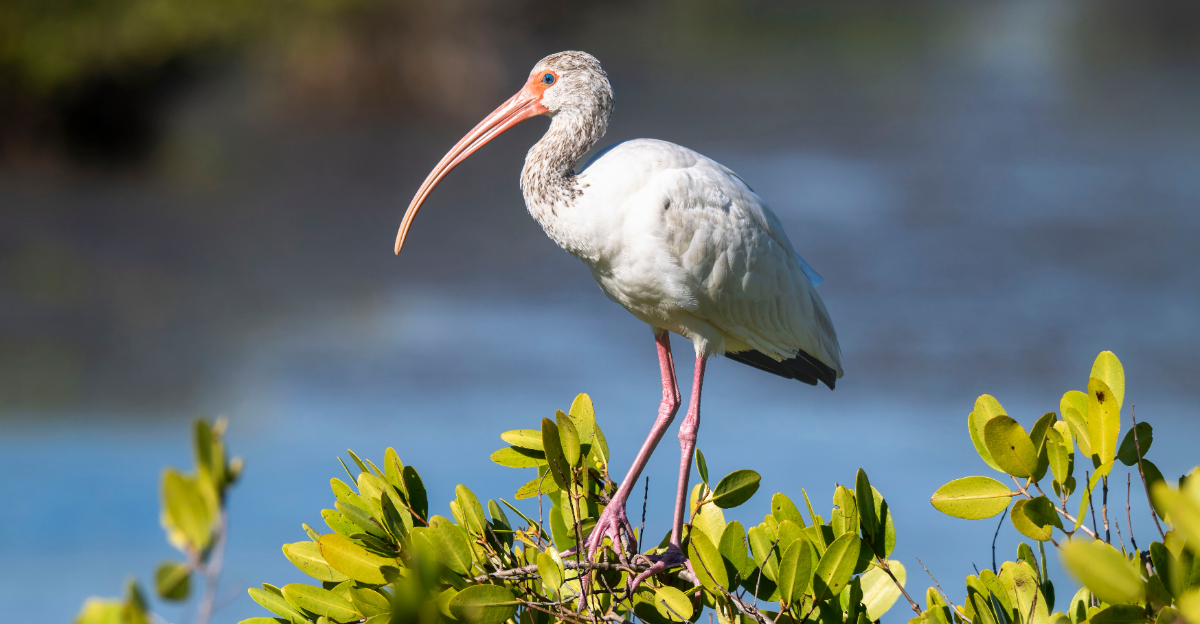
A flock of ibis landing on a Florida lawn after rain is one of those sights that stops the neighborhood. Dozens of white birds, curved bills working the grass in formation, moving across a yard with a focus that looks almost mechanical.
Most Florida residents have seen it. Few have stopped to ask what the lawn just told them.
Ibis do not land randomly. A post-rain lawn that pulls them in is offering something specific just below the surface.
Earthworms, grubs, and soil invertebrates pushed upward by saturated ground become accessible in ways that dry conditions never allow. What a flock of ibis reveals about a Florida lawn is genuinely useful information.
The soil biology, the thatch depth, the moisture retention, all of it factors into what the birds found worth landing for. A lawn that attracts ibis after rain is a lawn with something living underneath it worth paying attention to.
1. Watch White Ibis Probe Rain-Soaked Soil
A curved reddish-orange bill slips quietly into soft turf, pulling back up, then pressing in again a few inches away.
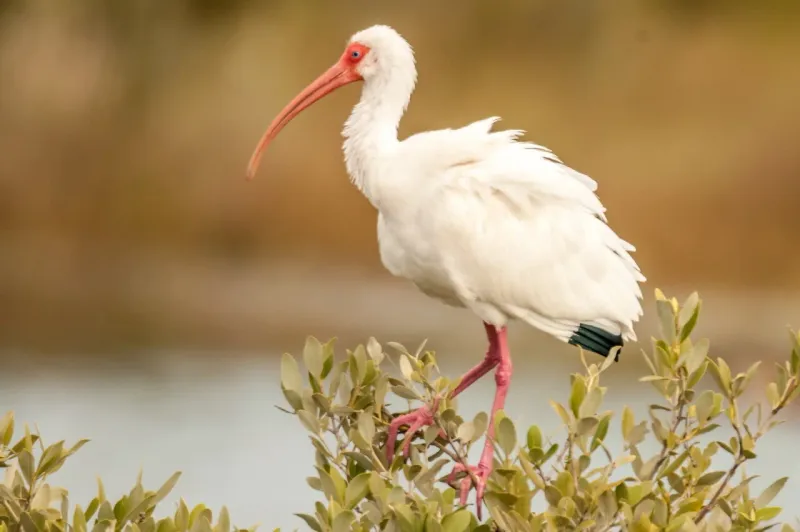
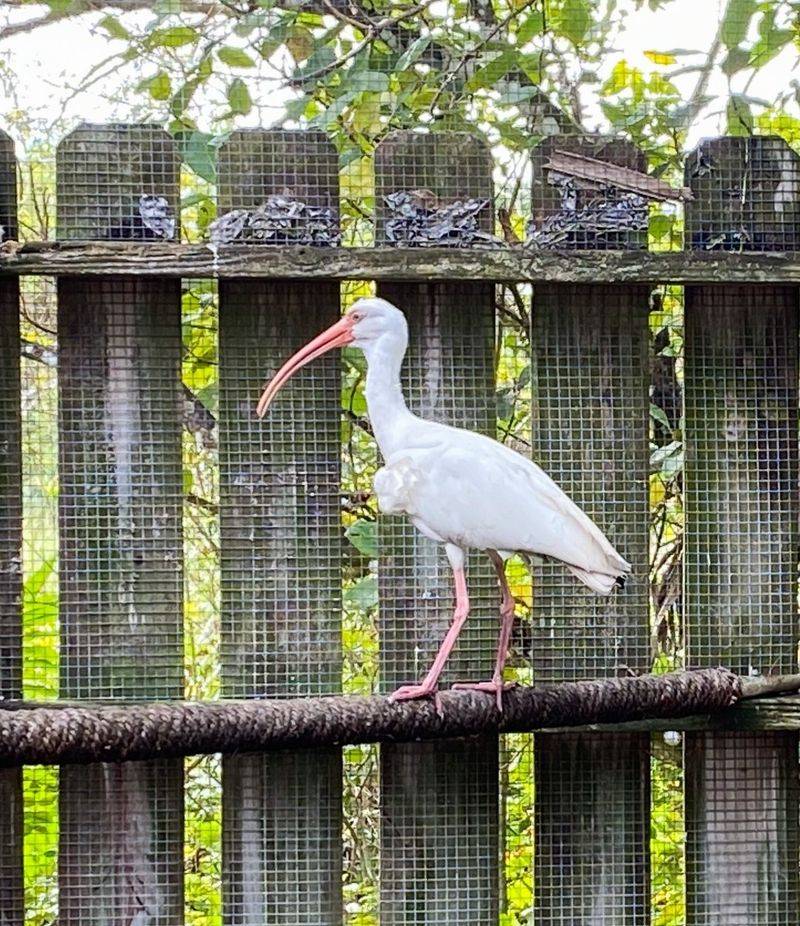
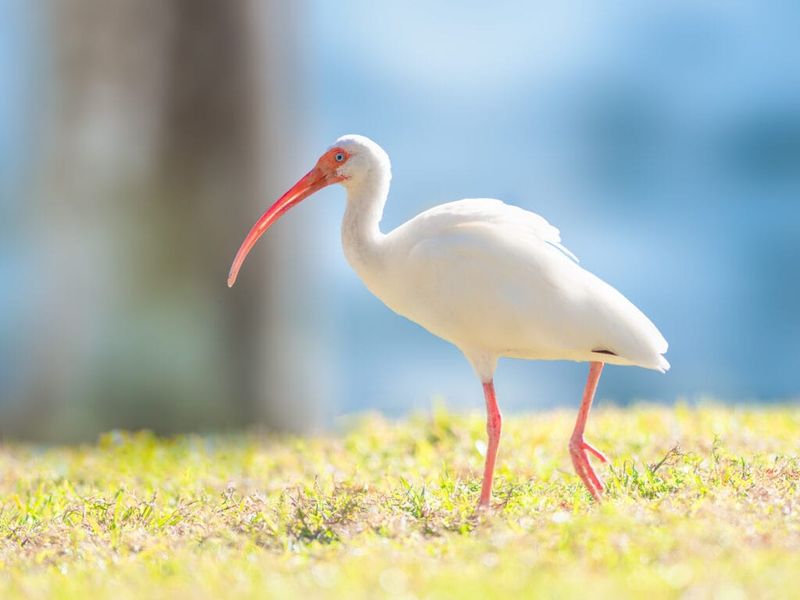
That slow, methodical movement belongs to the white ibis (Eudocimus albus), the bird most likely marching across your Florida yard after a rainstorm.
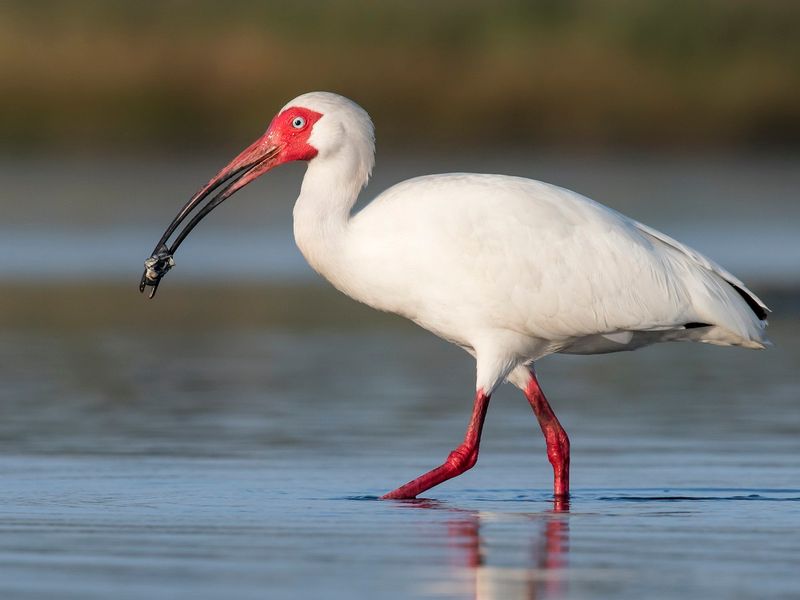
Adults are mostly white with a distinctly curved bill and reddish-pink facial skin. Their legs are also reddish, which makes them easier to spot against green grass.
The bill is not drilling like a woodpecker. It slides into softened earth and uses touch-sensitive nerve endings at the tip to detect small prey below the surface.
Scientists refer to this as tactile foraging, and it allows the bird to find food without actually seeing it. Dry, compacted soil resists that technique.
Damp, loosened ground after rain gives the bill much better access.
Watch a group working a lawn and you will notice they rarely stand still. Each bird takes a few steps, probes once or twice, then moves on.
After a large group passes through, small scattered holes or slightly disturbed patches of grass may be visible. That is normal evidence of foraging, not damage from digging.
Flock size and soil condition both affect how noticeable those marks become. Young ibises look brownish rather than white, so do not be surprised if a few birds in the group look different from the adults.
2. See Earthworms And Insects Rise Within Reach
An earthworm wriggling near the surface of a soaked lawn is not something you see every dry afternoon. After significant Florida rainfall, soil pores fill with water and oxygen levels drop in the deeper layers.
Earthworms respond by moving upward or toward the surface, which places them within reach of birds that probe just below the turf line.
Not every worm emerges after every shower, and the response varies with soil type, worm population, and how much rain actually fell.
Insect larvae, beetle grubs, and other small invertebrates that live in the upper soil layer may also become easier to reach when ground is saturated. Snails sometimes become more active on wet surfaces too.
Your Florida Garden Changes Every Week. Your Plan Should Too.
Gardening in Florida changes quickly throughout the season. Every Friday you’ll receive a simple weekly plan showing exactly what to plant, prune, fertilize, harvest, and protect so you never miss the right timing.
A visiting flock may take whatever is most accessible at the moment rather than targeting one specific creature. Prey availability shifts with the season, recent yard treatments, and local drainage patterns.
A lawn treated with broad-spectrum insecticides may hold far fewer invertebrates than an untreated one nearby. That reduction in underground life can affect whether a flock lingers or moves on quickly.
The birds are responding to a temporary window of access, not a permanent feature of any property. If conditions dry out between storms, that window closes and the group will look elsewhere.
Calling a rain-soaked lawn a guaranteed source of food overstates what is actually a variable and short-lived situation.
3. Notice How Puddles Concentrate Easy Meals
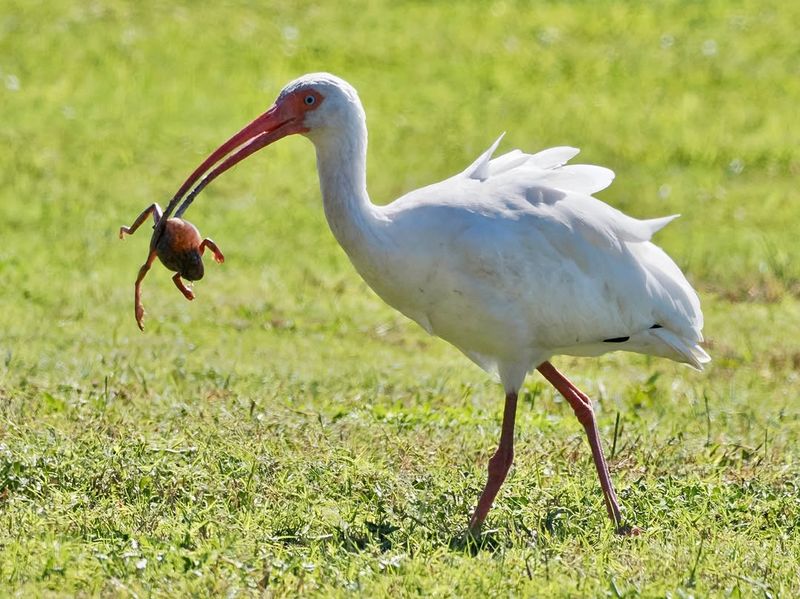
A shallow puddle collecting in a low corner of the yard does more than reflect the sky. Runoff carries small creatures along with it, and anything floating or stranded in that thin layer of water becomes easy pickings for a bird standing at the edge.
White ibises are comfortable feeding in very shallow water or soft wet mud. Lawn depressions after a Florida storm can mimic the edges of the marshy areas they naturally prefer.
Swales, drainage dips, pond margins, and the low edges along sidewalks or driveways may collect water first and hold it longest. A flock often spreads across a yard but gravitates toward those wet lines.
You might notice birds clustering near a downspout outlet or along a slope where runoff slows to a stop. That is the group following the wettest path available, not random wandering.
A temporary puddle that dries within a few hours is very different from persistent standing water. Chronic waterlogging can signal a drainage problem worth addressing.
Stagnant water that sits for days also creates conditions where mosquitoes can breed, which is worth keeping in mind. After your next storm, check where water lingers longest on your property.
Those spots are the ones most likely to draw feeding birds first. Avoid deliberately creating standing water just to attract wildlife, since the drawbacks outweigh the viewing benefit.
4. Follow The Flock To Freshly Flooded Feeding Spots
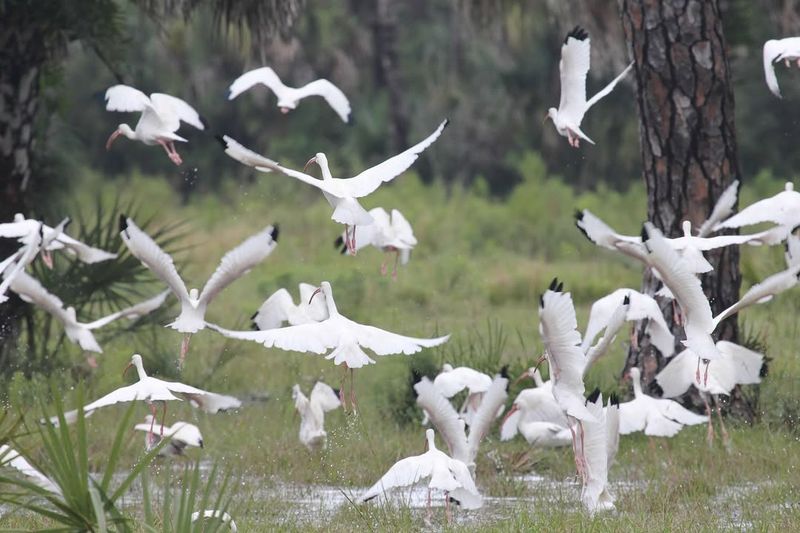
A group touches down together, fans out across the turf without much noise, and begins working the ground in loose formation. That coordinated arrival is typical of white ibises, which regularly travel and forage in groups rather than alone.
Moving together may improve each bird’s chances of locating prey because more bills searching a wider area covers ground faster. It may also reduce individual risk from predators, since many sets of eyes watch in all directions at once.
Suburban Florida yards often function as temporary stops between larger wetland areas. Retention ponds, drainage canals, golf courses, and park edges all sit within the travel range of a local flock.
After a storm moves through, the group may visit several properties, a park, and a pond margin before the afternoon ends. No single yard is the destination.
Each stop is just one patch in a wider search pattern.
During dry stretches, the same neighborhood may see no birds at all. After several wet days, visits may happen more frequently.
That pattern reflects changing prey access rather than attachment to any particular yard. The birds are not loyal to one property, and there is no reliable way to promise they will return after the next storm.
Local wetland health, urban development, and seasonal movement all shape where a flock decides to land on any given day.
5. Understand Why Short Grass Makes Hunting Easier
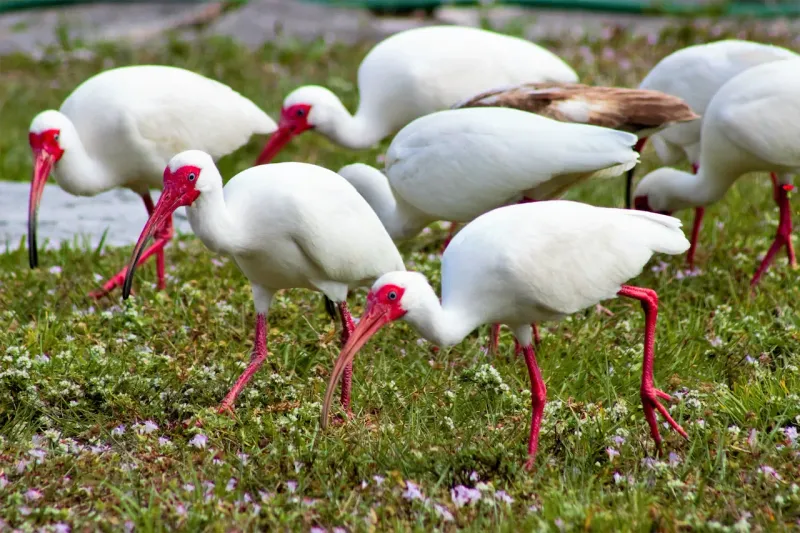
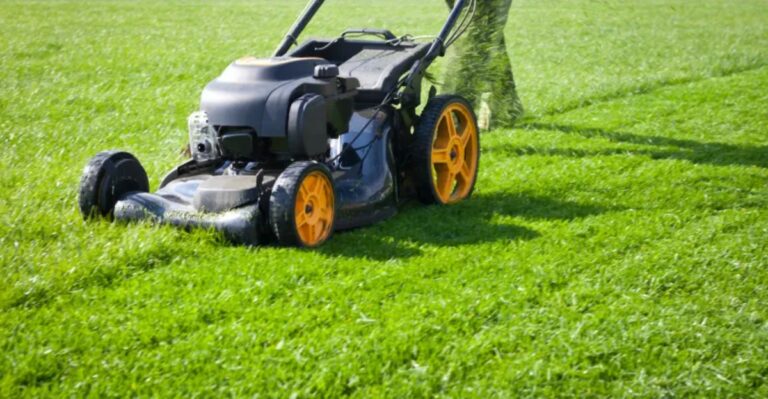
Red legs moving steadily through closely cut turf have a clear advantage over the same legs pushing through thick overgrown grass. Short turf gives a probing bill more direct contact with the soil surface.
Tall or dense vegetation can block the downward angle the bill needs to reach the ground efficiently. Open spaces like mowed lawns, park fields, and golf-course roughs tend to attract foraging white ibises more often than heavily vegetated areas.
Short grass does not create food. Any invertebrates present were already living in the soil before the mower passed.
What shorter turf may do is make those creatures slightly easier to detect and reach. Think of it as reducing the obstacle between the bill tip and the target below.
Dense thatch, thick leaf litter, or a heavy mat of weeds can act as a barrier that makes probing less efficient, even when prey is present underneath.
This observation is based on reasonable inference from the birds’ known foraging method rather than a direct experimental study on lawn height alone. Homeowners should not feel pressure to mow specifically to attract ibises.
Very wet turf can be damaged by mowing, so timing matters for the lawn’s own health. Mowing decisions should be based on the grass species, current soil moisture, and seasonal growth rate rather than on bird visits.
6. Expect More Visits During Warm Wet Weather
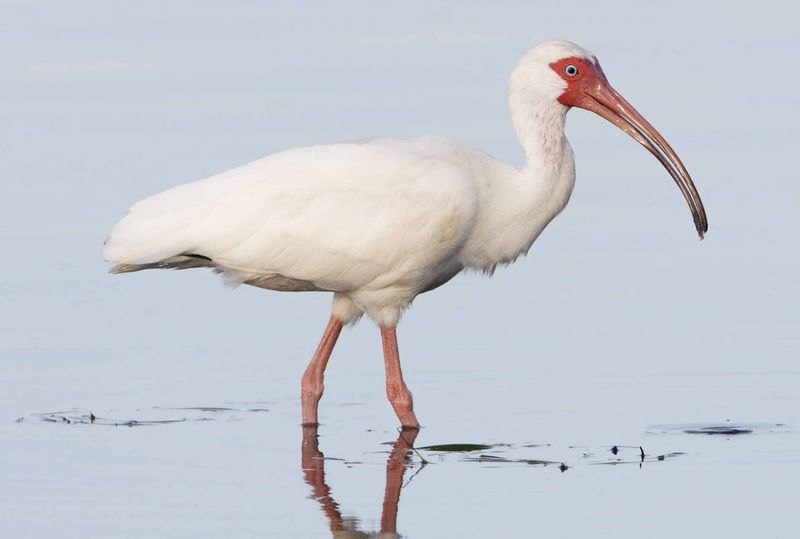
Another warm shower passes over a damp yard, and the soil that was already soft from yesterday’s rain softens a little more. Repeated wet days in a warm season can extend the window when underground prey stays accessible near the surface.
A single brief shower on hard, dry ground may produce almost no feeding response. But several consecutive wet days can keep conditions favorable long enough for repeated visits to the same general area.
Warm temperatures accelerate invertebrate activity in general. Earthworms, beetle larvae, and other soil creatures tend to be more active in warm, moist conditions than in cold or dry ones.
That combination of warmth and moisture is common during the region’s rainy season, which partly explains why lawn visits feel more frequent in summer. Visits can still occur in other seasons when conditions line up, so the pattern is not strictly limited to any one time of year.
Storm length, rainfall intensity, soil drainage, and proximity to wetlands all shape whether a flock shows up after a given event. A light drizzle may not saturate the ground enough to change prey access at all.
Longer soaking rains are more likely to produce the conditions that bring birds into open yards. Watching a few rain events over a season gives a clearer picture of the local pattern than any single visit can.
Weather creates the opportunity; what lives in the soil determines whether a stop is worth making.
7. Let Natural Foraging Replace Backyard Handouts
A piece of bread going back into the bag instead of being tossed toward the lawn is exactly the right instinct. A visiting flock already has a reason to be there, and supplemental food from people is not part of a healthy wild diet.
Bread, crackers, pet food, and table scraps lack the nutrients white ibises need and can cause digestive issues over time. The Florida Fish and Wildlife Conservation Commission advises against feeding wild birds and other wildlife for exactly these reasons.
Repeated handouts can cause a group to linger longer than it naturally would. Birds that associate people with food may lose appropriate wariness and crowd closer to homes, patios, and outdoor dining areas.
That shift in behavior creates friction rather than the pleasant wildlife viewing most homeowners actually want. Concentrated droppings from a group that stays too long in one spot can create a sanitation concern on patios, pool decks, and play surfaces.
Securing pet food dishes, keeping trash cans lidded, and picking up fallen fruit removes accidental food sources that may keep birds nearby. No shame is needed if you have tossed a scrap before.
Many people do it without knowing the impact. Watching the group probe the ground on its own terms offers far more interesting behavior to observe than a crowd gathered around a handout.
Natural foraging is a complete activity with movement, strategy, and variety that no bread slice can replicate.
8. Keep Lawns Bird Friendly Without Creating Problems
A homeowner watching quietly from the porch, coffee in hand, is doing everything right. No redesign is needed to coexist with occasional ibis visits.
The most helpful thing most people can do is simply avoid unnecessary broad-spectrum pesticide applications across the entire lawn. Insect treatments that reduce soil invertebrate populations may lower the available food in the area.
Some products may also create exposure risks for birds that probe treated turf shortly after application. Always read product labels carefully and follow local guidelines.
Pets should be kept at a relaxed distance when a group is present. Dogs that charge at the birds or children encouraged to scatter the flock create stress for the animals and cut short a natural behavior.
The group will leave on its own schedule when the accessible food is gone. Allowing that natural departure is better for the birds and more rewarding to watch.
Droppings on patios, pool edges, or play areas should be cleaned up with gloves and a rinse of the surface, followed by hand washing. No need for alarm, just sensible hygiene.
Under the federal Migratory Bird Treaty Act, white ibises are legally protected from harm or harassment. That protection means chasing, trapping, or harming the birds is not permitted.
Reading a lawn visit correctly comes down to three things: wet soil shifted prey within reach, and the flock moved in to take advantage. The visit will end when conditions change.