Should California Gardeners Leave Tomato Roots In The Soil After The Final Harvest?
The last basket comes inside, the beds slump over, and the garden resembles a tired party guest. October air smells like damp mulch, and your gloves are already crusted with a summer of dirt.
Most gardeners grab the nearest stem and pull hard, because clearing things out feels deeply satisfying. That single yank, though, sets off surprisingly long arguments among seasoned growers all across the state.
Something important sits below the surface, quietly doing work that nobody ever bothers to watch. Disturbing it now changes what next spring’s beds will feel like under your fingers.
The right choice depends on weather, your region, and what the plants looked like back in August. Guess wrong and the earthworms will judge you silently, which they happen to be excellent at.
A Snip At Ground Level Beats A Yank
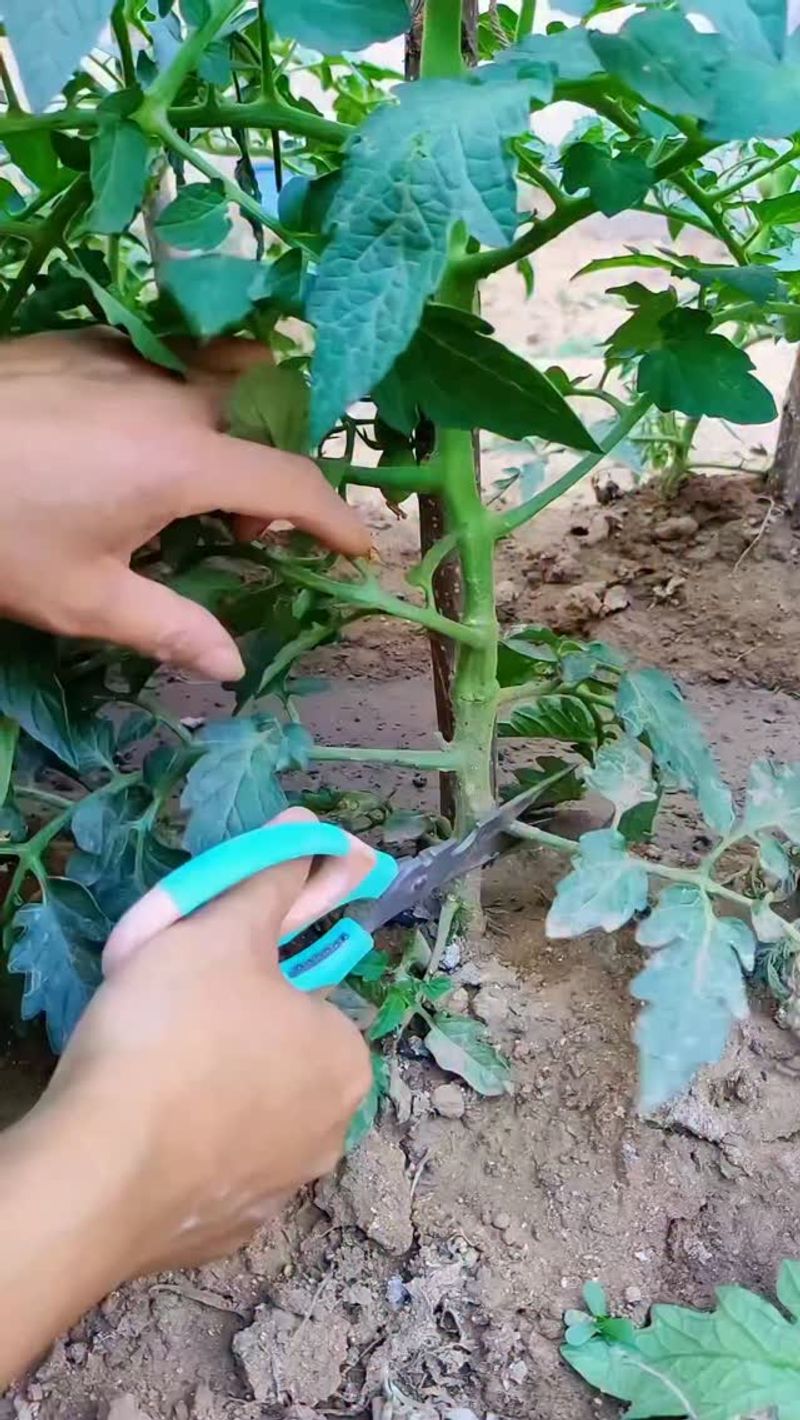
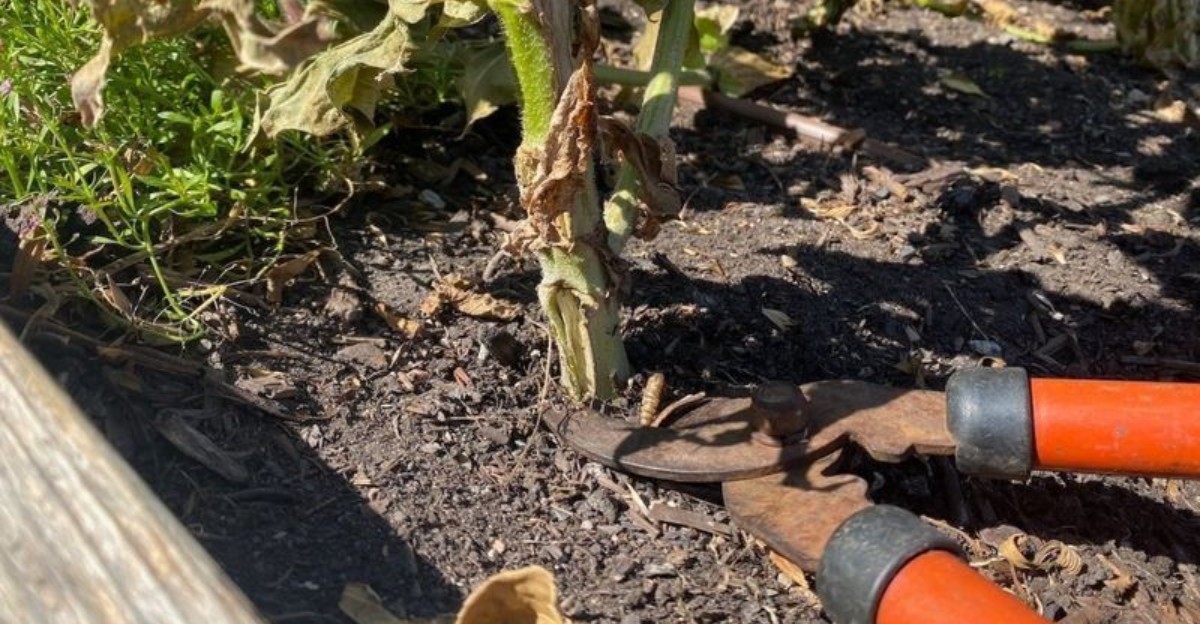
Picture the last ripe fruit picked and a tired vine sagging over its rusty wire cage. Reach for sharp pruners instead of yanking hard, then cut the main stem right at soil level.
Most California gardeners get better results from that quiet snip than from one dramatic tug upward. The underground network stays put, and the soil above keeps its structure, air pockets, and moisture.
Plants that finished the season looking healthy make excellent candidates for this relaxed, hands off approach. Their buried remains break down slowly and feed the tiny creatures working beneath your raised beds.
Pulling an entire plant rips open the narrow channels that water and oxygen travel through weekly. You also drag away fine feeder threads that hold crumbly soil together like natural brown glue.
Top growth is a different story, and it belongs somewhere other than your prized planting bed. Haul those vines to a hot compost pile or your municipal green waste bin instead.
Mild coastal and valley climates across California make spring bed preparation noticeably easier with this method. Less digging during fall means fewer buried weed seeds waking up once winter rains arrive.
Give the cut stub a light mulch blanket and let the cool months handle everything else. By February, most leftover material has softened into something dark, crumbly, and pleasantly earthy.
Keep a small flag or stake marking where each stub sits in the bed. That marker helps you plan rotation next spring without guessing about last season’s layout.
The Underground Payoff In Your Garden Beds
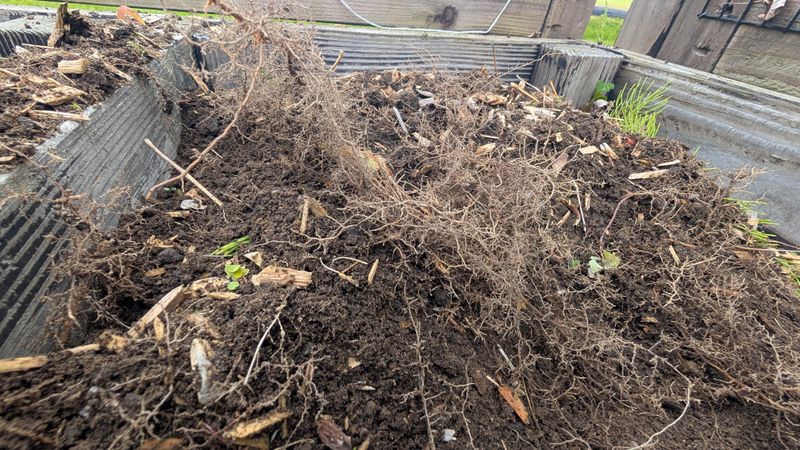
Leftover roots work like a slow release meal served underground all winter long. Fine strands left behind become food for fungi, bacteria, earthworms, and countless other tiny helpers.
As those strands soften and shrink, they leave behind hollow tunnels shaped like the original plant. Rainwater slides down these passages instead of pooling on the surface and running off sideways.
Carbon stored in that material stays in your garden rather than escaping into the open air. Gardens with more stored carbon hold moisture longer, which matters greatly during dry California summers.
Mycorrhizal fungi that partnered with the old plant can survive quietly on that leftover tissue. Those same fungal threads may connect with next season’s seedlings and boost their nutrient uptake.
Your California Garden Changes Every Week. Your Plan Should Too.
Gardening in California changes quickly throughout the season. Every Friday you’ll receive a simple weekly plan showing exactly what to plant, prune, fertilize, harvest, and protect so you never miss the right timing.
Think of the decaying material as a compost pile buried precisely where new plants need it. Skip the hauling and turning, and skip the wheelbarrow trips across the yard on a hot afternoon.
Similar gains have been observed with cover crops when residue is left to break down naturally. Tomatoes follow the same basic rule since their below ground mass is surprisingly substantial.
A single mature plant can leave behind several feet of branching material under the surface. Multiply that across a row of six plants and the free organic matter really adds up.
Come spring, push a finger into that spot and notice how easily it sinks. Loose, spongy soil like that is the reward for doing almost nothing last October.
Soilborne Trouble Worth Checking For First
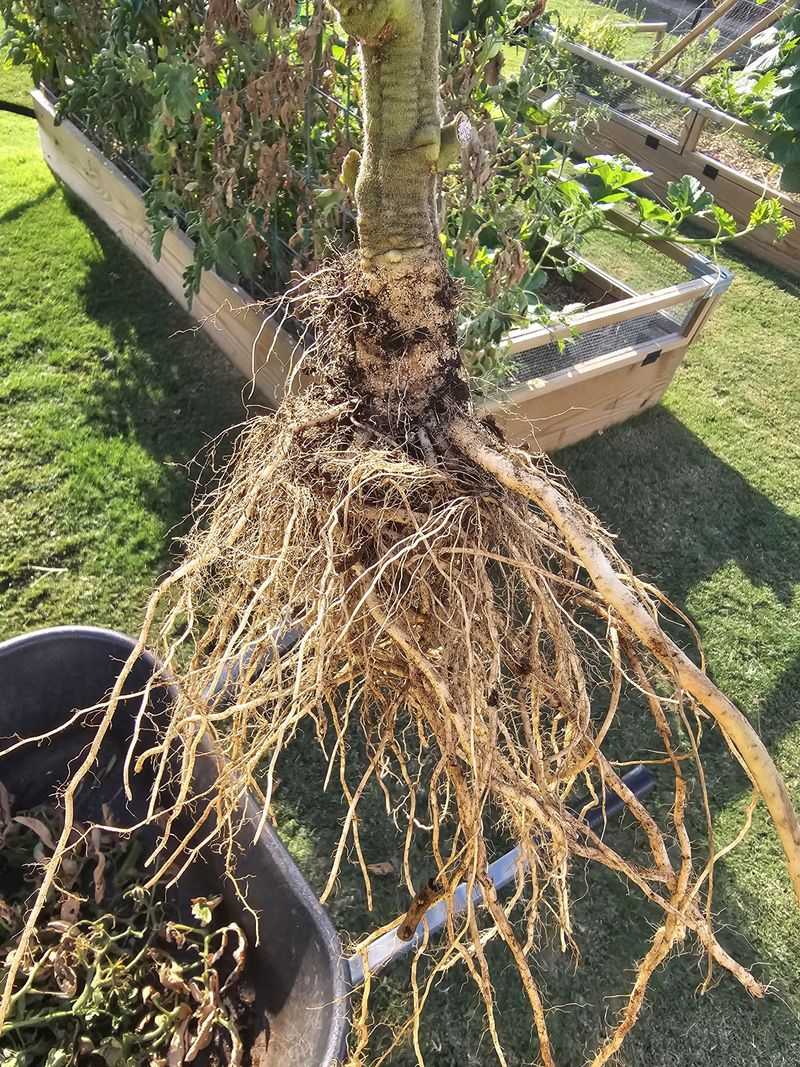
Before committing to the leave it method, dig up one plant and study its underground half. Knobby swellings, dark streaks, or mushy patches are signals worth taking seriously in any garden.
Root knot nematodes create bumpy galls that look a bit like beads on a string. Those pests thrive in the sandy soils found throughout parts of the Central Valley and inland valleys.
Verticillium and fusarium wilt leave brown streaking inside the lower stem when you slice it open. Both fungi persist in soil for years, so adding infected tissue only feeds the problem.
Plants that wilted during mild weather or yellowed from the bottom up deserve extra scrutiny. Pull those entirely, shake off loose soil, and bag the material for green waste pickup.
Home compost piles rarely reach the sustained heat needed to handle stubborn soil pathogens. Municipal composting facilities in cities like Fresno and Oakland reach temperatures that backyard bins cannot match.
Healthy roots look pale tan, firm, and branch out in fine threads without odd lumps. Those are the ones you can confidently leave sitting right where they finished the season.
Keep a simple notebook noting which beds showed trouble and which stayed clean all summer. Records like that shape smarter decisions long after memory of one bad season fades.
Grafted plants on resistant rootstock change the math since their lower half resists common pathogens. Even then, a quick inspection costs about five minutes and saves plenty of guessing later.
Timing That Fits Mild California Winters
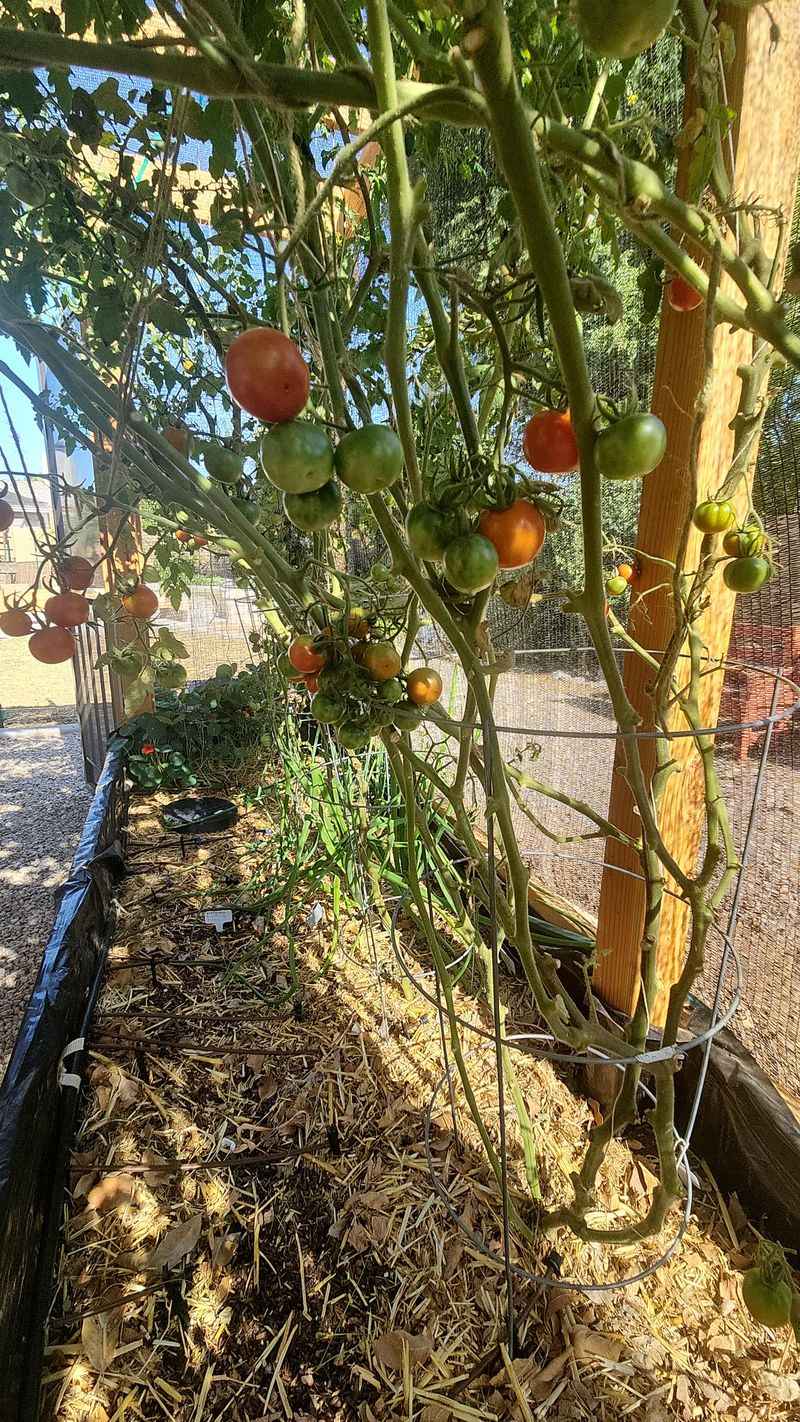
Coastal gardeners near Santa Cruz often harvest into November, while inland beds finish in early October. Local weather, not the calendar page, should decide when that final cut actually happens.
Wait until fruit production truly stops rather than clearing beds during a brief cool spell. Many plants revive after one foggy week and hand you another small bowl of late fruit.
Once the plant stops setting fruit, cut it low and leave the underground portion alone. Soil life stays active through most California winters, so decomposition keeps working right through December.
In Zone 9 and 10 gardens, that breakdown may finish within eight to ten weeks. Colder mountain areas near Truckee need longer, sometimes stretching well into the following spring season.
Rain matters here because steady moisture speeds the softening of tough woody tissue below ground. Dry autumn soil slows everything down, so one deep watering after cutting genuinely helps things along.
Gardeners planting winter greens can tuck lettuce or spinach seedlings between the old stubs easily. Those shallow rooted crops share the space without disturbing the slow work happening far underneath.
Avoid clearing beds during heavy winter storms, because walking on saturated soil compacts it badly. Wait for a dry day, and your footprints will not leave any lasting damage behind.
Mark your calendar roughly six weeks before the intended spring planting date for a quick check. That window gives you plenty of time to loosen anything still stubbornly holding together.
The Tilling Mistake That Undoes The Benefit
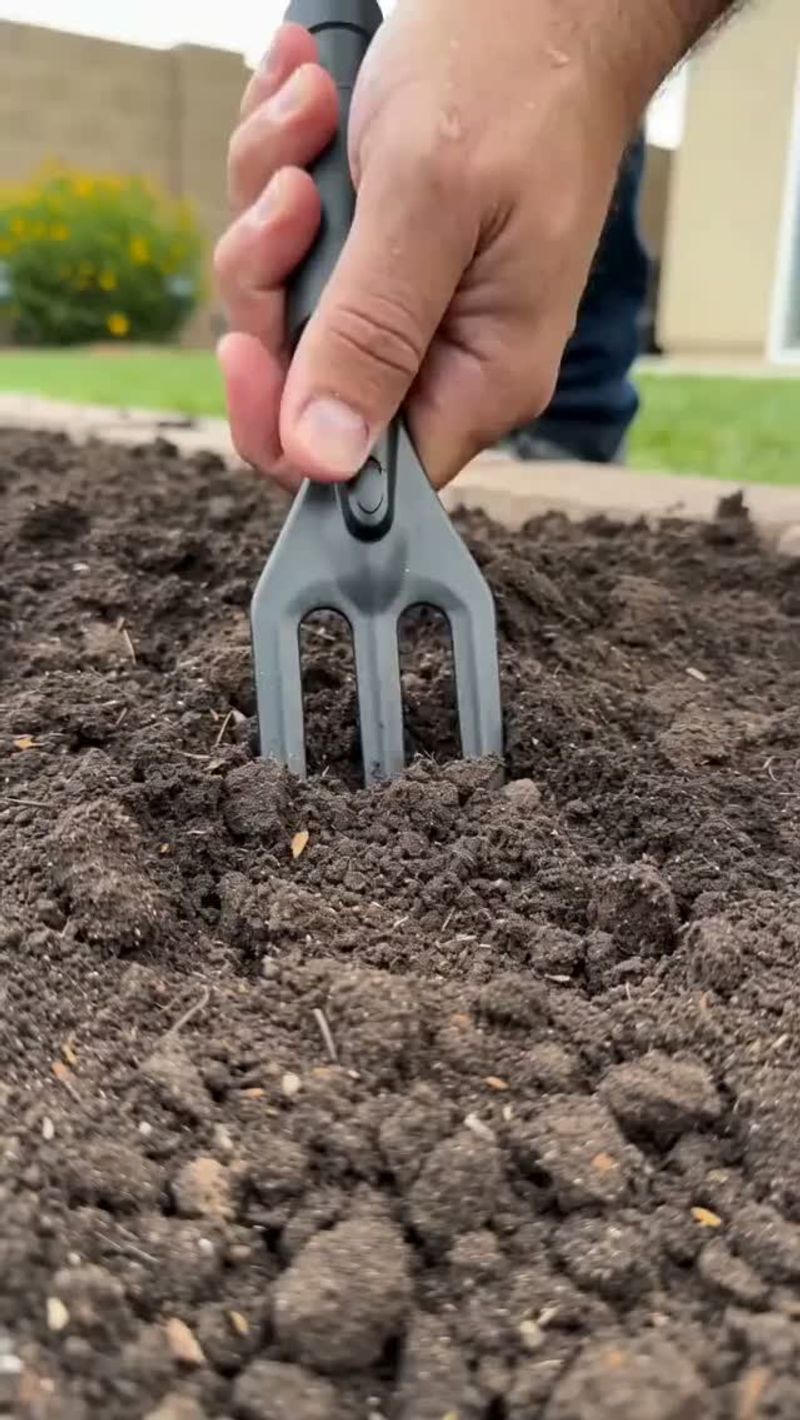
Every autumn, someone fires up a rototiller and churns the whole bed into fluffy powder. That fluff looks tidy for about a week, then settles into a dense layer after rain.
Chopping everything into tiny pieces speeds decomposition, which sounds good until nitrogen goes missing. Microbes grab available nitrogen while processing woody bits, leaving noticeably less for your spring seedlings.
Tilling also shreds the fungal networks that took an entire season to spread through the bed. Rebuilding those threads takes months, and your next crop waits on that slow repair work.
Another common misstep involves yanking plants and shaking soil off in the middle of the bed. That motion scatters any pathogens across a wider area than simply cutting the stem would.
Some gardeners bury whole vines in a trench, hoping for quick underground compost results by spring. Thick stems resist breakdown, and buried foliage can harbor pests waiting for warmer weather.
Skip the tiller and use a broadfork if compaction is genuinely a problem in your plot. Broadforks loosen without flipping layers, so the soil community stays arranged as it was.
Raised beds in places like Berkeley or Pasadena rarely need mechanical loosening at all. A little compost spread across the top does more good than any spinning metal blade.
Patience pays off here, because doing less work often produces the richer soil everyone wants. Your back will appreciate the change, and so will the worms working the night shift.
Mulch And Cover Crops As The Follow Up
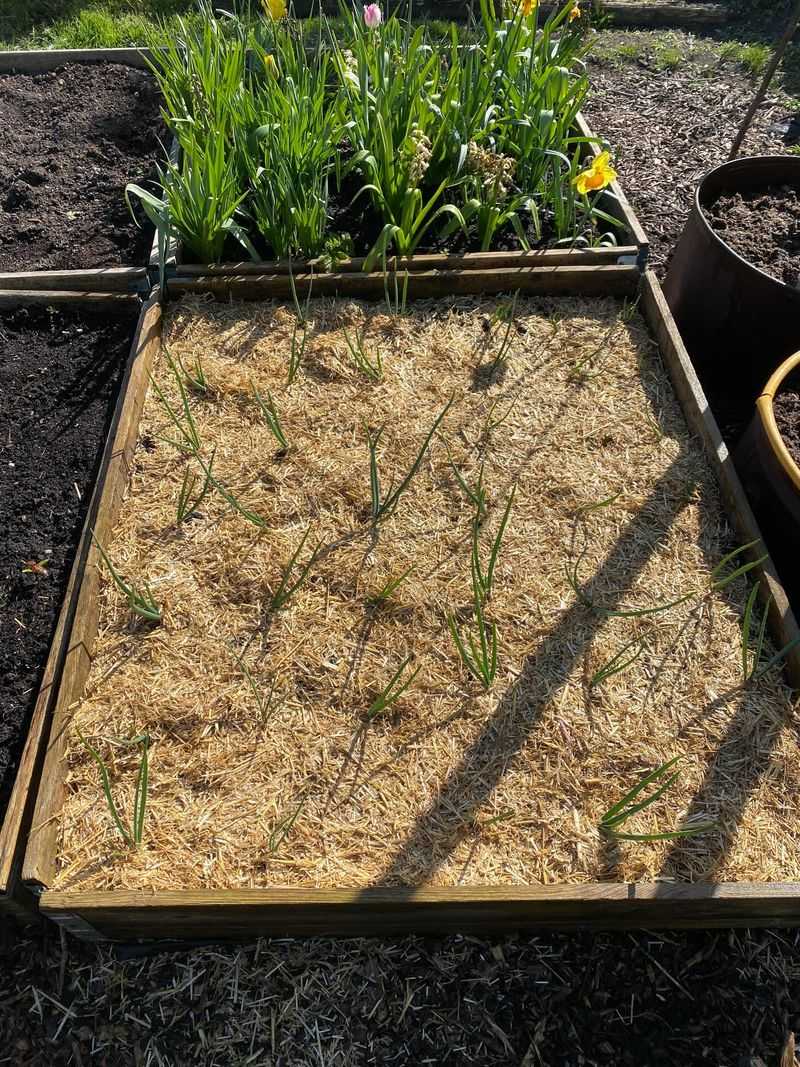
Bare soil during a California winter is an open invitation for weed seeds and erosion damage. Covering that bed right after the final cut protects all the quiet work happening below.
Spread about three inches of straw, shredded leaves, or arborist wood chips across the surface. Mulch keeps soil temperatures steady, which helps microbes stay busy during chilly January nights.
Cover crops offer an even stronger option for gardeners willing to scatter some seed in October. Fava beans, crimson clover, and hairy vetch pull nitrogen from the air into the ground.
Sow the seed right around the old stubs without disturbing whatever sits beneath them. The new plants weave their own threads through channels the previous crop already carved out.
Cut cover crops down before they flower fully, around six weeks ahead of spring planting. Leave those cut tops on the surface as mulch and let the lower portions stay put.
Daikon radish deserves a special mention because its thick taproot drills through compacted layers. After that root softens, you get a natural channel reaching deep into heavy clay soil.
Gardeners in Los Angeles County can plant cover crops later than folks up near Redding. Check a local extension calendar, since regional timing varies quite a bit across the state.
Come planting day, rake the mulch aside and set transplants into soft, welcoming ground. The whole system runs on leftovers, which feels like a small but satisfying garden trick.