A Foul Smelling Mushroom Is Popping Up In New Jersey Mulch Beds And Nobody Warned Homeowners
A rotten smell near the hydrangeas stops you cold. Your shoes, the trash cans, the neighbor’s fence line, all seem clear. No clear source explains this stench in your mulch.
New Jersey humidity turns your ordinary wood chips into something strange. Warm nights and leftover storm moisture trap water deep inside your garden beds. Fungi wake fast once your yard turns humid.
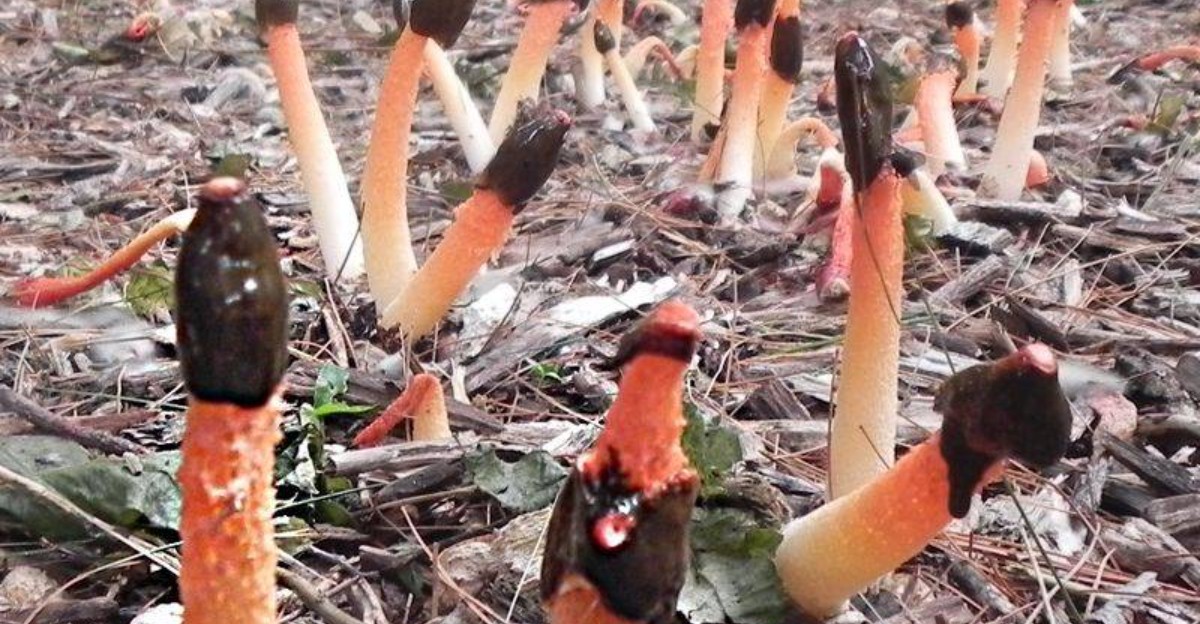
Few would guess your fungus could smell like garbage. Slimy shapes now push through mulch across New Jersey. Some garden centers report occasional questions about the smell.
These senses are not simply lying about this odor. Insects swarm toward the smell before you notice. Curiosity pulls you closer despite your hesitation.
Panic feels natural, yet your landscaping stays largely undamaged and fine. Understanding this strange visitor changes how you finally view your garden beds.
Explanations exist, and you deserve them immediately. You cannot walk away until you know why.
The Odd Garden Guest Behind That Sudden Stench
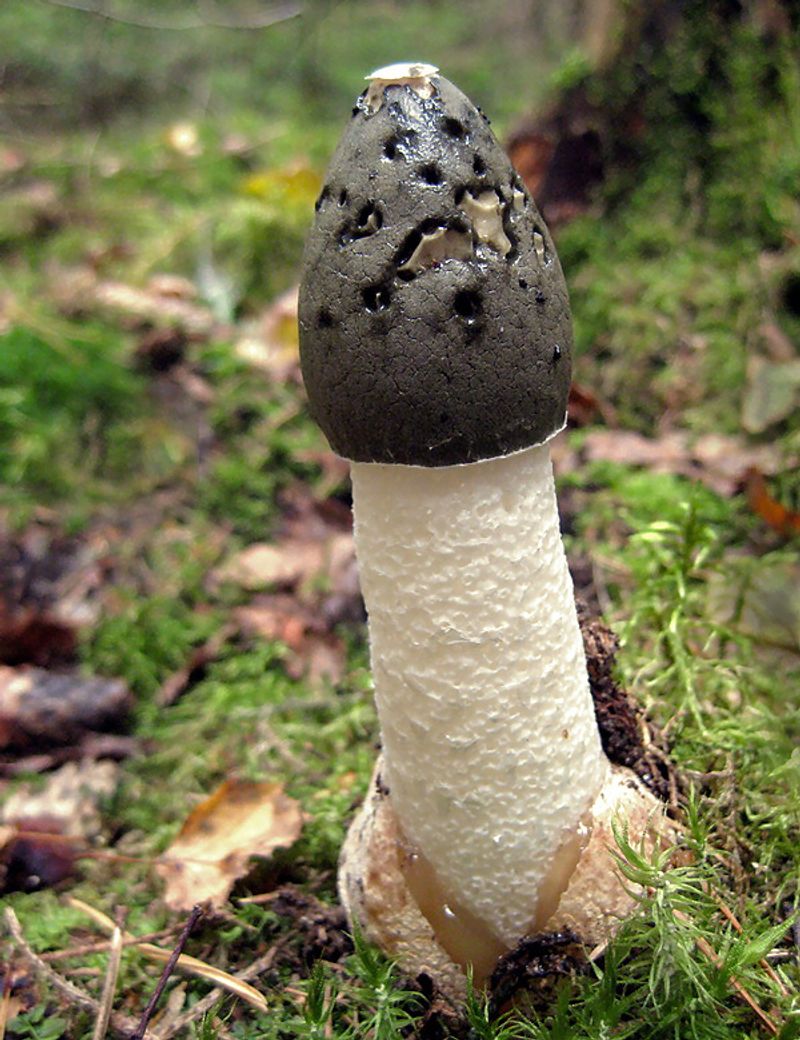
Locally, the smell has been described as a mix of decay and sulfur. What they found was not an animal at all, but a fungus called a stinkhorn.
Stinkhorns belong to a family of fungi that break down wood. Your mulch bed is basically an all-you-can-eat buffet of shredded bark and chips, which is exactly what they want.
The fungus spends weeks quietly growing underground as a web of white threads. You would walk right past it without noticing anything unusual.
Then conditions line up, warm soil plus steady moisture, and it pushes up a fruiting body in a matter of hours. Growth can happen within just a few hours.
The odor is not an accident or a sign of trouble. Stinkhorns produce a sticky, dark slime packed with spores, and that slime smells like decay on purpose.
Flies and beetles find the scent irresistible. They land, crawl around, pick up spores on their legs, and carry them off to new mulch beds down the block.
Compare that to a typical mushroom, which quietly releases spores into the breeze. Stinkhorns skip the wind entirely and hire insects instead.
It is a clever strategy, even if your patio guests disagree. Once you understand the purpose behind the smell, the whole thing feels less alarming and a bit more fascinating.
Homeowners who learn to recognize them usually feel reassured. The fungus is doing yard work, not sabotage.
Why Late Summer Mulch Beds Roll Out The Welcome Mat
Timing explains a lot here. September in New Jersey delivers soil that is still summer-warm, nights that cool enough to drop heavy dew, and the occasional tropical downpour rolling up the coast.
Fungi read those conditions as a green light. Warm, damp, decaying wood is their version of ideal weather.
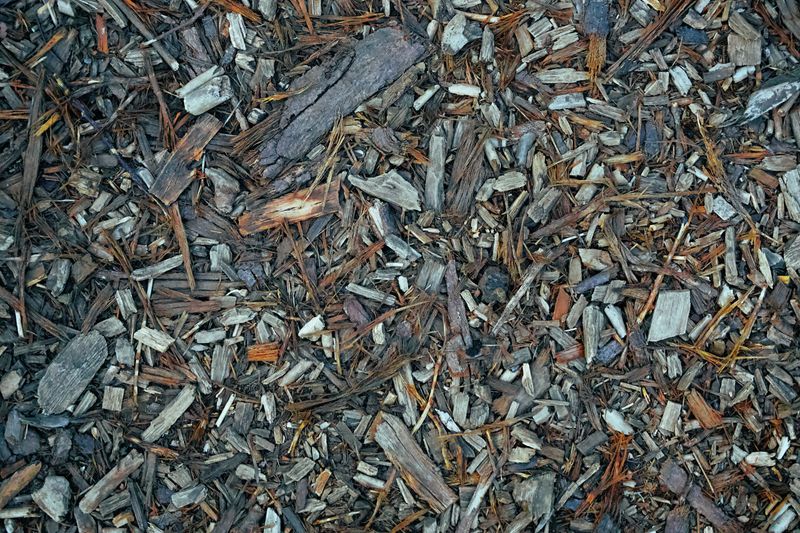
Mulch that went down in April or May has had months to soften. The chips have started breaking apart, holding water like a sponge, and that is precisely the texture stinkhorn threads spread through best.
Your New Jersey Garden Changes Every Week. Your Plan Should Too.
Gardening in New Jersey changes quickly throughout the season. Every Friday you’ll receive a simple weekly plan showing exactly what to plant, prune, fertilize, harvest, and protect so you never miss the right timing.
Thickness matters too. Beds piled four or five inches deep stay soggy underneath long after the surface looks dry.
Hardwood mulch, especially the finely shredded kind sold across the state, breaks down faster than pine bark nuggets. Faster breakdown means more fungal activity.
Shade adds another layer. Beds tucked along the north side of a house or under dense shrubs hold moisture for days, giving fungi an uninterrupted stretch to develop.
Irrigation systems running on a daily schedule keep that dampness topped off. Many homeowners are essentially watering the fungus without realizing it.
None of that means your mulch was low quality. Bagged and bulk mulch both carry fungal spores naturally, and so does the soil already in your yard.
Think of stinkhorns as evidence that decomposition is working. Wood is turning into soil nutrients, which is the entire point of mulching in the first place. The smell is just an unfortunate side effect of good chemistry.
Spotting The Shapes Before Your Nose Does
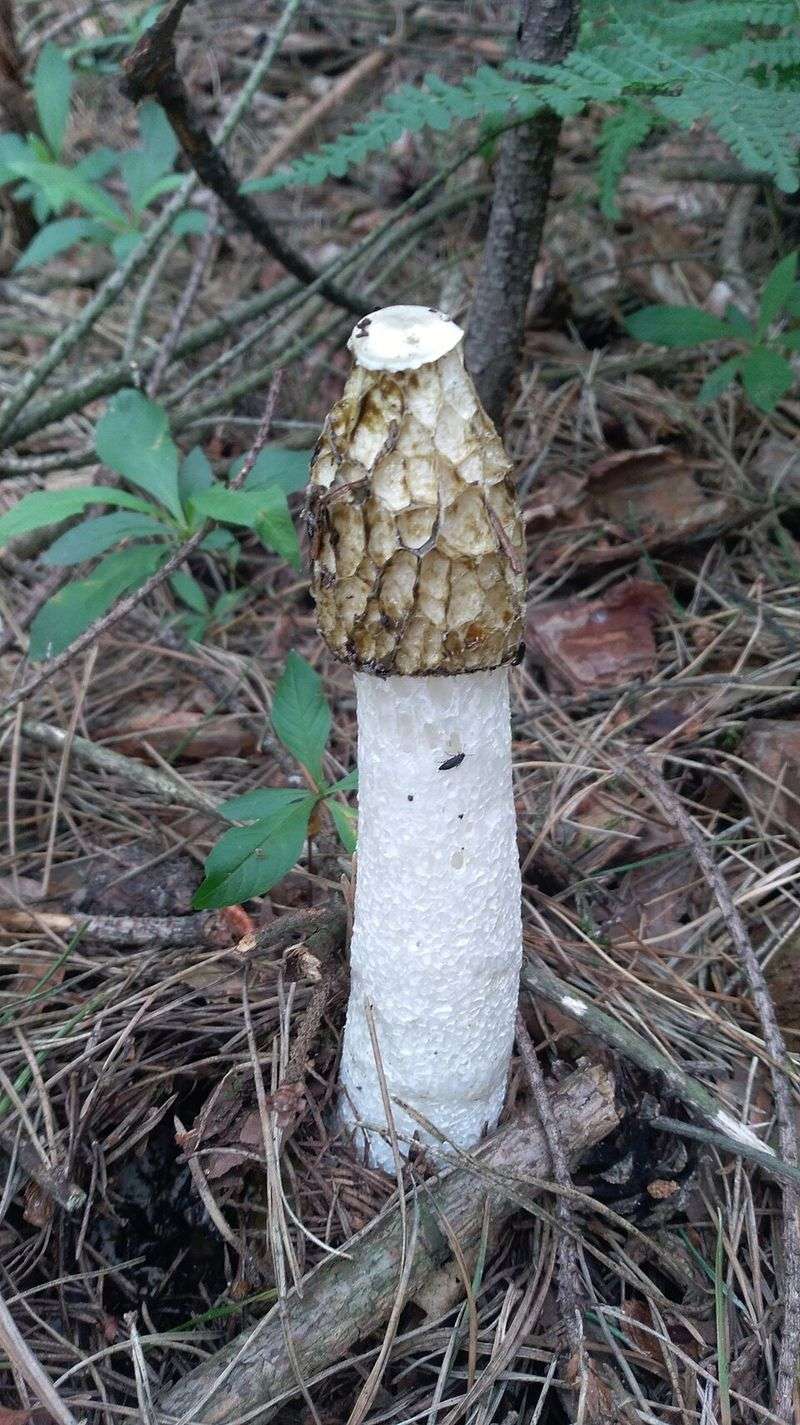
Stinkhorns come in shapes that look almost cartoonish. Once you know the lineup, identification gets easy.
The most common New Jersey find is a slender orange or tan column, roughly three to six inches tall, with a darker tip coated in goo. Folks often describe it as looking like a finger pointing skyward.
Another version arrives as a hollow lattice, like a small wiffle ball or a piece of orange coral sitting on the mulch. It looks manufactured rather than grown.
In some regions (though less common in New Jersey), a type resembles a tiny octopus, with pinkish arms splaying out from a white base. Children tend to find that one delightful.
Before any of those appear, watch for what gardeners call eggs. Small whitish or grayish sacs, about the size of a marble, sit half-buried in the mulch and feel soft when pressed.
Those sacs are the fungus getting ready. Slice one open and you will see a jelly layer wrapped around the folded shape inside.
Catching the egg stage is the sweet spot for cleanup. No odor has developed yet, and removal takes seconds.
Colors range from cream to bright orange to brownish olive depending on the species. The slimy, spore-loaded tip is the giveaway across all of them.
Another clue is speed. A shape that was not there yesterday and stands tall today is almost certainly a stinkhorn rather than a slow-growing woodland mushroom. Photograph it before removal if you are curious about the exact species.
Your Plants Are Not Actually In Danger
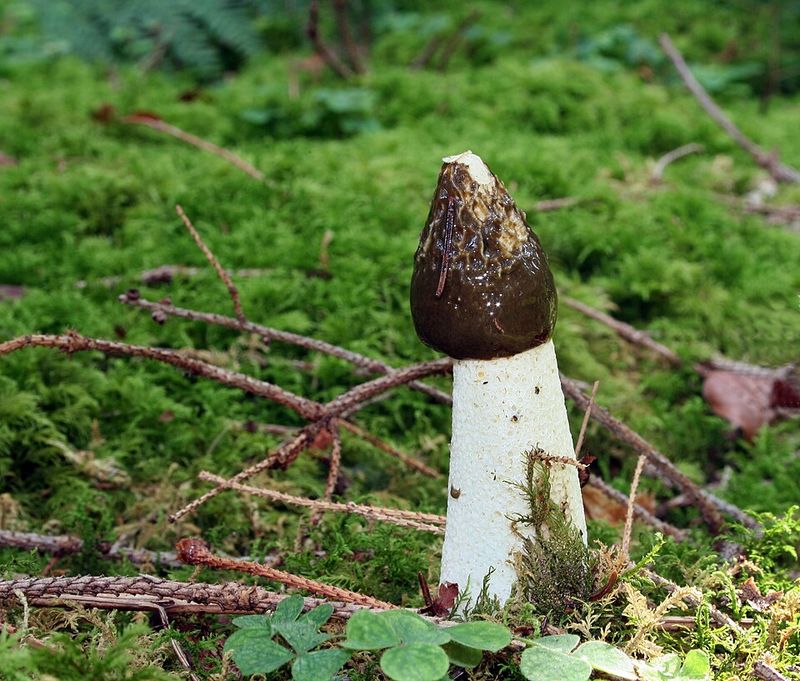
Here is the reassuring part. Stinkhorns are saprophytes, meaning they feed on non-living organic material like wood chips, buried roots, and old lumber scraps.
They have no interest in your boxwoods, hydrangeas, or tomato plants. Living plant tissue is off the menu entirely.
Landscapers sometimes get concerned calls from homeowners worried about a possible disease. The shrubs in those yards are usually in fine shape.
If anything, the fungus is helping. As it digests mulch, it releases nitrogen, carbon, and minerals back into the soil where roots can reach them.
That process is the same one happening on a forest floor. Fallen branches vanish over a few seasons because fungi quietly take them apart.
Your garden bed is running a miniature version of that cycle. The stinkhorn is simply the loudest participant.
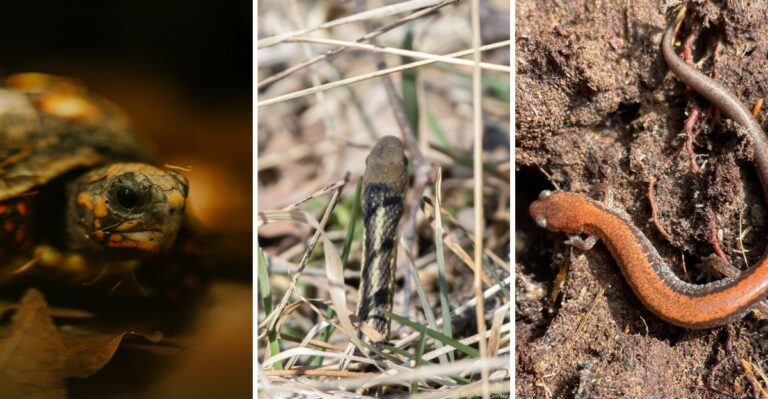
Wildlife sometimes gets involved too. Squirrels, box turtles, and beetles will nibble on stinkhorn tissue, and flies swarm the slimy tips for hours.
Increased fly traffic near a patio is the real inconvenience. Those flies came for the fungus, not for your food, but they do not read the room well.
There is no need to replace your mulch or treat the bed with chemicals. Fungicides have little effect on fungi already established underground.
Patience works better than panic. The fruiting bodies collapse within a day or two, and the smell fades along with them. Consider it a strange compliment about your soil health.
Cleanup Tricks That Cut The Odor Fast
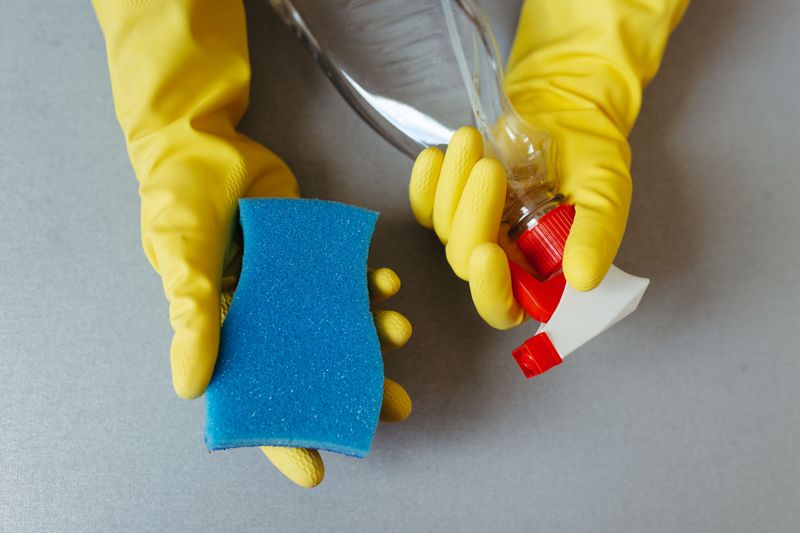
Ready to take back your patio? Grab gloves, a trowel, and a bag you can seal. Scoop out the fruiting body along with a small handful of surrounding mulch. Drop it straight into the bag and tie it shut so flies lose interest immediately.
Toss the bag in household trash rather than a compost pile. Compost gives the spores another comfortable home.
Hunt for the egg sacs while you are down there. Removing those prevents tomorrow morning’s surprise and saves you from repeat trips.
Raking helps more than people expect. Loosening and fluffing the mulch lets air move through, and dry, airy mulch slows fungal growth considerably.
Trim back sprinkler schedules if your beds get daily water. Deep watering twice a week keeps plants happy while giving the surface time to dry out.
Check mulch depth too. Two to three inches is plenty for weed control, and anything thicker just traps moisture.
A splash of soapy water on the spot afterward knocks down lingering slime and odor. Skip bleach near plant roots.
Wash your gloves and tools when you finish. Spores travel easily on equipment, and you do not want to seed the front yard while cleaning the back.
Keeping a small scoop or trowel near the back door makes cleanup easier during peak season. Once it becomes routine, the whole process takes under a minute.
The fungus may return a few more times before cool weather arrives. Quick removal keeps the experience tolerable rather than overwhelming.
Keeping Curious Kids And Pets Out Of Trouble
Dogs are often strongly drawn to the smell, and some seem unable to resist investigating it up close.
The good news is that these fungi are not considered seriously toxic to cats and dogs. The bad news is that eating one often causes an upset stomach.
Vomiting, drooling, or loose stool can follow a snack. Call your veterinarian if symptoms hang around more than a few hours or seem severe.
Best approach is simple prevention. Walk the beds each morning during humid stretches and remove anything you find before letting the dog out.
Kids get curious for different reasons. The octopus-shaped and lattice varieties look like toys, and the smell makes them hilarious to a seven-year-old.
Set one clear rule for the yard. Point out interesting mushrooms to an adult, and wash hands afterward if anyone touches one.
That habit matters beyond stinkhorns. Plenty of other backyard fungi are genuinely unsafe to eat, and a good rule covers all of them.
Foragers sometimes mention that egg-stage stinkhorns are eaten in parts of Asia. Home cooks in New Jersey are better off admiring from a distance.
Even history has its own stinkhorn stories, as some Victorian-era naturalists reportedly removed the fungus from view early in the morning due to the social taboos of the time.
A little awareness turns the whole episode into a backyard science lesson. Come October, cooler soil quiets things down again.