What Tropical Hibiscus Needs In September To Keep Pumping Out Flowers In Florida
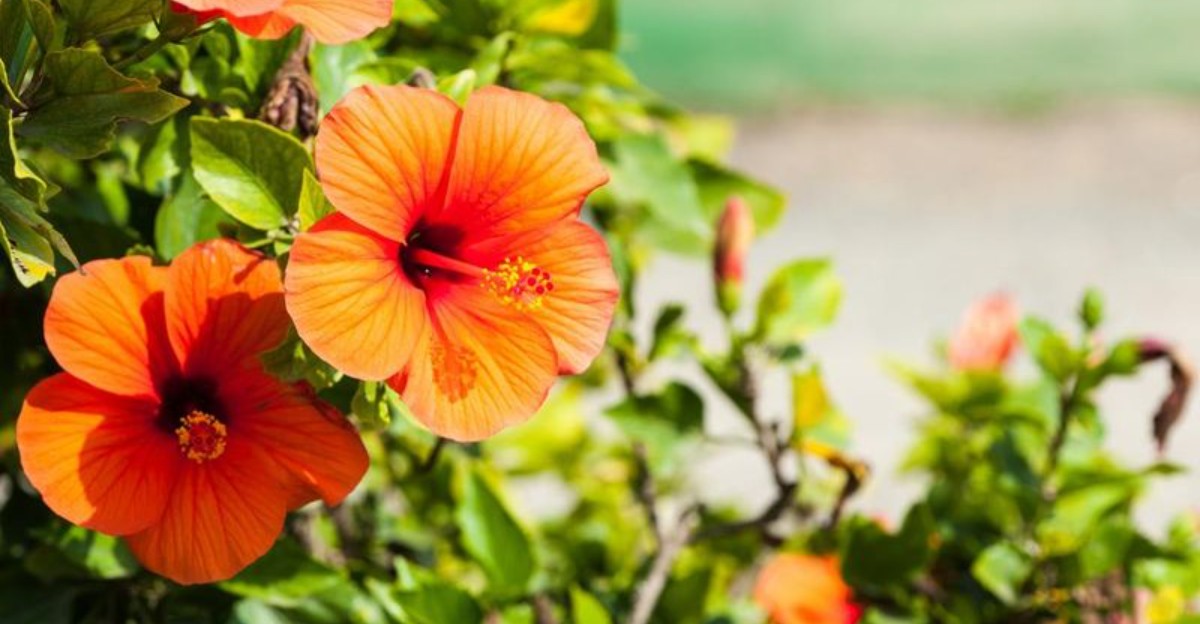
September in Florida shows up like a warm, damp towel draped across the whole steamy backyard. Afternoon storms roll in, the sun muscles back out, and plants seem confused about the season.
Your flowering shrubs have been showing off since spring, and by now many look plainly tired. Buds shrink, some leaves turn yellow, and blooms arrive smaller than the ones you bragged about.
Here is the cheerful news that plenty of Sunshine State gardeners somehow manage to forget every single year. Autumn can be prime bloom season down here, provided the right support shows up on schedule.
A few small adjustments this month can turn a sulking, leggy plant into a proud October showoff. Neighbors will assume you hired a professional, and honestly, that rumor is worth the silence.
Feed It Lightly And Often Through The Heat
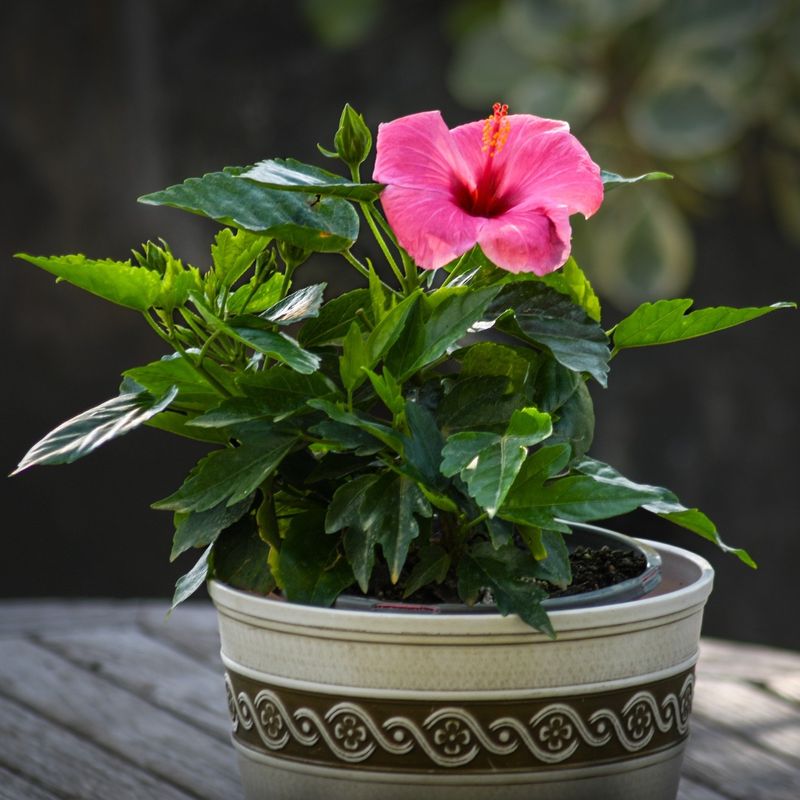
Tropical hibiscus eat like teenagers, and Florida’s September warmth keeps their appetite running at full speed. One giant scoop of fertilizer each month, though, does far less good than steady small meals.
Feed every two weeks with a balanced liquid food, or use a slow-release blend once monthly. Look for numbers such as 10-4-12, where the middle phosphorus number stays fairly low.
High phosphorus sounds helpful for flowers, yet hibiscus actually bloom better when it stays modest. Too much of it locks up iron and magnesium, and the leaves fade to pale yellow.
Water the plant first, then apply fertilizer to damp soil around the outer root zone. Dry roots plus concentrated salts equal burned tips and a sulking shrub by next week.
Container plants drain fast during daily storms, so nutrients wash away quicker than in ground beds. Cut the label rate in half and feed twice as often for steadier results.
Fish emulsion and liquid seaweed extract work nicely as gentle boosters between your regular feedings. They smell strong for an afternoon, but the deep green leaves make up for it.
Skip feeding on scorching afternoons when the plant already looks stressed and slightly wilted. Early morning is the sweet spot, before the heat index climbs past anything comfortable.
Steady, moderate meals keep buds forming week after week instead of in one short burst. Consistency beats generosity here, which is rare advice in a state famous for buffets.
Water Deeply At The Roots, Not The Leaves
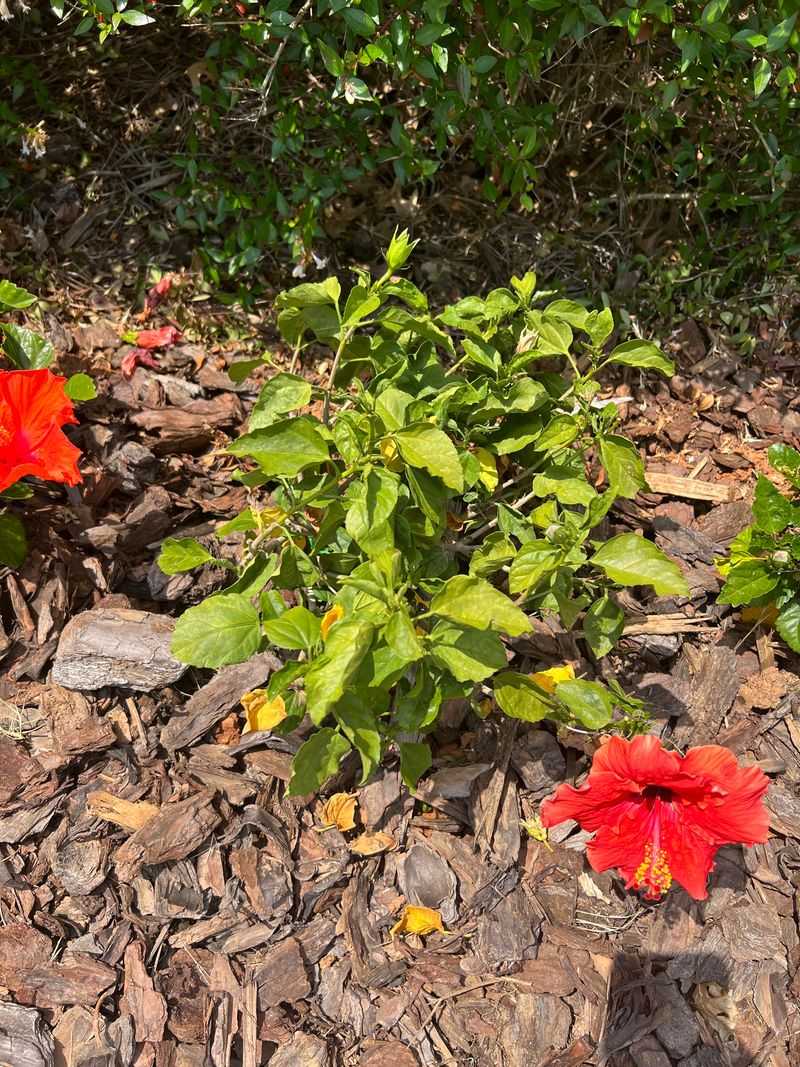
Florida’s September rain can fool you badly, since an afternoon downpour often wets only the top inch. Underneath, the root ball may stay bone dry while the plant quietly drops its buds.
Push a finger two inches into the soil before reaching for the hose each morning. If it feels damp down there, wait; if it feels dusty, water long and slow.
Deep soaking encourages roots to grow downward, where soil stays cooler and moisture lingers longer. Quick daily sprinkles train roots to stay shallow, which backfires during the next dry spell.
Aim the water at the base of the plant rather than across foliage and open flowers. Wet leaves sitting overnight invite fungus spots, and soggy blooms collapse into mushy brown lumps.
Your Florida Garden Changes Every Week. Your Plan Should Too.
Gardening in Florida changes quickly throughout the season. Every Friday you’ll receive a simple weekly plan showing exactly what to plant, prune, fertilize, harvest, and protect so you never miss the right timing.
Potted hibiscus often need water daily, sometimes twice when the wind and sun team up. Check pots by lifting them slightly; a light pot means the roots are thirsty already.
Bud drop is the classic complaint, and uneven watering causes it more than anything else. Swinging between soaked and parched tells the plant to abandon flowers and protect itself.
Drip lines or soaker hoses deliver slow moisture that sinks in instead of running off. Set them for early morning so foliage dries before the humid evening settles in.
Consistent moisture is the single biggest bloom booster most gardeners overlook this time of year. Hibiscus forgive many mistakes, but a thirsty week shows up in the flower count.
Prune Lightly To Spark Fresh Bloom Wood
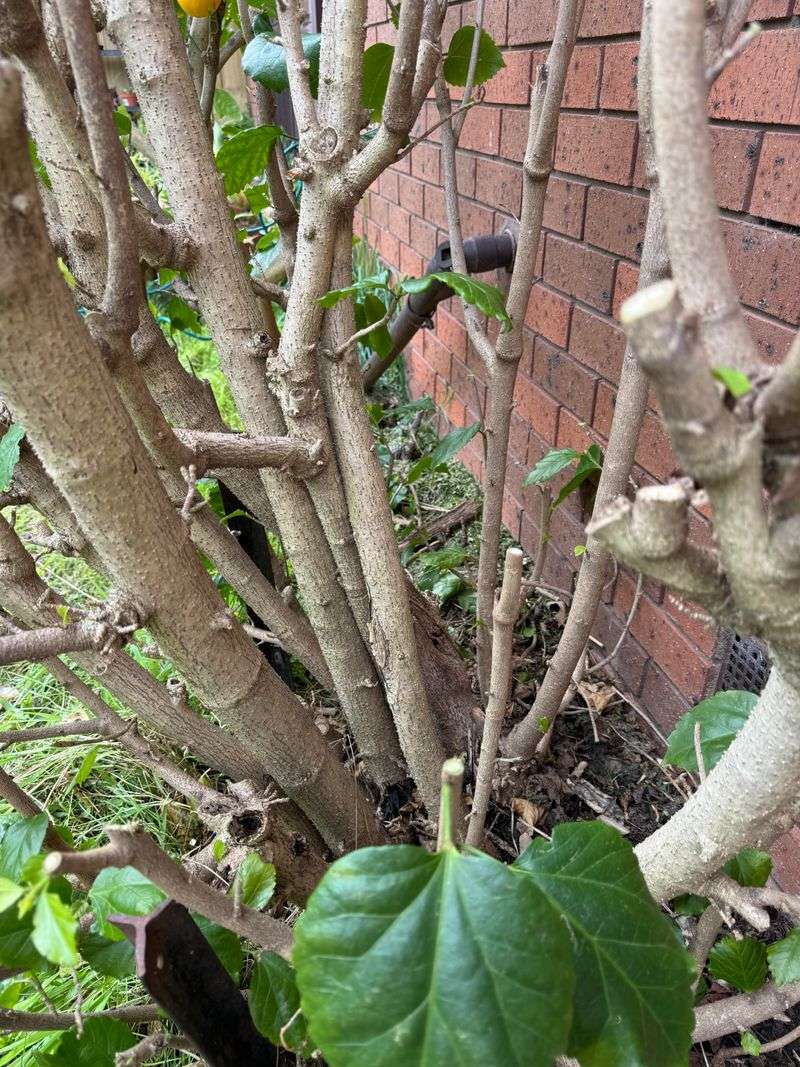
Hibiscus flowers form only on new growth, which makes a light September trim surprisingly powerful. Snip a few inches off leggy branches and watch side shoots appear within two weeks.
Keep it gentle, since heavy chopping right now delays blooms until well past the holidays. Remove no more than a quarter of the plant, and stop there even if tempted.
Cut just above a node facing outward, so new branches grow away from the center. Open middles let air move through, which discourages the mildew that thrives in humid weather.
Dried-out twigs, crossing branches, and stubby interior growth deserve removal before anything else gets touched. Clearing that clutter sends energy toward the healthy wood that will actually carry flowers.
Clean your pruners with a disinfecting solution between plants to avoid passing problems around the yard. Dull blades crush stems instead of slicing them cleanly, leaving ragged wounds that heal slowly.
Pinching soft growing tips with your fingers counts as pruning, and it works surprisingly well. Gardeners who pinch monthly report bushier plants covered in buds rather than bare lower stems.
Follow any trim with a light feeding and a deep watering to fuel the regrowth. The plant responds fast in warm soil, often pushing new leaves inside five or six days.
September timing matters because Florida stays warm long enough for all that growth to mature. Wait until December and you may stare at bare sticks through the cool, quiet months.
Hunt Down The Chewers Before They Multiply
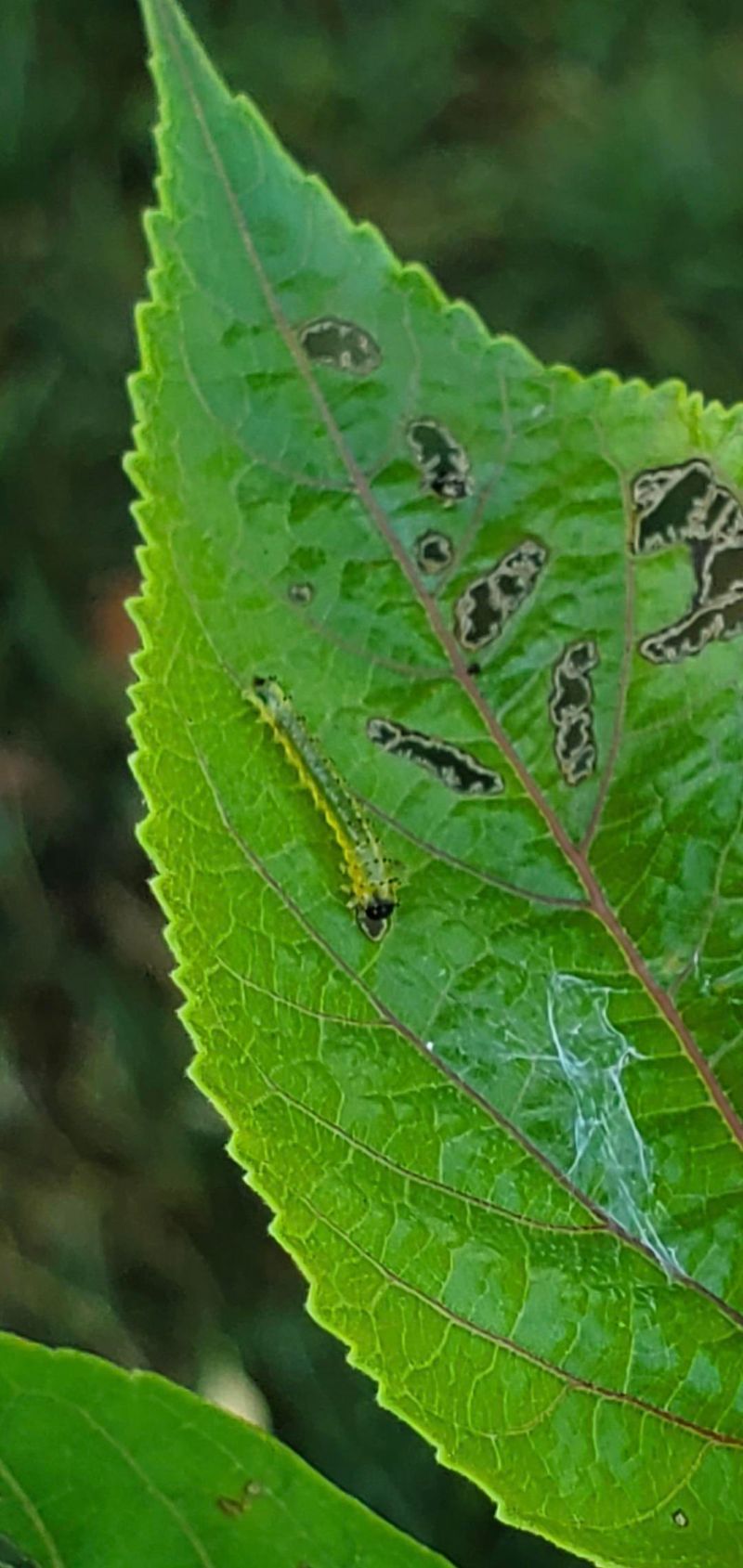
Ragged leaves full of tiny holes usually mean hibiscus sawfly larvae are throwing a party. Those pale green worms skeletonize foliage fast, leaving lacy remains and one very unhappy shrub.
Flip a few leaves over during your morning walk, because most trouble hides underneath. Aphids cluster on tender bud stems, while spider mites leave fine webbing and speckled, dull leaves.
Pink hibiscus mealybugs look like little cotton tufts tucked into branch joints and growing tips. They deform new growth badly, so catching them early saves you weeks of frustrating cleanup work.
A strong blast from the garden hose knocks off aphids and mites without any chemicals. Repeat every three days for a week, and most small outbreaks simply fade away quietly.
Insecticidal soap or horticultural oil handles heavier infestations, but apply it during cooler morning hours. Spraying oil under midday Florida sun scorches leaves and creates a brand new problem.
Thrips are the sneaky ones, causing buds to yellow and drop before they ever open. Shake a suspicious bud over white paper and watch closely for tiny moving slivers.
Ladybugs, lacewings, and tiny parasitic wasps patrol your garden for free almost every single day. Broad-spectrum sprays wipe out that helpful crew, and the pests bounce back stronger than before.
Weekly inspections beat emergency rescues, and they take about four minutes with a cup of coffee. Catch the chewers early and your September blooms stay flawless instead of merely acceptable.
Add Potassium And Magnesium For Bigger Flowers
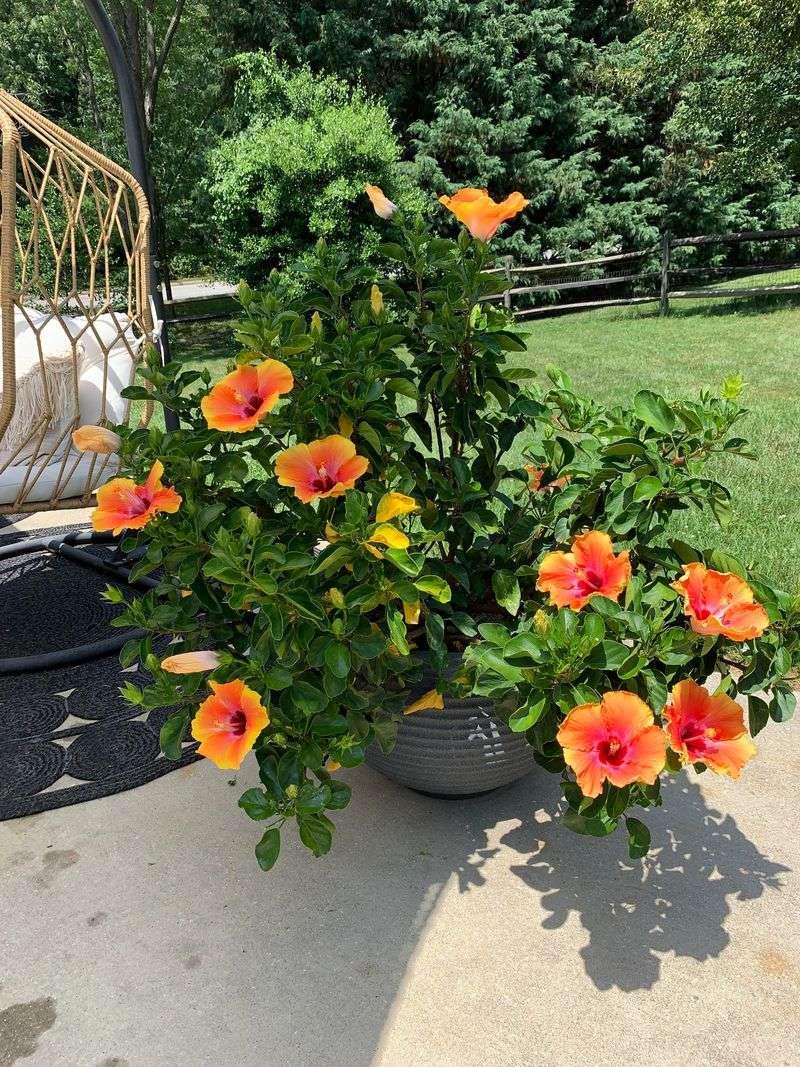
Potassium is the nutrient that turns leafy growth into actual flowers, and hibiscus crave plenty. Florida’s sandy soil holds potassium poorly, so heavy summer rains carry much of it away.
Look at the third number on a fertilizer bag, and choose one where it runs highest. A ratio like 12-4-18 suits blooming hibiscus far better than a generic all-purpose 10-10-10.
Magnesium keeps hibiscus leaves deep green and helps the plant use sunlight efficiently all day. Epsom salt supplies it cheaply, at roughly one tablespoon per gallon of water once monthly.
Yellowing between green veins on older leaves usually signals a magnesium shortage rather than overwatering. Many gardeners reach for more fertilizer when a simple Epsom salt drench would fix things.
Apply potassium sources such as sulfate of potash around the drip line, then water it deeply. Roots pick it up within days, and buds start swelling noticeably by the following week.
Avoid piling on extra nitrogen during September, since it pushes soft leaves instead of flowers. You end up with a gorgeous green bush that refuses to produce a single bloom.
Micronutrients matter too, especially iron, manganese, and boron in our alkaline, sandy coastal soils. A chelated micronutrient spray on the leaves gives a quick lift when plants look dull.
Balance is really the trick, because piling on one nutrient blocks the uptake of another. Feed thoughtfully and your hibiscus answers back with flowers the size of small dinner plates.
Refresh The Mulch And Cool The Root Zone
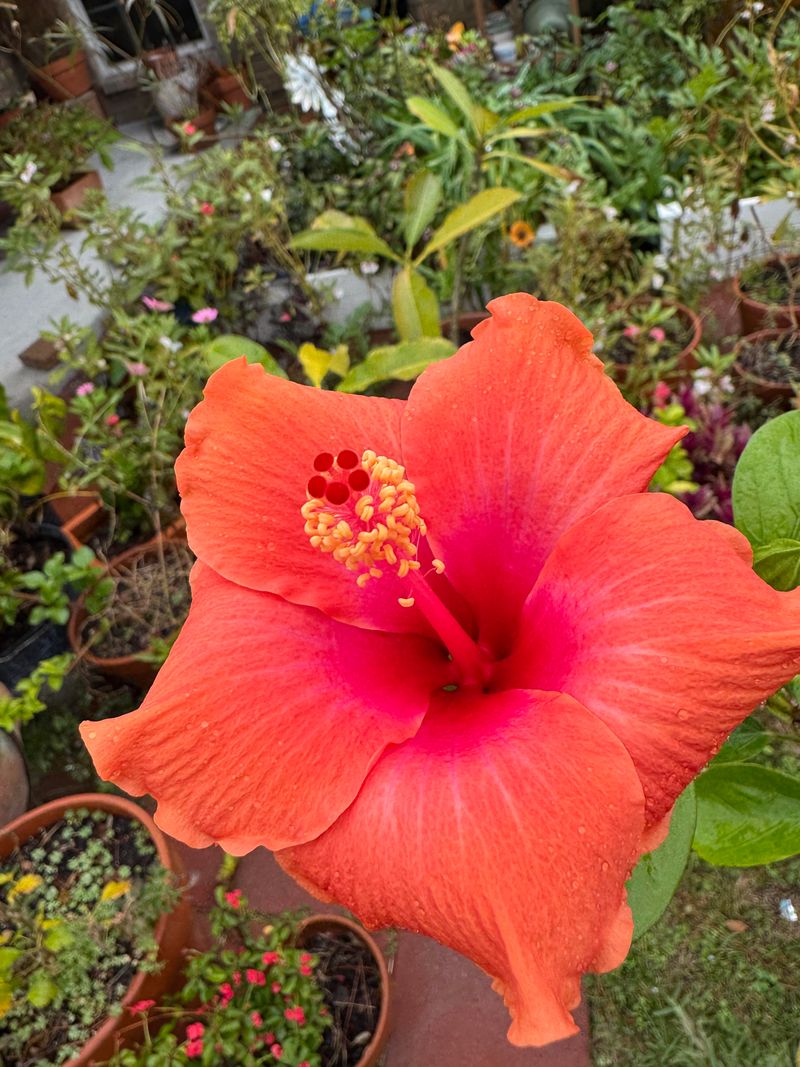
Bare soil in September bakes to temperatures that roots genuinely dislike, even in partly shaded beds. A two inch mulch layer drops that heat noticeably and holds moisture between passing storms.
Pine bark nuggets, pine straw, and shredded hardwood all work well in Florida landscapes. Skip rubber mulch, which traps heat and adds nothing useful to the soil underneath it.
Pull the mulch back a few inches from the main trunk instead of piling it high. Stems buried in damp material can rot slowly, and the plant declines without obvious warning.
Old mulch compacts after a rainy summer, shedding water rather than letting it soak through. Fluff it with a rake, then top off the thin spots with a fresh layer.
Earthworms and soil microbes get busy under good mulch, feeding roots in ways fertilizer cannot. You are building better soil while the plant blooms, which honestly feels like a bargain.
Mulch also blocks the weeds that compete for water and nutrients your hibiscus badly needs. Fewer weeds means less hand pulling in ninety degree heat, which every gardener appreciates.
Container plants benefit too, since a thin mulch cap slows evaporation from the potting mix. Use something light like pine bark fines so water still moves freely into the pot.
Check your mulch depth each fall, because it settles and decomposes faster in our climate. Roots that stay cool and moist keep producing buds instead of taking an unscheduled break.
Give Potted Plants The Sun They Crave
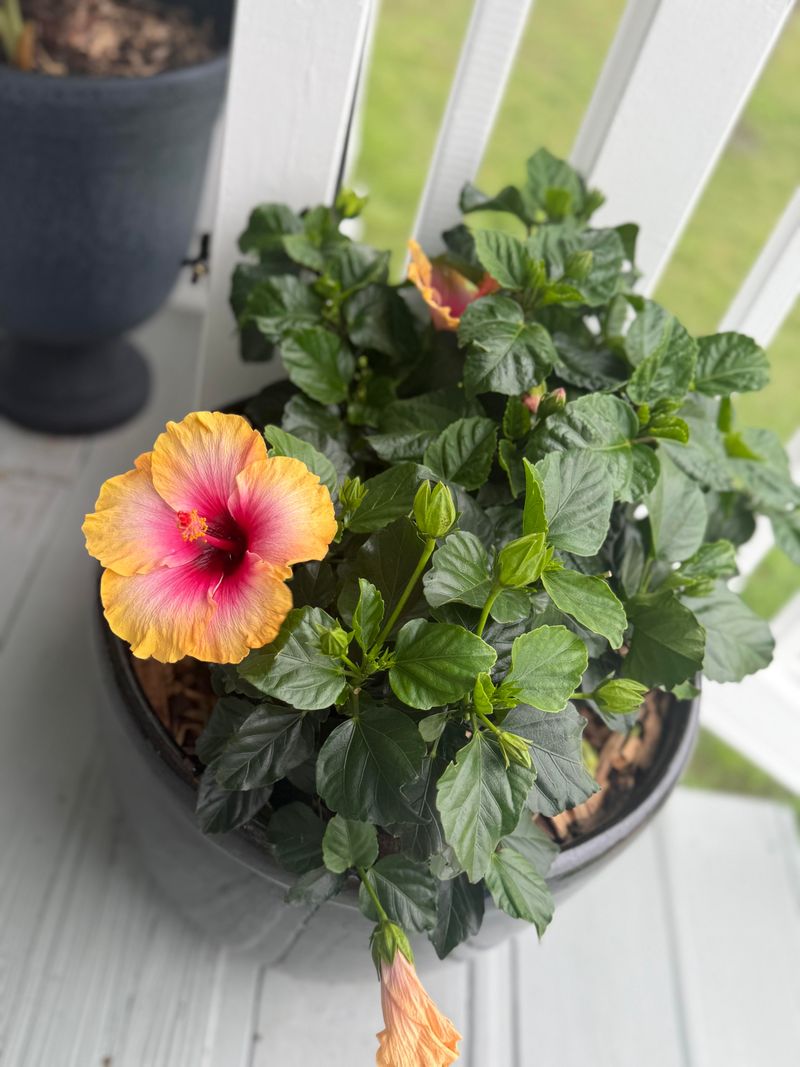
Hibiscus want at least six hours of direct sunlight, and September’s lower angle shifts where that lands. A pot that seemed perfect back in June might sit in shade by late afternoon.
Walk your patio around three o’clock and note which containers have quietly slipped into shadow. Moving a single pot four feet can double its light and restore the flower count.
Blooms need plenty of energy, and energy comes from sunlight striking healthy, fully expanded leaves. Too little light produces long stems, big foliage, and a disappointing number of buds.
Morning sun with light afternoon shade suits south Florida, where midday intensity gets truly brutal. Farther north in the state, full day sun usually works fine through the fall.
Rotate your pots a quarter turn weekly so every side develops evenly instead of leaning. Lopsided plants look odd and produce flowers only on the bright, favored outer side.
Dark colored containers absorb heat and can cook roots on a sunny concrete patio. Slide them inside a lighter outer pot, or set them up on a wooden plant stand.
Indoor hibiscus rarely bloom well, since window glass filters out much of the useful light. Give them a sheltered outdoor spot while the Florida weather still cooperates this time of year.
Sunlight is free, and adjusting for it costs nothing but a few minutes of your effort. Few garden fixes deliver such an obvious payoff so quickly, which keeps a gardener motivated.
Flush The Soil And Reset Its Salts
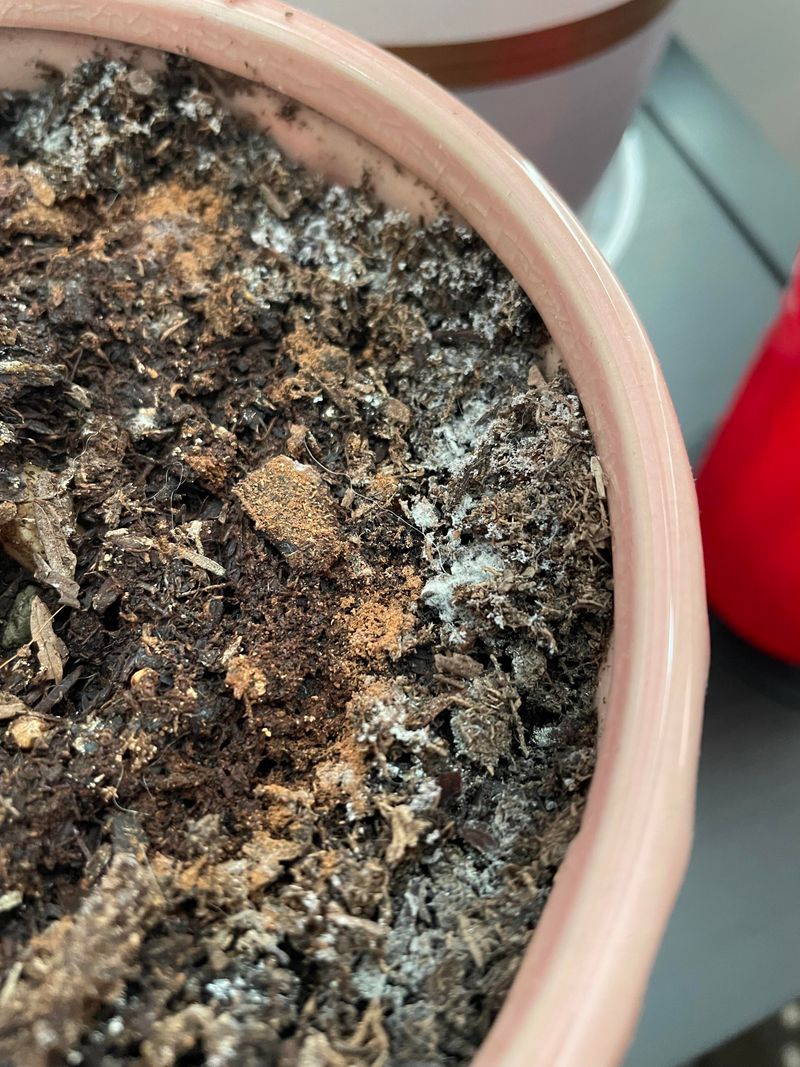
Fertilizer salts pile up in pots and beds after months of steady feeding through the summer. Brown, crispy leaf edges and a white crust on the soil surface give it away.
Flushing sounds technical, but it simply means running plain water slowly through the whole root zone. For containers, let plain water drain freely from the bottom for several full minutes.
Repeat that thorough soak two or three times, pausing a minute between each generous pour. The excess salts dissolve and wash away, and the plant usually perks up within days.
In ground plants benefit from a long, slow hose soak around the entire root area. Let the water trickle for twenty minutes rather than blasting the bed for two.
Coastal gardeners deal with salt spray as well, which coats the leaves and blocks their pores. A gentle rinse with fresh water after windy days keeps that foliage working properly.
Soil pH drifts upward across much of Florida, thanks to limestone and hard tap water. When it climbs above seven, iron becomes unavailable and the new leaves turn strangely pale.
An inexpensive test kit tells you exactly where things stand in about five short minutes. Elemental sulfur or an acidifying fertilizer nudges that number back into friendly territory gradually.
Flush containers monthly and check your beds each season to keep roots working at their best. Clean soil is unglamorous work, yet it quietly decides how many flowers you actually get.