Fall Is The Best Time To Plant A Crape Myrtle In Florida (Pick The Right One First)
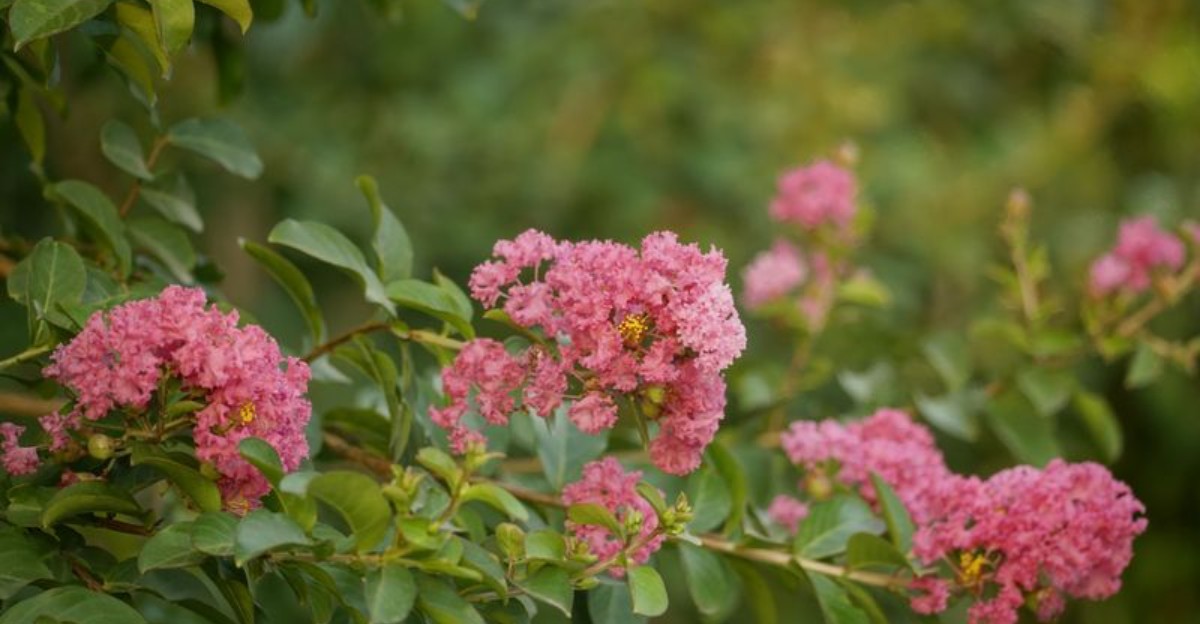
Plant a crape myrtle at the wrong time of year, and you’re asking it to fight an uphill battle from day one.
Fall changes the math. Cooler air paired with soil still holding onto summer warmth gives roots a running start most spring plantings never get.
The tree settles in months before next year’s heat even shows up. Skip this window and you’re babying a stressed tree through its first brutal Florida summer instead.
Picking the tree matters just as much as picking the season. Varieties differ wildly in size, color, and disease resistance.
Grab whatever looks good at the store and you might end up with a tree that outgrows its spot or struggles against problems a better variety would’ve shrugged off.
Nail both the timing and the variety this fall. You’ll skip years of troubleshooting a tree that never should’ve ended up in your yard.
1. Pick The Right Crape Myrtle Size Before Planting
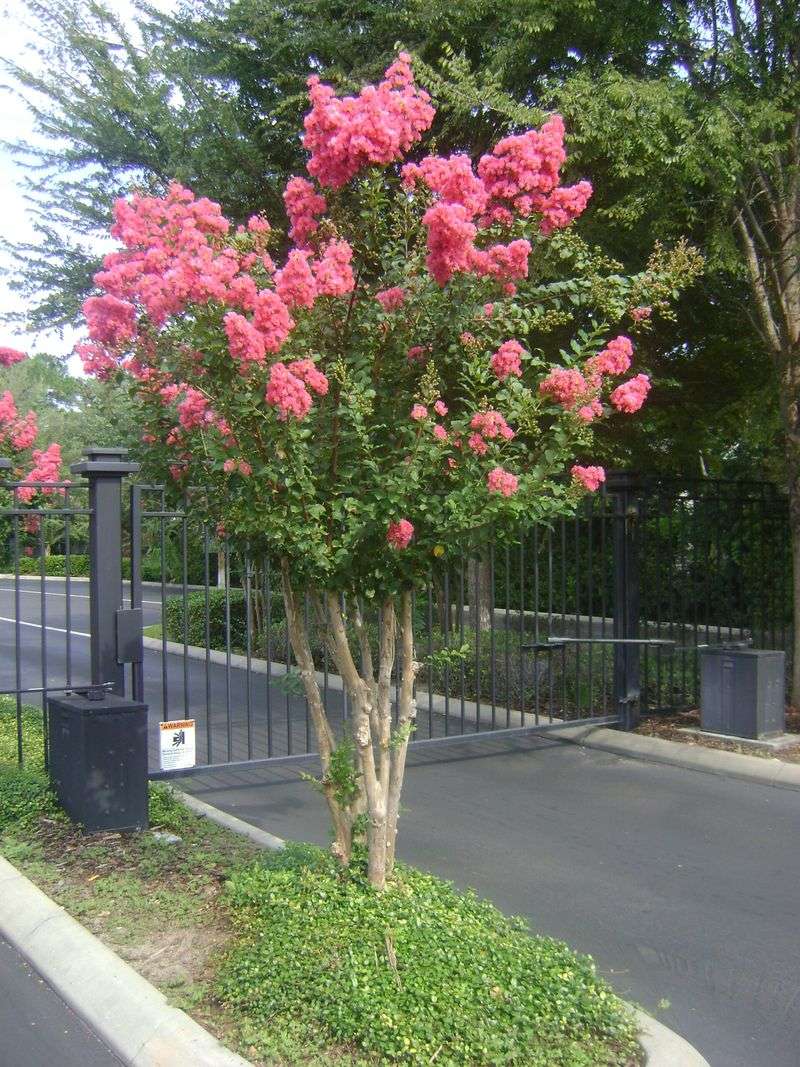
Picture a cute little tree from the garden center that later swallows your front window. That surprise happens to lots of Florida homeowners every year.
Crape myrtles come in three main size groups. Dwarf types usually stay under four feet tall, which makes them great for pots and small beds.
Semi-dwarf selections reach about 8 to 15 feet. They work nicely near patios, along fences, or beside a mailbox.
Standard tree types can climb past 20 feet. Some grow as tall as 35 feet, so they need a wide, open spot.
Here is the big secret. The tag on the pot tells you the mature size, and that number matters far more than how small the plant looks today.
When you choose a tree that fits its spot, you skip years of hard cutting later. Your tree keeps its natural shape, and you keep your weekends free.
Before shopping, grab a tape measure. Check the height under your roof, power lines, and nearby branches.
Then measure the width of the space too. Write both numbers down and bring them to the nursery with you.
Staff members can point you to varieties that match. A few minutes of planning now saves a lot of headaches down the road.
2. Choose Natchez For White Flowers And Fast Growth
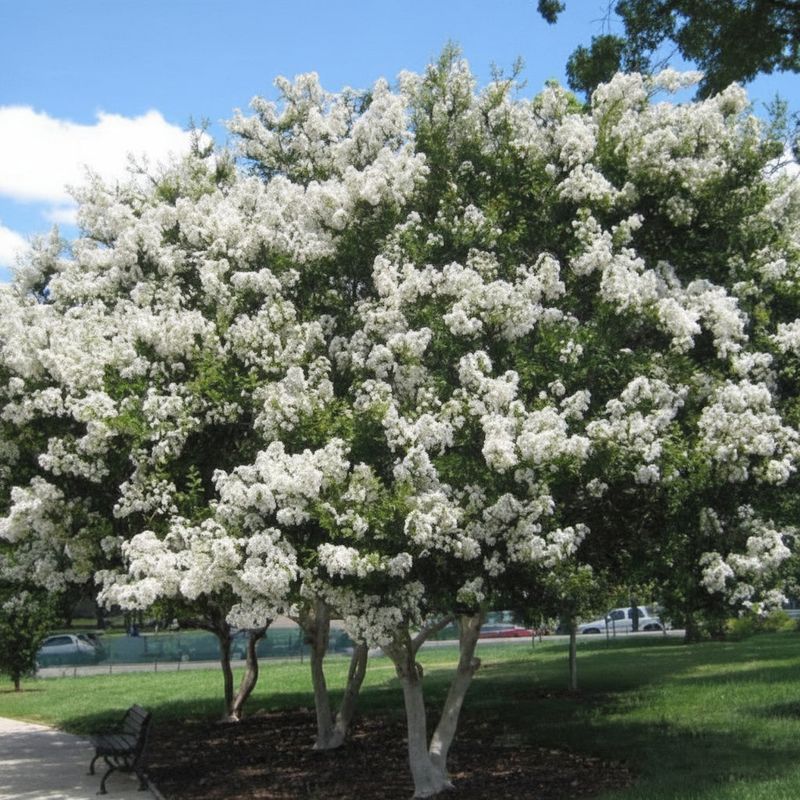
Snow in Florida? Well, sort of.
When Natchez blooms, its pure white, ruffled flowers look like fresh snowdrifts sitting on green branches.
Natchez is one of the most loved crape myrtles in the South. It grows fast and matures at around 20 to 30 feet tall.
It also spreads 15 to 25 feet wide. The canopy forms an upright vase shape, which gives nice shade over a driveway or lawn.
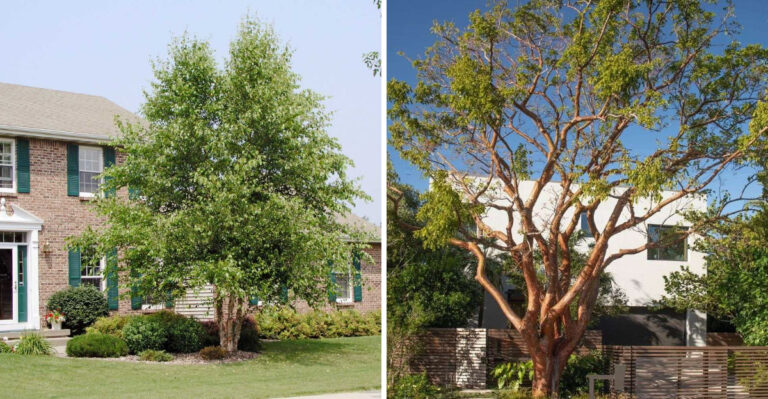
The flowers are only part of the charm. As the tree ages, its bark peels away in patches of cinnamon and cream.
That bark looks lovely even in winter when the leaves have dropped. You get something pretty to look at in every season.
Gardeners also like Natchez because it holds up well against powdery mildew. That white, dusty leaf problem shows up often in humid areas, so resistance is a real bonus.
Your Florida Garden Changes Every Week. Your Plan Should Too.
Gardening in Florida changes quickly throughout the season. Every Friday you’ll receive a simple weekly plan showing exactly what to plant, prune, fertilize, harvest, and protect so you never miss the right timing.
Blooms usually appear from mid-summer into fall. In some parts of Florida, flowers show up as early as May and June.
Give Natchez plenty of room since it grows big quickly. It is a smart pick for large yards, open corners, or as a bright focal tree.
Plant it in fall, and it will be ready to impress by next summer.
3. Look At Tuscarora For Bright Coral Blooms
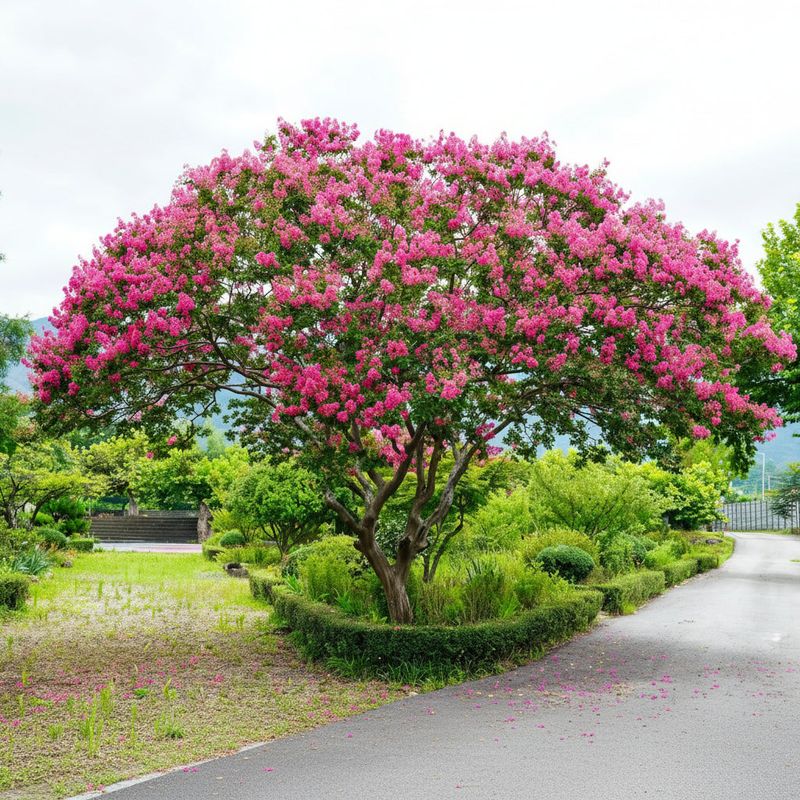
Watermelon on a branch. That is the best way to describe the flower clusters on a Tuscarora crape myrtle.
The blooms range from dark coral pink to a juicy watermelon shade. They pop against green leaves and bright blue skies.
Tuscarora is a medium-sized tree. It usually grows 15 to 25 feet tall and spreads about 12 to 20 feet wide.
That size makes it a happy middle choice. It is bigger than a shrub but will not tower over a one-story home the way some giants can.
Fall brings a second show. The leaves can turn yellow, orange, or red, which is a treat in a state known for staying green.
Look closely at the trunk too. The bark is cinnamon-brown with mottled patches that peel away, giving the tree a handsome, textured look.
Tuscarora also has good resistance to powdery mildew. That means fewer spotty, dusty leaves during muggy weather.
Some growers say it is a little less cold hardy than other types. Even so, it has done well in North Florida gardens.
Try planting it near a patio or front walk. Visitors will notice those coral blooms the moment they arrive.
4. Try Muskogee For Lavender Flowers And Taller Growth
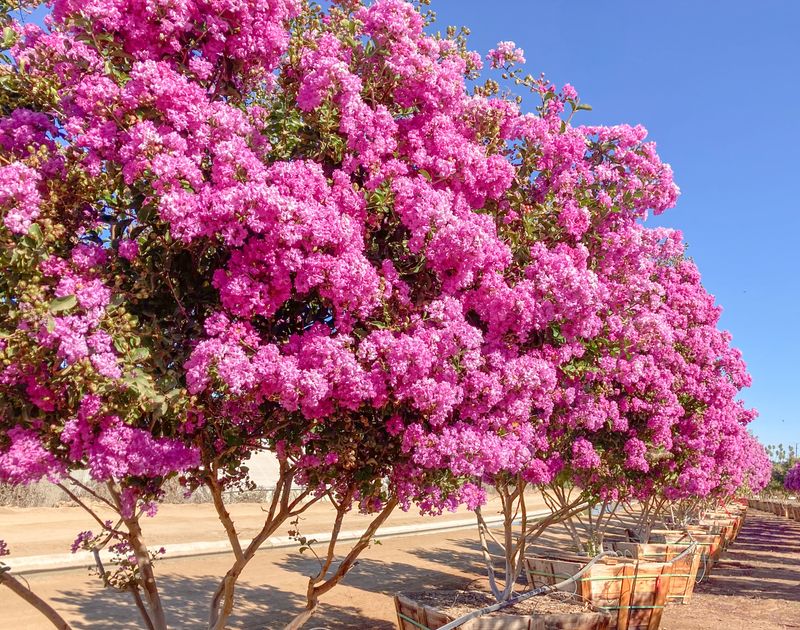
Some trees whisper instead of shout. Muskogee is one of them, with soft lavender flowers that look calm and dreamy.
The blooms are light lavender to pale lavender-pink. They pair beautifully with white houses, gray fences, or green lawns.
Muskogee is a tall and eager grower. Most reach 20 to 30 feet high and 12 to 25 feet wide, and a few stretch to 35 feet.
Here is a fun fact. This variety can bloom for up to 120 days, which is about four months of color from one tree.
That long show makes it a favorite for people who want flowers for most of the warm season. Bees and butterflies seem to enjoy it too.
The bark is another highlight. It is smooth and mottled, with shades of light gray and tan that peel in thin layers.
Muskogee has excellent resistance to powdery mildew as well. In humid Florida weather, that is a big plus for healthy leaves.
Because it grows fast and tall, give it space away from roofs and wires. A large backyard, a street edge, or an open side yard works well.
Plant one this fall and watch it rise quickly.
5. Choose Tonto For Compact Red-Pink Color
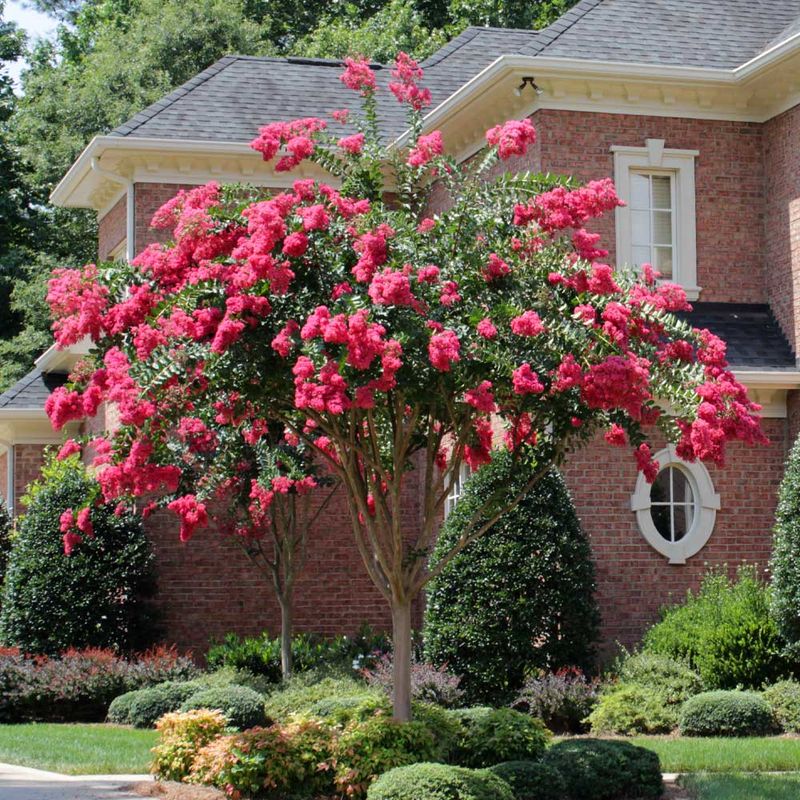
Small yard, big personality. Tonto proves you do not need a giant tree to get knockout color.
Tonto is a semi-dwarf variety. It usually grows about 8 to 12 feet tall and just as wide.
That compact size fits nicely in townhome yards, courtyards, and beds near the house. You can enjoy it without worrying about it crowding your roofline.
The flowers are bold. They range from fuchsia-red to hot pink to bright red, and they show up in big, cheerful clusters.
Tonto is well known for excellent disease resistance. It handles powdery mildew especially well, which helps it look fresh through sticky summers.
When fall arrives, the leaves shift to orange-red or maroon. It is one of the few ways to get real autumn color in a Florida garden.
The bark adds charm too. It is smooth and colorful, peeling in patches that look great after the leaves drop.
Try Tonto as a single accent near your front door. You could also plant a few in a row to make a colorful hedge.
For folks who want lots of color in a tidy package, this little tree is hard to beat.
6. Match The Tree To Your Space
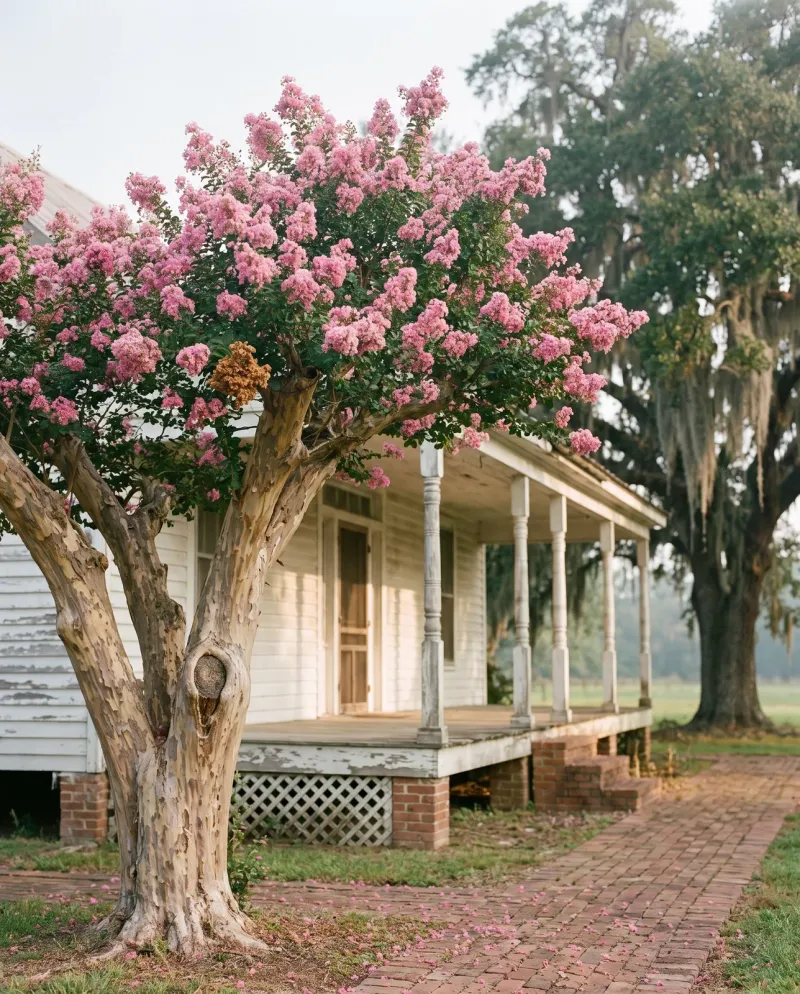
Think of planting a tree like buying shoes for a growing kid. You want a good fit now and room to grow later.
Every yard in Florida is different. Some have wide lawns, while others squeeze plants between driveways and sidewalks.
Start by walking your yard and picking a spot. Look up for roof edges, gutters, and power lines, then look down for pipes and paths.
Next, compare that space to the mature size of your chosen tree. A Muskogee or Natchez needs lots of room, while Tonto fits tighter spots.
Tuscarora sits in between. It works well where you want a real tree but do not have acres to fill.
Choosing the right fit keeps you from cutting the tree back hard year after year. Crape myrtles look best when they can spread into their natural shape.
Leave space from walls too. A few extra feet lets air move through the branches, which helps keep the leaves healthier.
A simple trick helps a lot. Place a garden hose on the ground in a circle the size of the mature canopy.
If that circle bumps into anything, pick a smaller variety. Your future self will thank you.
7. Give Crape Myrtle Full Sun From Day One
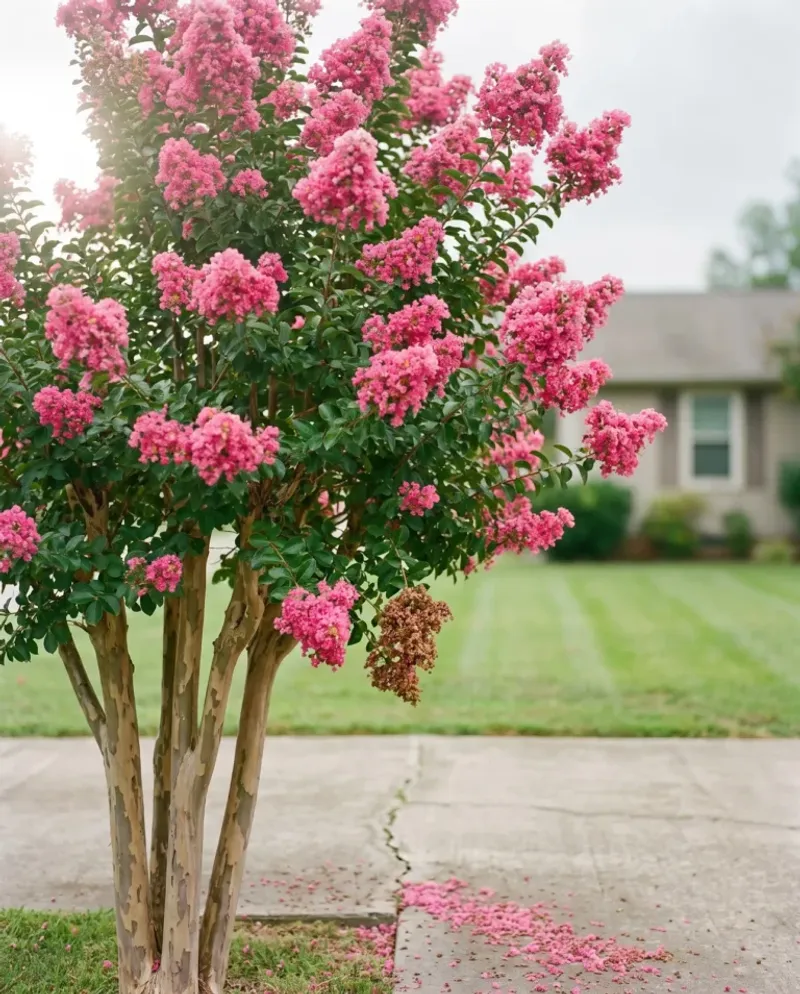
Sunshine is the fuel that makes crape myrtles bloom. Luckily, Florida has plenty of it to share.
These trees need at least six hours of direct sun every day. Filtered light under big oaks usually is not enough.
With full sun, you get more flowers and stronger branches. The tree also stays healthier and fights off leaf problems more easily.
Shade tells a different story. A crape myrtle in too little light often makes fewer blooms and grows long, thin, and sparse.
Shady spots also stay damp longer. That moisture invites powdery mildew, the dusty white coating that dulls the leaves.
So how do you find the sunniest spot? Try a simple sun check on a clear day.
Look at your yard in the morning, at noon, and in late afternoon. Note where sunlight lands the longest, and mark it with a stick or flag.
South and west sides of a home often get the most light. Open areas away from tall trees are good choices as well.
Picking a bright spot at planting time matters most. Moving a tree later is hard work, so give it the sun it craves from the very start.
8. Plant Into Well-Drained Soil Before Winter
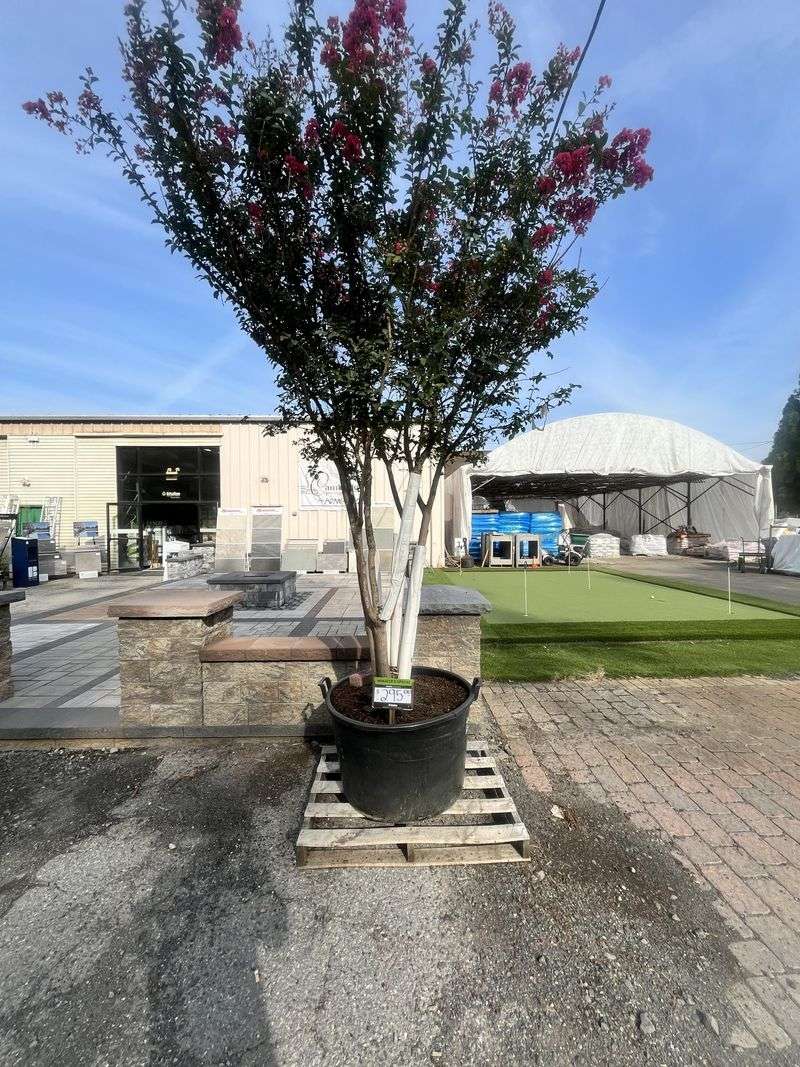
Soggy feet make a crape myrtle grumpy. Roots sitting in wet soil can rot, so drainage is the first thing to check.
Luckily, these trees are not picky about soil type. They grow in sandy, loamy, or clay soil as long as water drains away.
They also handle a range of pH levels. The sweet spot is about 5.0 to 6.5, but they can adapt to slightly alkaline ground too.
Want a quick drainage test? Dig a hole about a foot deep and fill it with water.
If the water is gone within a few hours, you are in good shape. If it sits all day, pick a higher spot or build a raised mound.
When planting, dig a hole twice as wide as the root ball. Keep it only as deep as the root ball itself.
The top of the root ball should sit level with the soil around it. Planting too deep can smother roots.
Much of the state has very sandy soil. Mixing in compost helps hold moisture and gives young roots a snack of nutrients.
Getting it in the ground during fall lets roots settle before winter. By summer, your tree will be ready for the heat.
9. Skip Heavy Pruning And Let The Tree Establish
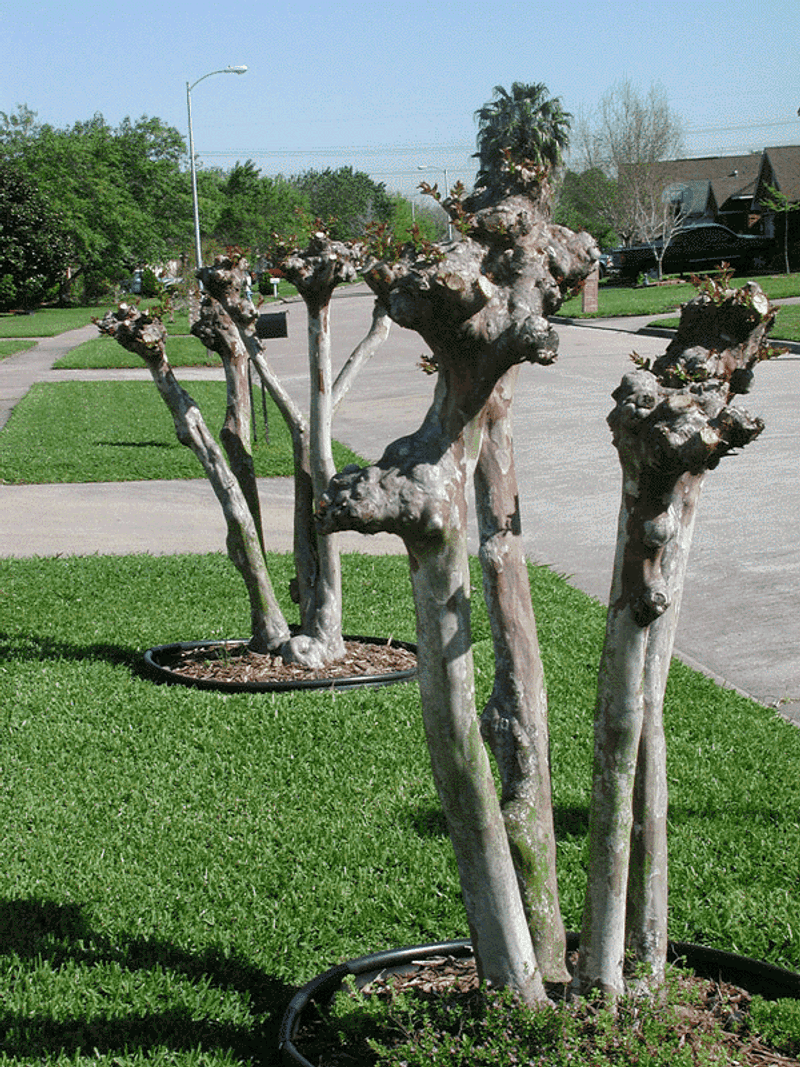
Ever driven past crape myrtles chopped into ugly stumps? Gardeners jokingly call that crape murder, and it is a habit worth skipping.
Topping a tree ruins its natural form. It also leads to weak, whip-like shoots that can bend or snap.
Many people think hard cuts bring more flowers. That usually is not true, and the tree often looks worse for it.
New trees need a different kind of care. Focus on steady watering during the first weeks and months so the roots grow strong.
Check the soil with your finger. If the top inch feels dry, give the tree a deep drink.
Light pruning is fine. Snip suckers popping up at the base, trim crossing branches, and remove limbs that look damaged or weak.
Save any bigger pruning for late winter to early spring. The tree is resting then, which makes it the right moment for shaping.
Crape myrtles bloom on new growth each season. So a gentle trim before spring still leaves plenty of flower power for summer.
Patience pays off here. Give your fall-planted tree a year or two to settle in, and it will reward you with graceful branches and waves of color.