Why Texas Hummingbirds Can Drink Nectar Upside Down
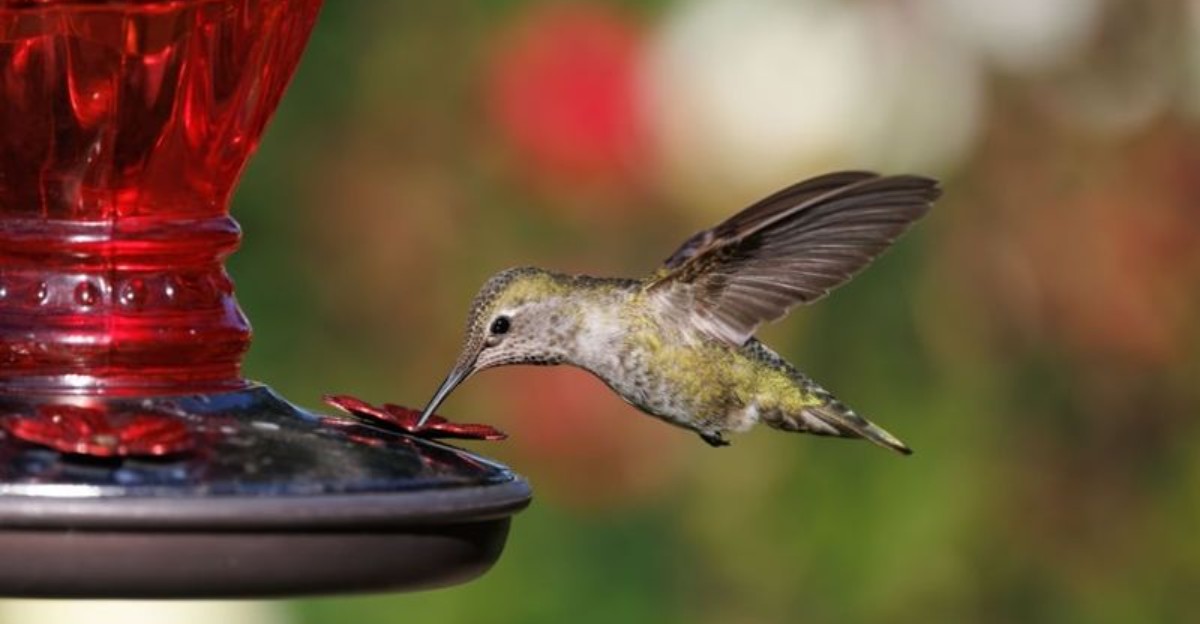
Hummingbirds are already remarkable for reasons most people could list without thinking too hard. The speed, the hovering, the iridescent colors, the impossibly fast wingbeats.
But there is one specific ability that tends to stop people mid-sentence when they first really notice it happening at their Texas feeder. Hummingbirds can drink nectar upside down.
Not occasionally, not awkwardly, but with complete ease and apparent indifference to the fact that gravity is fully in play.
A hummingbird hanging from the underside of a feeder port, body inverted, drinking without any visible difficulty, is one of those sights that makes you genuinely curious about what’s happening inside that tiny body to make it possible.
The answer involves anatomy, physics, and a set of adaptations so precisely engineered that most people find them more interesting than they expected.
1. Powerful Wing Muscles That Never Rest
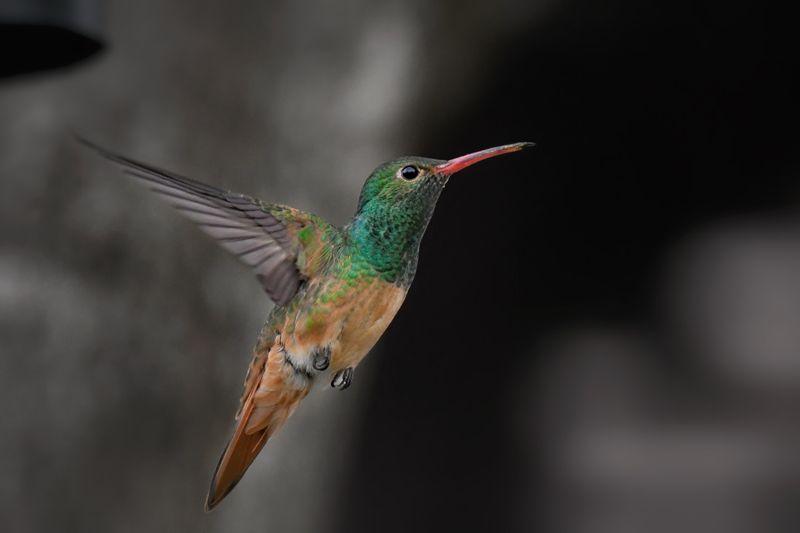
Ever notice how a hummingbird seems to float in the air like a tiny helicopter? That skill starts with wing muscles that are unusually strong for such a small creature.
A hummingbird’s chest muscles make up almost a third of its total body weight. Most birds only use their muscles for the downstroke, but hummingbirds power both the down and up movements. This gives them full control in every direction they choose.
Because of this control, a Texas hummingbird can hold itself steady even while flipped backward or sideways. It does not need to land to eat. It can hang below a flower and still stay perfectly balanced in the air.
Their wings beat incredibly fast, sometimes more than fifty times each second. That speed creates a steady cushion of air that keeps the bird locked in place. Even a light breeze cannot easily push them off course.
This muscle power is why they can reach nectar in spots other birds simply cannot. Flowers that droop downward or tubes that point at odd angles are no problem at all. The bird just adjusts its body and keeps sipping.
If you hang a feeder in your yard, you might catch one drinking while nearly upside down. That is their muscles at work, holding them in a pose that would make most animals dizzy.
Their strength turns feeding into an easy task no matter the angle. It truly is a small engine doing very big work.
2. A Tongue Built Like A Tiny Pump
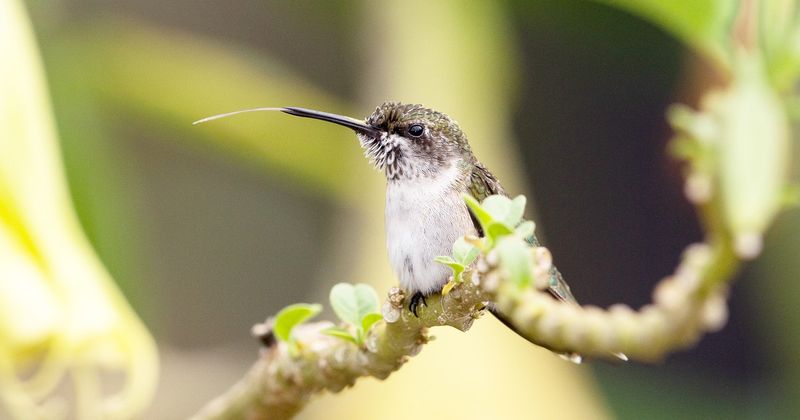
Here is something wild about hummingbirds: their tongues do a lot more than we ever guessed. Scientists once thought nectar just soaked up like a sponge, but the truth is far cooler.
A hummingbird’s tongue works like a tiny pump. The tip splits into two grooves that quickly trap and pull in nectar with each lick. This happens many times per second, faster than our eyes can follow.
Because the tongue does the heavy lifting, the bird does not depend on gravity to move liquid into its mouth. That means it can drink whether it is right side up or flipped completely over. Position simply does not matter to the tongue.
Your Texas Garden Changes Every Week. Your Plan Should Too.
Gardening in Texas changes quickly throughout the season. Every Friday you’ll receive a simple weekly plan showing exactly what to plant, prune, fertilize, harvest, and protect so you never miss the right timing.
When a Texas hummingbird hangs upside down at a flower, its tongue still grabs nectar just fine. The forked tip curls and squeezes automatically, drawing the sweet liquid inward no matter the angle.
This clever design lets the bird feed from flowers that face any direction. Trumpet-shaped blooms, drooping blossoms, and even homemade feeders all become easy targets. The tongue adapts to each one.
You can think of it like a straw that also pumps by itself. Regular straws only work when you suck upward, but this tongue keeps working sideways or upside down. That flexibility is a huge advantage.
Next time you see one at a feeder, remember the tiny pump hiding inside its beak. It is one of the biggest reasons these birds can eat in poses that seem to defy the rules of gravity.
3. An Amazing Sense Of Balance
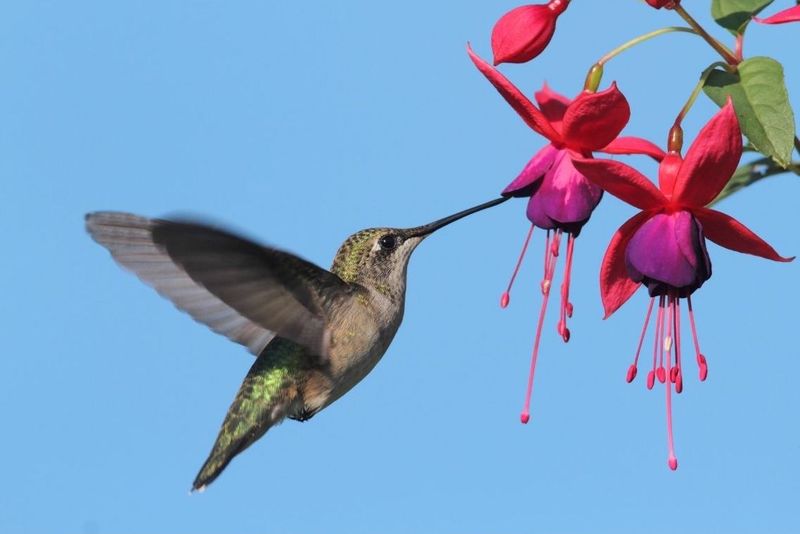
Picture yourself trying to drink a glass of water while hanging from monkey bars. Sounds messy, right? Hummingbirds handle that kind of challenge with total ease.
Their brains and inner ears work together to keep them steady in the air. This built-in balance system tells the bird exactly where its body is at every moment. Even flipped upside down, it never feels lost or confused.
Texas hummingbirds use this balance to hover in one exact spot while feeding. Tiny adjustments happen automatically, keeping the beak lined up with the flower or feeder hole.
Their sharp eyesight adds to the skill. They lock onto a target and hold their gaze steady, which helps their body stay in the right position. Eyes and inner ears team up like a natural autopilot.
Because of this teamwork, wind gusts and small bumps rarely throw them off. The bird simply corrects itself in a fraction of a second and keeps drinking without a spill.
This balance also lets them feed near tricky spots, like flowers tucked under leaves or feeders swinging in the breeze. Most birds would give up, but hummingbirds just adjust and carry on.
If you want to help them, hang your feeder in a sheltered spot away from strong winds. They will still manage in gusts, but calmer air makes feeding smoother for them.
That constant, quiet balancing act is happening every single time you watch one hover. It is a big reason they can sip nectar upside down and make it look effortless.
4. Feet Made For Gripping Tight
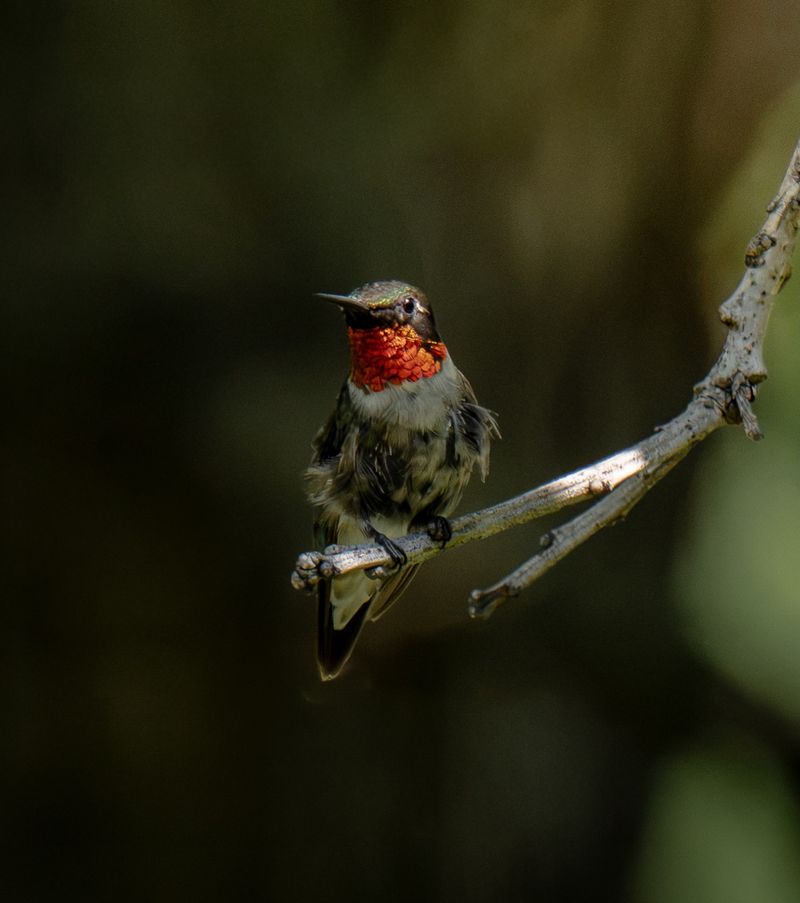
Their feet may look too small to matter, but do not be fooled. Those tiny toes play a real part in the upside-down feeding trick.
Hummingbird feet are built for gripping rather than walking. The toes curl tightly around perches, twigs, and feeder edges, holding on like little hooks. This grip stays firm even when the bird twists into odd angles.
When a Texas hummingbird lands sideways or below a flower, its feet lock onto anything nearby. That anchor lets the bird lean back and drink without floating away.
Some feeders come with small perches, and you may spot a hummingbird hanging from one while flipping its body to reach the nectar. The feet keep it secure while the head does the work.
These birds cannot really walk or hop like a robin does. Instead, their feet are all about holding tight and shifting position. That specialty makes them experts at hanging in weird poses.
Because their grip is so strong, they save energy by not always hovering. Perching while feeding lets them rest their wings for a moment and still reach hard spots.
You can support this behavior by choosing feeders with sturdy little perches. They give tired birds a place to grab on and sip in comfort, even upside down.
So while wings and tongues get most of the credit, those hooked feet quietly help too. They give the bird a solid hold when it decides to flip around and enjoy a drink from an awkward angle.
5. A Flexible Neck And Bendy Body
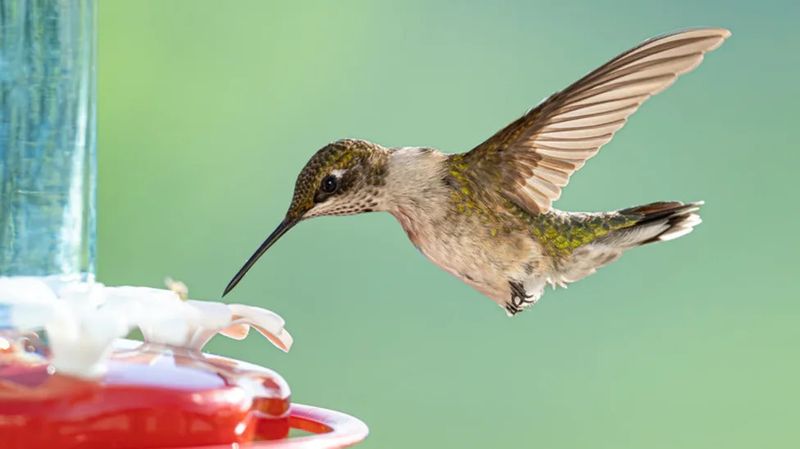
One thing that surprises many people is just how bendy a hummingbird’s body really is. These birds twist and turn in ways that seem almost stretchy.
Their necks are short but very flexible, letting them angle their heads in nearly any direction. This helps the beak reach nectar hidden in tricky flowers.
A Texas hummingbird can point its head straight up, tilt it sideways, or aim it downward while its body stays put in the air. That freedom of movement makes upside-down feeding much easier.
Many wildflowers in Texas hang or droop, forcing the bird to approach from below. A flexible neck means the bird can simply adjust its head instead of struggling with its whole body.
Their light, bendy frame also helps them shift weight quickly. When they flip over, the body follows smoothly without any stiff or clumsy moves. Everything works together like a well-oiled machine.
This bendiness pairs perfectly with their long, thin beaks. The beak slides deep into blossoms while the neck angles it just right, reaching nectar other birds cannot touch.
Feeders with ports pointing in different directions are no trouble for them either. They just bend and twist until the beak lines up, then start sipping.
Watching one contort to reach a drooping flower is a real treat. It shows off how nature built these birds for flexibility from head to tail.
That mix of a stretchy neck and a nimble body is a huge reason they handle upside-down drinking so smoothly, turning tough flowers into easy meals.
6. A Fast Metabolism That Drives Them
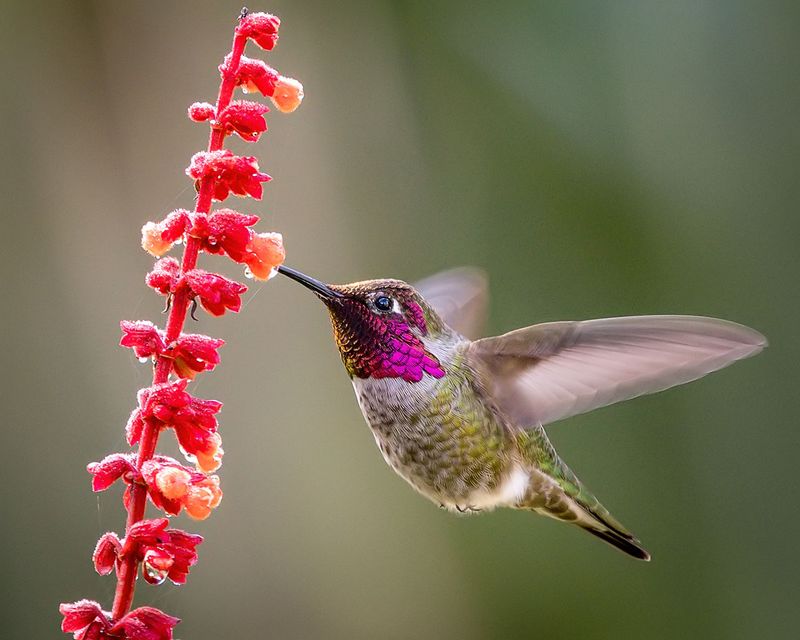
Believe it or not, hunger is one of the biggest reasons hummingbirds go through so much trouble to drink upside down. These little birds burn energy at an incredible rate.
Their hearts can beat over a thousand times each minute during fast flight. To keep that engine running, they must eat often, sometimes visiting hundreds of flowers a day.
Because they need so much fuel, Texas hummingbirds cannot afford to skip any nectar source. If a flower faces downward, they will happily flip over to reach it.
This constant hunger pushes them to master every feeding angle. Right side up, sideways, or upside down, they will do whatever it takes to grab another sip of energy.
Nectar is packed with sugar, which gives them quick fuel for their busy lives. The more flowers they can reach, the better their chances of staying strong and active.
Their speedy body also means they think fast and move fast. Deciding to flip and feed happens in an instant, with no hesitation at all.
You can help these hungry travelers by keeping your feeder clean and full, especially during hot Texas summers. A steady supply of fresh nectar gives them the fuel they crave.
Mix four parts water with one part plain sugar, and skip the red dye. That simple recipe keeps them coming back for more.
Their nonstop appetite is really the driving force behind all their fancy feeding tricks. Without such a hungry body, they might never have learned to drink so skillfully in every possible position.