The Meaning Behind Seeing Roadrunners In Your Texas Yard This Fall
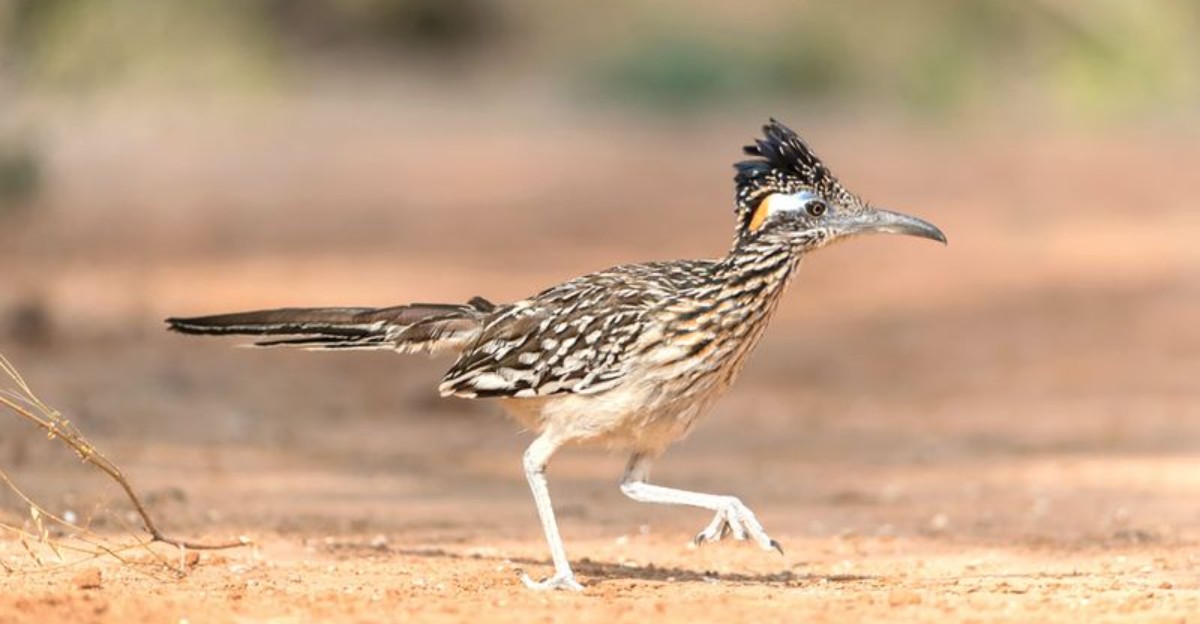
A roadrunner appearing in your Texas yard this fall tends to produce a genuine smile before anything else.
There’s something about the confident stride, the slightly absurd speed, the way they pause and assess everything with total composure, that makes a roadrunner sighting feel like a small gift from the landscape.
But if one has been showing up with any regularity as fall arrives, the visit carries meaning worth understanding.
Roadrunners don’t wander into yards without reason. They move through landscapes in response to specific conditions, and a yard that attracts one in fall is offering something that meets their needs as the season shifts and their behavior changes with it.
Fall roadrunner activity tells you something real about your local ecosystem and what your Texas property is providing that keeps drawing this remarkable bird in.
1. Your Yard Has Plenty Of Prey
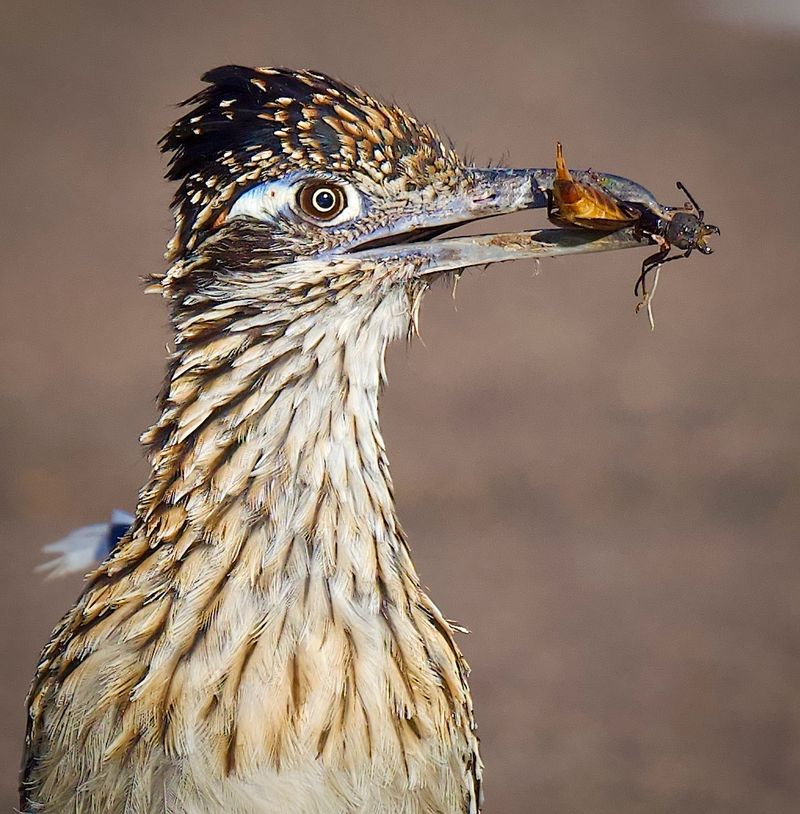
A hungry roadrunner is basically a walking snack detector. If one keeps showing up in your yard, chances are good that it has found a buffet worth returning to.
These birds love to hunt insects, spiders, lizards, small snakes, and even mice. Your yard might be full of these little critters without you even noticing.
Roadrunners have sharp eyes and lightning-fast feet, so they can catch prey that most other birds would miss.
Fall is a busy time for bugs and reptiles that are trying to store energy before it gets cold. That means more food is moving around your grass, garden, and flower beds. A roadrunner simply follows the meals.
You can think of it as a free pest-control service. When a roadrunner snaps up grasshoppers or a small snake, it helps keep those populations in check around your home.
If you want to keep this helpful hunter around, avoid using strong bug sprays or poisons. Chemicals can wipe out the insects and small animals that roadrunners depend on, and that pushes the bird to search elsewhere.
Leaving a little wild space, like a patch of taller grass or a rock pile, gives prey a place to live. More prey means more reasons for a roadrunner to visit.
Fun fact: a roadrunner can even take on rattlesnakes by using quick jabs and speedy dodges. So if yours seems fearless, that is just part of its nature. Watching one hunt is a reminder that your yard is alive and full of activity, right down at ground level.
2. Your Landscape Offers Good Cover
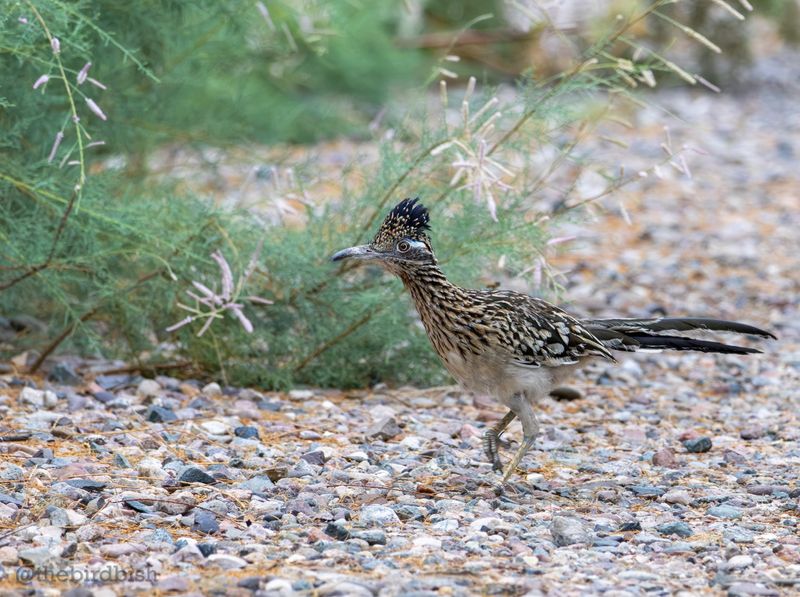
Picture a bird that likes to hunt but also needs a safe place to hide. That is a roadrunner, and your yard might be giving it both.
Roadrunners feel most comfortable around thick shrubs, native plants, brush piles, and rocks. These spots give them cover from hawks and other predators. They also make great launching pads for sneaky attacks on bugs and lizards.
If your yard has messy corners or natural features, do not rush to clean them all up. What looks a little wild to you looks like a perfect home base to a roadrunner. Dense bushes let the bird dash in quickly when it feels nervous.
Your Texas Garden Changes Every Week. Your Plan Should Too.
Gardening in Texas changes quickly throughout the season. Every Friday you’ll receive a simple weekly plan showing exactly what to plant, prune, fertilize, harvest, and protect so you never miss the right timing.
Rocks matter too. Roadrunners often sit on stones or low walls to warm up in the morning sun. During fall, when nights turn chilly, a sunny rock is like a cozy heater for them.
You can help by planting native Texas shrubs and grasses. These plants handle the local weather well and attract the insects roadrunners crave. Native plants also need less water and care, so it is a win for you and the bird.
Try to keep at least one shady, tangled area where a roadrunner can duck out of sight. Even a small brush pile in a back corner can make a big difference.
Cover is about safety and comfort. When a roadrunner trusts that it can hunt and then hide fast, it will happily return again and again.
So a slightly rugged yard is not a problem. It is actually an open invitation for these clever ground birds.
3. Fall Is Bringing More Wildlife Activity
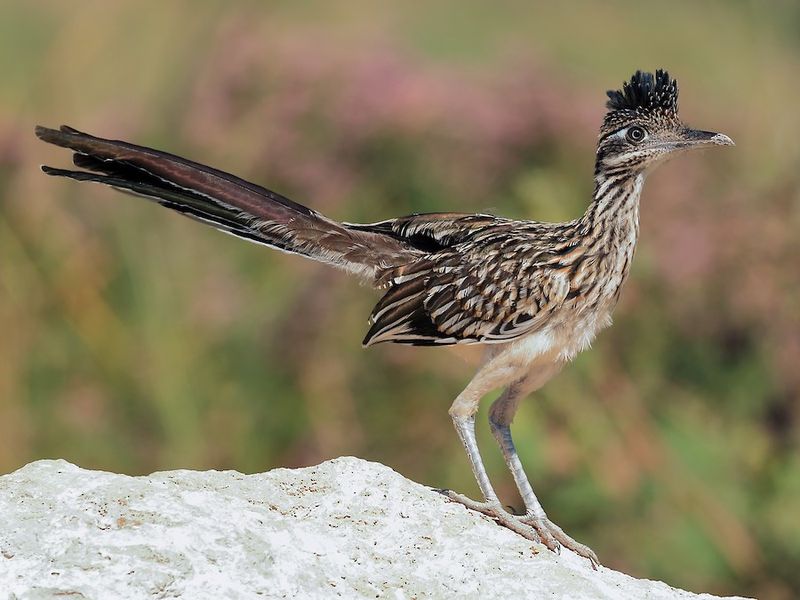
Something shifts when the summer heat finally breaks. Animals that hid during scorching days start moving around more, and roadrunners take notice.
During fall, temperatures cool down and many creatures become more active in the daytime.
Insects search for food, lizards soak up the softer sun, and small animals get busy storing energy. All of this movement pulls roadrunners out into the open where you can spot them.
The changing season also shifts where food is easiest to find. Some prey that lived in wild fields during summer may move closer to yards and gardens as plants change. Roadrunners simply follow the food trail, and that trail might lead right to your grass.
You may notice the bird showing up at new times of day, too. In hot months, roadrunners often rest during the afternoon. When fall arrives, they can hunt for longer stretches, so you get more chances to see them.
Cooler weather makes their zippy runs even more fun to watch. They dart, stop, flick their tails, and then race off again. It almost looks like a little game.
If you enjoy the show, keep your yard steady and welcoming during this season. Avoid big cleanups that strip away every plant and hiding spot right when wildlife is most active.
Fall is a natural time of change for all creatures, and roadrunners are part of that rhythm. Their extra visits are a sign that your yard fits into the bigger seasonal picture.
Watching them shift their habits with the weather is a neat way to feel connected to nature right outside your door.
4. You May Be Near Their Natural Habitat
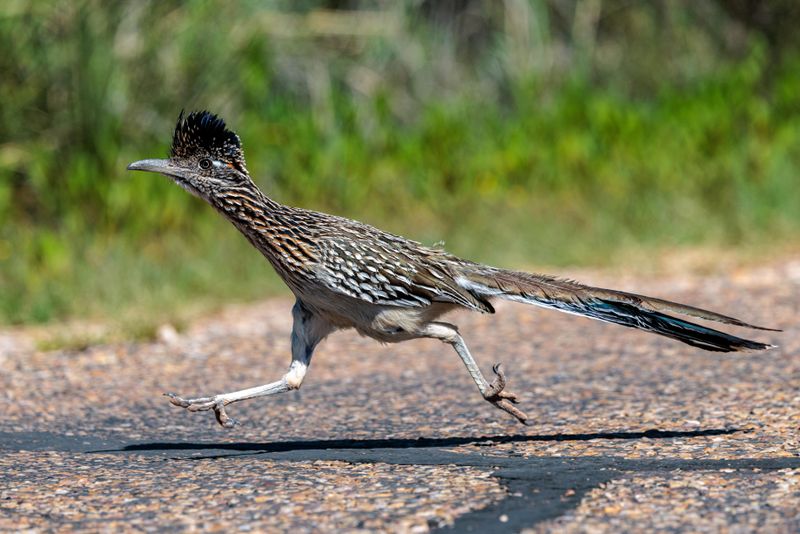
Sometimes a roadrunner in your yard means nothing fancy at all. It might just mean you live in the right neighborhood, at least from a bird’s point of view.
Roadrunners love open, brushy, desert-like land. Much of Texas fits that description perfectly. If your home sits near fields, scrubland, dry creek beds, or rocky areas, you are basically living on the edge of roadrunner country.
These birds roam over fairly large areas as they hunt. Your yard may simply be part of a route one uses every day. When the bird strolls through, it is treating your lawn like a section of its wider home.
New neighborhoods built near wild land often get more roadrunner visits. As houses go up close to open space, the birds keep using the ground they already knew. Your fresh sod and flower beds just become part of their world.
You do not need to do anything special to earn these visits. Being close to the right kind of habitat does most of the work for you. The roadrunner is following instincts that were set long before your house existed.
If you want to support them, respect the natural areas nearby. Protecting nearby brush and open fields keeps their true home healthy, which keeps them coming to your yard.
It also helps to keep your outdoor space friendly, with a few native plants and safe corners. That way your yard feels like a smooth part of their landscape instead of a barrier.
Living near their habitat is like living next to a busy little highway of wildlife. Roadrunners are just some of the interesting travelers passing through.
5. Your Yard Has A Healthy Food Web
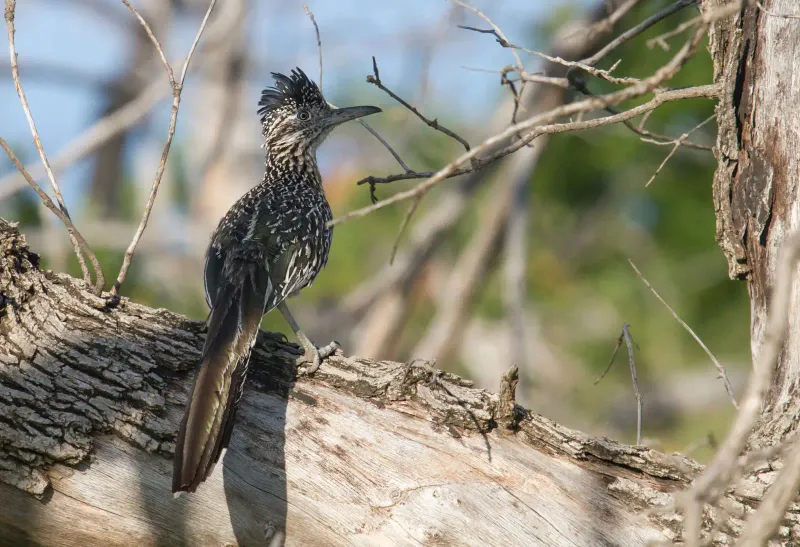
Here is a happy secret hiding behind that roadrunner sighting: it often means your yard is full of life. These birds sit near the top of a busy little food chain.
A roadrunner needs plenty of insects and small animals to survive. For those creatures to thrive, your yard has to grow healthy plants and support tiny bugs at the bottom of the chain. So when a roadrunner appears, it is a clue that all those links are working.
Think of it like a stack of building blocks. Plants feed insects, insects feed lizards and spiders, and those feed the roadrunner.
If any block goes missing, the whole stack wobbles. A visiting roadrunner shows the stack is standing strong.
You should feel proud if you see one often. It usually means you have not overused chemicals and you have kept some natural plants around. Your choices helped build that living system.
To keep the food web strong, plant a mix of native flowers, grasses, and shrubs. Variety attracts more kinds of insects, which supports more small animals up the chain.
Water helps too. A shallow, clean water source can bring in bugs and reptiles that a roadrunner likes to hunt. Just keep it natural and safe.
Try to avoid spraying every weed and bug you see. A perfectly bare, chemical-heavy yard often has almost no wildlife at all.
A healthy food web is like a hidden gift under your feet. The roadrunner is simply the flashy sign on top telling you things are balanced and alive. That is something worth celebrating in your own backyard.
6. You Don’t Need To Feed Or Chase Them Away
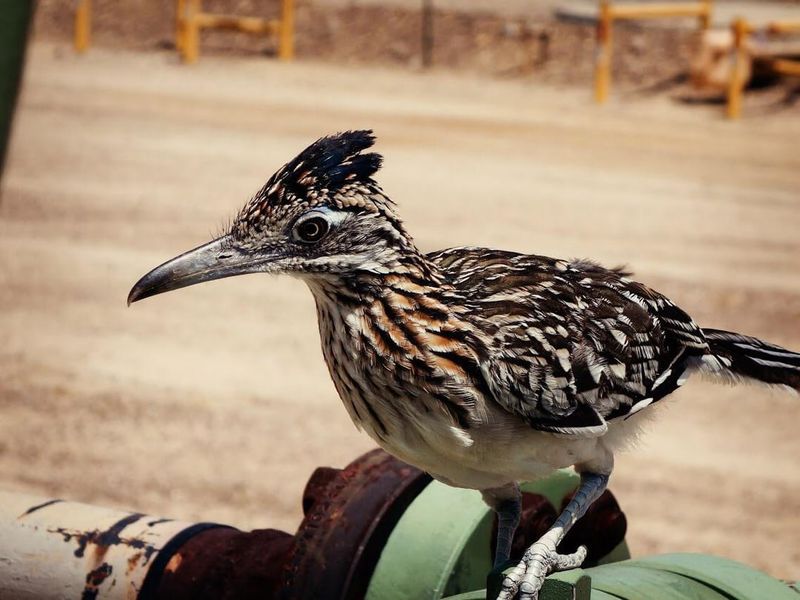
Once a roadrunner shows up, it is tempting to grab some food or shoo it off. The best move, though, is usually to do neither and just enjoy the moment.
Roadrunners are skilled hunters that take care of themselves. They do not need snacks from people, and feeding them can cause problems. A fed bird may lose its natural habits and start depending on humans.
Handouts can also draw other unwanted animals to your yard. Extra food scattered around might invite pests you would rather not have. Letting the roadrunner hunt on its own keeps everything in balance.
There is also no reason to chase one away. Roadrunners are harmless to people and often helpful, since they eat bugs, spiders, and small snakes. Scaring them off just removes a free pest patrol from your yard.
The kindest thing you can do is watch from a distance. Give the bird space and let it move at its own pace. Sudden movements or loud sounds can stress it, so calm and quiet works best.
You can support roadrunners by keeping your yard natural instead of feeding them. Leave a few shrubs, rocks, and wild corners, and skip the heavy chemicals. That gives them everything they truly need.
Grab a chair, a window seat, or your porch, and simply enjoy the show. Watching a roadrunner dash and pounce is better than any cartoon.
Respecting their wild ways lets them behave naturally, which is exactly what makes them so fun to see. In the end, doing less is the smartest way to keep these speedy visitors coming back to your Texas yard.