The Florida Plants You Should Stop Babying If You Want More Flowers This Fall
A gardener fusses over a plant nonstop. Extra water, extra feeding, constant attention.
That effort is supposed to mean more flowers. For a specific group of Florida plants, it means the opposite.
All that care is exactly what keeps them from blooming.
Some plants respond to stress, not comfort. Skip a watering. Ease off the fertilizer. Let the soil dry out more than feels responsible.
Certain plants read that as a cue to stop pushing out leaves and start making flowers instead. Keep pampering them the way most people assume helps, and they stay green, lush, and stubbornly bare all fall.
Figuring out which plants actually want less, not more, flips the whole fall routine on its head, and explains why some yards bloom while others just grow.
1. Stop Feeding Cosmos Into A Leafy Frenzy
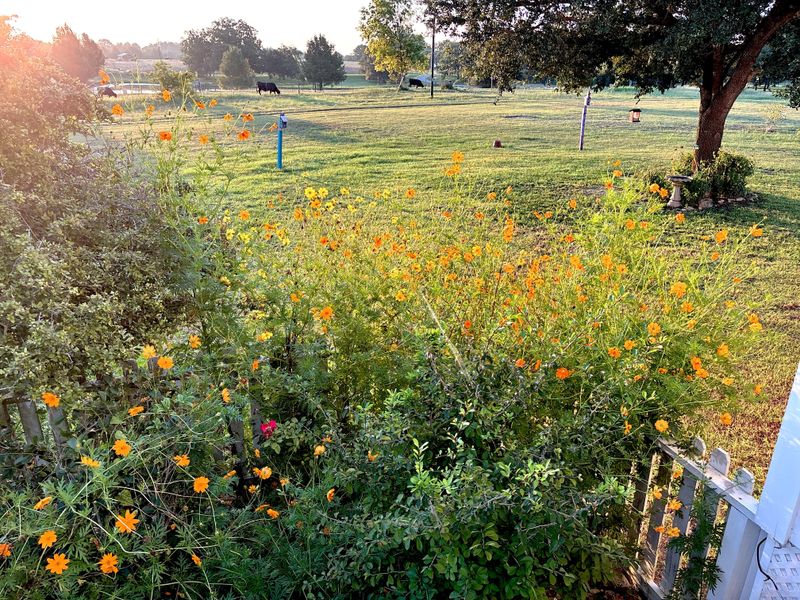
There is a running joke among flower growers that cosmos bloom best when you forget they exist. The joke holds up surprisingly well in Florida gardens.
Cosmos are famous for turning into tall, leafy green monsters when handed rich soil and regular fertilizer. Nitrogen tells a plant to build leaves and stems, so a generous feeding schedule produces a beautiful shrub with almost no flowers on it.
Gardeners then feed again, thinking the plant needs help, and the cycle repeats.
Average or even slightly sandy soil suits them just fine. Skip the monthly feeding, water only when the top inch of soil feels dry, and let the plant sense a little scarcity.
Cosmos generally flower best when they are not pushed with excessive nitrogen or constantly kept in rich, wet soil. Once they are established, moderate watering and leaner conditions can help keep growth from becoming overly leafy.
One task actually worth doing is pinching. When seedlings reach about eight inches tall, snip off the top set of leaves with your fingers.
The plant responds by branching sideways, which gives you far more stems and far more blooms.
Staking helps in windy spots, since the stems can flop after a storm. Cutting flowers for a vase also encourages more buds.
Fun fact: Spanish priests named the plant cosmos because the evenly spaced petals reminded them of an orderly universe.
2. Give Firespike More Sun And Let Fall Take Over
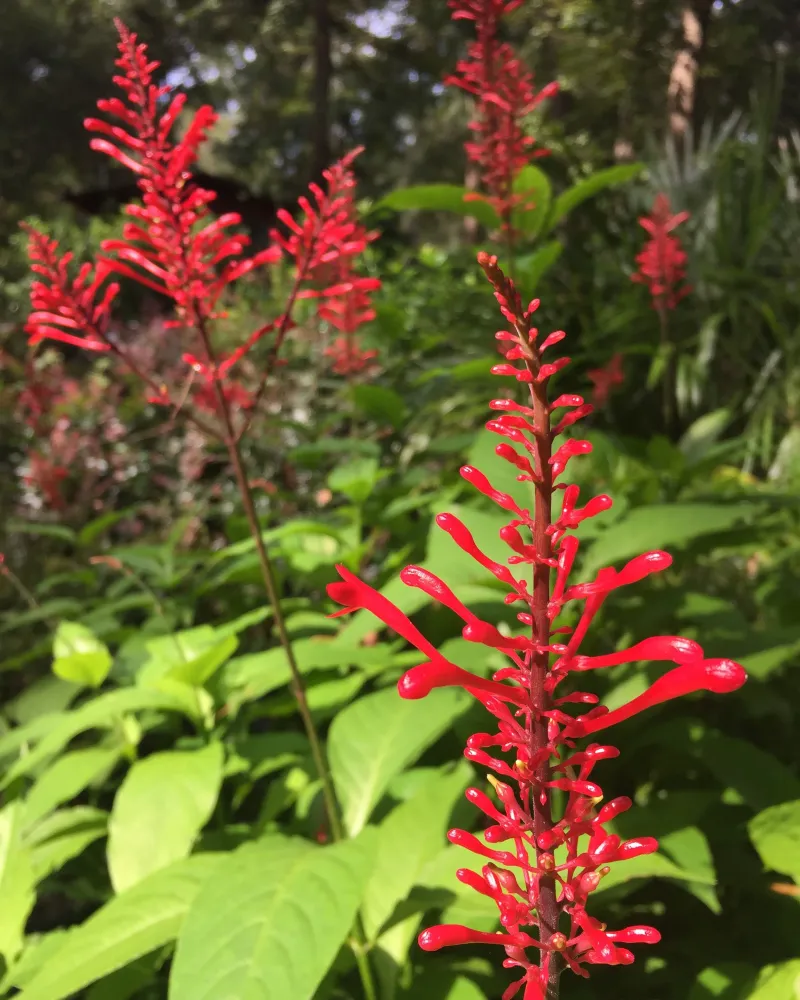
Hummingbirds arrive at firespike like regulars at a favorite diner. Those red tubular spikes are practically built for them, and fall is when the kitchen opens.
Odontonema strictum has a reputation as a shade plant, and that reputation is only half right. Firespike survives in shade, but surviving and blooming are two different things.
Tucked under heavy tree cover, it grows into a handsome green clump that produces a handful of sad little spikes and calls it a season.
Move it, or plant new divisions, where morning sun pours in and afternoon light filters through. More light generally means more reliable flowering, so a spot with morning sun or bright filtered light can produce a better fall display than deep shade.
Soil should drain reasonably well, though firespike is not picky beyond that. Water during long dry spells, then leave it alone.
Your Florida Garden Changes Every Week. Your Plan Should Too.
Gardening in Florida changes quickly throughout the season. Every Friday you’ll receive a simple weekly plan showing exactly what to plant, prune, fertilize, harvest, and protect so you never miss the right timing.
Heavy feeding is unnecessary and mostly produces floppy stems.
Hold off on cutting it back during late summer. Those stems are already forming the buds you want, and pruning removes them.
In North Florida, frost may knock the top growth down, but the roots usually push new shoots come spring. In warmer zones, it simply keeps going.
3. Let Blanket Flower Handle The Heat Without Constant Fuss
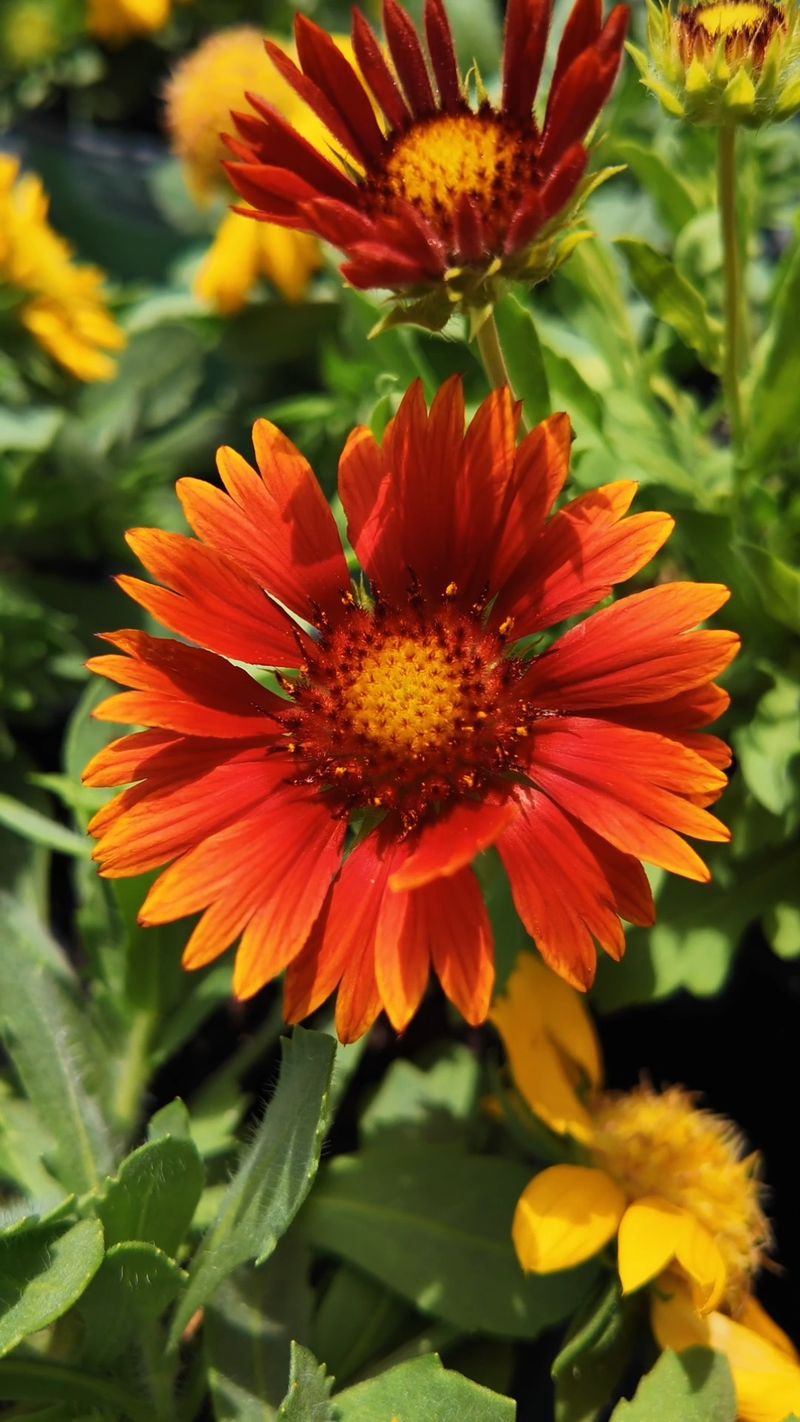
Picture a plant that grows happily along Florida roadsides where nobody waters anything. That is blanket flower, and it explains everything about how to treat it.
Gaillardia pulchella evolved in sandy, sun-baked ground. Its roots expect air pockets and quick drainage, so a sprinkler running four times a week creates exactly the wrong conditions.
Soggy soil invites root rot, the leaves yellow, and flowering slows to a trickle.
Plant it in the sunniest, driest spot you have. Raised beds, slopes, and sandy edges near driveways all work beautifully.
Skip the rich compost and heavy mulch piled against the crown, since both hold moisture longer than this plant prefers.
Water deeply for the first few weeks while roots stretch out, then taper off dramatically. Established plants often coast through weeks of dry weather on rainfall alone.
Trimming spent blooms keeps the show going, though leaving a few seedheads lets the plant reseed itself around the bed. Many Florida gardeners end up with a permanent patch this way without planting anything new.
Bees and small butterflies work the red and yellow daisies constantly. The name comes from the pattern resembling colorful woven blankets made by Native American weavers.
4. Ease Up On The Hose Once Beach Sunflower Settles In
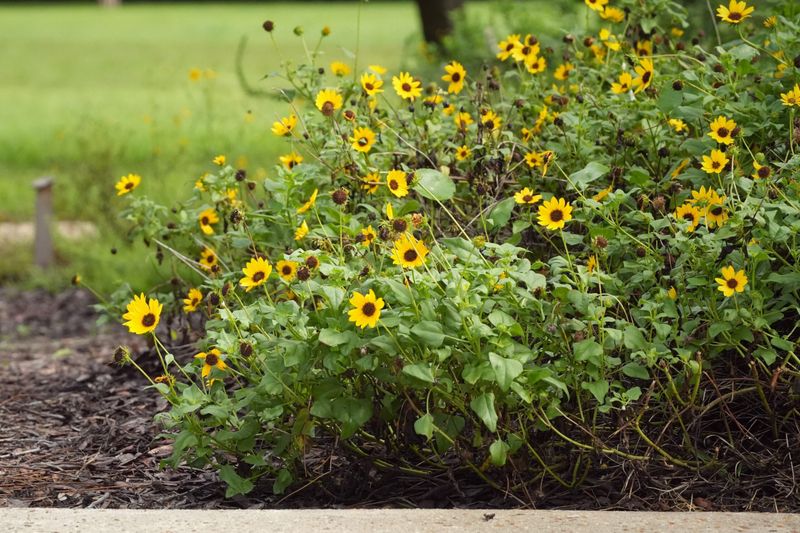
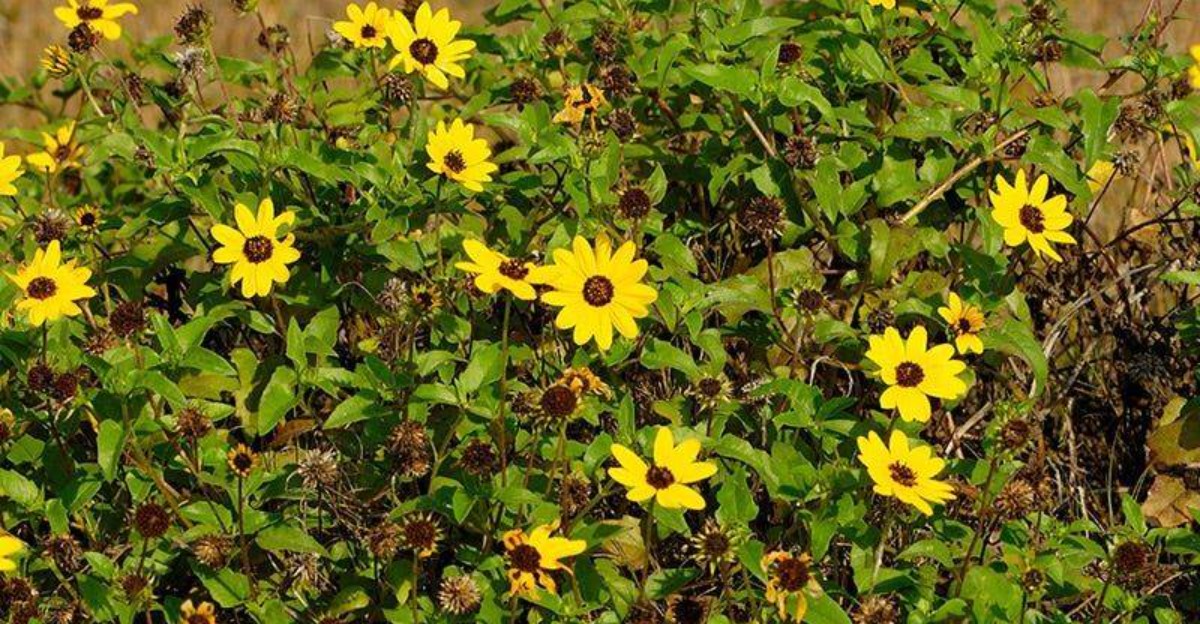
Beach sunflower earns its name honestly. Walk any Florida dune and you will spot it sprawling across bare sand, blooming cheerfully with zero human assistance.
Helianthus debilis has one main request from gardeners: stop watering it so much. The roots are adapted to sand that dries quickly between rains, so steady irrigation leaves them sitting in moisture they cannot handle.
Stems get leggy, the low mat thins out, and flower production drops.
New transplants do need attention for two or three weeks. After that, back off to occasional deep soakings during genuine drought and let rainfall handle the rest.
Full sun is non-negotiable for a thick carpet of blooms. Shade produces stretched, floppy growth that looks nothing like the tidy groundcover you were picturing.
Fertilizer is another thing worth skipping. Lean sandy soil already provides plenty, and extra nitrogen just fuels foliage.
A light shearing in late summer tightens up straggly plants and encourages fresh growth ahead of the fall flush. Use hedge shears and do not be timid about it.
Expect volunteers. Seeds drop, sprout in unexpected cracks, and gradually fill gaps you never planned to plant.
5. Stop Crowding Scarlet Salvia And Give It Room To Bloom
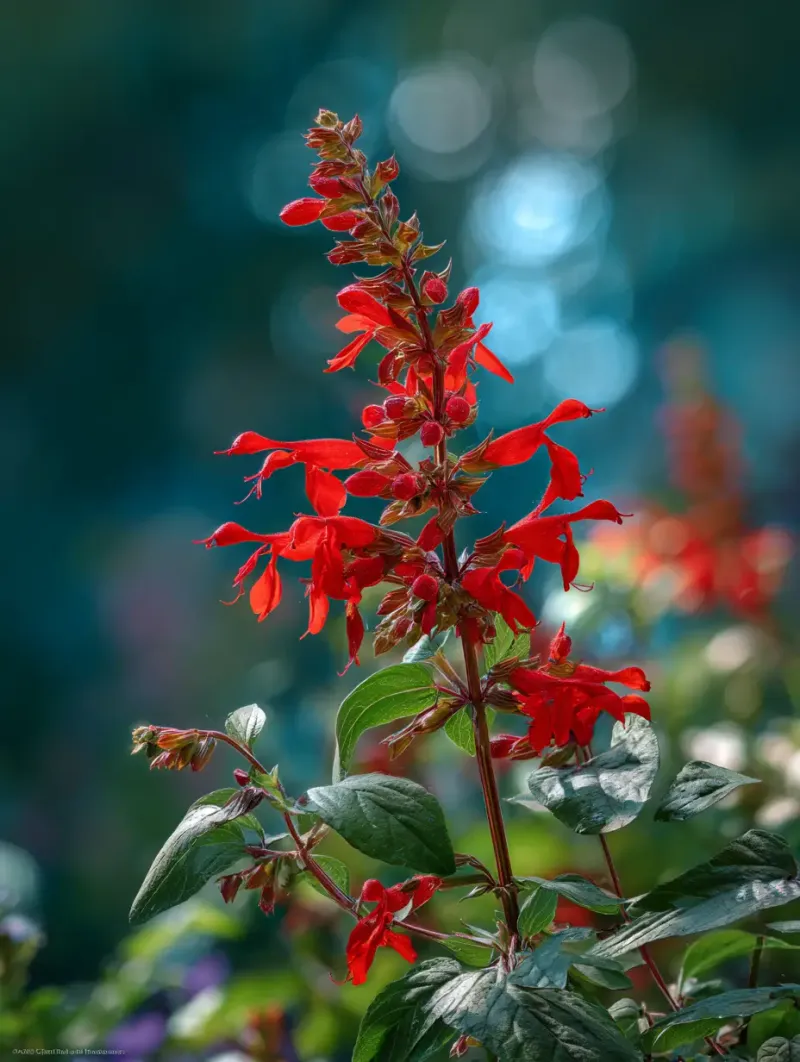
Nursery flats tempt everyone. Six salvia plants look so small in their little cells that squeezing them into two feet of bed space feels perfectly reasonable.
Give it six weeks and those plants are elbowing each other, trapping humid air between their leaves. Florida humidity plus poor airflow equals powdery mildew and leaf spot, and a plant fighting fungus has little energy left for flowers.
Salvia splendens wants roughly ten to twelve inches between plants, sometimes more for larger varieties. That spacing looks a bit bare at planting time.
Trust it anyway, because the gaps close fast and the extra breathing room pays off in blooms.
Water at soil level rather than overhead. Wet foliage sitting overnight is an open invitation for fungal trouble.
Shear off faded flower spikes and the plant pushes new ones within a couple of weeks. Late summer trimming sets up a strong October display when cooler nights bring out the richest red color.
Morning sun with light afternoon shade suits inland Florida gardens well. Full blazing sun works too, provided the roots stay lightly mulched.
Hummingbirds and butterflies notice this plant from remarkable distances, so expect company.
6. Skip The Heavy Pruning And Let Firebush Keep Flowering
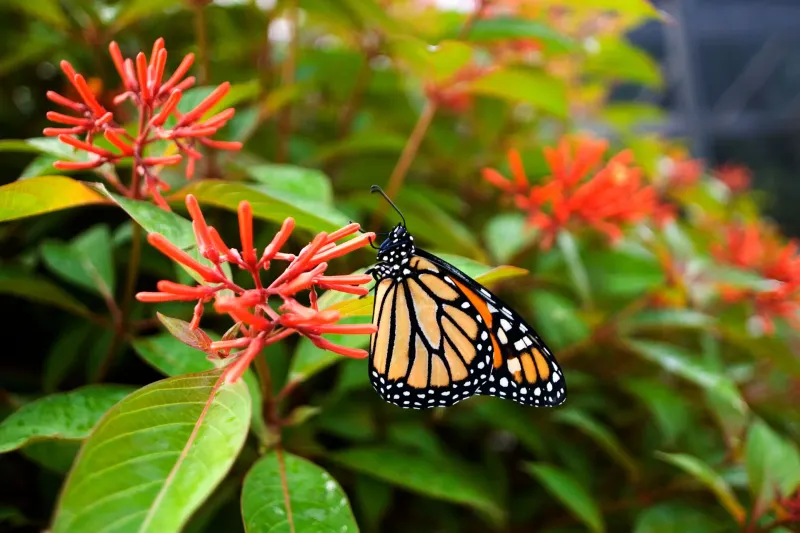
Firebush has a bad habit of getting punished for being enthusiastic. It grows fast, fills space, and somebody inevitably reaches for the hedge trimmers.
Every one of those orange-red tubular flowers forms on newer growth at the branch tips. Shearing the shrub into a neat ball removes the exact wood carrying your fall display.
Heavy cuts in August or September can wipe out weeks of blooming.
Hamelia patens flowers from spring straight through autumn when left reasonably alone. Light shaping is fine.
Reach in, remove a few wayward branches at their base, and step back rather than trimming the entire surface.
Save serious cutting for late winter, after cold weather has already damaged the top growth. The plant rebounds quickly once spring warmth returns.
Plant it in full sun for the deepest flower color and the reddish leaf tint that shows up as nights cool. Shade produces greener leaves and fewer blooms.
Drainage matters more than fertility here, and established shrubs handle dry stretches well.
Worth knowing: Florida’s native firebush is an important nectar source for hummingbirds and butterflies, including the zebra longwing. When shopping, check the plant’s identity and cultivar rather than assuming every compact form has exactly the same wildlife value.
7. Stop Overwatering Pentas And Let Them Keep The Flowers Coming
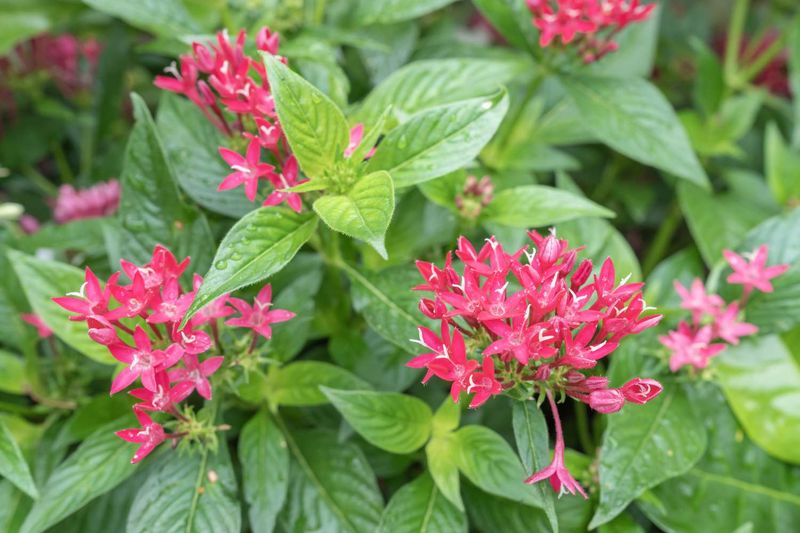
Pentas are one of those Florida plants that can look almost too easy to grow. Give them warmth, plenty of light, and reasonably well-drained soil, and they can keep producing clusters of star-shaped flowers while other plants start slowing down.
The problem starts when gardeners try to improve on a plant that already knows what it is doing.
Daily irrigation, constantly wet soil, and heavy fertilizer can push pentas into excessive leafy growth without necessarily giving you the nonstop flower display you expected.
Pentas perform best in a sunny location with soil that drains well. Give newly planted transplants regular water while they establish, but once the roots are settled, let the soil dry somewhat between waterings rather than keeping it constantly saturated.
Fertilizer should also be moderate. A light feeding during active growth can support flowering, but repeatedly applying high-nitrogen fertilizer encourages leaves and stems instead of the compact, flower-covered shape most gardeners want.
Sunlight matters just as much. Give pentas several hours of direct sun each day for the strongest flowering, particularly during the cooler fall stretch when the plant can put on a fresh flush of blooms.
Don’t be afraid to trim spent flower clusters either. Removing faded blooms keeps the plant looking tidy and encourages fresh growth and additional flower clusters instead of leaving every old head to mature.
Pentas also earn their space in a Florida garden because butterflies and hummingbirds readily visit the flowers. That makes them useful beyond their looks, especially when planted where you can enjoy the activity from a patio, porch, or window.
The trick is restraint. Keep the roots watered while the plant establishes, provide plenty of light, avoid constantly soggy soil, and don’t push fertilizer every time growth slows.
Pentas are much more likely to reward that lighter touch with the steady fall color you wanted in the first place.
8. Ease Up On Fertilizer And Let Bulbine Bloom
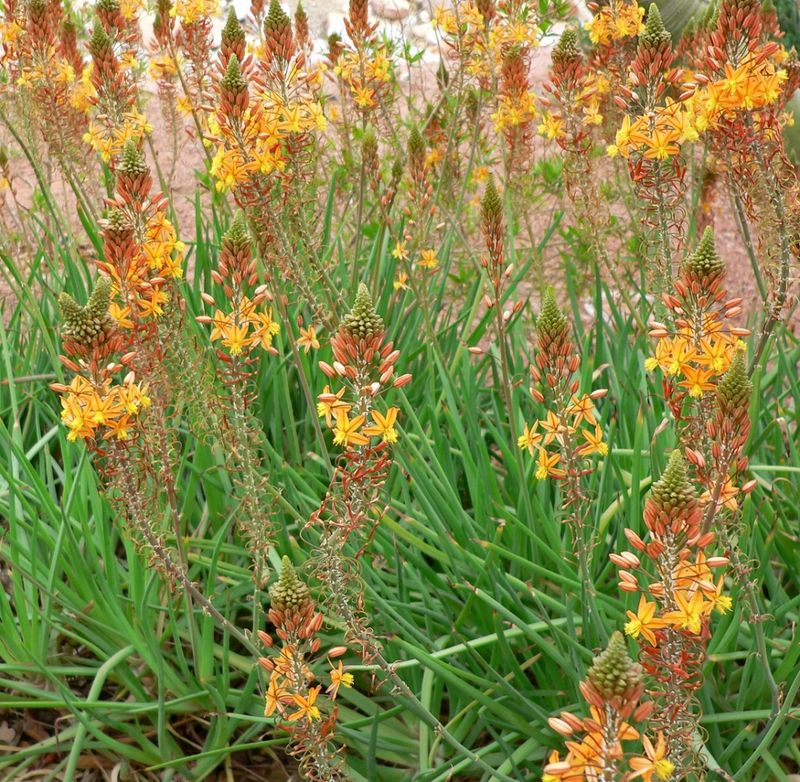
Bulbine is the plant equivalent of a friend who never asks for anything. Give it sun and drainage and it hands you flower spikes for most of the year.
Trouble starts when gardeners decide it needs help. Rich compost, monthly fertilizer, and daily sprinklers turn those tidy succulent leaves into a floppy green mound that barely flowers.
High nitrogen is the usual culprit.
Sandy or gravelly soil is genuinely what this plant prefers. Skip the soil amendments, keep mulch pulled back from the base, and water only during extended dry periods once roots are established.
The orange and yellow star-shaped flowers rise on slender stalks above the foliage. Snip spent stalks at the base to keep new ones coming.
Clumps spread outward and can be pulled apart with your hands every couple of years. Each division roots easily, which is why bulbine tends to migrate around neighborhoods through fence-line gifting.
Cold snaps may brown the leaves in North Florida, but the crown usually recovers.
9. Give Mums Dark Nights And Keep The Porch Light Away
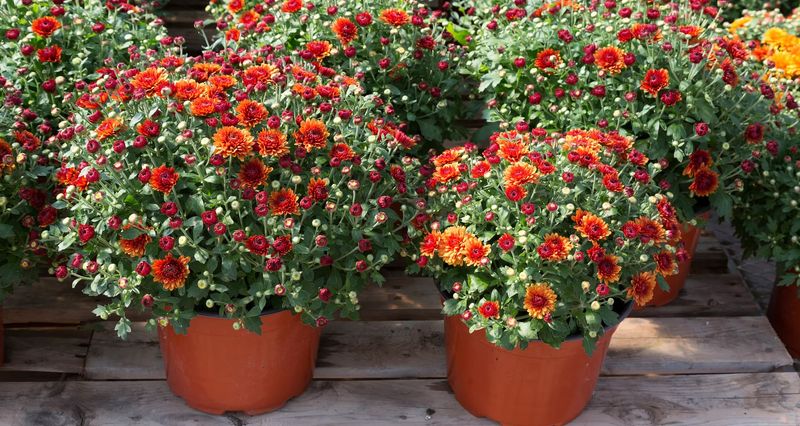
Here is a garden mystery worth solving. Two identical mums, same soil, same water, and one is covered in buds while the other stays stubbornly green.
The answer is usually light, specifically light at night. Chrysanthemums are short-day plants, meaning they start forming flower buds only when nights grow long and stay dark.
A porch lamp, a streetlight, or landscape lighting aimed at the bed can interrupt that signal.
Even fairly dim light counts. The plant reads it as a shorter night and delays budding, sometimes for weeks.
Move containers to a spot that stays genuinely dark after sunset. For mums planted in the ground near lighting, consider relocating them in spring or switching to a motion-activated fixture instead of one that burns all evening.
Daytime care is straightforward. Full morning sun, well-drained soil, and water when the top of the pot feels dry.
Pinch the growing tips every few weeks through early summer to build a dense, rounded plant, then stop by mid-July so buds can form undisturbed.
Florida heat shortens the life of many garden mums, so treat them as a seasonal treat rather than a permanent fixture.