Why You Might See More Rattlesnakes Moving Around Pennsylvania In Early Fall
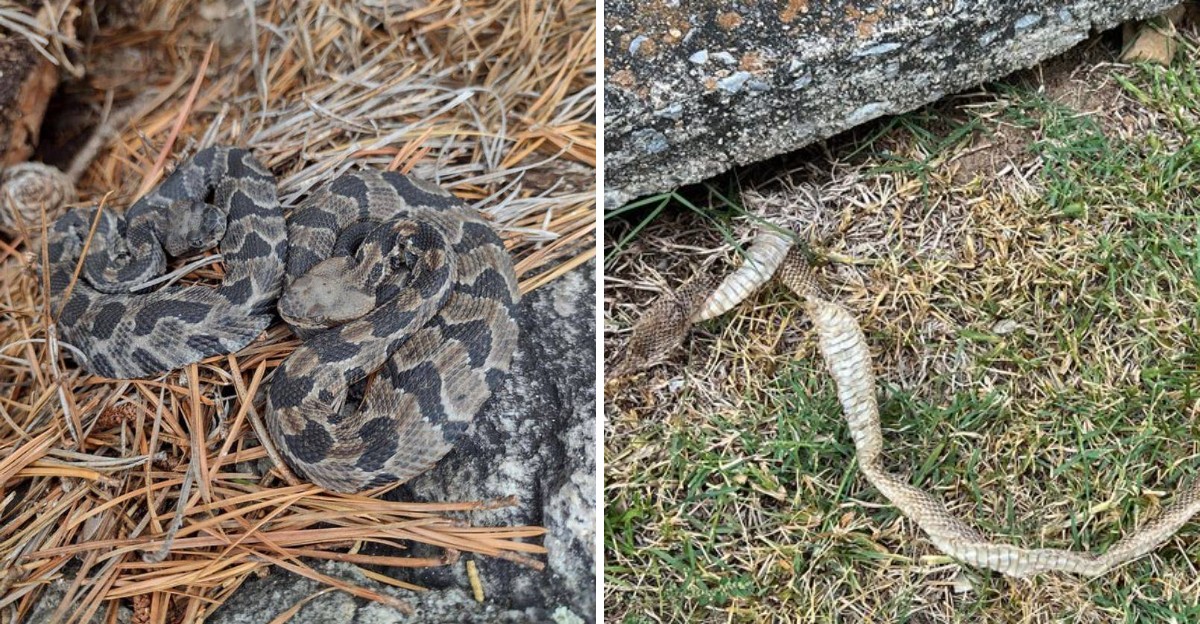
A hiker climbing a rocky hillside in central Pennsylvania on a cool September morning stops short when a thick, banded timber rattlesnake slides across the open trail ahead, moving steadily like it has somewhere important to be.
That snake is not lost or confused at all. It is heading back to the same rocky den where it has spent every winter of its life.
Hundreds of other rattlesnakes across the state are doing the exact same thing at the exact same time right now.
Most hikers assume a sighting like that means something has gone wrong, that snakes are suddenly everywhere for no clear reason.
Understanding this short seasonal window changes that assumption completely, and it helps protect a snake that Pennsylvania lists as a species of special concern.
1. Cooling Temperatures Trigger Den Movement
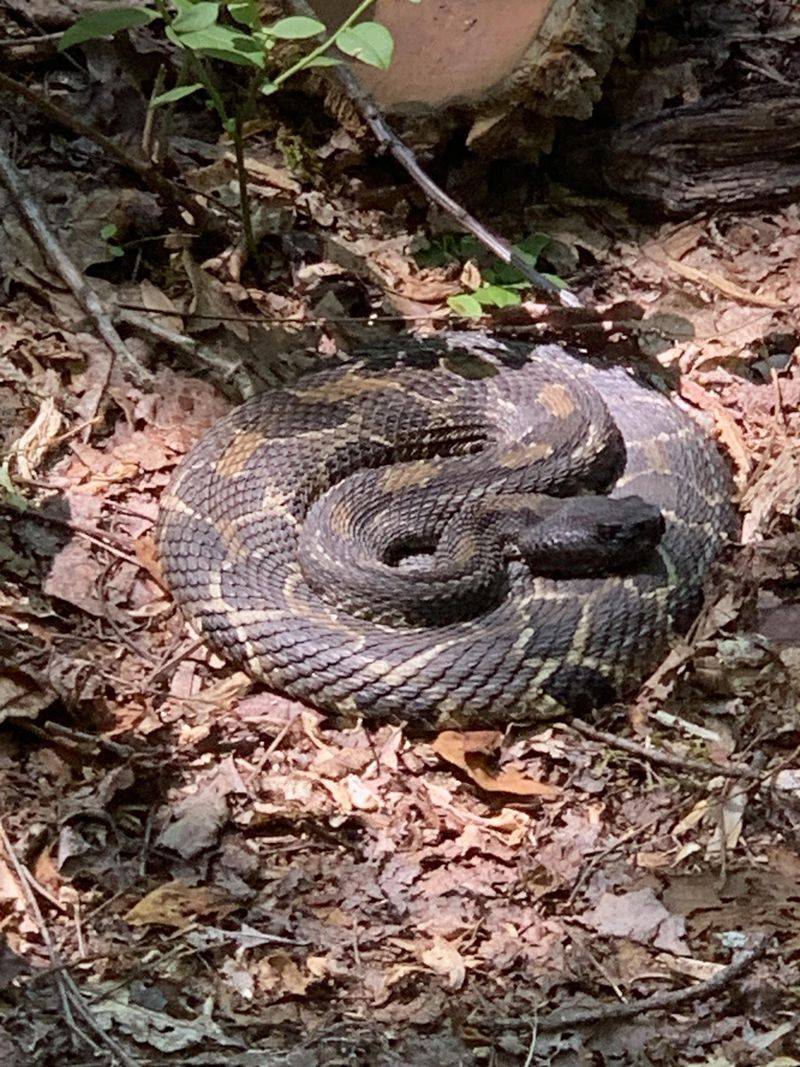
Snakes cannot warm themselves from the inside the way people and dogs can. Their body temperature rises and falls with the air, the rocks, and the sunlight around them constantly.
So when September nights start dipping into the forties and fifties across Pennsylvania’s ridges, a timber rattlesnake’s internal calendar starts ticking right on schedule.
Shorter days and cooler overnight lows act like a signal here.
The Pennsylvania Fish and Boat Commission, which manages reptiles and amphibians in the state, describes timber rattlesnakes as active from roughly spring emergence through fall, with movement back toward wintering areas happening as temperatures drop.
What makes them noticeable is the timing of their activity during this stretch. During the hottest weeks of summer, rattlesnakes often shift to dawn, dusk, or nighttime movement to avoid overheating.
In autumn, that flips entirely. Midday becomes the warmest and safest window to travel, which is exactly when hikers, hunters, and gardeners are outside too.
You may also spot one stretched out on a sun-warmed rock, gravel road edge, or trail surface during this time. That snake is not lying in wait for anything.
Frost dates arrive earlier in northern counties and higher elevations, so movement can begin sooner in places like the northern tier than in warmer southern valleys.
2. Snakes Head Back To Shared Hibernation Sites
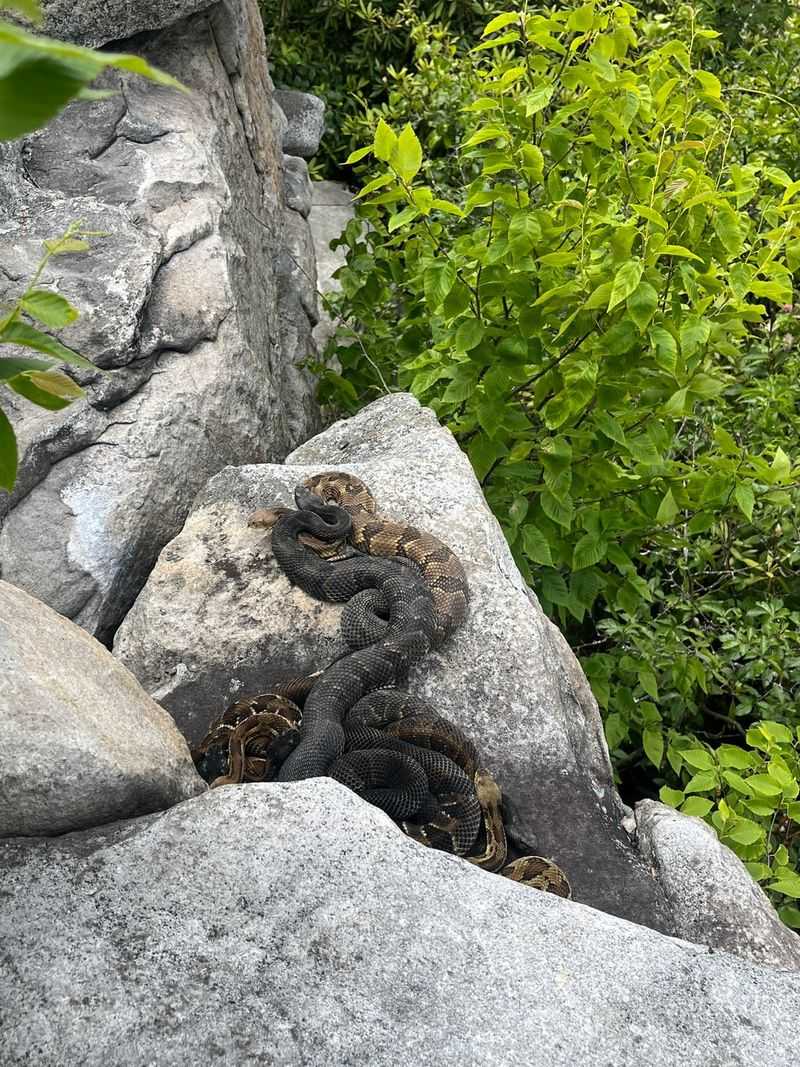
Here is the part that surprises most people. Rattlesnakes are not drifting aimlessly across the countryside in October. They are going home, and home is a specific crack in the rocks they have used before.
Timber rattlesnakes overwinter in hibernacula, which are deep rock crevices and talus openings that stay above freezing all winter long.
State wildlife information describes these dens as traditional sites, meaning the same location gets used year after year, sometimes for decades or longer than that.
Even more interesting, these dens are communal. Multiple rattlesnakes may share a single site, and other species such as copperheads or black rat snakes sometimes overwinter nearby as well.
That gathering is why fall sightings can cluster in certain neighborhoods and along certain ridges while other areas stay completely quiet.
Adult snakes can travel a mile or more between summer foraging territory and the den, and research on the species suggests strong site fidelity, with individuals returning along familiar routes rather than picking new ground each year.
Your Pennsylvania Garden Changes Every Week. Your Plan Should Too.
Gardening in Pennsylvania changes quickly throughout the season. Every Friday you’ll receive a simple weekly plan showing exactly what to plant, prune, fertilize, harvest, and protect so you never miss the right timing.
Practically speaking, that matters for anyone living near rocky terrain. A snake crossing your driveway in late September is probably following a path its ancestors used, not moving in because it likes your property specifically.
Because whole local populations depend on a small number of dens, disturbing or destroying one site can harm far more snakes than a single encounter suggests.
3. Rocky Ridges Become Travel Corridors
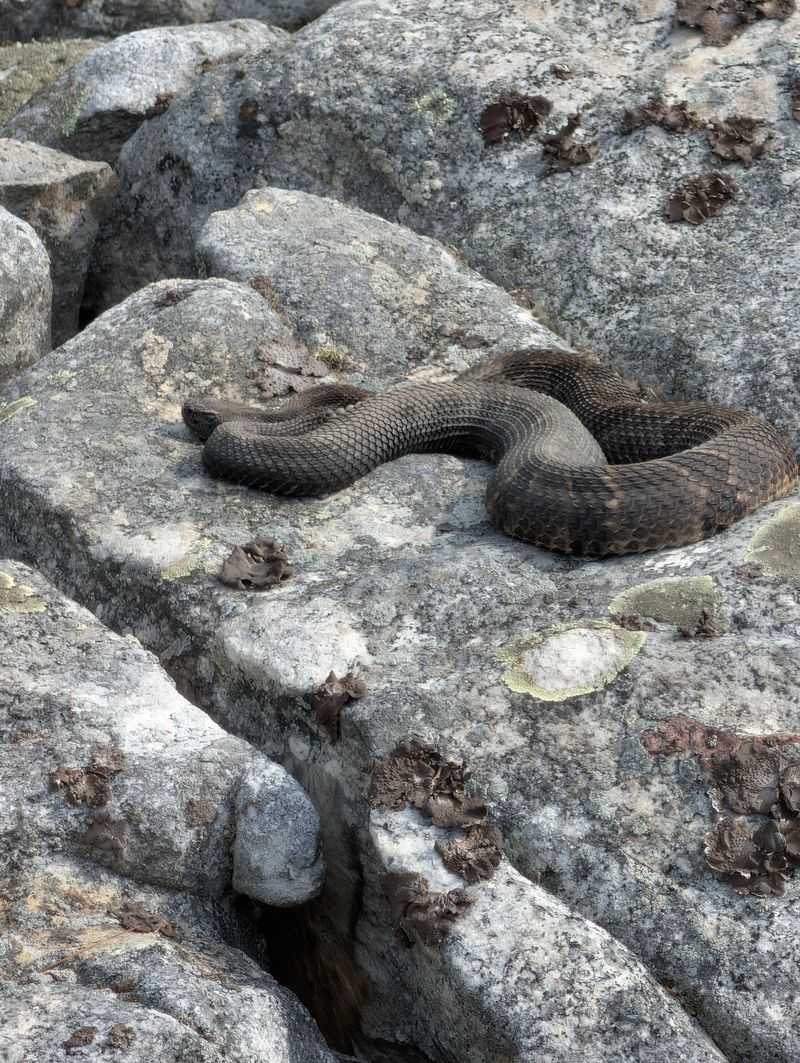
Picture the kind of Pennsylvania landscape you find along the Appalachian ridges: broken sandstone, boulder fields, mountain laurel, and open patches where sunlight reaches the ground easily.
That is prime rattlesnake country, and it doubles as a highway once autumn arrives.
South-facing and southwest-facing slopes matter most here. Those hillsides soak up the strongest sun, warm earliest in the day, and hold heat longest into the afternoon, which is exactly what a cold-blooded traveler needs.
Timber rattlesnakes favor forested mountain habitat with rocky outcrops and clearings where they can bask comfortably.
During fall movement, they often use the same features people use, including old logging roads, trail edges, stone walls, and gaps between boulders scattered throughout the terrain.
That overlap explains a lot of encounters honestly. Hunters scouting ridge tops, hikers on rocky sections of trail, and mountain bikers on gravel two-track are simply sharing the sunniest, most open ground available to everyone.
A few habits cut your surprise factor way down considerably. Watch where you place your hands when scrambling over rocks, step on top of logs rather than over them blindly, and scan flat sunny spots before sitting down for a break.
Keeping dogs leashed on rocky ridge trails helps too, since a curious nose finds a coiled snake faster than human eyes ever do.
4. Protected Status Means Leave Them Alone
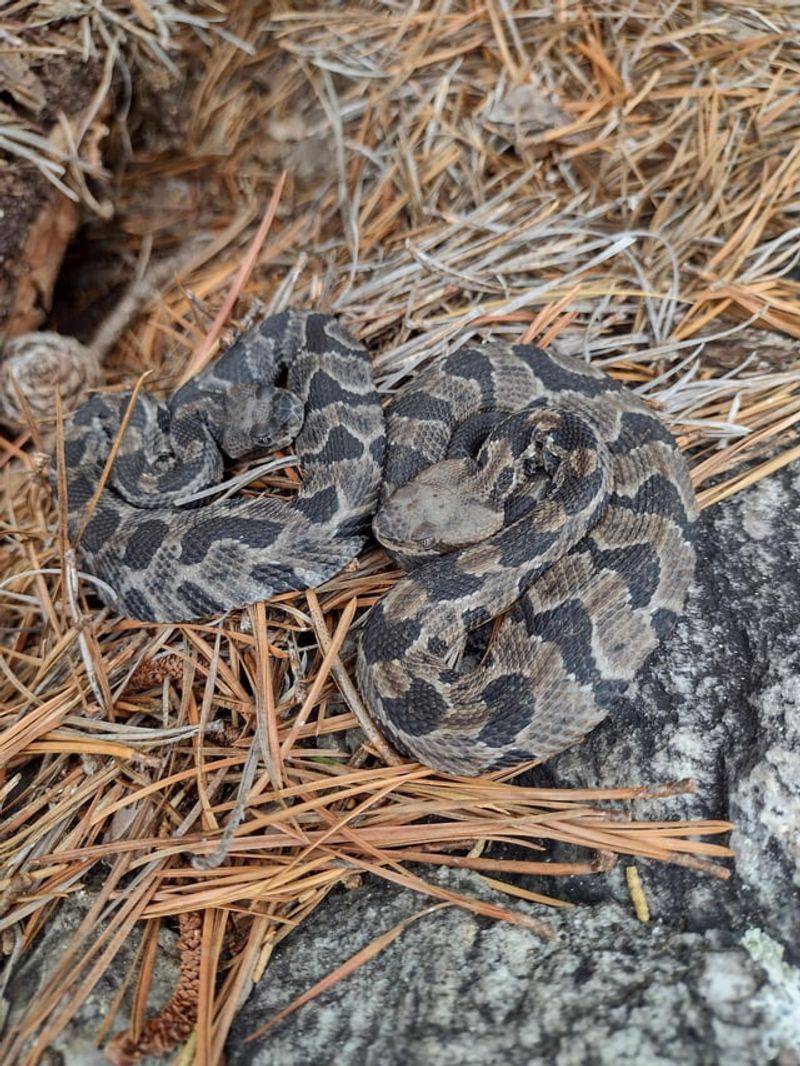
The timber rattlesnake is classified as a species of special concern in Pennsylvania, managed by the Pennsylvania Fish and Boat Commission under reptile and amphibian regulations.
Populations have declined over the years because of habitat loss, road mortality, den disturbance, and decades of snakes being killed on sight without much thought.
Because so many animals depend on so few winter dens, losses add up quickly and recover slowly across generations.
Timber rattlesnakes also reproduce at a remarkably slow pace. Females typically take years to reach breeding age and may only produce young every three to five years.
Removing even a handful of adults can set a local population back for a long time as a result.
Pennsylvania regulates any taking or possession of timber rattlesnakes through a permit system with strict seasons, limits, and rules that change over time. Anyone curious about the current rules should check directly with the Fish and Boat Commission.
For everyday encounters, the guidance is refreshingly simple. Do not handle the snake, do not try to relocate it, and do not harm it.
Relocation sounds kind but often works against the animal, since a snake carried away from its home range may fail to find a den before winter sets in.
5. Encounters Rarely Turn Dangerous
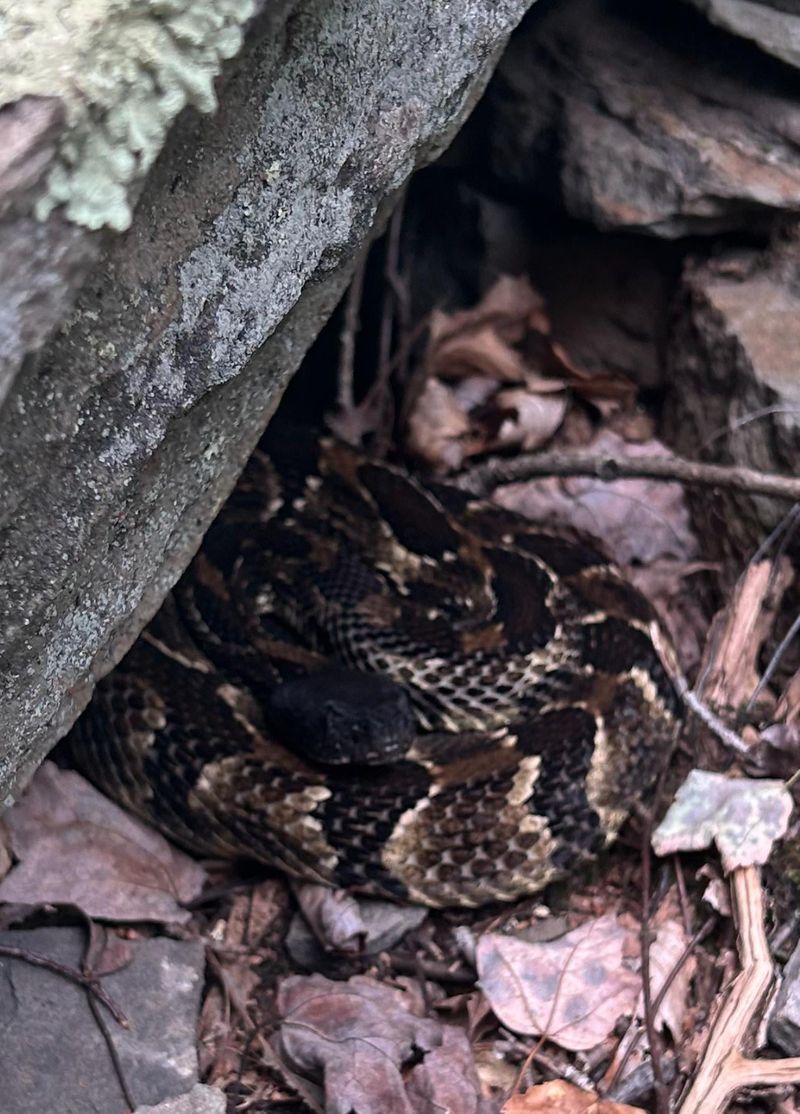
Reputation and reality do not match here at all. For an animal so feared, the timber rattlesnake is remarkably reluctant to pick a fight with anything it cannot eat.
Its whole survival strategy is built on staying hidden. Cryptic coloring lets it blend into leaf litter and rock shadows, and a snake’s first choice is almost always to freeze, stay silent, and let a passing hiker walk right by.
If freezing does not work, the next step is warning, not attacking. The rattle exists specifically to say back off, and many snakes will also flatten, hiss, or simply slide away toward cover instead.
Striking burns venom that the snake needs for hunting, and a defensive bite risks injury from something far larger than itself. From the snake’s point of view, biting a human is a genuinely terrible deal.
Nearly all serious bites in the United States involve someone handling, harassing, or trying to catch a venomous snake directly. Accidental bites from simply walking past are genuinely uncommon by comparison.
That said, respect the basics here. Keep at least several feet between you and any rattlesnake, never assume a snake is motionless for good, and treat any bite as a medical emergency by calling 911 immediately.
6. Give Them Space And Let Them Pass
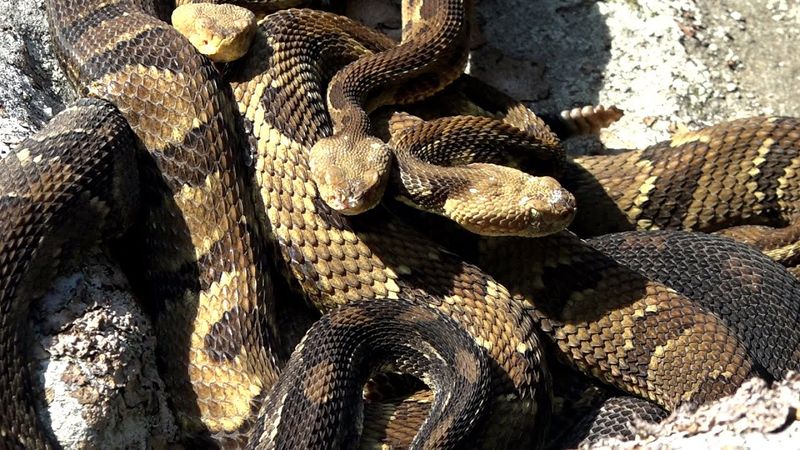
So what do you actually do when a rattlesnake is fifteen feet ahead on the trail and clearly not in a hurry to move? Stop walking. That single move solves most of the problem right away.
Back away slowly until you are well outside striking range, which is generally considered to be less than the snake’s body length. Give yourself extra room anyway.
Then wait patiently. A traveling rattlesnake usually keeps going within a minute or two once it stops feeling threatened, and patience beats any attempt to hurry it along.
If waiting is not practical, walk a wide arc around the animal, keeping plenty of distance and never stepping into brush where you cannot see the ground clearly.
Skip the sticks, rocks, and hose spray entirely, since poking a snake is how encounters turn into emergencies fast.
Leash your dog immediately and move it away first, because pets account for a large share of close calls on rocky trails throughout the state.
Around the house, close crawlspace gaps, keep woodpiles off the ground away from doorways, and cut tall grass near rock walls to reduce hiding spots and rodent traffic.
7. Fall Movement Ends Once Cold Settles In
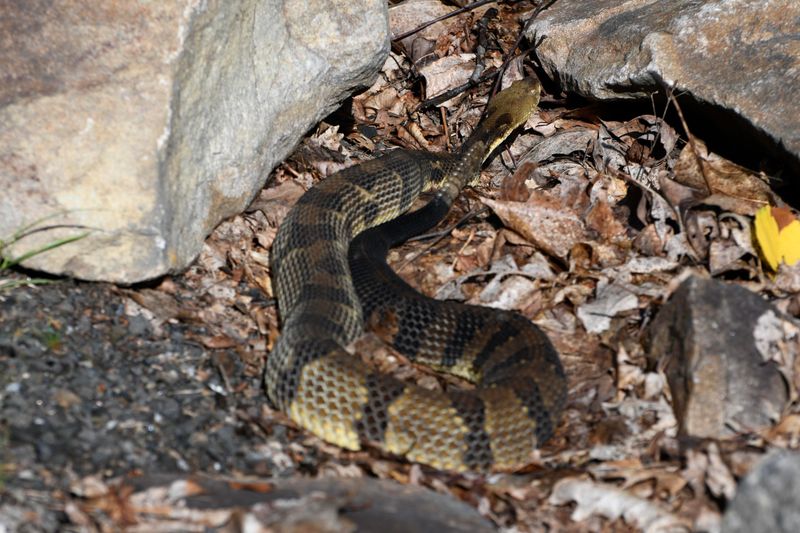
Good news for anyone feeling uneasy about all this. The busy window is short. Rattlesnake road-crossings and trail sightings spike for a few weeks, then fade out as fast as they appeared.
Once daytime highs stop climbing enough to warm a snake’s body, travel becomes impossible for them to manage.
By the time hard frosts settle over Pennsylvania’s ridges, usually sometime in October depending on elevation and weather, most timber rattlesnakes have already tucked into their dens for the winter.
Down inside those rock crevices, they drop into a slowed-down state called brumation. Heart rate falls, digestion stops, and the animals essentially wait out the cold months below the frost line.
Nothing much happens again until spring, when warming temperatures draw them back out to bask near the den entrance before they scatter to summer territory once more.
So the uptick you notice in early fall is not a growing problem or a sign that snakes are taking over the neighborhood. It is a brief, repeating chapter in a cycle that has played out on these mountains for thousands of years.
8. What To Do If You Find A Shed Skin Or Den Site
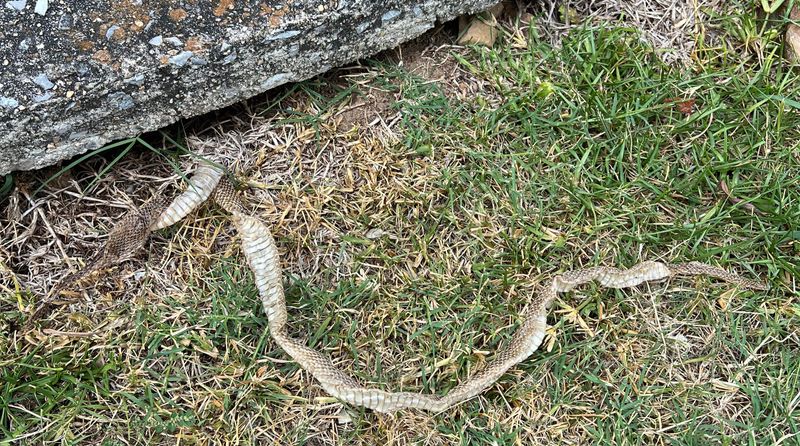
Finding a shed snake skin or a cluster of rocks that looks suspiciously like a den entrance raises an obvious question for most Pennsylvania landowners and hikers alike.
A shed skin simply means a rattlesnake passed through that spot at some point, growing and molting the way all snakes do several times a year as they mature.
It does not mean a snake is currently there, though it is a reasonable signal that the area sees regular snake activity and deserves a bit more caution going forward.
An actual den site looks different from an ordinary rock pile. Look for a deep crevice or opening among talus rock, often on a south-facing slope, sometimes with several shed skins or old sheds scattered nearby from repeated use over the years.
If you suspect you have found one, the right move is simple. Leave it completely undisturbed and avoid moving rocks, filling gaps, or excavating anywhere near the site.
Reporting a suspected den to the Pennsylvania Fish and Boat Commission can actually help conservation efforts, since biologists track known hibernacula to monitor population health across the state.
Landowners who discover a den on their property are not obligated to do anything special beyond leaving the area alone, and many end up quietly proud once they understand what they are protecting.
Curiosity about a shed skin or a rocky opening is completely natural. Acting on that curiosity by leaving the site undisturbed is what actually keeps a population going strong for the next fifty years.