These Flowering Shrubs Outshine Hydrangeas In Pennsylvania Gardens
Hydrangeas get plenty of attention, and it is easy to see why. But they are not the only stars that can shine in a Pennsylvania garden.
Plenty of other flowering shrubs handle the state’s cold winters and warm summers with ease while giving you color for months at a time. Some smell amazing, some feed the bees and butterflies, and others put on a show even after their blooms fade.
If you want a yard that turns heads without all the fuss, these seven shrubs are worth a serious look. Each one brings something special, whether that is bright color, tough roots, or an easy-care personality that beginners love.
They fit into small backyards and large landscapes alike, and most of them ask for very little once they settle in. You will find options for sunny spots, shady corners, and everything in between.
Ready to give your garden a fresh new look? Keep reading to meet the flowering shrubs that just might make you forget all about hydrangeas.
1. Weigela
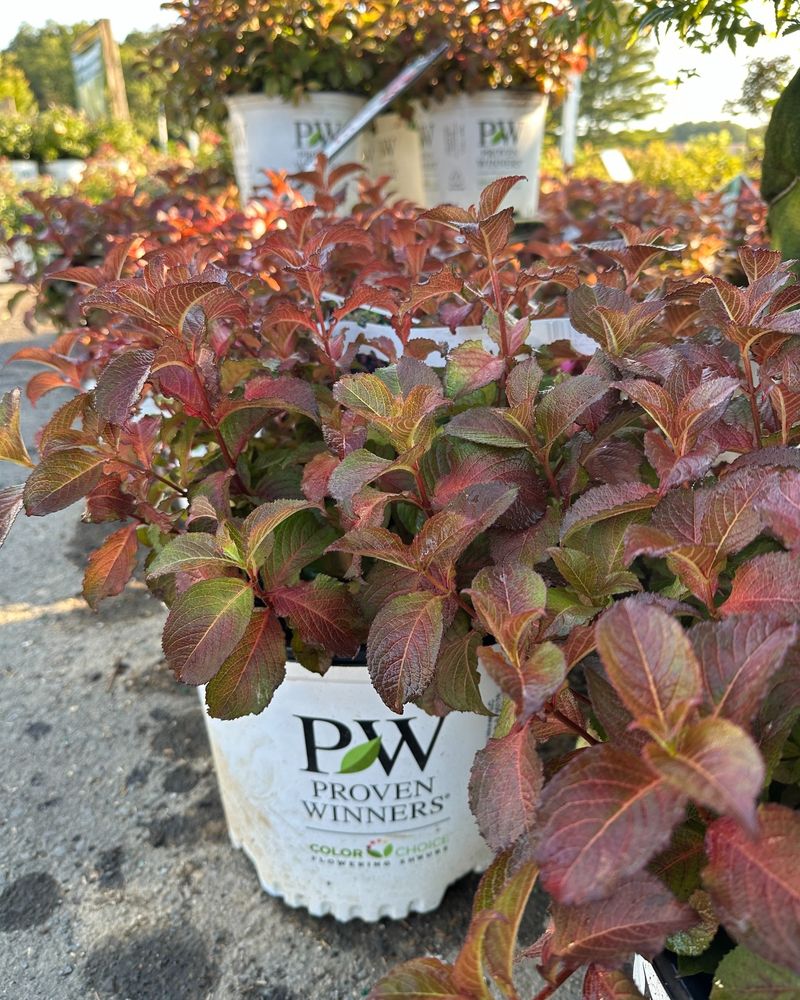
Hummingbirds cannot seem to resist the trumpet-shaped blooms that cover this shrub each spring. Weigela bursts into color right around the time your garden needs a wake-up, and the flowers come in pink, red, and even soft cream.
Pennsylvania gardeners love it because it shrugs off cold winters without complaint. Plant it in full sun for the best flower show, though it tolerates a little afternoon shade too.
Most types grow between three and six feet tall, so you can find one for almost any space. The newer varieties earn extra points for their leaves. Some have deep burgundy foliage that looks stunning even when the blooms are gone.
That means you get color long after the first flush of flowers fades. Care is refreshingly simple. Give it well-draining soil and a good drink of water during dry stretches, and it mostly takes care of itself.
A light trim right after it blooms keeps the shape tidy and encourages a second, smaller round of flowers later in the season.
Bees and butterflies show up in crowds, which makes weigela a friendly choice for anyone who wants a lively yard. It pairs beautifully with other shrubs or stands alone as a focal point.
Fun bit of history: weigela is named after a German scientist named Christian Ehrenfried Weigel. It traveled from Asia to gardens all over the world because people simply could not get enough of it.
If you want dependable color and buzzing visitors with almost no effort, weigela belongs on your list.
2. Lilac
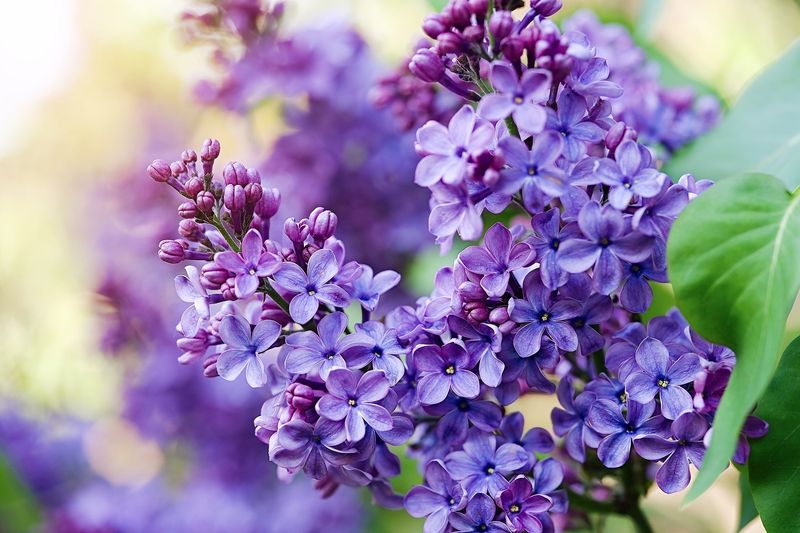
Close your eyes near a blooming lilac and the sweet scent alone will win you over. This old-fashioned favorite has charmed Pennsylvania gardens for generations, and its perfume drifts across the whole yard on a warm spring day.
Purple is the classic color, but lilacs also bloom in white, pink, and pale blue. The flower clusters are big and full, perfect for cutting and bringing indoors where the fragrance fills a room.
Your Pennsylvania Garden Changes Every Week. Your Plan Should Too.
Gardening in Pennsylvania changes quickly throughout the season. Every Friday you’ll receive a simple weekly plan showing exactly what to plant, prune, fertilize, harvest, and protect so you never miss the right timing.
Lilacs actually enjoy Pennsylvania’s chilly winters. They need that cold period to set their buds, so they reward you with heavier blooming after a proper frost.
Plant one in full sun and give it room to spread, since some can reach eight to twelve feet tall.
Good drainage matters a lot here. Lilacs hate soggy roots, so avoid low spots where water sits.
A yearly trim right after flowering keeps them from getting leggy and helps next year’s blooms.
These shrubs live an incredibly long time. It is common to find lilacs still blooming near old farmhouses that were planted over a hundred years ago. Talk about a plant that sticks around.
Bees and butterflies flock to the flowers, and the shrub makes a lovely natural privacy screen along a fence line. Smaller dwarf types work well for tight spaces or containers.
Once established, lilacs ask for very little. A bit of compost in spring and occasional watering during droughts is usually enough. For fragrance, history, and easy charm, lilacs outshine plenty of showier plants.
3. Rose Of Sharon
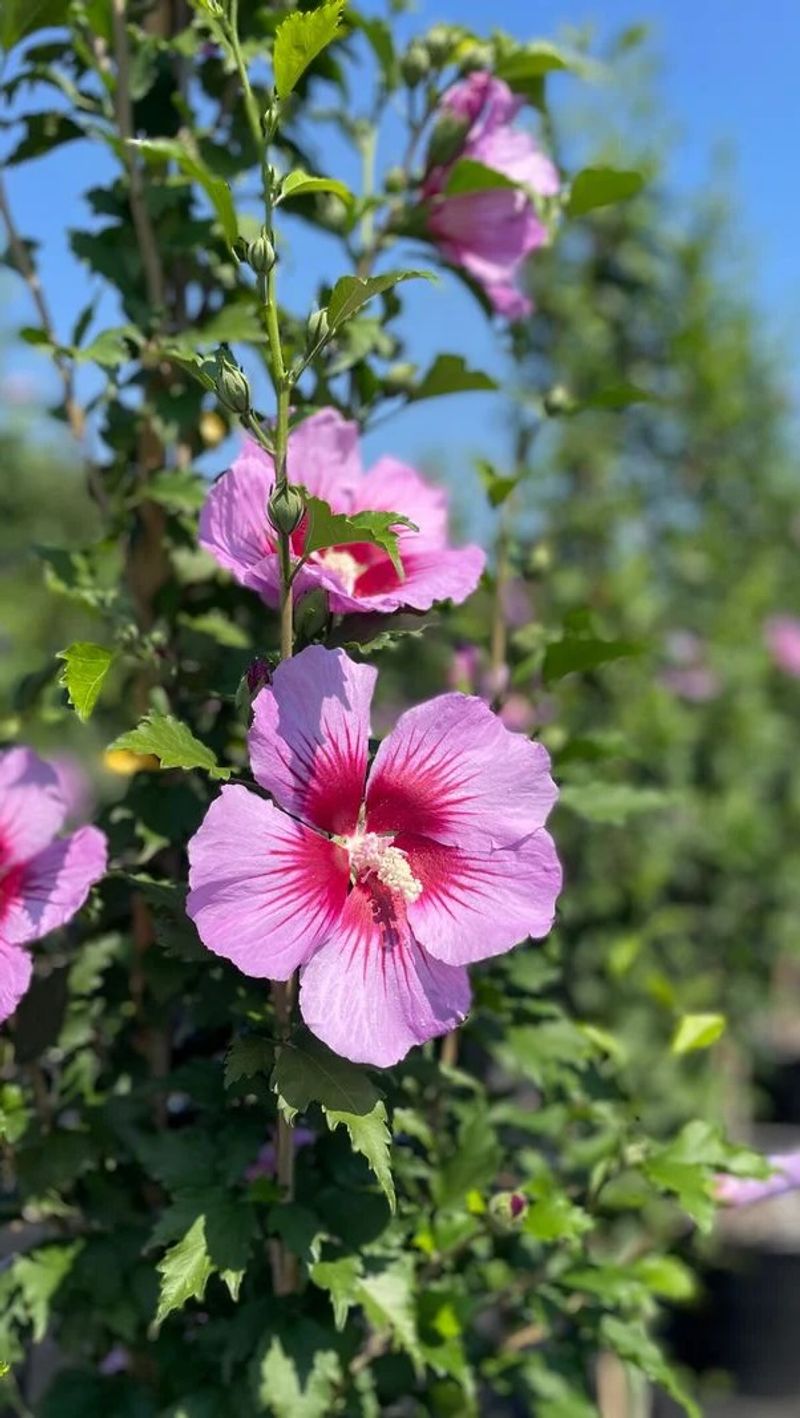
Just when many spring bloomers call it quits, Rose of Sharon steps up to keep the color going. This shrub flowers from midsummer straight into fall, filling that late-season gap most gardens struggle with.
Its blooms look like little hibiscus flowers, which makes sense since it belongs to the same family. Colors range from soft lavender and pink to white and deep purple, often with a bright splash in the center.
Pennsylvania summers suit it perfectly. It handles heat, humidity, and dry spells like a champ, and it comes back strong every year without needing pampering. Full sun brings the most blooms, but it tolerates partial shade too.
One thing to know: Rose of Sharon can grow quite tall and upright, sometimes reaching eight to ten feet. That makes it a great choice for a natural hedge or a colorful screen along a property line.
Pollinators absolutely adore it. Bees, butterflies, and hummingbirds visit all summer long, turning your yard into a busy little nature spot.
If you do not want it spreading seeds everywhere, look for newer seedless varieties. They give you all the flowers with none of the surprise seedlings popping up next spring.
Pruning in late winter keeps the shrub tidy and can even produce bigger blooms. Otherwise, it is one of the most low-maintenance plants you can grow.
Fun fact: despite its name, it is not a rose at all. For long-lasting summer color that thrives in tough conditions, Rose of Sharon is hard to beat.
4. Forsythia
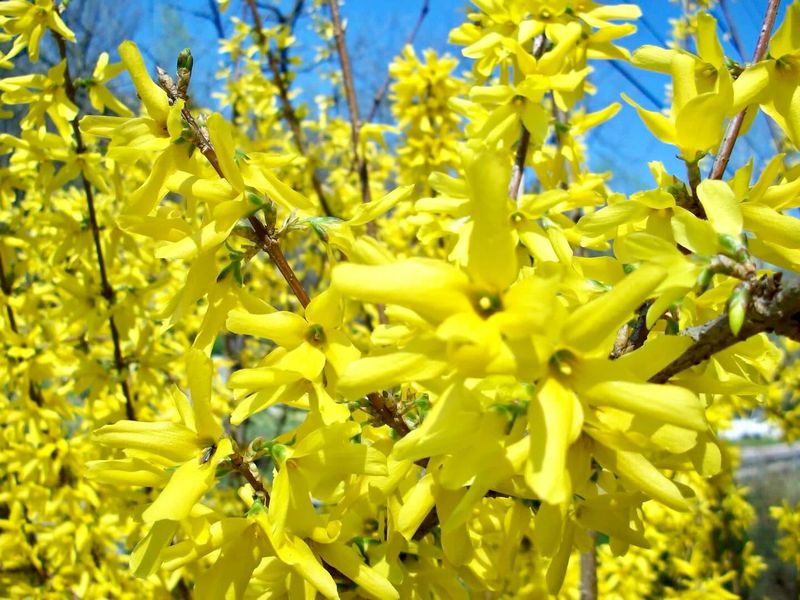
Nothing shouts spring quite like a wall of golden forsythia. Before most other plants even wake up, this shrub explodes with cheerful yellow flowers that light up gray Pennsylvania mornings.
Gardeners often call it the first sign that winter is loosening its grip. The blooms appear on bare branches, so the color really pops against the still-brown landscape around it.
Forsythia is famously tough. It grows fast, handles cold with ease, and adapts to almost any soil you throw at it. Full sun gives you the thickest blanket of flowers, but it will still bloom in lighter shade.
These shrubs get big, often reaching eight to ten feet wide, so give them space to arch and sprawl. That graceful, fountain-like shape looks wonderful along a fence or slope.
Because it grows so quickly, forsythia makes a fantastic hedge or privacy border. You can also cut branches in late winter, bring them inside, and watch them bloom early in a vase of water. It is a fun trick called forcing.
Pruning right after flowering keeps it from looking wild. Wait too long and you risk snipping off next year’s buds, since it blooms on old wood.
Once the yellow flowers fade, green leaves fill in and some varieties turn a nice purple-red in fall. So you get a second bit of interest before winter.
For gardeners who want fast, foolproof color and a happy jolt of sunshine after a long winter, forsythia delivers year after year with barely any effort at all.
5. Ninebark
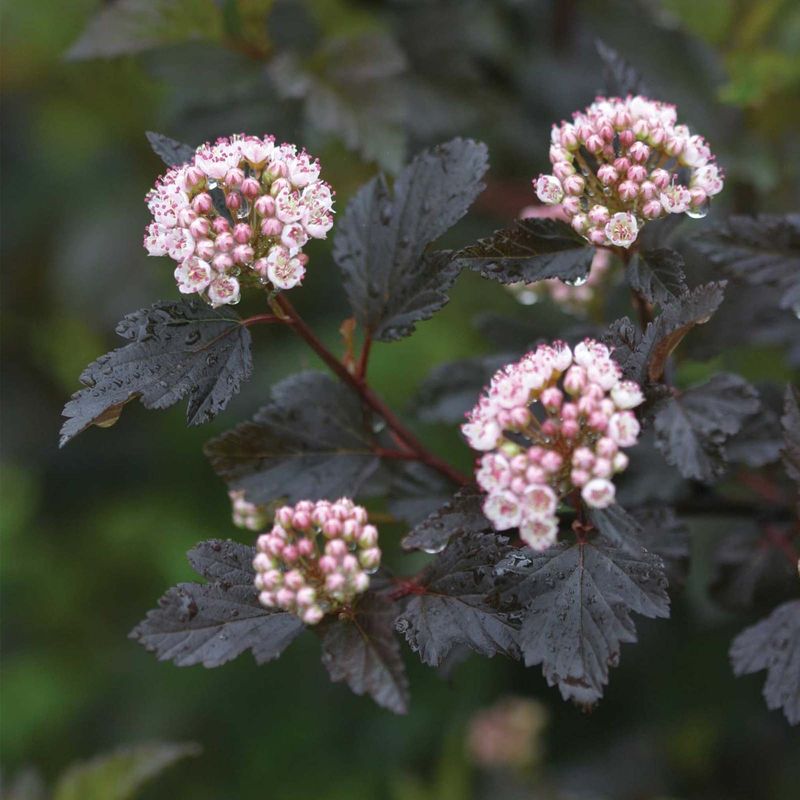
Foliage this bold barely needs flowers to steal the spotlight, yet ninebark gives you both. Its leaves come in rich shades of burgundy, deep purple, gold, and lime, holding their color from spring all the way to fall.
In early summer, clusters of small pink or white flowers appear and stand out beautifully against the dark leaves. Bees and butterflies stop by often, adding movement to the garden.
This native shrub is a natural fit for Pennsylvania. It handles cold winters, clay soil, and drought without missing a beat, which makes it a dream for busy or beginner gardeners.
The name comes from its peeling bark, which supposedly has nine layers. In winter, that flaky bark adds texture and interest when everything else looks bare.
Ninebark grows in a nice rounded shape, usually between five and eight feet tall. Compact varieties exist too, so you can find one that fits a smaller yard or a mixed border.
Plant it in full sun to keep the leaf color vivid. Too much shade tends to wash out those gorgeous dark tones and can lead to powdery mildew on the leaves.
Care could not be easier. A light trim after flowering keeps it shapely, and it rarely needs extra water once its roots settle in.
After the blooms fade, small reddish seed clusters form and attract birds through fall. So this shrub keeps giving through every season.
For year-round drama with hardly any upkeep, ninebark quietly outperforms flashier plants and earns a spot in any Pennsylvania landscape.
6. Spirea
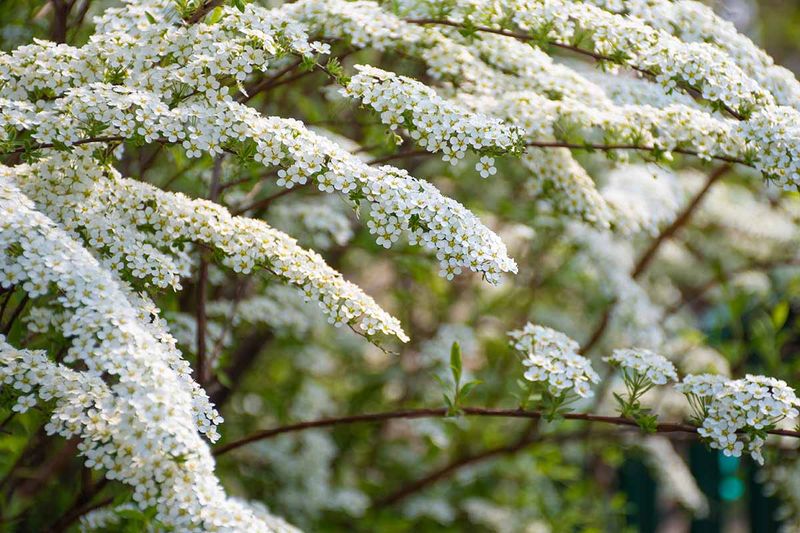
Small but mighty, spirea packs a big punch of color into a neat little package. This compact shrub covers itself in tiny clustered flowers, usually pink or white, that seem to glow in the summer sun.
Gardeners love how tidy it stays. Most types grow just two to four feet tall, so they slot perfectly into borders, foundation plantings, or spots where a bigger shrub would crowd things out.
Pennsylvania weather does not faze spirea one bit. It laughs off cold winters, handles heat, and bounces back quickly even in less-than-perfect soil.
Some varieties surprise you with colorful leaves too. Golden and orange-tinted foliage in spring shifts to fiery red in fall, giving you interest well beyond the blooming season.
Butterflies treat spirea like a favorite diner. The flat flower clusters make an easy landing pad, so your yard gets plenty of fluttering visitors all summer.
Here is a handy trick: trim off the faded blooms and many spireas will flower a second time. This simple snip keeps the show going for weeks longer.
Plant it in full sun for the fullest flowering and the brightest leaf color. It really is one of the most forgiving shrubs a new gardener can choose.
Because it stays small, spirea also works wonderfully in containers on a patio or porch. You get color right where you spend your time outdoors.
For dependable blooms, standout fall color, and almost zero fuss, spirea proves that good things really do come in small packages. It fits nearly any Pennsylvania garden with room to spare.
7. Mock Orange
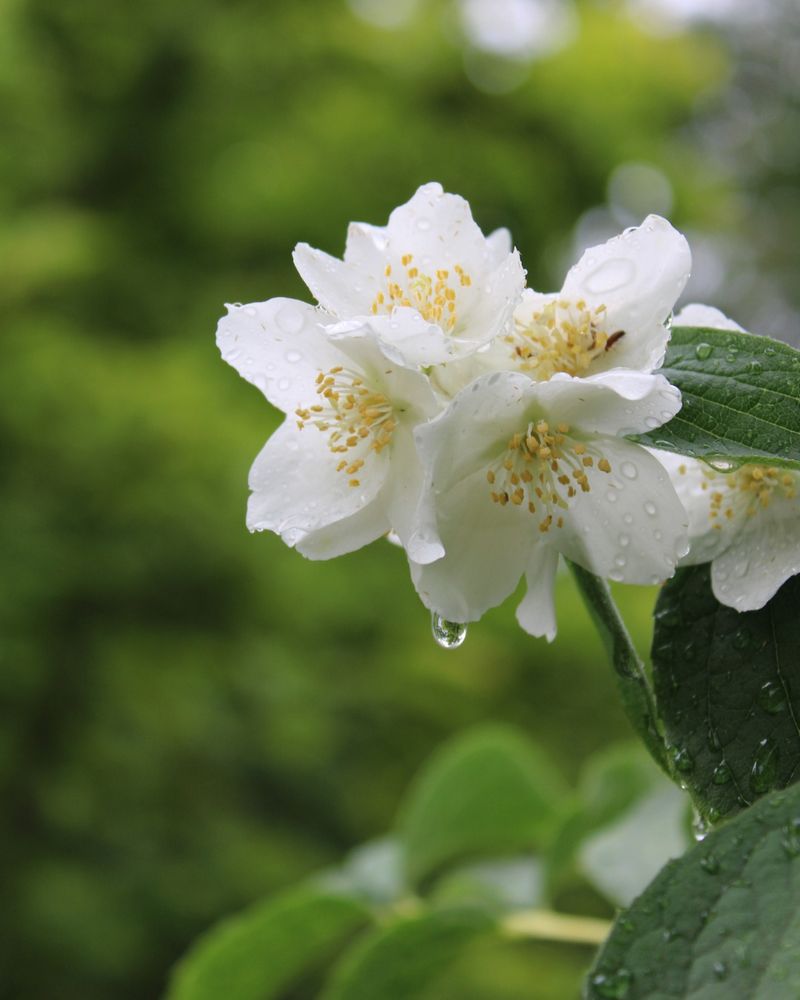
One whiff of mock orange and you might swear someone peeled a fresh citrus nearby. That is exactly how this shrub earned its name, since its white blooms smell just like orange blossoms even though it grows no fruit.
In late spring and early summer, the branches fill with clusters of pure white flowers. The fragrance is so strong and sweet that it drifts clear across the yard on a breeze.
Pennsylvania gardeners appreciate how hardy it is. Mock orange takes cold winters in stride and grows happily in average soil with little coaxing.
The shrub gets fairly large, often reaching six to eight feet tall and wide. That size makes it a lovely choice for the back of a border or as a fragrant screen near a patio.
Plant it where you will walk by often so you can enjoy the scent. Near a door, path, or seating area works perfectly.
Full sun brings the most blooms, though it tolerates a bit of light shade. Give it a drink during long dry spells and it stays happy.
Pruning right after flowering keeps it neat, since it blooms on last year’s growth. Cut it back too late and you sacrifice next season’s flowers.
Bees and other pollinators love the blossoms, adding gentle buzzing to those warm early summer days.
The classic variety has been grown in gardens for well over a century, passed down like a family heirloom. For unforgettable fragrance and old-fashioned beauty, mock orange gives your garden something hydrangeas simply cannot: a scent you will never forget.