Why Do Rats Move Into Pennsylvania Yards The Moment Fall Arrives
Fall arrives in Pennsylvania and so do rats. Not always visibly at first, but the evidence tends to follow. Gnawed materials in the garage, disturbed mulch near the foundation, droppings along a fence line that weren’t there a few weeks ago.
The timing feels sudden, but the reasons behind it are predictable and well understood once you know what’s driving the movement.
Rats don’t move into Pennsylvania yards randomly in fall. They’re responding to a very specific set of conditions that the change of season creates, and your yard is either making itself more attractive to that movement or less, often without you realizing which.
Understanding what fall changes in rat behavior and what your property is currently offering them is the most practical first step toward keeping them from settling in before winter arrives.
1. Dropping Temperatures Push Them Toward Warmth
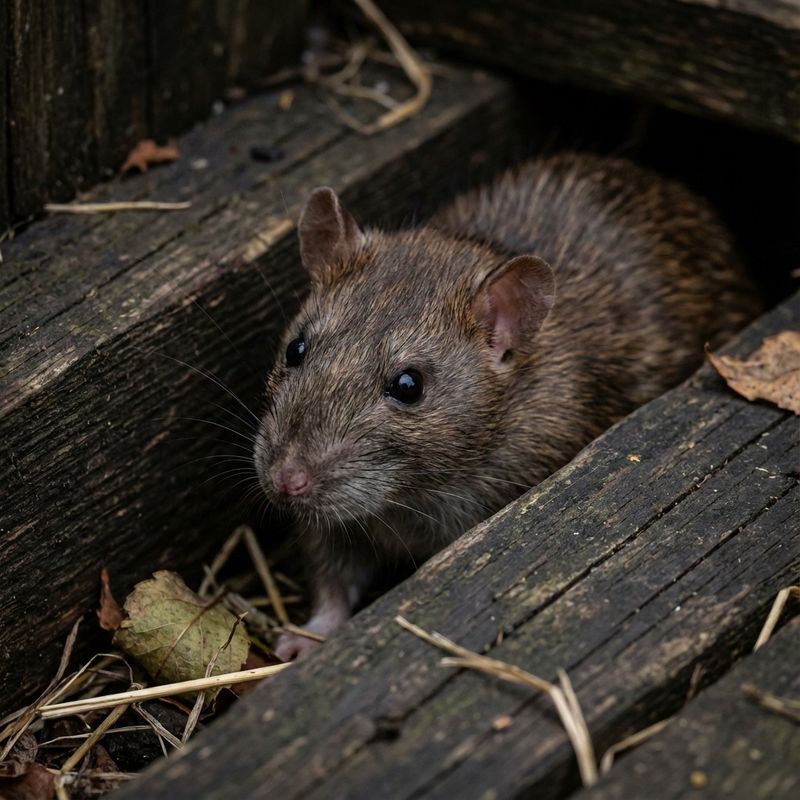
Cold weather is the biggest signal that tells rats it’s time to find shelter. Once Pennsylvania nights dip into the 40s and 30s, these animals start searching for warmer spots to survive.
Rats cannot handle freezing temperatures for long. Their small bodies lose heat fast, so they look for anything that traps warmth. Your yard offers plenty of choices, like sheds, decks, and gaps under your porch.
Foundation vents and cracks near your home leak warm air from inside. Rats can feel that heat, and it draws them closer like a magnet. They will squeeze through openings the size of a quarter to reach it.
Piles of leaves and mulch also hold heat and make snug hideouts. A rat can burrow underneath and stay cozy while the temperature drops outside. That makes fall cleanup more important than most people think.
Compost bins and stacked firewood become popular winter apartments too. The rotting material inside compost actually gives off warmth, which rats find hard to resist.
To keep them out, seal any cracks around your foundation with steel wool or caulk. Move firewood at least a foot off the ground and away from your house. Clear leaf piles quickly instead of letting them sit all season.
A quick fact worth knowing: a rat’s body temperature drops fast in the cold, so warmth truly means survival for them. That’s why they get so bold in autumn.
The earlier you block these warm spots, the less likely rats will decide your yard is their winter home. A little prevention now saves you a big headache later.
2. Fallen Fruit And Garden Leftovers Become A Buffet

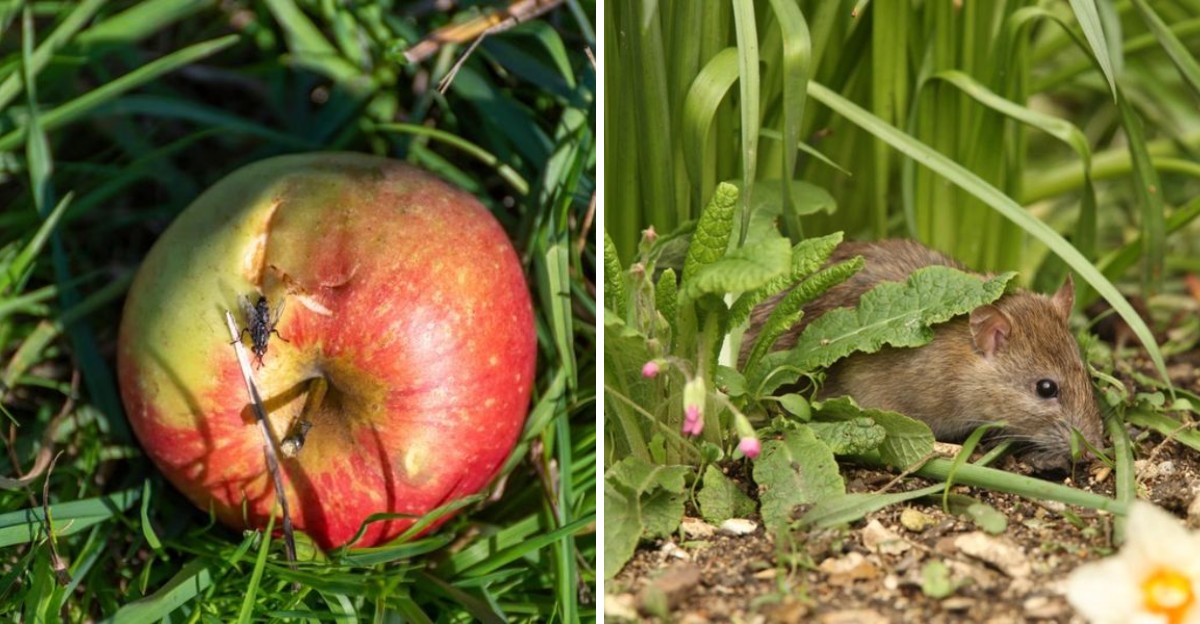
Autumn turns many yards into an all-you-can-eat spot for hungry rats. Fruit trees drop apples, pears, and other treats that pile up in the grass.
Rats love this free meal. A single rotting apple can feed a rat for days, and Pennsylvania backyards often have plenty scattered around after harvest season.
Vegetable gardens add to the feast. Leftover tomatoes, squash, and root veggies that never got picked make easy pickings for rodents looking to fatten up before winter.
Bird feeders spill seeds onto the ground, and those seeds are like candy to rats. They will visit night after night to gobble up whatever falls beneath the feeder.
Your Pennsylvania Garden Changes Every Week. Your Plan Should Too.
Gardening in Pennsylvania changes quickly throughout the season. Every Friday you’ll receive a simple weekly plan showing exactly what to plant, prune, fertilize, harvest, and protect so you never miss the right timing.
Even pet food left outside becomes a target. A bowl of kibble on the porch is basically an open invitation for rats to stop by and stay.
The trick is cleaning up fallen food fast. Rake up dropped fruit every few days during harvest season and toss it in a sealed bin.
Pick your garden clean before the first frost, and don’t leave rotting produce sitting in the soil. Store pet food indoors in tight containers instead of leaving it out overnight.
Consider using bird feeders with catch trays, or take them down at night when rats are most active. Sweep up spilled seed regularly so nothing sits on the ground.
Rats have amazing noses and can smell food from far away. If your yard smells like a snack bar, they will find it quickly.
Cutting off the food supply is one of the fastest ways to make your yard boring to rats. No food means no reason to move in.
3. Overgrown Plants Give Them Perfect Hiding Spots
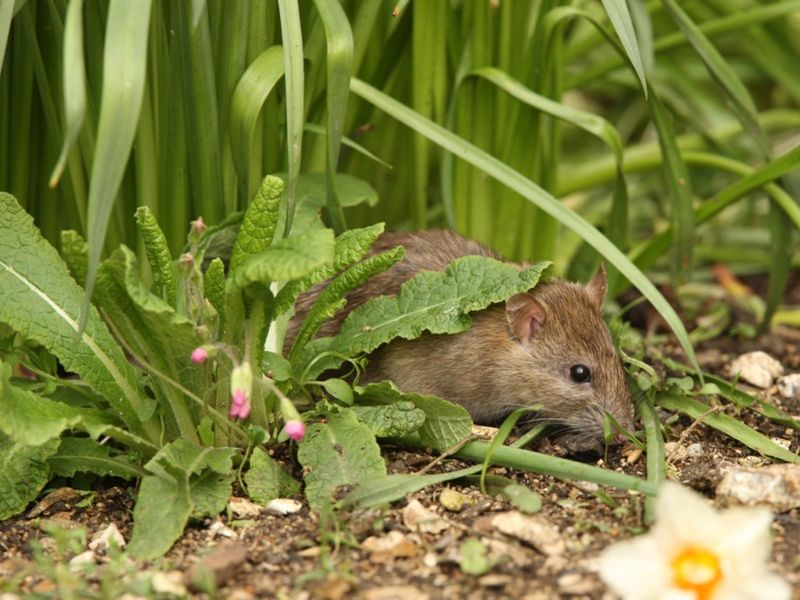
Rats are shy creatures that hate being out in the open. Thick bushes, tall grass, and messy plants give them the cover they crave.
When your yard has overgrown shrubs pressed against the house, rats use them like secret tunnels. They travel from plant to plant without ever being seen by hawks, owls, or your family cat.
Ivy climbing up walls is another favorite. Rats scurry through the leafy vines and can even reach your roof or attic using them as a ladder.
Tall weeds along fences create protected pathways too. Rats feel safe moving through this jungle, so they set up nests nearby and stay close to the cover.
Fall is actually a smart time to trim things back. Plants stop growing quickly once the cold arrives, so a good cutting will last through winter.
Keep shrubs pulled back at least a foot or two from your walls. This gap makes rats nervous because they have to cross open space to reach your house.
Mow your lawn short before winter and pull out tall weeds along fences and sheds. The less cover you leave, the more exposed rats feel.
Cut back any ivy or vines climbing your walls, especially near windows and roof edges. Those green ladders make it too easy for rats to climb up.
Here’s something interesting: rats often stick to the same paths, called runways, which they mark with their scent. Removing their cover breaks up these routes.
A tidy, trimmed yard sends a clear message that there’s nowhere safe to hide. Rats will usually move along to messier properties instead.
4. Cluttered Yards Offer Ready-Made Nests

Clutter is basically a welcome sign for rats hunting for a place to raise their families. Stacks of junk give them instant shelter without any work.
Old boxes, unused pots, and piles of wood create dark, quiet spaces where rats feel protected. They can build nests inside and hardly ever be disturbed.
Cardboard is especially tempting because rats shred it into soft bedding. A forgotten stack of boxes in your shed becomes a cozy nursery almost overnight.
Abandoned cars, unused grills, and covered furniture also make great rat homes. Anything that stays still and offers a hollow space can turn into a den.
Fall is when rats really need these spots. They want a safe base before winter locks in, and a messy yard hands it right to them.
Start by clearing out clutter you no longer use. Toss old boxes, broken furniture, and random piles that have been sitting around for months.
Store important items in sealed plastic bins with tight lids instead of cardboard. Hard plastic keeps rats from chewing their way inside.
Keep your shed and garage organized, with items off the floor and away from walls. Open, tidy spaces make rats feel too exposed to settle in.
If you have equipment stored outside, check it regularly for signs of chewing or droppings. Catching a nest early saves you bigger trouble later.
A fun bit of trivia: rats can build a full nest in just a day or two when they find good materials.
That’s how fast clutter becomes a home. Keeping your space neat removes the easy real estate rats are looking for every fall.
5. Easy Access To Trash Keeps Them Coming Back

Garbage is like a magnet that pulls rats straight into your yard. If they can reach your trash, they have found a steady food source for the whole season.
Uncovered cans are the biggest problem. Rats climb right in and help themselves to scraps, and once they find an easy meal, they return night after night.
Even bags left outside without a bin get torn open fast. Rats have strong teeth that slice through plastic like it’s nothing.
Fall means more yard waste and food scraps piling up, which gives rats even more to munch on. Extra garbage equals extra visitors.
The smell of trash travels far, and rats follow their noses. A stinky can near your door practically shouts that dinner is served.
To fix this, use trash cans with tight-fitting lids that snap shut. Rats can lift loose lids, so a secure seal makes a huge difference.
Keep your cans on a hard surface instead of soft dirt where rats can dig underneath. Concrete or pavement makes it harder for them to sneak in.
Rinse out cans now and then to cut down on smells that attract rodents. A cleaner can is a less tempting target.
Never leave trash bags sitting outside overnight. Bring them out the morning of pickup instead of the night before whenever you can.
Here’s a surprising fact: rats only need about an ounce of food a day to survive. That means even small scraps keep them well fed.
Locking down your garbage is one of the smartest moves you can make. When the buffet closes, rats look elsewhere for their next meal.
6. Nearby Water Sources Quench Their Thirst

Water matters just as much as food when rats pick a place to settle. A reliable drink nearby makes your yard even more appealing in fall.
Leaky outdoor faucets are a common draw. A slow drip creates a tiny puddle that gives rats all the water they need to stick around.
Clogged gutters that hold standing water also attract them. Rats climb up and sip from these hidden pools without much trouble.
Pet water bowls left outside work the same way. That fresh dish of water is just as inviting to a rat as it is to your dog.
Birdbaths, kiddie pools, and even saucers under flower pots collect water that rodents happily use. Any standing water becomes a rat drinking station.
Fall rains fill up these spots more often, so puddles and clogs get worse this time of year. More water means more reasons for rats to linger.
Fixing leaks is a great first step. Tighten up dripping faucets and repair any pipes that trickle water into your yard.
Clean out your gutters before winter so water flows away properly instead of pooling. This also protects your home from other damage.
Empty out containers that collect rainwater, like buckets, pots, and toys. Turn them over so they can’t fill up again.
Bring pet bowls inside at night instead of leaving them out until morning. Fresh water indoors keeps it away from thirsty rodents.
Interesting note: rats can go longer without food than without water, so cutting off their drink hits them hard.
Drying up these water sources makes your yard far less friendly to rats searching for a winter spot.
7. Neighboring Homes And Farms Send Them Your Way

Sometimes rats show up in your yard because of what’s happening next door. When one property gets cleaned up or disturbed, the rats simply move over.
If a neighbor sets traps or seals their home, the rats living there need a new place fast. Your yard might be the closest safe option.
Construction and demolition also stir up rats. When old buildings get torn down nearby, the rodents scatter and search for fresh territory.
Pennsylvania has plenty of farms and open fields too. As crops get harvested in fall, field rats lose their cover and food, so they head toward homes.
Country properties and suburban edges see this a lot. Rats leave the bare fields and follow the warmth and food that houses offer.
Even a messy neighbor can be the source. If the yard next to yours is full of clutter and trash, rats breed there and spread out to nearby yards, including yours.
You can’t control other people’s property, but you can make yours less inviting. Focus on sealing your home and removing food and water.
Talking with neighbors can help too. If everyone on the block keeps things tidy, rats have fewer places to thrive in the whole area.
Set up barriers like sealed fences or gravel strips along property lines to slow rats down. Removing hiding spots near shared borders also helps.
Keep an eye out after any nearby construction or harvest. That’s when you’re most likely to see new rats scouting your yard.
Worth knowing: rats can travel a few hundred feet from their nest looking for a better spot, so nearby activity really does reach you. Staying alert during these shifts helps you catch newcomers before they settle in.