If These Birds Visit Your California Garden, You’re Doing Everything Right
A lively California garden can attract far more than bees and butterflies. Certain birds will show up when your yard offers the right combination of food, shelter, water, and native plants, turning an ordinary outdoor space into a small wildlife habitat.
You may spot these feathered visitors perched in shrubs, searching through leaf litter, or stopping by for a drink.
Their presence can be a useful clue that your garden is providing resources local birds actually need. You do not need a huge yard or an elaborate setup to make a difference.
Even a few thoughtfully chosen plants and a reliable water source can make your space more appealing to wildlife.
If you have started noticing particular birds around your property, take a closer look. Their visits may be telling you that your garden is doing something very right.
1. California Towhees Show Up Where Ground Food Is Available
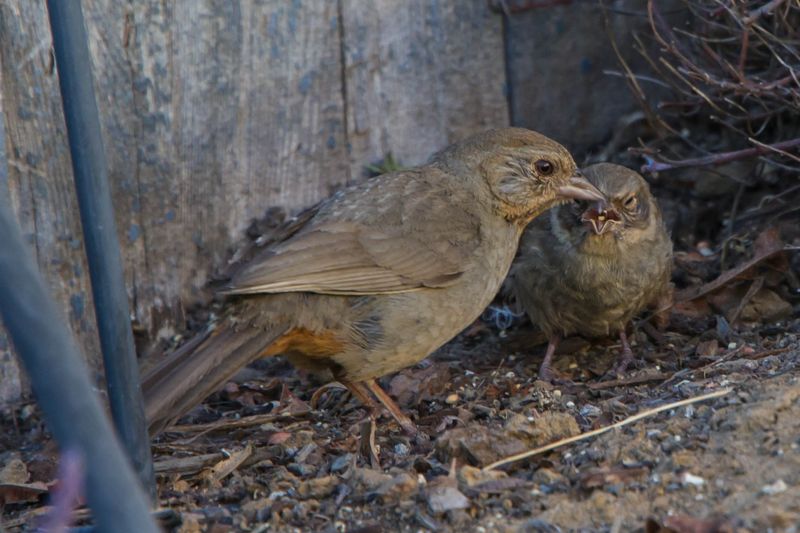
Plain and brown, the California Towhee is easy to overlook, but its presence means your garden floor is doing its job. These birds spend most of their time hopping across the ground, scratching through leaves and dirt to find seeds and insects.
You will often hear a sharp metallic chip note before you spot one. They like brushy edges and low cover where they can dash for safety when something startles them. Leaving a layer of fallen leaves under your shrubs gives them the perfect hunting ground.
Towhees pair for life and tend to stay in the same territory year-round. If you see two of them hopping together, you are likely watching a bonded couple that trusts your yard enough to stick around.
To keep them coming back, scatter a little millet or cracked seed on the ground near bushes. Avoid using pesticides, since these birds depend on tiny insects for part of their diet.
A shallow water dish placed low will also draw them in for a drink or quick bath. When towhees settle into your space, it shows your garden offers steady food and safe hiding spots. That balance of cover and ground food is a strong sign you have built a welcoming habitat.
2. Anna’s Hummingbirds Need Reliable Nectar Sources
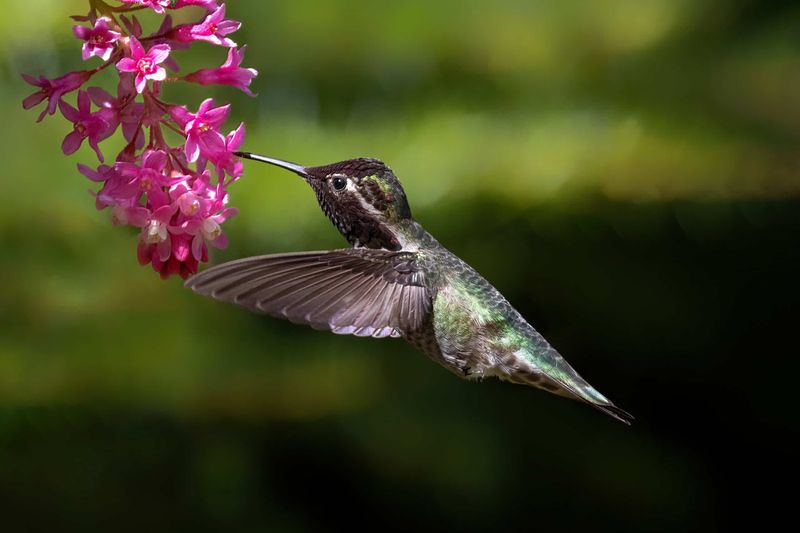
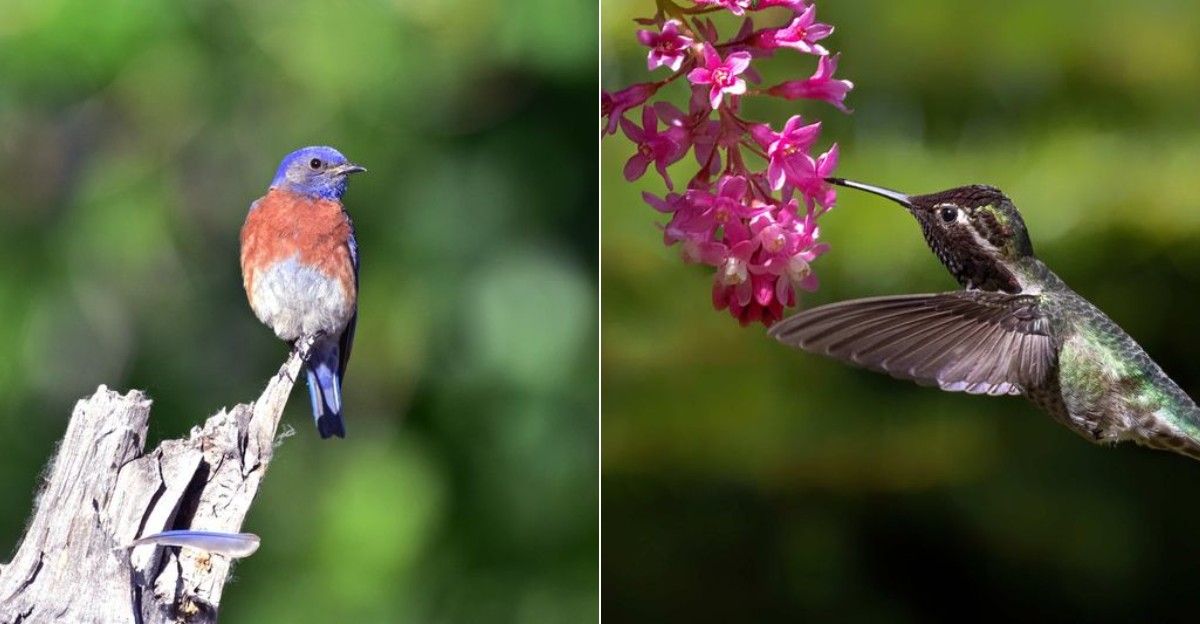
Flashing a brilliant pink throat in the sunlight, the male Anna’s Hummingbird is a tiny showstopper. Unlike many hummingbirds, this species sticks around California all year, which means it counts on gardens for steady nectar.
When one zips through your yard, it is checking for flowers or feeders that offer a dependable meal. These birds burn energy fast and need to eat often, so a reliable food source really matters to them.
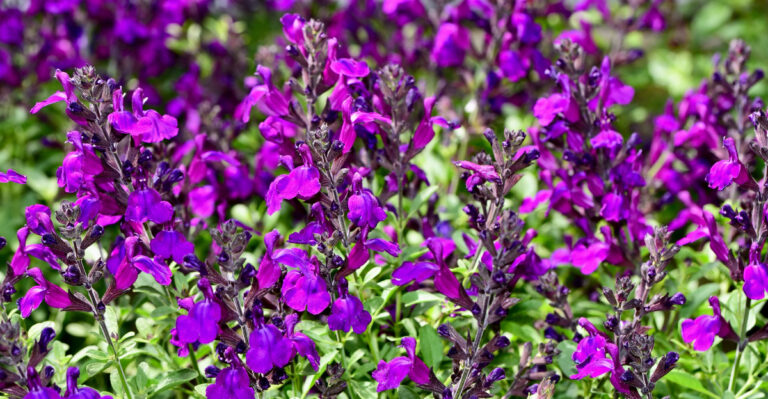
Planting tubular blooms like salvia, fuchsia, or California fuchsia gives them natural nectar. Bright red and orange flowers tend to catch their eye first, so mixing in those colors helps.
If you hang a feeder, use a simple mix of one part sugar to four parts water, and skip the red dye. Clean the feeder every few days so the nectar stays fresh and safe.
Your California Garden Changes Every Week. Your Plan Should Too.
Gardening in California changes quickly throughout the season. Every Friday you’ll receive a simple weekly plan showing exactly what to plant, prune, fertilize, harvest, and protect so you never miss the right timing.
Anna’s Hummingbirds are surprisingly bold and will often perch nearby to guard their favorite food spot. You might even see the males do a dramatic diving display during breeding season.
Their sharp buzzing sound is a clue they are close. When these jewels return day after day, it shows your garden provides the steady energy they need. Few sights confirm a healthy yard quite like a hummingbird happily feeding.
3. Bushtits Look For Insects Around Shrubs
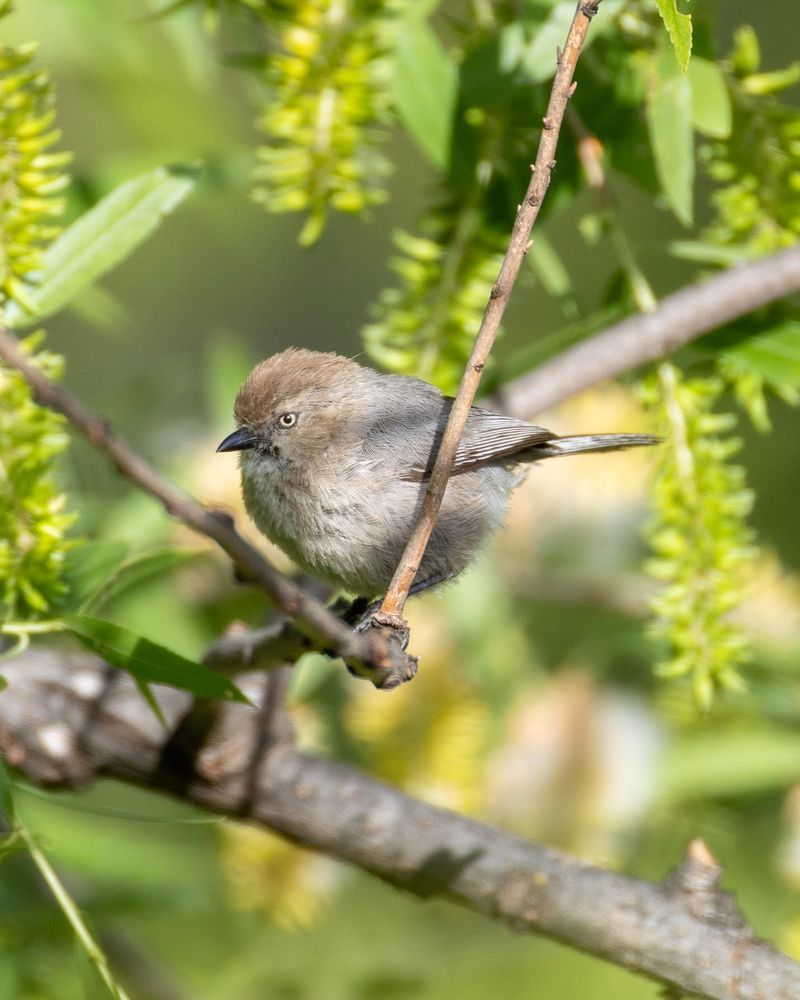
Traveling in busy little flocks, Bushtits arrive like a cheerful cloud of activity. These tiny gray birds move through shrubs and bushes together, chattering softly as they hunt for insects and spiders.
Spotting a group of them means your plants are hosting the small bugs they crave. That might sound odd, but a garden with insects is a healthy garden, and Bushtits prove it.
They rarely sit still, flitting from branch to branch and hanging upside down to reach hidden prey. Their acrobatic style makes them fun to watch as they comb every leaf.
To welcome them, plant dense shrubs and native bushes that give both shelter and food. Skipping pesticides is important, since those chemicals remove the very insects Bushtits rely on.
During nesting season, they build amazing hanging nests woven from spider webs, moss, and plant fibers. These soft pouches can take weeks to finish and stretch like little socks.
Because they eat aphids and other pests, Bushtits act as natural helpers for your plants. A flock passing through can clean up a garden quickly. When these social little birds keep visiting, it means your shrubs are alive with the small creatures that support a balanced ecosystem.
That is a quiet win for any gardener.
4. California Scrub-Jays Appreciate Acorns And Other Food
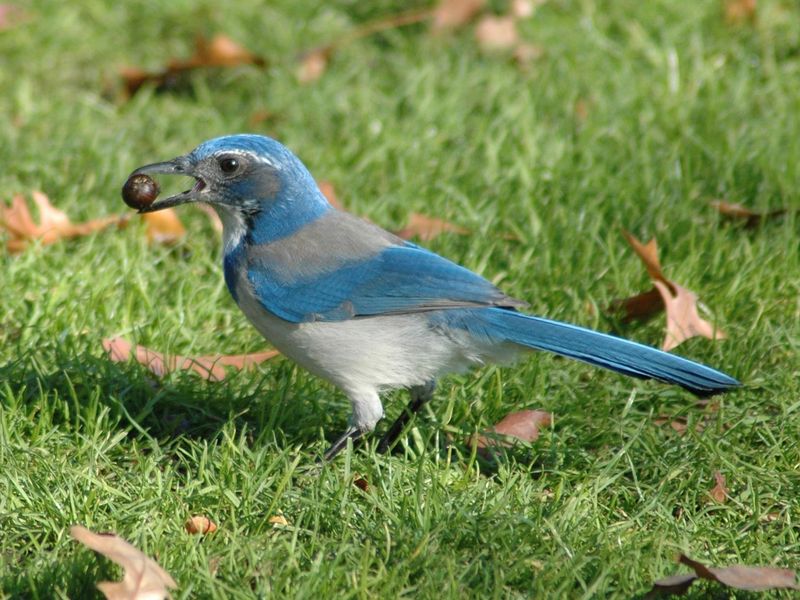
Bold, bright, and impossible to ignore, the California Scrub-Jay brings a splash of blue to any yard. Smart and curious, these birds quickly learn which gardens offer a good meal.
When one shows up, it often means you have oak trees or foods nearby that jays love. They are especially fond of acorns, which they bury to save for later.
A single jay may hide thousands of acorns each fall, and they remember many of those spots. The ones they forget sometimes grow into new oak trees, making jays accidental gardeners.
These birds also eat insects, berries, and even peanuts left out on a feeder. If you want to attract them, offer unsalted peanuts in the shell and watch them cart the treats away.
Scrub-jays are loud and confident, often calling with harsh notes to warn others of danger. Their alarm calls can alert the whole garden when a hawk or cat appears.
Because they need trees for storing food and nesting, their presence hints at a mature, varied landscape. Planting a native oak is one of the best gifts you can give them.
When these clever blue birds claim your yard, it signals your garden offers both food and the kind of habitat that supports long-term wildlife.
5. White-Crowned Sparrows Arrive As Fall Approaches
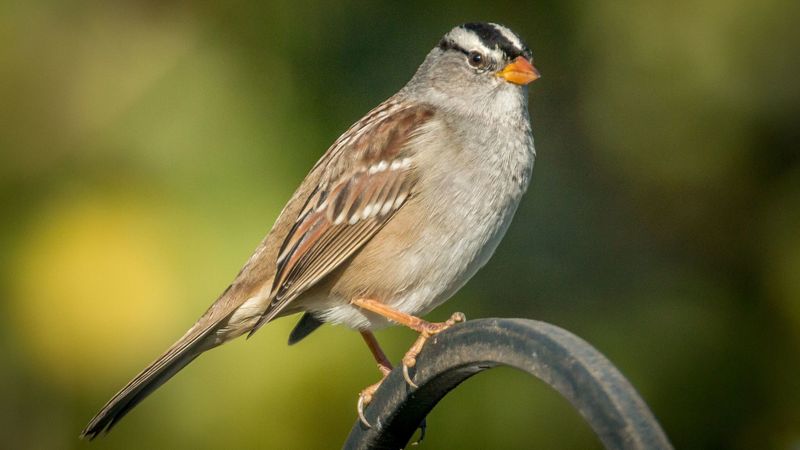
With crisp black and white stripes across their heads, White-Crowned Sparrows are easy to recognize. Their arrival is like a seasonal calendar, since many show up in California as fall settles in.
Spotting these sparrows means your garden offers the seeds and shelter migrating birds look for. Many travel long distances and need safe places to rest and refuel.
They forage on the ground, hopping and scratching for seeds beneath shrubs and along garden edges. A quiet corner with low plants gives them the cover they prefer.
Their song is a sweet series of whistles that changes slightly depending on the region. Listening closely, you might notice the local dialect of your neighborhood flock.
To help them feel at home, scatter small seeds near bushes and keep a low water source available. Native grasses that produce seed heads are also a natural favorite.
These birds tend to travel in loose groups, so seeing several at once is common in cooler months. They mix well with towhees and finches at ground level.
When White-Crowned Sparrows choose your yard as a stopover, it shows your space fits into the larger migration path. Supporting travelers like these makes your garden part of something much bigger, helping birds survive their long seasonal journeys across the state.
6. Northern Mockingbirds Like Fruit-Rich Yards
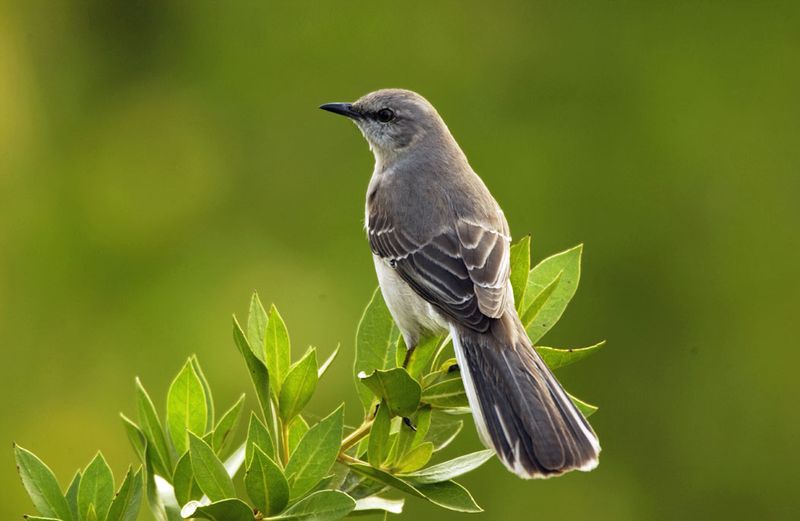
Famous for copying dozens of other birds, the Northern Mockingbird is a true garden performer. A male may sing hundreds of different tunes, sometimes right through the night.
When one takes up residence in your yard, it often means you have fruit and berries it enjoys. These birds love feasting on ripe berries during the warmer months.
Planting native shrubs like toyon, elderberry, or coffeeberry gives them a steady supply of food. Fruit-bearing plants are a big reason mockingbirds settle in an area.
They are fiercely protective of their territory and will chase off cats, crows, and even people who wander too close to a nest. That boldness makes them memorable neighbors.
Besides fruit, they also snap up insects from lawns and open ground. This mixed diet means a healthy yard with both plants and bugs suits them perfectly.
Their gray bodies and flashy white wing patches are easy to spot as they flick their tails. During flight, those white markings seem to signal to other birds.
Mockingbirds often return to the same yard year after year once they find it suitable. When one belts out its endless song from your fence, it means your fruit-rich garden has become a favorite home worth defending and celebrating.
7. House Finches Visit Gardens With Seeds And Water
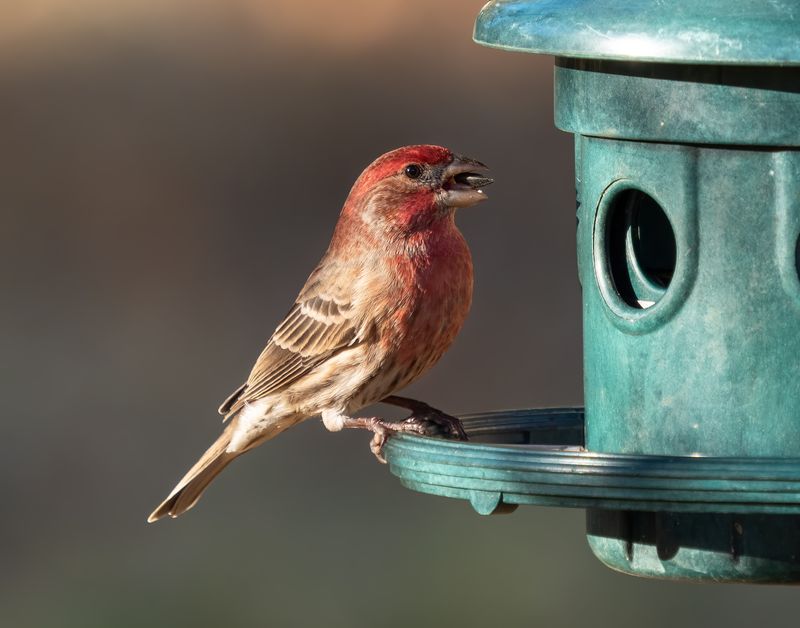
Cheerful and social, House Finches bring a warm splash of red to feeders across California. The males wear rosy heads and chests, while females stay streaky brown.
When flocks of them gather in your yard, it usually means you offer seeds and clean water. These birds are big fans of sunflower seeds and thistle.
They are among the most common feeder visitors, often showing up in noisy little groups. Their bubbly, warbling song fills the air as they feed and chatter.
Setting out a tube feeder filled with black oil sunflower seeds is a sure way to attract them. Keep the seed dry and refill it regularly to keep the crowd happy.
Water is just as important, so a birdbath can turn an ordinary yard into a busy hangout. House Finches love to splash and drink, especially on hot days.
Their diet leans heavily on plants, which is unusual since most birds feed insects to their young. Even their babies eat mostly seeds.
These finches adapt easily to neighborhoods, nesting in hanging baskets, wreaths, and ledges. Their friendly, easygoing nature makes them a joy to watch.
When House Finches make your garden a regular stop, it shows you have the simple basics right: dependable seeds and fresh, clean water they can count on.
8. Western Bluebirds Appreciate Open Feeding Areas
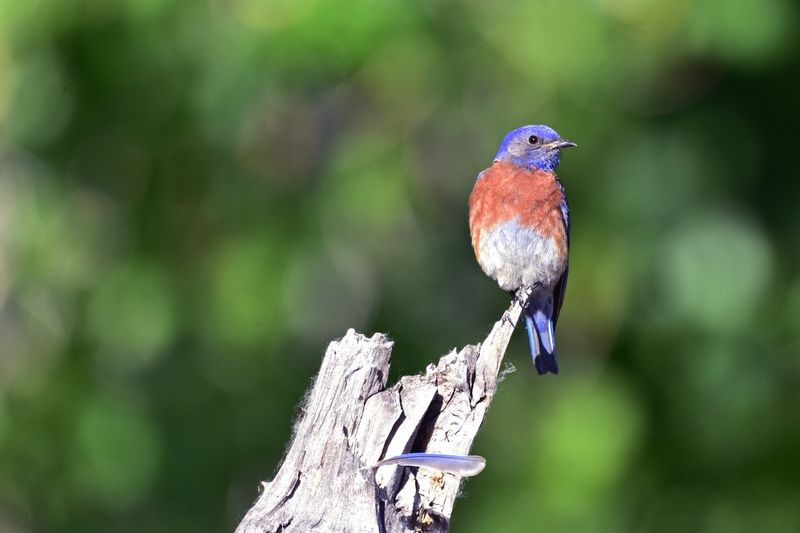
Few sights match the thrill of a Western Bluebird flashing its deep blue feathers across a yard. With a rusty orange chest, this bird looks almost too colorful to be real.
Seeing one means your garden includes open spaces where they can hunt for insects. Bluebirds like to perch high, then swoop down to grab bugs from the grass.
They favor low grass and open ground because it makes spotting prey much easier. A yard with some clear, open areas suits their hunting style well.
Setting up a nest box can be a game changer, since these birds readily use them. Place the box facing an open field or lawn for the best results.
Besides insects, they enjoy berries during colder months when bugs are scarce. Native fruit plants help them stay fed all year long.
Western Bluebirds often nest in family groups, and older siblings sometimes help feed the new chicks. That teamwork is unusual and fascinating to watch.
They tend to avoid crowded, cluttered spaces, so their presence hints at a well-balanced yard. A mealworm feeder can also tempt them to visit more often.
When bluebirds settle in, it shows your garden offers the mix of open room and food they need. That colorful visitor is a true badge of success.