Why North Carolina Hostas Are Turning Yellow And What To Do About It
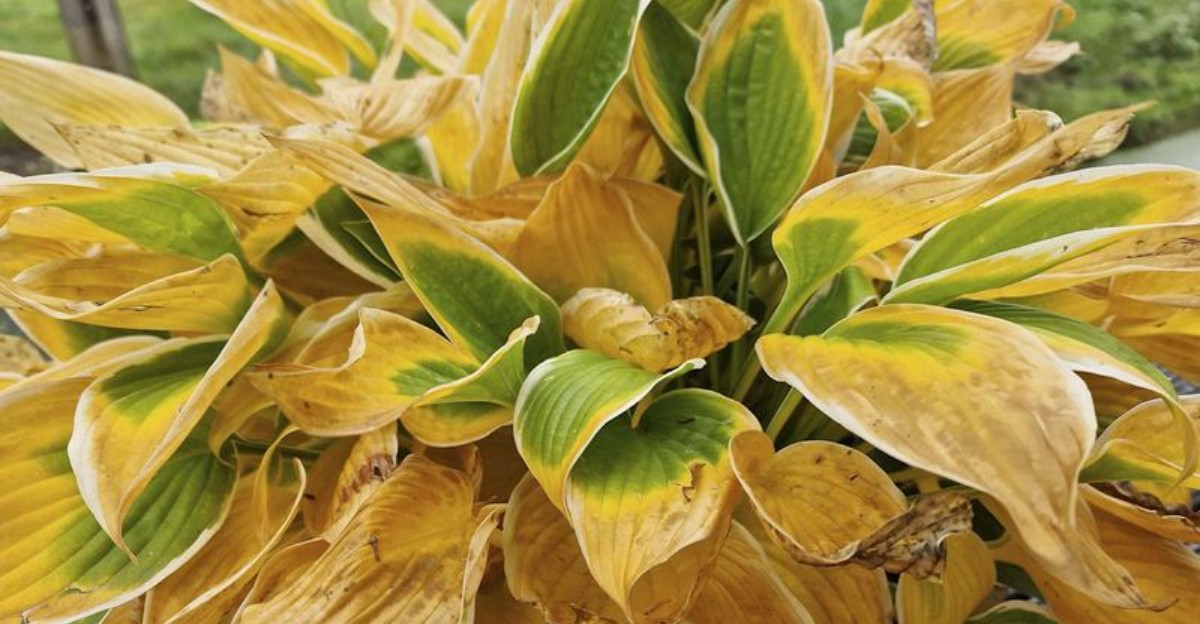
Hostas turning yellow in a North Carolina garden can point to a handful of different causes, and figuring out which one applies makes all the difference in how to respond.
Too much direct sun is a common culprit in this region, since many hosta varieties are bred for shade and struggle when exposed to the kind of intense summer light North Carolina regularly delivers.
Overwatering or poorly draining soil can also cause yellowing by suffocating the roots, while nutrient deficiencies or natural end-of-season wilt can produce similar symptoms later in the year.
Because the right fix depends entirely on the actual cause, treating yellowing hostas the same way every time often does little to help.
Identifying what’s really behind the yellowing is the first step toward getting these shade-loving plants back to their full green color.
1. Some Yellowing Is Simply Normal Aging
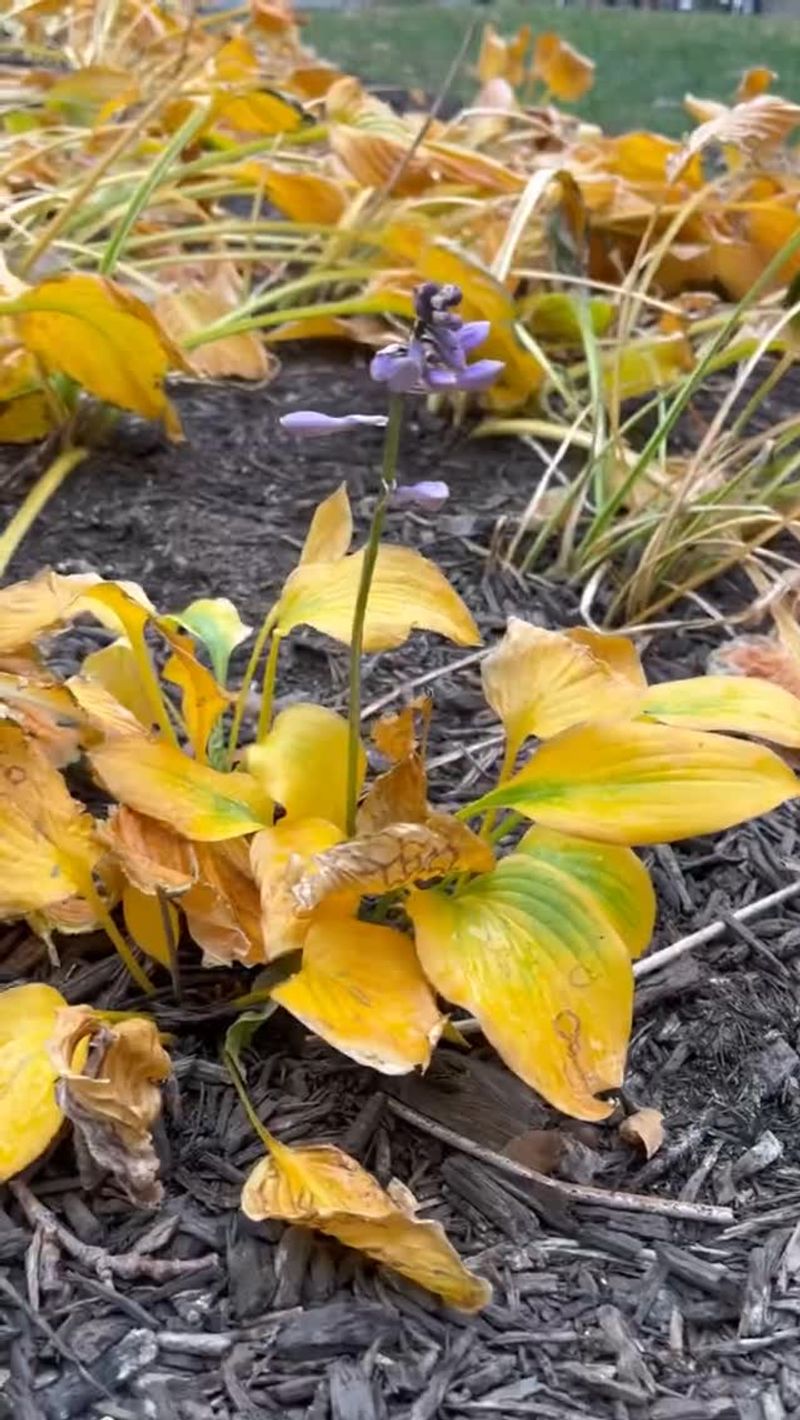
Before you panic over a few yellow leaves, take a breath. Older hostas often shed their outermost foliage as the season winds down, and this is completely natural.
The bottom leaves, which are the oldest, usually change first. They may fade from bright green to soft yellow, then slowly wilt near the ground. Newer leaves at the center of the plant stay firm and healthy, which is a good sign that nothing is wrong.
As fall arrives in North Carolina, hostas begin storing energy in their roots to rest through the cold months.
During this process, the plant pulls nutrients out of the aging leaves, and those leaves lose their green color. Think of it like the plant cleaning house before a long nap.
You do not need to do much here. If the yellow leaves look messy, you can gently snip them away with clean scissors. This keeps the garden tidy and lowers the chance of pests hiding in the softening foliage.
One easy way to tell normal aging from a real problem is location. Yellowing that starts at the outer edges and moves inward slowly usually means aging. Yellowing that appears suddenly across the whole plant often points to stress instead.
Give your hosta a quick look each week so you can spot patterns early. When only the older leaves fade while the crown stays strong, relax and enjoy the show. Your plant is simply following its yearly schedule, and it will return fresh and full next spring.
2. Too Much North Carolina Sun Can Scorch Leaves
Hostas are shade lovers at heart, so blasting them with hot sun rarely ends well. Most types thrive in filtered light or dappled shade under trees, where the harsh rays stay softened.
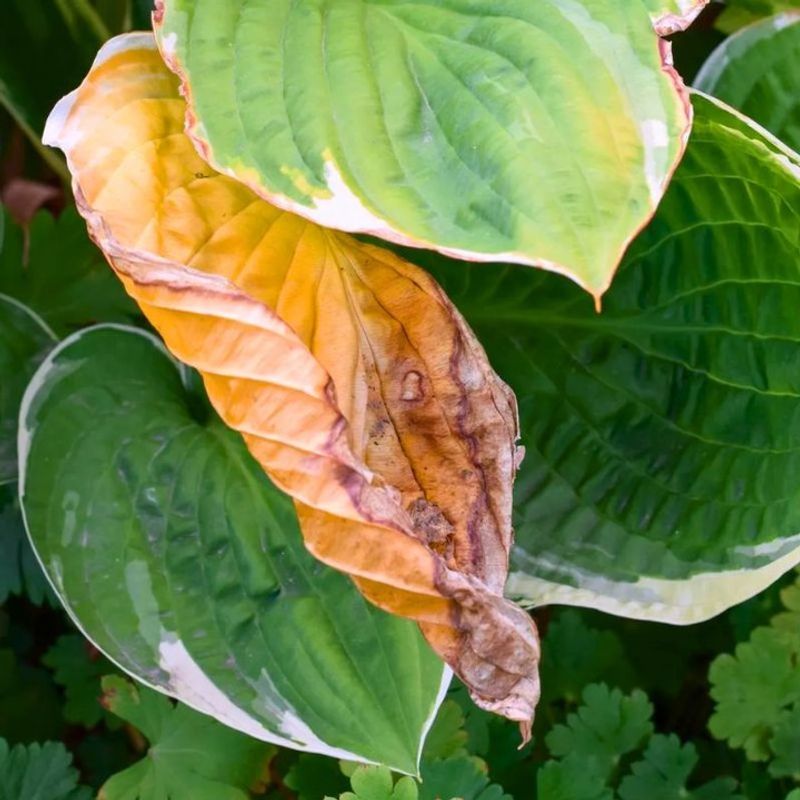
North Carolina afternoons can get intense, especially in summer. When strong sunlight hits hosta leaves for hours, the color often washes out to pale yellow or nearly white. The edges may turn crispy and brown, a look gardeners call scorch.
Different hosta varieties handle light differently. Blue and dark green types usually want deep shade, while some gold and variegated kinds tolerate a bit more brightness. Still, even the tougher ones struggle under blazing afternoon heat.
Your North Carolina Garden Changes Every Week. Your Plan Should Too.
Gardening in North Carolina changes quickly throughout the season. Every Friday you’ll receive a simple weekly plan showing exactly what to plant, prune, fertilize, harvest, and protect so you never miss the right timing.
If your plant sits in a sunny spot, watch how the light moves across your yard through the day. Morning sun tends to be gentle and friendly, while late afternoon sun packs the biggest punch. Aim to give hostas shade during those hottest hours.
You have a few good options for fixing sun problems. Moving the plant to a shadier corner works well, and early spring or fall is the best time to transplant.
If digging it up feels like too much, try planting a leafy companion nearby or adding a small shade structure.
Another simple trick is grouping hostas beneath taller shrubs or trees. This natural canopy blocks the strongest light and keeps the soil cooler too.
With the right amount of shade, your hostas will trade that bleached look for rich, healthy color that lasts all season.
3. Drought Stress Can Turn Leaves Yellow
Thirsty hostas send clear signals, and yellow leaves are often one of them. These plants love steady moisture, so dry spells hit them harder than many other garden favorites.
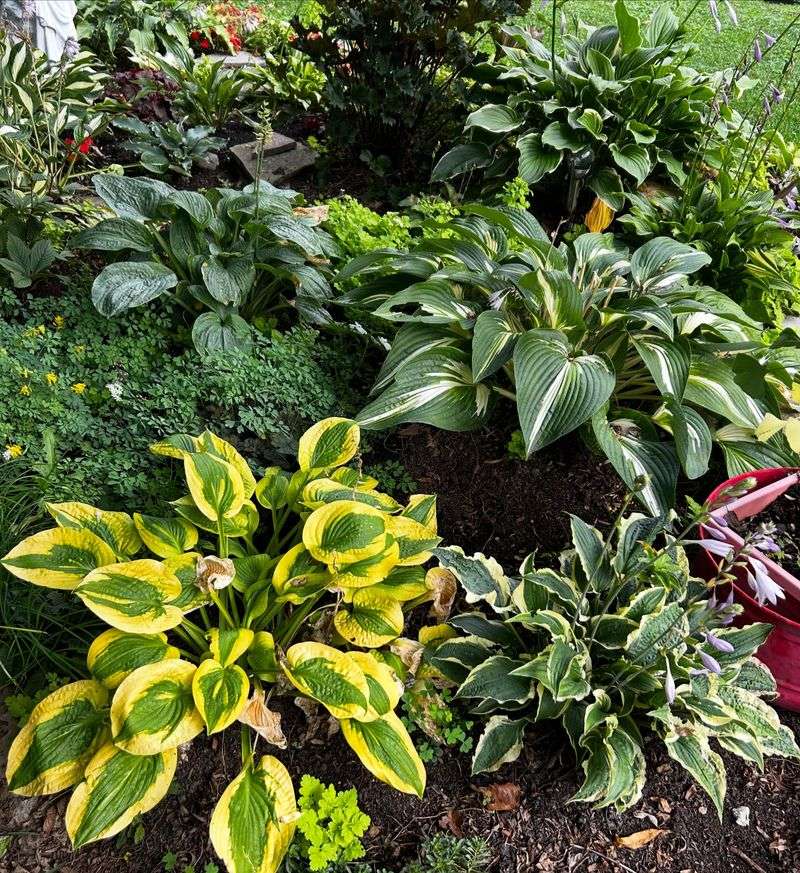
When the soil dries out during a hot North Carolina stretch, hosta leaves start to droop and lose their glossy green. The edges may turn brown and papery, while the rest of the leaf fades to a tired yellow. The whole plant can look flat and sad by afternoon.
Big leaves need a lot of water to stay firm, and they lose moisture fast on windy or humid days. If rain has been scarce, your hosta likely wants a drink more often than you think.
Deep watering beats quick sprinkles every time. Aim for about one inch of water per week, and pour it slowly at the base so it soaks down to the roots. Shallow watering only wets the surface and leaves the roots reaching for more.
Morning is the smart time to water. The plant gets a full drink before the heat arrives, and the leaves dry off during the day, which lowers the risk of disease.
Feel the soil a couple inches down before watering. If it feels dry and crumbly, it is time. If it still feels damp, wait another day so you do not overdo it.
With a reliable watering habit, your hostas stay plump and green even when summer turns cranky. A little consistency goes a long way toward keeping them happy.
4. Too Much Water Can Also Cause Problems
Here is a twist that surprises many gardeners: overwatering can look almost exactly like underwatering. Soggy roots and thirsty roots both lead to yellow leaves, which makes soil moisture worth checking closely.
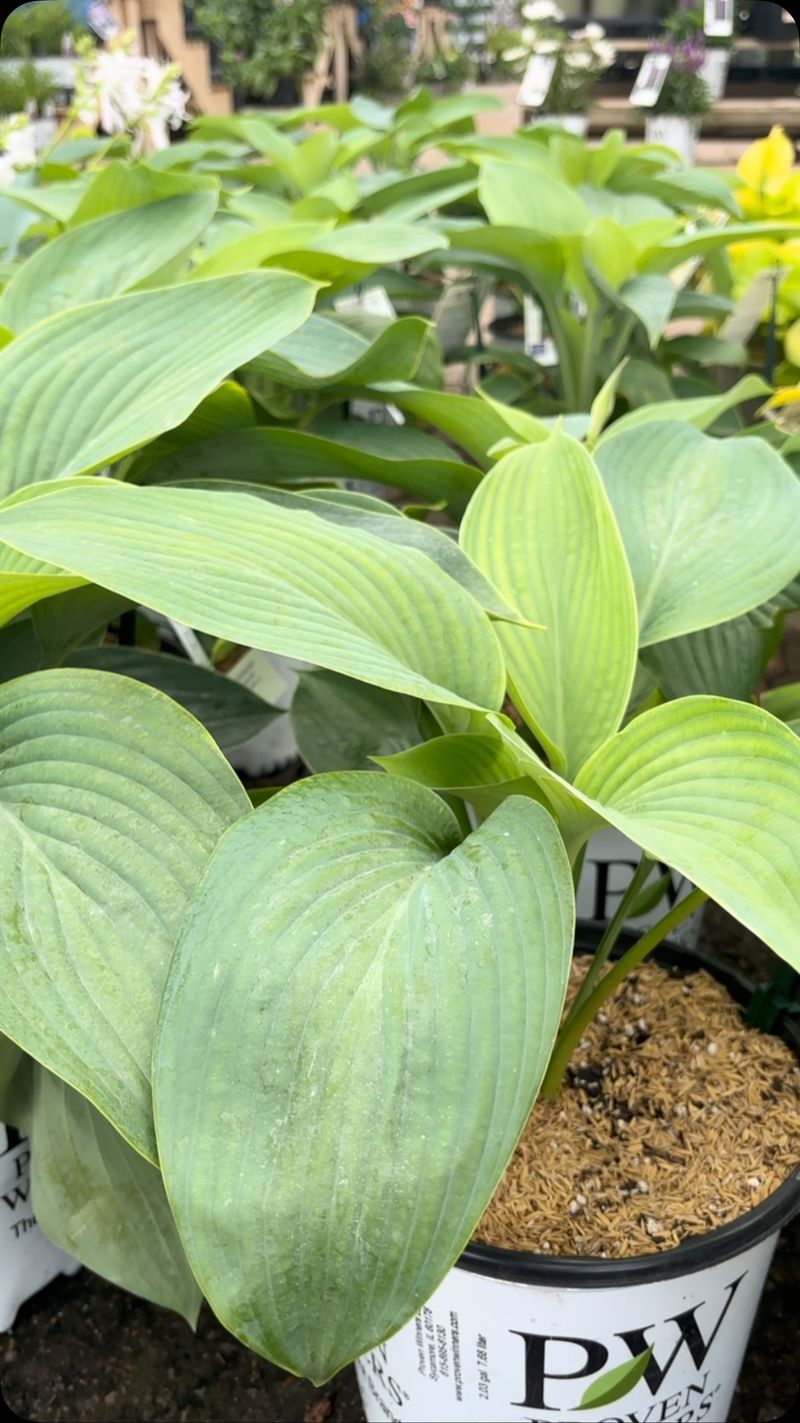
Hostas like moist soil, not a swamp. When the ground stays wet all the time, roots cannot breathe properly. They slowly weaken, and the plant struggles to take up nutrients, which shows up as fading, yellowing foliage.
Heavy clay soil, common in parts of North Carolina, holds water like a sponge. Add frequent rain or daily watering, and the roots may sit in muck for days. That kind of environment invites rot and unhappy plants.
Good drainage matters just as much as regular watering. If water pools around your hosta after a storm, the spot may be too low or too dense. Mixing compost into the soil helps loosen it and lets extra water flow away.
Raised beds and gentle slopes also help wet spots drain faster. If your hosta lives in a container, make sure the pot has holes in the bottom so water never gathers at the roots.
Test the soil before adding more water. Push a finger down a couple inches, and only water when it feels dry. This simple habit stops you from drowning the plant with kindness.
Balance is the goal here. Aim for soil that feels like a wrung-out sponge, damp but never dripping. Get that right, and your hostas will reward you with strong roots and vibrant leaves.
5. Check The Soil Before Adding Fertilizer
Reaching for fertilizer the moment you spot yellow leaves is a common mistake. More food is not always the answer, and sometimes it makes matters worse.
Yellowing has many causes, and most of them have nothing to do with hunger. Before you feed the plant, play detective. Look at the sunlight, the soil moisture, the drainage, and the general health of the crown.
Start by touching the soil. Is it bone dry or soaking wet? Either extreme can fade the leaves without any nutrient shortage.
Next, notice where the plant sits and whether harsh afternoon sun reaches it.
Piling on fertilizer when the real problem is water or light only stresses the roots further. Too much fertilizer can even burn them, leaving you with more yellow leaves than you started with.
Hostas are not heavy feeders. In most North Carolina gardens, a light dose of balanced, slow-release fertilizer in early spring is plenty. Rich soil topped with compost often supplies all the nutrients they need.
If you truly suspect poor soil, a simple soil test gives you real answers instead of guesses. Local garden centers and extension offices can help you read the results and decide what, if anything, to add.
Rule out the easy fixes first. Adjust watering, improve shade, or fix drainage, then watch for a week or two. Often the plant recovers on its own once the real issue is solved. Feeding should be your last step, not your first reaction.
6. Watch For Slugs And Other Pests
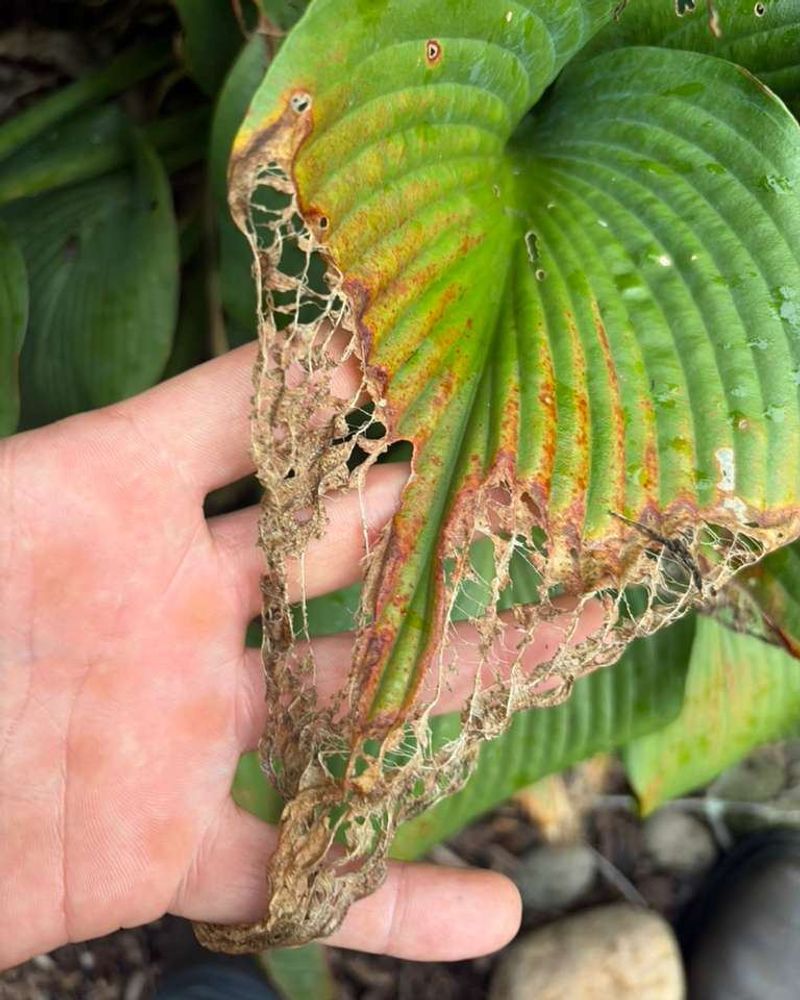
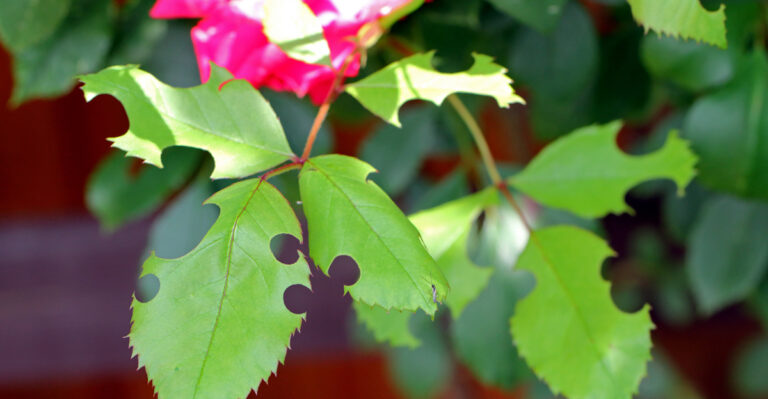
Slugs treat hostas like an all-you-can-eat buffet, and the damage they leave behind can fade and weaken the leaves. If you notice ragged holes and slimy trails, these slippery visitors are likely the culprits.
Slugs feed at night and hide during the day, so you might never catch them in the act. They chew through soft leaves, leaving irregular holes that turn yellow and brown around the edges as the tissue gives out.
Damp, shady spots are exactly where hostas grow and exactly where slugs love to hang out. That overlap makes hostas one of their favorite targets in North Carolina gardens.
Other pests can cause trouble too. Insects, mites, and even accidental scrapes from a lawn mower or foot traffic can damage leaves and lead to yellowing along the wounds.
Take a close look at both sides of the leaves and the soil around the plant. Check under the foliage and near the crown, since that is where many pests gather and hide.
You have plenty of gentle ways to fight slugs. Handpicking them at dusk works surprisingly well, and setting out a shallow dish of beer lures them away from your plants. Crushed eggshells or copper tape around the bed can also block their path.
Keeping the garden tidy helps a lot. Clearing away decaying leaves and debris removes hiding spots and lowers pest numbers naturally.
A quick weekly inspection lets you catch problems early, long before they spread across your whole hosta patch.
7. Protect The Root Zone With Mulch
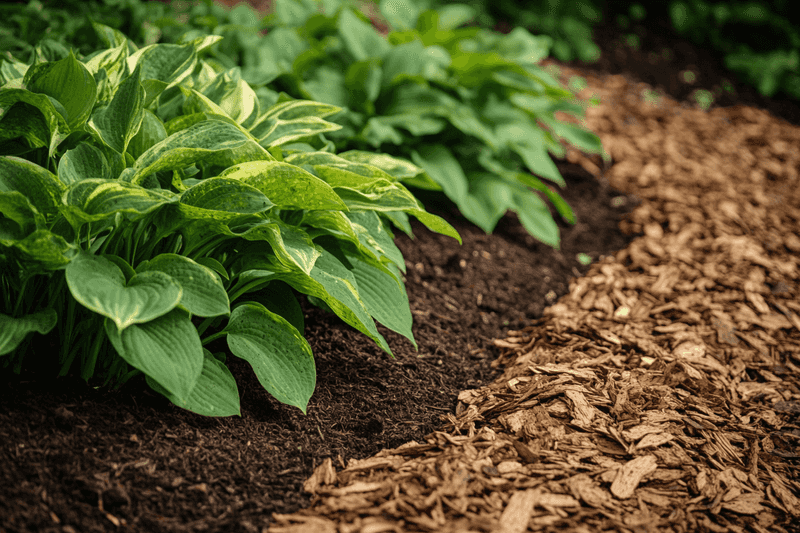
A good layer of mulch is like a cozy blanket for your hosta’s roots, and it solves several yellowing problems at once. It keeps moisture steady and shields the soil from harsh temperature swings.
North Carolina summers can bake the ground, while sudden dry spells leave roots parched. Mulch slows down water loss, so the soil stays evenly damp between waterings. That steady moisture keeps leaves green instead of stressed and faded.
Organic mulches work best because they break down over time and feed the soil. Shredded bark, pine straw, and chopped leaves are all excellent choices that blend right into a shady garden.
Spread the mulch about two to three inches deep around the plant. Too thin, and it will not hold moisture. Too thick, and it can smother the roots or trap too much dampness.
Here is a key detail many people miss. Keep the mulch a few inches away from the center crown of the hosta. Piling it against the stems traps moisture there and invites rot, which can quickly turn leaves yellow.
Mulch also helps in cooler months by protecting roots from freezing and thawing. This steady environment lets the plant rest peacefully through winter and wake up strong in spring.
Refresh the layer once a year as the old mulch breaks down. This small task pays off with healthier soil, fewer weeds, and hostas that hold their color beautifully. A little mulch truly goes a long way in keeping your plants comfortable.
8. Know When To Leave The Plant Alone
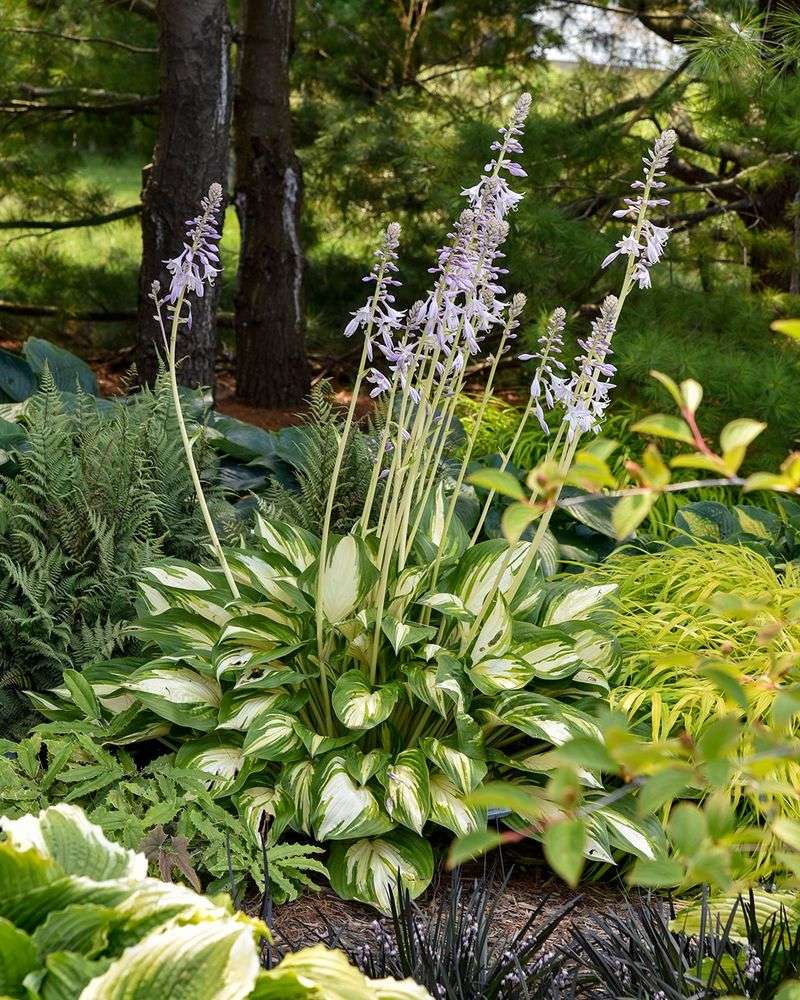
Sometimes the best thing you can do for a hosta is nothing at all. Not every yellow leaf calls for action, and fussing too much can stress the plant more than it helps.
Healthy hostas naturally shed older leaves as the seasons shift. When the crown stays firm and the newer growth looks strong, a little yellowing around the edges is simply part of the plant’s normal cycle.
As fall settles over North Carolina, your hosta starts preparing for its winter rest. The leaves fade and soften as the plant pulls energy down into the roots, storing it for a fresh start next spring.
Trying to fix this natural process only wastes your effort. There is no need to water more, feed more, or worry more when the plant is simply following nature’s schedule.
That said, you can still tidy up. If some leaves look badly damaged, ragged, or mushy, snip them off with clean scissors. Removing the worst foliage keeps the garden neat and cuts down on hiding spots for pests.
Learn to read the signs. Slow, even yellowing from the outside in usually means normal decline, while sudden yellowing everywhere hints at a problem worth checking.
Trust your plant a little. Hostas are tough, forgiving perennials that come back reliably year after year with very little help. Once you understand the difference between trouble and natural change, you can relax and enjoy the view.
Give it space, let the season run its course, and look forward to lush new leaves come spring.