The Best Time Of Day To Overseed Your Michigan Lawn This Fall
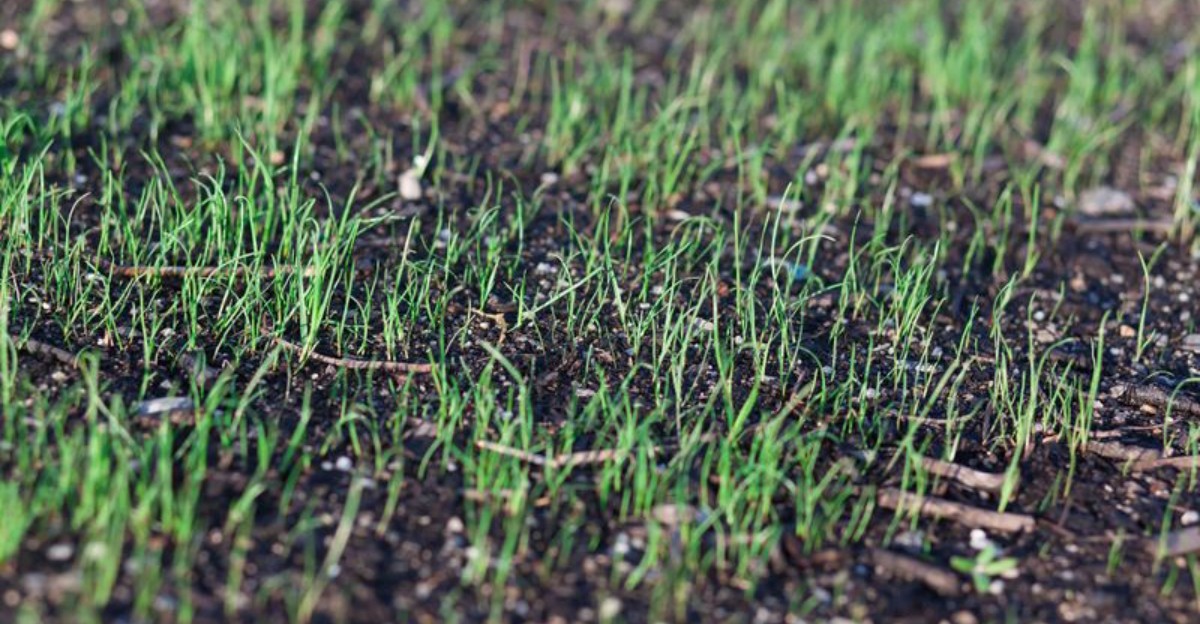
Timing matters just as much as the calendar when it comes to overseeding a Michigan lawn in fall, and time of day plays a bigger role than many homeowners realize.
Seeding during the cooler parts of the day, particularly early morning or late afternoon, helps prevent seeds from drying out too quickly under direct sun and harsh midday heat.
This timing also tends to align better with natural dew and moisture patterns, giving new seed the consistent dampness it needs to germinate successfully.
Overseeding in the heat of midday can stress delicate new seedlings before they’ve had a real chance to establish. Paying attention to this simple timing detail can make a noticeable difference in how evenly and successfully a Michigan lawn fills in this fall.
1. Early Morning Is Often The Best Starting Point
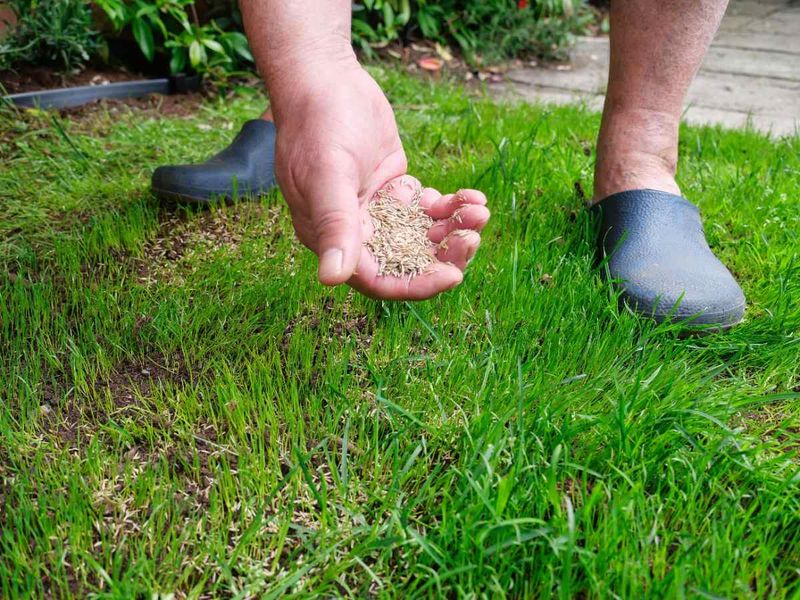
Nothing beats stepping outside on a calm fall morning with a bag of grass seed in hand. The air feels cool, the sun sits low, and the whole yard seems ready for a fresh coat of green.
Morning works so well because temperatures stay mild during those early hours. Cooler air means water in the soil evaporates slowly, so the seedbed stays damp longer.
That steady moisture gives your new seeds a much better chance to soak up water and start growing.
Dew also plays a helpful role. When you seed in the morning, the natural moisture already resting on the ground adds a little extra help without any effort from you. Your seeds settle into a soft, damp surface that welcomes fast rooting.
Another perk is that you have the entire day ahead to watch over your work. If a spot looks dry by afternoon, you can add a light sprinkle of water to keep things even. This kind of gentle attention leads to smooth, thick growth across the whole lawn.
Wind tends to stay calmer in the morning too, which keeps your seed from scattering into places you never planned. That means better coverage and less waste from your bag.
Getting an early start also fits nicely into a weekend routine. You finish the job before the day heats up, and your seeds spend the coolest hours settling in.
For many Michigan gardeners, morning is the friendly window that sets the stage for lush success.
2. Late Afternoon Can Also Work
Maybe mornings feel too rushed, and that’s perfectly fine. Late afternoon offers a wonderful second chance to spread seed while conditions stay friendly.
By the time the sun starts dropping, the harshest heat of the day has faded. Temperatures cool down, and the ground begins to hold moisture better.
Seeds spread during these hours get to rest through the cooler evening and overnight, which helps them settle without drying out fast.
Early evening brings another bonus. As night arrives, humidity often rises and dew begins to form. That gentle dampness surrounds your fresh seed and keeps the surface comfortable for hours, giving roots a peaceful window to begin their work.
Your Michigan Garden Changes Every Week. Your Plan Should Too.
Gardening in Michigan changes quickly throughout the season. Every Friday you’ll receive a simple weekly plan showing exactly what to plant, prune, fertilize, harvest, and protect so you never miss the right timing.
Skipping the middle of the day is the key here. Around noon, sunlight beats down hard and moisture disappears quickly. Seeds placed in that heat struggle to stay damp, and uneven patches often show up later.
Waiting until the afternoon cools solves that problem with ease. Late-day seeding also fits busy schedules.
If your mornings fill up with work or family plans, you can still tackle the lawn once things settle down. A quick session before dinner leaves your yard ready to rest overnight.
Just be sure to water lightly after you finish so the seedbed starts off moist. Then let the cool evening do the rest. With a little planning, an afternoon project can grow into a thick, healthy carpet of grass that makes your Michigan yard the envy of the block.
3. Soil Temperature Matters More Than The Clock
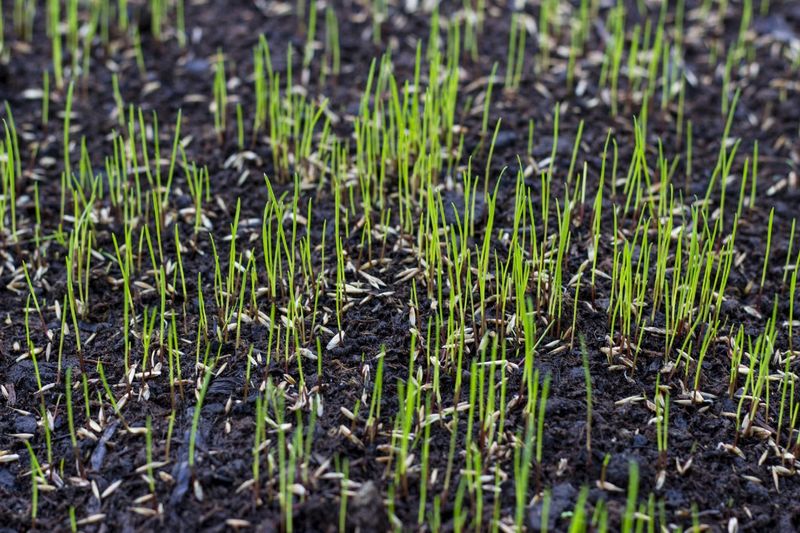
Here’s a secret that surprises many lawn lovers: the exact hour you seed matters less than how warm the ground feels. Grass seeds care most about soil temperature, not the time on your phone.
Cool-season grasses like those common in Michigan sprout best when the soil sits somewhere between the mid 50s and mid 60s in degrees.
Fall brings this sweet spot naturally, as summer heat fades and the ground slowly cools. When temperatures land in that range, seeds wake up and grow with real energy.
Checking soil warmth is easier than you might think. A simple soil thermometer poked a couple inches into the ground gives you a quick reading. If the number falls in the right zone, you know the timing is on your side no matter what the clock says.
Air temperature matters too. Mild fall days paired with cool nights create the steady conditions grass roots love. Push too early while summer heat lingers, and your seeds may bake instead of grow.
Paying attention to these numbers keeps you from guessing. Instead of hoping for the best, you plant with confidence, knowing the ground is ready to support strong roots.
Think of soil temperature as the true green light for your project. Once it reaches that friendly range, morning or afternoon both become smart choices.
The clock helps you pick a convenient moment, but the thermometer tells you the seeds will actually thrive. Trust the ground, and your lawn rewards you with thick, even growth.
4. Good Seed-To-Soil Contact Is Essential
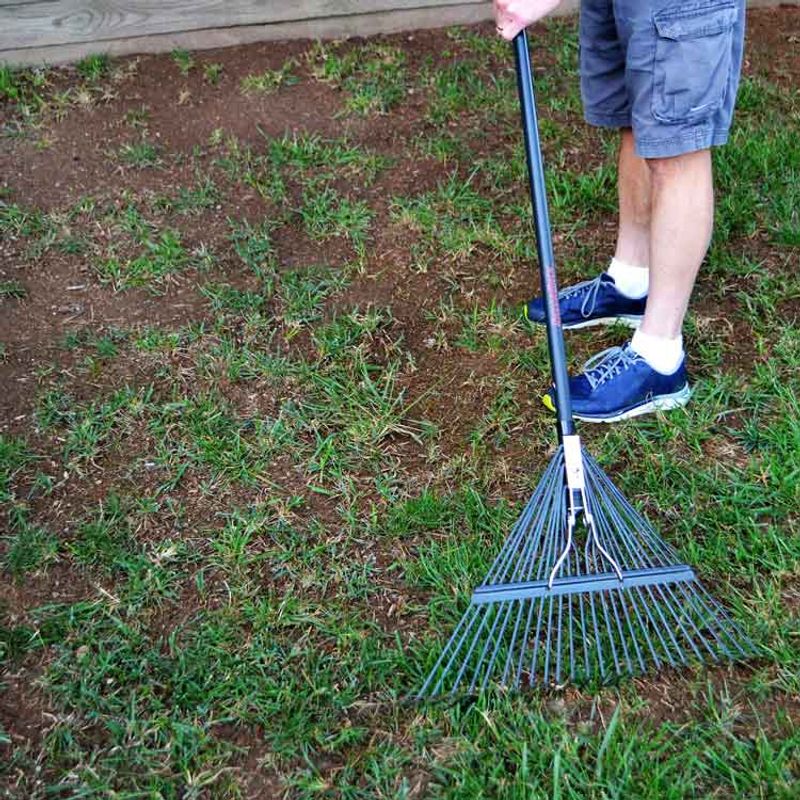
Picture tiny seeds trying to grow while stuck on top of a thick, tangled mat of old grass. They never reach the soil, and they simply can’t take root. That’s why good contact between seed and ground makes such a huge difference.
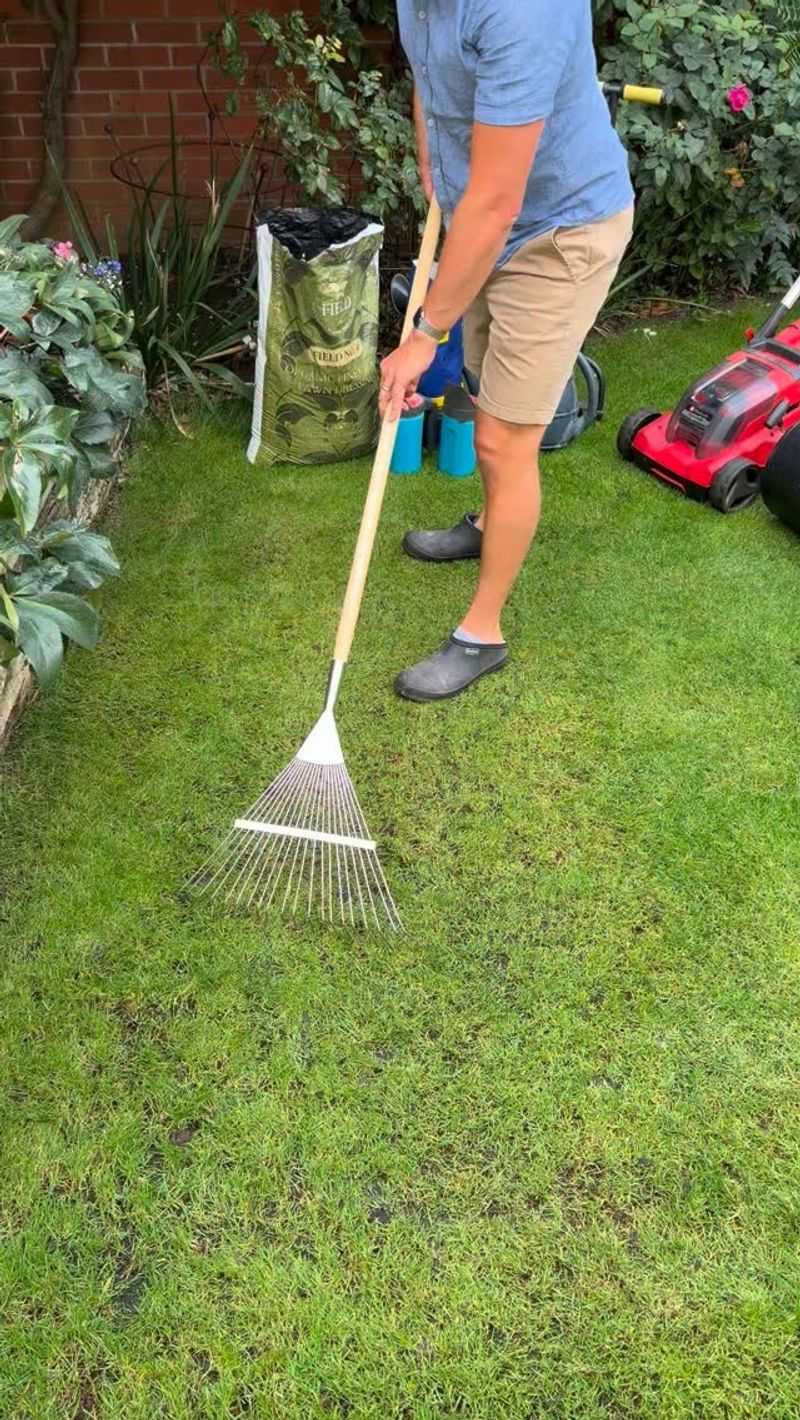
Before you spread a single seed, take time to rake or lightly loosen the surface. Raking clears away leaves, sticks, and clumps that block seeds from touching bare soil.
It also breaks up crusty spots so seeds can slip into little grooves where moisture waits.
Thatch is the layer of old stems and roots that builds up over time. When it grows too thick, seeds land on it instead of the dirt below. Removing or thinning that layer opens a clear path straight to the soil, giving each seed the connection it needs.
A gentle rake after seeding helps too. Lightly working the seed into the top of the soil covers it just enough to hold moisture and hide it from hungry birds. You don’t want to bury it deep, only nestle it in.
Bare or thin spots deserve extra care. Scratch up those areas first so seeds settle into loose earth rather than hard packed ground. Soft soil welcomes roots and speeds up growth.
This simple prep step often decides whether your lawn fills in evenly or comes up patchy. A few minutes of raking sets your seeds up for real success. Give them solid ground to grip, and watch your Michigan lawn thicken beautifully through the fall.
5. Keep The Seedbed Consistently Moist
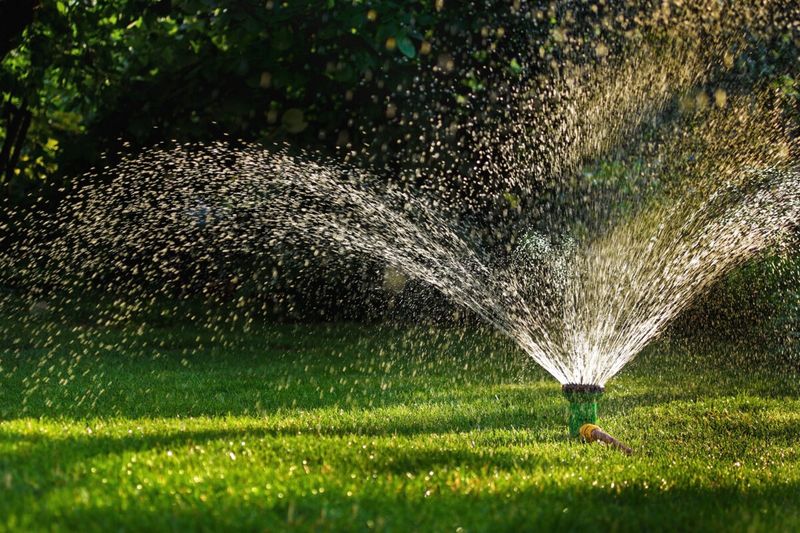
Water is the lifeline for every new seed, and steady moisture makes all the difference. Once you spread your seed, keeping that top layer of soil damp becomes your most important daily job.
Newly seeded ground needs to stay moist while the seeds sprout. During this stage, the surface should feel like a wrung out sponge, damp but not soaked. Light watering once or twice a day usually keeps things just right without drowning the seeds.
Letting the surface dry out and then wetting it again causes real trouble. Seeds that begin to swell and then dry out can be severely damaged, leading to poor germination and patchy results.
Short, gentle watering sessions work better than one heavy soaking. A quick sprinkle keeps the surface damp while avoiding puddles that wash seeds away. As the seedlings grow taller, you can slowly water less often and more deeply to build strong roots.
Cooler fall weather helps you here, since the ground holds moisture longer than in summer. Even so, sunny or breezy days can dry things fast, so check the surface often. A quick touch tells you whether it’s time for more water.
Staying on top of moisture during those first couple weeks pays off big. Even, steady dampness leads to even, steady growth.
Give your seeds the reliable water they crave, and your Michigan lawn will fill in thick and green, rewarding your care with a fresh green blanket.
6. Avoid The Hottest Part Of The Day

Spreading seed under a blazing midday sun sounds simple, but it often backfires. The hottest hours create the toughest conditions for tiny seeds trying to grow.
When the sun sits high, heat pulls moisture out of the soil at lightning speed. Any water you add seems to vanish within minutes, leaving the seedbed dry and cracked. Seeds sitting in that dryness struggle to soak up what they need.
Hot, dry afternoons also stress the surface where your seeds rest. Instead of a cool, damp bed, the seeds face a warm, thirsty layer of soil. That kind of environment slows sprouting and leads to uneven patches later on.
Wind often joins the midday heat, and together they dry things out even faster. You might water again and again yet still watch the ground turn dry within the hour.
That wasted effort adds up quickly. Choosing cooler parts of the day solves this whole problem.
Morning and late afternoon hold moisture far better, so your seeds stay comfortable and your watering actually lasts. The same bag of seed simply performs better when the timing avoids peak heat.
If a warm fall afternoon rolls in, it’s fine to wait a few hours. Patience here protects your work and your water bill.
Keeping seed away from the harshest sunshine gives every seed a fair shot at growing strong. Plan around the heat, and your Michigan lawn thanks you with thick, even coverage instead of scattered thin spots. Cooler moments truly bring the best results.
7. Do Not Wait Until Cold Weather Arrives

Timing your fall project right can be the difference between a thriving lawn and a disappointing one. Waiting too long into the season leaves your seeds short on time to grow.
Cool-season grasses in Michigan need several weeks of mild weather to sprout and build roots. If you seed too late, cold temperatures arrive before the young grass grows strong enough to handle winter.
Those tender seedlings simply run out of warm days. Early fall usually offers the perfect window.
The soil still holds summer warmth, and the air turns comfortably cool. That combination pushes seeds to sprout quickly and settle in before frost begins to visit at night.
Roots matter most during this time. Grass that develops a solid root system before winter can rest safely through the cold and bounce back green in spring. Grass planted too late lacks those roots and may struggle to return.
Watching your local growing calendar helps you nail the timing. In much of Michigan, late summer through early fall gives seeds the runway they need. Aim to finish seeding while several weeks of decent growing weather still remain.
Getting an early jump also protects your investment. Seed and effort both cost you, so timing the work well makes sure none of it goes to waste.
Plan ahead and mark your calendar so cold weather never catches your project off guard. Seed while the season still favors growth, and your Michigan lawn heads into winter strong, ready to wake up thick and lush once spring returns.
8. Protect New Grass After Seeding

Once your seeds are in the ground, the job isn’t quite finished. Those first few weeks decide how well your new grass takes hold, so a little protection goes a long way.
Foot traffic is one of the biggest threats to young grass. Every step presses down on tender seedlings and disturbs the soil around them. Keeping people and pets off the fresh area gives the little blades room to grow undisturbed.
Try to avoid extra disturbance too. Running mowers, dragging hoses, or piling leaves on new grass can undo all your hard work. Treat the seeded zone gently until the grass grows tall and thick enough to handle normal use.
Watering stays important during this stretch. Continue giving the area steady moisture so roots keep growing deeper each day. As the grass fills in, you can slowly water less often and let it toughen up on its own.
A simple marker or a few small flags can remind everyone to walk around instead of through the new patch. This easy step saves you from replanting later.
Clearing away heavy leaf piles also helps. Thick layers block sunlight and trap dampness, which can smother the young blades below. A light raking keeps things open and healthy.
Give your seedlings the calm, cared for start they deserve, and they reward you with a strong stand of grass before winter.
A bit of patience now means a thick, green Michigan lawn that returns full and beautiful when the warm weather rolls back around next spring.