Scents That Squirrels, Chipmunks, And Other Michigan Garden Pests Hate
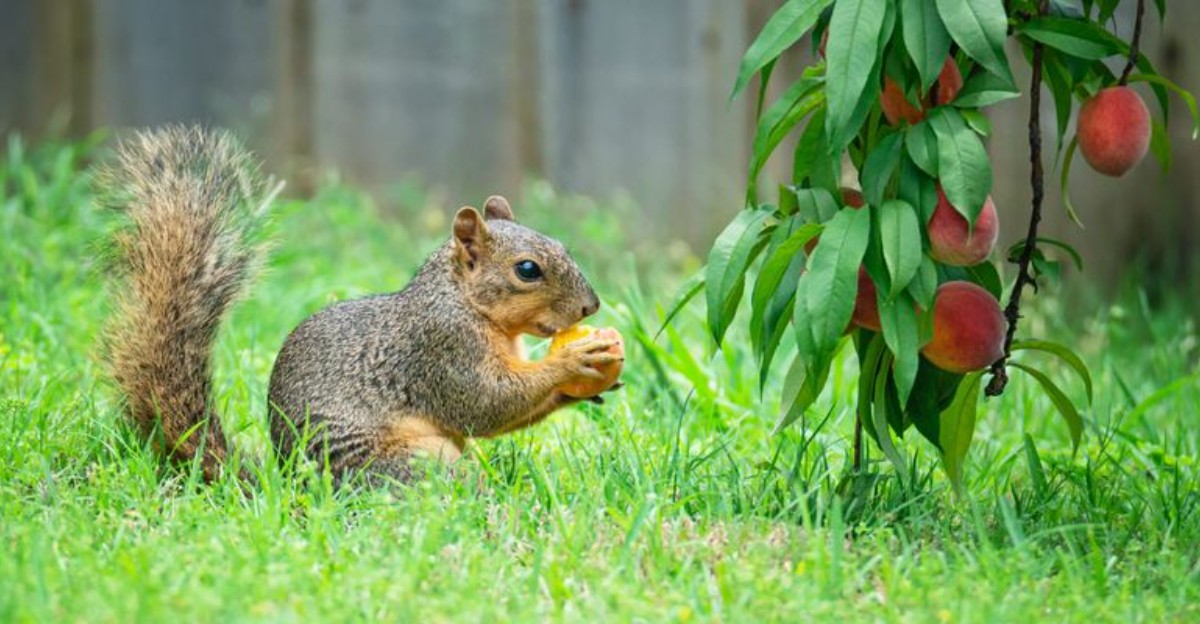
Certain smells can make a Michigan garden considerably less appealing to squirrels, chipmunks, and other common yard pests looking for an easy meal.
Many of these animals rely heavily on scent to locate food, and strong, unfamiliar odors can disrupt that process enough to send them elsewhere.
Ingredients like peppermint, garlic, and certain hot pepper compounds are frequently used for this purpose, either planted directly in the garden or applied as sprays around vulnerable areas.
While scent deterrents aren’t a permanent fix on their own, they can meaningfully reduce browsing and digging when combined with other prevention strategies like secure fencing or covered planting beds.
Understanding which scents actually work gives Michigan gardeners a more natural option for keeping persistent pests at bay.
1. Peppermint Has A Strong Aroma
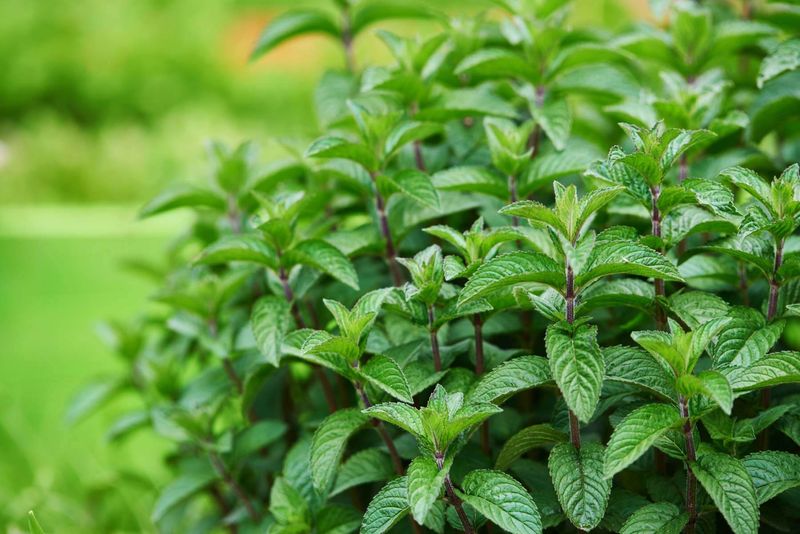
Ever walked past a peppermint plant and felt that cool, sharp punch in your nose? Many gardeners believe that same strong smell bothers squirrels and chipmunks, whose tiny noses are far more sensitive than ours.
The idea is simple. When an area smells overwhelming, small animals may feel uneasy and choose to wander somewhere else. Some folks spray diluted peppermint oil near flower beds or soak cotton balls and tuck them close to the plants they want to protect.
Still, peppermint is not magic. Its power fades fast outdoors, especially when the sun beats down or the wind carries the scent away. A rainy afternoon can wash it off completely, leaving your garden smelling like plain soil again.
The animal matters too. A curious chipmunk with plenty of other food nearby might shrug off the smell, while a hungrier one may not care at all. Effectiveness changes from yard to yard and from season to season.
If you want to try peppermint, plan to refresh it often. Reapply after storms, heavy dew, or a few warm days, since the aroma weakens quickly.
Keeping the scent fresh gives it the best shot at working. Think of peppermint as one small helper rather than a full solution.
Pairing it with other methods, like tidying up food scraps or adding barriers, usually gives you far better results than counting on the smell by itself. It is a gentle, pleasant-smelling option worth testing in your own garden.
2. Garlic Can Make Garden Areas Less Appealing
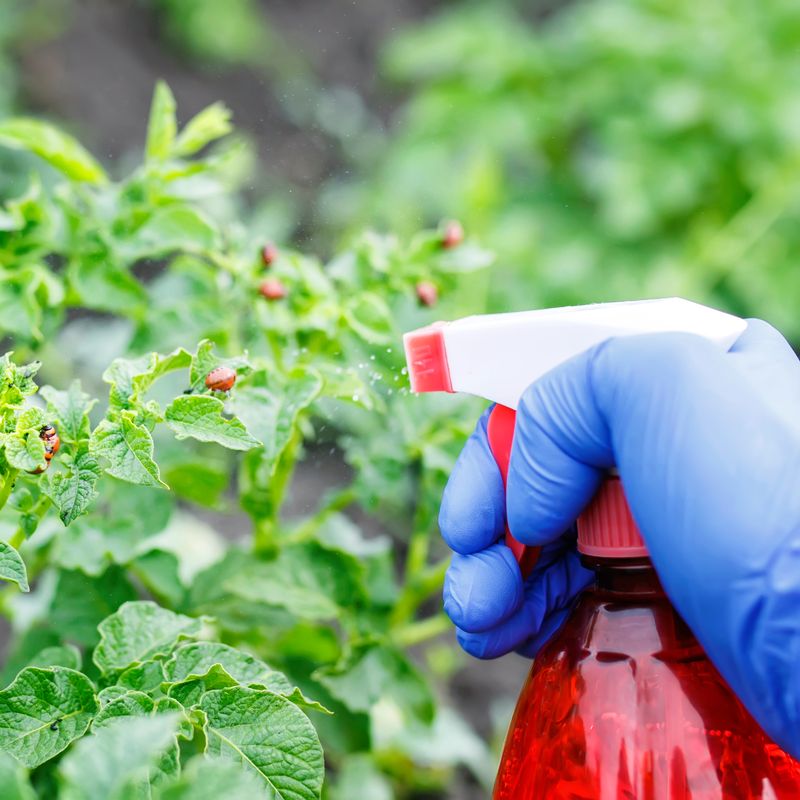
Garlic has a reputation for clearing a room, and that bold odor might do a little work in your garden too. The pungent smell can make certain spots feel unpleasant to animals that would rather sniff out something tastier.
Some gardeners crush garlic cloves and scatter them around plants, while others mix garlic into a homemade spray. The strong scent lingers in the air and on leaves, which may nudge a chipmunk or squirrel to explore a different corner of the yard.
Here is the honest truth though. Garlic is not a promised fix for squirrels or chipmunks. These animals are clever and adaptable, and a determined visitor will often push past a smell if a snack is waiting on the other side.
Your Michigan Garden Changes Every Week. Your Plan Should Too.
Gardening in Michigan changes quickly throughout the season. Every Friday you’ll receive a simple weekly plan showing exactly what to plant, prune, fertilize, harvest, and protect so you never miss the right timing.
Weather plays a big role as well. Rain, heavy dew, and hot sun all break down the odor, so what smelled powerful in the morning may barely register by evening. That means you would need to refresh it regularly to keep any effect going.
Garlic works best as a small piece of a bigger plan. Combine it with clean-up habits and sturdy barriers instead of expecting the smell to guard everything on its own.
If you enjoy experimenting, garlic is cheap and easy to try. Just keep your expectations realistic and watch how the animals in your yard respond.
Some gardens see a little relief, while others notice no change at all, and both outcomes are completely normal.
3. Hot Pepper Scents Can Discourage Some Pests
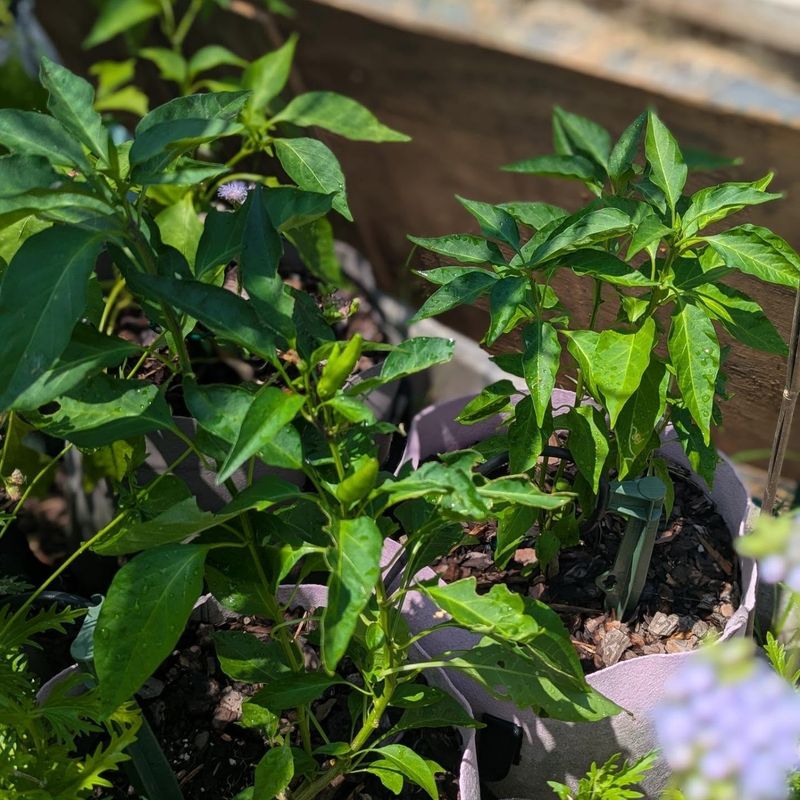
That fiery burn you feel after biting a hot pepper comes from a chemical called capsaicin, and it can bother certain garden visitors too. The sharp scent and taste may convince some animals to leave your plants alone.
Products made with capsaicin are sold specifically to discourage mammals from nibbling on flowers, bulbs, and veggies. When an animal gets a whiff or an unpleasant taste, it often decides the meal is not worth the trouble.
The smart move here is to reach for commercially made products rather than mixing your own spicy spray at home. Store-bought options are tested, labeled, and designed to be used safely around plants and gardens.
Following the label matters a lot. Each product tells you how much to use, where to apply it, and how often to reapply. Skipping those directions can waste the product or harm your plants.
Homemade pepper mixtures can be tricky. They may be too strong, too weak, or applied in ways that cause problems, so the labeled products take out the guesswork and give you steadier results.
Keep in mind that hot pepper scents work on some animals better than others. A squirrel with a bold appetite might still test your garden, while a cautious chipmunk may back off quickly.
Used correctly and refreshed as directed, capsaicin products can be a helpful layer in your garden defense. Pair them with tidy habits and physical barriers for the strongest overall protection, and always store spicy sprays safely away from children and pets.
4. Strong Herbal Scents May Help At The Garden Edge
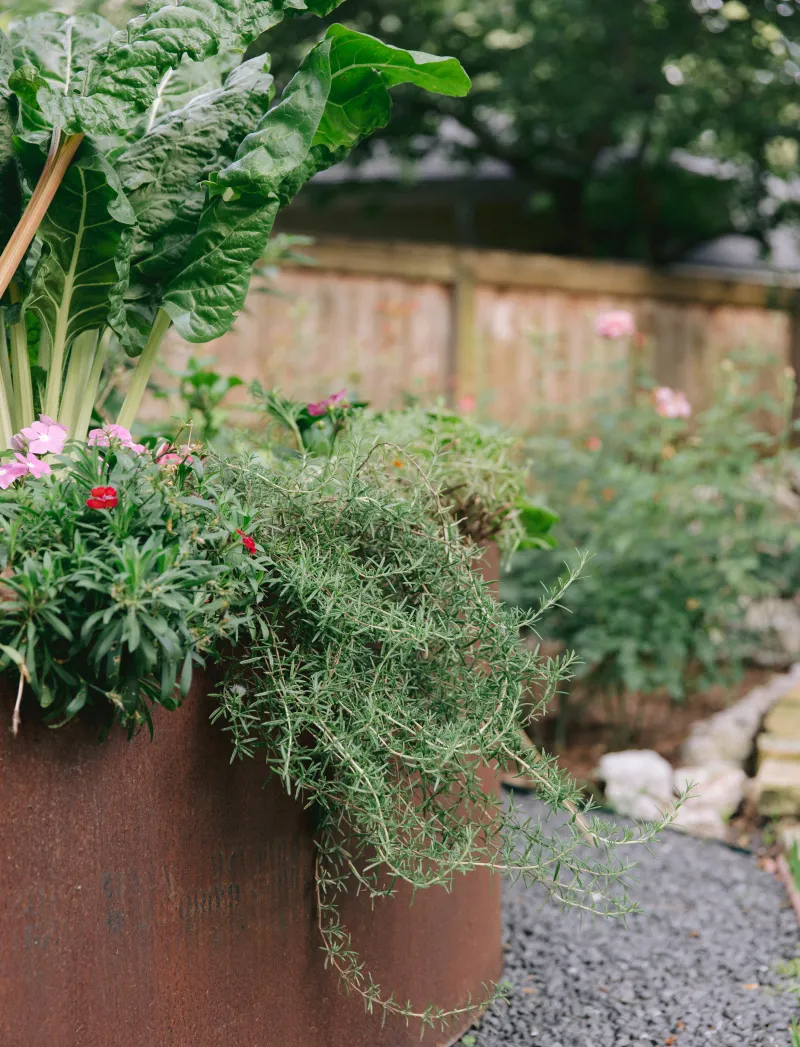
Picture a garden lined with fragrant herbs releasing their scent every time the breeze passes. Aromatic plants like mint, rosemary, and sage fill the air with bold smells that some animals would rather avoid.
Planting these herbs along the edge of your garden can create a scented border. The strong aromas may make the space feel less inviting, encouraging curious critters to look elsewhere for their next snack.
There is a nice bonus too. These herbs are useful in the kitchen, pretty to look at, and easy to grow in Michigan, so even if the animals ignore them, you still gain fresh seasonings and greenery.
Be honest with yourself about what herbs can do, though. Planting mint or sage will not clear your yard of wildlife on its own. Hungry animals often push right past strong smells when food is nearby.
Think of herbal borders as a soft first line rather than a wall. They add a layer of scent that might slow a visitor down, but they rarely stop a determined squirrel or chipmunk completely.
Mint especially spreads fast, so plant it in pots or contained spaces unless you want it taking over. Rosemary and sage stay tidier and add a woody, pleasant fragrance to the garden.
For the best results, combine your herb border with other steps like cleaning up food and adding barriers. That way the scents work alongside stronger protections, and your garden gets both beauty and a little extra defense from wandering pests.
5. Citrus Odors May Provide Temporary Deterrence
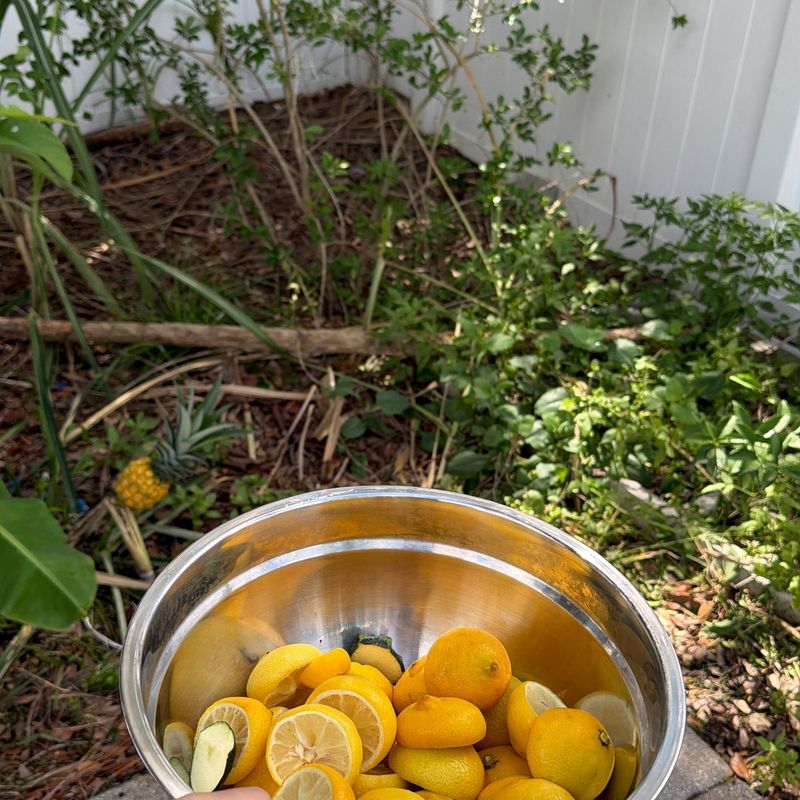
Peeling an orange releases a bright, zesty smell that most people love, but some garden animals find it off-putting. That sharp citrus scent is why gardeners sometimes toss peels around their plants.
Orange, lemon, and grapefruit rinds all carry oils that give off a strong aroma. Scattering them near bulbs or flower beds may make an area smell unpleasant to squirrels and chipmunks passing through.
The catch is that citrus fades quickly outdoors. As the peels dry out, the scent weakens, and the fresh, powerful smell you noticed on day one becomes faint within a short time.
Weather speeds up the process. Rain washes the oils away, hot sun evaporates them, and wind scatters the aroma, so an outdoor citrus barrier rarely lasts long without regular refreshing.
Because of this, citrus works best as a quick, temporary trick rather than a lasting shield. If you rely on it, plan to replace old peels often to keep any scent alive.
There is a small upside worth mentioning. Citrus peels are free leftovers from fruit you already eat, so trying this method costs nothing and gives your scraps a second use before they head to the compost.
Just do not expect miracles. A hungry animal with tasty plants in reach may ignore the smell entirely, especially once the peels lose their punch.
Use citrus as one gentle helper in a larger plan. Combined with clean-up habits and physical barriers, those fragrant peels can add a little extra scent-based discouragement while you rely on stronger methods for real protection.
6. Repellents Work Better When Food Sources Are Removed
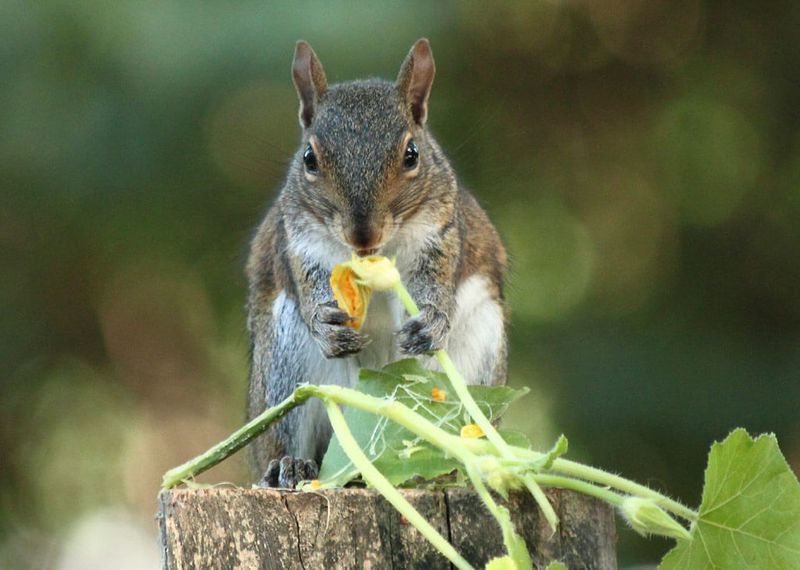
Imagine trying to scare someone away from a table loaded with their favorite snacks. That is basically what happens when you use mild scent deterrents while food sits out in the open for animals to grab.
Squirrels and chipmunks follow their stomachs. When easy meals are everywhere, a faint smell of peppermint or citrus barely registers, because the reward of a snack is simply too tempting to pass up.
The most reliable fix is cutting off the buffet. Spilled birdseed under feeders is a huge draw, so sweep it up or use trays that catch the mess before it hits the ground.
Fallen fruit is another magnet. Apples, berries, and other treats that drop from trees invite animals to visit again and again, so gathering them regularly makes your yard far less exciting.
Garbage matters too. Loose or open trash cans smell like an open invitation, and securing lids tightly removes one of the biggest food temptations around your home.
Once the easy food disappears, scent deterrents finally get a chance to work. With nothing worth staying for, animals are much more willing to move along when a smell bothers them.
Think of it as changing the math for the critters. Less food plus unpleasant scents equals a garden that feels like more effort than it is worth.
Cleaning up may not be glamorous, but it is one of the most powerful steps you can take. Pair tidy habits with your favorite scents, and you will see stronger, steadier results.
7. Reapply After Rain And Heavy Weather
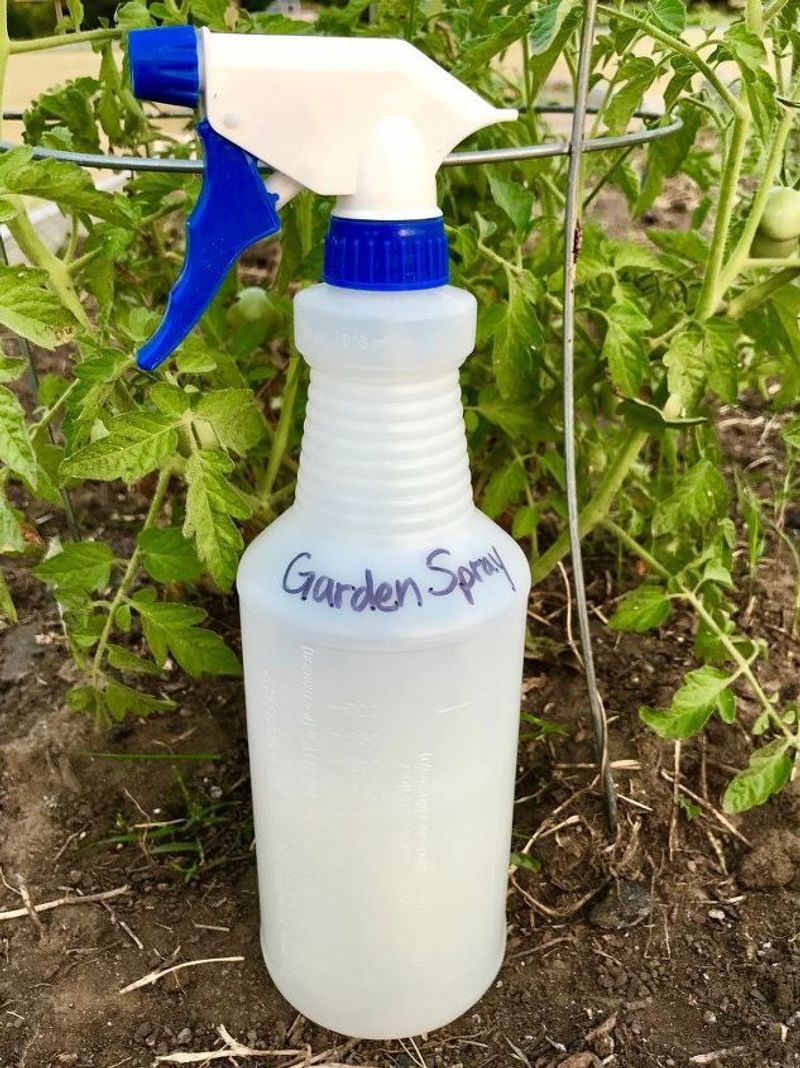
One good storm can undo all your hard work in minutes. Scent-based repellents sit on the surface of soil, leaves, and mulch, and rain washes those smells right off.
Water is the main culprit, but it is not the only one. Heavy dew, melting snow, and even sprinklers can dilute or rinse away the aroma you carefully applied the day before.
Sun and wind add to the problem. Warm sunshine speeds up evaporation, while a steady breeze carries the scent away, leaving your garden smelling ordinary again much sooner than you might expect.
This is exactly why reapplying matters so much. A repellent that vanishes after every shower needs a fresh coat to keep doing its job, or it stops helping altogether.
The smart approach is to follow the product directions closely. Labels tell you how often to reapply and how much to use, and sticking to those instructions keeps things both safe and effective.
Resist the urge to overdo it, though. Spraying too much or too often will not make the scent work better and can waste product or bother your plants.
Get in the habit of checking your garden after big weather. If a storm rolled through overnight, a quick refresh in the morning can restore the protection you lost.
Consistency is the real secret here. Repellents are not a one-time task but an ongoing routine, so build reapplication into your gardening schedule.
A little regular attention keeps the scents fresh and gives your plants steady, dependable coverage all season long.
8. Combine Scents With Physical Protection
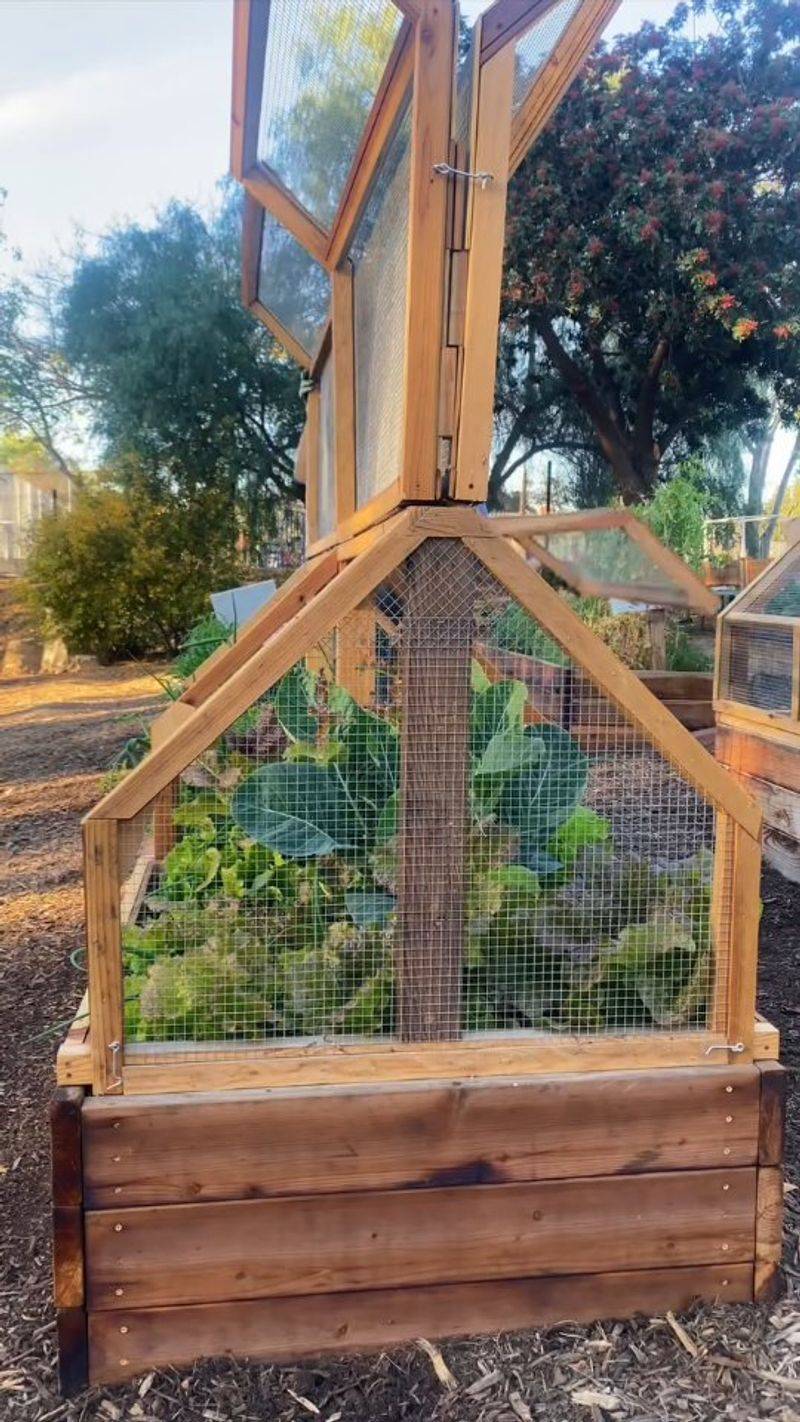
If you really want to outsmart persistent garden raiders, scents alone will not cut it. The most dependable protection comes from barriers that physically block animals from reaching your plants.
Fencing is a great starting point. A sturdy fence, especially one buried a bit underground, keeps digging critters from sneaking beneath it and reaching your prized bulbs and vegetables.
Hardware cloth is another favorite among Michigan gardeners. This tough wire mesh can wrap around plant bases, cover raised beds, or line the bottom of containers to stop determined diggers.
Plant cages give individual protection to your most vulnerable greens. Slipping a wire cage over a tender seedling shields it while it grows, letting sunlight and water through without inviting nibblers.
Do not forget secure containers. Storing bulbs, seeds, and even trash in tightly closed bins removes temptation and keeps clever paws from helping themselves.
Here is why barriers beat scent every time. A smell can fade, wash away, or simply get ignored, but a solid physical block works the same in rain or shine, day after day.
The best strategy blends both worlds. Use fencing and cages as your dependable foundation, then add scents as a bonus layer that makes your garden even less appealing.
Think of it like locking your door and turning on a porch light. One does the heavy lifting while the other adds extra discouragement.
With smart barriers in place and a few well-chosen scents backing them up, your Michigan garden stands a real chance against squirrels, chipmunks, and every other curious visitor.