7 Things Pennsylvania Gardeners Should Do Before October
October in Pennsylvania arrives with a shift that experienced gardeners learn to work with rather than react to. Temperatures drop, fall planting windows open, and the garden that spent summer just holding on suddenly has real potential again.
Getting the most out of that potential requires doing certain things before October, not after the season has already changed around you.
The gardeners who hit the ground running in October are almost always the ones who prepared in September.
Some of these tasks take only a few minutes. Others need a little more planning. But all of them are more effective handled now than scrambled through once fall is underway and the best windows have closed.
1. Plant Spring-Blooming Bulbs
Picture the cheerful pop of tulips and daffodils greeting you next April. That colorful show starts right now, in the cool soil of early fall.
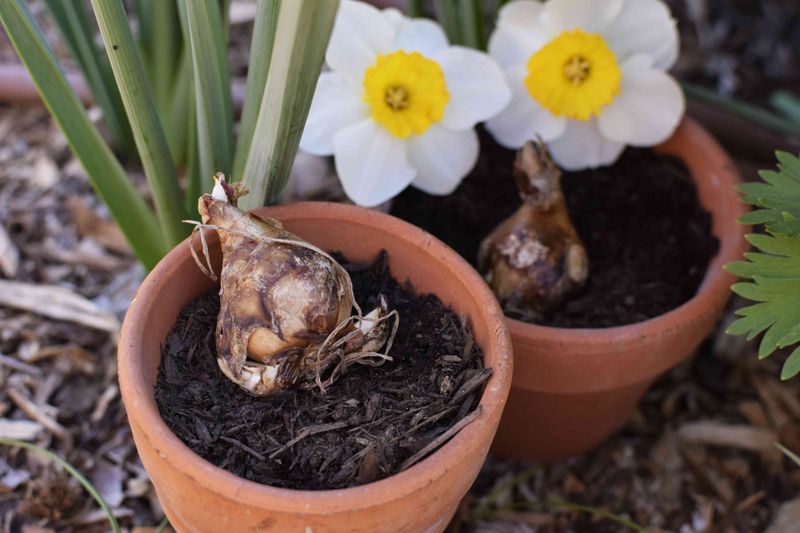
Pennsylvania gardeners get the best results when they plant bulbs before the ground freezes hard. Late September gives the roots enough time to grow strong underground. Choose a spot that drains well and gets plenty of sunshine during spring.
Dig each hole about two or three times as deep as the bulb is tall. Set the pointy side facing up, then cover it with loose soil and press gently. A handful of bulb food or bone meal in the hole helps feed those hungry roots.
Group your bulbs in clusters instead of straight lines for a fuller, more natural look. Water them once after planting so the soil settles around each one. After that, nature usually takes care of the rest with fall rain.
Squirrels love to dig up fresh bulbs, so cover the area with chicken wire if critters are a problem in your yard. You can also mix in daffodils, which most animals leave alone.
Try planting a mix of early, middle, and late bloomers so your color lasts for weeks. Crocuses show up first, followed by daffodils and then tulips.
Fun fact: many bulbs actually need a long cold spell to bloom properly, and Pennsylvania winters give them exactly that. Getting them in the ground now means you barely have to lift a finger come springtime.
2. Clean Up Garden Beds
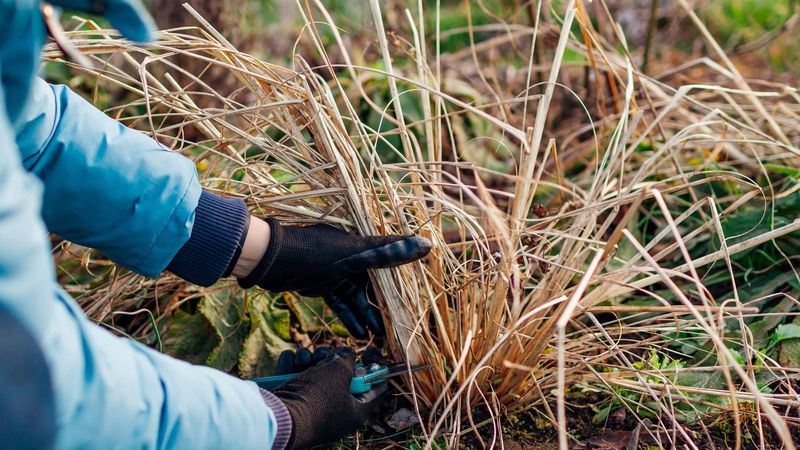
Old plants and fallen leaves might look harmless, but they can hide trouble. Bugs and plant diseases often spend the winter tucked inside that leftover mess.
Clearing out your beds before October cuts down on problems next year. Pull up tired vegetable plants that have finished producing for the season. Toss any leaves or stems that look spotted or moldy into the trash instead of the compost pile.
Healthy plant scraps, on the other hand, make wonderful compost. Chop them into smaller pieces so they break down faster over winter. Your compost bin will thank you with rich, dark soil by spring.
Rake up thick piles of leaves from your lawn and flower beds. A thin layer is fine and even helpful, but heavy mats can smother grass and small plants. Shredded leaves make a great free mulch if you run a mower over them first.
Your Pennsylvania Garden Changes Every Week. Your Plan Should Too.
Gardening in Pennsylvania changes quickly throughout the season. Every Friday you’ll receive a simple weekly plan showing exactly what to plant, prune, fertilize, harvest, and protect so you never miss the right timing.
While you work, pull any weeds you spot before they drop seeds. One weed left alone now can turn into dozens next summer. Getting them early saves hours of work later.
Take a moment to check your tools too. Wipe off dirt, sharpen blades, and store everything in a dry spot so they last longer.
Cleaning up also gives you a chance to really see your garden’s bones. You might notice spots that need more sun or areas where the soil looks thin. Jot down these ideas for next season while they are fresh in your mind.
3. Add A Layer Of Mulch
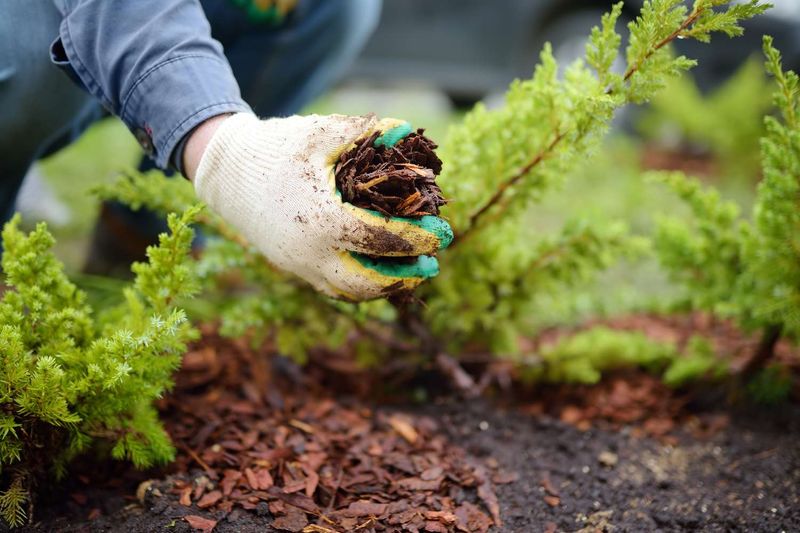
Think of mulch as a cozy blanket for your garden. It keeps roots warm, holds in moisture, and protects plants from harsh winter swings.
Pennsylvania winters can be tricky, with warm spells followed by sudden freezes. This up-and-down weather pushes plants right out of the ground, a problem called frost heave. A good layer of mulch keeps the soil temperature steady and stops that from happening.
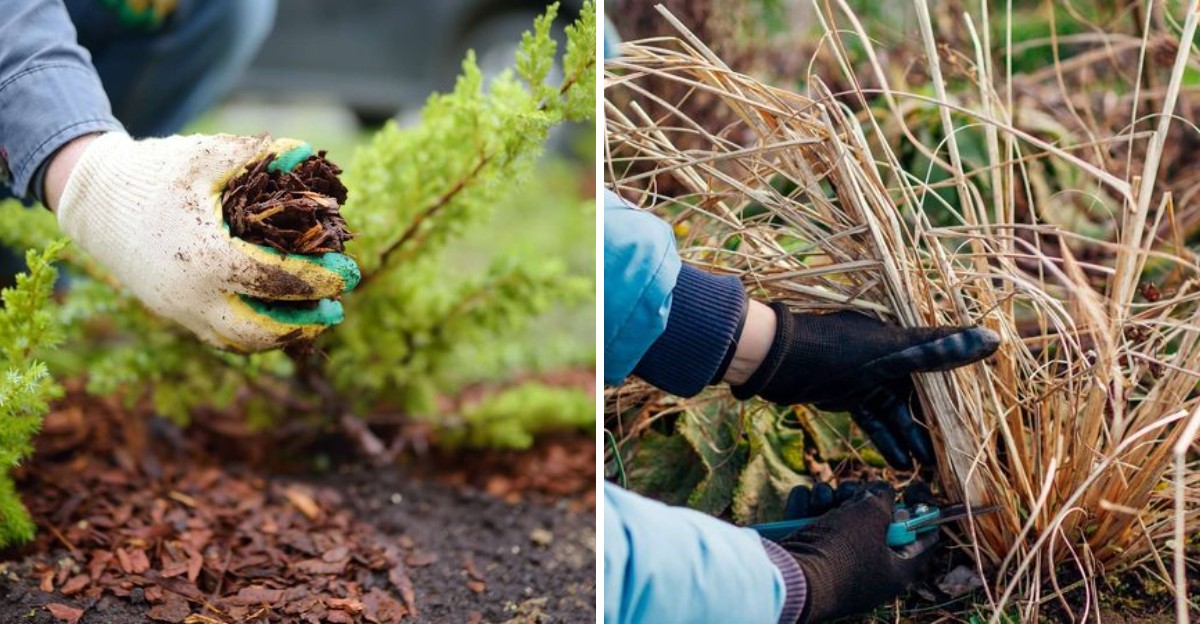
Spread two to three inches of mulch around your perennials, shrubs, and trees. Use shredded bark, straw, chopped leaves, or wood chips. Keep the mulch a few inches away from plant stems and tree trunks so they do not rot.
Wait until after the first light frost to mulch tender plants. If you cover them too early, you might trap in warmth and confuse the plant. The goal is to keep the ground cold and steady, not toasty.
Mulch does double duty by blocking weeds. Fewer weeds now means less pulling next spring. As the mulch breaks down, it also feeds your soil with nutrients.
Around trees, make a wide circle of mulch instead of a tall mound. A mound piled against the bark, sometimes called a mulch volcano, traps moisture and invites pests.
You can often find free wood chips from local tree services or grab bagged mulch at garden centers. Either way, this small step gives big rewards.
Come spring, you will notice your mulched beds bounce back faster and look tidier than bare soil. A little mulch now truly makes gardening easier later.
4. Bring Tender Plants Indoors
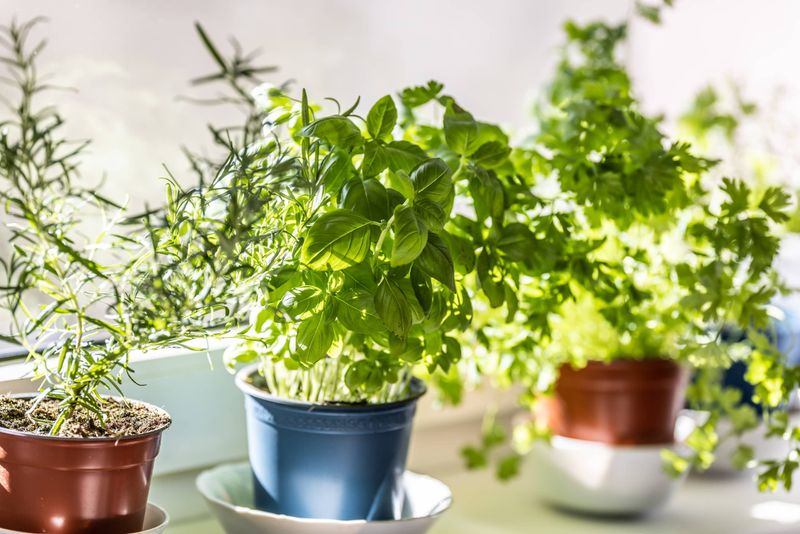
Some of your favorite plants simply cannot handle a Pennsylvania frost. Tropical beauties like geraniums, ferns, and succulents need to come inside before the cold hits.
Watch the weather closely as September winds down. Once nights start dipping toward the 40s, it is time to move those tender pots. A surprise early frost can harm plants overnight.
Before bringing anything in, give each plant a good checkup. Look under leaves and along stems for bugs like aphids or spider mites. Rinse the leaves with water and treat any pests so you do not carry them into your home.
Repot plants that have outgrown their containers, and trim off any leggy or yellow growth. This helps them adjust to less light indoors. Set them near your sunniest windows, usually those facing south or west.
Plants often go through a bit of shock when they move inside. Some leaves may drop at first, but do not panic. Give them a week or two to settle into their new spot.
Water less often once plants are indoors, since they grow more slowly in winter. Soggy soil can cause root problems, so let the top inch dry out between drinks.
You can also take cuttings from plants like coleus or begonias and root them in water. This gives you fresh new plants for spring without spending a dime.
Grouping your plants together raises the humidity around them, which they love during dry indoor months. A little planning keeps your green friends thriving until warm weather returns.
5. Plant Cool-Season Vegetables
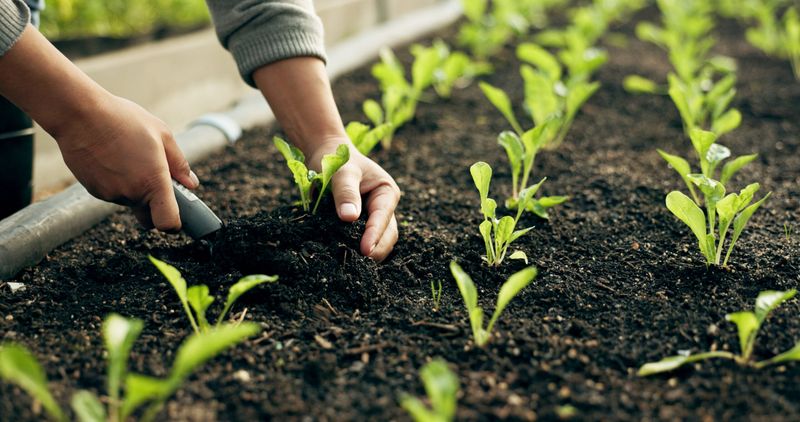
Your growing season is not over just because summer is ending. Plenty of tasty vegetables actually prefer the crisp days of fall.
Leafy greens like spinach, lettuce, kale, and arugula grow fast and love cool weather. Radishes, turnips, and green onions also do great when planted in early fall. Many of these crops taste even sweeter after a light frost touches them.
Get your seeds in the ground by mid-September so they have time to mature. Check the seed packet for how many days each crop needs. Quick growers like radishes can be ready in about a month.
Prepare the soil by loosening it and mixing in some compost. Water the seeds gently and keep the soil moist while they sprout. Fall rain usually helps, but water yourself during dry stretches.
Cover your rows with a light fabric, called a row cover, if a hard frost is coming. This simple sheet traps warmth and stretches your harvest by weeks. Some gardeners keep greens going well into November this way.
Kale is a real champ in Pennsylvania and often keeps producing into early winter. Its flavor turns milder and sweeter once cold weather arrives.
Harvest leafy greens by picking the outer leaves first. The plant keeps growing new ones from the center, giving you fresh salads for weeks.
Growing fall veggies also keeps your garden beds busy and blocks weeds from taking over. Few things beat stepping outside on a chilly October afternoon and gathering dinner straight from your own backyard.
6. Test And Feed Your Soil
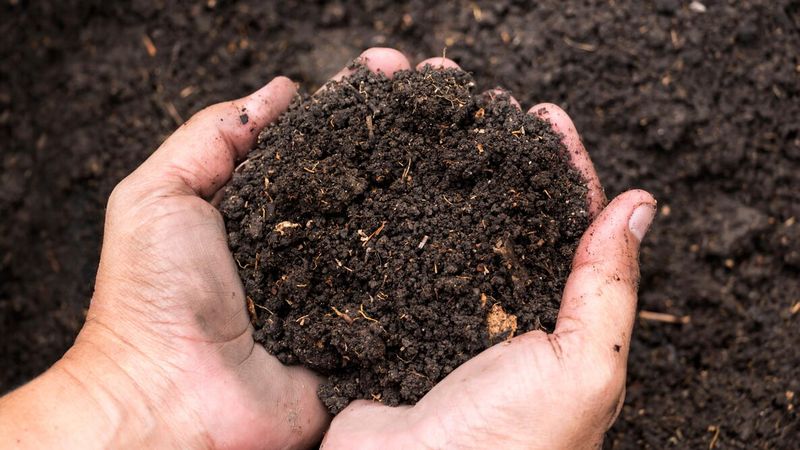
Healthy soil is the secret behind every great garden. Fall is the perfect time to find out what your dirt really needs.
A soil test tells you the pH level and which nutrients might be missing. You can grab a kit at a garden store or send a sample to Penn State Extension for a detailed report. The results guide you on what to add and how much.
Most vegetables and flowers like soil that sits close to neutral. If your test shows the soil is too acidic, you can add lime. If it is too alkaline, sulfur helps balance it out.
Adding lime in fall works especially well because it takes several months to change the soil. By spring, your beds will be perfectly balanced and ready for planting.
Mix in compost, aged manure, or leaf mold to boost the soil with organic matter. These materials feed the tiny creatures underground that keep soil alive and loose. Worms and microbes do amazing work all winter long.
Spread these amendments across your beds and gently work them into the top few inches. You do not need to dig deep, since fall and winter weather will help settle everything in.
Testing every couple of years keeps you from guessing and wasting money on the wrong products. It also prevents adding too much of anything, which can hurt plants.
Rich, well-fed soil gives you stronger roots, bigger harvests, and fewer pest problems. A little attention now builds the foundation for a wonderful growing year ahead.
7. Protect And Store Your Tools
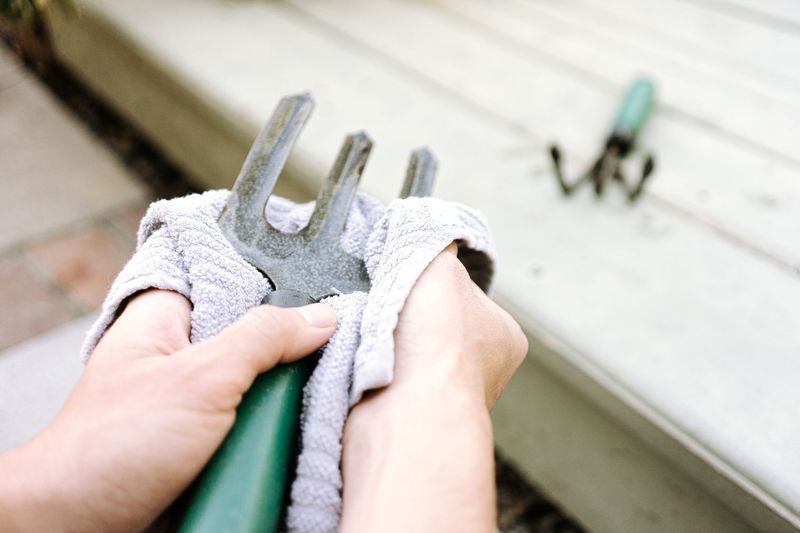
Your garden tools work hard all season, so give them some care before you tuck them away. A little cleanup now means they will be ready to go next spring.
Start by scrubbing off caked-on dirt with a stiff brush and water. Dry each tool completely so rust does not creep in over the damp winter months. Wet metal left in a shed rusts fast.
Rub a thin coat of oil on metal blades and moving parts. Old vegetable oil or a spray lubricant both work fine. This simple step keeps everything smooth and protected.
Sharpen the edges of shovels, hoes, and pruners with a file or sharpening stone. Sharp tools slice cleanly and make your work far easier. Dull blades tear plants and wear you out faster.
Check wooden handles for cracks or splinters. Sand them smooth and wipe them with linseed oil to keep the wood from drying out. Loose handles can be tightened or replaced before they become a hazard.
Drain garden hoses and coil them loosely for storage. Water left inside can freeze and split the hose. Store them in a shed or garage where they stay above freezing.
Empty clay pots and bring them indoors too, since freezing water can crack them. Stack plastic pots in a dry corner for next year.
Hang tools on a wall or set them in a bucket of sand so they stay organized and off the damp floor. Walking into a tidy shed next spring feels like a gift from your past self.