The Native Ohio Tree That Turns Purple Before It Drops Its Leaves
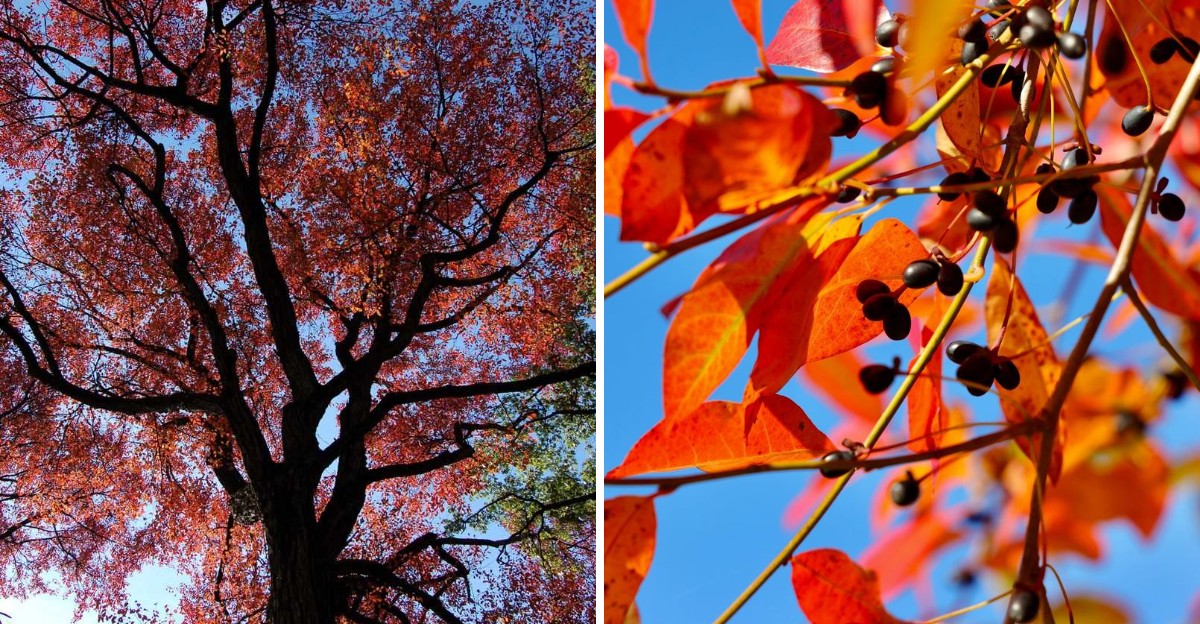
Most trees ease into fall color, drifting from green to yellow to something duller over weeks. Then there’s the one in the corner of the yard that skips straight to a color nothing else nearby even attempts.
Deep purple, almost burgundy, weeks before the maples have made up their mind.
It’s one of the first to turn every year too. Color change starts while summer technically still has weeks left.
By the time the rest of the yard catches up, this tree has usually already dropped most of what made it worth stopping to look at.
It’s native to Ohio, common enough that plenty of yards already have one. Still, most people couldn’t say what they’re looking at when that color shows up early every year.
1. Meet Black Gum, Ohio’s Purple-Tinged Fall Standout
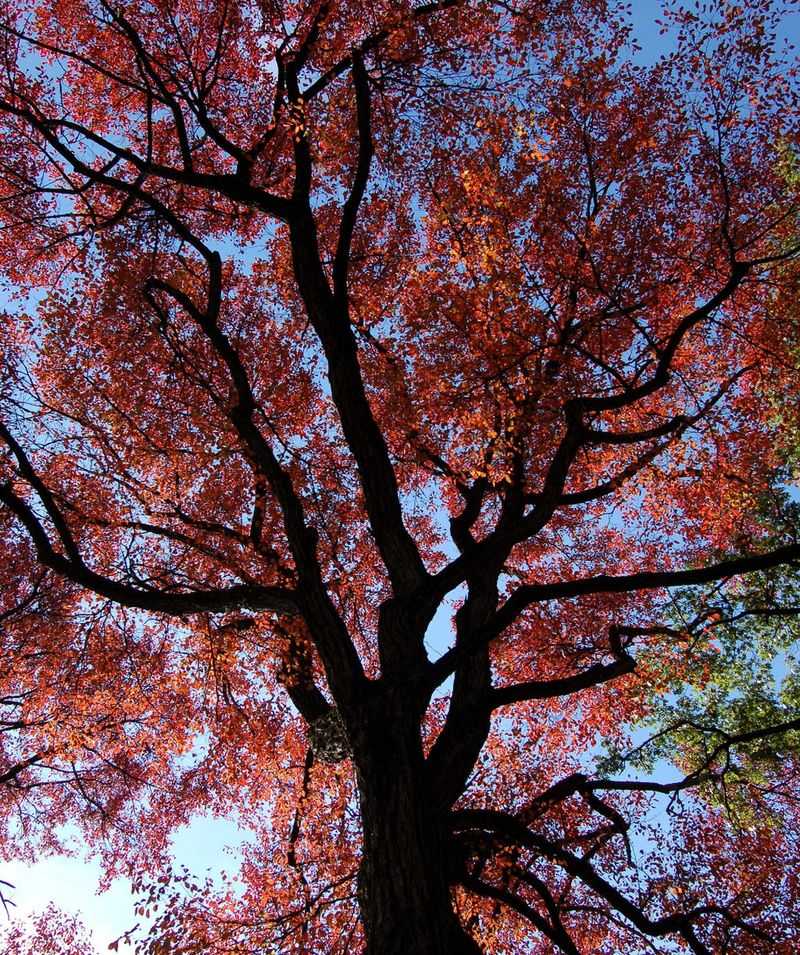
Botanists call it Nyssa sylvatica, but most Ohioans know it as black gum. Neighbors might also call it black tupelo, sour gum, or pepperidge.
All four names point to the same deciduous tree, native across the eastern United States and found in most of Ohio. It grows in woodlots, along stream edges, and increasingly in front yards where homeowners want something different.
Summer foliage is a deep, glossy green that almost looks waxed after a rain shower. Autumn is when the tree earns its reputation, shifting into rich reds and that signature plum purple.
The bark is worth a second look as well. On older trunks it breaks into thick, blocky ridges that gardeners often compare to alligator hide, giving the tree character even in winter.
In cultivation, black gum commonly reaches several dozen feet tall, eventually developing a substantial but relatively narrow crown. In favorable conditions it can become much larger, so give the tree room to mature before choosing a planting site.
Fun bit of trivia: the genus name Nyssa is associated with a water nymph in Greek mythology. The connection is fitting because black gum is naturally found in moist forests, swamps, and wetland edges.
2. Watch Green Leaves Shift Through Scarlet, Orange, And Purple
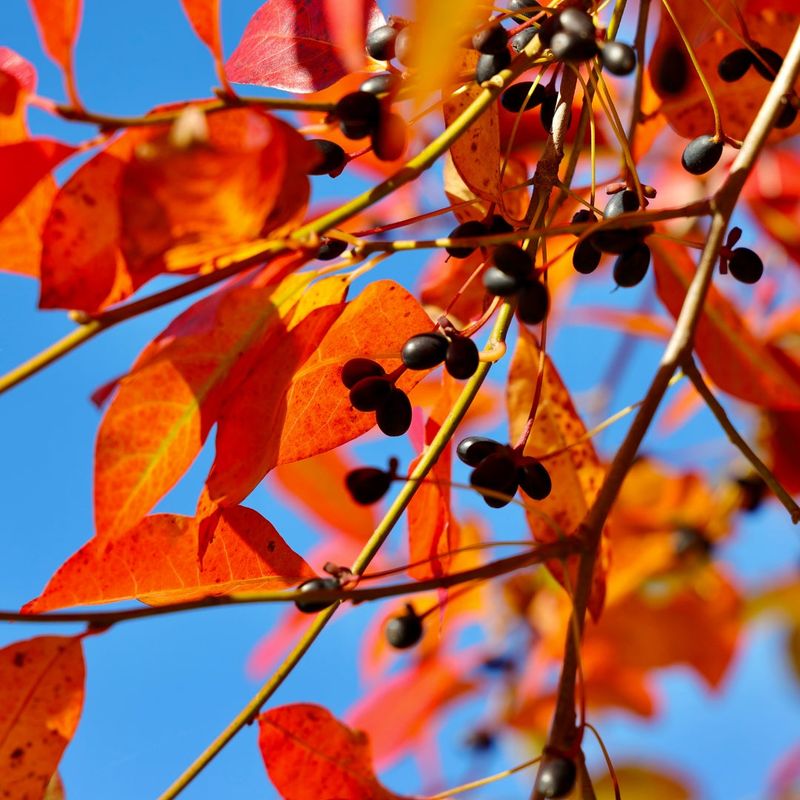
By early fall, black gum can begin showing color while many surrounding trees are still green. Its relatively early display is one of the reasons it stands out in an Ohio landscape.
The change does not happen all at once, which is part of the charm. Orange appears first on a few leaves, then scarlet, then yellow, and finally that moody purple that gives the tree its nickname among leaf-peepers.
Look closely at one branch and you may count four or five colors sharing the same twig. Photographers adore that patchwork effect because no two branches look alike.
The display is generous with its timing too. Instead of fading in a week, the color often holds for a month or longer, stretching the autumn season across your yard.
There is a purpose behind all that brightness. Scientists think the vivid leaves act like a billboard for migrating songbirds, advertising that the tree’s small fruits are ripe and ready.
Your Ohio Garden Changes Every Week. Your Plan Should Too.
Gardening in Ohio changes quickly throughout the season. Every Friday you’ll receive a simple weekly plan showing exactly what to plant, prune, fertilize, harvest, and protect so you never miss the right timing.
Birds spot the color from the air, stop for a meal, and carry seeds somewhere new. It is a clever trade that has worked for thousands of years.
If you want a tree that signals the start of fall rather than the middle, this one raises its hand first.
3. Look For Glossy Leaves And Dark Blue Fall Fruit
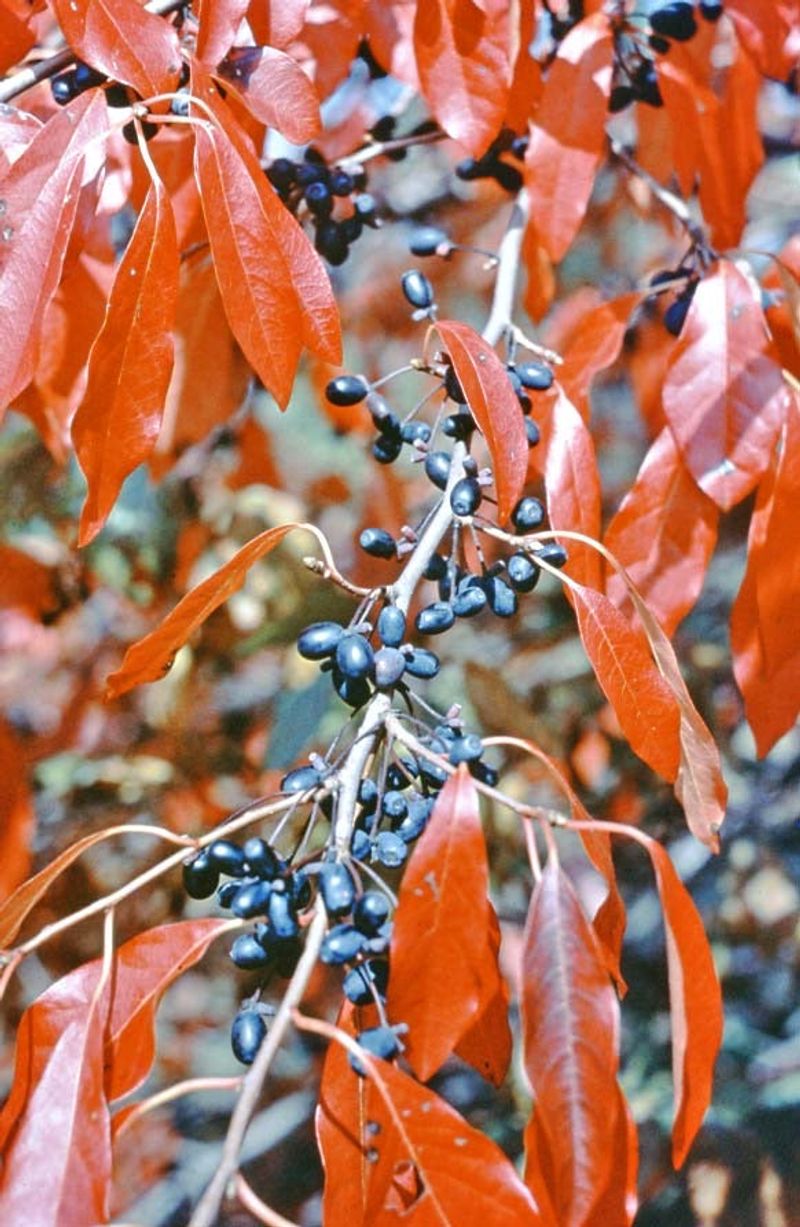
Identification gets easy once you know the two giveaways: shiny leaves and little blue fruits. Both are simple to spot from a sidewalk.
Leaves grow alternately along the twig, with smooth oval shapes and edges that usually lack teeth. They measure roughly 2 to 6 inches long and carry a lustrous finish that reflects sunlight.
Flowers arrive quietly between April and June. Greenish-white and small enough to miss, they pack plenty of nectar and draw steady traffic from honeybees and native pollinators.
Female trees follow those blooms with fleshy fruits called drupes. Each one is about half an inch long, oval, and ripens to a deep bluish-black by September or October.
Technically the fruit is edible for people, though one taste usually settles the question. The flavor is sharply sour, which explains the old nickname sour gum.
Wildlife feels differently and clears the crop quickly. A tree loaded with fruit in early October can be picked clean within a couple of weeks.
Here is a handy tip for beginners: crush a fallen leaf and check the underside veins, which curve and loop toward the margin rather than running straight out. That vein pattern can provide another useful clue when distinguishing black gum from similar-looking trees.
4. Give Black Gum Sun For Its Strongest Autumn Color
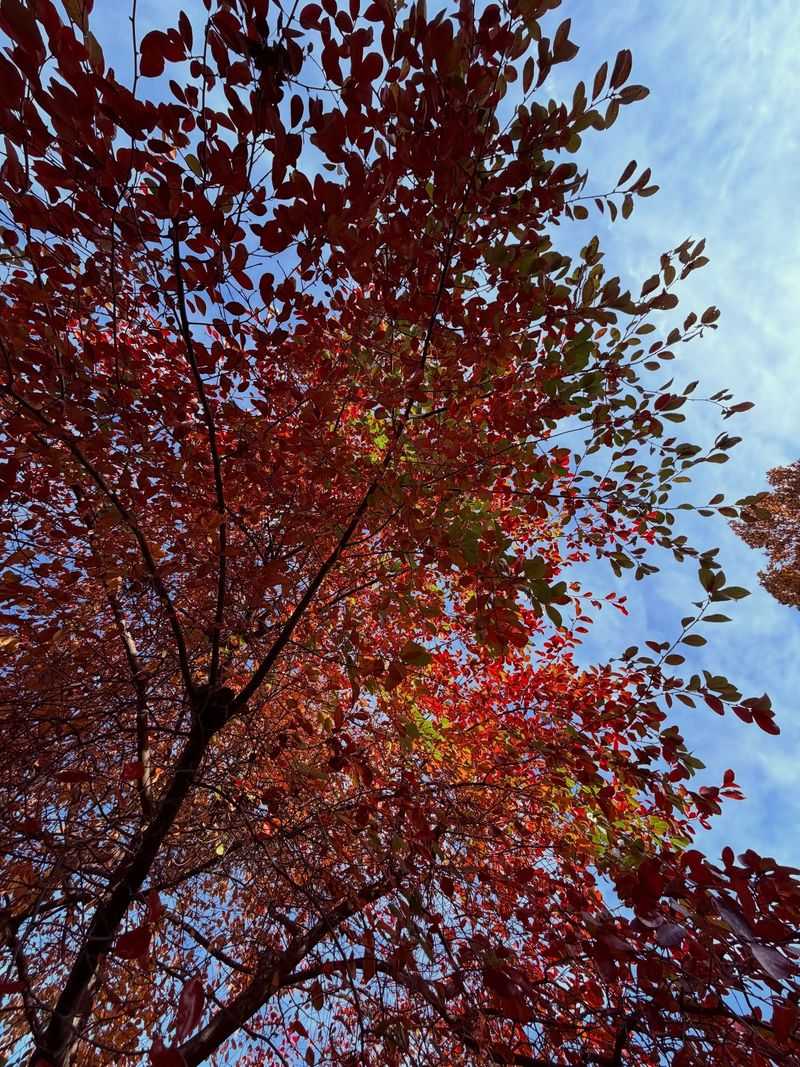
Good light helps black gum develop the strongest fall color. The tree can tolerate some shade, but a deeply shaded specimen may produce less intense autumn color than one growing in a brighter location.
Plant it where the canopy catches six or more hours of direct light each day. Open lawns, south-facing yard corners, and street-side spots all work nicely.
Partial shade is tolerated, especially while the tree is young and getting established under taller neighbors. In the wild, seedlings often start life beneath older trees and reach upward over time.
The trade-off shows up in October. Shaded specimens tend toward yellow and dull orange, while sun-drenched ones blaze with scarlet and that deep plum tone people plant the tree for.
When scouting a location, think ahead 20 years instead of just this season. A sunny spot today can become shaded once a nearby maple fills out, so give your black gum room on the south or west side of larger trees.
Avoid planting directly under power lines or wide house eaves that block afternoon light. Both limit the sun the crown receives.
Gardeners who get the placement right often say the tree becomes the first thing visitors comment on each autumn. That payoff is worth a little planning up front.
5. Give Black Gum Moisture Without Keeping Its Roots Soggy
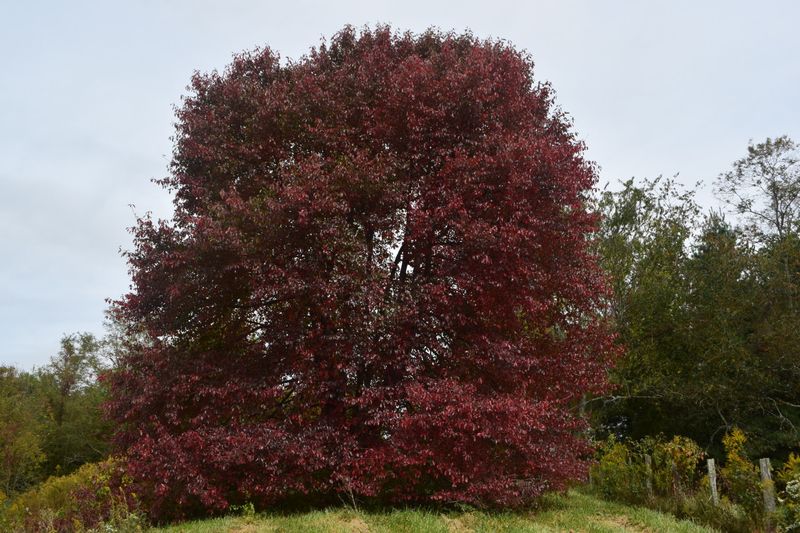
Soil preferences here are refreshingly forgiving. Black gum does its best work in moist, well-drained, slightly acidic ground, the kind found along Ohio creek bottoms and woodland edges.
Black gum is adaptable once established, but it performs best when the soil stays reasonably moist without remaining permanently saturated.
It can tolerate wet conditions better than many landscape trees, while established trees can also handle periods of drier weather.
That tolerance makes black gum worth considering for moist parts of a landscape, including some rain-garden and low-lying sites, provided the planting location has enough room for the mature tree.
Alkaline soil is the one setup that holds it back. In high-pH ground, growth slows and the leaves often look pale and lose that signature shine.
A simple soil test from your county extension office tells you where you stand for just a few dollars.
If a soil test shows that your site is strongly alkaline, correct the soil only according to the test results and local extension recommendations rather than adding amendments by guesswork.
Mulch helps too. A two to three inch ring of shredded bark, kept a few inches back from the trunk, holds moisture and keeps mower blades at a safe distance.
Water deeply once a week during the first two summers. After that, the tree largely takes care of itself.
6. Expect A Slow-Growing Tree With Long-Term Landscape Appeal
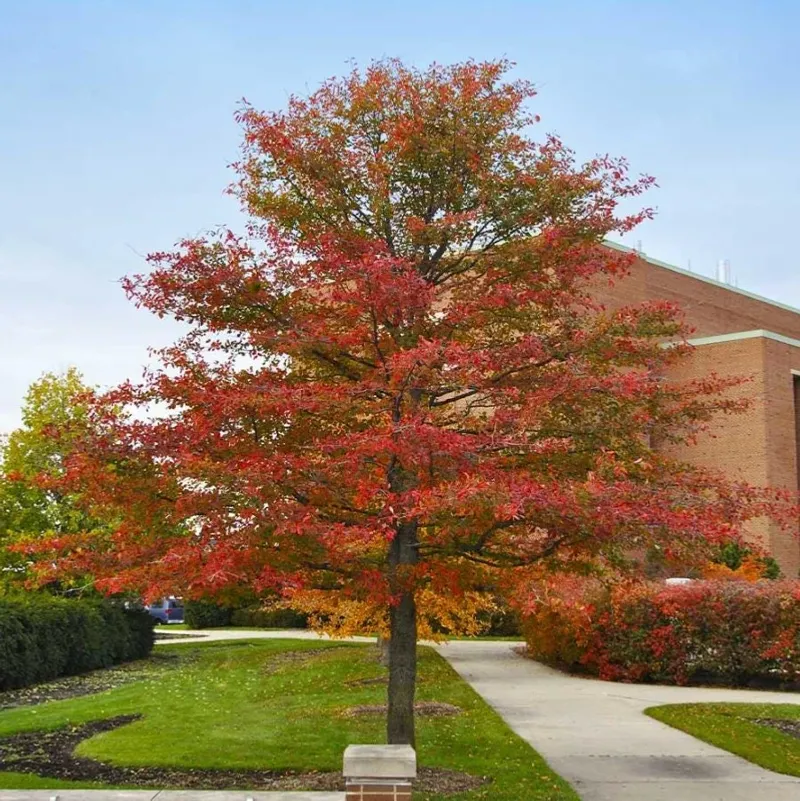
Patience pays off with this one. Black gum is generally considered a slow- to moderate-growing tree, so it takes patience to reach mature size.
Growth varies substantially with soil, moisture, light, and the tree’s growing conditions.
That slower pace makes it a poor choice for anyone looking for instant shade, but it also means the tree can be easier to plan around than a very fast-growing shade tree.
Shape changes as the years pass, which keeps things interesting. Young trees hold a neat pyramidal outline with branches angling out from a straight central trunk.
By middle age the crown loosens into an upright oval, and older specimens round out with a broad, irregular silhouette. The bark deepens into those blocky plates that look carved.
Now for the impressive part. Black gum can be exceptionally long-lived, with old specimens surviving for centuries under favorable conditions.
That longevity is one reason a carefully planted tree can become a permanent part of a landscape rather than a short-term planting.
7. Give Birds A Fall Fruit Source With Black Gum
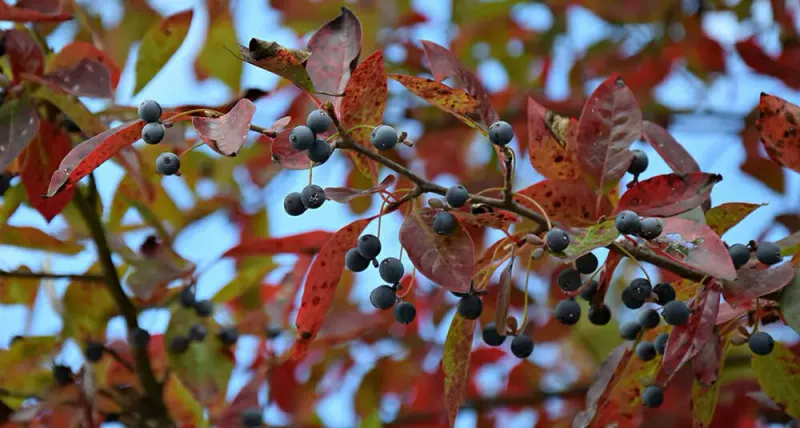
Black gum flowers provide nectar for bees and other pollinators in spring. The tree’s flowers are small and easy to overlook, but they can attract steady insect activity when they are in bloom.
Bees are only the opening act. When the blue-black fruits ripen, the tree can become an important food source for fruit-eating birds, including thrushes, robins, bluebirds, and cedar waxwings.
Migrating birds can take advantage of the fruit during fall, when reliable food sources become especially valuable before and during migration.
Watching a flock of waxwings strip a tree in an afternoon is a genuine backyard spectacle.
Other wildlife can also use the fruit, particularly mammals and birds that forage on small fleshy fruits.
As mature trees develop withered or decaying wood, they can eventually provide habitat for insects and cavity-using wildlife. That benefit takes time, but it adds another layer of value to a long-lived native tree.
One caution for suburban planters: deer browse heavily on seedlings and young saplings. A wire cage or tree tube for the first few years keeps your investment safe in areas with heavy deer pressure.
Few single trees deliver this much wildlife value for so little effort on your part.
8. Plant It Where Its Deep Roots Can Stay Undisturbed
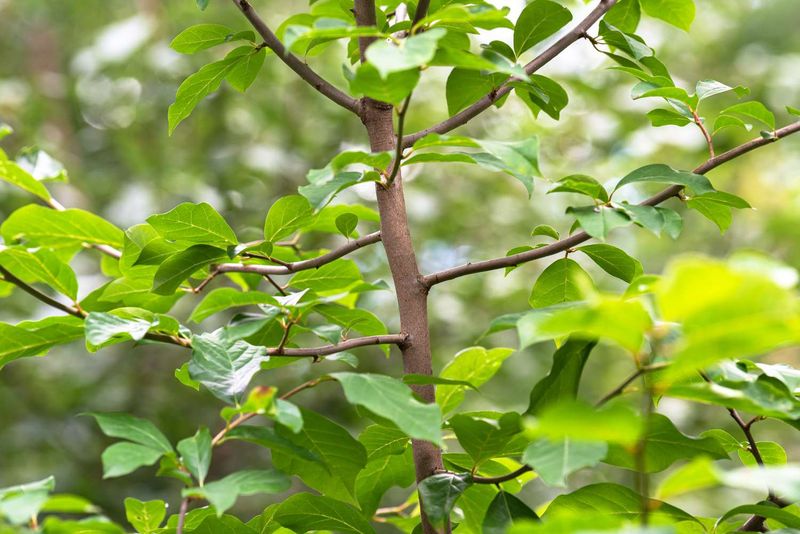
Underground, black gum plays a long game. The tree sends down a large, deep taproot early in life, anchoring itself firmly into the soil.
That anchor comes with a catch. Moving an established black gum is genuinely difficult, since digging rarely captures enough of the taproot for the tree to recover well.
The practical takeaway is simple: pick the permanent spot before you plant, and choose a young, container-grown or small balled-and-burlapped tree. Smaller stock transplants far more successfully than large nursery specimens.
Spring planting tends to give the best results in Ohio, allowing a full season of root growth before winter arrives.
Good news for tight lots: the surface roots are generally well behaved. Black gum is not known for lifting sidewalks or crowding foundations the way some fast-growing shade trees do.
Still, give the root zone breathing room. Aim for at least 10 to 15 feet from walls and pavement so the tree has soil volume to expand into.
Skip heavy digging, trenching, or regular tilling within the drip line once it is settled. Roots dislike disturbance, and an undisturbed base keeps the canopy dense and that autumn color at full strength.
9. Pair Black Gum With Other Natives For A Layered Fall Display
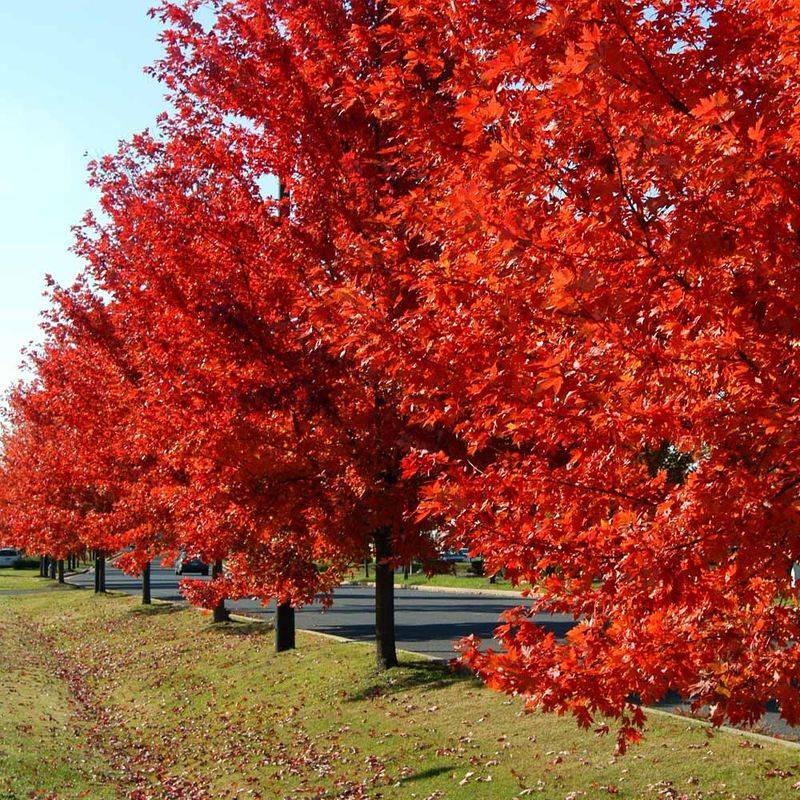
One black gum is lovely. Surround it with the right neighbors and your property turns into a rolling color show that runs from late September into November.
Red maple makes an easy partner, matching the wet-soil tolerance while adding clean red foliage. Sugar maple brings the golden-orange glow Ohio is famous for and peaks slightly later.
For smaller spaces, serviceberry is a gem. It stays modest in size, turns shades of red and purple, and hands out sweet June berries that birds fight over.
Ohio buckeye, the state tree, colors early with brilliant reds and pairs naturally with black gum’s front-running schedule. Flowering dogwood layers in purple, orange, and red beneath taller canopies.
Scarlet oak anchors the back of a planting with bold late-season red and provides acorns for squirrels and jays.
Arrange them in tiers rather than a straight row. Put the oaks and maples toward the rear, black gum in the middle ground where its purple reads best against green lawn, and dogwood or serviceberry up front.
Staggering bloom and color times means something is always happening out there. Your fall photos will thank you.