Those Small Holes Appearing In Indiana Lawns Overnight Have A Cause
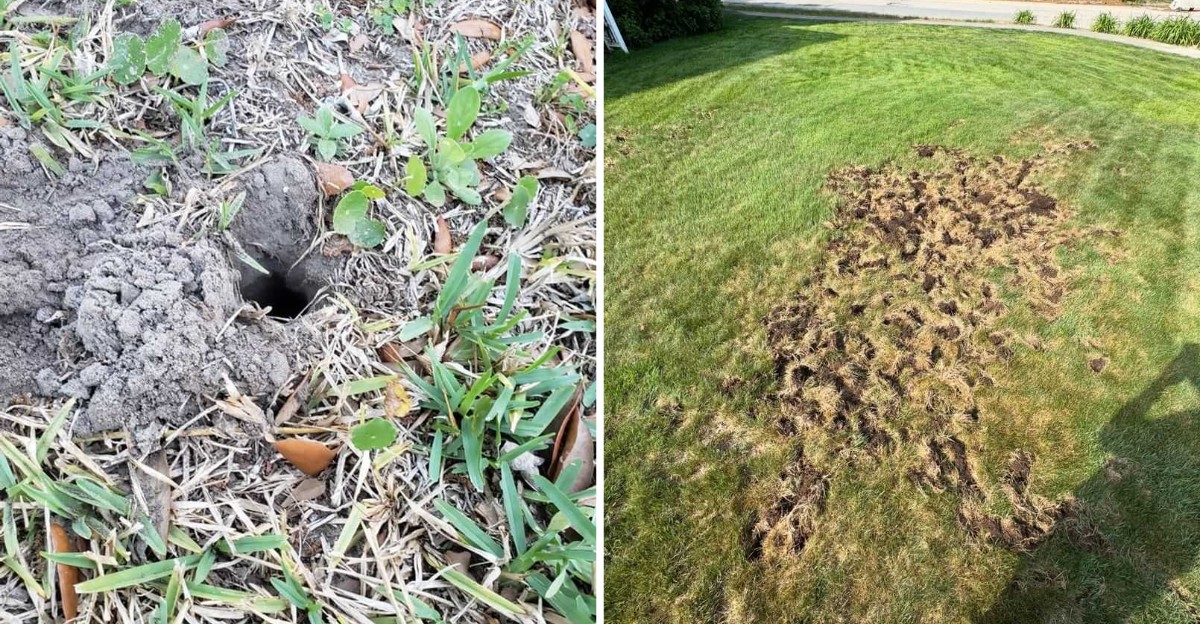
You wander into the backyard, still half asleep, and the yard looks like someone got busy. Little holes dot the grass that certainly were not there when you locked the door last night.
Some look like neat little cones, while others are ragged pockets with tufts of turf flipped over. No tracks, no note, no apology, just a lawn suddenly poked full of strange little dimples.
Indiana homeowners meet this scene every year, usually within the same few weeks of the season. The cause is not random, and the shape and spacing of the holes tell a story.
Something hungry worked your yard while you slept, and it left a very obvious receipt behind. Honestly, it accomplished more digging in one night than most of us manage all summer long.
Skunks And Raccoons On A Midnight Grub Hunt
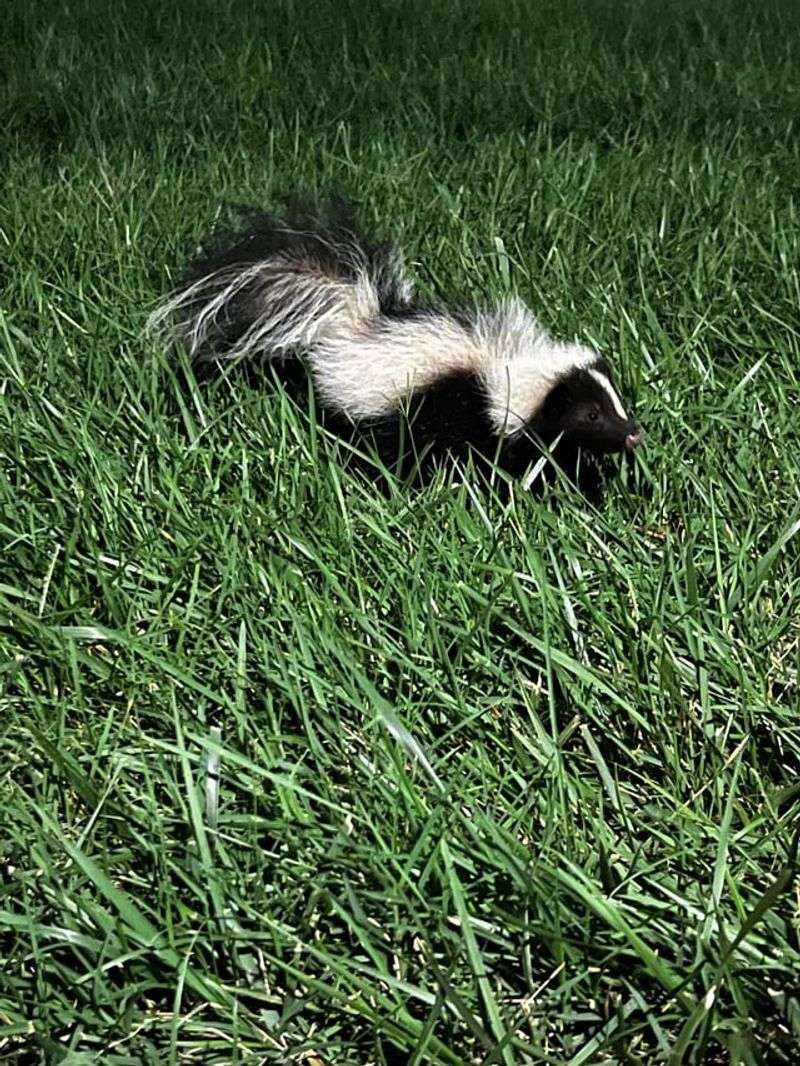
Picture a skunk working your lawn like a buffet line, nose down, paws flicking soil aside. Those small holes are feeding pits, dug by animals chasing protein just below the surface.
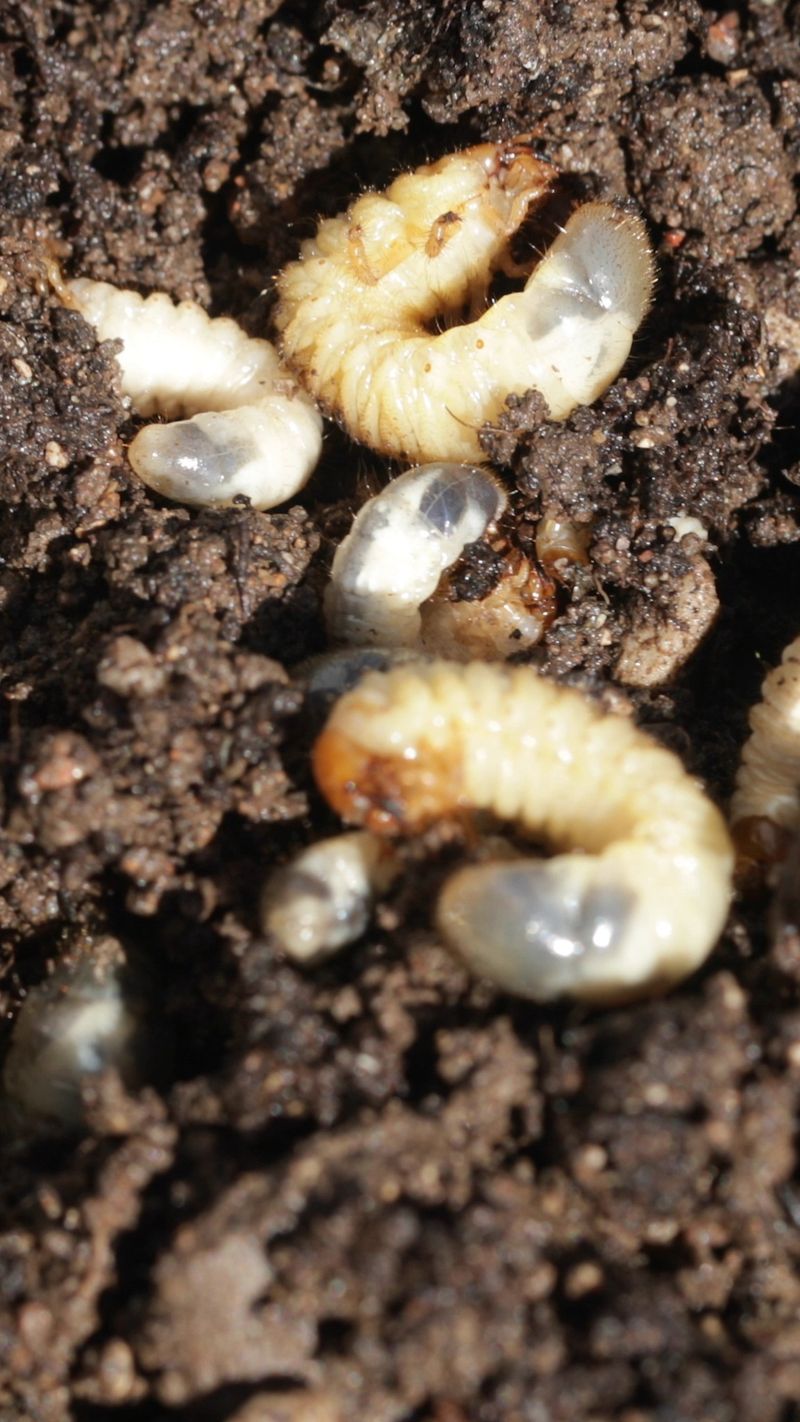
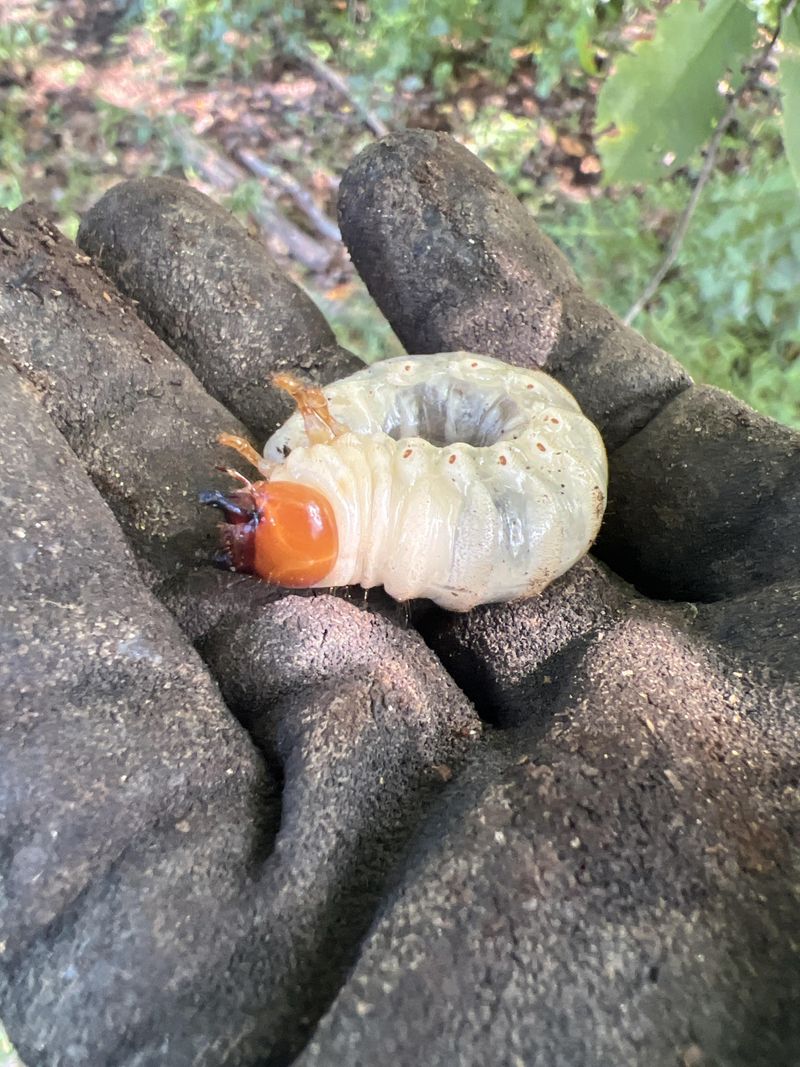
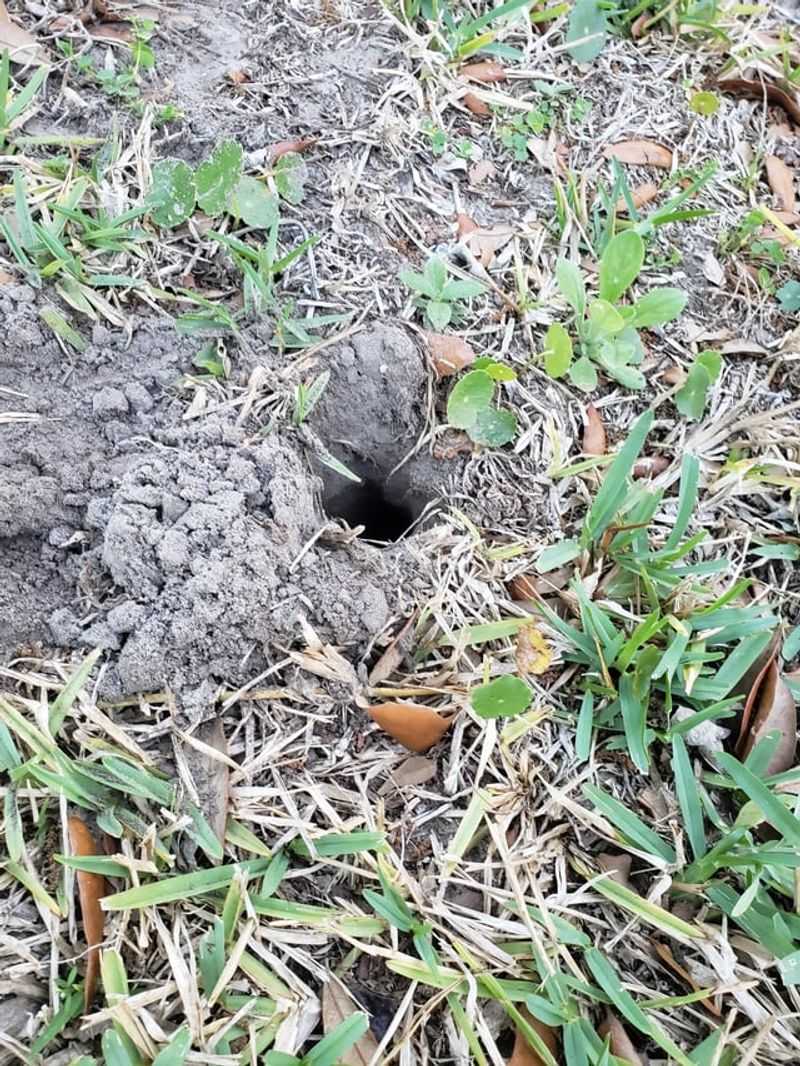
White grubs are the culprit, and they are the larvae of Japanese beetles and masked chafers. Skunks smell them through the sod and punch cone-shaped holes about the width of a thumb.
Raccoons work differently, rolling back sod in flaps like someone peeling up a corner of carpet. Both animals leave the grass loose enough that you can lift it with one hand.
Birds add their own marks too, since starlings and crows probe the turf for the same snack. Their holes are shallower, more like pencil pokes scattered across a sunny patch.
Moles get blamed constantly, but moles push up ridges and mounds rather than open holes. If you see raised tunnels, you have a different visitor with a different appetite.
The animals are not attacking your grass out of spite, and they move on once food runs out. They are simply following their noses to the richest square footage in the neighborhood.
Indiana lawns sit right in Japanese beetle country, which explains the timing and the sheer volume. Warm, irrigated turf holds more grubs, and more grubs mean more midnight visitors.
So the holes are a symptom, not the actual problem living under your feet. Read them like tracks, and you learn what has been snacking in the dark.
The Late Summer And Early Fall Timeline
Timing is half the mystery, and Indiana’s calendar is remarkably consistent from one year to the next. Most digging complaints spike from late August into October, then again in April.
Adult Japanese beetles feed on roses and linden trees through June and July around the state. Females slip into moist turf and lay eggs a couple of inches down.
Eggs hatch in two weeks, and tiny grubs start chewing roots in early August. By September they are plump, close to the surface, and easy for a skunk to find.
Cold weather pushes the grubs deeper, so the digging usually pauses through the worst of winter. When the soil warms in spring, the grubs rise again for one last feeding stretch.
Your Indiana Garden Changes Every Week. Your Plan Should Too.
Gardening in Indiana changes quickly throughout the season. Every Friday you’ll receive a simple weekly plan showing exactly what to plant, prune, fertilize, harvest, and protect so you never miss the right timing.
April and May bring a second wave of holes, which surprises homeowners who thought it was over. That spring round is usually shorter, since the grubs soon turn into pupae.
Rainfall matters more than most people realize when trying to predict a heavy grub year. Wet Julys give the eggs moisture they need, while dry Julys shrink the whole population.
Irrigated lawns stay attractive even during droughts, which is a little unfair to people who water faithfully. Beetles hunt for soft, damp ground, and a sprinkler system advertises exactly that.
Writing these windows on a calendar helps you act well before the night crew arrives. Once you learn the rhythm, those overnight surprises stop feeling quite so mysterious every fall.
Common Missteps After The First Holes Appear
The instinct is to grab the strongest bag at the hardware store and spread it everywhere. That single move wastes money more often than it solves anything.
Preventive grub products work on eggs and tiny larvae, so June and July are their season. Spreading them in October does almost nothing to the fat grubs already under the sod.
Another misstep is treating the whole yard when only one strip shows damage. Grubs cluster in sunny, well-watered areas, so spot treatment usually makes more sense.
Plenty of folks go after the skunk instead, which solves nothing and often breaks state rules. Remove one animal, and the buffet simply attracts the next one down the block.
Mothballs, hot pepper, and old radio tricks circulate every autumn on neighborhood pages. Those remedies fade fast, and a determined skunk ignores them within a night or two.
Skipping the grub count is the quiet mistake behind most wasted treatments. Cut a square foot of sod, peel it back, and actually see what lives there.
Fewer than five grubs per square foot rarely justifies chemicals on a healthy lawn. Ten or more, and you have a real reason to step in.
Watering lightly every evening is another habit that quietly invites more trouble. Damp surface soil keeps grubs high and comfortable, right where hungry noses can reach them.
Patience beats panic here, since a few holes rarely signal a ruined lawn. Slow down, look underneath, and let the evidence choose your next step.
Repair Work For Torn Turf And Cone Holes
Torn turf actually looks worse than it really is in most cases. Grass roots knit back quickly when the pieces are still green and attached.
Start by flipping loose flaps back into place and stepping on them firmly. A good soaking afterward helps the roots grab hold of the soil again.
Small cone holes need almost nothing beyond a rake and a little patience. Level them out, sprinkle seed, and cover lightly with compost or screened topsoil.
Avoid dumping heavy sand or dry dirt into the holes and calling it finished. Loose fill settles, dips form, and next spring your mower finds every one of them.
September is prime seeding month across Indiana, which is convenient since the digging peaks then. Cool nights, warm soil, and steady rain give new bluegrass and fescue a real head start.
If a grub count comes back high, curative products containing trichlorfon or carbaryl work on larger larvae. Apply them in early fall, water them in well, and read the label twice.
Beneficial nematodes offer a gentler route for gardeners who prefer skipping chemicals altogether. They need moist soil and evening application, and results show up over a few weeks.
Milky spore gets mentioned often, though it targets Japanese beetle grubs slowly and unevenly. Think of it as a long project rather than a weekend fix.
Keep newly seeded spots damp for two weeks, then return to deep, occasional watering. The lawn fills in, and the whole episode fades into a story you tell neighbors.
Root Damage And The Larger Cost Of Ignoring It
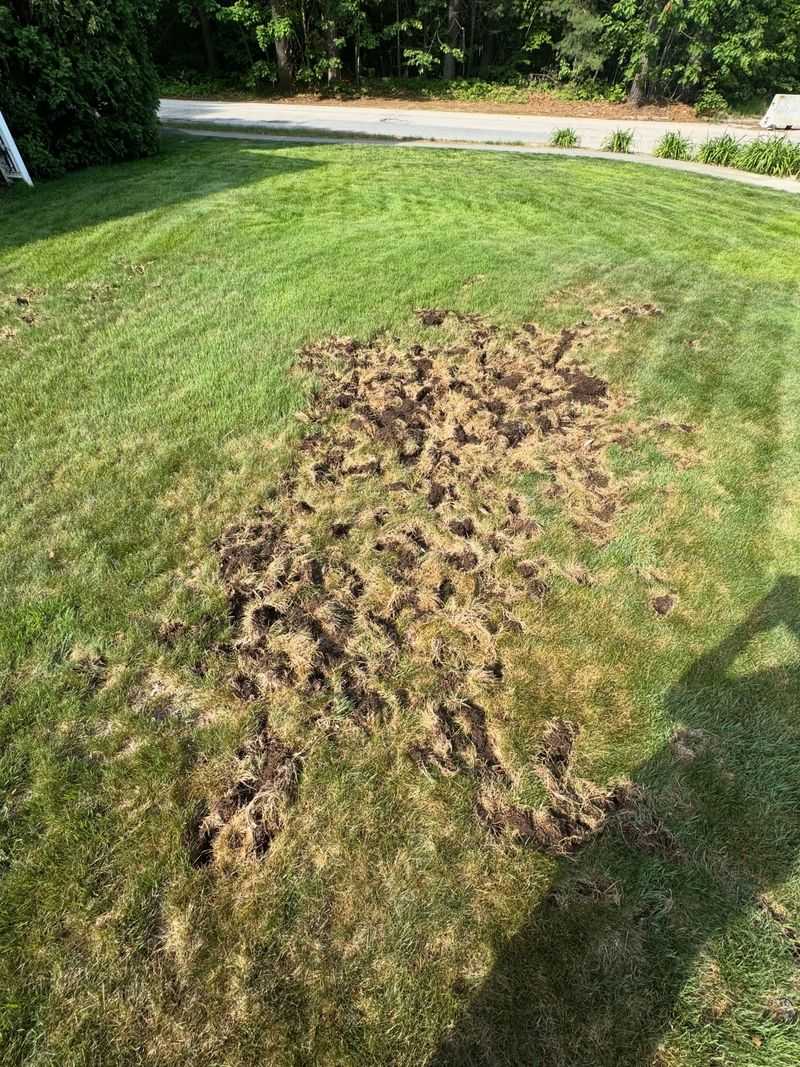
In severe cases, a whole strip of lawn can peel back like a loose bath mat. Grubs had chewed the roots clean off, leaving grass with nothing to hold.
That pull test tells you almost everything about how serious the situation has become. Healthy turf resists firmly, while grub-damaged turf lifts with hardly any effort at all.
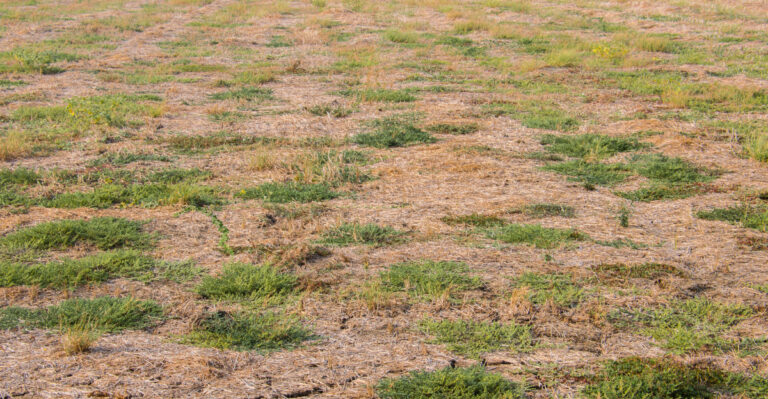
Brown patches often get blamed on drought or fungus during a hot Indiana September. The giveaway is turf that stays brown even after a week of steady rain.
Weeds move into thin areas fast, since crabgrass and clover love bare ground. One season of neglect can hand over a surprising share of the yard to weeds.
Repeated digging also compacts and churns the soil, which makes reseeding harder later. Uneven ground shows up every time you mow across it, bouncing the deck.
Turf that thins out also drains poorly, so heavy storms puddle where roots once held. Water sits, soil sours, and recovery drags into the following spring.
Skunks carry a reputation for a reason, and pets rarely learn that lesson twice. Family dogs meeting a startled visitor at midnight is a memorable, smelly evening.
Raccoons hanging around also mean garbage cans, attics, and garden beds become fair game. Solving the lawn problem tends to quiet down several other complaints at once.
Left alone for two or three seasons, a lawn can lose large sections permanently. Fixing it early costs a bag of seed instead of a weekend of sod.
Long-Term Prevention With Smarter Watering And Timing
Prevention beats repair in almost every lawn conversation, and grubs are no exception. The trick is acting in early summer, months before the first hole appears.
Preventive products with chlorantraniliprole or imidacloprid go down between mid-June and late July. Watering them in moves the ingredient to the zone where eggs hatch.
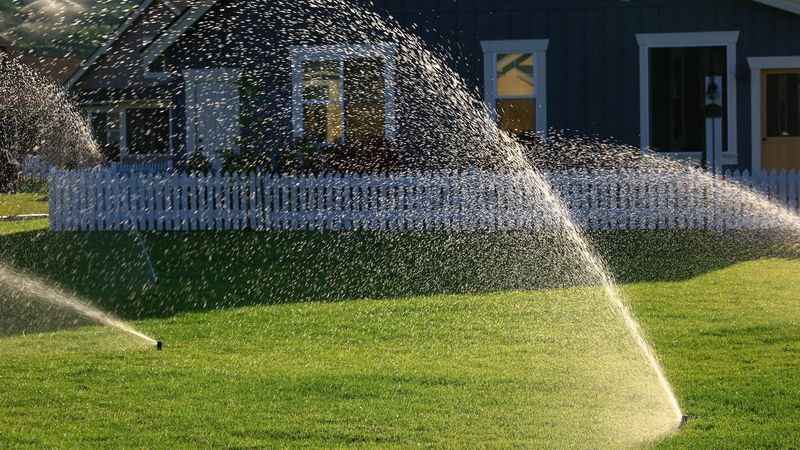
Deep, infrequent watering trains roots downward and keeps the surface less inviting for egg laying. One inch per week beats a light sprinkle every single evening.
Mowing at three or four inches shades the soil and grows deeper roots. Taller grass also tolerates a modest grub population without showing damage.
Overseeding with turf-type tall fescue adds toughness, thanks to its deep and stubborn root system. Some varieties also resist certain surface-feeding insects, though endophytes do little against grubs feeding below ground.
Aeration in fall loosens compacted ground and helps water and seed reach the roots. Stronger turf simply handles insect pressure better than thin, stressed grass.
Motion-activated sprinklers surprise night visitors and cost less than repeated lawn repairs. Secured trash cans and picked-up pet food remove the rest of the invitation.
Skipping Japanese beetle traps helps more than people expect, since traps pull beetles from blocks away. Hanging one near the lawn is basically sending out invitations.
Purdue Extension publishes free resources with Indiana-specific timing, and county offices answer questions. A quick phone call can save you a season of guessing.
A few grubs are normal, and a healthy lawn shrugs them off every year. Aim for balance rather than a perfectly sterile patch of grass.