How Alabama Homeowners Can Save Their Lawns From This Fall’s Armyworm Outbreak
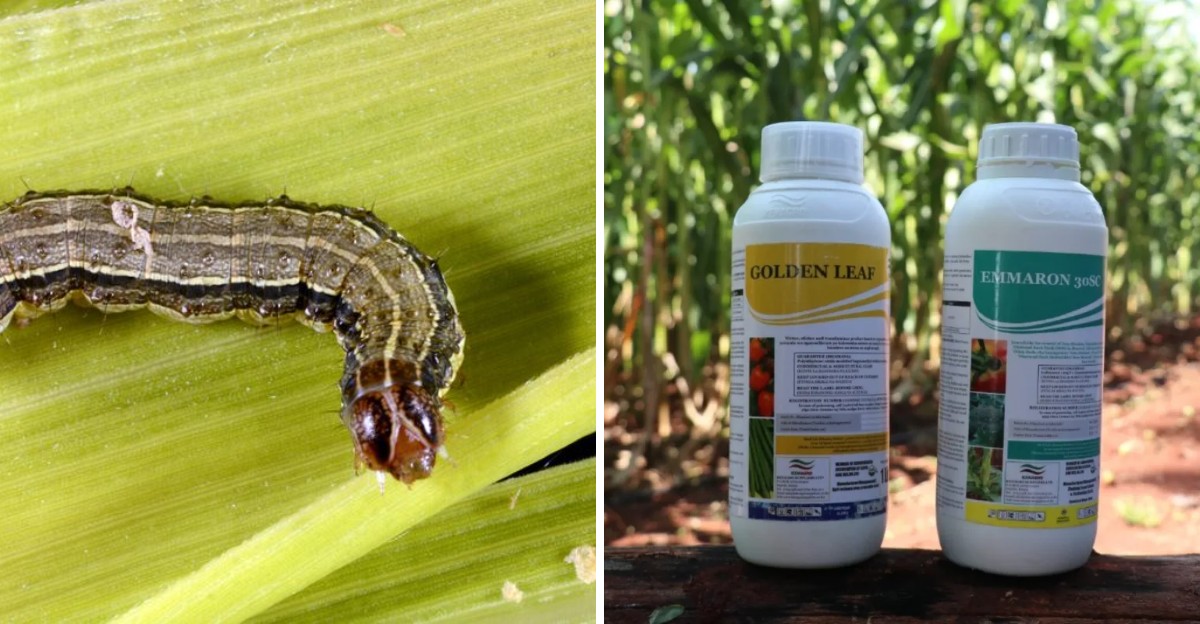
Grass doesn’t disappear overnight, though it can feel like it did. Alabama yards are shifting fast this September, and you may not notice. Patches thin overnight, then widen across your lawn.
Armyworms travel in packs, feeding on your blades before sunrise. Overnight damage looks worse than you’d expect. Warm, humid nights fuel their appetite across your lawn. Early signs hide in your yard near thinning edges.
Birds gathering at dawn signal trouble in your yard. Waiting a few days can cost you a significant part of the yard. Timing separates homeowners who save grass from those who don’t. Small checks catch problems before they spread.
Your lawn’s condition depends on what you notice this week. This heat keeps pests active longer than you’d expect in Alabama.
Ignore the signs, and recovery gets harder fast. Act now, because these pests won’t slow down. You won’t want to miss what’s crawling through your grass right now.
1. Spot The Early Warning Signs Before The Damage Spreads
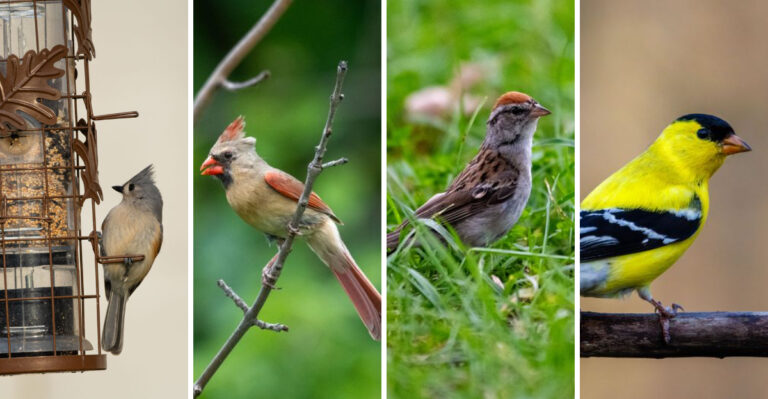
Homeowners often notice the flock before they notice the pest. When robins, starlings, and cattle egrets suddenly gather on your lawn in early September, they are usually feeding on something soft and juicy hiding in the grass.
Look for turf that seems thinner than it did last weekend. Blades may look ragged along the tips, almost like someone trimmed them with dull scissors.
Another clue is a brown area that grows outward day by day. Damage often starts near a ditch, fence line, or pasture edge, then marches toward the middle of the yard.
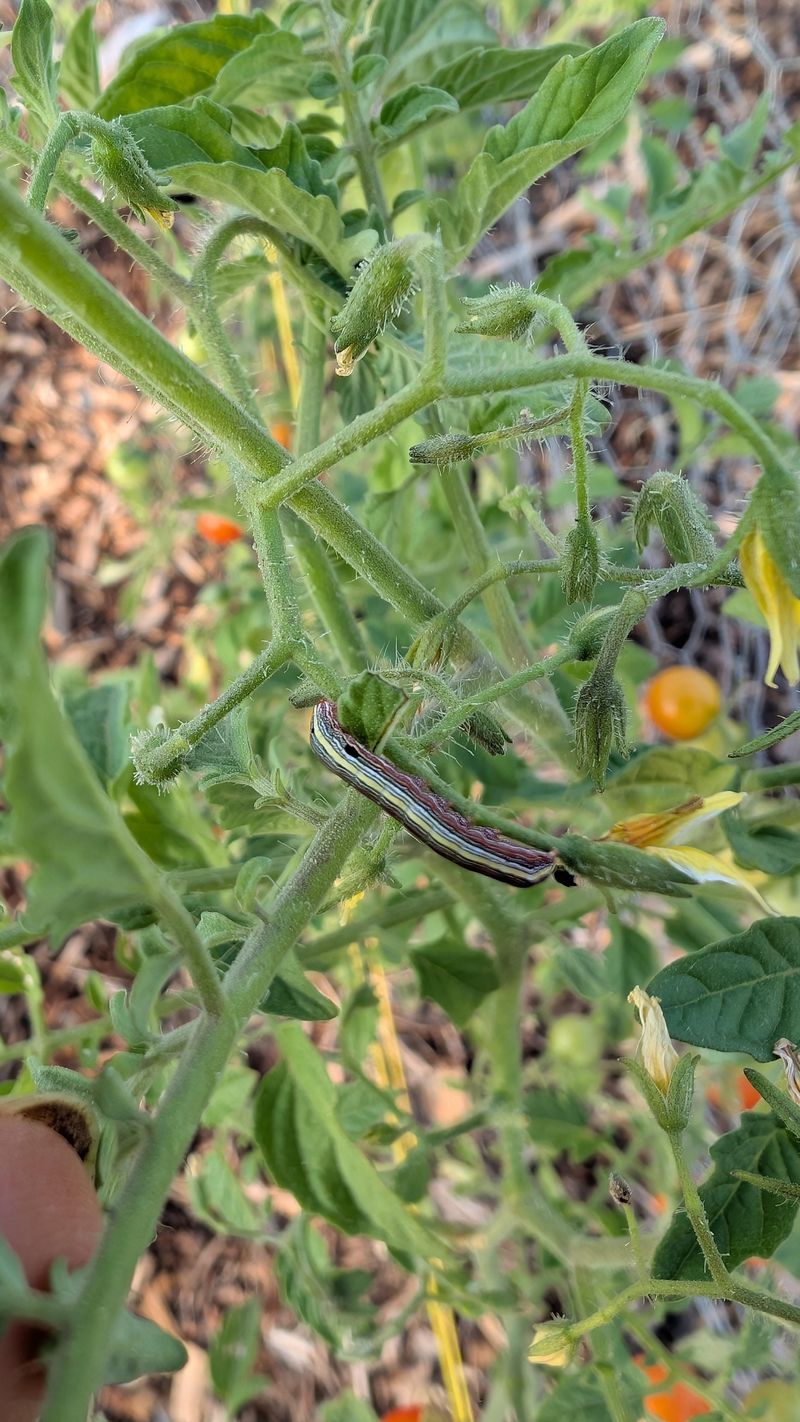
Get down on your knees and part the grass with your fingers. Tiny green or brown caterpillars with stripes along their sides may be resting near the soil surface, especially during the heat of the afternoon.
Check for small dark specks that look like pepper grains scattered on the thatch. Those droppings, called frass, are a strong hint that feeding is happening overnight.
Moths fluttering low over the turf at dusk deserve attention too. The adults lay fuzzy egg masses on light-colored surfaces such as mailbox posts, gutters, siding, patio umbrellas, and flagpoles.
Walk your yard every two or three days during September. A quick five-minute loop with your eyes down beats a weekend of emergency repair work later.
Neighborhood chatter helps as well. If someone two streets over mentions ragged turf, your lawn may be next on the menu.
2. Try The Soapy Water Flush Test In Your Own Yard
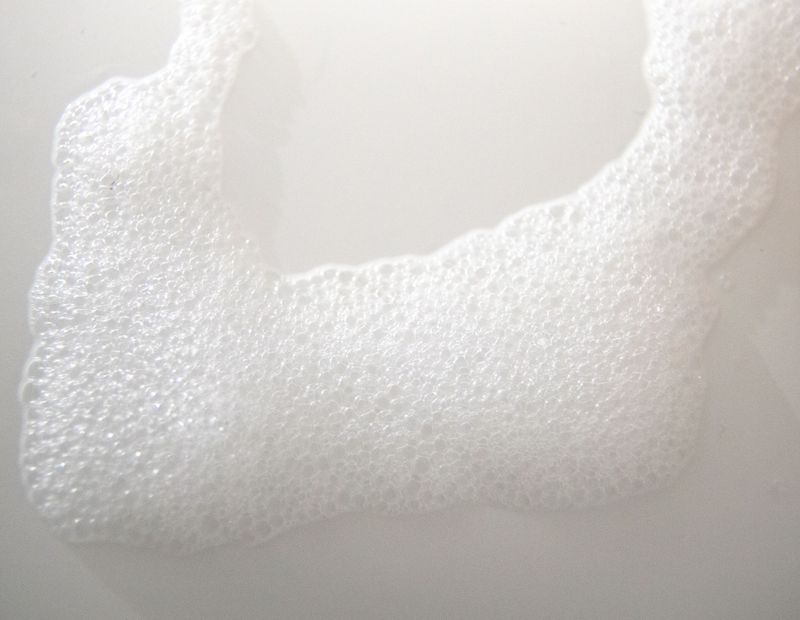
Here is a trick county extension agents have used for decades, and it costs about a dollar. Mix two to three tablespoons of lemon-scented dish soap into a gallon of water, then pour it slowly over a three-foot by three-foot patch where damage looks fresh.
Wait a few minutes and watch closely. Caterpillars hiding near the soil find the soap irritating and wiggle up to the surface where you can count them.
Pick a spot on the edge of a damaged area rather than the center. Pests move outward as they feed, so the border usually holds the most active feeders.
Your Alabama Garden Changes Every Week. Your Plan Should Too.
Gardening in Alabama changes quickly throughout the season. Every Friday you’ll receive a simple weekly plan showing exactly what to plant, prune, fertilize, harvest, and protect so you never miss the right timing.
Counting matters more than guessing. Finding three to five caterpillars per square foot generally means treatment is worth considering, especially if the turf is already stressed from summer heat. Anything higher than that calls for action right away.
Test two or three spots around the yard for a better picture. One sample can fool you, while several give a pattern you can trust.
Early morning or late evening works best for this check. Feeding activity peaks when temperatures drop, and that is when the insects sit closer to the surface.
Rinse the test area with plain water afterward so the soap does not linger on the blades. A quick spray from the hose handles it fine.
Keep a note on your phone with the date and the count. Tracking numbers across a week shows whether the population is building or fading on its own.
3. Know Which Alabama Grasses Get Hit Hardest
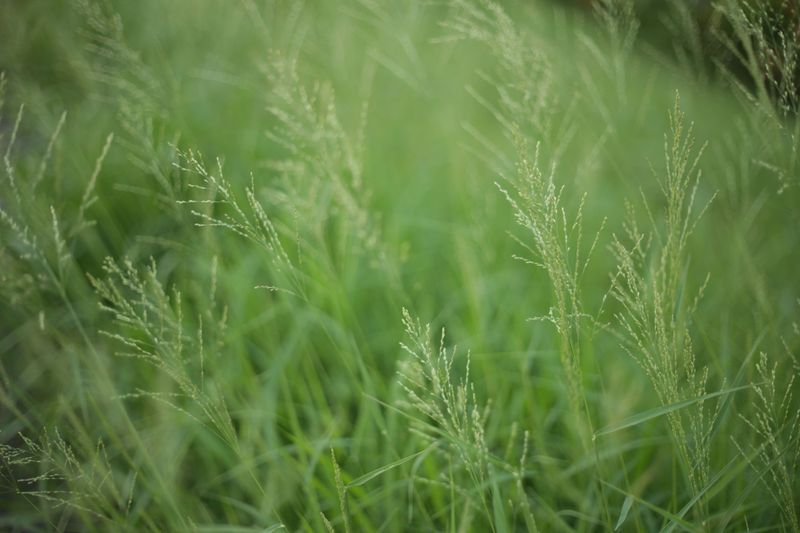
Not every lawn in the state faces the same risk. Bermudagrass sits at the top of the menu, which is unfortunate since it covers so many yards from Huntsville to Mobile.
Fescue lawns in north Alabama also take a beating, particularly newly overseeded areas in September. Tender young blades are soft and easy to chew.
Zoysia tends to hold up a bit better, though heavy pressure can still leave it thin. Centipede and St. Augustine fall somewhere in the middle, with damage often showing near shaded borders.
Freshly fertilized turf acts like a dinner bell. Lush nitrogen-fed growth is tender, and it draws feeding insects faster than slower-growing grass next door.
Hay fields, pastures, and roadside ditches serve as launch pads. Homes bordering open land in the Black Belt or the Tennessee Valley often see the first activity.
Newly sodded lawns deserve extra attention. Young roots have not spread yet, so losing the top growth hurts much more than it would in an established yard.
Knowing your grass type shapes your response. Bermuda and zoysia usually bounce back from the crown and runners, while fescue may need reseeding once cooler weather arrives.
If you are unsure what you are growing, snap a photo and take it to your county extension office. Staff there identify turf types daily and will point you toward the right plan.
4. Time Your Treatment For Evening Hours
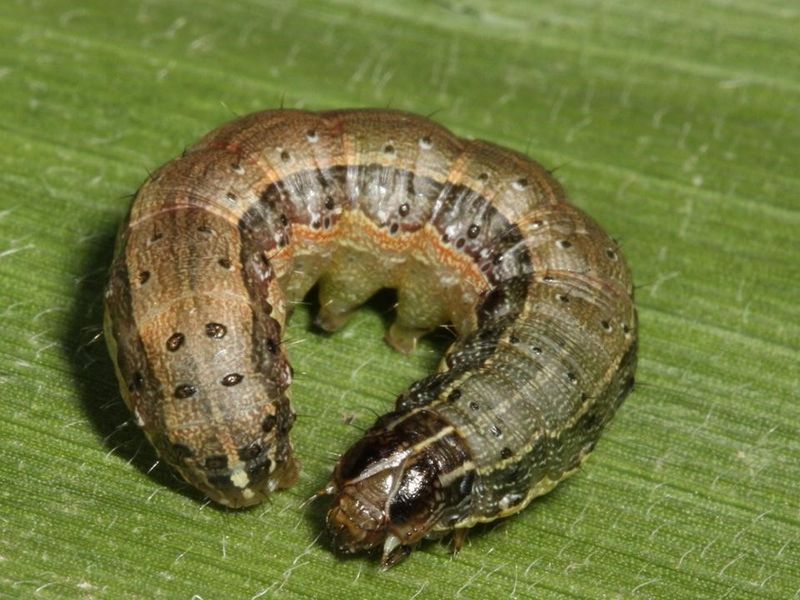
Timing beats product choice more often than folks expect. Caterpillars hide low during hot afternoons and climb up to feed once the sun drops, so a late-day application meets them where they will actually be.
Aim for the hours between about 5 p.m. and dusk. Cooler temperatures also reduce stress on turf and keep the spray from drying too fast on the blades.
Skip watering right after you treat unless the label specifically says to water it in. Rinsing the leaf surface can wash away material meant to stay there.
Check the forecast first. Alabama afternoons love a surprise thunderstorm, and a downpour an hour after application wastes both time and money.
Mow before treating rather than after. Removing tall growth helps the spray reach lower in the canopy where feeding is happening.
Give the yard a light watering an hour or two before you spray if the soil is bone dry. Slightly moist turf helps coverage settle evenly.
Walk at a steady pace with your sprayer and overlap your passes slightly. Skipped strips become safe zones where the population keeps building.
Follow up with a scouting check the next evening. Seeing sluggish or absent caterpillars tells you the timing worked, while fresh feeding suggests coverage missed a section.
Younger caterpillars respond faster than large ones. Catching them early in their growth stage saves you from repeat rounds later in the month.
5. Pick Products That Match The Size Of The Problem
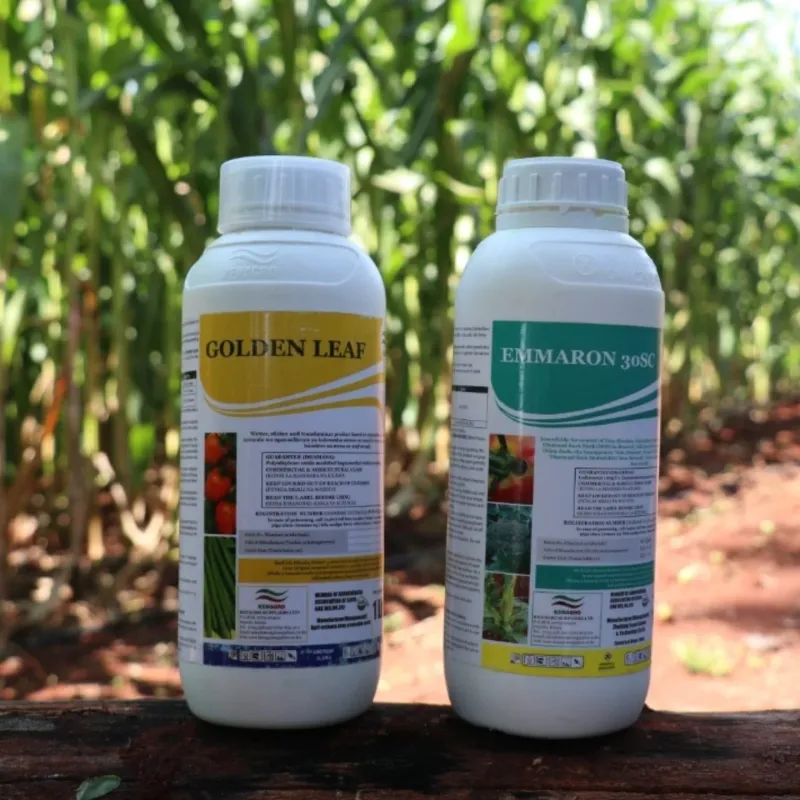
Walking the lawn aisle can feel overwhelming, so narrow it down by what the label actually says. Look for turf products listing armyworms or general lawn caterpillars on the front panel.
Bacillus thuringiensis, often sold as Bt, works well on small caterpillars and is gentle on pollinators. Coverage must be thorough and reapplied after heavy rain.
Spinosad gives another softer option that many gardeners like. It handles young feeders nicely and breaks down fairly quickly in sunlight.
For heavier pressure, products containing bifenthrin or lambda-cyhalothrin offer longer residual protection. Read directions carefully and keep pets and children off the turf until it dries.
Granular formulas suit homeowners without a sprayer. Spread them evenly, then follow the label instructions regarding light watering to activate the product.
Liquid applications usually give faster contact results on leaf surfaces. Hose-end sprayers make the job simple for average-sized yards.
Measure your lawn before buying. Guessing leads to either wasted product or thin coverage that leaves gaps in protection.
Wear gloves, long sleeves, and closed shoes while mixing. Store leftovers in the original container, up high and out of reach.
Avoid spraying blooming clover or flower beds where bees are working. Mowing off blooms a day ahead reduces that risk considerably.
One well-timed application often handles a single wave. Repeat treatments make sense only when scouting shows fresh activity building again.
6. Water And Feed The Lawn Back To Health
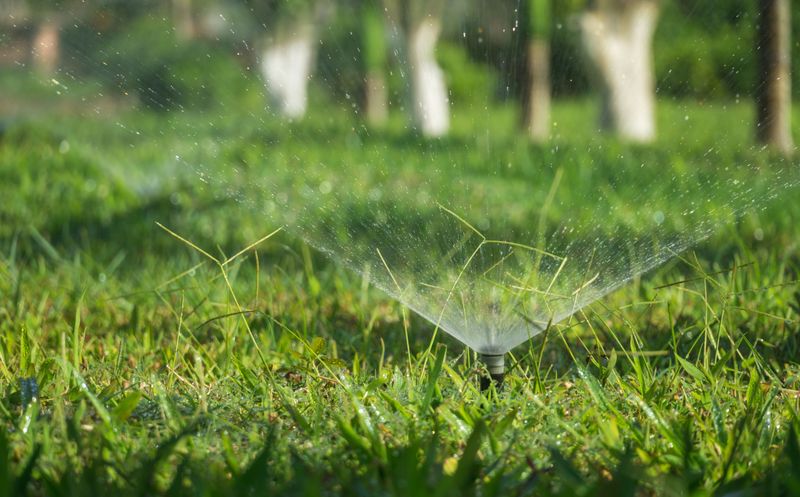
Recovery starts the moment the feeding stops. Grass with healthy roots regrows from the crown surprisingly fast once the pressure lifts.
Give the lawn about an inch of water per week, split into one or two deep soakings. Shallow daily sprinkles encourage weak roots that struggle through fall.
Morning watering beats evening watering for recovery. Blades dry before nightfall, which lowers the chance of fungal issues creeping in.
A light nitrogen feeding can speed regrowth on warm-season grasses during early September. Check your grass type first, since late-season feeding on centipede can cause trouble.
Hold off on heavy fertilizer once October nears. Pushing tender growth right before cool nights leaves turf vulnerable to winter stress.
Raise your mower height by half an inch while the lawn rebuilds. Extra leaf area helps the plant produce energy and shade the soil.
Leave clippings on the lawn as you mow. They return nutrients and add a bit of moisture-holding mulch to thin spots.
Skip herbicide applications for two or three weeks after damage. Stressed turf handles chemicals poorly, and weeds can wait.
Bermuda and zoysia usually green up again within two to three weeks, though recovery speed depends on rainfall, soil moisture, and how much heat lingers into late September.
Fescue may need overseeding once soil temperatures cool into the mid-sixties, since air temperature alone can be misleading.
Patience pays here. A yard that looks rough in mid-September often looks respectable again by Halloween.
7. Cut Back On Lights And Tall Weeds Around The Yard
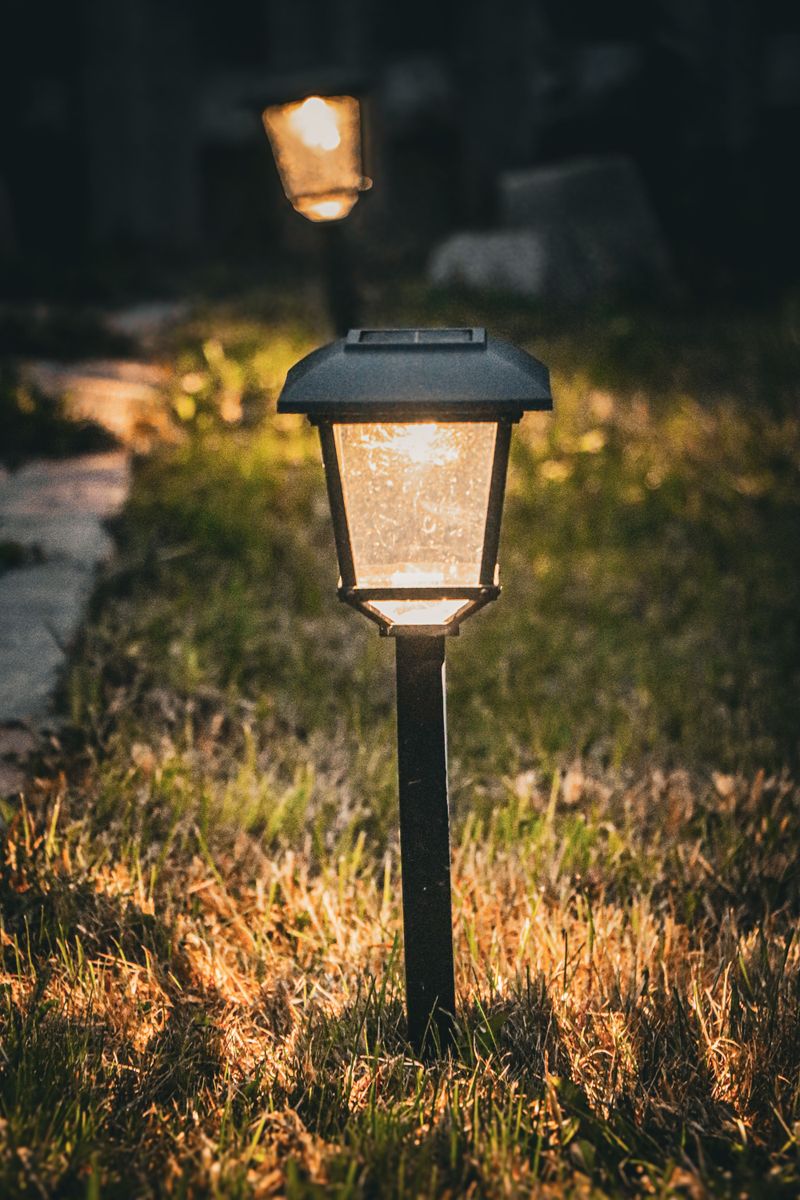
Moths navigate toward bright white light, and porch fixtures blazing all night make your yard more noticeable to them.
Switching to warm yellow bulbs or motion-activated fixtures reduces how many adults gather near your turf.
Pay attention to garage lights and landscape spotlights too. Dimming them during peak weeks in September lowers egg-laying pressure right where it matters.
Tall weeds along fence lines give shelter and a bridge into the lawn. Trimming those strips removes a staging area.
Ditch banks and unmowed corners deserve the same treatment. A string trimmer session takes twenty minutes and pays off for weeks.
Wipe down light-colored surfaces where fuzzy egg masses appear. Mailbox posts, gutters, window frames, and patio furniture legs are favorite spots.
A garden hose with a firm stream knocks egg masses off siding easily. Doing this once a week during peak season removes a large number of future feeders.
Clean up thick thatch layers if your turf has built one. Dense thatch gives caterpillars a cozy place to hide during daylight hours.
Encourage natural helpers by limiting broad sprays when populations are low. Ground beetles, parasitic wasps, and birds handle small numbers on their own.
Neighborhood cooperation multiplies results. When several houses trim edges and adjust lighting together, the whole block sees less trouble.
Small habits like these rarely feel dramatic. They simply make your yard a less appealing stop along the route.
8. Lean On Alabama Extension For Free Local Help
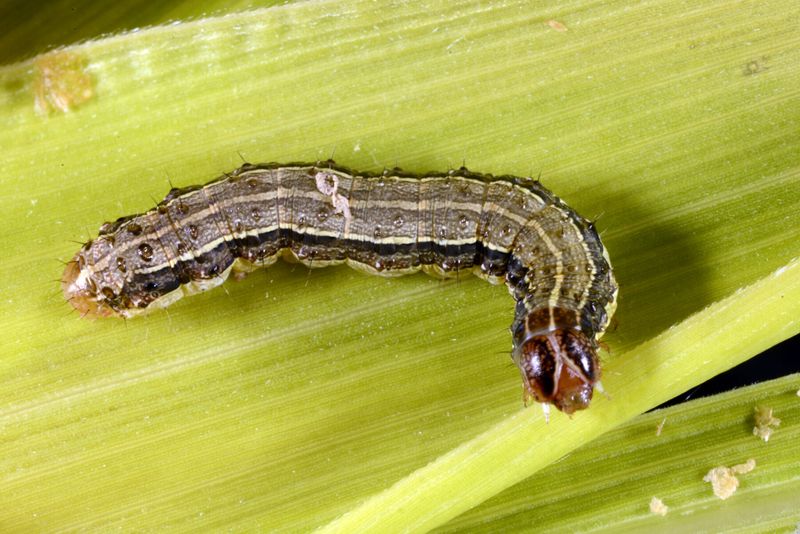
Few resources beat a phone call to your county extension office, and the advice costs nothing. Alabama Cooperative Extension System agents track pest activity across the state and often know exactly which counties are seeing pressure that week.
Bring a sample if you can. A small piece of sod in a sealed bag helps agents confirm what is feeding and rule out drought stress or disease.
Photos work well too. Clear pictures of the damage pattern, the caterpillars, and the surrounding lawn usually give enough detail for identification.
Extension publications cover treatment thresholds, product options, and grass-specific recovery steps. They are written for homeowners, not scientists, and they are free to download.
Master Gardener helplines operate in many counties during business hours. Volunteers there answer turf questions regularly and enjoy the conversation.
Social media pages for regional extension offices post timely alerts in late summer. Following one gives you a heads-up before problems reach your street.
Auburn University research drives much of this guidance. Recommendations come from field trials conducted in conditions similar to your own backyard.
Local lawn care companies can also step in when a yard is large or damage is widespread. Ask whether they scout before treating rather than applying on a set schedule.
Keeping a contact number saved on your phone makes next September easier. Quick answers turn a stressful week into a manageable weekend project.