The Kentucky Law That Decides Who Owns Fruit Hanging Over A Fence

Backyard fences in Kentucky hold back a whole lot more than nosy dogs and runaway soccer balls. Sometimes they quietly hold back an argument that nobody in the neighborhood ever saw coming.
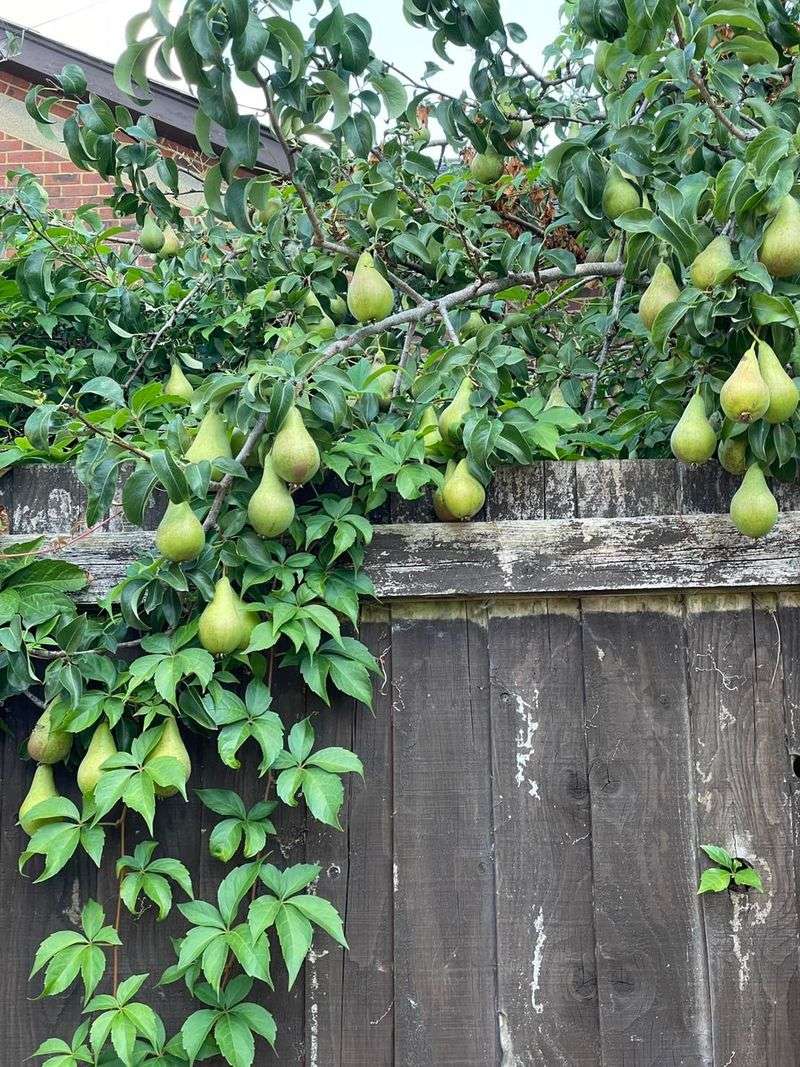
A neighbor plants something leafy near the property line, and a decade later heavy branches lean sideways. Suddenly something round, ripe, and honestly pretty tempting is dangling right above your favorite lawn chair.
Most folks assume finders keepers kicks in the second anything crosses the fence into their yard. Kentucky law holds a slightly different opinion, and that opinion surprises almost everybody who hears it.
Property lines run perfectly straight on paper, though roots and branches apparently skipped the part about reading deeds. Neither did the squirrel, who settled this whole ownership question weeks ago without consulting anyone.
Ownership Follows The Trunk, Not The Branches
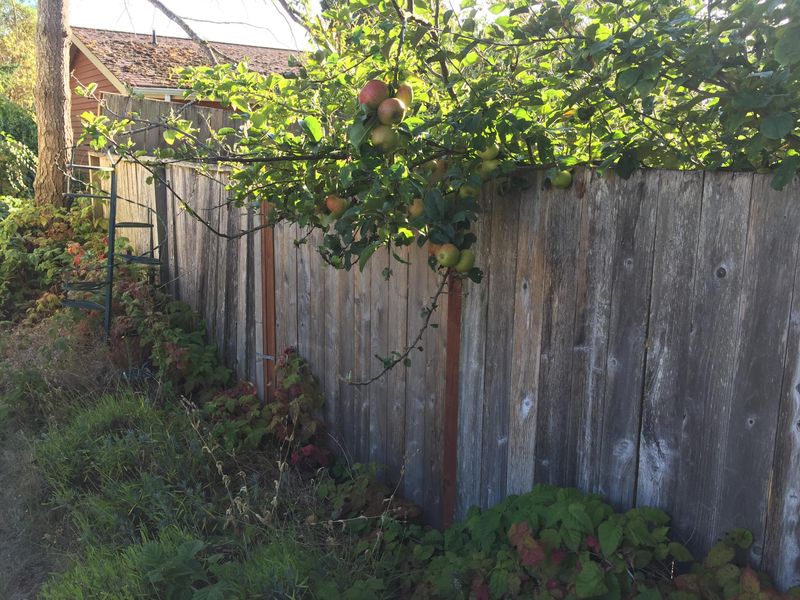
Picture a pear tree rooted three feet inside your neighbor’s yard, with half its load hanging over you. Kentucky answers that puzzle by looking down, not up.
The trunk settles the question in most Kentucky disputes, no matter which direction the limbs wander. Whoever owns the ground under that trunk owns the fruit growing above it.
Kentucky courts have long treated trees as part of the land where they are planted. Branches crossing a boundary do not transfer ownership of anything attached to them.
So that glossy apple dangling above your patio still belongs to the family next door. Picking it without permission technically counts as taking property that is not yours.
Fallen fruit sits in a grayer zone that trips people up constantly. Once it drops onto your soil, most neighbors treat it as yours, though courts rarely bother.
Shared trees change the math, and Kentucky recognizes them as boundary trees. When a trunk straddles the line, both owners hold rights and neither can remove it alone.
A quick measurement at the base saves hours of arguing over hypothetical rights. Grab a tape measure before you grab the fruit basket.
Most neighbors, once they understand the trunk rule, happily share the surplus anyway. Asking politely gets you more peaches than quoting statutes ever will.
Written agreements help when the harvest is large enough to matter financially. A short note signed by both households prevents years of fence line grumbling.
The Self-Help Rule And Its Sharp Limits
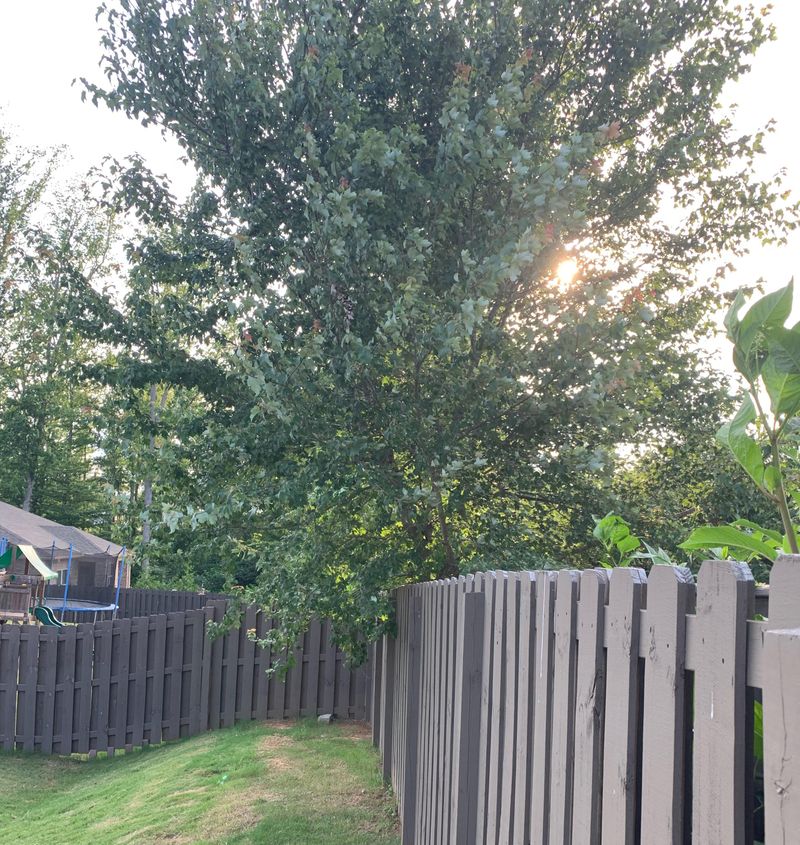
Kentucky follows what lawyers cheerfully call the self-help rule, and it sounds more dramatic than it is. You may trim what crosses onto your side.
Cutting stops exactly at the invisible vertical boundary line above your property. Reaching past it, even by an inch, turns lawful trimming into trespass.
Your ladder counts too, so keep both feet and every tool on your own soil. Stepping over to get better leverage undoes the whole legal protection.
Courts also expect reasonable care, meaning you cannot butcher a healthy tree under the excuse of trimming. Harming the tree’s survival can leave you owing serious money.
Kentucky treats valuable trees seriously, and damage awards can reach replacement cost. Replacing a mature shade tree runs into thousands of dollars.
Your Kentucky Garden Changes Every Week. Your Plan Should Too.
Gardening in Kentucky changes quickly throughout the season. Every Friday you’ll receive a simple weekly plan showing exactly what to plant, prune, fertilize, harvest, and protect so you never miss the right timing.
Here is the twist that annoys people most. Fruit you cut off during trimming still belongs to the trunk’s owner, not you.
Hand the clippings back, or ask first if they want them. Tossing branches over the fence in a heap reads as spite, and judges notice.
Hiring a certified arborist costs less than a lawsuit and protects everyone involved. Professionals know where to cut so the tree stays healthy and the boundary stays respected.
Photograph the branches before and after any trimming you do. Pictures settle disagreements faster than memory, especially a year later.
Self-help works best paired with a knock on the door and a short conversation. Most limb disputes end over coffee rather than in district court.
Seasonal Timing And The Ripening Standoff
Late July through October is when Kentucky county clerks hear the fruit questions. Ripe fruit makes people bold, and boldness makes people call lawyers.
Timing matters for trimming as well, since cuts made in deep summer stress a loaded tree. Late winter dormancy is the safest window for removing crossing limbs.
Trimming during dormancy also lowers your risk of harming the tree. A healthy tree afterward means a neighbor with no damage claim.
Talk about the harvest before anything ripens, ideally in early spring. Agreements reached while branches are bare feel far less personal.
Kentucky summers drop a lot of fruit fast, and rotting piles attract yellow jackets. A week of neglect turns a pleasant yard into a buzzing hazard.
Cleanup expectations should be settled early, because nobody wants that chore in August. Some households split the raking, others trade cleanup for a share of jars.
Kentucky weather adds its own drama with ice storms and spring winds. Limbs that cracked in February become the argument nobody planned for in July.
Inspect overhanging limbs each spring for cracks, brittle wood, or heavy leaning. Reporting a weak limb in writing shifts responsibility onto the tree’s owner.
Harvest windows are short, so a quick text beats a long silence. Offering to pick and share usually earns you half the basket.
Seasons reset the relationship every year, for better or worse. Handle one August well and the next four tend to go smoothly.
Common Mistakes That Sour Good Neighbors
Shaking a branch to make fruit fall is the classic Kentucky backyard misstep. Courts see it as deliberate taking, not clever gardening.
Another frequent blunder involves hiring a crew and pointing vaguely at the fence line. Whatever they cut past the boundary becomes your legal problem, not theirs.
Some frustrated homeowners pour chemicals near roots that creep under the fence. That move can trigger damage awards far larger than the annoyance justified.
Assuming the fence marks the true property line ranks high on the mistake list. Fences drift over decades, and plenty sit a foot off.
A recorded survey costs a few hundred dollars and ends the guessing. Skipping it has cost Kentucky homeowners much more in legal fees.
Silence is its own mistake, and a surprisingly common one. Waiting three seasons before mentioning the branches makes you look opportunistic later.
Retaliation escalates faster than anything else on this list. One angry trim invites an angry response, and then everyone is unhappy.
Verbal permission fades from memory the moment the house next door sells. New owners inherit the tree but rarely inherit the handshake.
Write things down, even casually, and keep a copy with your deed paperwork. Future you will appreciate the five minutes it took.
Perhaps the biggest error is treating a few apples like they’re worth losing a friendship over. A bushel of apples costs less than one hour of attorney time.
Neighbors remember tone longer than they remember terms. Ask kindly and the branches stop feeling like a border dispute.
Nuisance Complaints And Real Dollar Consequences
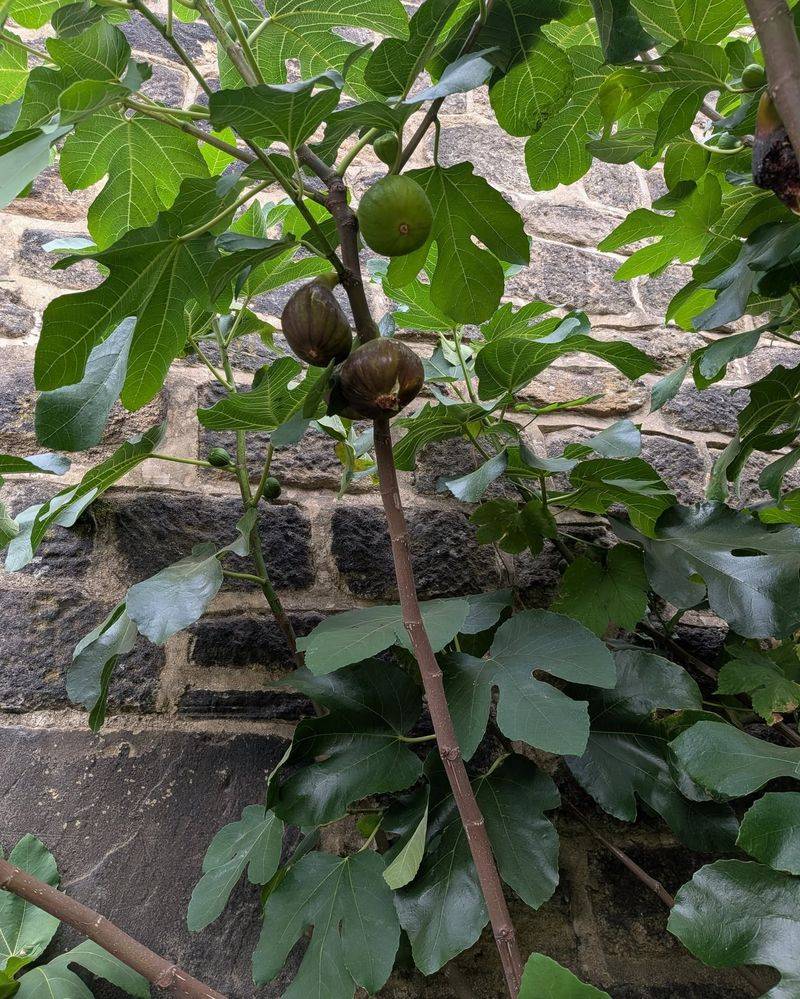
Overhanging limbs can cross from harmless into legally actionable when they cause actual harm. Kentucky calls that nuisance, and the standard is practical rather than poetic.
Shade alone rarely qualifies, and neither does a few pieces of fruit on the lawn. Courts want proof of genuine damage or a real safety risk.
Stained concrete, clogged gutters, a cracked windshield, or a slippery walkway change the conversation. Those are measurable costs with receipts attached.
Kentucky small claims court handles disputes up to twenty five hundred dollars. Filing fees are modest, and you do not need an attorney.
Notice carries real weight in these cases, which surprises many homeowners. A tree owner who was warned about a hazardous limb faces much greater exposure.
Send a polite letter, keep a copy, and note the date you mailed it. Paper trails have decided more Kentucky yard disputes than dramatic testimony.
Homeowner insurance often covers storm damage from a neighbor’s limb regardless of fault. Calling your own insurer first usually moves faster than arguing.
Cities like Louisville and Lexington add local ordinances about overgrowth and blocked sidewalks. Code enforcement can order trimming when a limb threatens public passage.
Mediation programs exist in many Kentucky counties and cost far less than filing. A neutral third party often untangles a fruit fight in one session.
Winning in court still leaves you living beside the person you sued. Weigh that before trading a peach harvest for a courtroom date.
Fence Line Planning For Long Term Peace
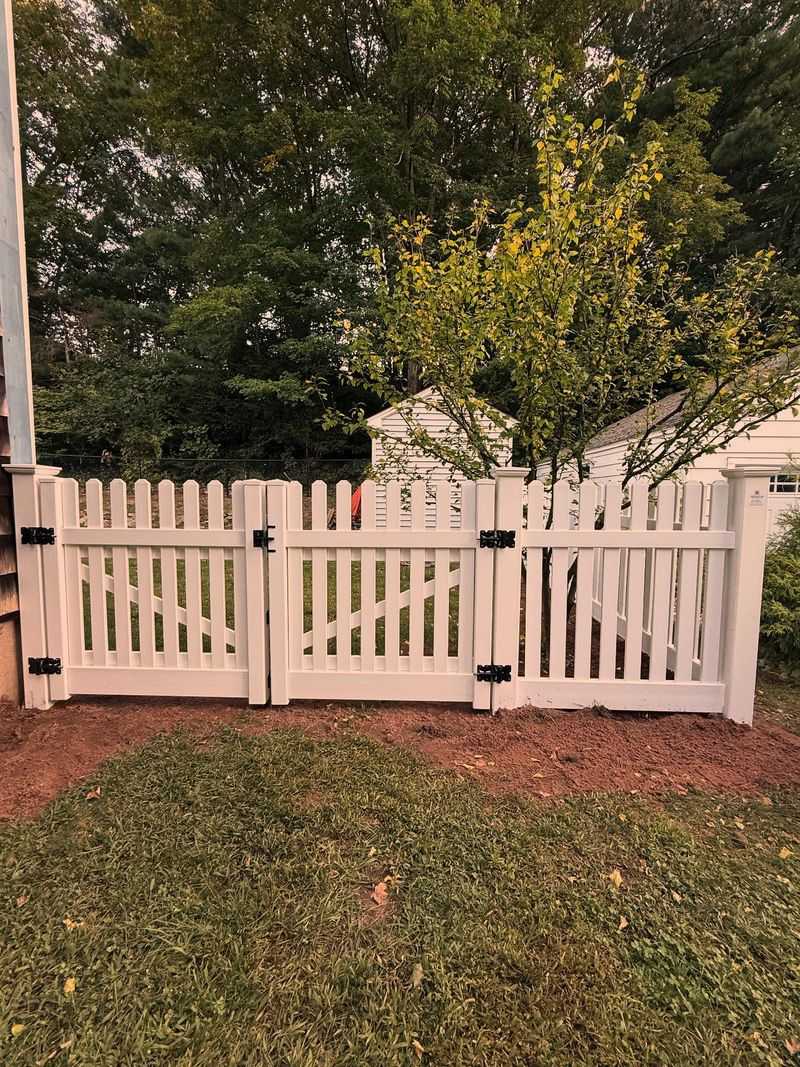
Prevention starts with a shovel and a tape measure, long before anything bears fruit. Standard mature spread for most fruit trees runs fifteen to twenty five feet.
Planting half that spread away from the boundary keeps branches home. Ten feet of setback solves problems that lawyers charge hundreds to discuss.
Dwarf and semi-dwarf varieties suit Kentucky yards beautifully and stay compact. Many produce full sized fruit on a tree you can pick from the ground.
Annual pruning keeps a canopy inside its lane and boosts the harvest too. Skip three years and the tree will make its own decisions.
Check your deed and any subdivision covenants before planting near a line. Some Kentucky neighborhoods restrict tree placement, heights, or species outright.
A simple written agreement can settle harvest rights for as long as both families stay. Include who trims, who picks, and who rakes the drops.
Recording that agreement with the county clerk makes it survive a home sale. Buyers then know exactly what they are getting.
Root barriers installed at planting depth keep spreading roots from lifting a driveway. Twenty four inch panels handle most backyard varieties.
Honestly, the cheapest prevention is a paper bag of extra pears handed over the fence. Generosity has settled more property disputes in Kentucky than statutes have.
Plan the tree, plan the talk, and the fruit takes care of itself. Your future self will be eating cobbler instead of reading case law.