These Pennsylvania Perennials Come Back Fuller When You Cut Them Back Hard Right Now
Cutting a healthy looking perennial back hard feels counterintuitive. The plant is still standing, still green in places, and the instinct to leave well enough alone through fall is strong.
But for certain Pennsylvania perennials, a hard cutback at exactly the right moment in the season is precisely what triggers fuller, more vigorous regrowth the following spring.
These are not plants you’re cutting back because they’re done. You’re cutting them back to make them better.
The timing matters as much as the action. Done too early, you remove growth the plant still needs.
Done at the right moment, you redirect energy toward the root system, reduce disease pressure, and set up the kind of robust spring emergence that makes these perennials worth growing in the first place.
Here’s which Pennsylvania perennials respond best to a hard fall cutback and exactly when and how to do it.
1. Catmint (Nepeta)
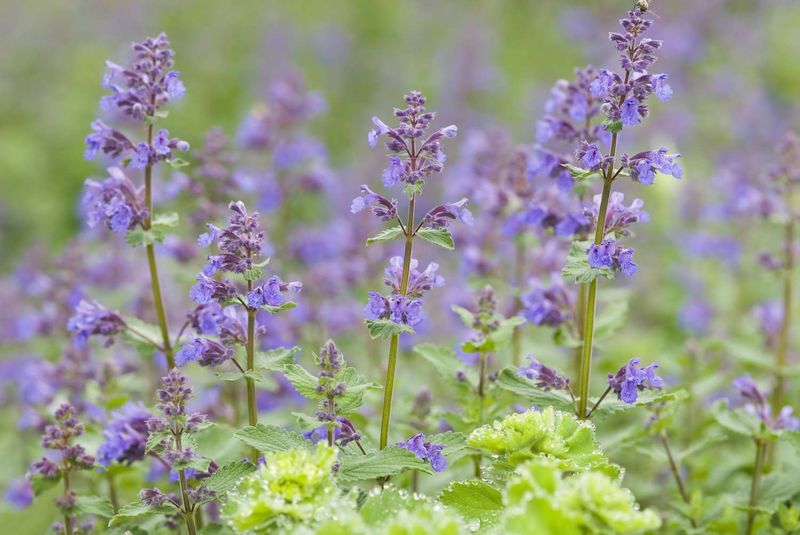
Catmint is one of those plants that looks messy fast. After its first big flush of blue-purple flowers, the stems flop outward and leave a bare, tired center. A hard trim fixes all of that in one afternoon.
Cut the whole plant back by about half or even two-thirds. Don’t be shy here. Catmint is tough, and it takes a heavy shearing without any trouble. Within a week or two, you’ll see fresh green growth filling in.
What makes this plant special is how quickly it rebounds. In Pennsylvania’s summer weather, catmint often blooms a second time after being cut back. That means more of those soft, dreamy purple flowers that bees absolutely love.
Use clean pruners or hedge shears for the job. Gather the stems in one hand and snip across the top like you’re giving it a rounded haircut. The plant will look bare for a few days, but that’s totally normal.
Water it well after trimming to help it recover. A little compost around the base gives it an extra boost too. You don’t need fertilizer packed with chemicals, just some good organic matter.
Here’s a fun bit: catmint is a cousin of catnip, so your neighborhood cats might come sniffing around. It’s a friendly plant that fits well in cottage gardens and along walkways.
By late summer, your trimmed catmint will look fuller and neater than ever. The second round of blooms often lasts into fall, giving pollinators one more treat before the cold sets in. Trim it now, and enjoy the payoff soon.
2. Salvia (Perennial Sage)
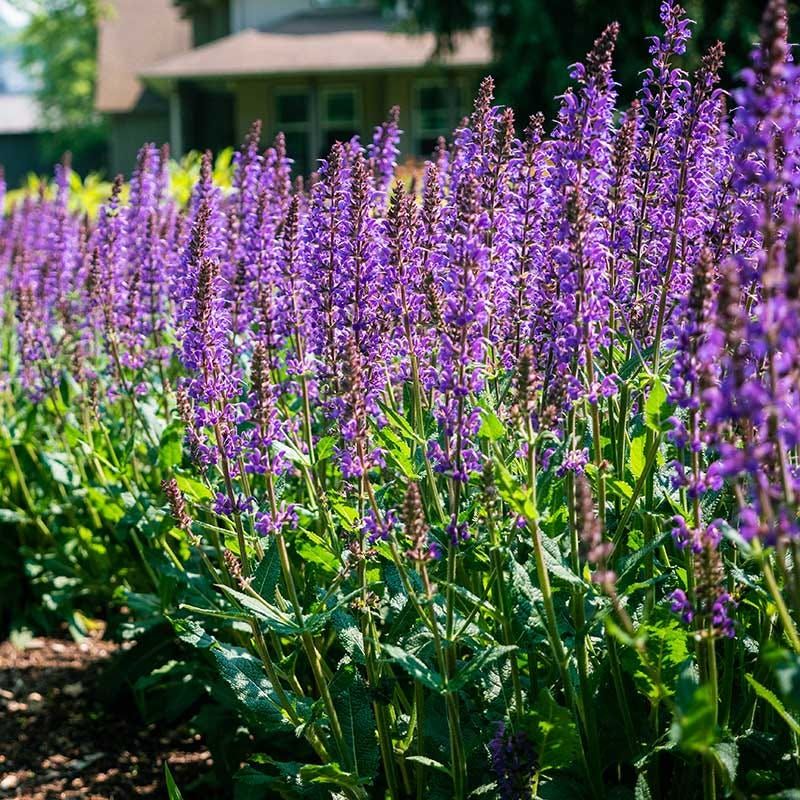
Salvia puts on a stunning show in early summer with tall purple and blue spikes. But once those spikes fade, the plant can look like a bundle of brown sticks. That’s your signal to grab the pruners.
Trim salvia back by about a third to a half once the first blooms fade. Cut just above a set of healthy leaves. This tells the plant to send up new flower spikes instead of setting seed.
Your Pennsylvania Garden Changes Every Week. Your Plan Should Too.
Gardening in Pennsylvania changes quickly throughout the season. Every Friday you’ll receive a simple weekly plan showing exactly what to plant, prune, fertilize, harvest, and protect so you never miss the right timing.
Gardeners in Pennsylvania often get a second, and sometimes a third, round of blooms from a well-timed cutback. The new spikes might be a little shorter, but they’re just as colorful and lively.
Pollinators go crazy for salvia. Bees, butterflies, and even hummingbirds stop by for a drink. By trimming now, you keep the buffet open longer into the season.
The best part is how easy salvia makes recovery. It’s a hardy plant that shrugs off a heavy trim like it’s nothing. Just give it a good drink of water afterward.
Try to prune on a cool morning rather than a scorching afternoon. Plants handle stress better when it’s not blazing hot outside. A layer of mulch around the base helps hold moisture too.
Here’s something neat: many salvias have a slightly minty or herbal smell when you touch the leaves. That scent actually helps keep hungry deer and rabbits away, which is a bonus in rural Pennsylvania gardens.
Cut it back today, and within a couple of weeks you’ll see fresh spikes climbing back up. Your border will look full, colorful, and buzzing with life again.
3. Shasta Daisy
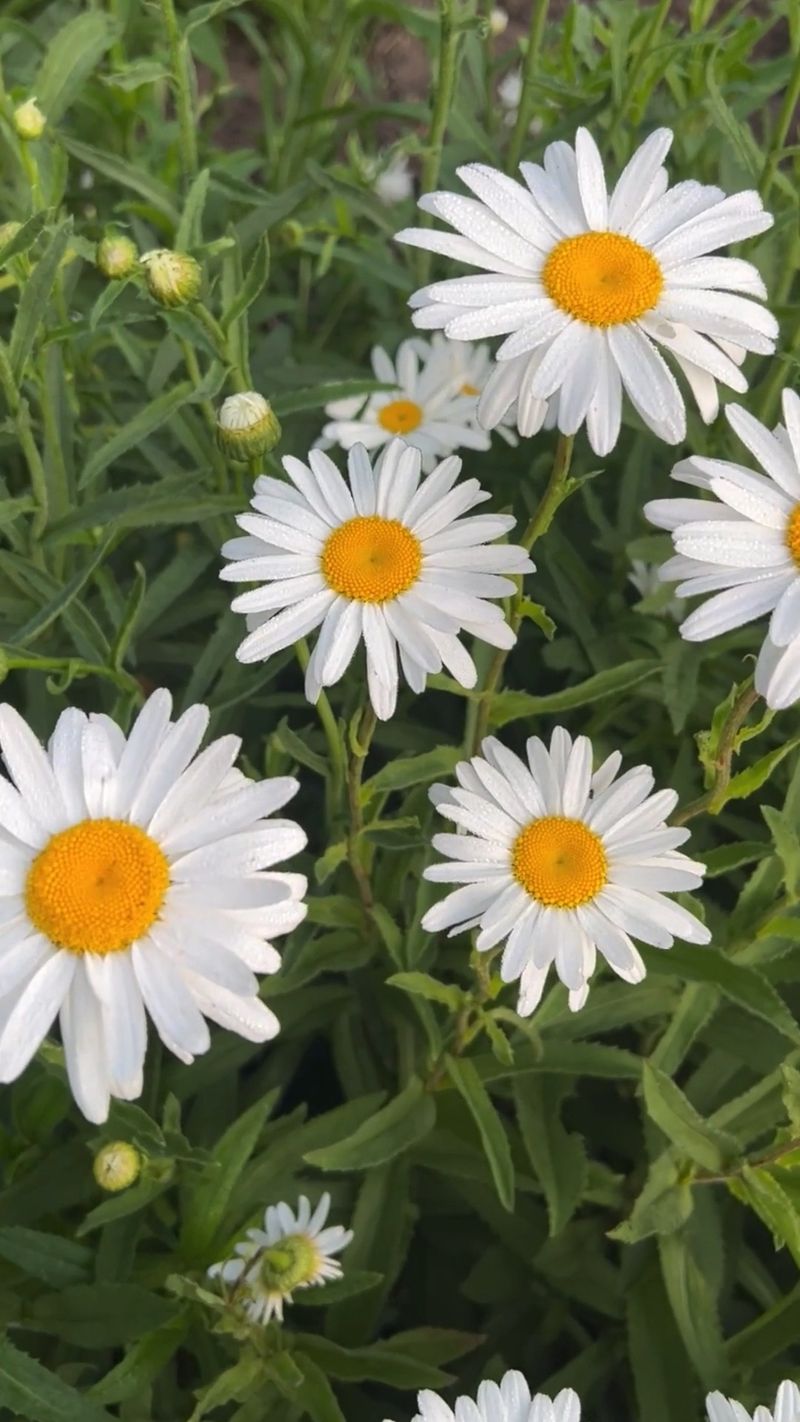
Nothing says classic summer garden like a Shasta daisy. Those crisp white petals and sunny yellow centers brighten any yard. But when the flowers turn brown and droopy, the whole plant starts to sag.
Snip the spent flower stems all the way down to the low clump of leaves at the base. This tidy trim clears out the tired growth and makes room for fresh energy. The green rosette at the bottom stays put.
After a hard cutback, Shasta daisies often send up a fresh flush of blooms later in the season. Even if they don’t rebloom heavily, the leftover foliage stays neat and green well into fall.
These daisies love full sun and well-drained soil, which is common across much of Pennsylvania. They’re not picky, and they forgive gardeners who forget to water once in a while.
Cutting back also stops the plant from wasting energy on seeds you don’t need. Instead, all that power goes toward strong roots and leafy growth for next year.
Grab a pair of clean scissors or pruners and work through the stems one section at a time. It goes quickly, and the plant looks instantly cleaner.
A fun fact: Shasta daisies were created by a famous plant breeder named Luther Burbank, who named them after the snowy Mount Shasta in California. That’s why the petals are such a bright, snowy white.
Give your daisies a drink after trimming, and add a bit of compost if you like. They’ll reward you with a tidier shape now and a stronger comeback next spring.
4. Bee Balm (Monarda)
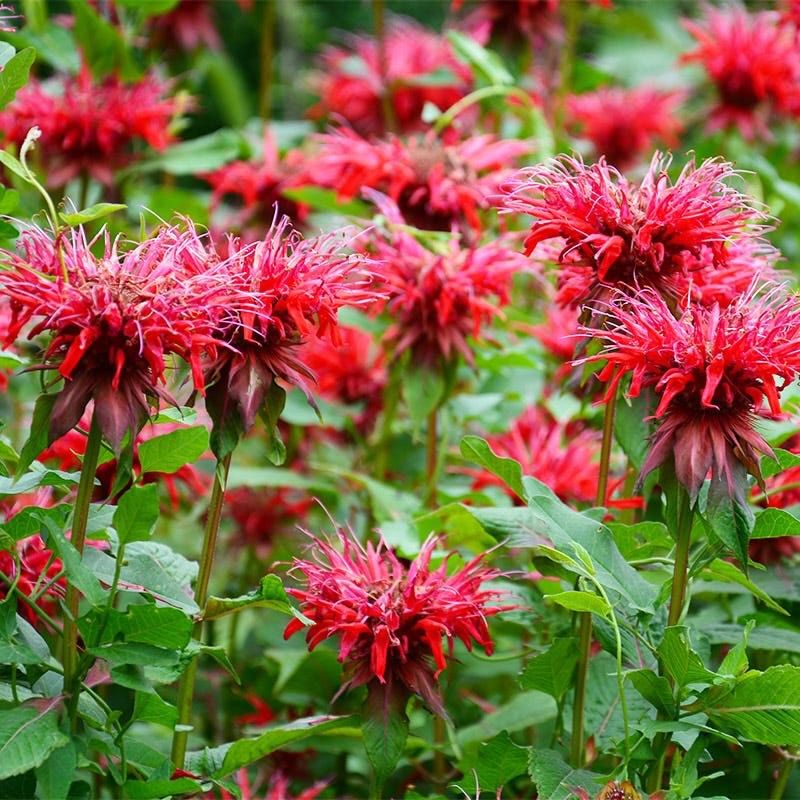
Bee balm brings a burst of wild color with its shaggy red, pink, and purple blooms. Hummingbirds and butterflies flock to it all summer. The catch is that bee balm can get leggy and often develops a white powdery mildew on its leaves.
A hard cutback solves both problems. Trim the stems down by about half, and remove any leaves that look dusty or spotted. Fresh, healthy growth will replace them.
In Pennsylvania’s humid summers, that powdery mildew shows up almost every year. Cutting back improves air flow around the plant, which helps keep the leaves cleaner and greener the second time around.
You’ll often get a fresh round of those fireworks-shaped flowers after trimming. The blooms may be a touch smaller, but the pollinators won’t mind one bit.
Bee balm is part of the mint family, so it spreads eagerly. A good trim keeps it from taking over the whole bed and crowding out your other plants.
Toss any mildewed leaves in the trash instead of the compost pile. That way the spores won’t spread to your other flowers next season.
Here’s a tasty tidbit: Native Americans and early settlers brewed bee balm leaves into a tea. It’s sometimes called Oswego tea, named after the Oswego people who shared the recipe.
Water the plant well after cutting, and give it a sunny spot with room to breathe. Fresh growth should appear within a couple of weeks.
By fall, your bee balm will look renewed, with cleaner leaves and cheerful blooms that keep the hummingbirds coming back for more.
5. Coreopsis (Tickseed)
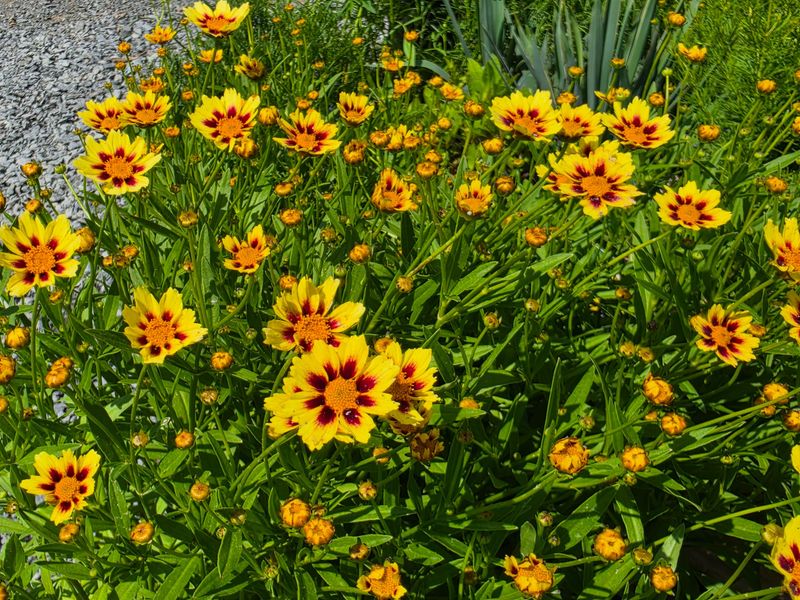
Coreopsis is a happy little plant covered in golden, daisy-like blooms. It flowers so hard that it sometimes wears itself out by midsummer. When the blossoms fade and the plant looks scraggly, a big trim wakes it right back up.
Shear the whole plant back by about a third. Don’t worry about being neat with each stem, just run your shears across the top like a hedge. Coreopsis takes this rough treatment in stride.
Within a couple of weeks, you’ll see a carpet of fresh buds forming. This little burst of new flowers can carry your garden all the way into fall.
Pennsylvania summers can bring heat waves and dry spells, and coreopsis handles both like a champ. It’s a low-fuss plant that thrives even when you forget about it for a while.
Trimming also stops the plant from dropping tons of seeds everywhere. If you don’t cut back, you might find little coreopsis seedlings popping up all over next spring.
The bright yellow flowers attract bees and small butterflies, adding movement and life to your beds. Keeping the plant fresh means the show goes on longer.
Fun fact: the name tickseed comes from the seeds, which look a bit like tiny ticks. Don’t worry, they’re totally harmless and don’t bite.
After shearing, give the plant a drink and maybe a sprinkle of compost. That’s really all it needs to bounce back strong.
By late summer, your coreopsis will look full and golden again, brightening the garden just when many other flowers start to fade away.
6. Yarrow (Achillea)
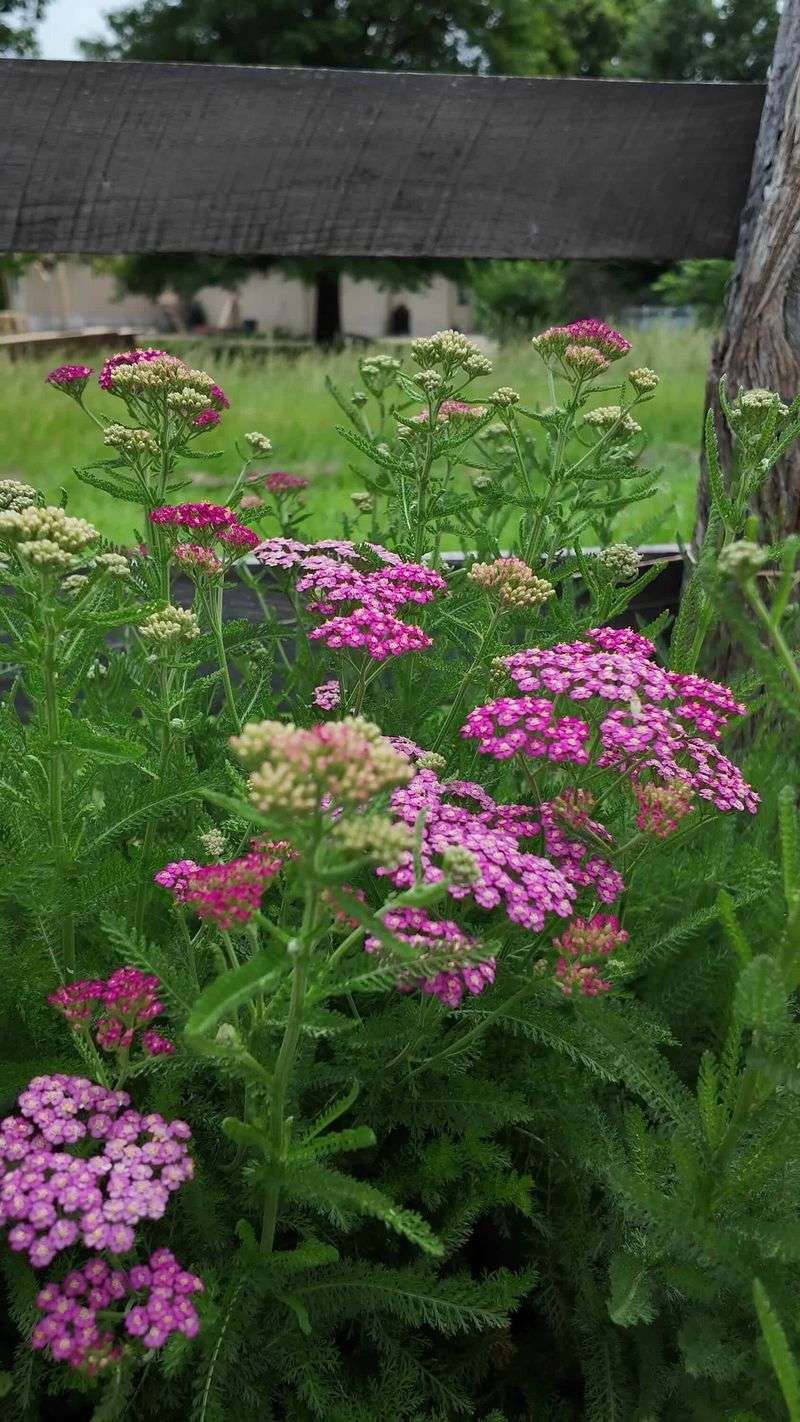
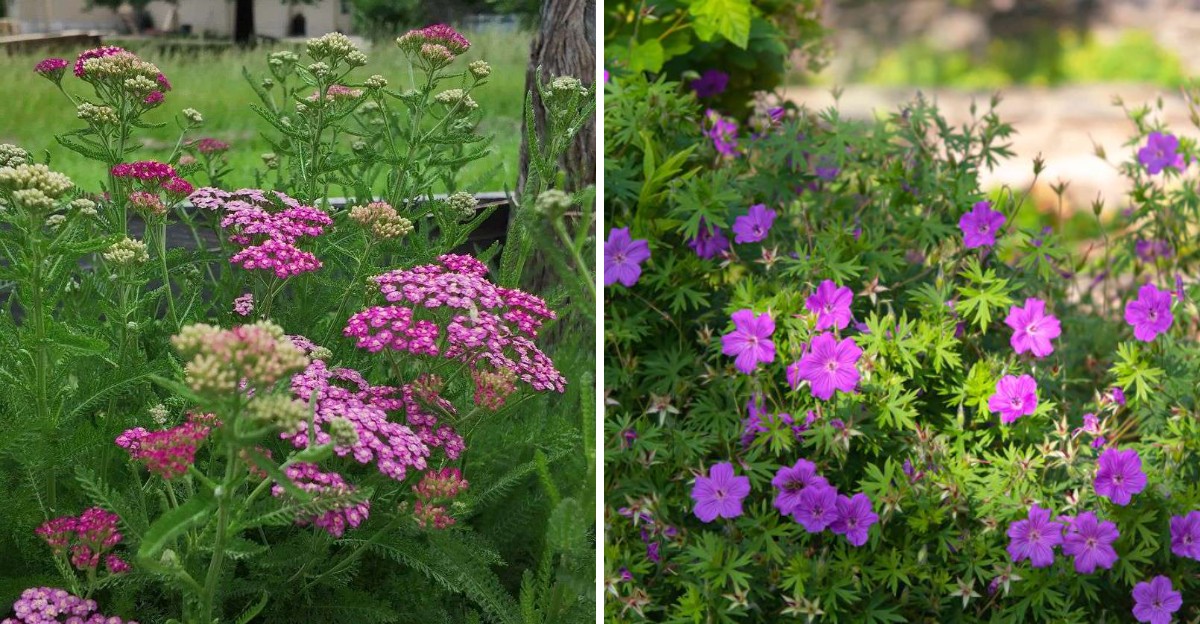
Yarrow stands tall with flat clusters of tiny flowers in yellow, pink, red, and white. Its feathery leaves look pretty even without blooms. But after flowering, the stems can flop and the flower heads turn dull and brown.
Cut the flowering stems back down to the low, ferny foliage. This clears away the tired blooms and encourages a fresh, tidy mound of leaves. Often, new flower stems will rise up again.
Yarrow is incredibly tough and does great in Pennsylvania’s varied soils. It even thrives in poor, dry ground where fussier plants struggle. A hard cutback barely fazes it.
Trimming keeps yarrow from getting too floppy and sprawling into its neighbors. The plant looks much cleaner and more upright after a good haircut.
Pollinators love the wide, flat flower heads because they make an easy landing pad. By cutting back, you often get a second wave of blooms for the bees and butterflies.
Use sharp pruners and cut just above the leafy base. The stems are thin and easy to snip, so the job goes fast.
Here’s a cool history bit: yarrow’s scientific name, Achillea, comes from the Greek hero Achilles. Legend says he used it to treat soldiers’ wounds on the battlefield.
The dried flower heads also work nicely in bouquets and crafts. So when you trim, save a few pretty clusters to hang up and dry indoors.
Water lightly after cutting, though yarrow rarely needs much help. Before long, you’ll have a neat, feathery plant with fresh color returning to your garden beds.
7. Hardy Geranium (Cranesbill)
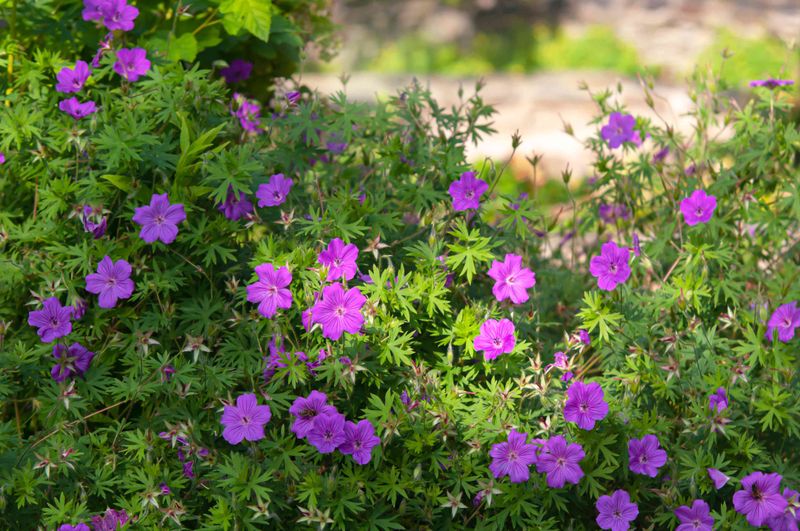
Hardy geranium, also called cranesbill, forms a soft mound of pretty leaves dotted with purple, pink, or blue flowers.
After its main bloom, though, the plant can turn floppy and open up in the middle, leaving an ugly gap.
The fix is simple and dramatic. Cut the entire plant back to just a few inches above the ground. It looks shocking at first, but trust the process.
Fresh new leaves pop up within a week or two, forming a neat green cushion. In many cases, a whole new round of flowers follows shortly after.
These plants are perfect for Pennsylvania gardens because they handle both sun and part shade. They fill in bare spots and crowd out weeds with their spreading habit.
Don’t confuse hardy geraniums with the red potted geraniums you see on porches. Those are actually a different plant called Pelargonium. Cranesbills are the true, cold-hardy perennials that come back every year.
Shear the plant with hedge clippers for the fastest results. Gather the floppy stems and cut straight across, low to the base.
The name cranesbill comes from the seed pods, which have a long, pointed shape like a crane’s beak. It’s a fun detail to point out to curious kids in the garden.
After trimming, water the plant and clear away the old clippings. A little compost helps the fresh growth come in strong and lush.
By the tail end of summer, your hardy geranium will look plump and green again, often with a bonus flush of blooms. It’s one of the most rewarding plants to trim hard.