The Native Georgia Fern That Stays Beautiful Through Heat And Humidity
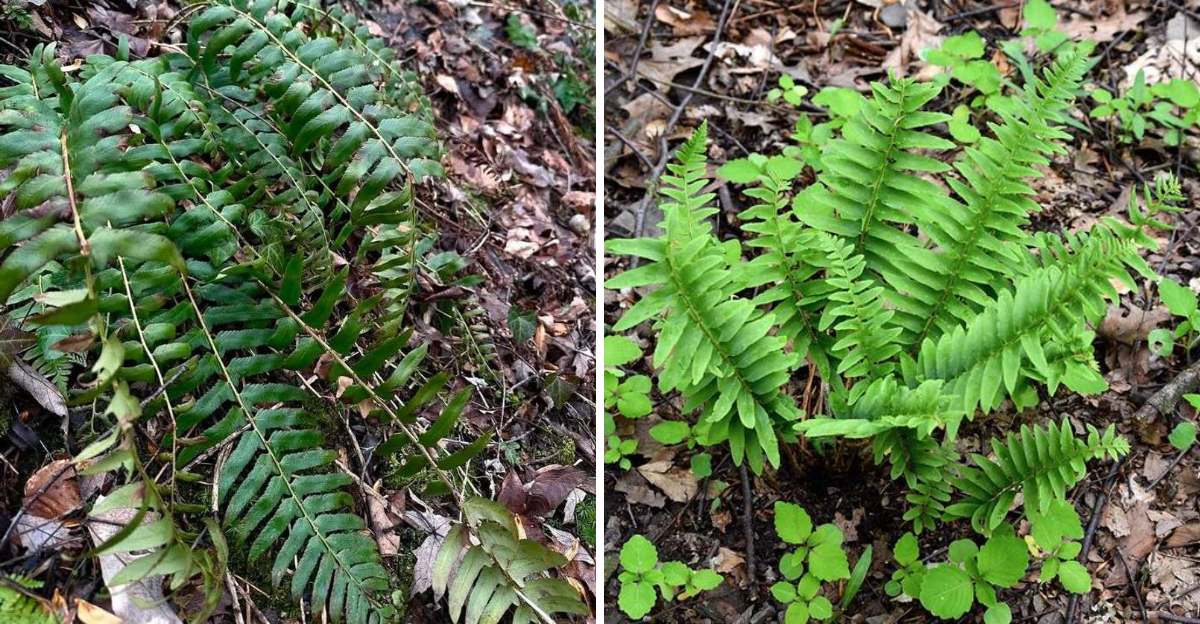
Ferns are not always the first plants people think about when they want a landscape to stand out during summer.
Many assume they are delicate, difficult to grow, or better suited to cool woodland gardens than long stretches of hot weather.
That belief keeps some truly impressive plants out of the spotlight, even though they are well adapted to challenging conditions.
Georgia’s warm, humid summers can be demanding, especially for plants that prefer cooler temperatures. Even so, one native fern continues looking fresh while many other shade plants begin losing their appeal.
Its graceful foliage brings texture and rich green color without asking for constant attention.
Some plants earn their place in the landscape by simply refusing to look tired.
This native fern does exactly that, making it an easy favorite for gardeners who want dependable beauty throughout the hottest weeks of summer.
1. Christmas Fern Thrives Through Heat And Humidity
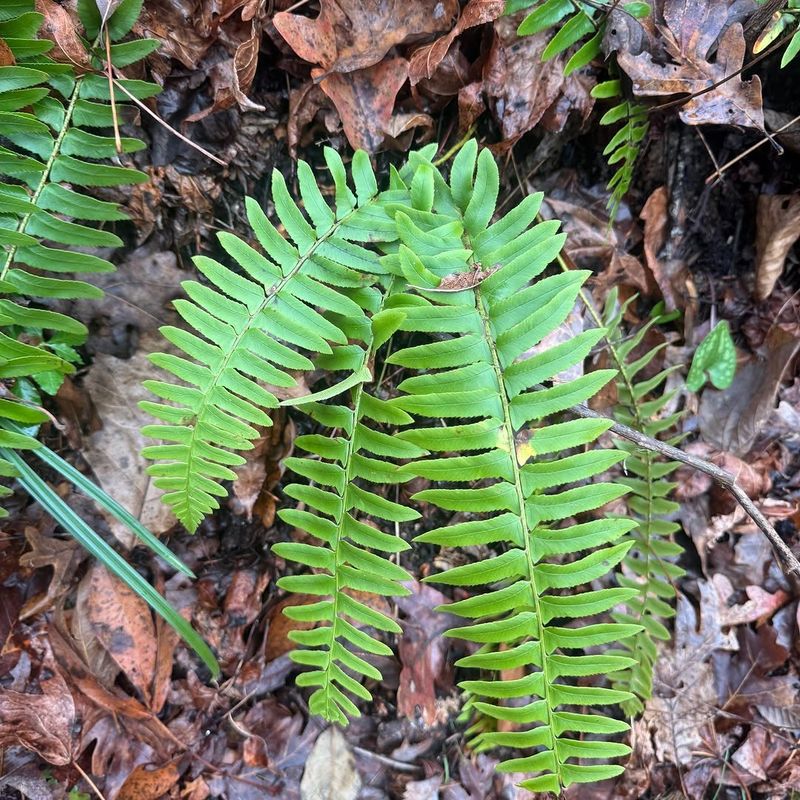
Most ferns throw a fit the moment summer heat cranks up. Christmas fern does not.
It keeps its glossy, dark green fronds looking sharp even when temperatures push past 90 degrees and humidity makes the air feel thick.
Native to the eastern United States, this fern grows naturally in Georgia woodlands and along creek banks. It evolved alongside the heat and moisture of Southern summers, so it does not need coddling.
That built-in toughness sets it apart from many exotic ferns sold at garden centers.
Fronds typically grow between one and two feet long. They stay upright and full through most of the summer without wilting or browning.
A healthy clump can look almost architectural in a shaded border.
Even during heat waves, Christmas fern holds steady. Established plants handle dry stretches better than most ferns, though they appreciate a good soak during long dry spells.
Roots go deep enough to find moisture when the surface dries out.
One thing worth knowing: fronds do flatten slightly in winter, which is completely normal. Fresh new growth pushes up in spring and the cycle starts again.
Year after year, this fern delivers reliable beauty in spots where other plants struggle to survive the Southern summer.
2. Choose A Shady Spot With Rich Organic Soil
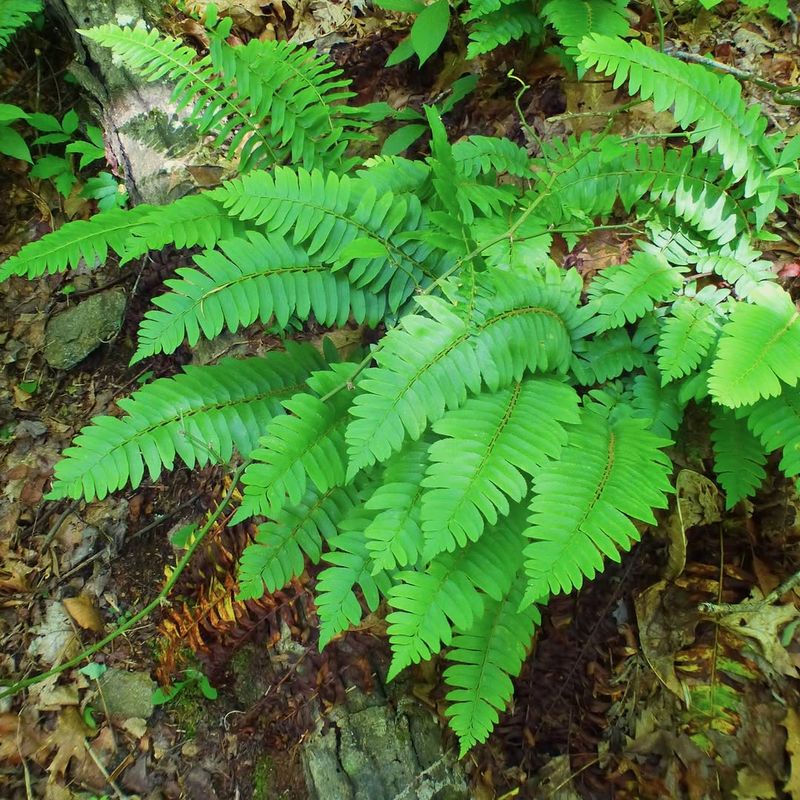
Spot selection makes or breaks a Christmas fern planting. Get it right from the start and you will spend almost no time fixing problems later.
Partial to full shade is ideal. Morning light is fine, but direct afternoon sun in summer can scorch fronds and stress even this tough native.
Under deciduous trees is a sweet spot. The canopy blocks intense summer sun and drops leaves that feed the soil naturally over time.
Soil quality matters more than most people expect. Christmas fern prefers rich, well-drained soil loaded with organic matter.
Heavy clay holds too much water around the crown, which can cause rot over time. Sandy soil drains too fast and dries out roots between rains.
Amending soil before planting pays off. Work in compost or aged leaf mold to improve drainage and add nutrients.
Aim for a loose, crumbly texture that holds some moisture without staying waterlogged.
Your Georgia Garden Changes Every Week. Your Plan Should Too.
Gardening in Georgia changes quickly throughout the season. Every Friday you’ll receive a simple weekly plan showing exactly what to plant, prune, fertilize, harvest, and protect so you never miss the right timing.
Slightly acidic soil suits this fern well. A pH between 5.5 and 6.5 is a comfortable range.
Soil in many Southeast woodland gardens already falls in that zone naturally, especially under oaks and pines.
Planting depth matters too. Set the crown at soil level, not buried.
Burying the crown too deep invites problems.
3. Keep The Soil Evenly Moist During Dry Spells
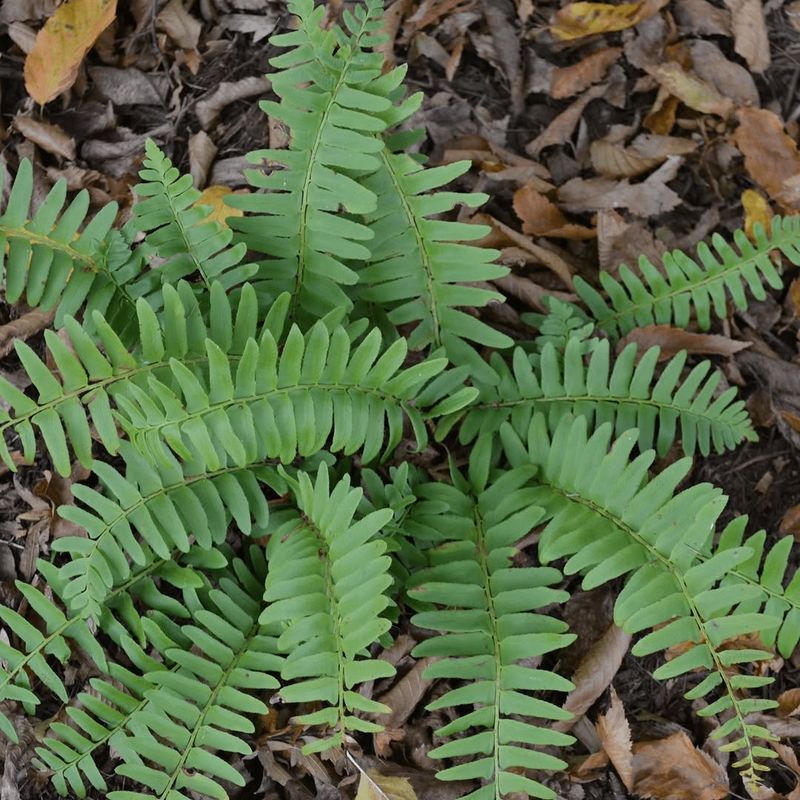
Even tough native plants need water when rain disappears for weeks. Christmas fern is resilient, but it still appreciates consistent moisture during dry stretches, especially in its first year after planting.
Established plants have a deeper root system that helps them pull moisture from lower in the soil. Young plants do not have that advantage yet.
Skipping water during a two-week dry spell in August can set a new planting back significantly.
Water deeply rather than frequently. A slow, deep soak once or twice a week during dry spells does more good than a quick spray every day.
Deep watering encourages roots to grow downward, which builds drought tolerance over time.
Check soil moisture before reaching for the hose. Push a finger about two inches into the soil near the base of the plant.
If it feels dry at that depth, water thoroughly. If it still feels damp, hold off another day or two.
Morning watering works better than evening. Wet foliage sitting overnight in humid Southern air can encourage fungal issues.
Watering at the base of the plant rather than overhead keeps fronds dry and reduces that risk.
Once a clump is fully established, usually after one full growing season, it needs far less attention during moderate dry spells.
4. Mulch Helps Keep Roots Cool And Moist
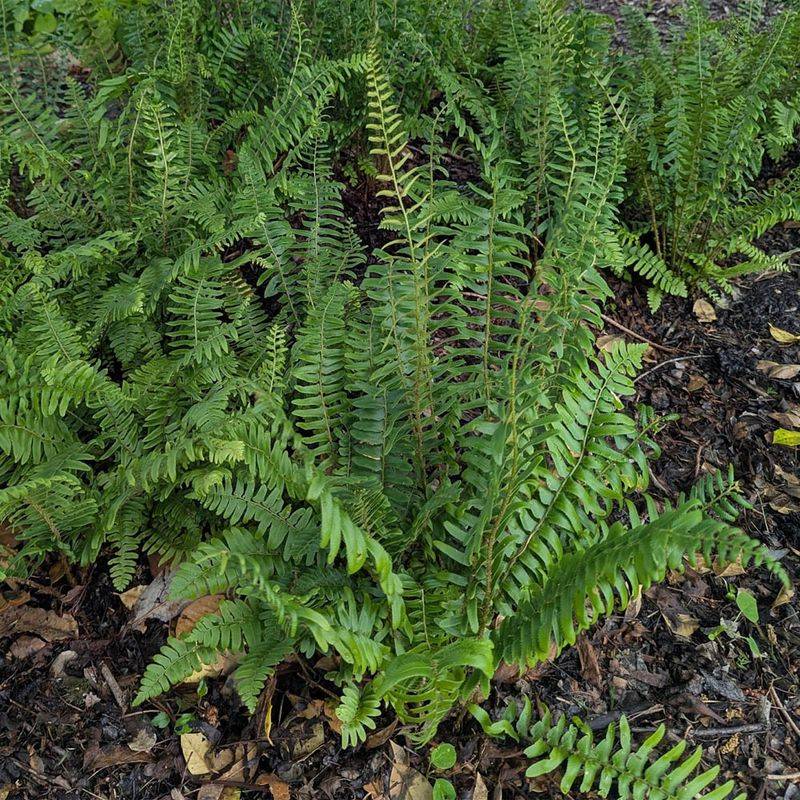
Mulch is one of the simplest tools a gardener has, and it works hard in a Southern shade garden. A good layer around Christmas ferns makes a real difference during summer heat.
Shredded leaves are the top choice. They mimic what happens naturally on a woodland floor.
As they break down, they feed the soil with organic matter and improve texture over time. Oak leaves, maple leaves, and mixed hardwood all work well.
Apply two to three inches of mulch around each clump. Keep mulch pulled back slightly from the crown of the plant.
Piling mulch directly against the crown traps moisture where it should not be and can lead to rot, especially during humid summers.
Pine straw is another solid option widely available across the Southeast. It stays in place well and breaks down slowly.
It also acidifies the soil slightly over time, which suits Christmas fern just fine.
Mulch does more than hold moisture. It also moderates soil temperature.
Bare soil in a summer garden can heat up dramatically between waterings. A mulch layer keeps root zones noticeably cooler, which reduces stress on the plant during heat waves.
Refresh mulch once a year, usually in late fall or early spring. Old mulch breaks down and thins out over time.
5. Avoid Hot Afternoon Sun In Exposed Locations
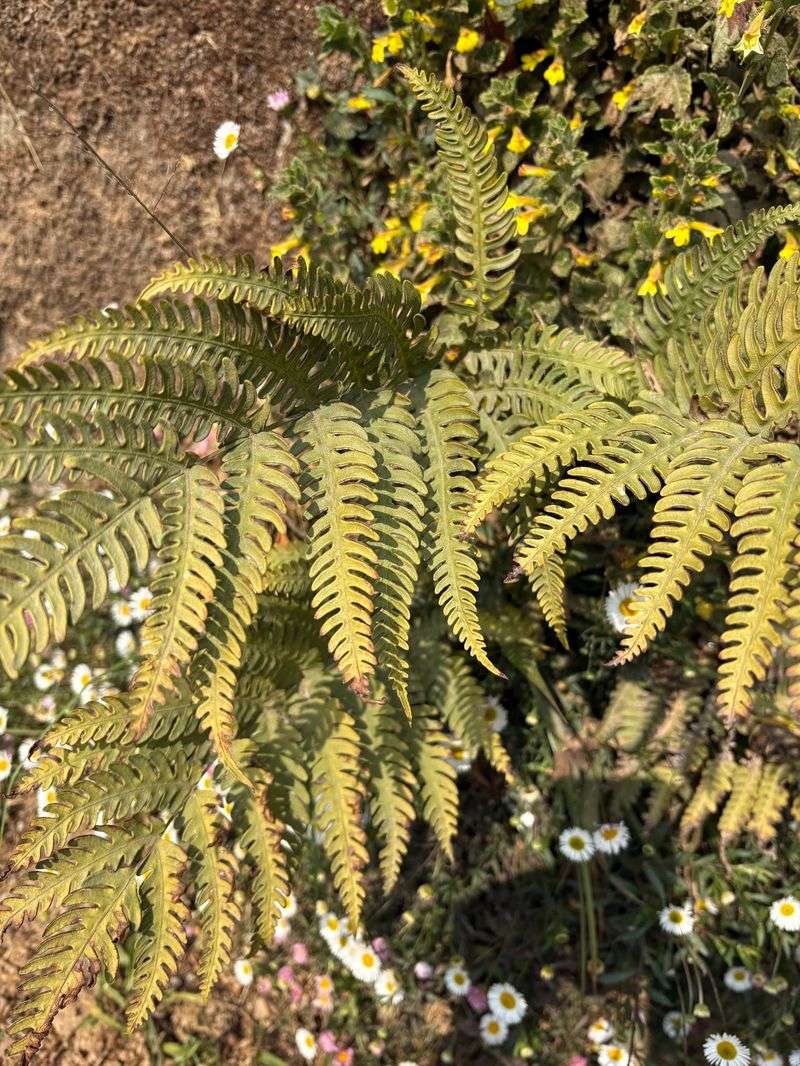
Afternoon sun in a Southern summer is a different beast than morning light. It hits harder, lasts longer, and carries real heat that can stress even native plants adapted to the region.
Christmas fern handles filtered light and dappled shade with ease. Full morning sun is manageable for established plants in cooler seasons.
But direct afternoon exposure from about 1 PM onward pushes this fern past its comfort zone during peak summer months.
Signs of too much sun show up quickly. Fronds start to look pale or washed out.
Tips may turn brown and crispy. A clump that looked healthy in spring can look rough by late July if the sun angle shifts and suddenly hits it for hours each afternoon.
Repositioning an established clump is possible but stressful for the plant. It is far easier to choose the right spot before planting.
Walk your garden at different times of day and note where afternoon shade falls naturally.
North-facing slopes, spots under dense tree canopies, and areas beside structures that cast afternoon shade are all strong candidates.
In Georgia, the east side of a fence or building often gets morning light and afternoon protection, which suits Christmas fern well.
Placing this fern in a naturally protected spot removes the need to compensate with extra watering or shade cloth.
6. Divide Mature Clumps In Early Spring If Needed
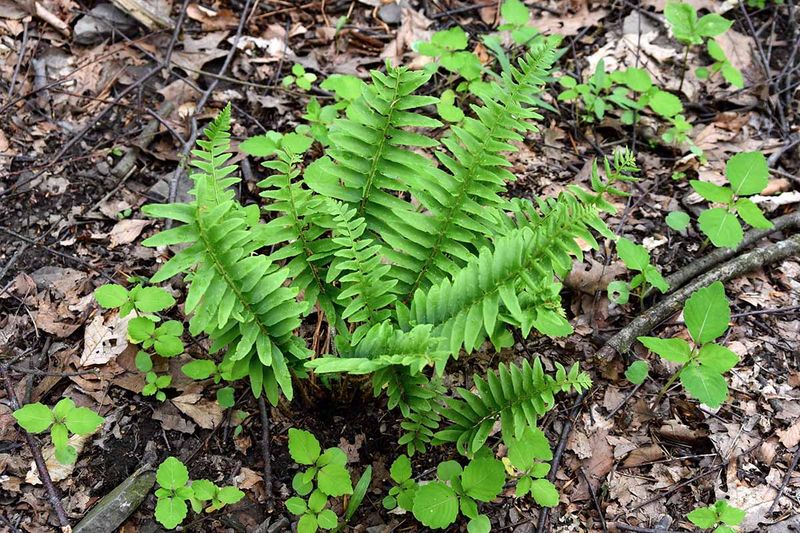
A well-established Christmas fern clump grows steadily over the years. Eventually it gets wide enough that dividing it makes sense, either to control size or to spread more ferns around the garden without spending a dollar.
Early spring is the best window for dividing. New growth has not fully pushed out yet, which means the plant is not putting all its energy into producing fresh fronds.
Dividing at this stage gives each section time to settle into new soil before summer heat arrives.
Use a sharp garden fork or spade. Push it into the outer edge of the clump and pry sections away from the center.
Each division should have a healthy crown and a good clump of roots attached. Sections without roots rarely recover well.
Replant divisions at the same depth as the original. Firm soil around the roots and water thoroughly right after planting.
Divisions need consistent moisture for several weeks while they establish. This is not the time to skip watering during a dry stretch.
Not every clump needs dividing. Christmas fern is not aggressive and will not take over a bed.
If a clump looks healthy and fits the space, leave it alone. Division is a tool, not a requirement.
7. Remove Damaged Fronds In Late Winter
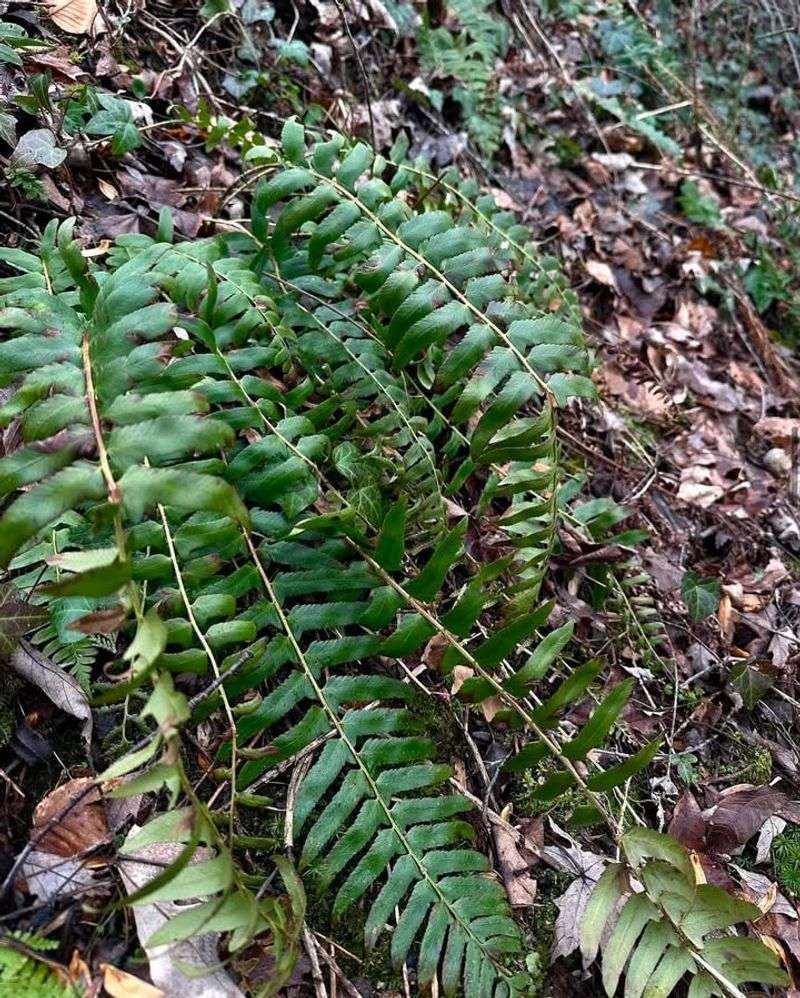
By late winter, Christmas fern fronds that flattened under cold weather start to look worn and tired. Removing them before new growth pushes up is one of the best things you can do for a clean, healthy plant.
Timing matters. Cut too early and you remove fronds that were still providing some protection to the crown during cold snaps.
Wait until you can see fiddleheads beginning to emerge from the center of the clump. That is your signal that the plant is ready.
Use clean, sharp pruning shears. Cut damaged fronds close to the base without cutting into the crown itself.
A clean cut heals faster and looks neater than a rough or jagged one. Wipe blades with rubbing alcohol between plants if you are working through multiple clumps.
Do not pull fronds off by hand. Yanking can disturb roots and damage the crown, especially in loose or amended soil.
Always cut rather than pull.
Old fronds left in place are not a disaster. They break down and add organic matter to the soil around the plant.
But removing them does give new growth a cleaner start and makes the bed look tidy coming into spring.