The September Florida Bermudagrass Problem That Starts With Tiny Chewed Blades
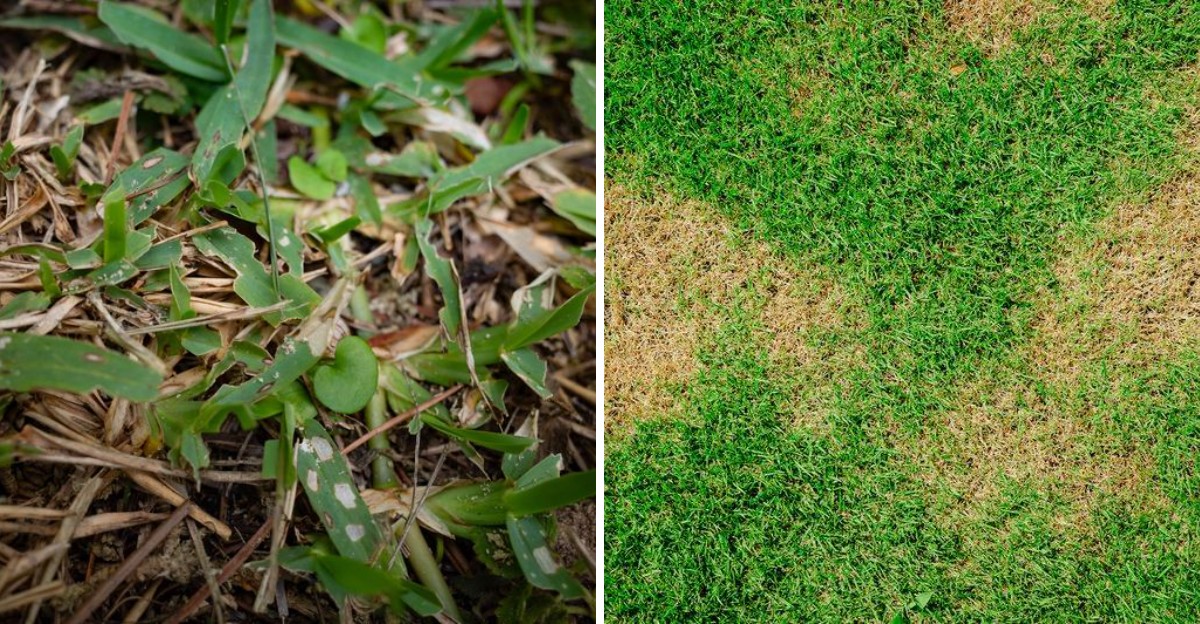
The grass doesn’t look right, just off. Blades chewed at the tips, ragged instead of clean, thin patches spreading a little wider every few days.
No clear cause in sight.
That damage has a source, and it’s smaller than most people expect. Certain pests target bermudagrass blades specifically in September, chewing just enough to weaken the grass without wiping it out completely.
That’s exactly why it gets mistaken for drought stress or bad mowing for weeks. By the time brown patches show up, the damage underneath has usually been building for a while already.
Florida’s warm, humid September gives these pests ideal conditions to multiply fast. Catching the chewed blades early matters more than most homeowners realize.
1. Meet The Tropical Sod Webworm Behind Those First Chewed Blades
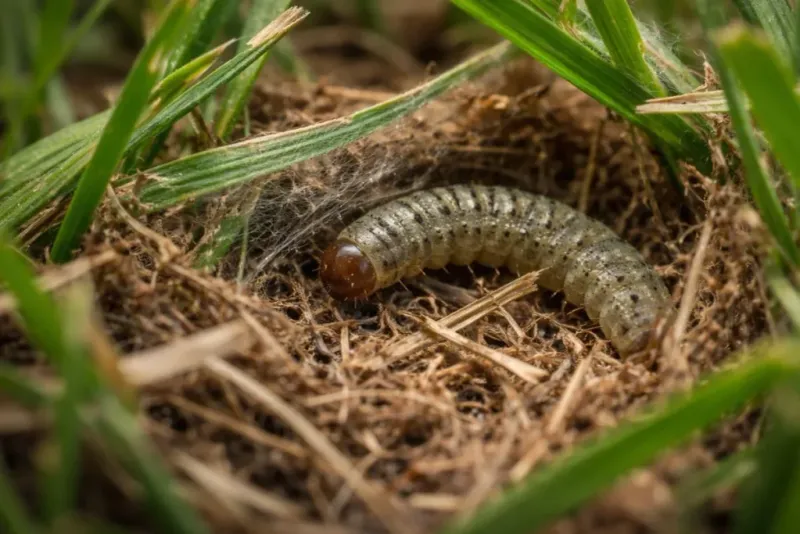
Blame the babies, not the moths. The chewing damage in Florida Bermudagrass comes from the larval stage of the tropical sod webworm, which are small caterpillars that work quietly down at grass level.
Up close they look light green to grayish-tan, with faint stripes running along the body. They can have faint stripes and rows of dark spots along the body, although appearance can vary with age.
A fully grown larva can stretch to about an inch long, though most of the ones doing early damage are far smaller. During the day they curl into a tight C-shape and tuck themselves into the thatch layer, which makes them simple to miss.
Warm-season turf is exactly what they want. Bermudagrass, along with other warm-season grasses across Florida and the southeastern United States, sits right in their preferred menu range.
Knowing the culprit changes how you respond. Instead of guessing at fungus or watering problems, you can start checking the base of the grass for caterpillars and the signs they leave behind.
Once you can picture that little C-shaped body in the thatch, the rest of the puzzle gets easier. Every clue in the sections ahead points back to this one small, hungry caterpillar.
2. Catch The Windowpane Damage Before The Lawn Turns Ragged
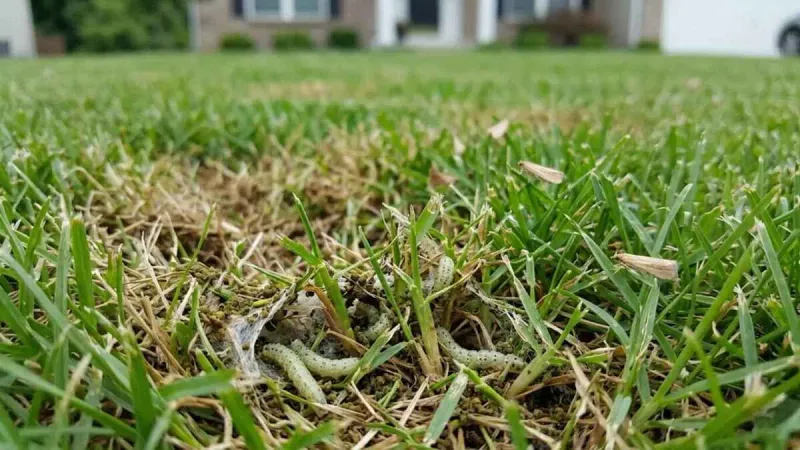
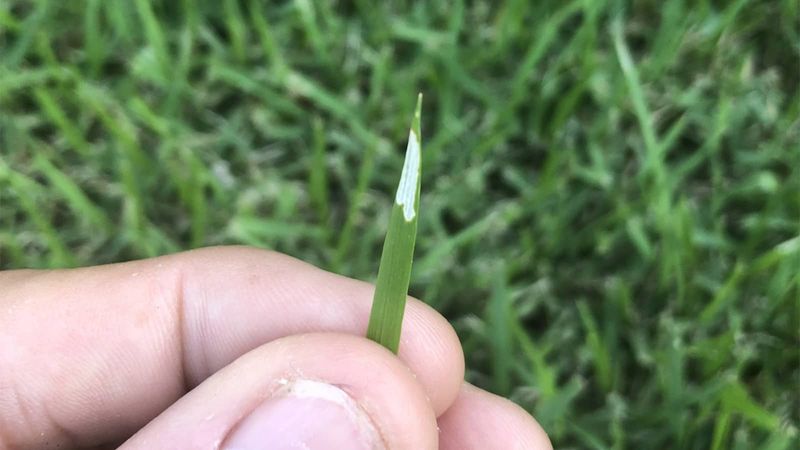
There is a stage of damage most homeowners walk right past. Young caterpillars scrape away only the surface tissue of a blade, leaving behind thin, see-through patches that look like tiny windowpanes.
Hold a blade up toward the light and the effect becomes obvious. Those translucent spots are the earliest written record of feeding, and they show up well before anything looks wrong from the porch.
Feeding gets bolder as the larvae grow. Notches appear chewed into blade edges, and eventually whole blades disappear, leaving stubby, uneven turf behind.
At that point the lawn starts looking thin, and irregular brown patches spread across sunny sections. Many people assume the sprinklers missed a zone and crank up the watering schedule.
Here is the tell: drought stress improves after a good soaking, while chewed turf does not. If patches stay ragged despite appropriate watering, feeding damage becomes more worth investigating.
Walking the lawn once a week with your eyes down near the grass costs you five minutes.
Your Florida Garden Changes Every Week. Your Plan Should Too.
Gardening in Florida changes quickly throughout the season. Every Friday you’ll receive a simple weekly plan showing exactly what to plant, prune, fertilize, harvest, and protect so you never miss the right timing.
Spotting windowpane scraping at that stage gives you a real head start, because small larvae are much easier to handle than large ones that have already thinned out whole sections of Bermudagrass.
3. Check The Grass After Dark When The Caterpillars Come Out To Feed
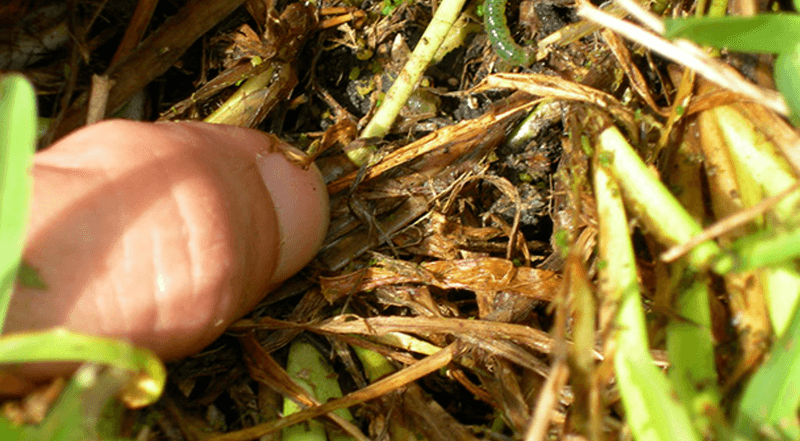
Daytime inspections can fool you completely. Tropical sod webworm larvae do most of their feeding after sunset, which explains why a lawn can look untouched at noon and shredded by the weekend.
Grab a flashlight after dark and kneel down where the damage starts. Sweep the beam across the blades and into the low spots where grass meets soil.
Dawn and dusk work nearly as well. Overcast, muggy days sometimes tempt them out too, especially when the sun stays behind clouds for hours.
Through the bright, hot stretch of the afternoon, these caterpillars retreat into the thatch or just under the turf surface. That hiding habit is why so many Florida homeowners insist there is no pest present, right up until the patches double in size.
Bring a butter knife or a screwdriver along on your night walk. Parting the grass at the edge of a thin patch often reveals movement, frass, or a curled larva that had been out feeding moments earlier.
One flashlight check in early September beats weeks of guessing. Even if you find nothing, you now have a baseline, and any change you notice later carries real meaning instead of being a shrug and a hopeful extra watering.
4. Search The Thatch Where Sod Webworms Hide By Day
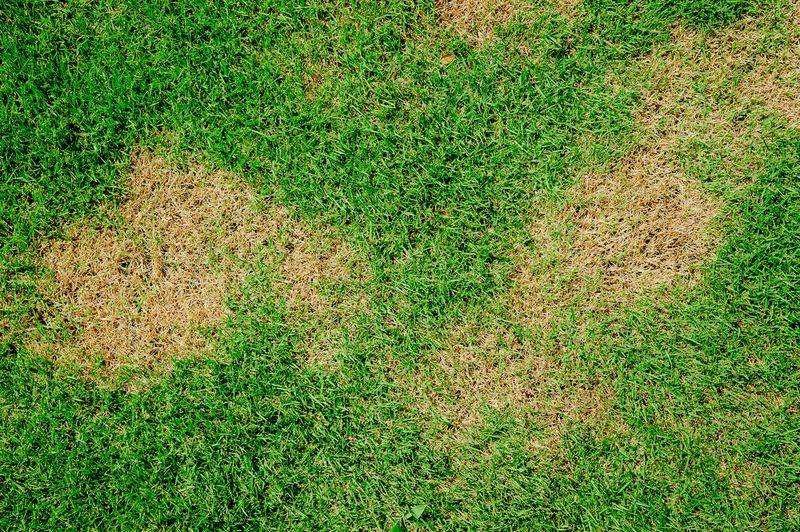
Think of the thatch as a caterpillar hotel. That spongy layer of stems and clippings between green blades and soil gives tropical sod webworms a cool, shaded place to wait out the day.
Part the grass with your fingers and look closely. Larvae often sit curled in their trademark C-shape, blending into the tan and green mix surprisingly well.
Even when you cannot spot the caterpillars, they leave receipts. Tiny green droppings called frass collect right at the soil line, looking like specks of ground pepper in a greenish shade.
Fine silk-lined tunnels running through the thatch are another strong signal. Those threads mean the infestation is active rather than something that passed through weeks ago.
Where you search matters. Sun-exposed stretches, lawn edges near sidewalks, and freshly laid sod tend to show trouble first, so start your inspection in those spots.
Keeping thatch from building too thick helps in the long run. Regular mowing at the right height, plus occasional dethatching when the layer gets spongy, removes some of that comfortable shelter.
Five minutes on your knees in three or four spots gives you a clearer picture than any guess from the driveway. Frass at the soil line is about as close to a confession as a lawn pest gets.
5. Treat Fluttering Lawn Moths As A Clue Rather Than The Main Target
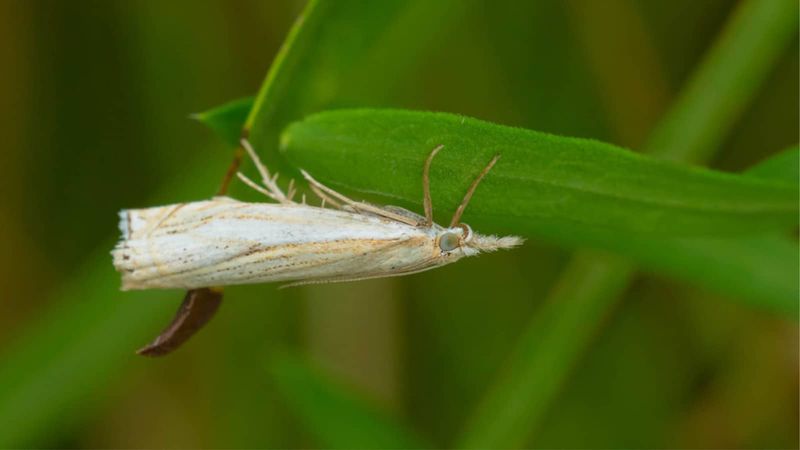
Mow the lawn in late summer and a cloud of little tan moths lifts out ahead of the mower. Those are adult tropical sod webworms, and they are messengers rather than the ones doing damage.
Watch them near dusk and the flight looks jumpy and erratic, staying low over the turf. At rest, the wings fold into a distinct triangular shape against the body.
Here is the part that surprises people: adult moths do not eat grass at all. Spraying the air or chasing them around the yard accomplishes very little.
Their real significance is what comes next. Females are laying eggs down in the turf, and those eggs hatch into the caterpillars that will scrape and chew your Bermudagrass within a couple of weeks.
So treat moth sightings as a countdown timer. Heavy moth activity is a useful signal to start checking the blades and thatch more closely for newly hatched larvae.
Jot the date down on your phone. That simple note helps you time an inspection or treatment for the stage that actually matters, when larvae are tiny and easier to manage.
Moths are annoying company, sure. But used correctly, they are the most convenient early warning system a Florida lawn owner gets for free.
6. Expect September To Push Sod Webworm Activity Into High Gear
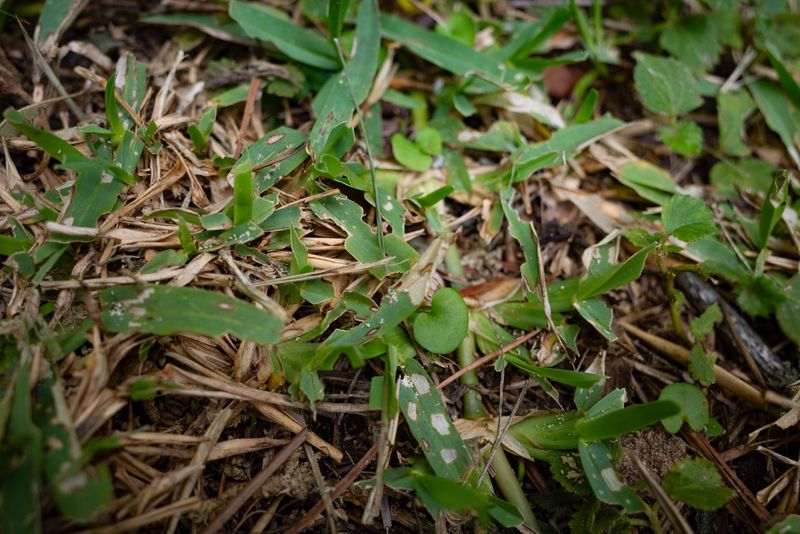
September has a reputation in Florida yards, and it is earned. While tropical sod webworms can stay active all year in the state’s warm climate, their numbers climb sharply from September through November.
Feeding pressure builds through summer and peaks into fall. That timing is why the most obvious damage tends to show up in early fall, right when homeowners expect the lawn to be coasting.
South Florida runs on an even longer schedule. High activity and visible damage there often stretch from June through October, with generations overlapping so there is barely a break between waves.
Overlapping generations matter more than the calendar alone. Eggs, small larvae, big larvae, and moths can all be present at once, which means one treatment may not wipe the slate clean.
Plan for repeat checks instead of a single inspection. Looking at the turf every week or two through fall catches the next batch while they are still young.
Warm nights and steady humidity keep the cycle rolling along. Florida’s long growing season is wonderful for Bermudagrass and equally wonderful for the caterpillars that feed on it.
Put a recurring reminder on your calendar starting Labor Day weekend. A little routine attention through the fall months saves a lot of patching work later.
7. Ease Up On Heavy Fertilizing That Can Encourage Bigger Outbreaks
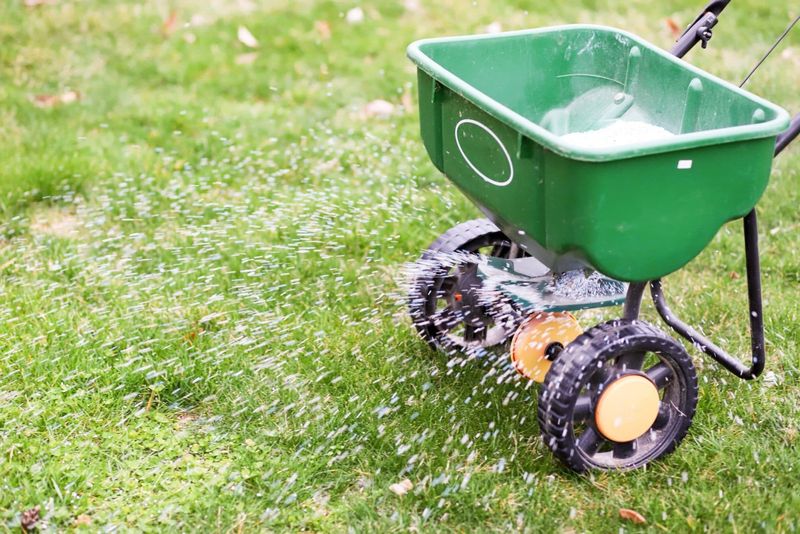
More nitrogen is not always more lawn. Piling on heavy fertilizer, especially products loaded with nitrogen, can quietly set the table for a bigger sod webworm problem.
The reason is simple enough. Lush, fast-growing, nitrogen-rich turf is exactly the kind of place adult moths prefer for laying eggs, and tender new blades make easy chewing for young larvae.
A more measured approach pays off. Follow a fertilization schedule matched to your specific turf type and the season, rather than dumping product on whenever the grass looks a little pale.
Soil tests help take the guesswork out. Knowing what your yard actually lacks keeps you from overcorrecting with nitrogen you did not need in the first place.
Slow-release formulas are worth a look as well. Steady, gradual feeding avoids the flush of soft growth that follows a big quick-release application.
Mowing height and watering habits fold into the same idea. Cutting at the recommended height for Bermudagrass and watering deeply but less often builds sturdier turf with stronger roots.
Balanced care will not make your lawn pest-proof, and nothing really does. What it does is reduce the invitation, help the grass shrug off some feeding, and give you a lawn that recovers faster when September caterpillars show up.
8. Use A Soap Flush To Confirm What Is Hiding In The Turf
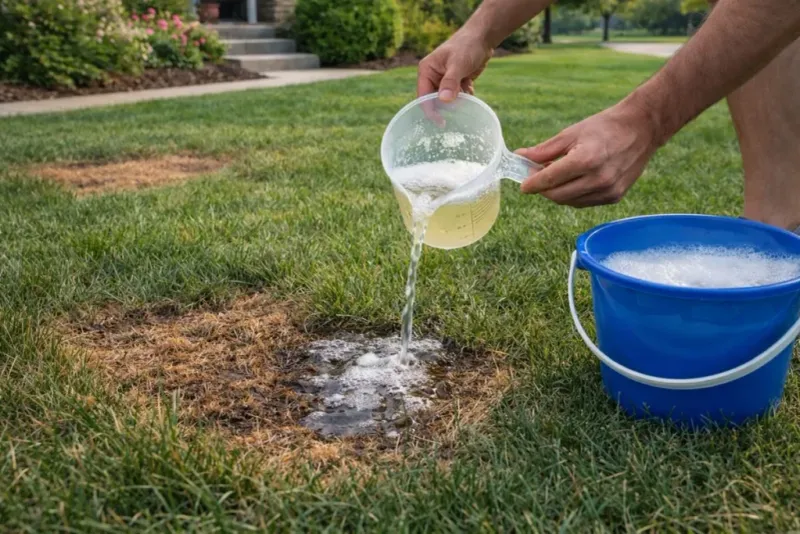
Dish soap is the cheapest diagnostic tool in your garage. A soap flush irritates hidden larvae and brings them up where you can count them, which beats guessing every time.
Mix a small amount of liquid dish detergent into water and apply it to a test area of turf, following a locally recommended soap-flush method. A watering can works perfectly for spreading it evenly.
Pour the solution slowly over a section of turf about one square yard in size. Choose healthy grass right along the edge of a damaged area, since that is where active feeders usually sit.
Then wait and watch. Within roughly five to ten minutes, any caterpillars present get uncomfortable and wriggle up to the surface of the grass.
Test two or three spots for a better picture. Finding larvae in several places tells you the problem is spread out rather than a small isolated patch.
Rinse the area with plain water afterward so the soap does not linger on the blades. Doing the flush in the morning or evening, rather than under blazing midday sun, is gentler on the turf.
Write down what you find, including how many and how big. That record helps you decide whether to keep monitoring or move ahead with treatment while the larvae are still small.
9. Act While The Caterpillars Are Small And The Bermudagrass Can Bounce Back
Timing beats intensity with this pest. Control measures work best against young larvae, so the window right after you spot windowpane scraping is the one you want to use.
Big caterpillars are tougher and have already done most of their eating. Waiting until patches are obvious usually means paying for repair work on top of treatment.
Bermudagrass does have a strong recovery habit going for it. Given reasonable care and an infestation that has not gone too far, it spreads back into thin areas through its runners.
Consistent maintenance is what makes that comeback happen. Proper mowing height, deep but infrequent watering, and sensible fertilizing all help the turf fill in.
If you treat, read the label closely and follow the directions for your grass type. Follow the product label for any watering instructions before or after application, since requirements vary by product.
Plan a follow-up check about a week or two later. Overlapping generations in Florida mean a second wave can arrive while you are admiring your progress.
The takeaway is encouraging. Those tiny chewed blades in early September are a warning, not a verdict, and lawns caught at that stage usually come back looking thick again.