The Fall-Blooming Shrub Pennsylvania Gardeners Overlook While Everyone Else Chases Mums
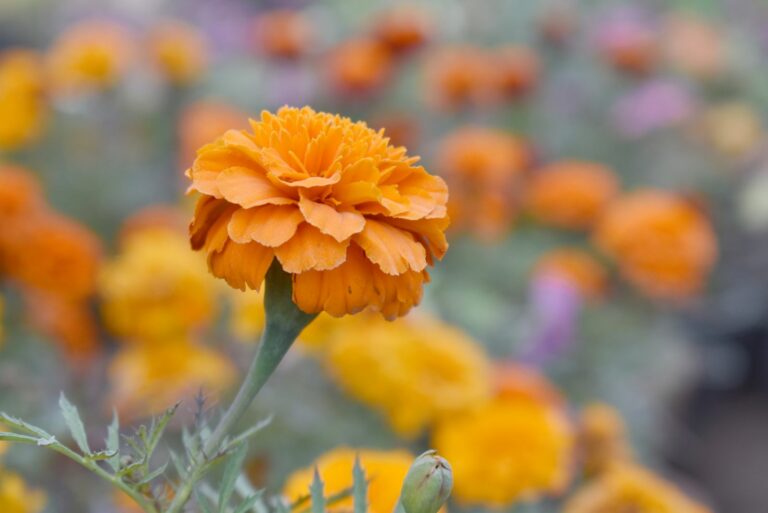
Mums are everywhere in Pennsylvania come fall. Garden centers stack them by the entrance, neighbors line their porches with them, and for a few weeks they deliver exactly the cheerful orange and yellow color that the season calls for.
Then they fade, and that’s the end of it. There’s a shrub that hasn’t been given nearly enough credit for what it does in exactly this same window.
It blooms in fall with a display that rivals any mum planting, comes back reliably every year without being replaced, and supports pollinators generously at a time when most other fall options are offering very little.
Most Pennsylvania gardeners have walked right past it at the nursery without a second look.
Plant American Witch Hazel For Unexpected Fall Flowers
Picture a shrub that waits until the very end of the growing season to steal the spotlight. American witch hazel, known by scientists as Hamamelis virginiana, does exactly that. It grows wild across Pennsylvania forests, tucked along stream banks and shady hillsides.
What makes this plant so special is the timing of its blooms. Instead of flowering in spring like most shrubs, it saves its show for October and November.
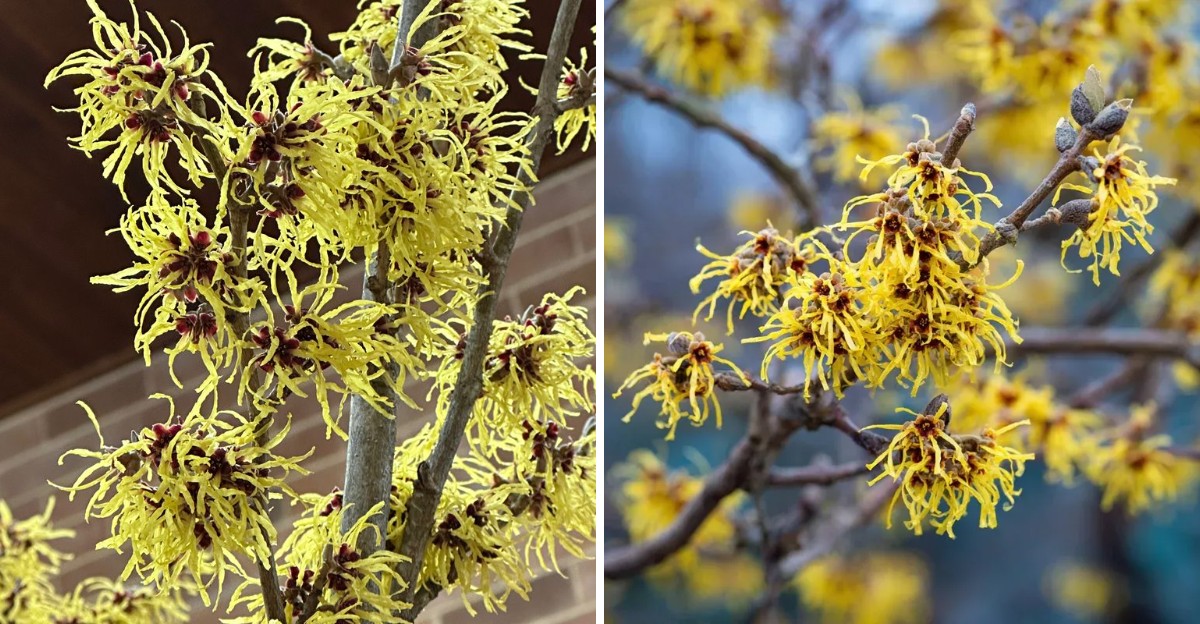
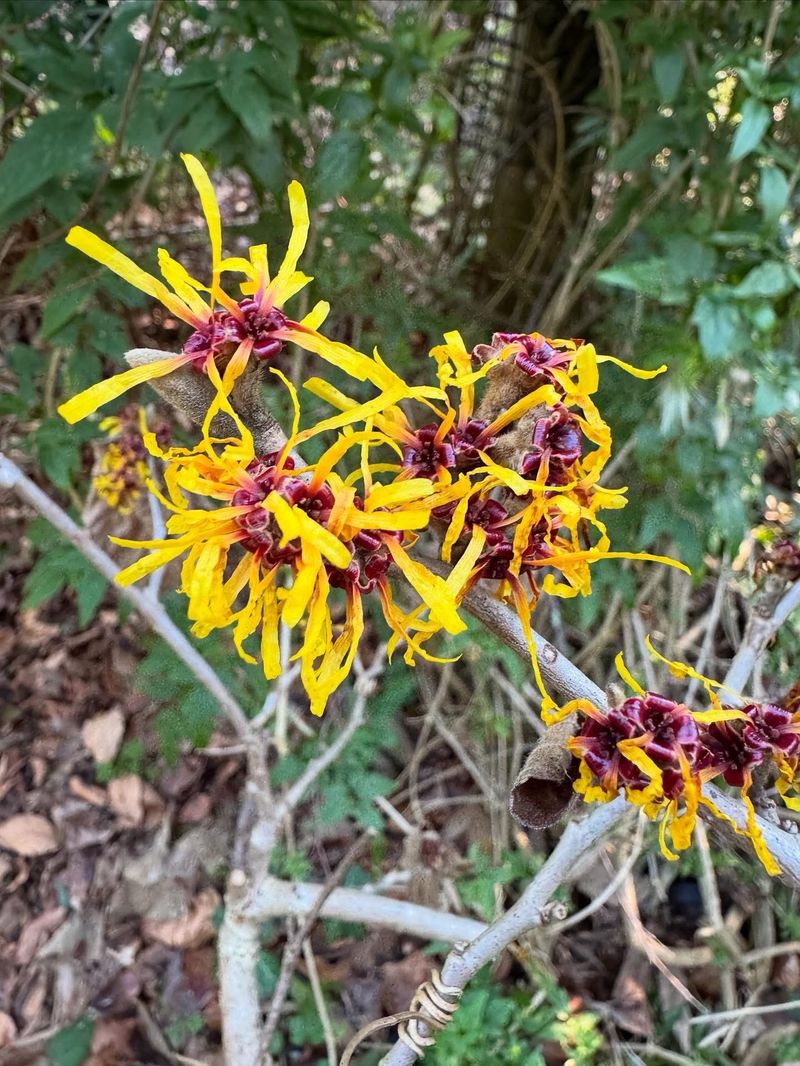
The flowers look like tiny ribbons or twisted yellow threads, unlike anything else in the fall garden.
Many gardeners walk right past it because they don’t expect flowers so late. Yet those small blooms carry a light, sweet fragrance that drifts through the cool air. When you catch that scent on a crisp afternoon, it feels like a secret only you know about.
This shrub can reach ten to fifteen feet tall over time, forming a loose, open shape. It works well at the edge of a yard, near woods, or as a natural screen. The gray-brown branches spread out in gentle layers.
Because it is native, witch hazel already knows how to handle Pennsylvania winters, humid summers, and clay-heavy soil. You won’t have to baby it once it settles in. That toughness makes it a low-stress plant for busy people.
Adding one to your landscape gives you something the mum crowd will never have. While their pots fade after a few weeks, your shrub keeps growing, blooming, and getting better each year.
It is a small choice that pays off season after season, rewarding your patience with a display that feels genuinely surprising.
Why Witch Hazel Blooms When Most Shrubs Have Finished
By the time late October rolls around, most shrubs have shut down for the year. Their flowers are long gone, and their leaves are dropping fast. That is precisely when witch hazel decides to wake up.
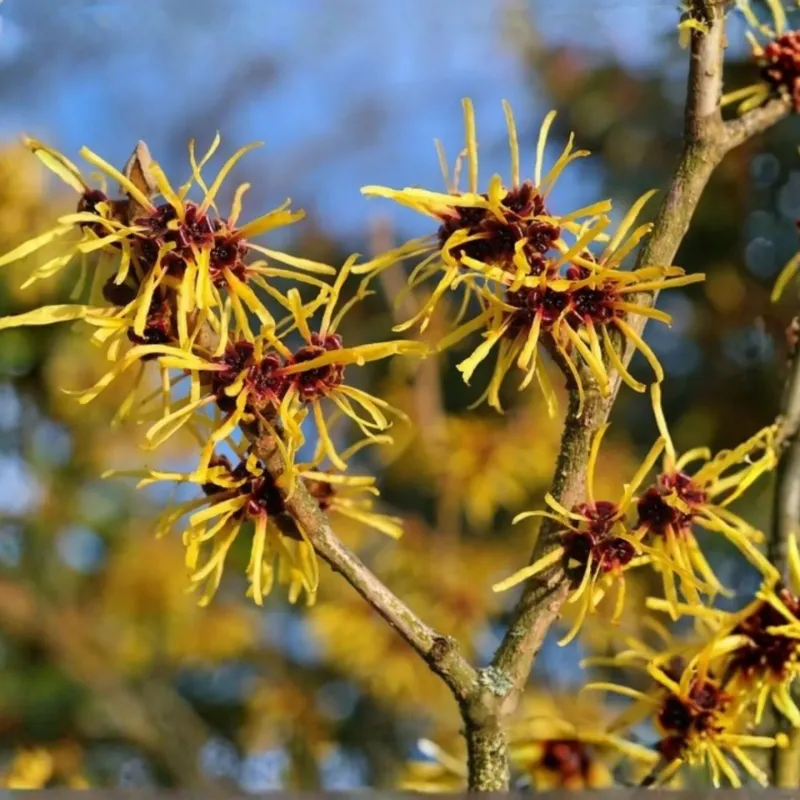
Its blooms appear on bare or nearly bare branches, which makes them even easier to spot. Without a curtain of green leaves in the way, those bright yellow threads seem to glow against the gray autumn sky.
Scientists believe the plant blooms this late to avoid competition. Fewer flowers are open in fall, so the insects still buzzing around have plenty of reason to visit witch hazel. This clever timing helps it get pollinated when few rivals exist.
Your Pennsylvania Garden Changes Every Week. Your Plan Should Too.
Gardening in Pennsylvania changes quickly throughout the season. Every Friday you’ll receive a simple weekly plan showing exactly what to plant, prune, fertilize, harvest, and protect so you never miss the right timing.
The flowers are also built for cold. On chilly days, the petals curl up to protect themselves. When the sun warms things back up, they unroll again, ready to greet any visitor that comes along.
This back-and-forth can stretch the blooming period for several weeks. You might enjoy the same shrub flowering from mid-fall all the way toward the first hard freeze. Few plants offer that kind of staying power so late in the year.
For a gardener, that means color during a season when most yards look tired and brown. Instead of empty beds, you get a living splash of gold right outside your window.
There is something cheerful about a plant that refuses to quit early. While everyone else is raking leaves and packing up their tools, witch hazel is just getting started, proving that the garden season doesn’t have to end when the calendar says so.
Give Witch Hazel The Right Growing Conditions
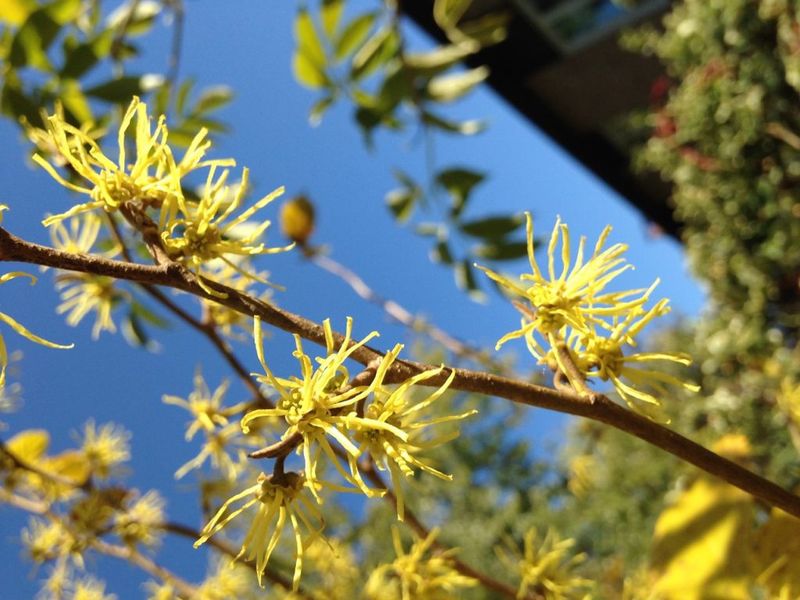
Getting witch hazel off to a strong start is easier than you might think. This shrub is forgiving, but a few smart choices will help it thrive for decades. Start by picking the right spot in your yard.
It grows happily in full sun or partial shade. In sunnier locations, you often get more flowers and a fuller shape. In shadier spots, it stays a bit more open and natural, which some gardeners actually prefer.
Soil matters too. Witch hazel likes ground that drains well but still holds some moisture. Heavy, soggy clay that stays wet all the time can cause trouble, so mixing in compost helps loosen things up.
During the first year or two, keep the roots from drying out. Water deeply once a week when rain is scarce, especially through hot summer stretches. A layer of mulch around the base locks in moisture and keeps weeds down.
Once the plant is established, it becomes remarkably self-reliant. Its roots reach deeper, and it can handle short dry spells on its own. That is the payoff for a little patience early on.
Spacing is worth thinking about as well. Since it can spread wide over the years, give it room to stretch without crowding fences or walls. Planting it too tight means constant pruning later.
You won’t need fancy fertilizers or special care. A slightly acidic to neutral soil suits it just fine, which is common across much of Pennsylvania.
Treat it well in the beginning, and this shrub will reward you with steady growth, healthy leaves, and those famous fall flowers year after year.
What Makes Witch Hazel Different From Fall Mums
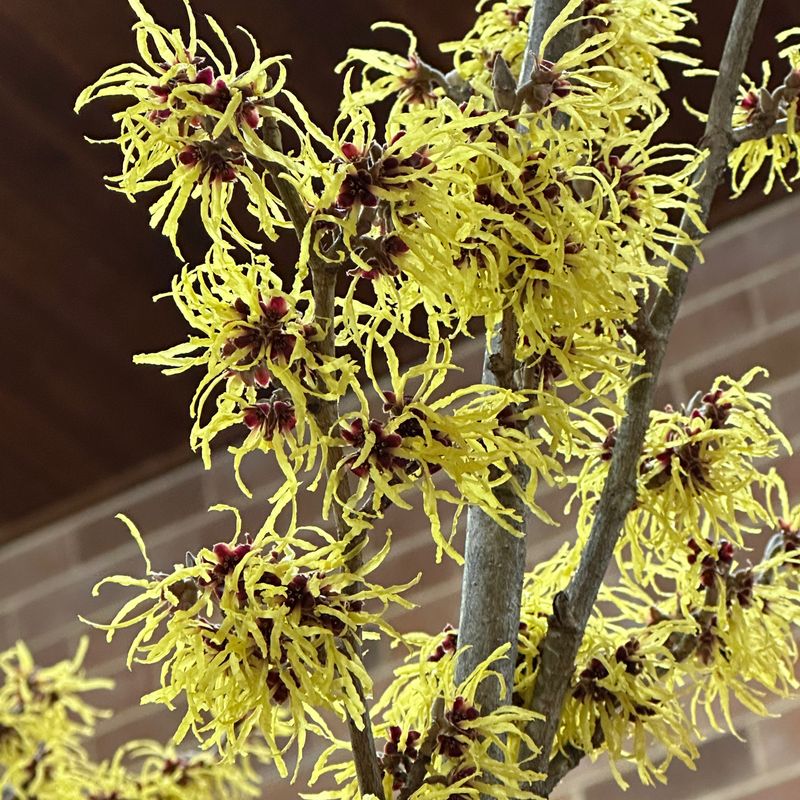
Mums are fun, no doubt about it. They bring instant color to porches and doorsteps every fall. But there is a big difference between a pot of mums and a shrub like witch hazel.
Most mums sold in stores last only one season. After a few weeks of blooms, they fade, and many never survive the winter. You end up buying new ones the following year, over and over again.
Witch hazel plays a completely different game. Plant it once, and it stays for decades. Each year it grows taller and wider, becoming a permanent part of your landscape rather than a temporary decoration.
Think about structure, too. A mum is a small mound of flowers close to the ground. Witch hazel builds real height, layered branches, and a shape that adds interest even when it isn’t blooming.
This is not about picking a winner or replacing one with the other. Mums and witch hazel serve different roles. You can enjoy cheerful mums on the steps while a strong native shrub anchors the yard.
The shrub also gives back to the environment in ways a potted flower cannot. Its branches offer shelter, and its blooms feed insects when little else is available.
There is a certain satisfaction in planting something built to last. Instead of tossing spent pots on the compost pile, you watch a living thing grow and change with the seasons.
So enjoy your mums for their quick burst of color. Just remember that witch hazel offers permanence, personality, and value that a temporary display simply can’t match over the long run.
How Witch Hazel Supports Pennsylvania Wildlife
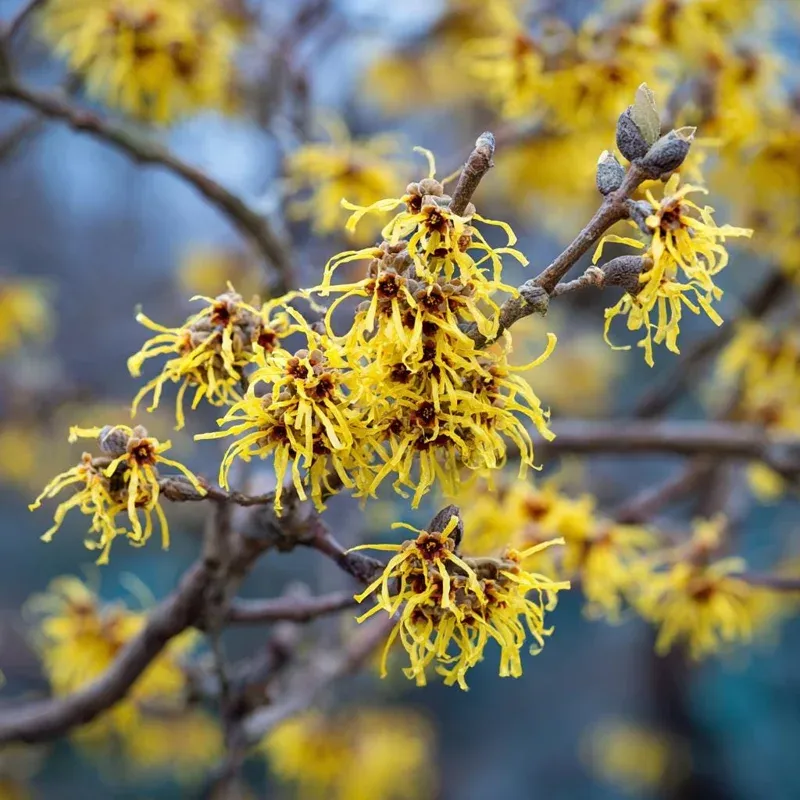
A garden filled with life is a happy garden, and witch hazel knows how to draw a crowd. Because it blooms so late, it becomes a rare food source when most flowers have closed for the year.
Certain late-flying moths and small flies rely on those fall blooms for nectar. With so few other options around, witch hazel becomes a welcome stop for hungry pollinators trying to fuel up before cold weather arrives.
The plant also produces seed capsules that pop open with a surprising snap. These capsules fling their seeds several feet, and small mammals and birds sometimes gather them as a snack.
Beyond food, the shrub offers shelter. Its layered branches give birds a safe place to perch, hide from predators, and rest during migration. A quiet, leafy spot like this can become a favorite hangout.
In summer, the leaves feed the caterpillars of several native moth species. Those caterpillars, in turn, become meals for baby birds. In this way, one shrub supports an entire chain of local life.
Choosing native plants like witch hazel helps Pennsylvania’s ecosystem stay balanced. Non-native ornamentals often look pretty but offer little to local creatures. This shrub does both jobs at once.
When you plant it, you are building habitat, not just decoration. Over time, you may notice more butterflies, birds, and busy insects visiting your yard than ever before.
That connection to nature is a quiet reward. Sitting outside and watching wildlife enjoy something you planted turns an ordinary backyard into a small, thriving sanctuary that keeps giving back year after year.
Make Witch Hazel A Long-Term Fall Garden Feature
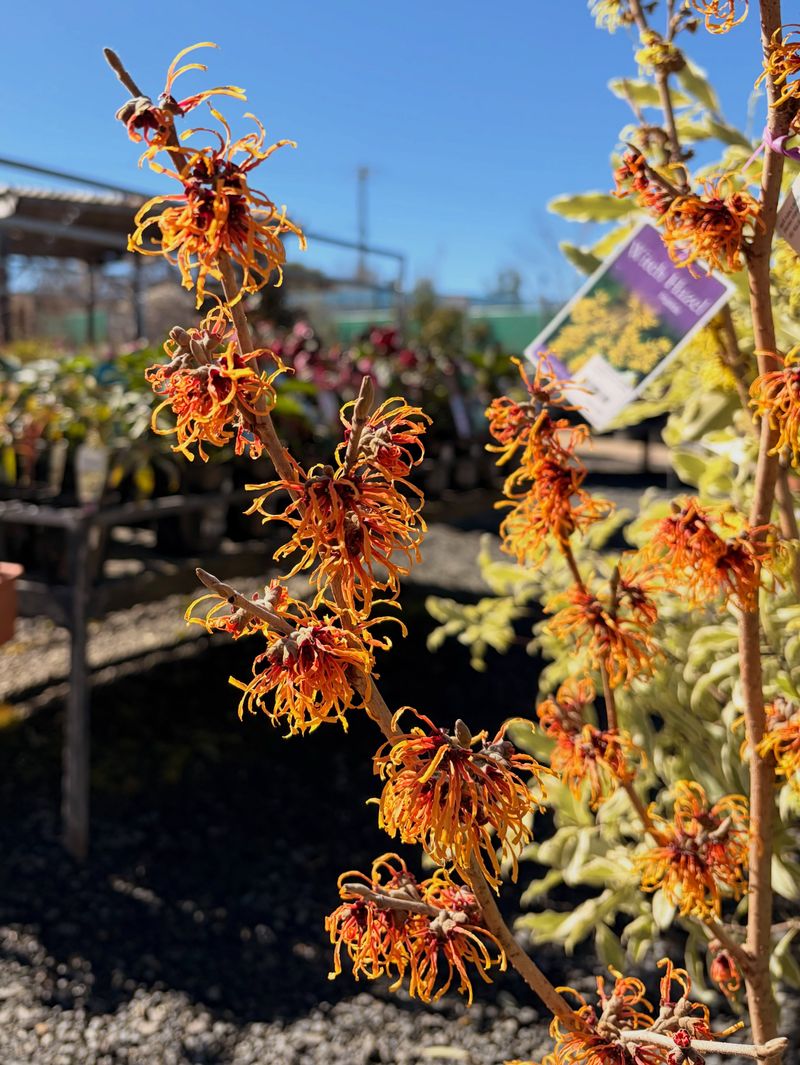
Placing witch hazel in the right spot turns a nice shrub into a true showstopper. Since it earns its keep in fall, put it where you’ll actually see it during that season. A view from a window or walkway works beautifully.
Consider planting it against a darker background, like evergreens or a fence. The contrast makes the yellow flowers and golden autumn leaves pop even more, especially on gray, cloudy days.
Give it enough space to show off its natural form. Witch hazel looks best when allowed to grow loose and open rather than trimmed into a tight ball. Its layered branches have their own quiet beauty.
Grouping a few together can create a small grove effect. This works wonderfully at the edge of a lawn or along a property line where you want privacy plus seasonal interest.
Remember that this shrub offers more than fall flowers. In spring and summer, its green leaves provide a full, leafy backdrop. In autumn, the foliage turns warm shades of yellow before the blooms take over.
Because it lives so long, plan for its mature size from the start. What looks small at planting will one day become a broad, eye-catching feature, so avoid crowding it against your house.
Add a stone path, a bench, or a few spring bulbs nearby to make the area feel intentional. These little touches invite you to slow down and enjoy the space.
Season after season, witch hazel keeps rewarding your good planning. While mums come and go, this native shrub becomes a lasting part of your garden’s story, growing more impressive with every passing year.